

How to Improve Ventilation in a House With UPVC Windows
How Can I Improve Ventilation in a House With UPVC Windows?
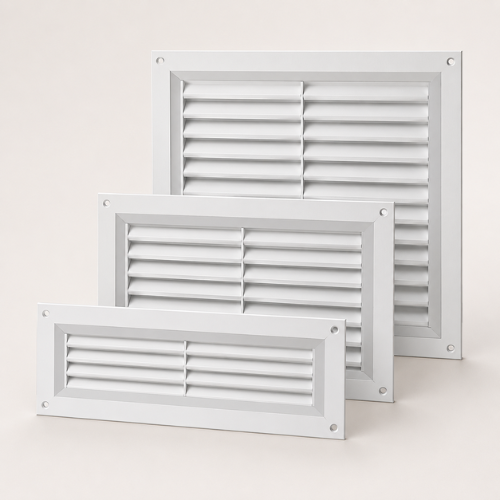
UPVC windows are strong and easy to maintain. However, tight seals can reduce natural airflow. As a result, rooms may feel stuffy or stale. Good Ventilation helps fresh air enter and stale air leave. One simple solution is to use trickle vents for windows, such as Trickle Vents for Windows Ventilation Real PVC Plastic 300mm 400mm.
Why Do UPVC Windows Need Airflow?
Daily activities add moisture to indoor air. Showers, cooking, drying clothes, and breathing all create moisture. If that moisture cannot escape, condensation may appear on cold surfaces. Therefore, a good airflow plan is important. It does not always mean keeping windows wide open.
Modern UPVC windows are more airtight than many older windows. This can help with energy efficiency. However, it can also reduce natural air movement. That is why window ventilation, trickle vents, and extractor fans can work together to create a better indoor environment.
What Are Trickle Vents for Windows?
Trickle vents are small openings fitted into a window frame. They allow a controlled amount of outdoor air into a room while the main window stays closed.
The Trickle Vents for Windows Ventilation Real PVC Plastic 300mm 400mm product is designed for this type of use. Its PVC plastic construction is light, practical, and easy to maintain. Also, its slim format can fit neatly with many UPVC window styles.
Unlike opening a full window, a trickle vent provides a smaller and steadier airflow. This makes it useful for bedrooms, living rooms, home offices, and other spaces that need background fresh air.
How Are Real PVC Plastic 300mm 400mm Vents Made?
These vents are made from PVC plastic. PVC is widely used for building products because it is lightweight, durable, and simple to clean.
The material is formed into a slim vent profile with an air passage. Depending on the design, the product may include a cover or airflow control feature. This helps create a neat finish while allowing air to pass.
Before installation, check the vent size and your window design. The fitting method should also match the product instructions. A correct fit helps the vent work as intended.
How Do These Trickle Vents Improve Airflow?
The main purpose of a trickle vent is to provide background airflow. Fresh air enters slowly through the vent. Meanwhile, stale air can move toward an extractor fan, air brick, or another suitable outlet.
For example, fresh air may enter through a bedroom window. It can then move through the home and leave through a bathroom extractor fan. This creates a simple air path.
As a result, Ventilation can improve without opening the main window. This is helpful during colder weather or when you prefer to keep windows closed.
Benefits of Trickle Vents for Windows Ventilation Real PVC Plastic 300mm 400mm
There are several useful benefits:
- Steady airflow: Provides regular background fresh air.
- Less stuffiness: Rooms may feel fresher and more comfortable.
- Moisture support: Better airflow can help limit humid indoor air.
- Easy cleaning: PVC plastic is simple to wipe and maintain.
- Compact design: The slim shape can suit many UPVC window setups.
- Year-round use: Background airflow can be useful in different seasons.
- Works with extractors: The vents can support kitchen and bathroom extraction.
Because of these features, this product is a practical choice for homes with tightly sealed UPVC windows.
Where Can You Use These Vents?
Bedrooms are a common place for trickle vents. People spend many hours sleeping, so background fresh air can be useful. Living rooms and home offices can also benefit, especially when doors and windows stay closed for long periods.
Kitchens and bathrooms create more moisture. However, trickle vents should support proper extraction rather than replace it. Extractor fans remain important where steam is produced.
The goal is to create a clear route for air to enter and leave the home.
UPVC Windows With Air Vents: What Does It Mean?
The term UPVC windows with air vents means UPVC windows that include small ventilation openings, such as trickle vents. These openings allow controlled airflow while the main window remains closed.
This setup is part of a wider upvc windows with air vents and ventilation approach. It combines the tight fit of UPVC windows with a planned route for fresh air.
However, one vent cannot solve every airflow issue. Internal doors, extractor fans, air bricks, and other openings all affect how air moves. Therefore, look at the whole home rather than one room alone.
How Should You Use Trickle Vents?
Keep the vent opening clear when you need background airflow. Do not cover it with curtains, furniture, paint, or other materials. Clean it regularly so dust does not restrict the opening.
Also, use extractor fans when cooking or showering. Where weather allows, opening windows for short periods can give extra airflow. Internal doors should allow air to move between rooms.
For example, fresh air can enter a bedroom through a trickle vent. It can then pass toward a bathroom extractor. This simple route can make the system more effective.
What Mistakes Should You Avoid?
Do not block a trickle vent or seal it shut without a good reason. Avoid fitting a vent that does not match the window or opening. Always check the product measurements before installation.
Another common mistake is expecting trickle vents to remove all moisture. They provide background airflow, but they are not a replacement for suitable extraction in wet rooms.
If condensation or mould continues, check cooking, showering, drying clothes, heating, extraction, and airflow routes.
FAQs
What Is a Trickle Vent?
A trickle vent is a small opening fitted to a window or door. It allows controlled background airflow while the main window stays closed.
Can Trickle Vents Help UPVC Windows?
Yes. They can add a useful airflow route to modern UPVC windows. They are especially helpful when tightly sealed windows make rooms feel stuffy.
What Is the Real PVC Plastic 300mm 400mm Vent Used For?
It is used to provide background airflow through a suitable window or opening. The PVC design offers a practical and easy-to-maintain option.
Can Trickle Vents Reduce Condensation?
They can help by improving airflow and reducing moisture build-up. However, condensation also depends on heating, moisture levels, and extraction.
Should Trickle Vents Stay Open?
In general, keeping them open supports background airflow. Still, follow the product instructions and adjust use to your home and outdoor conditions.
Are UPVC Windows With Air Vents Useful?
Yes. UPVC windows with air vents can provide steady background airflow without leaving the main window open. They work best when combined with good extraction and clear internal air paths.
Final Thoughts
Improving home airflow does not always require a major change. Trickle vents can offer a simple way to add controlled fresh air to rooms with UPVC windows. The Trickle Vents for Windows Ventilation Real PVC Plastic 300mm 400mm option is designed for practical background airflow.
Used with extractor fans and clear air routes, these vents can support a fresher and more comfortable home. Most importantly, choose the correct size, install it properly, and keep the opening clear. With these simple steps, your UPVC windows can support better Ventilation.
Does Opening Windows Improve Ventilation? | Plastic Window Vents
Does Opening Windows Improve Ventilation?
Opening windows is one of the easiest ways to bring fresh outdoor air into a home. When a window is opened, stale air can move out while fresh air enters. As a result, rooms may feel less stuffy. This simple habit can also help control moisture, smells, and some indoor pollutants.
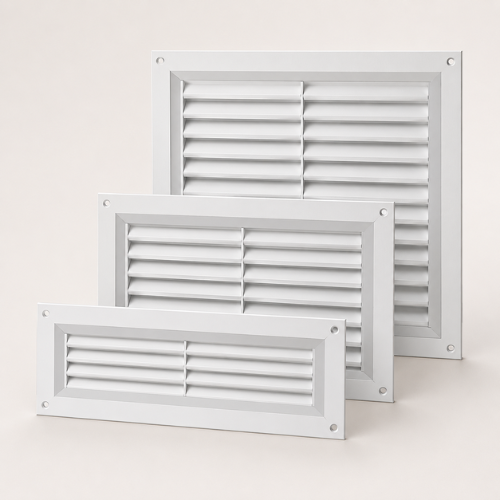
However, the result depends on the weather, room size, outdoor air quality, and airflow path. Modern homes can also use plastic window vents to support a steady supply of fresh air when the main window stays closed.
How Does Opening Windows Improve Ventilation?
Ventilation means replacing stale indoor air with fresh outdoor air. Daily activities add moisture and other pollutants to indoor air. Cooking creates steam, showers add humidity, and people release carbon dioxide as they breathe.
Opening a window creates a route for air to move. Indoor air can leave while outdoor air enters. Cross-flow can work even better. For example, windows on opposite sides of a home can create a wider airflow path.
Even a small opening may help, although airflow will vary. Wind, temperature differences, and the position of doors and windows all affect the result.
When Should You Open Windows?
There is no single rule for every home. Still, short periods of window opening can refresh a room. A few minutes can be useful after cooking, bathing, cleaning, or having several people in one room.
Morning or evening may be suitable, depending on local weather and outdoor air quality. During very hot weather, keeping windows closed during the hottest hours may help keep rooms cooler. Similarly, windows may need to stay closed when outdoor smoke, heavy pollution, or high pollen levels are a problem.
Bedrooms can also benefit. A short airing period after sleep can reduce stale air and make the room feel fresher.
Can Opening Windows Reduce Moisture?
Yes. Window opening can help moist air leave a room. This is important because high humidity can increase condensation and create conditions that support mould.
Bathrooms are a clear example. A hot shower creates warm, moist air. Opening a window can help that moisture escape. Using an extractor fan at the same time can improve airflow.
Kitchens also need attention. Steam from cooking can quickly raise humidity. Therefore, use extraction during cooking and allow fresh air to enter when conditions are suitable.
However, window opening will not fix every damp problem. Leaks, plumbing faults, poor insulation, and cold surfaces may need separate repairs.
Does Opening Windows Work in Winter?
Yes. Cold weather does not remove the need for fresh air. In winter, homes are often kept closed for long periods. As a result, moisture and stale air can build up.
Short, controlled airing can refresh a room without keeping the window open for hours. Opening a window for several minutes may provide useful air exchange while limiting heat loss.
Instead of leaving a window slightly open all day, some households prefer brief periods of wider opening. The best approach depends on the home, heating system, and outdoor conditions.
What Are Plastic Window Vents?
Plastic window vents are small openings fitted into a window or frame to allow controlled airflow. They can provide background fresh air without requiring the main window to stay open.
This can be useful when security, noise, rain, or temperature makes regular window opening difficult. Plastic window vents may be used in bedrooms, kitchens, living spaces, and other areas that need a steady air supply.
Unlike a fully open window, these vents provide a smaller opening. Therefore, they can support gentle airflow while the window remains mostly closed.
Some plastic window vents have adjustable settings. This lets users manage the opening based on room conditions. Even so, a vent should not replace proper extraction where large amounts of moisture or pollutants are produced.
Can Plastic Window Vents Replace Open Windows?
Not always. Plastic window vents can provide background airflow, but they usually move less air than a fully open window.
For normal background airflow, they can be helpful. After a long shower or heavy cooking, stronger air removal may be needed. An extractor fan, open window, or both can work faster.
A combined approach often works well. Plastic window vents can provide a steady supply of outdoor air, while windows and extractor fans can be used when faster air changes are needed.
What Are the Benefits of Good Ventilation?
Good Ventilation can make a home feel fresher and more comfortable. It helps remove stale air and can reduce moisture, odours, and some indoor pollutants.
Key benefits include:
- Fresher air can make rooms feel less stuffy.
- Moisture can be reduced after cooking and bathing.
- Unwanted smells can leave more quickly.
- Carbon dioxide can be controlled through regular air changes.
- Lower moisture may reduce condensation.
- Better airflow can improve indoor comfort.
Good airflow needs both an entry route and an exit route. If furniture, closed doors, or blocked vents interrupt the path, fresh air may not spread well.
How Can Plastic Window Vents Support Home Airflow?
Plastic window vents can be useful when you want steady background airflow without opening a large window. They are especially helpful in rooms that stay occupied for long periods.
For example, a bedroom may become stuffy overnight. A suitable vent can allow a small amount of outdoor air to enter. In another room, an extractor fan can remove moist or stale air.
Keep plastic window vents clean. Dust and dirt can reduce the opening and restrict airflow. Also, make sure curtains or other items do not block the vent.
Correct installation matters too. A poorly fitted vent may leak air around the frame rather than provide the intended airflow.
Is Opening Windows Enough for Every Home?
Not necessarily. Airtight modern homes and rooms with high moisture levels may need more than occasional window opening.
A bathroom may need strong extraction because showers create a lot of moisture. Kitchens can also need dedicated extraction during cooking. A home office may become stuffy when someone works inside for many hours.
Plastic window vents can add background airflow, but they should be chosen for the window and room. The best solution depends on the building design and the needs of each space.
Simple Tips for Better Indoor Air
Start by airing rooms for short periods when outdoor conditions are suitable. Next, use extractor fans during showers and cooking. Keep vents clear and clean them regularly.
Also, avoid relying on one opening for the whole home. Where possible, create a route for fresh air to enter and stale air to leave. Check for condensation, damp patches, or musty smells as well. These signs may show that the room needs better airflow or another type of repair.
Good Ventilation works best when fresh air has a clear path through the room. Therefore, combine natural airflow with suitable vents or extraction where needed.
FAQs
1. Does opening windows improve indoor air quality?
Yes. Opening windows can replace stale indoor air with outdoor air. The result depends on outdoor air quality, weather, room size, and airflow paths.
2. How long should I open windows?
There is no fixed time for every home. Short airing periods can refresh a room, especially after cooking or bathing.
3. Are plastic window vents useful?
Yes. Plastic window vents can provide controlled background airflow when keeping a main window open is not practical.
4. Can window opening prevent mould?
It can help by reducing indoor moisture. However, leaks, poor insulation, and other damp problems also need attention.
5. Should windows stay open all day?
Not always. Long periods can cause heat loss, security concerns, or discomfort. Short airing periods may be more practical.
6. Are plastic window vents suitable for bedrooms?
They can be suitable when correctly selected and installed. They may help reduce stale air while the main window stays mostly closed.
Conclusion
Opening windows is a simple way to refresh indoor air. It can help remove stale air, moisture, smells, and everyday pollutants. For better results, create a clear airflow path and use the right method for each room.
Plastic window vents can provide useful background airflow when regular window opening is difficult. However, kitchens and bathrooms may still need stronger extraction. By combining window opening, controlled vents, and extractor fans, homeowners can create a fresher and more comfortable home.
Good Ventilation is not only about opening a window. It is about creating a practical flow of fresh air throughout the home.
https://pin.it/56NPaU4gR |
https://pin.it/49YhMqh3M
https://pin.it/4mXOP5Uko
https://pin.it/5EPf47yqD
https://pin.it/3g0afCBy4
https://pin.it/5MypEBubL
https://pin.it/3RulYsz83
https://pin.it/43Ja9kx5u
https://pin.it/5bWtxe1US
https://pin.it/2PALDa89H
https://pin.it/3c4OeNfJA
https://pin.it/39O8XrlGA
https://pin.it/51KnYKSbv
https://pin.it/1FAeMPmET
https://pin.it/4MLyasqgi
https://pin.it/sU4KHBX51
https://pin.it/13L5TTQiT
https://pin.it/6LE7PMT9G
https://pin.it/5UZRXyQf4
Why Do I Have Air Bricks With a Concrete Floor?
Air bricks can seem strange when a home has a concrete floor. After all, many people think air bricks are only needed under timber floors. However, that is not always true. Air bricks can still have an important role in Ventilation, moisture control, and the protection of a building.
A concrete floor does not always mean that the space below it is sealed. Some homes have older construction methods, small voids, cavities, or changes made during renovation. As a result, air bricks may still be present around the outside walls.
Understanding why they are there can help you avoid blocking them. It can also help you choose the right Ventilation grille, air box, or trickle vents for your home.
What Are Air Bricks?
An air brick is a small vent built into an external wall. It has openings that allow air to move through the wall. In many homes, air bricks were installed to provide Ventilation to areas below or behind the floor.
They are often made from terracotta, plastic, or metal. Some designs have a louvred face. This allows air to pass through while helping to reduce the entry of rain and debris.
A common example is the Vent Axia – Double Louvred Airbrick Terracotta – 220x90mm. Its louvred design supports airflow while providing a practical external finish.
Air bricks are not the same as normal wall vents. Their purpose depends on the way the building was constructed. Therefore, you should understand their location before covering or removing one.
Why Are Air Bricks Used With Concrete Floors?
There are several reasons why a property may have air bricks even with a concrete floor.
First, the concrete may have replaced an older suspended timber floor. In older homes, timber floors often needed air movement below them. When the floor was later changed to concrete, the original air bricks may have remained.
Next, an air brick may serve a cavity or void below the floor. A concrete slab can sit above a space that still needs airflow. In this case, the brick can support Ventilation in that area.
Also, an air brick may help control moisture. Air movement can reduce the build-up of damp air in enclosed spaces. However, an air brick is not a cure for rising damp, leaks, or other serious moisture problems.
Finally, some air bricks may simply be part of the original building design. They may no longer serve the same purpose after later alterations. Even so, it is better to understand their function before making changes.
How Does Underfloor Ventilation Work?
Good Ventilation works by allowing fresh outdoor air to enter one area and stale or damp air to leave another. Air bricks can create this airflow when they connect with a suitable void.
For example, air can enter through an air brick on one side of a building. It can then move through a subfloor space before leaving through another opening.
This airflow can help reduce stagnant air. It may also help protect timber, insulation, and other materials in the space.
However, airflow needs a clear path. A blocked air brick cannot provide useful Ventilation. Garden soil, render, paving, paint, leaves, or stored items can reduce the opening.
That is why regular checks are useful.
Can a Concrete Floor Still Need Airflow?
Yes, depending on the building design.
A concrete floor can be solid while a small void remains underneath it. In addition, the surrounding wall may contain a cavity that needs airflow. Therefore, the presence of concrete does not automatically make an air brick unnecessary.
Older buildings can also contain several construction layers. A floor may look completely solid from inside, while hidden spaces remain beneath or around it.
If you are unsure, avoid sealing the air brick until you know where it leads. A building professional can inspect the floor and wall structure if needed.
Air Bricks and Ventilation Grilles
A Ventilation grille can be useful where controlled airflow is needed through a wall or opening. It can provide a neat finish while allowing air to pass.
Air bricks are one type of Ventilation grille. Different designs are available for different situations. Some are made for external walls, while others are used for internal airflow.
When choosing one, consider the opening size, airflow needs, weather exposure, and location. The grille should also resist rain and insects where required.
A suitable Ventilation grille should not be selected only because it looks good. Its airflow area and installation method also matter.
What About Air Box Trickle Vents?
An air box trickle vents solution can be useful in situations where controlled background airflow is needed. However, these products serve a different purpose from traditional air bricks.
For example, the 5000AirFlow UPVC Trickle Vent for Windows & Doors | White is designed for installation in windows or doors. It allows a small amount of fresh air to enter a room without leaving the window fully open.
This can support Ventilation in bedrooms, living rooms, and other areas where background airflow is useful.
Air bricks usually deal with airflow through external walls or subfloor areas. Trickle vents, by contrast, are commonly used to improve airflow inside occupied rooms.
Therefore, one should not normally replace the other without understanding the building’s needs.
Should I Block Air Bricks Because I Have a Concrete Floor?
Usually, you should not block an air brick simply because the floor is concrete.
Blocking it could stop airflow to a hidden void or cavity. In some buildings, this may increase moisture or condensation problems.
Instead, check what the air brick is connected to. Look for signs of blocked openings, damaged bricks, or poor drainage around the area.
If the air brick is damaged, replacing it with a suitable Ventilation grille may be better than sealing it.
A professional inspection is wise if you notice damp patches, mould, unusual smells, damaged flooring, or persistent condensation.
How Can I Improve Airflow Around Air Bricks?
Start by keeping the outside opening clear. Remove leaves, soil, weeds, and other debris. Make sure paving or landscaping has not covered the opening.
Next, check the condition of the brick. Cracks or heavy blockage can reduce airflow.
Inside the home, keep furniture and stored items away from vents where they form part of an airflow route.
You can also review your wider Ventilation system. Windows, wall vents, extraction fans, air bricks, and trickle vents can all have different jobs.
Good airflow usually works best when fresh air can enter and stale air can leave.
Air Bricks, Moisture, and Home Comfort
Moisture is a major reason to take air bricks seriously. Everyday activities such as cooking, bathing, drying clothes, and breathing add moisture to indoor air.
If moisture cannot escape, condensation can appear on cold surfaces. Over time, this may contribute to mould.
Proper Ventilation can help manage indoor moisture. However, it must be combined with other measures. For example, use kitchen and bathroom extraction fans, keep vents clear, and deal with leaks quickly.
An air brick alone cannot solve every damp problem.
Key Things to Remember
If you have a concrete floor and air bricks, do not assume that they are useless. They may ventilate a hidden void, cavity, or older part of the building.
Remember these simple points:
- Keep air bricks clear.
- Do not block them without checking their purpose.
- Inspect damaged bricks and Ventilation grilles.
- Keep outdoor drainage in good condition.
- Use suitable trickle vents for room-level airflow.
- Consider an air box trickle vents solution where appropriate.
- Seek professional advice when damp or structural problems are present.
Most importantly, good Ventilation is about creating a suitable airflow route, not simply adding more openings.
FAQs
Why do I have air bricks if my floor is concrete?
Your air bricks may ventilate a cavity, void, or space left from an older floor design. They may also be part of the original construction.
Should air bricks be blocked with a concrete floor?
Not without checking their purpose first. Blocking an air brick can stop airflow and may create moisture problems in some buildings.
Are air bricks a form of Ventilation?
Yes. Air bricks can provide airflow through external walls and into suitable cavities or subfloor spaces.
Can I replace an old air brick?
Often, yes. A damaged unit can be replaced with a suitable air brick or Ventilation grille. The replacement should match the opening and required airflow.
Are trickle vents the same as air bricks?
No. Trickle vents are normally fitted to windows or doors to provide background airflow inside rooms. Air bricks are commonly used through external walls and may ventilate cavities or subfloor areas.
Can air bricks prevent damp?
They can help reduce moisture build-up where proper airflow is needed. However, they cannot fix rising damp, leaking pipes, poor drainage, or other sources of water.
What is the role of a Ventilation grille?
A Ventilation grille provides an opening for controlled airflow while helping protect the opening from debris, insects, and weather.
Final Thoughts
Having air bricks with a concrete floor is not unusual. The reason depends on the age, design, and construction of your home. In many cases, the bricks still serve a useful purpose.
Before removing or covering them, find out where they lead. Keep them clean and make sure their airflow path remains open.
For indoor airflow, products such as trickle vents can provide background fresh air. For wall openings, a suitable Ventilation grille can offer a neat and practical solution.
With the right approach, your home’s Ventilation can support better airflow, moisture control, and comfort while protecting important parts of the building.
Can Trickle Vents Improve Home Ventilation?
Fresh air is important for a healthy and comfortable home. However, modern homes can become very airtight. As a result, stale air, moisture, and unwanted smells may stay inside for longer. This is where Ventilation can make a real difference. Trickle vents offer a simple way to allow a steady flow of fresh air without keeping windows fully open.
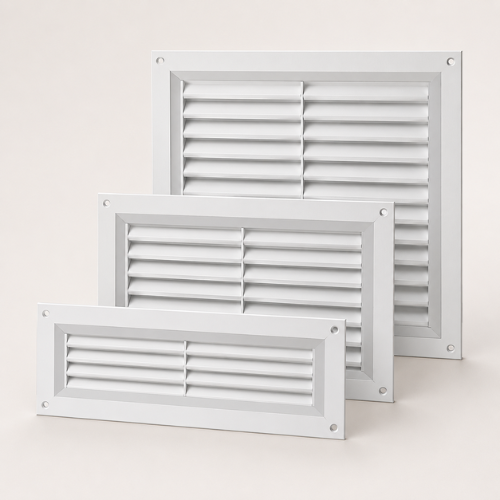
A trickle vent is a small opening fitted into a window or door. It lets outdoor air enter at a controlled rate. At the same time, stale indoor air can move towards an extraction point. Therefore, these small vents can support better airflow while keeping rooms secure and comfortable.
What Are Trickle Vents?
Trickle vents are compact air vents fitted to windows, doors, or suitable frames. They normally have an adjustable opening. You can open the vent when more fresh air is needed and reduce the opening when less airflow is required.
Unlike opening a full window, a trickle vent provides a smaller and more controlled air path. This makes it useful during cooler weather. Moreover, it can help reduce the need to leave windows wide open for long periods.
Good Ventilation does not always require large openings. Instead, a steady flow of air can help refresh indoor spaces throughout the day.
How Can Trickle Vents Improve Home Ventilation?
A home needs a clear path for air to move. Fresh air needs to enter, while stale air needs a way to leave. Trickle vents can support the first part of this process.
For example, fresh outdoor air can enter through a window trickle vent. It then moves through the room and may travel towards an extractor fan, airbrick, or another outlet. This creates a more useful airflow path.
Furthermore, regular airflow can help control moisture. Cooking, showering, drying clothes, and even breathing can add moisture to indoor air. If that moisture stays trapped, condensation may appear on windows and cold surfaces.
Better Ventilation can help reduce this problem when it forms part of a suitable whole-home airflow plan.
Why Is a Ventilation Grille Useful?
A ventilation grille is another important part of an airflow system. It provides a protected opening that allows air to move through a wall, door, panel, or other suitable location.
For instance, a LOUVRED AIR VENT COVER WITH FIXED FLYSCREEN FLY MESH, PLASTIC VENTILATION GRILLE can provide airflow while adding a protective barrier against insects. The louvred design also helps shield the opening from direct exposure.
This type of grille can be useful in areas where air needs to pass between indoors and outdoors. It can also work well in spaces such as utility areas, cupboards, garages, and other locations that need steady airflow.
In addition, a fixed flyscreen can help reduce the entry of flying insects. Therefore, a ventilation grille can offer both airflow support and practical protection.
Trickle Vents and Moisture Control
Moisture is one of the main reasons homeowners look for better airflow. Bathrooms and kitchens often produce high levels of humidity. Bedrooms can also become humid overnight.
A suitable trickle vent can provide a constant source of fresh air. This can help moisture move towards extraction points instead of remaining trapped in the room.
However, trickle vents should not replace extractor fans where mechanical extraction is required. Instead, they can work alongside fans and other air outlets.
The goal of good Ventilation is to create a balanced airflow route across the home.
Choosing the Right Air Vent Cover
An air vent cover should match the location and purpose of the opening. Outdoor wall openings need suitable protection from weather and debris. Indoor openings may have different requirements.
A louvred design is popular because the angled sections help protect the opening while allowing air to pass through. When combined with a fly mesh, the grille can also help prevent insects from entering.
The LOUVRED AIR VENT COVER WITH FIXED FLYSCREEN FLY MESH, PLASTIC VENTILATION GRILLE is a useful category to consider when airflow and insect protection are both important.
Before fitting any grille, check the required opening size and installation method. Also, make sure the air path remains clear after installation.
Vent Axia – Double Louvred Airbrick Terracotta – 220x90mm
For wall-based airflow, the Vent Axia – Double Louvred Airbrick Terracotta – 220x90mm is a useful airbrick category product to consider. Its double louvred design supports airflow through a wall opening while providing a practical external cover.
Airbricks can be useful for areas that need permanent airflow. They are often considered for rooms, utility spaces, under-floor areas, and other suitable locations.
However, the correct application depends on the building design. The airbrick should also be installed in a suitable position with a clear route behind it.
5000AirFlow UPVC Trickle Vent for Windows & Doors | White
The 5000AirFlow UPVC Trickle Vent for Windows & Doors | White is another useful product category for improving controlled airflow through windows and doors.
UPVC trickle vents are designed for installation into suitable window or door frames. Once installed, they can provide a small but continuous opening for fresh air.
This approach can be especially helpful in homes where opening windows regularly is difficult. It can also support airflow when homeowners want to keep windows closed for security, noise, or weather reasons.
Still, installation should follow the product instructions. An incorrect installation can affect airflow and may damage the window or door frame.
Can Trickle Vents Work With Ventilation Grilles?
Yes, they can work together as part of a wider airflow strategy. A trickle vent can provide an entry point for fresh air, while a wall grille or airbrick can support airflow through another part of the building.
For example, fresh air may enter through a bedroom window vent. It can then move through the home towards a bathroom extractor or suitable external grille. Internal doors with suitable airflow gaps can also help maintain the air path.
As a result, Ventilation works best when the whole airflow route is considered rather than focusing on one vent alone.
Where Should Trickle Vents Be Used?
Trickle vents are commonly considered for bedrooms, living rooms, home offices, and other occupied spaces. These rooms can benefit from a steady supply of fresh air.
Bathrooms and kitchens may need stronger extraction because they produce more moisture. In such areas, a trickle vent can support fresh air supply, while an extractor fan handles moisture and stale air removal.
Likewise, a ventilation grille may be better suited to certain wall or utility applications. The right choice depends on the room, building structure, and airflow requirements.
Simple Ways to Improve Home Airflow
You can improve indoor airflow with a few simple habits:
- Keep trickle vents clear of dust and dirt.
- Avoid blocking ventilation grilles with furniture.
- Use extractor fans when cooking or showering.
- Keep internal airflow routes clear.
- Clean fly mesh and vent covers when needed.
- Check that external vents are not blocked.
- Open windows when weather and security conditions allow.
- Deal with leaks or damp areas quickly.
These steps can help maintain effective Ventilation throughout the year.
Are Trickle Vents Worth Using?
For many homes, trickle vents can be a useful and simple way to support fresh air movement. They do not need much space, and they can provide airflow while windows remain mostly closed.
Their main benefit comes from continuous, controlled airflow. However, they should form part of a wider plan. Extractor fans, airbricks, grilles, and suitable air paths may all play a role.
Ultimately, good Ventilation depends on how well air enters, moves through, and leaves the home.
FAQs
Do trickle vents really improve airflow?
Yes. Trickle vents can provide a controlled route for fresh outdoor air to enter a room. Their effect depends on the overall airflow design of the home.
Should trickle vents stay open?
In many situations, keeping them open helps maintain a steady fresh air supply. However, follow the product instructions and adjust them when needed.
Can trickle vents reduce condensation?
They may help reduce condensation by allowing moisture-laden indoor air to be replaced with fresher air. However, serious condensation can have other causes and may need further investigation.
What is the difference between a trickle vent and a ventilation grille?
A trickle vent is commonly fitted to a window or door to provide controlled airflow. A ventilation grille or airbrick is usually designed for a larger wall, door, or panel opening.
Do I still need extractor fans?
Yes, in many moisture-producing areas. Trickle vents provide fresh air, while extractor fans can remove humid and stale air more quickly.
Can a flyscreen grille improve home comfort?
A grille with fixed fly mesh can allow airflow while helping keep flying insects outside. It can therefore be useful where both air movement and insect protection matter.
What should I check before installing a vent?
Check the opening size, frame or wall type, airflow needs, and installation instructions. Also, make sure the vent will not be blocked after fitting.
Final Thoughts
Trickle vents can play a valuable role in keeping indoor air fresher. When combined with suitable ventilation grilles, airbricks, extractor fans, and clear airflow paths, they can support a more comfortable home.
Products such as the Vent Axia – Double Louvred Airbrick Terracotta – 220x90mm, 5000AirFlow UPVC Trickle Vent for Windows & Doors | White, and LOUVRED AIR VENT COVER WITH FIXED FLYSCREEN FLY MESH, PLASTIC VENTILATION GRILLE cover different airflow needs. Therefore, choosing the right product starts with understanding where air needs to enter and where stale air needs to leave.
With the right setup, simple vents can make a useful contribution to healthier indoor airflow and everyday comfort.
How Can I Improve Ventilation With Wall Vents in My Home?
Fresh air plays an important role in a comfortable home. Good Ventilation helps stale air leave and lets fresh air enter. This can reduce stuffy rooms, extra moisture, and unwanted smells. Wall vents offer a simple way to support airflow when doors and windows stay closed.
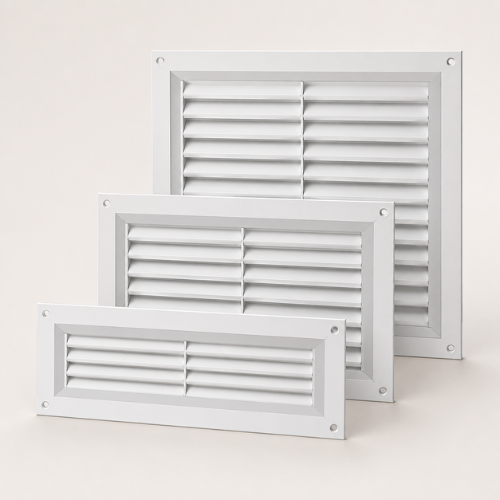
A wall vent can become part of a wider home ventilation system. Good Ventilation also depends on a clear route between supply and extraction points. When a vent is placed and sized well, it helps create a steady route for air. However, the vent must work with other airflow points to give good results.
Why Does Your Home Need Better Airflow?
Indoor air can become stale during daily life. People breathe, cook, shower, dry clothes, and clean. These activities add moisture and other unwanted matter to the air. As a result, rooms can feel damp or uncomfortable.
Good Ventilation helps move this air out. At the same time, fresh air can enter through a suitable wall vent or other opening. This balance can make living areas feel fresher.
Poor airflow may also increase condensation. Moist air can settle on cold windows and walls. Therefore, better airflow can support a drier indoor space. Still, heating, insulation, and humidity levels also matter.
How Do Wall Vents Improve Ventilation?
Wall vents create a planned opening for air movement. Depending on the design, they can allow outdoor air to enter or help air move towards an extraction point.
For example, a living room may have a wall vent that supplies fresh air. Meanwhile, a bathroom extractor can remove moist air. This creates a simple path through the home.
Good Ventilation depends on this airflow path. Fresh air should reach the room instead of moving straight from one opening to another. Therefore, the position of each vent matters.
Keep wall vents clear. Furniture, storage, paint, and dust can restrict airflow. Regular checks can help keep the opening working well.
Choosing the Right Ventilation Grille
A ventilation grille covers an opening while allowing air to pass. It can also give the opening a neat finish. Some grilles include fly mesh, which helps reduce insect entry.
First, measure the opening. Next, check the fixing method and material. Also, consider whether the grille will face indoor or outdoor conditions.
A louvred design can suit many wall openings. The angled slats allow airflow while giving the opening some protection. However, a grille does not create airflow by itself. It works as one part of a planned system.
The opening size matters too. A grille that is too small may limit airflow. On the other hand, a poorly placed large opening may create drafts.
Where Can Wall Vents Be Used?
Wall vents can suit living rooms, utility rooms, storage areas, garages, and similar spaces when the building design allows them.
Bathrooms and kitchens need extra care because they produce more moisture. Extraction is important in these spaces. A wall vent can support the airflow route, but it should not replace suitable extraction where one is needed.
Bedrooms may also become stuffy when windows remain closed. A suitable wall vent can provide background airflow. However, stale air still needs a clear route out.
LOUVRED AIR VENT COVER WITH FIXED FLYSCREEN FLY MESH, PLASTIC VENTILATION GRILLE
The LOUVRED AIR VENT COVER WITH FIXED FLYSCREEN FLY MESH, PLASTIC VENTILATION GRILLE is designed to cover a suitable air opening. Its louvred face allows air to pass through. At the same time, the fixed fly mesh helps reduce insect entry.
This makes the product useful for suitable wall vent applications where airflow and basic insect protection are needed. The plastic construction also provides a practical option for selected locations, depending on installation conditions.
Measure the opening before fitting the grille. Check its width, height, fixing points, and available space. The wall surface should also suit the fixing method.
Remember that this product is one part of the airflow setup. It does not replace an extractor fan or a complete home ventilation system. Instead, it can protect and finish a suitable opening.
How Can You Get Better Results From Wall Vents?
Start by keeping every vent opening clear. Next, check nearby furniture and storage. These items can easily block air without being noticed.
Furthermore, look for signs of poor airflow. Stale smells, heavy condensation, damp patches, or a stuffy room can show that the airflow route needs attention.
A ventilation grille can help protect an opening while allowing air to move. Good Ventilation needs regular checks so blocked openings do not reduce airflow.
Cleaning is also important. Use a soft brush or cloth to remove loose dust. For a suitable plastic grille, a gentle damp cloth can clean the surface. Avoid damaging the fixed fly mesh.
How Does a Home Ventilation System Work With Wall Vents?
A home ventilation system may use wall vents, trickle vents, air bricks, extractor fans, ducts, and grilles.
Supply points bring fresh air into the home. Extraction points remove stale or moist air. Ducts guide air, while grilles protect and finish openings.
Together, these parts can create a balanced airflow route. As a result, air can move through the home without relying on open windows all day.
Good Ventilation also depends on room use. A kitchen may need stronger extraction than a bedroom. Likewise, a bathroom often needs fast moisture removal after a shower.
Final Thoughts
Wall vents can provide a simple way to support better airflow at home. With the right size, position, and airflow route, they can help fresh air enter and stale air leave.
A suitable ventilation grille can protect an opening and provide a clean finish. The LOUVRED AIR VENT COVER WITH FIXED FLYSCREEN FLY MESH, PLASTIC VENTILATION GRILLE adds fixed fly mesh to help reduce insect entry while supporting airflow.
For the best result, consider moisture, room use, extraction, insulation, and the wider home ventilation system. With a balanced approach, your home can feel fresher and more comfortable.
FAQs
Can wall vents improve indoor air quality?
Yes. A suitable wall vent can support fresh air entry and stale air removal. The full airflow route should also be considered.
Does a ventilation grille stop insects?
A grille with fixed fly mesh can help reduce insect entry while allowing air to pass through its louvred opening.
Where should a wall vent be placed?
The best position depends on the room, wall, airflow plan, and purpose. Keep the opening away from furniture and other obstructions.
Can wall vents help with condensation?
They can help move moist air when they form part of a suitable airflow plan. However, humidity, insulation, heating, and surface temperature also affect condensation.
Is a home ventilation system needed in every house?
The best setup depends on the building, room use, moisture levels, and airflow needs. A suitable system can help maintain fresher indoor air.
Trusted Product links
- https://tradeboxdirect.co.uk/product/5000-airflow-upvc-trickle-vent-for-windows-doors-white/
- https://tradeboxdirect.co.uk/product/louvred-air-vent-cover-with-fixed-flyscreen-fly-mesh-plastic-ventilation-grille/
- https://tradeboxdirect.co.uk/product/trickle-slot-vents-window-ventilation-real-pvc-plastic-300mm-400mm/
- https://tradeboxdirect.co.uk/product/vent-axia-double-louvred-airbrick-terracotta-220x90mm/
How Does Ventilation Work in an AC Room?
How Does Ventilation Work in an AC Room?
When we use an air conditioner, the room feels cool and comfortable. However, cooling alone does not always mean that the indoor air is fresh. Good Ventilation helps remove stale air and brings fresh air into the room. It also supports better air movement and indoor comfort.
An AC system mainly controls temperature. Ventilation deals with the exchange of indoor and outdoor air. Together, they can create a healthier and more comfortable indoor space.
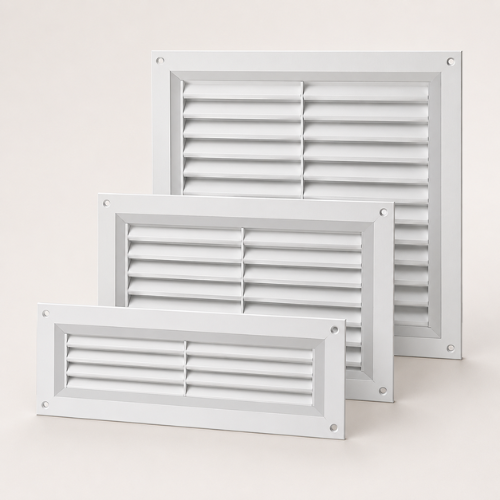
What Is Ventilation?
Ventilation is the process of replacing old indoor air with fresh air. It can happen naturally through windows, doors, vents, and gaps. Mechanical systems can also move air through fans, ducts, and grilles.
In an AC room, Ventilation is important because people, furniture, cooking, cleaning products, and other activities can add moisture, smells, dust, and carbon dioxide to the air.
A good house ventilation setup helps manage these indoor pollutants. It can also reduce stuffy air and improve comfort.
How Does Ventilation Work in an AC Room?
An air conditioner takes warm indoor air and passes it over a cooling coil. The cooled air then returns to the room. This process mainly recirculates the same indoor air.
However, many standard AC units do not bring enough fresh outdoor air into the room. Therefore, a separate Ventilation system may be needed.
A typical setup has three basic actions:
- Fresh outdoor air enters the building.
- Stale indoor air leaves the room.
- Air moves through vents or grilles to keep circulation steady.
This creates a continuous air exchange. As a result, the room can stay cool while unwanted indoor air leaves.
Why Is Ventilation Important With Air Conditioning?
Cooling a room does not automatically make the air fresh. If doors and windows remain closed for long periods, indoor air can become stale.
Good Ventilation helps reduce this problem. It can remove excess moisture, odours, smoke, and indoor pollutants. It also helps control carbon dioxide levels when people occupy a room for many hours.
Moreover, proper air movement can make the room feel more comfortable. The AC does the cooling work, while Ventilation supports fresh-air exchange.
Therefore, both systems have different jobs:
- Air conditioning: Mainly controls temperature and humidity.
- Ventilation: Brings in fresh air and removes stale air.
- Air filtration: Helps remove particles from circulating air.
When these functions work together, indoor comfort can improve significantly.
What Is a Ventilation Grille?
A Ventilation grille is a cover fitted over an air opening. It allows air to pass while helping protect the opening.
You may see grilles on walls, ceilings, doors, windows, or duct openings. They come in different shapes, sizes, materials, and designs.
A Ventilation grille can also guide airflow. Some designs have fixed or adjustable blades. These blades help direct air in a particular direction.
For homes, offices, kitchens, bathrooms, and other rooms, choosing the correct grille can support effective house ventilation.
How Does a Ventilation Grille Help an AC Room?
A Ventilation grille provides a controlled path for air to move. For example, an extraction fan may pull stale air from a bathroom through a grille. Fresh air can then enter through another opening.
Similarly, an AC room may use supply and return grilles to distribute and collect air.
The grille itself does not cool the room. Instead, it supports the movement of air around the cooling system.
A well-positioned Ventilation grille can help reduce blocked airflow. It can also provide a neat finish around an opening.
Fresh Air and Stale Air Movement
Fresh air needs a clear route into the room. At the same time, stale air needs a route out.
For example, consider a bedroom with an AC unit and an extraction vent. The AC cools the indoor air. The extraction system removes some stale air. Fresh outdoor air then enters through a suitable air inlet.
This simple air exchange supports better Ventilation.
However, the system needs the right balance. If too much outdoor air enters, the AC may need to work harder. On the other hand, too little fresh air can leave the room feeling stuffy.
Louvred Air Vent Cover With Fixed Flyscreen Fly Mesh
A useful product for air openings is a Louvred Air Vent Cover With Fixed Flyscreen Fly Mesh. This type of cover combines airflow openings with a protective mesh.
The louvred design allows air to move through the opening. At the same time, the fixed flyscreen mesh helps limit the entry of insects.
This can be useful for homes, offices, garages, utility areas, and other spaces where air exchange is needed.
The louvres can also provide some protection from direct rain and unwanted debris, depending on the installation position and product design.
For exterior wall openings, selecting a suitable cover can help maintain a practical and tidy Ventilation point.
Plastic Ventilation Grille
A Plastic Ventilation Grille is another common option for air openings. Plastic grilles are often lightweight and easy to handle.
They can work well in many domestic and light commercial applications. Depending on the design, they may be used for air intake, air extraction, or general air movement.
A plastic grille can also provide a clean appearance around an opening. When selecting one, check the size, airflow area, fitting method, and intended use.
The right product should match the opening and the required airflow. A grille that is too small may restrict air movement.
How to Choose the Right Ventilation Grille
Choosing the right Ventilation grille involves more than checking its appearance. Consider these points first:
Size
Measure the opening carefully. The grille should fit securely without unnecessarily reducing the available airflow area.
Material
Plastic can suit many indoor and outdoor applications. However, the location and exposure should guide your choice.
Airflow
Check whether the grille is designed for intake, extraction, or general airflow. Its free airflow area matters.
Flyscreen
For outdoor openings, a fixed flyscreen can help reduce insect entry. This can be useful when the opening remains exposed to outside air.
Louvre Design
Louvres can help direct airflow and provide some protection from weather. The exact performance depends on the product design and installation.
Common Ventilation Problems in AC Rooms
Poor Ventilation can create several comfort problems.
A room may feel stuffy even when the AC is running. Odours may also remain for longer. High indoor moisture can create condensation in some situations.
Blocked grilles can make matters worse. Dust can collect around openings and restrict airflow.
Therefore, keep air grilles clean and make sure furniture does not block them. Regular checks can help maintain effective airflow.
Does Opening a Window Improve Ventilation?
Opening a window can bring fresh outdoor air inside. However, doing this while the AC runs may increase the cooling load.
Warm outdoor air enters the room, so the AC must remove that additional heat. Therefore, windows should be used carefully when cooling efficiency matters.
A properly designed mechanical Ventilation system can provide controlled fresh-air exchange while the AC continues to operate.
Can Ventilation Save Energy?
Good Ventilation can support comfort, but it does not always reduce energy use by itself. Poorly controlled outdoor air can increase the AC workload.
A balanced approach works best. Fresh air should enter when needed, while unnecessary air leakage should be limited.
Using efficient fans, suitable grilles, clean filters, and proper controls can help the overall system operate more effectively.
Ventilation Grille Maintenance
Regular maintenance keeps air openings working properly.
Clean dust from the grille surface. Check the mesh for dirt or blockage. Also inspect the frame for damage.
If the grille becomes blocked, airflow may fall. A damaged mesh may also allow insects to enter.
For this reason, inspect outdoor air covers from time to time, especially after long periods of use.
Frequently Asked Questions
1. Does an AC provide fresh air?
Some AC systems can provide outdoor air, but many room AC units mainly recirculate indoor air. A separate fresh-air or mechanical Ventilation system may therefore be required.
2. Why does an AC room feel stuffy?
Poor air exchange can cause a room to feel stuffy. People, moisture, odours, and indoor pollutants can build up when fresh air cannot enter properly.
3. What is the purpose of a Ventilation grille?
A Ventilation grille covers an air opening while allowing airflow. It can also help protect the opening and provide a neat finish.
4. What is a louvred air vent cover?
A louvred air vent cover has angled openings that allow air to pass. A model with fixed flyscreen mesh can also help reduce insect entry.
5. Is a Plastic Ventilation Grille suitable for homes?
Yes. A Plastic Ventilation Grille can suit many household applications. Always check its size, material, airflow capacity, and intended location before installation.
6. Does house ventilation matter in an AC room?
Yes. Good house ventilation can help remove stale air, excess moisture, and indoor odours while bringing in fresh outdoor air.
Final Thoughts
An AC system and Ventilation system perform different but connected jobs. The AC mainly cools the room, while Ventilation manages fresh-air exchange.
A suitable Ventilation grille can support this process by providing a clear and protected air opening. Products such as a Louvred Air Vent Cover With Fixed Flyscreen Fly Mesh and Plastic Ventilation Grille can be useful where airflow and insect protection are important.
With the right design, clean grilles, suitable air openings, and regular maintenance, an AC room can remain cool, fresh, and comfortable.
Trusted Product links
- https://tradeboxdirect.co.uk/product/5000-airflow-upvc-trickle-vent-for-windows-doors-white/
- https://tradeboxdirect.co.uk/product/louvred-air-vent-cover-with-fixed-flyscreen-fly-mesh-plastic-ventilation-grille/
- https://tradeboxdirect.co.uk/product/trickle-slot-vents-window-ventilation-real-pvc-plastic-300mm-400mm/
- https://tradeboxdirect.co.uk/product/vent-axia-double-louvred-airbrick-terracotta-220x90mm/
What Is Considered Adequate Ventilation?
Introduction
Fresh air is important for ventilation in every home. It helps remove stale air, moisture, smells, and indoor pollutants. However, simply opening a window now and then does not always provide enough airflow.
So, what is considered adequate Ventilation?
In simple terms, adequate airflow means enough fresh air enters a room while stale, humid, or polluted air leaves. The right level depends on the room, the number of people, the building design, and how the space is used.
A good system should also work without creating strong drafts or unnecessary heat loss. Therefore, the goal is to create a steady and comfortable flow of air.
Why Is Adequate Ventilation Important?
Everyday activities can change indoor air quality. Cooking, showering, cleaning, drying clothes, and even breathing add moisture and other particles to the air.
If this air stays inside for too long, rooms can become stuffy. Condensation may also appear on windows and walls. Over time, excess moisture can create conditions that support mould.
Adequate Ventilation helps remove these problems before they become serious.
Fresh outdoor air replaces stale indoor air. At the same time, humid air can leave the building. As a result, rooms can feel fresher and more comfortable.
How Much Ventilation Does a Home Need?
There is no single amount that works for every home. A small bedroom with one person has different needs from a busy kitchen or bathroom.
The size of the room matters. So does occupancy.
A room used by several people may need more airflow than a room that is rarely occupied. Similarly, kitchens and bathrooms often need stronger extraction because they produce more moisture.
UK building guidance also sets performance requirements for ventilation in many homes. Therefore, when installing or changing a system, it is important to consider the property’s design and the relevant building standards.
For everyday homeowners, the simple rule is this: fresh air should enter, stale air should leave, and moisture should not remain trapped indoors.
What Are the Signs of Good Ventilation?
You can often identify good airflow without special equipment.
A well-ventilated room should feel fresh rather than stuffy. Strong smells should not remain for long. After a shower, bathroom moisture should clear within a reasonable time.
You should also look for signs around windows and walls.
Regular condensation, musty smells, peeling paint, and mould may suggest that airflow needs improvement.
However, these problems can have other causes. Leaks, poor insulation, cold surfaces, and rising damp may also create moisture problems.
Therefore, do not assume that every damp issue is caused by poor Ventilation.
The Role of Vents
Small openings can have a major role in keeping air moving. These vents allow fresh air to enter or stale air to leave.
Trickle vents are often fitted to windows. They provide a small, controlled opening for fresh outdoor air.
Air bricks can also provide airflow in certain parts of a building. Some are used to ventilate suspended floors, while others serve specific building functions.
Extractor vents work differently. They remove air from areas where moisture or smells are created.
Each type has a different purpose. Therefore, vents should not be blocked simply because they create a small draft.
Adequate Ventilation in Bedrooms
Bedrooms need fresh air because people spend several hours sleeping in them.
During the night, breathing adds moisture and carbon dioxide to the room. If doors and windows remain closed and there is little airflow, the room can become stuffy.
A small window opening or trickle vent can help provide a steady supply of fresh air.
Mechanical systems can also provide controlled airflow. The best option depends on the property and existing system.
Try not to place furniture directly over vents. Keep openings clear so air can move properly.
Good bedroom Ventilation can make the room feel fresher, especially in homes with several occupants.
Adequate Ventilation in Bathrooms
Bathrooms produce high levels of moisture. A hot shower can quickly increase humidity.
For this reason, bathrooms usually need effective extraction.
An extractor fan should remove humid air from the room rather than simply move it around. The fan may include a timer or humidity sensor for better control.
Keeping the bathroom door closed during a shower can also help. It prevents moist air from spreading into other rooms.
After showering, allow the extractor to run for the recommended time. This helps remove remaining moisture.
Adequate Ventilation in Kitchens
Cooking creates steam, heat, and smells. Boiling water can release a surprising amount of moisture.
A cooker hood or extractor fan can remove these pollutants close to their source.
Use extraction while cooking and for a short period afterwards. This approach helps stop humid air from spreading around the home.
Opening a window can provide extra airflow, but it may also cause more heat loss during cold weather.
A suitable Ventilation system can provide a more controlled solution.
Natural Ventilation vs Mechanical Ventilation
Natural airflow uses windows, vents, air bricks, and other openings. It is simple and often inexpensive.
However, natural airflow can change with weather conditions. Wind, temperature, and building design all affect how air moves.
Mechanical systems use fans to control airflow. They can provide more consistent results.
Extractor fans are common in kitchens and bathrooms. More advanced systems can provide continuous airflow throughout a property.
Neither approach is automatically better. The right choice depends on the building, room use, and moisture levels.
How Can You Tell If Airflow Is Too Low?
Several signs may suggest inadequate airflow.
These include:
- Frequent condensation on windows
- Persistent musty smells
- Mould around corners
- Humid rooms
- Slow drying of wet surfaces
- Stale air in bedrooms
- Moisture remaining after showers
- Poor air quality when several people are present
A digital humidity monitor can provide extra information. It can show how indoor humidity changes during cooking, bathing, and sleeping.
However, humidity readings should be viewed alongside the condition of the building.
Can Too Much Ventilation Be a Problem?
Yes. More airflow is not always better.
Excessive airflow can create uncomfortable drafts. It can also increase heating demand because warm indoor air leaves the property faster.
That is why controlled airflow is important.
The aim is to remove moisture and stale air while maintaining comfort. Well-positioned vents can help achieve this balance.
Modern mechanical systems may also adjust airflow according to room conditions.
Ventilation and Energy Efficiency
Good airflow and energy efficiency can work together.
A well-insulated home needs enough fresh air. Otherwise, moisture and pollutants may become trapped inside.
At the same time, excessive airflow can waste heat.
Therefore, a balanced Ventilation strategy is important. Small controlled vents, efficient extractor fans, and suitable mechanical systems can provide fresh air without relying on wide-open windows all day.
For major renovation projects, heat recovery systems may also be considered. These systems can recover some heat from outgoing air before it leaves the property.
How to Improve Ventilation at Home
Improving airflow does not always require major work.
First, keep existing vents clear. Dust and paint can restrict airflow.
Next, use bathroom and kitchen extractors when moisture is produced. Keep doors positioned correctly so humid air does not spread into other rooms.
Also, avoid drying large amounts of laundry in poorly ventilated areas.
If you have condensation problems, check your windows, walls, roof, and plumbing for other possible causes.
Finally, do not block air bricks or vents without understanding their purpose.
These simple steps can make existing Ventilation work more effectively.
When Should You Get Professional Advice?
Professional advice may be useful if your home has persistent condensation, mould, or damp.
It is also sensible when you plan major changes to insulation, windows, or airtightness.
A professional can assess airflow and recommend suitable improvements.
Older properties may need extra care because their walls and floors can work differently from modern buildings.
Similarly, large renovations may require a more carefully designed ventilation system.
Final Thoughts
Adequate Ventilation means having enough fresh air to support good indoor air quality while removing stale air, moisture, and pollutants.
The correct amount varies from room to room. Bedrooms need steady fresh air, while bathrooms and kitchens need stronger moisture removal.
Windows, trickle vents, air bricks, and extractor fans can all have useful roles. However, they should be selected and positioned according to the needs of the property.
Most importantly, avoid blocking existing vents without checking their purpose.
A comfortable home needs a balance between fresh air, moisture control, energy efficiency, and temperature. With the right approach, adequate airflow can help create a healthier and more pleasant living space.
Frequently Asked Questions
1. What is considered adequate ventilation in a home?
Adequate airflow means enough fresh air enters the property while stale and humid air is removed. The exact requirement depends on the building and room use.
2. How can I tell if my home has poor ventilation?
Condensation, mould, musty smells, and stuffy rooms can be warning signs. However, other building problems can create similar symptoms.
3. Should vents always be left open?
Many vents are designed to provide continuous airflow. Unless the manufacturer says otherwise, they should generally remain clear and operational.
4. Do bedrooms need ventilation?
Yes. People release moisture and carbon dioxide while sleeping. Steady airflow can help keep bedrooms fresher.
5. Why does my bathroom stay damp after a shower?
The extractor may be too weak, poorly positioned, blocked, or not used for long enough. The room may also have limited fresh-air supply.
Does Ventilation Help Reduce Energy Costs?
Introduction
Energy costs are an important concern for many households. Heating and cooling can use a large part of a home’s energy. At the same time, good airflow is needed to keep indoor spaces fresh and comfortable.
This may lead to an important question: can Ventilation help reduce energy costs?
The answer is yes, but it depends on the type of system, how the home is used, and how well the building keeps heat inside. Good airflow can help control moisture, reduce the need for excessive heating, and support a healthier indoor environment.
However, opening windows all day is not always the best approach. Instead, controlled airflow can provide fresh air while limiting unnecessary heat loss.
What Is Ventilation?
Ventilation is the process of moving fresh air into a building and removing stale indoor air. It helps control moisture, smells, pollutants, and excess heat.
Air can enter through windows, vents, doors, or mechanical systems. At the same time, humid and stale air can leave through extractor fans or other outlets.
Everyday activities create indoor moisture. Cooking, bathing, washing clothes, and even breathing add water vapour to the air. Without enough airflow, this moisture can build up.
Therefore, ventilation plays an important role in both comfort and building care.
How Can Ventilation Affect Energy Use?
At first, ventilation may seem like it increases energy costs. After all, warm air can leave the house when fresh air enters.
However, the situation is more balanced than it seems.
Poor airflow can create high humidity. Moist air can make a room feel uncomfortable and may encourage condensation. When a home feels cold or damp, people may turn the heating up.
Better airflow can remove excess moisture and help maintain a more comfortable indoor environment.
Furthermore, controlled ventilation can prevent the need to keep windows wide open for long periods. This can help reduce unnecessary heat loss.
The key is to use the right amount of airflow rather than simply increasing it.
Can House Window Vents Save Energy?
House window vents can provide a simple way to introduce fresh air without keeping windows fully open.
Trickle vents are small openings fitted into or around windows. They allow a controlled flow of outdoor air into a room.
This approach can be useful in bedrooms, living rooms, and other occupied spaces. Fresh air can enter gradually while the main window remains closed.
As a result, you can maintain airflow without creating the large opening that comes with a fully open window.
Still, house window vents do not directly create energy savings. Their main benefit is controlled airflow. The actual energy impact depends on the building, heating system, weather, and how the vents are used.
Why Is Moisture Control Important?
Moisture has a strong connection with indoor comfort. A home that stays too humid can feel unpleasant, especially during colder weather.
When warm, moist air touches a cold surface, condensation can form. You may notice water on windows, walls, or cold corners.
If this continues, mould may develop. Damp conditions can also damage finishes and building materials.
Good Ventilation helps remove humid air before it causes these problems. Therefore, it supports a drier and more comfortable home.
There is another benefit. A dry home can feel more comfortable at a lower temperature than a damp one. This may help some households avoid turning the heating up unnecessarily.
Does Opening Windows Reduce Energy Costs?
Opening windows can improve airflow quickly. However, it is not always the most energy-efficient method.
During winter, warm indoor air escapes through an open window. Cold outdoor air then enters. The heating system must work to bring the room back to the desired temperature.
Short periods of airing can still be useful. For example, opening a window for a few minutes can remove stale air and excess moisture.
Leaving windows open for long periods, however, may waste more heat.
Controlled Ventilation offers another approach. Small window vents and suitable mechanical systems can provide a steadier airflow.
Mechanical Ventilation and Energy Efficiency
Mechanical systems use fans to move air. Extractor fans are common in kitchens and bathrooms.
These systems can remove moisture close to its source. Therefore, they do not always need to move large amounts of air through the whole property.
Some modern systems offer even greater control. Mechanical ventilation with heat recovery, known as MVHR, extracts stale indoor air while bringing fresh air inside.
Before the stale air leaves the property, heat can be recovered from it. That heat can then help warm the incoming fresh air.
Because of this, MVHR can reduce the amount of heat lost through ventilation. It can be especially useful in well-insulated and more airtight homes.
However, installation can be more complex and expensive than fitting simple vents or extractor fans.
Ventilation and Insulation Work Together
Insulation and Ventilation serve different purposes, but they work well together.
Insulation helps slow down heat loss through walls, roofs, floors, and other parts of a building.
Ventilation manages air quality and moisture.
A well-insulated home still needs fresh air. In fact, modern insulation and airtight improvements can make airflow even more important.
If a property becomes more airtight without suitable ventilation, moisture may remain trapped indoors.
Therefore, energy efficiency should not mean sealing every possible opening. Instead, a home should have controlled airflow in the right places.
Can Ventilation Reduce Heating Costs?
It can contribute to lower heating demand, but it should not be viewed as a direct heating-saving device.
The main benefit comes from better moisture and air control. When rooms are comfortable and dry, occupants may not need to use as much heating simply to overcome a damp feeling.
Controlled systems can also reduce unnecessary heat loss compared with keeping windows open for long periods.
Still, heating costs depend on many factors. These include insulation quality, property size, heating controls, outdoor temperature, and household habits.
For this reason, good Ventilation should form part of a wider energy-efficiency plan.
Simple Ways to Improve Airflow and Save Energy
You do not always need a major upgrade. Small changes can make a useful difference.
First, keep window vents clear. Dust, paint, and furniture can restrict airflow.
Next, use bathroom extractors while showering and for a short period afterwards. This removes moisture before it spreads around the house.
In the kitchen, use extraction while cooking. This helps remove steam close to its source.
Also, avoid drying large amounts of wet laundry in rooms with poor airflow. If indoor drying is necessary, increase airflow and use suitable extraction.
Finally, keep internal doors positioned sensibly. During moisture-producing activities, closing the bathroom or kitchen door can stop humid air from spreading.
These habits help your Ventilation system work more effectively.
What Happens When Ventilation Is Poor?
Poor airflow can create several problems.
Rooms may feel stuffy or humid. Condensation may appear more often. Mould can become a concern. Unpleasant smells may also remain indoors for longer.
In addition, excessive moisture can affect walls, ceilings, furniture, and other surfaces.
These problems may eventually create extra maintenance costs. Therefore, good airflow can provide benefits beyond energy use.
It supports the condition of the property as well as indoor comfort.
How to Choose an Energy-Efficient Ventilation System
Start by looking at your home’s current problems.
If the main issue is bathroom moisture, a good extractor fan may be enough. If bedrooms need more fresh air, house window vents may provide a simple solution.
A property undergoing major renovation may benefit from a more advanced mechanical system.
Consider the following:
- The size of the property
- Existing airflow
- Insulation levels
- Window type
- Moisture problems
- Heating system
- Installation costs
- Ongoing running costs
Also, avoid choosing a system based only on its lowest purchase price. A reliable system with good control may offer better long-term value.
Final Thoughts
So, does Ventilation help reduce energy costs?
It can, especially when it is properly designed and used alongside good insulation and heating controls.
Controlled airflow can help manage moisture and indoor comfort. It can also reduce the need to keep windows open for long periods.
Simple options, such as house window vents and extractor fans, can work well for many homes. More advanced systems, such as MVHR, can provide greater heat recovery where the property is suitable.
The goal is not to remove as much air as possible. Instead, the aim is to remove stale and humid air while bringing in the right amount of fresh air.
When airflow, insulation, and heating work together, a home can become more comfortable and efficient.
Frequently Asked Questions
1. Does ventilation use a lot of energy?
Simple passive vents use little or no electricity. Mechanical systems use some power, but efficient models can keep energy use low.
2. Can house window vents reduce heating bills?
They can support controlled airflow and reduce the need to keep windows open. However, they do not directly guarantee lower heating bills.
3. Is it cheaper to open windows or use ventilation?
It depends on the system and the situation. Short window opening can provide quick airflow, while controlled vents may reduce unnecessary heat loss.
4. Does ventilation make a house colder?
Some heat can leave with outgoing air. However, controlled airflow can limit unnecessary heat loss and help maintain a comfortable indoor environment.
5. Can ventilation help with condensation?
Yes. It removes humid air and can reduce the amount of moisture available to form condensation.
How Can Ventilation Help Remove Moisture From a Home?
Introduction
Moisture is a normal part of everyday life. Cooking, washing, bathing, drying clothes, and even breathing can add water vapour to indoor air. However, when this moisture stays inside for too long, it can lead to condensation, damp patches, unpleasant smells, and mould.
Good Ventilation helps move moist air out of the home. At the same time, it brings in fresh air. Therefore, it can help create a cleaner, healthier, and more comfortable indoor space.
This guide explains how Ventilation removes moisture, where it is most useful, and which simple methods can help control humidity.
Why Does Moisture Build Up Inside a Home?
Indoor moisture comes from many everyday activities. For example, a hot shower releases steam into the bathroom. Cooking also creates a large amount of water vapour. Similarly, drying wet clothes indoors can increase humidity.
People also add moisture to the air simply by breathing. Although this may seem small, the amount can become noticeable when several people share a room.
Poor airflow makes the problem worse. When moist air cannot escape, it can settle on colder surfaces. Windows, walls, ceilings, and corners may then become damp.
Over time, repeated condensation can create conditions where mould grows. Therefore, controlling moisture early is much easier than dealing with serious damp problems later.
How Does Ventilation Remove Moisture?
The basic idea is simple. Moist indoor air needs a way to leave the building.
A good Ventilation system removes stale and humid air from areas where moisture is produced. Fresh outdoor air can then enter to replace it.
For instance, an extractor fan in a bathroom pulls humid air outside after a shower. In a kitchen, extraction can remove steam created while boiling water or cooking food.
As a result, less moisture remains in the room. This can help reduce condensation and improve indoor air quality.
However, airflow needs to be balanced. If a home removes air without allowing fresh air to enter, the system may not work as effectively.
The Role of Window Ventilation
Windows can provide a simple way to increase airflow. Opening a window for a short period can allow humid air to escape quickly.
However, keeping windows open for long periods is not always practical. It can make rooms cold, especially during winter.
This is where window ventilation can become useful. Trickle vents and other small window openings allow a controlled amount of fresh air to enter.
Such vents can support airflow without requiring the window to stay open. Therefore, they can be useful in bedrooms, living rooms, and other areas where people spend time.
Still, window vents should remain clear. Blocking them with paint, dust, curtains, or furniture can reduce airflow.
How Bathroom Ventilation Controls Moisture
Bathrooms are one of the main sources of indoor moisture. A hot shower can quickly fill the room with steam.
An extractor fan can help remove this humid air. Ideally, the fan should run during the shower and for a short time afterwards.
Modern fans may include timers or humidity sensors. A humidity sensor can detect increased moisture and switch the fan on when required.
Keeping the bathroom door closed during a shower can also help. This stops moist air from spreading into bedrooms and hallways.
Afterwards, allow the room to dry properly. Clean wet surfaces where needed, and make sure the extraction outlet remains clear.
These simple steps can make Ventilation much more effective.
Kitchen Extraction and Moisture
Cooking produces steam, especially when boiling water, making pasta, or using a kettle. Without proper airflow, that moisture can spread throughout the home.
A cooker hood or extractor fan can capture steam near its source. This is more effective than waiting for moisture to move around the room.
Where possible, use the extractor while cooking. Keep it running for a short period after cooking as well.
Opening a nearby window can provide extra airflow. However, a suitable extraction system offers more controlled moisture removal.
Good kitchen Ventilation can also help reduce cooking smells and airborne particles. Therefore, it supports both moisture control and general indoor comfort.
Does Ventilation Help Prevent Condensation?
Yes, it can help reduce condensation when high humidity is one of the causes.
Condensation happens when warm, moist air meets a cold surface. Water vapour then changes into liquid water. You may notice this as droplets on windows or wet patches around cold corners.
Reducing indoor humidity can lower the amount of water vapour available to condense.
Better airflow can also move moist air away from cold surfaces. Consequently, rooms may stay drier.
However, Ventilation is not a complete solution for every condensation problem. Poor insulation, cold bridges, leaks, and inadequate heating can also contribute.
For that reason, persistent condensation should be investigated rather than treated with ventilation alone.
Can Ventilation Reduce Mould?
Mould needs moisture to grow. Therefore, reducing excess humidity can help create a less suitable environment for mould.
Bathrooms, kitchens, bedrooms, and rooms used for drying clothes can have higher moisture levels. Good airflow can help keep these areas drier.
However, existing mould should not simply be covered up. The moisture source should also be identified.
Clean affected areas safely and improve airflow where needed. If mould keeps returning, check for leaks, poor insulation, or hidden damp.
A consistent Ventilation routine can help prevent moisture from building up again.
Natural and Mechanical Ventilation
There are two broad ways to move air around a home: natural and mechanical methods.
Natural airflow uses windows, vents, air bricks, and other openings. It does not usually require powered equipment.
Mechanical systems use fans to control airflow. Extractor fans are a common example. More advanced systems can provide continuous air movement throughout a property.
Natural airflow may be enough for some homes. On the other hand, mechanical extraction can be more reliable when moisture levels are high.
The best choice depends on the building, room use, existing airflow, and moisture levels.
How to Improve Moisture Control Every Day
Small changes can make a noticeable difference.
First, use bathroom extraction when showering. Next, use kitchen extraction while cooking. Also, avoid drying large amounts of wet laundry in poorly ventilated rooms.
Keep internal vents and window openings clear. Furthermore, leave enough space around furniture so air can move around walls.
When possible, dry wet surfaces after bathing or cooking. These simple actions reduce the amount of moisture that remains in the air.
During winter, avoid completely sealing the home. While energy efficiency matters, fresh airflow remains important.
A balanced Ventilation approach can help maintain comfort while controlling excess moisture.
What About Energy Efficiency?
Some homeowners worry that ventilation will waste heat. This concern is understandable because warm indoor air leaves the building.
However, moisture control remains important. A damp home can feel colder and less comfortable. Excess humidity can also contribute to building damage over time.
Modern ventilation products can provide controlled airflow instead of relying on permanently open windows.
For larger renovation projects, mechanical ventilation with heat recovery may also be considered. These systems can transfer some heat from outgoing air to incoming fresh air.
The right solution should balance airflow, moisture control, comfort, and energy use.
Signs That Your Home Needs Better Airflow
Several signs may suggest that moisture is not leaving your home properly.
Common signs include:
- Regular condensation on windows
- Musty or stale smells
- Mould around corners
- Damp bathroom surfaces that stay wet
- High humidity after cooking
- Peeling paint or wallpaper
- Frequent moisture on cold walls
These signs do not always mean that poor Ventilation is the only cause. Still, they show that the home needs closer attention.
A humidity monitor can also help. It gives you a clearer idea of how moisture levels change during the day.
Final Thoughts
Moisture is part of normal home life, but too much humidity can cause problems. Good Ventilation provides a simple way to remove humid air and bring fresh air indoors.
Bathrooms and kitchens should receive special attention because they create high levels of moisture. Window vents, extractor fans, and natural airflow can all support moisture control.
At the same time, look at other causes such as leaks, poor insulation, and cold surfaces.
The goal is not simply to move as much air as possible. Instead, the aim is to create steady and controlled airflow where it is needed.
With the right approach, Ventilation can help keep rooms fresher, drier, and more comfortable throughout the year.
Frequently Asked Questions
1. How does ventilation remove moisture from a home?
It removes humid indoor air and allows fresh air to enter. This lowers the amount of water vapour inside the property.
2. Can window ventilation reduce condensation?
Yes. Controlled window ventilation can help remove humid air and introduce fresh air. Trickle vents are one common option.
3. Should I open windows to remove moisture?
Opening windows can quickly remove humid air. However, short periods of opening may be more practical than leaving them open all day.
4. Is an extractor fan useful for damp?
An extractor fan can help when excess moisture causes the problem. It works best when installed correctly and used during moisture-producing activities.
5. Where is ventilation most important?
Bathrooms and kitchens usually need the most attention because they produce high levels of moisture. Bedrooms can also benefit from steady airflow.
What Ventilation System Is Suitable for an Older Property?
Introduction
Older homes have a special charm. They often have thick walls, solid floors, timber windows, and traditional building materials. However, these features can also make fresh air harder to manage. As a result, damp, condensation, mould, and stale air can become common problems.
Choosing the right Ventilation system can help an older property stay fresh and comfortable. However, the best option depends on the age, design, size, and condition of the building.
This guide explains the main options in simple terms. It also looks at air bricks, trickle vents, extractor fans, and mechanical systems. By the end, you should have a clearer idea of which solution may suit an older home.
Why Do Older Properties Need Good Ventilation?
Older properties were often built in a different way from modern homes. Many used natural gaps to allow air to move through the building. Timber windows, open fireplaces, floor gaps, and wall vents could all help air flow.
Modern upgrades can change this balance. For example, new windows and doors can make a home much more airtight. Insulation can also reduce natural air movement. While these upgrades can improve heat retention, they may also trap moisture indoors.
Cooking, washing, drying clothes, and bathing all add moisture to the air. Without enough fresh air, that moisture can settle on cold surfaces.
Good Ventilation helps remove humid air and bring in cleaner outdoor air. Therefore, it can reduce the chance of condensation and mould.
Natural Ventilation for Older Homes
Natural airflow is often a good starting point for a traditional property. This method uses openings in walls, windows, doors, and vents to move air.
An air brick vent is one useful option. It allows air to pass through an external wall while helping to protect the opening from weather and debris. Air bricks are often seen in older homes and can support airflow in suitable areas.
However, an air brick should not simply be blocked or covered without checking its purpose. Some openings may help ventilate a floor void or wall cavity. Others may serve a different building function.
Traditional properties can also benefit from window vents. These small openings allow a steady flow of fresh air without needing to keep a window open.
Trickle Vents for Older Windows
Trickle vents can be a practical choice when an older home has modern replacement windows. They provide a small and controlled airflow.
Unlike an open window, a trickle vent does not need much space. It can allow fresh air to enter while helping reduce the need for constant window opening.
This can be useful in bedrooms, living rooms, and other occupied areas. Furthermore, trickle vents can work well with extractor fans.
Older properties may have different window types. Therefore, the correct vent should match the window material and design.
Extractor Fans for Kitchens and Bathrooms
Kitchens and bathrooms create a lot of moisture. For this reason, extractor fans are often important in older homes.
A bathroom fan removes humid air after showers or baths. A kitchen fan can remove moisture, smells, and steam produced during cooking.
Modern extractor fans can include humidity sensors. These models can detect rising moisture levels and switch on when needed.
Local extraction is often easier than installing a whole-house system. It also focuses airflow where moisture is created.
Still, the fan needs a suitable route to the outside. Poor installation can reduce performance. Therefore, professional advice may be useful before fitting a new fan.
Mechanical Ventilation Systems
Some older properties need a more controlled solution. Mechanical systems can provide this.
Mechanical extract ventilation uses fans to remove stale and moist air. Fresh air then enters through vents or other openings. This approach can work well in homes with regular condensation problems.
Mechanical ventilation with heat recovery, often called MVHR, is another option. It extracts stale indoor air and brings in fresh outdoor air. At the same time, it can recover some heat from the outgoing air.
MVHR can be effective, but it needs careful design. Ducts must be planned around the building. Older properties may have limited space for this work.
Because of this, MVHR is not always the easiest choice for a traditional home. It may be better suited to a major renovation where walls, ceilings, or floors are already being changed.
What About Air Bricks?
Air bricks have a long history in traditional buildings. They can provide useful airflow through walls and under floors.
A terracotta airbrick may suit properties where a traditional appearance is important. Modern plastic versions are also available and can offer different shapes and finishes.
The correct type depends on the location. For example, ventilation below a suspended timber floor has different needs from a wall vent in a living space.
Blocked air bricks can cause problems. Therefore, check existing vents before carrying out insulation or external work.
An air brick vent can be helpful, but it should form part of a wider airflow plan. Adding vents without understanding the building can create an uneven airflow pattern.
Which System Is Best for an Older Property?
There is no single answer. Each older property is different.
A home with good natural airflow may only need small improvements. Trickle vents and correctly positioned air bricks could provide enough fresh air.
Another property may have serious moisture problems. In that case, extractor fans or a mechanical extract system may be more suitable.
A fully renovated older home may benefit from a more advanced system. MVHR could be considered when there is enough space for ductwork and the building has been made more airtight.
The key is balance. The system should remove stale, humid air without creating excessive drafts.
How to Improve Ventilation Without Losing Too Much Heat
Many homeowners worry that better airflow will make their home colder. This is understandable. However, good airflow does not mean leaving windows wide open all day.
Small, controlled vents can provide a steady supply of fresh air. Local extractor fans can remove moisture only where it is needed.
Keep vents clear at all times. Avoid covering them with furniture, paint, insulation, or other materials.
Also, use bathroom fans during and after showers. Cooking areas should have suitable extraction as well. These simple steps can improve indoor air quality without major changes.
If condensation continues, check the source. Poor heating, cold surfaces, leaks, and high indoor humidity can all play a part.
Ventilation and Older Building Materials
Traditional buildings often use materials that behave differently from modern materials. Solid brick, stone, lime plaster, timber, and other materials can interact with moisture.
That is why major changes should be planned carefully. Sealing every gap or covering breathable materials may affect how moisture moves through the building.
A suitable Ventilation system should support the building rather than work against it.
Before making major changes, consider getting advice from a qualified building professional. This is especially important for listed buildings or homes with traditional construction.
Simple Maintenance Tips
Regular checks can keep your system working well.
First, inspect vents for dust and debris. Next, make sure outside openings are not blocked. Clean fan covers when needed. Check that extractor fans are working correctly.
Windows should also be checked. Trickle vents can become dirty over time. Keeping them clear helps maintain airflow.
During colder months, do not seal every vent to stop drafts. Instead, look for the cause of excessive airflow. A professional can help identify poor fitting, damaged vents, or an unsuitable system.
Good maintenance keeps Ventilation steady and reliable.
Final Thoughts
Older properties need a careful approach to fresh air. Natural airflow, air bricks, trickle vents, and extractor fans can all play a useful role.
For many homes, a simple combination is enough. Others may need a mechanical system because of high moisture levels or major renovation work.
The best solution depends on the property, not just its age. Therefore, assess the building first. Look at moisture levels, existing vents, windows, rooms, and airflow.
A well-planned Ventilation system can make an older home fresher and more comfortable. It can also help manage condensation and reduce the risk of mould.
Most importantly, do not block existing airflow without understanding its purpose. An air brick vent may be a small feature, but it can have an important role in the building.
Frequently Asked Questions
1. What is the best ventilation system for an old house?
The best option depends on the building. Trickle vents and extractor fans can suit many homes. Properties with serious moisture issues may need mechanical extraction.
2. Are air bricks good for old houses?
Yes. Air bricks can support airflow through walls and under suspended floors. However, their purpose should be checked before they are blocked or replaced.
3. Can an air brick vent reduce damp?
It can help when poor airflow contributes to moisture problems. However, damp can have many causes. Leaks, rising damp, condensation, and poor drainage should also be checked.
4. Should old houses have trickle vents?
They can be useful, especially after installing modern windows. Trickle vents provide controlled airflow without keeping windows open.
5. Is MVHR suitable for an older property?
It can be suitable, particularly during a major renovation. However, the property needs enough space for ductwork and careful system design.
Conclusion
Choosing Ventilation for an older property is about finding the right balance. Natural vents may be enough for some homes, while others need fans or mechanical systems. Start by understanding how the building handles air and moisture. Then choose a system that supports its structure, comfort, and everyday use.