

What Solar Panel Mounting Brackets Do I Need?
Introduction
Choosing the right solar equipment for mounting system is an important part of a solar installation. Solar panels need strong support, the correct angle, and a secure connection to the roof. This is where mounting brackets become useful. The right brackets can help keep panels stable in wind, rain, and changing weather.
When buying Solar Equipment, many homeowners focus only on the panels. However, the mounting system is just as important. A good system helps hold the panels in place and supports a safe installation.
Different roofs need different mounting solutions. Therefore, you should choose brackets based on your roof type, panel size, and installation method.
What Are Solar Panel Mounting Brackets?
Solar panel mounting brackets are fittings that connect solar panels to a roof or another mounting surface. They form part of the wider Solar Equipment needed for a complete solar installation.
The brackets hold the solar panels securely. They also help create the correct gap between the roof and the panels. In addition, they can help installers position panels at a suitable angle.
A typical mounting setup may include:
- Solar roof hooks
- Mounting brackets
- Mounting rails
- Rail connectors
- End clamps
- Mid clamps
- Roof fixings
- Bolts and fasteners
Together, these items create a stable mounting structure. Therefore, it is important to select compatible products rather than mixing random parts.
Why Are Mounting Brackets Important?
Solar panels can be exposed to strong weather throughout the year. Wind can place pressure on the panels and their mounting points. Rain and moisture can also affect poorly installed fittings.
For this reason, strong mounting brackets are a key part of Solar Equipment.
A suitable bracket can:
- Hold panels firmly
- Support the panel weight
- Connect panels to mounting rails
- Keep the system stable
- Help maintain the correct panel position
- Reduce unwanted movement
Furthermore, quality fittings can make installation easier for professionals. The correct system also helps create a neat and secure finish.
Which Brackets Do You Need for a Tiled Roof?
Tiled roofs are common in the UK. However, roof tiles can vary in shape and design. As a result, the correct bracket depends on the type of tile and roof structure.
For many tiled roofs, solar roof hooks are used. These hooks attach to the roof structure beneath or around the tiles. A mounting rail then connects to the hooks.
A pantile roof hook can be useful for roofs with pantile-style tiles. Its shape is designed to work with the profile of the tile while providing a fixing point for the mounting rail.
Before buying, check:
- Tile type
- Roof construction
- Hook dimensions
- Rail compatibility
- Panel layout
- Manufacturer instructions
This step is important because one bracket may not suit every roof.
What Are Solar Mounting Rails?
Solar mounting rails are long metal sections that support solar panels. They normally connect to roof hooks or other brackets.
The rails create a framework for the panels. Then, clamps secure the panels to the rails.
For example, a typical system may use a pantile roof hook, a solar mounting rail, and panel clamps. This creates a strong connection between the roof and the solar panels.
Rails also make it easier to arrange several panels in a straight row. Therefore, they are an important part of Solar Equipment for many rooftop systems.
What Are Solar Panel Mounting Brackets?
The term solar panel mounting brackets can describe several types of fittings used to secure panels. The exact product you need depends on the installation.
Some brackets connect directly to the roof. Others connect a rail to the roof hooks. Meanwhile, clamps attach the panels to the rails.
When choosing Solar Equipment, always check how each bracket connects with the other parts. Compatibility matters because the system must work as one structure.
It is also important to check the material. Aluminium and stainless steel are common choices because they can provide strength and good resistance to outdoor conditions.
Solar Supplies You May Need
Mounting brackets are only one part of a complete installation. Other solar supplies may also be needed.
These can include:
- Solar cables
- Cable clips
- Connectors
- Roof hooks
- Mounting rails
- Panel clamps
- Rail joiners
- Fixing bolts
- Cable management products
The exact list depends on the installation. Therefore, it is best to plan the complete system before purchasing individual items.
Good-quality solar supplies can make installation smoother. They can also help create a cleaner and more secure finished system.
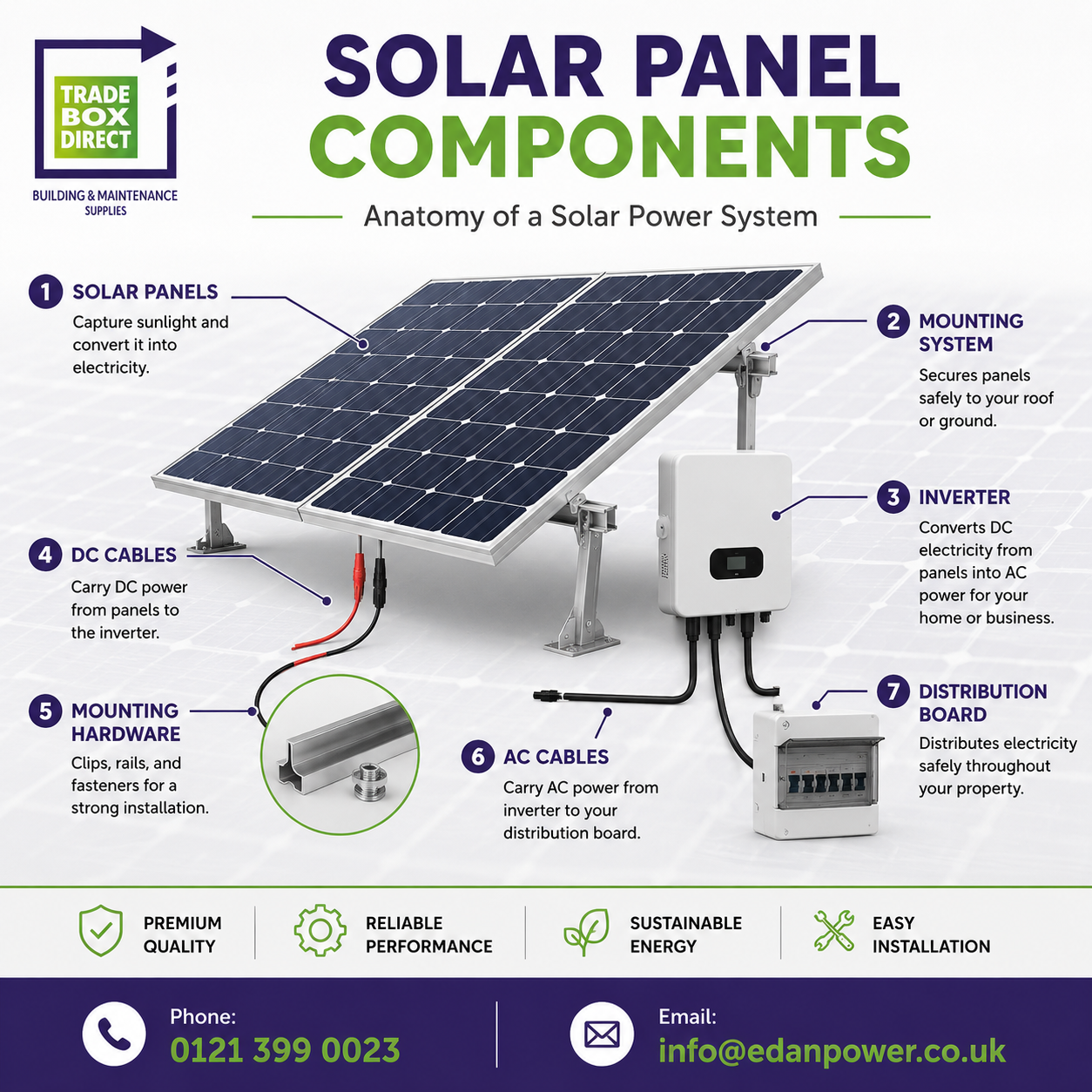
Solar Panel Components for a Complete System
Along with mounting products, you need the right solar panel components for the electrical side of the installation.
Common components include:
- Solar panels
- Inverter
- Solar cables
- Connectors
- Battery storage
- Monitoring equipment
- Protection devices
- Mounting hardware
The mounting structure does not generate electricity. However, it supports the panels that do. Therefore, mounting products should be treated as an important part of the overall system.
Choosing compatible solar panel components can also help avoid problems during installation.
How Do You Choose the Right Solar Equipment?
The best Solar Equipment depends on several factors. Start by identifying your roof type. Next, check the type of tiles and the roof structure.
After that, consider the number and size of your solar panels. Larger systems may need more rails, hooks, clamps, and fixing points.
You should also consider:
- Roof type
- Panel dimensions
- Panel weight
- Rail length
- Bracket compatibility
- Roof structure
- Weather conditions
- Installation layout
Most importantly, follow the product manufacturer’s instructions. A professional installer can also help you select the correct fittings.
Do All Solar Panels Use the Same Brackets?
No. Solar panels can have different sizes, weights, and frame designs. Roofs also vary.
Because of this, one mounting solution may not work for every project. Some systems use specific clamps or rails. Others may need different roof hooks.
The good news is that many modern mounting systems are designed to work with a range of panels. Still, you should always check the specifications before purchasing Solar Equipment.
Can You Install Solar Mounting Brackets Yourself?
Some homeowners may understand basic DIY work. However, rooftop solar installation involves height, electrical equipment, roof structures, and weather exposure.
Therefore, professional installation is often the safer choice.
A qualified installer can check the roof, calculate fixing points, select suitable solar supplies, and install the mounting system correctly.
This can also help reduce the risk of roof damage or an unstable panel system.
Common Mistakes to Avoid
Choosing the wrong brackets can create problems. For example, a bracket may not fit the roof tile correctly. A rail may also be too short for the panel layout.
Avoid these common mistakes:
- Buying brackets without checking roof type
- Using incompatible rails and clamps
- Ignoring panel weight
- Choosing poor-quality fixings
- Failing to check manufacturer specifications
- Installing without checking the roof structure
- Mixing incompatible solar panel components
Instead, plan the whole system first. Then, purchase compatible Solar Equipment and supporting products.
FAQs About Solar Panel Mounting Brackets
1. What mounting brackets do I need for solar panels?
The answer depends on your roof type and panel system. A tiled roof may need solar roof hooks, mounting rails, and clamps. Flat roofs and other surfaces may need different mounting solutions.
2. Are solar roof hooks suitable for tiled roofs?
Yes, solar roof hooks are commonly used with tiled roof systems. However, the hook must match the roof tile and mounting system.
3. What is a pantile roof hook?
A pantile roof hook is designed for roofs that use pantile-style tiles. It provides a fixing point for the mounting rail while working with the roof profile.
4. Do solar mounting rails come in different sizes?
Yes. Rails are available in different lengths and designs. The required size depends on the panel layout and mounting system.
5. What other solar supplies are needed?
Depending on the installation, you may need clamps, connectors, cable clips, roof hooks, rails, bolts, and other fixing products.
Final Thoughts
The right mounting brackets can make a major difference to a solar installation. They provide the support needed to keep panels secure and correctly positioned.
For most tiled roofs, the system may include roof hooks, solar mounting rails, clamps, and suitable fixings. However, the exact setup depends on the roof and panels.
Therefore, always check compatibility before buying. Choose reliable Solar Equipment, suitable solar supplies, and compatible solar panel components. With the right products and proper installation, your solar panels can have a strong and stable foundation for years to come.
How to Choose the Right Solar Equipment for Your Home?
Introduction
Choosing the right Solar Equipment is an important step when planning a home solar system. The right products can help your system produce reliable power, stay safe, and work well for many years. However, there are many options on the market. Therefore, it can be hard to know what you really need.
A good solar setup includes more than just panels. You may also need an inverter, mounting products, cables, protection devices, and other solar panel components. In addition, roof protection can help keep birds and pests away from the space under your panels.
This guide explains how to choose the right Solar Equipment in simple terms. It also covers useful solar supplies, solar panel mesh clips, bird mesh for solar panels, and bird proofing for solar panels.
Start With Your Home’s Energy Needs
Before buying Solar Equipment, think about how much electricity your home uses. Your energy bills are a useful starting point. Check your recent electricity bills and look at your average monthly use.
A larger home may need a larger solar system. On the other hand, a smaller home may work well with fewer panels. Your daily habits also matter.
For example, a home that uses an electric vehicle, electric heating, or several large appliances may need more solar power. Therefore, understanding your energy needs helps you avoid buying too little or too much equipment.
Check Your Roof Before Choosing Equipment
Your roof plays a major role in solar installation. Its size, shape, material, and condition can affect which Solar Equipment you need.
A roof with good sunlight exposure is usually a strong choice. However, trees, chimneys, nearby buildings, and other objects can create shade. Too much shade may reduce solar output.
The roof material also matters. Different roofs can need different mounting products. For example, tiled roofs may need suitable roof hooks and rails.
Before buying anything, check whether the roof is strong and in good condition. If repairs are needed, complete them before installing the solar system.
Choose the Right Solar Panels
Solar panels are one of the main parts of your Solar Equipment. They convert sunlight into electricity for your home.
When comparing panels, look at their power rating, efficiency, size, warranty, and expected lifespan. A higher wattage panel can produce more power, but physical size also matters.
Panel efficiency is another useful factor. Efficient panels can produce more electricity from the same roof area. This can be helpful when your available roof space is limited.
However, do not choose a panel only because it has a high rating. Quality, warranty support, and compatibility with the rest of your system are also important.
Pick a Suitable Inverter
An inverter is another key part of Solar Equipment. Solar panels produce DC electricity, while most home appliances use AC electricity. The inverter changes the electricity into a form your home can use.
There are several inverter types. String inverters are common in many home systems. Microinverters are installed with individual panels and can be useful when panels receive different levels of sunlight.
Hybrid inverters can also work with battery storage. Therefore, if you plan to add a battery later, checking inverter compatibility can save time and money.
Always make sure the inverter matches the size and design of your solar system.
Understand the Important Solar Panel Components
Good solar panel components help your system work safely and securely. These can include mounting rails, roof hooks, clamps, connectors, cables, isolators, and other electrical protection products.
Each component has a specific purpose. For example, mounting rails help hold panels in place, while suitable clamps secure the panels to the mounting structure.
Quality matters because these products are exposed to outdoor conditions. Rain, wind, sunlight, and temperature changes can affect materials over time.
For this reason, choose compatible products from reliable suppliers rather than buying parts based only on the lowest price.
Choose Useful Solar Supplies
Along with the main system, you may need extra solar supplies for installation and maintenance. These products can make the installation more secure and easier to manage.
Your requirements can vary based on the roof and system design. Cables, connectors, mounting accessories, clips, and protective products are common examples.
It is wise to make a complete list before ordering. This reduces the risk of missing a small but important item during installation.
Do Not Forget Solar Panel Bird Protection
Birds can sometimes build nests beneath solar panels. The open space under panels can provide shelter from rain and wind. However, nesting materials, feathers, and debris can create problems.
This is where bird mesh for solar panels can help. Mesh creates a physical barrier around the panel edges. As a result, birds have less access to the space underneath.
Proper bird proofing for solar panels can also help protect cables and other equipment from damage caused by nesting activity.
For a secure installation, the mesh should fit correctly around the panels without blocking drainage or damaging the roof.
Consider Solar Panel Mesh Clips
Solar panel mesh clips are small but useful installation accessories. They can help attach protective mesh around solar panels without the need for complex fixing methods.
When choosing clips, check their size and compatibility with your panel frame and mesh. A secure connection is important because outdoor wind can place stress on the mesh.
Good-quality clips can help keep the protective barrier in place. Therefore, they should be treated as an important part of your wider solar protection setup.
Think About Battery Storage
Battery storage is worth considering when choosing Solar Equipment. A battery can store surplus solar electricity for later use.
For example, your panels may produce more electricity during the day when nobody is home. A battery can store some of that energy. You may then use it during the evening.
However, batteries add cost to a solar installation. Therefore, think about your energy use, budget, and future plans before buying one.
If you want a battery later, make sure your inverter and other equipment can support battery storage.
Check Quality, Warranty, and Compatibility
Price should not be the only factor when choosing Solar Equipment. A cheaper product may not always provide the best long-term value.
Instead, compare product quality, warranty terms, specifications, and compatibility. Look for clear product information and reliable support.
Also, make sure all parts work together. Solar panels, inverters, mounting systems, cables, and protection products should be selected as a complete system.
Professional installation is also important. Electrical work and roof work can involve safety risks, so use a suitably qualified installer where required.
Create a Simple Solar Buying Checklist
Before purchasing, make a basic checklist:
- Solar panels
- Suitable inverter
- Mounting rails
- Roof hooks or suitable mounting hardware
- Cables and connectors
- Electrical protection equipment
- Battery, if required
This checklist can make the buying process much easier. More importantly, it helps you identify missing products before installation begins.
Final Thoughts
Choosing the right Solar Equipment does not have to be difficult. Start by understanding your energy needs and checking your roof. Then, choose suitable panels, an inverter, mounting products, and compatible solar panel components.
Also, think about long-term protection. Solar panel mesh clips, bird mesh for solar panels, and suitable bird proofing for solar panels can help protect the area beneath your panels.
Finally, compare quality, compatibility, warranties, and total costs before making your decision. With careful planning, the right Solar Equipment can help you create a reliable and efficient home solar system.
FAQs
1. What Solar Equipment do I need for a home?
Most home systems need solar panels, an inverter, mounting equipment, cables, connectors, and electrical protection products. Battery storage and bird protection may also be useful.
2. Are solar panel components important?
Yes. Suitable panel components help connect, mount, and protect the main solar system. Always choose components that match your equipment.
3. Why do I need bird mesh for solar panels?
Bird mesh for solar panels helps stop birds from entering the space beneath panels. It can reduce nesting and help protect cables and other areas from debris.
4. What are solar panel mesh clips used for?
Solar panel mesh clips help secure protective mesh around solar panel edges. They provide a simple way to keep the mesh firmly attached.
5. Is bird proofing for solar panels worth it?
For homes that experience bird nesting under panels, bird proofing for solar panels can be a useful protective measure. It can help prevent nesting and reduce possible damage.
What Happens If a House Has Poor Ventilation?
A home needs fresh air to stay comfortable, dry, and healthy. When Ventilation is poor, stale air can build up inside the house. Moisture can also become trapped, which may lead to condensation, damp patches, mould, and unpleasant smells.
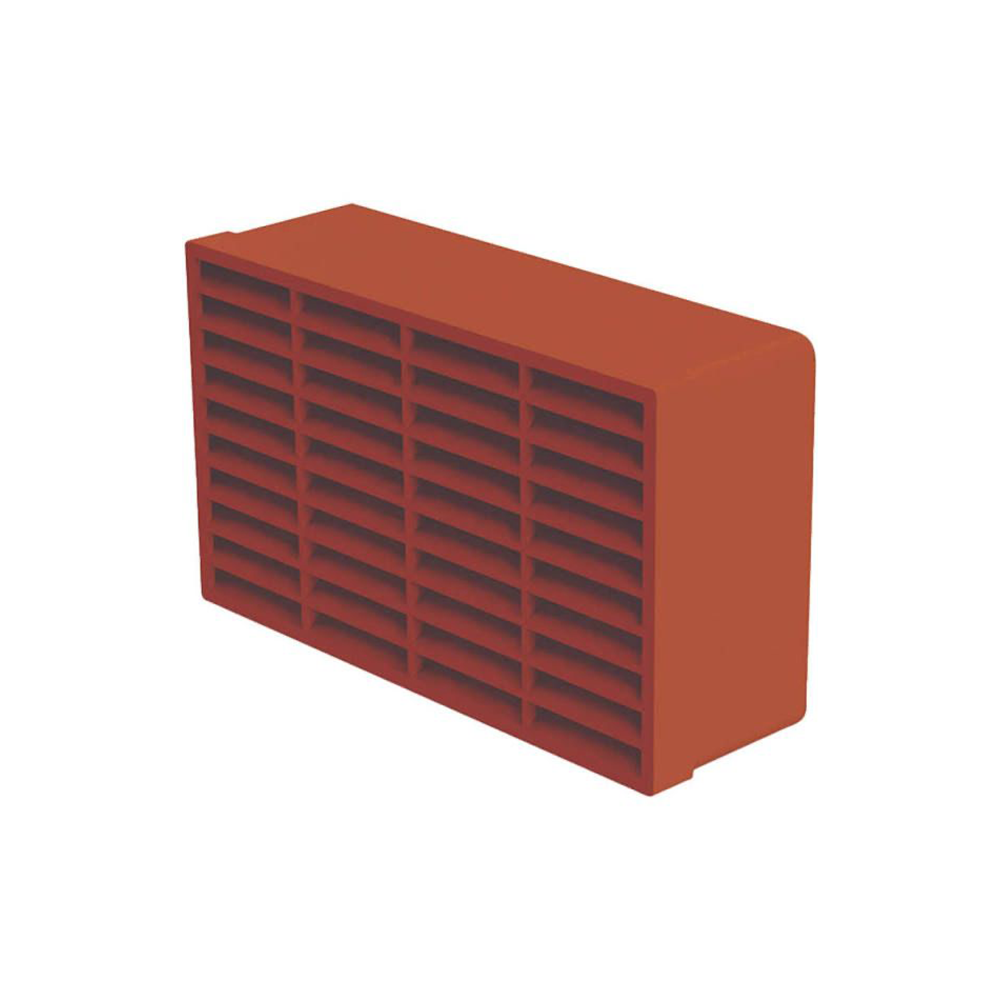
Many homes have windows, extractor fans, wall vents, or air bricks to help fresh air move through different rooms. However, these features need to work well together. A simple and reliable option is an air brick, such as the Vent Axia – Double Louvred Airbrick Terracotta – 220x90mm.
This type of air brick can help air move through a wall while also providing protection from unwanted outdoor elements. Therefore, understanding how it works can help homeowners improve indoor air quality.
What Is Poor Ventilation?
Poor Ventilation happens when fresh outdoor air cannot enter a building properly or stale indoor air cannot escape.
Everyday activities create moisture and stale air. Cooking, showering, drying clothes, and even breathing can increase indoor moisture. Without enough airflow, that moisture can remain inside the property.
As a result, you may notice:
- Condensation on windows
- Damp walls or ceilings
- Mould growth
- Musty smells
- Stale indoor air
- Higher moisture levels
- Poor comfort
- Damage to some building materials
Over time, these problems can become more difficult and costly to manage.
What Happens When a House Has Poor Ventilation?
The first problem is usually trapped moisture. Warm air carries moisture around the home. When this air touches a cold surface, condensation can form.
For example, bathrooms often become humid after a shower. If the moist air cannot escape, it may settle on walls, windows, and ceilings.
Similarly, cooking creates steam. Without suitable Ventilation, this moisture can spread into nearby rooms.
Eventually, repeated condensation can create an ideal environment for mould. Paint may also become damaged, while wooden materials can suffer from long-term moisture exposure.
Good airflow helps reduce these risks by allowing stale and humid air to leave the building.
How Can an Air Brick Help?
An air brick provides an opening through a wall that allows air to pass between indoor and outdoor spaces. It is often used where a permanent airflow route is useful.
The Vent Axia – Double Louvred Airbrick Terracotta – 220x90mm is designed as a double-louvred air brick. Its louvred design helps provide airflow while offering a practical barrier across the wall opening.
This makes it useful for homes, buildings, and other areas where controlled airflow is needed.
An air brick can form part of a wider Ventilation plan. For example, it can work alongside extractor fans, windows, trickle vents, and other air vents.
How Is the Vent Axia Airbrick Made?
The Vent Axia – Double Louvred Airbrick Terracotta – 220x90mm is designed in a terracotta finish with a double-louvred front.
The louvres create openings that allow air to move through the air brick. At the same time, the structure covers the wall opening rather than leaving a large open gap.
Its 220x90mm size also makes it suitable for applications where a compact wall air brick is required.
Because it is designed for wall installation, correct fitting is important. The surrounding area should provide a suitable and secure fixing point.
What Is the Main Usage of This Air Brick?
The main purpose of an air brick is to provide airflow through a wall.
The Vent Axia – Double Louvred Airbrick Terracotta – 220x90mm can be used where a wall needs a permanent air path. It may be suitable for different building areas, depending on the design and ventilation requirements of the property.
Common uses can include:
- Providing airflow through external walls
- Supporting natural airflow
- Helping reduce trapped stale air
- Supporting building airflow systems
- Improving air movement in suitable areas
- Creating a permanent wall vent opening
However, an air brick should not be viewed as a complete solution for every indoor air problem. The whole property should have suitable airflow.
What Are the Advantages of the Vent Axia Double Louvred Airbrick?
One key advantage is its louvred design. The openings allow air to pass while the front structure covers the wall opening.
The terracotta finish can also suit properties where a traditional or earthy appearance is preferred.
Another benefit is its compact size. At 220x90mm, it can provide a practical option for suitable wall applications.
Most importantly, an air brick can support a home’s overall Ventilation strategy.
Good airflow can help remove stale air and reduce moisture build-up. Therefore, an air brick may be useful as one part of a wider approach to maintaining a more comfortable home.
What Is a Vent Box?
A vent box is another term people may use when talking about ventilation openings or components that help direct airflow. The exact meaning can vary depending on the product and application.
For homeowners, the important point is to choose the correct ventilation component for the intended location.
An air brick, ventilation grille, or wall vent should match the building’s needs. Incorrect sizing or poor installation can reduce airflow and may create other problems.
Can Poor Ventilation Cause Mould?
Yes. Poor airflow can increase the chance of mould when moisture remains trapped for long periods.
Mould often appears in areas with high humidity and limited air movement. Bathrooms, kitchens, utility rooms, and poorly ventilated bedrooms may be more affected.
Therefore, improving Ventilation can help control moisture. However, existing leaks or serious damp problems must also be dealt with. Simply adding an air brick will not fix a leaking roof, plumbing fault, or major structural damp issue.
Is an Air Brick Better Than Opening a Window?
Opening a window can provide quick fresh airflow. However, people do not always want to keep windows open for long periods.
An air brick offers a more permanent airflow opening. It can therefore support passive airflow without relying on someone opening a window.
That said, the best solution depends on the property. Windows, extractor fans, trickle vents, air bricks, and mechanical systems can all have different roles.
A well-planned Ventilation system should consider how air enters the building and where stale air leaves it.
How Can You Improve Ventilation in a Home?
Start by checking areas where moisture is created. Use extractor fans when cooking or showering, and allow damp air to escape.
Keep suitable air vents clear. Do not block air bricks with furniture, paint, debris, or other materials.
You should also check for condensation around windows and cold surfaces. If the same areas remain damp, investigate the cause.
For suitable wall applications, a product such as the Vent Axia – Double Louvred Airbrick Terracotta – 220x90mm can provide a practical airflow opening.
Good Ventilation is not only about bringing in fresh air. It is also about giving stale, humid air a route out.
Final Thoughts
Poor airflow can affect comfort, moisture levels, and the condition of a home. Condensation, mould, stale smells, and damp surfaces can all become more common when air does not move properly.
A suitable air brick can help create a permanent airflow route. The Vent Axia – Double Louvred Airbrick Terracotta – 220x90mm is a practical option for suitable wall applications, with its double-louvred design and terracotta finish.
Still, every property is different. Good Ventilation usually works best when several features work together. Air bricks, vents, windows, and extractor fans can all play a role in keeping indoor air fresher and helping manage excess moisture.
FAQs
1. What is the main problem with poor ventilation?
Poor Ventilation can trap moisture and stale air. This may lead to condensation, mould, unpleasant smells, and reduced indoor comfort.
2. What does an air brick do?
An air brick provides an opening through a wall to allow airflow between indoor and outdoor areas.
3. What is the Vent Axia Double Louvred Airbrick used for?
The Vent Axia – Double Louvred Airbrick Terracotta – 220x90mm is designed to provide airflow through suitable wall openings while covering the opening with its louvred structure.
4. Can an air brick help reduce damp?
It can support airflow and help with moisture control in suitable applications. However, it cannot fix structural damp, leaks, or other underlying moisture problems.
5. Should an air brick be blocked?
No. Blocking an air brick can restrict airflow and reduce its effectiveness.
6. What is a vent box?
A vent box generally refers to a ventilation component or enclosure used to support airflow. Its exact purpose depends on the product and installation.
7. Can poor ventilation cause condensation?
Yes. When humid indoor air cannot escape, condensation can form on cold surfaces. Improving airflow can help reduce moisture build-up.
8. Is Ventilation important in every home?
Yes. Every home needs a suitable way to remove stale air and manage moisture. The best method depends on the building design and the rooms involved.
Why Is My House Humid Even With Ventilation?
A humid house can feel warm, sticky, and uncomfortable. You may also notice mist on windows, damp walls, musty smells, or small patches of mould. It can be confusing when you already have Ventilation but the moisture does not seem to go away.
The good news is that there are several possible reasons. Your vents may be too small, blocked, poorly placed, or not designed to move enough air. In some cases, outdoor moisture can also enter the home.
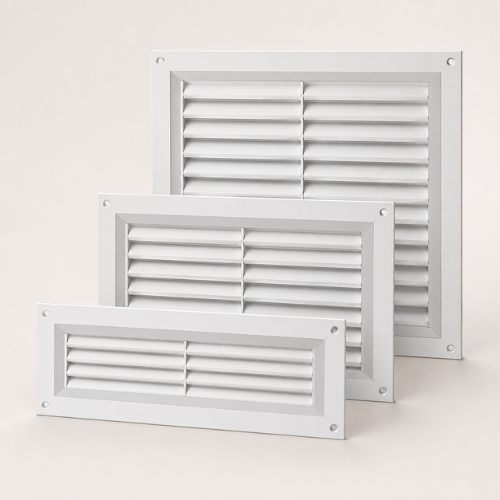
A useful solution is to improve airflow with the right air vent cover with fly screen. A well-designed vent cover can allow fresh air to pass while helping to keep insects and debris outside.
What Causes High Humidity in a House?
Every home creates moisture during the day. Cooking, showering, washing clothes, drying laundry, and even breathing can add water vapour to indoor air.
Normally, Ventilation removes this moist air and replaces it with drier outdoor air. However, this process may not work well if airflow is restricted.
For example, a bathroom may produce a large amount of steam. If the vent cannot remove that air quickly, moisture can spread to nearby rooms.
Similarly, drying clothes indoors can raise humidity for several hours. Without enough airflow, the moisture stays inside.
Why Does Ventilation Sometimes Fail?
Having vents does not always mean that you have effective Ventilation.
A vent can be present but still provide poor airflow. Dust, dirt, paint, insects, and other debris can reduce the open area. Furniture can also block an internal grille.
Another issue is poor vent placement. Air needs a clear path to enter and leave the building. Therefore, one small vent may not be enough for a large room.
Wind direction can also affect natural airflow. On some days, there may be little pressure difference between inside and outside. As a result, air may move very slowly.
How Does a Louvre Air Vent Cover Work?
A LOUVRED AIR VENT COVER WITH FIXED FLYSCREEN FLY MESH, PLASTIC VENTILATION GRILLE is designed to support airflow through a wall, door, panel, or other suitable opening.
Its louvred design uses angled openings. These openings allow air to pass through while the cover protects the opening from unwanted objects.
The fixed flyscreen adds another useful layer. It helps reduce the entry of flies and other insects while still allowing air to move through the grille.
This makes the product useful in areas where airflow matters but insect protection is also important.
How Is a Plastic Louvre Vent Cover Made?
A plastic vent cover is usually formed from durable plastic. The material is shaped into a grille with several louvres or slats.
These slats create openings across the front of the cover. The design aims to provide a good balance between airflow and protection.
A fixed fly mesh is fitted behind the louvred section. Because the mesh stays in place, there is no need to remove it every time the vent is used.
The finished product is lightweight and simple. However, its design can play an important role in keeping an air opening functional.
What Is the Main Use of an Air Vent Cover With Fly Screen?
The main purpose is to cover a ventilation opening while still allowing air to pass.
An air vent cover with fly screen can be useful for:
- Wall ventilation
- Utility rooms
- Bathrooms
- Kitchens
- Garages
- Sheds
- Workshops
- Storage areas
- Other spaces that need airflow
The flyscreen helps stop insects from entering through the opening. At the same time, the louvres allow air to travel through the grille.
Therefore, it can be a practical choice for homes that need better airflow without leaving an open hole in the wall.
Can a Louvre Vent Cover Reduce Humidity?
A vent cover cannot remove moisture by itself. However, it can support better Ventilation when it is used as part of a suitable airflow system.
For example, imagine a room with a wall opening that has poor protection. A suitable louvred cover can provide a neat external finish while allowing air to move through the opening.
The result depends on the whole airflow setup. There must be a suitable route for stale, moist air to leave and fresh air to enter.
For this reason, simply installing a grille may not solve severe humidity. You should also check fans, vents, windows, and other airflow routes.
What Are the Advantages of a Fixed Fly Mesh?
A fixed fly mesh offers several practical benefits.
First, it helps reduce insect entry. This is especially useful during warmer months when windows and ventilation openings may attract flies and other insects.
Second, the mesh helps keep larger debris away from the vent opening.
Third, a fixed design is simple to use. There is no separate screen that needs to be opened or closed.
Finally, the combination of louvres and mesh gives the opening a cleaner and more finished appearance.
Why Is Plastic Used for Ventilation Grilles?
Plastic is a popular choice because it is lightweight and easy to handle.
A plastic Ventilation grille can also be suitable for many everyday household applications. It does not need the same level of care as some metal products, and it can provide a neat finish around a ventilation opening.
The exact durability depends on the quality of the plastic, the installation location, and exposure to weather.
For outdoor use, always check that the selected product is suitable for the location and conditions.
What Happens If a Vent Is Blocked?
A blocked vent can reduce airflow. Consequently, moist air may remain inside the room for longer.
You may then notice condensation on windows or cold surfaces. Over time, continued moisture can contribute to mould and unpleasant smells.
Check vents regularly for dust, dirt, paint, cobwebs, or other obstructions. Also, make sure furniture or stored items do not cover indoor grilles.
Good Ventilation works best when air has a clear path.
How Can You Improve Humidity Naturally?
There are several simple steps you can take.
First, open windows for short periods when outdoor conditions are suitable. This can help replace stale indoor air.
Next, use extractor fans while cooking and showering. Keep them running for a suitable period after the activity if needed.
Also, avoid drying large amounts of wet clothing indoors when possible.
Keep vents clean and check that air openings remain clear. In addition, consider installing a suitable air vent cover with fly screen where an open ventilation point needs protection.
If humidity remains high, consider whether your home needs a more suitable mechanical ventilation system.
Why Is the Louvre Design Helpful?
The louvred shape is an important part of the grille.
Instead of having one completely open surface, the grille uses multiple angled sections. These sections provide airflow openings while helping protect the opening.
The design can also help shield the opening from direct exposure to rain, depending on the product and installation position.
However, a vent cover should always be installed correctly. The wall opening, duct, airflow route, and grille size all affect performance.
Where Should a Louvre Air Vent Cover Be Installed?
A louvre grille can be used in suitable ventilation openings on walls, doors, panels, and similar areas.
The correct location depends on the purpose of the opening. Moisture-producing rooms often need effective extraction. Meanwhile, some areas need a steady supply of fresh air.
For the best result, consider the entire airflow route instead of focusing on one grille.
If you are unsure about the correct position or opening size, ask a qualified installer for advice.
How Can You Tell If Your House Has Too Much Humidity?
Common signs include:
- Condensation on windows
- Damp or cold walls
- Musty smells
- Peeling paint
- Mould spots
- Damp clothes that take too long to dry
- A sticky feeling indoors
These signs suggest that moisture may not be leaving the home effectively.
Better Ventilation can help, but you should also look for leaks, damp walls, plumbing problems, and other sources of moisture.
Is an Air Vent Cover With Fixed Fly Mesh Worth Using?
For the right application, it can be a useful addition.
A LOUVRED AIR VENT COVER WITH FIXED FLYSCREEN FLY MESH, PLASTIC VENTILATION GRILLE combines several useful features in one product.
It provides a finished cover for a ventilation opening. It also allows airflow and helps reduce insect entry.
The lightweight plastic construction makes it practical for many everyday applications. Meanwhile, the fixed mesh means there is no separate screen to manage.
Still, product selection matters. Choose the correct size and type for your opening and intended use.
Final Thoughts
A humid home can have several causes, even when Ventilation is already present. The problem may come from blocked vents, poor airflow, high indoor moisture, incorrect vent placement, or insufficient extraction.
A suitable louvred grille can help improve an existing ventilation opening. In particular, an air vent cover with fly screen can provide airflow while helping keep insects and debris outside.
For homes that use a LOUVRED AIR VENT COVER WITH FIXED FLYSCREEN FLY MESH, PLASTIC VENTILATION GRILLE, regular cleaning and a clear airflow path are important.
Remember that a vent cover is one part of the solution. For lasting humidity control, identify where the moisture comes from and make sure your home has a suitable way to remove it.
FAQs
1. Why is my house humid even with Ventilation?
Your Ventilation may not move enough air. Blocked vents, poor airflow routes, small openings, or high indoor moisture can all cause humidity to remain.
2. Does an air vent cover with fly screen stop airflow?
A properly designed grille allows air to pass through its openings. However, the amount of airflow depends on the grille design, mesh, opening size, and overall ventilation system.
3. What is a louvred air vent cover used for?
It is used to cover a ventilation opening while allowing air to pass through. The louvres also provide a protective barrier around the opening.
4. What does fixed fly mesh do?
Fixed fly mesh helps reduce the entry of flies and other insects through the ventilation opening. It can also help keep larger debris outside.
5. Can a plastic ventilation grille be used outdoors?
Some plastic grilles are suitable for outdoor applications. However, you should always check the product specifications and installation requirements before fitting one outside.
6. Can a vent cover solve condensation?
A vent cover alone may not solve condensation. It can support airflow, but you also need to control moisture sources and provide enough air movement.
7. How often should ventilation grilles be cleaned?
Check them regularly and clean them when dust, dirt, or debris becomes visible. A clean grille helps maintain an open airflow path.
8. Is a louvred grille better than an open hole?
A louvred grille gives the opening a finished and protected surface. With fixed fly mesh, it can also help reduce insect entry while maintaining airflow.
How Do I Clean an Air Brick?
A clean air brick helps fresh air move through your home. It also helps keep moisture, dust, and stale air under control. Over time, an air brick can collect dirt, leaves, cobwebs, and other debris. As a result, airflow can become weaker.
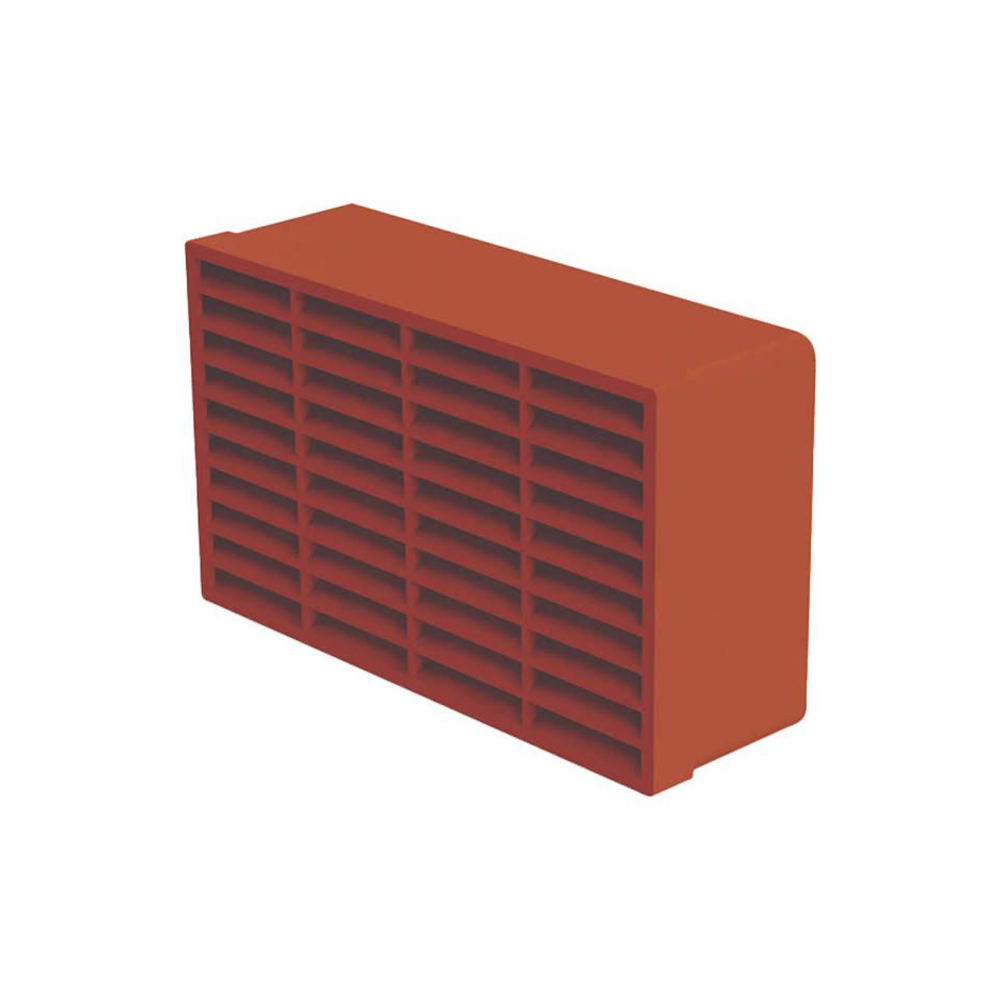
Regular cleaning is a simple way to support good Ventilation. The job does not need special tools or expert skills. In most cases, you can clean an air brick with a soft brush, warm water, and a little care.
This guide explains how to clean an air brick safely. It also covers when to replace an air vent cover, how UPVC trickle vents can help, and how to keep your home well aired.
What Is an Air Brick?
An air brick is a small vent fitted into an outside wall. It has holes or slots that allow air to pass through. Therefore, it can help fresh air enter and stale air leave.
Air bricks are often found near floors, under suspended floors, and on outside walls. They may also help protect a building from damp by allowing air to move through certain areas.
Good Ventilation is important because trapped air can create a damp and stuffy space. However, an air brick must stay clear to work properly.
Why Should You Clean an Air Brick?
Air bricks sit outside, so they can get dirty quite easily. Leaves may collect around the openings. Dust and soil can also build up inside the holes.
Furthermore, insects and spiders may leave webs or debris behind. If the openings become blocked, less air can pass through.
Cleaning an air brick helps maintain steady Ventilation. It can also reduce the chance of moisture becoming trapped in poorly aired areas.
A clean vent may also help protect the air brick from long-term dirt buildup. Therefore, checking it from time to time is a useful part of home maintenance.
What Do You Need to Clean an Air Brick?
You do not need many tools. Before you start, gather:
- A soft brush
- An old toothbrush
- Warm water
- Mild washing-up liquid
- A clean cloth
- A small vacuum cleaner, if available
- Protective gloves
Avoid using strong chemicals unless the manufacturer recommends them. Harsh cleaners may damage plastic or painted surfaces.
Also, never use sharp tools to force dirt from the holes. They can crack the vent or damage the wall around it.
How to Clean an Air Brick Step by Step
1. Check the Air Brick
First, look closely at the air brick. Check for leaves, dirt, spider webs, mud, or other debris.
You should also look for cracks or broken sections. A damaged air brick may not provide proper airflow.
If the brick has a fitted air vent cover, check that too. Make sure it sits firmly and does not block the openings.
2. Remove Loose Dirt
Use a soft brush to remove loose dirt from the surface. Work gently across the holes and edges.
A toothbrush can help reach smaller spaces. However, avoid pushing dirt deeper into the vent.
For loose debris, a vacuum cleaner can also be useful. Keep the nozzle close to the opening and remove the dirt carefully.
This simple step can quickly improve Ventilation when the blockage is only caused by surface debris.
3. Wash the Surface
Next, mix warm water with a small amount of mild washing-up liquid.
Dip a cloth or soft brush into the solution. Then gently clean the outside of the air brick.
Do not pour large amounts of water into the vent. Excess water can enter areas where it is not wanted.
Once the surface looks clean, wipe away any remaining soap with a damp cloth.
4. Clean the Vent Holes
Now focus on the individual holes or slots. Use a soft toothbrush to remove dirt around the edges.
Take your time, especially if the air brick has many small openings. Gentle cleaning is better than forcing the brush through.
If dirt is stuck, use a slightly damp brush and loosen it slowly. Never use a screwdriver, knife, or other sharp object.
Keeping these openings clear supports steady Ventilation throughout the area.
5. Check the Air Vent Cover
An air vent cover can protect an opening from insects, leaves, and weather. However, the cover itself can become blocked.
Remove loose dirt from the cover with a soft brush. If it can be safely removed, wash it with warm soapy water.
Check for cracks, loose fittings, or damaged sections. A broken air vent cover may need replacement.
The replacement should match the size and purpose of the existing vent. Most importantly, it should allow enough air to pass through.
Can You Improve Ventilation With Other Vents?
Yes. An air brick is only one part of a home’s airflow system.
For example, UPVC trickle vents can provide controlled airflow through windows. They are designed to allow a small amount of fresh air into a room without leaving the whole window open.
This can be useful in bedrooms, living rooms, kitchens, and other areas where stale air may build up.
UPVC trickle vents should also be kept clean. Dust can collect around the openings, so a quick brush or wipe can help keep them working well.
Together, clean air bricks and suitable window vents can support better Ventilation.
How Often Should You Clean an Air Brick?
There is no single cleaning schedule for every home. However, checking your air bricks every few months is a good habit.
Homes near busy roads, gardens, trees, or building work may collect dirt faster. Therefore, these areas may need more frequent checks.
After storms or windy weather, inspect the vents for leaves and other debris.
You should also check them when you notice a change in airflow or damp smells. Early cleaning can help prevent a small blockage from becoming a larger problem.
When Should You Replace an Air Brick?
Cleaning is not always enough. An air brick should be replaced if it is cracked, badly damaged, or blocked internally.
You may also need a new air vent cover if the existing one has broken or become loose.
Choose a suitable replacement that provides the correct airflow for the application. If you are unsure, ask a qualified installer or building professional.
A damaged vent can affect Ventilation and may allow unwanted water or pests to enter.
Final Thoughts
A clean air brick can play an important role in keeping air moving through your home. Luckily, regular maintenance is quick and inexpensive.
Start by removing loose dirt. Next, clean the surface and openings with a soft brush. Then check the air vent cover for damage or blockages.
For window airflow, products such as UPVC trickle vents can also be useful. When the right vents are clean and unobstructed, they can support healthier airflow.
Good Ventilation does not always require complicated equipment. Simple maintenance, regular checks, and suitable vents can make a useful difference.
FAQs
1. Can I clean an air brick myself?
Yes. Most basic cleaning can be done yourself with a soft brush, cloth, warm water, and mild soap. However, damaged or difficult-to-access vents may need professional attention.
2. How do I unblock an air brick?
Start by removing leaves, cobwebs, dust, and loose dirt with a soft brush. A vacuum can help remove loose debris. Do not use sharp tools because they may damage the vent.
3. Should I cover an air brick?
You should not cover an air brick if it is needed for airflow. Blocking it may reduce Ventilation and can cause moisture or stale air to build up.
4. How do I clean an air vent cover?
Remove loose dirt with a soft brush. If the cover can be removed safely, wash it with warm soapy water and dry it before putting it back.
5. Do UPVC trickle vents need cleaning?
Yes. Dust and dirt can collect around UPVC trickle vents. A soft brush or cloth can help keep the openings clear and maintain airflow.
6. What happens if an air brick is blocked?
A blocked air brick can reduce airflow. Depending on its purpose, this may contribute to damp, stale air, or moisture problems.
7. Can an air brick improve home airflow?
Yes. When correctly positioned and kept clear, an air brick can allow air to move through the areas it serves. It can therefore form part of a wider Ventilation system.
Where Should Ventilation Grilles Be Installed?
Where Should Ventilation Grilles Be Installed?
Good Ventilation helps keep a home fresh, dry, and comfortable. It allows stale air, moisture, and unwanted smells to leave a room. At the same time, it brings fresh air into the space. However, the position of a vent can affect how well air moves around a room.
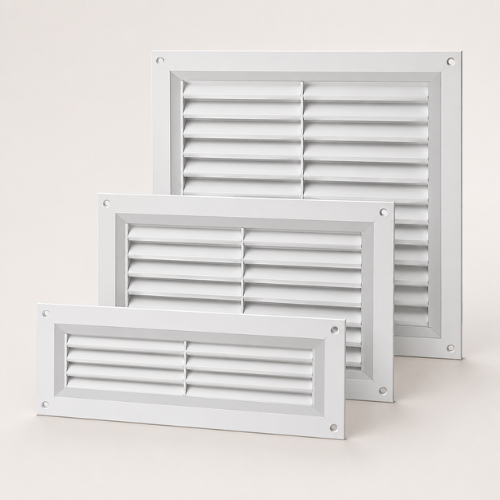
So, where should ventilation grilles be installed? In most homes, the best position depends on the room, the airflow needed, and the source of moisture. A well-planned system can improve indoor air quality and reduce problems such as condensation and mould.
What Is the Purpose of Ventilation Grilles?
Ventilation grilles are openings that allow air to move between indoor and outdoor spaces or between different areas of a building. They are often fitted to walls, doors, windows, ceilings, or other suitable areas.
Their main job is simple. They help fresh air enter and stale air leave.
Good Ventilation is especially important in rooms where moisture builds up quickly. Kitchens, bathrooms, utility rooms, and laundry areas can all produce high levels of moisture. Therefore, these rooms often need careful airflow planning.
A grille can also work with other products, such as air bricks, extractor fans, and UPVC trickle vents, to create a steady flow of air.
Where Should Ventilation Grilles Be Installed?
The correct position depends on the room. However, some basic rules can help.
1. Install Grilles in Areas With Poor Airflow
Rooms that feel stuffy may need better airflow. A wall grille can help fresh air enter or stale air escape.
For example, a room with limited windows may benefit from a suitable grille. The opening should not be blocked by furniture, curtains, cupboards, or other objects.
Clear airflow is important. Therefore, always leave enough space around the grille.
2. Place Fresh Air Openings Lower Down
Fresh air openings are often positioned lower on a wall. This can help bring cooler outdoor air into the room.
However, the exact height depends on the type of system and the building design. Always follow the manufacturer’s installation instructions.
For homes with modern windows, UPVC trickle vents can also provide a controlled source of fresh air. They allow small amounts of air to pass through without leaving a window fully open.
3. Place Exhaust Openings Higher Up
Warm and moist air naturally tends to rise. Because of this, exhaust grilles are often placed higher on a wall or near the ceiling.
This is useful in bathrooms and kitchens. Moist air from showers, baths, and cooking can collect near the upper part of a room.
A high-level grille can help remove this air. As a result, the room may stay fresher and drier.
Ventilation Grilles in Bathrooms
Bathrooms are one of the most important areas for effective Ventilation. Hot showers and baths create a lot of water vapour.
Without enough airflow, moisture can settle on walls, mirrors, ceilings, and windows. Over time, this can encourage mould growth.
For this reason, an exhaust grille is often positioned high on the wall or in the ceiling. It should also work with an extractor fan or another suitable ventilation system where required.
Avoid placing the grille where towels, cabinets, or other items can cover it.
A clear opening allows air to move more freely. Therefore, regular cleaning is also important.
Ventilation Grilles in Kitchens
Kitchens produce moisture, heat, smoke, and cooking smells. Good Ventilation helps remove these unwanted elements.
A grille can be positioned high on a wall or ceiling when it forms part of an exhaust system. The position should also support the movement of air from the cooking area toward the exhaust point.
However, a grille should not replace a suitable cooker hood when one is needed.
Fresh air also needs to enter the kitchen. Therefore, combining an exhaust point with another controlled air source can create better airflow.
Ventilation Grilles in Bedrooms
Bedrooms need fresh air too. Poor Ventilation can make a room feel warm, stale, or uncomfortable.
A suitable wall grille or window vent can provide a controlled flow of outdoor air. For example, UPVC trickle vents can help provide background airflow while keeping the window closed.
The position should allow air to spread around the room. Avoid placing the opening directly behind large furniture.
If a bedroom has a door grille, make sure the opening remains clear. This can help air move between rooms when the main system is designed for that type of airflow.
Ventilation Grilles in Living Rooms
Living rooms may not create as much moisture as kitchens or bathrooms. Still, they need regular Ventilation.
People produce moisture when they breathe, and everyday activities can also affect indoor air quality. Therefore, a steady supply of fresh air can make the room more comfortable.
A wall grille or window-based vent can be useful where suitable. It should be positioned away from large furniture and other obstructions.
Furthermore, the grille should not be placed where curtains can cover it.
Should Ventilation Grilles Be Installed Near Windows?
In some situations, yes. A grille near a window can support air movement. However, the correct position depends on the type of ventilation system.
Windows already provide a natural way to bring in fresh air. Yet leaving windows open is not always practical. Weather, noise, security, and energy loss can all be concerns.
That is why products such as UPVC trickle vents can be useful. They provide background airflow through a small opening in the window frame.
A grille can also work alongside window vents as part of a wider airflow plan.
How High Should a Ventilation Grille Be?
There is no single height that works for every building. The correct position depends on the grille type and its purpose.
For fresh air supply, a lower position may work well. For removing warm or moist air, a higher position can be more suitable.
Most importantly, follow the product instructions and any applicable building requirements.
Do not install a grille in a position where it can easily become blocked. Also, check that the surrounding wall or surface is suitable for installation.
What Should You Avoid When Installing Ventilation Grilles?
Correct Ventilation is not only about installing a grille. It is also about keeping the airflow path clear.
Avoid these common mistakes:
- Covering a grille with furniture
- Painting over the grille openings
- Blocking the grille with curtains
- Installing it too close to another obstruction
- Choosing a grille that is too small for the airflow requirement
- Ignoring the manufacturer’s instructions
- Failing to clean the grille
- Removing existing vents without checking the ventilation system
A blocked grille cannot work effectively. Therefore, check vents regularly and keep them clean.
Can Ventilation Grilles Help Reduce Condensation?
Yes, better airflow can help control moisture. However, a grille alone may not solve every condensation problem.
Condensation happens when warm, moist air meets a colder surface. Bathrooms, kitchens, and bedrooms can be affected.
Effective Ventilation helps remove moisture before it settles on cold surfaces. As a result, the risk of damp patches and mould may be reduced.
Still, serious damp or mould problems may have other causes. These can include leaks, poor insulation, cold bridges, or structural issues. In such cases, the main cause should be checked.
How Do Ventilation Grilles Work With UPVC Trickle Vents?
UPVC trickle vents and ventilation grilles can serve different roles.
A trickle vent usually provides a controlled supply of fresh outdoor air. A grille may provide an opening for air to enter, leave, or move between spaces.
When designed correctly, these components can support a balanced airflow path.
For example, fresh air may enter through a window vent in a living room. Air can then move through the home before reaching an exhaust point in a bathroom or kitchen.
This creates a simple airflow route. As a result, the whole system can work more effectively.
Why Correct Ventilation Matters
Good Ventilation supports a healthier and more comfortable indoor environment. It helps remove stale air, excess moisture, odours, and some indoor pollutants.
It can also help protect walls, ceilings, windows, and furniture from excess moisture.
However, ventilation should be planned rather than added randomly. Each room has different needs.
For instance, a bathroom may need stronger moisture removal than a bedroom. Likewise, a kitchen may need airflow that deals with cooking fumes and steam.
Therefore, think about the purpose of each opening before choosing its location.
Tips for Better Ventilation
Follow these simple tips to improve airflow around your home:
- Keep all grilles clean and open.
- Do not place large furniture directly over vents.
- Check bathroom and kitchen exhaust points regularly.
- Use suitable UPVC trickle vents where appropriate.
- Keep airflow paths between rooms clear.
- Do not remove existing vents without checking their purpose.
- Repair damaged grilles quickly.
- Follow installation instructions carefully.
- Check for condensation in rooms with poor airflow.
- Consider professional advice for complex ventilation systems.
These simple steps can help maintain effective airflow throughout the home.
Final Thoughts
The best location for ventilation grilles depends on what the opening needs to do. Fresh air supply points may work well in lower positions, while exhaust openings are often placed higher to help remove warm and moist air.
Bathrooms and kitchens usually need special attention because they create more moisture. Bedrooms and living rooms also need a steady supply of fresh air.
Good Ventilation works best when every part of the airflow route is considered. Products such as UPVC trickle vents, air bricks, extractor fans, and wall grilles can work together when they are correctly selected and positioned.
Most importantly, keep every opening clear and follow the manufacturer’s guidance. With the right setup, your home can enjoy fresher air and better moisture control.
FAQs
1. Where is the best place to install a ventilation grille?
The best position depends on its purpose. Fresh air grilles may be placed lower on a wall, while exhaust grilles are often positioned higher. The room and ventilation system should always be considered.
2. Should bathroom ventilation grilles be high or low?
Bathroom exhaust grilles are commonly placed high because warm, moist air rises. A ceiling position may also work when the system is designed for it.
3. Can ventilation grilles reduce condensation?
They can help by improving airflow and removing moist air. However, serious condensation may have other causes that need to be addressed.
4. Can I cover a ventilation grille?
No. Covering a grille can restrict airflow and reduce the performance of the ventilation system. Keep the opening clear at all times.
5. Are UPVC trickle vents useful for home ventilation?
Yes. UPVC trickle vents can provide a controlled background supply of fresh air while windows remain closed.
6. Do bedrooms need ventilation grilles?
Bedrooms need fresh air, but the exact solution depends on the home’s ventilation design. A window vent, grille, or another suitable system may be used.
7. How often should ventilation grilles be cleaned?
Check them regularly and clean them when dust or dirt builds up. Clean openings allow air to pass more easily.
8. Can I install ventilation grilles myself?
Some simple grilles may be suitable for DIY installation. However, complex systems should be installed or checked by a qualified professional.
What Is Passive Ventilation?
Good Ventilation helps keep a home fresh, comfortable, and healthy. It allows stale air, moisture, smells, and indoor pollutants to leave the building. At the same time, fresh outdoor air can enter. But not every home needs a fan or powered system to move air.
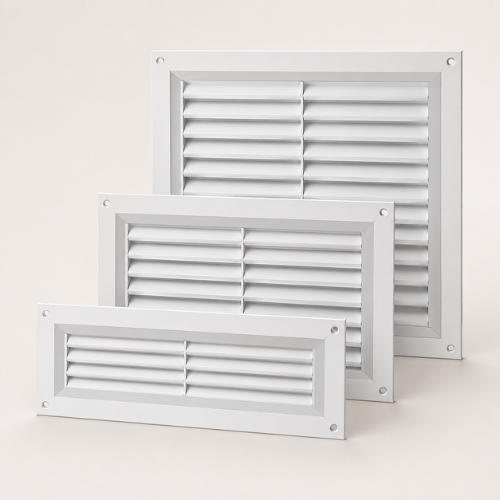
Passive ventilation uses natural forces to move air through a building. It does not depend on electric fans to create airflow. Instead, it uses wind, temperature changes, air pressure, and carefully placed vents. This makes it a simple way to support fresh air in many homes.
How Does Passive Ventilation Work?
Passive ventilation works because air naturally moves from one place to another. Warm air tends to rise, while cooler air tends to move into lower areas. This process can create a steady flow through a building.
Wind can also help. When wind hits one side of a home, air pressure changes around the building. As a result, fresh air may enter through vents, windows, or other openings. Stale air can then leave through higher openings.
The layout of the home matters too. For example, air needs a clear path to move between rooms. Internal doors, vents, air bricks, and window openings can all affect this airflow.
Therefore, good Ventilation is not only about adding a vent. It is about creating a useful route for air to enter and leave.
What Are the Main Types of Passive Ventilation?
Several methods can support passive airflow in a home. Each method works in a slightly different way.
Trickle Vents
Trickle vents are small openings fitted into windows or doors. They allow a controlled amount of outdoor air to enter. They can work well when windows remain closed for security, noise, or comfort reasons.
For example, a window trickle vent can provide background airflow throughout the day. It can also help reduce the build-up of moisture in rooms such as bedrooms and kitchens.
Air Bricks
Air bricks are another common passive airflow solution. They are often fitted into external walls and can allow air to move between indoor and outdoor spaces.
Some homes also use air bricks below floors. These help ventilate the space beneath suspended timber floors and can reduce the risk of moisture problems.
Passive Stack Ventilation
Passive stack ventilation uses warm air and height to create airflow. Warm, moist air rises through vertical ducts. It then leaves through an outlet above the roof or at a higher level.
Fresh air enters through lower openings. This creates a natural airflow route without relying on a powered fan.
Why Is Passive Ventilation Important?
Modern homes are often built to be more airtight. This can improve energy efficiency because fewer unwanted drafts enter the building. However, an airtight home still needs a planned way to exchange indoor and outdoor air.
Without enough airflow, moisture can build up. This may lead to condensation on windows, damp areas, musty smells, and poor indoor comfort.
Bedrooms can be affected because people release moisture when they breathe. Bathrooms and kitchens can also produce high levels of moisture during showers and cooking.
For this reason, suitable Ventilation should form part of a home’s overall design.
Where Do Air Box Trickle Vents Fit In?
Air box trickle vents are a useful category to consider when looking at background airflow. These vents are designed to provide a small and steady flow of outdoor air.
Rather than opening a window fully, an air box trickle vent can provide controlled airflow through a small opening. This can be useful during colder months when homeowners may not want to keep windows open.
The exact design can vary between products. Some vents are made for windows, while others may suit doors or other suitable openings. They may also be available in different sizes and finishes.
When choosing air box trickle vents, it is important to check the product size and installation requirements. The vent should also suit the window or door where it will be fitted.
How Can Air Box Trickle Vents Help a Home?
Air box trickle vents can support background airflow without creating a large opening. This makes them useful for rooms that need a steady supply of fresh air.
They may also help move moisture away from areas where condensation often occurs. However, they should not be viewed as a complete replacement for suitable extraction in rooms that produce a lot of moisture.
For example, a bathroom may still need mechanical extraction. A kitchen may also need an extractor fan when cooking creates steam and strong smells.
As a result, air box trickle vents work best as part of a wider airflow plan.
Benefits of Passive Ventilation
Passive ventilation offers several useful benefits.
uses natural airflow: No powered fan is needed to create the basic movement of air.
can provide background airflow: Small vents can allow fresh air to enter over longer periods.
can support moisture control: Better airflow can help reduce excess moisture in suitable areas.
It improve comfort: Stale and stuffy rooms may feel fresher when air can move freely.
It can reduce reliance on powered systems: Natural airflow can provide part of a home’s fresh-air supply.
Still, passive systems have limits. Their performance can change with wind, temperature, weather, and the building layout.
Are Air Box Trickle Vents Suitable for Every Home?
Not always. Every property has different needs. The age of the building, room size, window design, airtightness, and existing vents can all affect the result.
Before installing air box trickle vents, check where fresh air is needed. It is also useful to check whether existing vents are blocked, painted over, or damaged.
A professional can help when the airflow problem is complex. This is especially important if a home has damp problems, major condensation, or a planned building upgrade.
Passive Ventilation vs Mechanical Ventilation
The main difference is how air moves.
Passive ventilation depends mainly on natural forces. Mechanical ventilation uses fans to move air.
Mechanical systems can provide more controlled airflow. They can also work when natural airflow is weak. However, they need electricity and regular maintenance.
Passive systems are often simpler. Yet their airflow can be less predictable. Therefore, the best option depends on the property and its needs.
In many homes, a combination of methods can work well. Trickle vents can provide background airflow, while extractor fans can remove moisture from bathrooms and kitchens.
How to Improve Passive Ventilation
Start by checking existing vents. Make sure they are open and free from dust or obstructions.
Next, check whether indoor air has a clear route. Closed internal doors can sometimes limit airflow between rooms. Where suitable, keeping a small airflow path under doors can help air move toward extraction points.
You should also use kitchen and bathroom extractors when needed. Open windows for short periods when practical, especially after cooking, showering, or cleaning.
Finally, do not block external vents with furniture, paint, insulation, or other materials. A blocked vent cannot perform its intended job.
Frequently Asked Questions
Is passive ventilation effective?
Yes, passive ventilation can be effective when a building has suitable openings and a clear airflow route. Its performance depends on weather, building design, and temperature.
Does passive ventilation use electricity?
No. Basic passive ventilation uses natural forces rather than electric fans. However, a home may use both passive and mechanical systems together.
Can passive ventilation reduce condensation?
It can help by allowing moist indoor air to escape and fresh air to enter. However, serious condensation may need better extraction, heating, insulation, or other improvements.
Are air box trickle vents useful in bedrooms?
Yes, air box trickle vents can provide background airflow in bedrooms. They can be especially useful when windows are normally kept closed.
Should trickle vents stay open?
In general, trickle vents are designed to provide background airflow. Keeping them open as intended can support indoor air exchange. Always follow the product instructions.
Do air box trickle vents replace extractor fans?
No. Air box trickle vents can support fresh-air intake, but they do not usually replace mechanical extraction in bathrooms, kitchens, or other high-moisture areas.
Final Thoughts
Passive ventilation is a simple way to support fresh air using natural airflow. It can help remove stale air and reduce excess moisture when the system is designed and used correctly.
Trickle vents, air bricks, and passive stack systems can all play a role. Meanwhile, air box trickle vents can provide a practical option for controlled background airflow.
Most importantly, Ventilation should be viewed as part of the whole home. Fresh-air inlets, extraction points, room layout, and airflow paths should work together. With the right approach, a home can feel fresher and more comfortable without relying only on powered systems.
https://tradeboxdirect.blogspot.com/2026/08/how-can-i-improve-ventilation-without.html
https://tradeboxdirect.blogspot.com/2026/08/do-air-bricks-improve-airflow-complete.html
https://tradeboxdirect.blogspot.com/2026/08/how-thick-should-loft-insulation-be.html
https://tradeboxdirect.blogspot.com/2026/08/what-are-benefits-of-loft-insulation.html
https://tradeboxdirect.blogspot.com/2026/08/how-do-speedfit-fittings-work.html
https://medium.com/@tradeboxdirectcontact/which-insulation-is-best-for-energy-efficiency-6971f04ed574
https://ext-6994390.livejournal.com/902.html
https://tradeboxdirectcont.wixsite.com/ecommerce/post/can-i-install-loft-insulation-myself
https://tradeboxdirect.blogspot.com/2026/08/how-do-i-choose-right-pipe-stiffener.html
https://medium.com/@tradeboxdirectcontact/can-pipe-stiffener-inserts-help-prevent-plumbing-leaks-9923f125a28b
https://ext-6994390.livejournal.com/1077.html
https://www.pearltrees.com/trade_box_direct/item810814192
https://tradeboxdirect.blogspot.com/2026/08/what-furniture-fittings-are-needed-for.html
https://medium.com/@tradeboxdirectcontact/what-are-furniture-corner-protectors-used-for-fab5da4644d8
https://ext-6994390.livejournal.com/1077.html
https://www.pearltrees.com/trade_box_direct/item810871735
https://tradeboxdirect.blogspot.com/2026/08/what-mounting-bracket-for-wood-panels.html
https://medium.com/@tradeboxdirectcontact/what-are-the-different-types-of-mounting-brackets-1e537a3ee792
https://ext-6994390.livejournal.com/1366.html
https://www.pearltrees.com/trade_box_direct/item811125264
https://tradeboxdirect.wordpress.com/2026/08/17/what-is-a-fastensol-pantile-roof-hook-portrait-used-for/
https://tradeboxdirect.blogspot.com/2026/08/how-long-to-wait-before-removing-tile.html
https://medium.com/@tradeboxdirectcontact/which-tile-leveling-system-would-you-recommend-for-a-first-timer-57dcce940d09
https://ext-6994390.livejournal.com/1686.html
https://www.pearltrees.com/trade_box_direct/item811394636
https://tradeboxdirect.blogspot.com/2026/08/can-ventilation-help-remove-dust-from.html
https://medium.com/@tradeboxdirectcontact/how-can-i-get-more-fresh-air-into-my-home-1d3a64e3e891
https://tradeboxdirectcont.wixsite.com/ecommerce/post/how-does-ventilation-affect-room-temperature
https://www.pearltrees.com/trade_box_direct/item811931596
https://ext-6994390.livejournal.com/2260.html
How to Fix Poor Ventilation in House Naturally?
A fresh and comfortable home needs a steady flow of fresh air. Poor airflow can make rooms feel stuffy and warm. It can also allow moisture, cooking smells, and stale air to build up. Fortunately, you can improve Ventilation naturally with simple changes around your home.
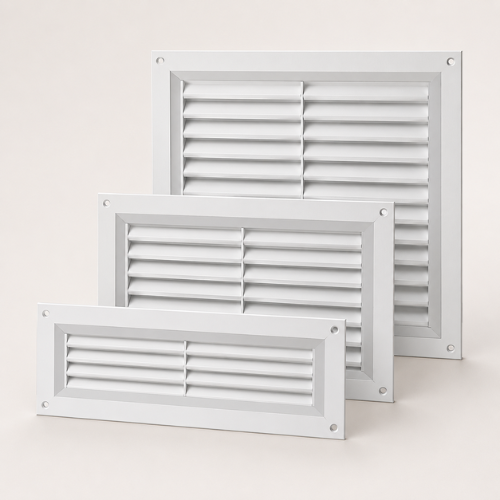
Natural airflow does not always need a large machine or complex setup. Instead, you can use windows, wall vents, doors, air bricks, and well-placed grilles. A LOUVRED AIR VENT COVER WITH FIXED FLYSCREEN FLY MESH, PLASTIC VENTILATION GRILLE can also help fresh air move through a room while keeping insects outside.
What Causes Poor Airflow in a House?
Several everyday things can reduce airflow. Modern homes often have sealed windows, closed doors, and limited openings. While this can help with energy efficiency, it may also reduce natural air movement.
Cooking, showering, drying clothes, and washing dishes all add moisture to indoor air. As a result, rooms can feel damp or stuffy. Furniture placed directly against vents can also block the air path.
Therefore, the first step is to find where fresh air enters and where stale air leaves. Once these routes are clear, natural Ventilation can work much better.
What Is a Louvred Air Vent Cover With Fixed Flyscreen?
A LOUVRED AIR VENT COVER WITH FIXED FLYSCREEN FLY MESH, PLASTIC VENTILATION GRILLE is a wall vent cover designed to support airflow through an opening.
The louvres create openings that allow air to pass through. At the same time, the fixed flyscreen mesh helps stop flies, mosquitoes, and other insects from entering the house.
The grille is usually made from durable plastic. Its light design makes it suitable for many walls and ventilation openings. The louvred shape also helps protect the opening from direct exposure to rain when correctly installed.
This type of grille can become a useful part of a natural Ventilation setup. It does not need electricity, batteries, or a motor. Instead, it supports airflow through natural pressure differences and air movement.
How Is the Plastic Ventilation Grille Made?
The grille is generally made from moulded plastic. This process allows the manufacturer to create a neat frame, angled louvres, and a secure mesh area.
The plastic needs to be strong enough for normal indoor or outdoor use. It should also be suitable for the location where it will be fitted.
The fixed flyscreen is placed behind the louvres. Consequently, air can move through the grille while the mesh provides a barrier against insects.
Before installation, check the size of the wall opening and choose a suitable vent cover. A correct fit helps the grille work properly and gives the installation a clean appearance.
Where Can You Use a Louvred Air Vent Cover?
This vent cover can be useful in several parts of a property. For example, it may suit utility rooms, garages, kitchens, bathrooms, sheds, storage areas, and other spaces that need airflow.
It can also support airflow in rooms where windows are not opened often. However, it should not be used as a replacement for a required mechanical extraction system where one is needed.
For best results, keep the air route clear. Do not cover the grille with boxes, heavy furniture, curtains, or other objects.
A good natural Ventilation route works best when air has somewhere to enter and somewhere else to leave.
What Are the Benefits of the Ventilation Grille?
The biggest benefit is simple airflow. The grille can provide a practical opening for fresh air without using electricity.
Another benefit is insect protection. The fixed flyscreen helps reduce the chance of insects entering through the opening. This is especially useful during warmer months when windows and doors may stay open more often.
The plastic construction also makes the grille easy to clean. Dust can collect over time, so regular cleaning helps maintain airflow.
In addition, the louvred design gives the opening a neat and finished look. Therefore, it can improve both the function and appearance of a wall opening.
How Can UPVC Windows Help?
Another useful solution involves upvc windows with air vents and ventilation. UPVC windows can be fitted with small vents that allow controlled airflow without fully opening the window.
These vents can be useful when you want fresh air while keeping the window closed. They may also help reduce the build-up of moisture in rooms such as bedrooms, kitchens, and bathrooms.
However, window vents work best when they remain open and clear. Do not block them with paint, dust, decorations, or furniture.
You can also open windows for short periods when weather and security conditions allow. Opening windows on opposite sides of a property can create cross-flow. This can remove stale air faster.
For many homes, upvc windows with air vents and ventilation can work alongside wall grilles and other natural airflow points.
Natural Ways to Improve Airflow
There are several easy habits that can improve indoor air quality.
First, open windows for a short time each day. Cross-flow works especially well when windows are placed on opposite sides of a home.
Next, keep internal doors open when practical. This helps air travel between rooms.
Also, use kitchen and bathroom extractor fans during activities that create moisture. Close doors to these rooms when suitable so moist air does not spread through the house.
Dry clothes outdoors when possible. Indoor drying can add a large amount of moisture to the air.
Finally, keep vents and grilles clean. A blocked opening cannot provide effective airflow.
These simple actions can improve Ventilation without major changes to your property.
Where Does an Air Ventilation System for Home Fit In?
An air ventilation system for home can include several airflow points working together. These may include trickle vents, wall grilles, air bricks, windows, doors, and extraction fans.
Natural airflow depends on a clear path. Fresh air needs an entry point, while stale or moist air needs an exit point.
For example, a wall grille may allow air into a utility area. A window vent can provide controlled airflow in a bedroom. An extractor fan can then remove moist air from a bathroom.
This balanced approach makes the home more comfortable. It also shows why one vent alone may not solve every airflow problem.
Common Mistakes to Avoid
Do not block existing vents because they seem unnecessary. They may form an important part of the home’s airflow route.
Avoid placing large furniture over wall grilles. Likewise, do not seal every small gap without checking how the change will affect airflow.
You should also avoid relying only on an open window if a room has a serious moisture problem. Persistent condensation, damp patches, mould, or strong stale smells may need further investigation.
A qualified professional can help identify the cause when natural changes do not solve the issue.
FAQs
What is the main purpose of a louvred air vent cover?
It provides a protected opening for airflow. The fixed flyscreen also helps keep insects outside.
Can a plastic ventilation grille be used outdoors?
Many plastic grilles are designed for suitable indoor or outdoor applications. Always check the product specifications before installation.
Does a flyscreen reduce airflow?
A clean, correctly fitted mesh still allows air to pass. However, dust and dirt can reduce airflow, so regular cleaning is useful.
Are UPVC window vents useful?
Yes. They can provide controlled airflow while the window remains closed. They can be especially useful in bedrooms and other rooms that need regular fresh air.
Can natural airflow remove condensation?
Better airflow can help reduce moisture build-up. However, serious or persistent condensation may have another cause and should be investigated.
Is an air ventilation system for home always necessary?
Not every home needs a complex system. Simple vents, windows, grilles, and good airflow habits may provide useful natural air movement. The right solution depends on the building and its moisture levels.
Final Thoughts
Fixing poor airflow does not always require major building work. Start by keeping existing vents clear, opening windows when suitable, and allowing air to move between rooms.
A LOUVRED AIR VENT COVER WITH FIXED FLYSCREEN FLY MESH, PLASTIC VENTILATION GRILLE can provide a practical airflow opening while helping keep insects outside. When combined with suitable window vents, clean air bricks, and sensible daily habits, it can support better Ventilation throughout the home.
Most importantly, look at the whole airflow route rather than one opening. Good natural airflow comes from several small features working together. With the right setup, your home can feel fresher, more comfortable, and less stuffy.
https://pin.it/3I6KjpGhm
https://pin.it/CYN6KJRCZ
https://pin.it/37rRWvyAW
https://pin.it/BUbRKe0sA
https://pin.it/2eLCEDK9w
https://pin.it/3BlXlPokR
https://pin.it/OWERHVa27
https://pin.it/6BKksZizg
https://pin.it/3QuXlA3kp
https://pin.it/1wUI3Xe7y
https://pin.it/1q1DUEY6n
https://pin.it/2CK2HFNTd
https://pin.it/2HEB3yRUC
https://pin.it/6oyfQJnQX
https://pin.it/VHzfNDEpy
https://pin.it/1c4ZNPGJ0
https://pin.it/5iOcKQ5Ex
https://pin.it/6d8NHc0JJ
https://pin.it/5BhGgohlA
https://pin.it/3wG1ZBImB
https://pin.it/4HOBWQ87R
https://pin.it/3PPHjtSkK
https://pin.it/4iDvFC6tc
https://pin.it/4aaaIqslR
https://pin.it/3LJOAp4x6
https://pin.it/6rzrl2uFE
https://pin.it/2g78GvyD6
https://pin.it/YigwTX9t2
https://pin.it/5tQqBHUBC
How to Improve Ventilation in a Room With One Window?
A room with one window can sometimes feel warm, stuffy, or stale. This is often a sign that fresh air is not moving through the space well. Good Ventilation helps bring fresh outdoor air inside while allowing stale indoor air to leave.
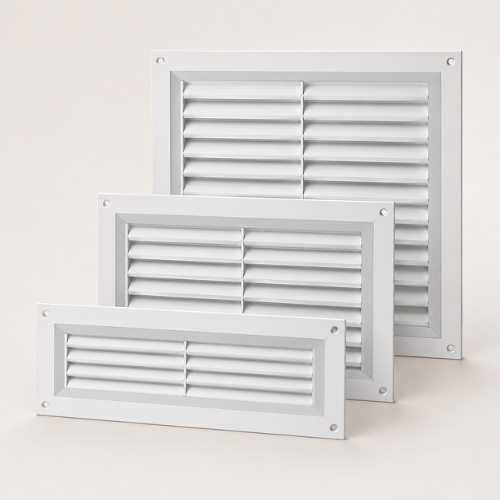
The good news is that you do not need several windows to improve airflow. With a few simple changes, even a room with one window can have better Ventilation. You can also use products such as trickle vents for windows to support a steady flow of fresh air.
Why Is Ventilation Important in a Room?
Indoor air can become stale for many reasons. People breathe out carbon dioxide, cooking adds moisture, and showers create steam. Cleaning products can also add smells and particles to the air.
Therefore, regular Ventilation helps remove excess moisture, unwanted smells, and stale air. It can also make a room feel fresher and more comfortable.
Good airflow is especially useful in bedrooms, bathrooms, kitchens, and small rooms. However, the right method depends on the room size, outdoor weather, and how the space is used.
Open the Window Fully
The easiest way to improve Ventilation is to open the available window. Even one open window can allow fresh outdoor air to enter.
For faster air exchange, open the window wide for a short period. If possible, also open the door to the room. This creates a larger path for air to move.
However, simply leaving one window slightly open may not always create strong airflow. That is why other methods can help.
Keep the Door Open
When a room has only one window, the door becomes an important part of the airflow path. Keep the door open when practical. Fresh air can enter through the window while stale air moves towards other parts of the home.
For better results, open another window elsewhere in the house. This can create cross-flow between rooms. As a result, air has a clearer route through the property.
This simple habit can improve Ventilation without any major changes to the room.
Install Trickle Vents for Windows
Another useful option is trickle vents for windows. These small vents are fitted into or around a window frame. They allow a controlled amount of outdoor air to enter, even when the main window is closed.
Unlike opening the whole window, trickle vents for windows can provide background airflow throughout the day. Therefore, they can be useful in bedrooms, living rooms, and other spaces where you want fresh air without keeping the window wide open.
A suitable trickle vent should match the window type and installation requirements. UPVC windows, timber windows, and other window systems may need different products.
Use a Fan to Move Air
A fan can help improve airflow in a room with one window. Place the fan near the window and point it outward when you want to remove stale air.
This method can push warm or stale indoor air outside. Fresh air can then enter through gaps around the door or from other parts of the home.
Alternatively, you can point a fan into the room to bring outdoor air inside. Try both positions and see which one creates better airflow.
Remember that a fan mainly moves air. It does not replace fresh outdoor air. Therefore, it works best when combined with an open window, door, or suitable trickle vents for windows.
Create a Clear Airflow Path
Furniture can affect airflow more than many people expect. A large wardrobe, cabinet, or sofa placed directly beside the window can restrict air movement.
Therefore, keep the area around the window as clear as possible. Avoid covering vents with curtains, furniture, or other objects.
Likewise, leave some space around the room door. A clear path helps air travel from one area to another.
This approach supports natural Ventilation and can make a small room feel fresher without expensive equipment.
Control Indoor Moisture
High humidity can make a room feel uncomfortable. It can also encourage condensation and mould growth.
Bathrooms and kitchens often produce the most moisture. Therefore, use an extractor fan when cooking or showering. Keep it running for a suitable period after the activity ends.
You can also dry wet clothes in a well-ventilated area instead of inside a closed room. These simple steps reduce moisture and support better Ventilation.
Use Trickle Vents for Continuous Airflow
One benefit of trickle vents for windows is that they can provide a small amount of airflow without fully opening the window.
This can be useful at night or during colder weather. Instead of leaving the main window open, you can use the vent for background air movement.
However, vents should not be blocked. Check them from time to time and keep them clean. Dust and dirt can reduce airflow.
For homes with modern sealed UPVC windows, adding suitable trickle vents for windows can be a practical way to improve background airflow.
Open the Window at the Right Time
Outdoor conditions can affect Ventilation. On a cool and calm day, opening the window for a short period may quickly refresh the room.
During very hot weather, opening windows during the coolest part of the day may work better. On the other hand, keeping windows open during very hot afternoons may bring unwanted heat inside.
Also, consider outdoor air quality, noise, rain, and security before opening a window.
Keep the Room Clean and Uncluttered
A clean room is easier to ventilate. Dust can collect around vents, window frames, and fans. Therefore, clean these areas regularly.
Do not place heavy items in front of air vents. Similarly, avoid pushing furniture tightly against the only window.
A tidy room gives air more space to move. Consequently, natural airflow can work more effectively.
Consider a Mechanical Ventilation System
Some rooms may still have poor airflow despite having an open window and good habits. In that case, a mechanical system may be worth considering.
Extractor fans can remove moisture and stale air from kitchens and bathrooms. More advanced systems can provide controlled airflow throughout a home.
Before installing a larger system, consider the room size and building design. A qualified professional can help you choose the right solution.
Simple Ways to Improve Ventilation
You can improve Ventilation in a one-window room by following a few easy steps:
- Open the window when outdoor conditions are suitable.
- Keep the room door open when practical.
- Use a fan to move stale air outside.
- Keep furniture away from the window.
- Keep vents clean and unobstructed.
- Control moisture from cooking and bathing.
- Consider trickle vents for windows for background airflow.
- Open windows in other rooms when possible.
- Use extractor fans where needed.
These small changes can make a noticeable difference over time.
What Is the Best Solution for a One-Window Room?
There is no single solution for every room. However, a combination often works best.
Start with natural airflow. Open the window and door when possible. Next, improve the airflow path by moving furniture away from the window. If you need steady background airflow, trickle vents for windows can be a useful addition.
For rooms with high moisture levels, add an extractor fan. In larger or poorly ventilated homes, a professional Ventilation system may provide better long-term results.
Final Thoughts
A room with one window can still have good airflow. You simply need to create a clear route for fresh air to enter and stale air to leave.
Opening the window, keeping doors clear, using fans, controlling moisture, and installing trickle vents for windows can all help. Most importantly, choose methods that suit your room and daily routine.
With the right approach, Ventilation can improve comfort and help maintain fresher indoor air without major changes to your home.
FAQs
1. Can one window provide enough ventilation?
Yes, one window can provide useful airflow. However, results depend on room size, wind conditions, door position, and other openings. A fan or trickle vents for windows can provide additional support.
2. How long should I open one window?
There is no fixed time for every room. A short period with the window fully open can quickly replace stale air. Longer periods may be useful when outdoor conditions are comfortable.
3. Do trickle vents help with ventilation?
Yes. Trickle vents for windows are designed to provide controlled background airflow. They can be useful when you want some fresh air without leaving the main window open.
4. Should I keep the door open with one window?
If practical, yes. An open door gives air another route to move through the home. This can improve airflow compared with relying on one small window opening.
5. Can a fan improve room ventilation?
Yes. A fan can help move stale indoor air towards an open window or bring outdoor air into the room. It works best when there is a clear airflow path.
6. How can I reduce condensation in a one-window room?
Improve airflow, reduce indoor moisture, use extractor fans, and avoid drying wet clothes in poorly ventilated spaces. Suitable trickle vents for windows can also support background airflow.
7. Are trickle vents suitable for UPVC windows?
Many trickle vents for windows are designed for UPVC systems. However, always check the product specifications and installation requirements before fitting one.
https://tradeboxdirect.blogspot.com/2026/08/why-is-it-important-to-have-ventilation.html
https://medium.com/@tradeboxdirectcontact/what-is-considered-adequate-ventilation-209b3ab99f13
Can You Add Vents to Existing uPVC Windows?
Yes, you can add vents to many existing uPVC windows. In fact, adding a suitable vent can improve Ventilation without replacing the whole window. This can be useful when a room feels stuffy, damp, or short of fresh air.
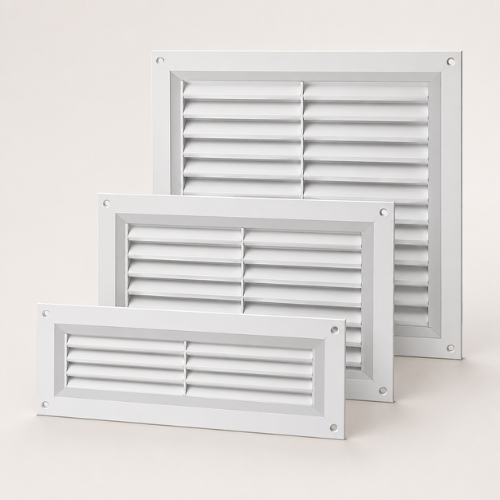
Modern homes often have well-sealed windows. While this helps reduce draughts, it can also limit natural airflow. Therefore, a small window vent can provide a steady flow of fresh air. One popular option is upvc trickle vents, which are designed to allow controlled airflow while keeping the window closed.
Why Is Ventilation Important in a Home?
Good Ventilation helps fresh air enter a room while stale air moves out. As a result, indoor air can feel fresher and more comfortable.
Everyday activities add moisture and unwanted air pollutants. For example, cooking, bathing, drying clothes, and even breathing can increase indoor moisture. Without enough airflow, condensation may appear on windows and walls.
Over time, excess moisture can encourage mould growth. It may also cause musty smells and damage to some surfaces. Therefore, better Ventilation can help create a healthier and more comfortable indoor space.
This does not mean you need to keep your windows fully open all day. Instead, controlled airflow can work in the background.
Can You Fit Vents to Existing uPVC Windows?
Yes, in many cases. However, the type and design of the window matter. A professional installer should check the window before any cutting or drilling takes place.
A vent can often be fitted to the upper section of a uPVC window frame. The opening allows outdoor air to enter at a controlled rate. Because the vent sits high on the window, the incoming air can mix with warm room air before it reaches the main living area.
As a result, Ventilation can improve without creating the strong draught that an open window may cause.
Still, not every window is suitable for the same vent. The frame profile, glass position, locking system, and existing construction all need to be considered.
What Are uPVC Trickle Vents?
upvc trickle vents are small ventilation devices fitted to windows or doors. They provide a controlled opening for fresh air.
Unlike a wide-open window, a trickle vent offers a smaller and more consistent airflow path. Therefore, it can help provide Ventilation while the window remains closed.
Many models have an adjustable opening. This lets users control airflow based on room conditions. Some designs also include covers that help reduce the entry of insects and debris.
For homes with modern, tightly sealed windows, upvc trickle vents can be a practical way to increase background airflow.
How Do Trickle Vents Improve Ventilation?
The basic idea is simple. Air moves through the small opening in the vent. Fresh outdoor air enters the room, while stale indoor air can leave through other openings or an existing extraction system.
Good Ventilation works best when air has a clear path through the building. Therefore, fitting one vent may help, but the overall airflow pattern should also be considered.
For example, a bedroom may benefit from a trickle vent combined with an extractor fan in a nearby bathroom. The bedroom receives fresh air, while moist air can be removed from the bathroom.
Likewise, opening internal doors can sometimes help air move between rooms. However, fire safety, privacy, noise, and heating needs should always be considered.
Where Should Vents Be Installed?
Window vents are commonly placed near the top of the frame. This position can help fresh air spread into the room rather than creating a strong airflow directly at floor level.
The exact position depends on the window design and the type of vent. Therefore, installation should follow the manufacturer’s instructions.
For existing uPVC windows, professional fitting is often the safest option. A poor installation can damage the frame or affect the window’s performance.
Properly installed upvc trickle vents can provide useful background airflow without changing the appearance of the whole window.
Can Vents Help With Condensation?
They can help reduce condensation when poor airflow is one of the causes.
Warm indoor air contains moisture. When that air meets a cold surface, such as a window, the moisture can turn into water droplets. Better Ventilation helps remove moist air and replace it with fresher air.
However, vents are not a complete solution for every condensation problem. Heating, insulation, cooking habits, drying clothes, and extractor fans also play a role.
For example, use an extractor fan while cooking. Also, use the bathroom fan during and after a shower. Together with upvc trickle vents, these steps can improve airflow throughout the home.
Are uPVC Trickle Vents Better Than Opening a Window?
Both methods can provide fresh air, but they work in different ways.
Opening a window can provide fast airflow. However, it may also bring in noise, rain, insects, or cold air. It may not be practical during very cold or hot weather.
In contrast, upvc trickle vents provide a smaller, controlled opening. Therefore, they can support background Ventilation while the window stays shut.
For many homes, the best approach is to use both methods when needed. Open windows for quick air changes, while trickle vents provide regular background airflow.
What Should You Check Before Adding a Vent?
Before installing a vent, consider the following:
- Check the condition of the uPVC window frame.
- Confirm that the window design can accept a vent.
- Choose a vent made for the correct window profile.
- Check the manufacturer’s installation instructions.
- Consider the required airflow for the room.
- Avoid blocking the vent after installation.
- Check whether local building requirements apply.
- Use a qualified installer when cutting the frame is required.
These steps can help protect the window and improve Ventilation at the same time.
Can You Install the Vents Yourself?
Some simple vent products may appear easy to install. However, fitting a vent into an existing uPVC frame usually requires accurate cutting and careful positioning.
A mistake can damage the frame, affect the window seal, or weaken the area around the opening. Therefore, professional installation is recommended if you are unsure.
An installer can also check whether upvc trickle vents are suitable for the window and room.
Benefits of Adding Window Vents
Adding a suitable vent can offer several benefits:
- Better fresh-air flow
- Reduced stuffiness
- Support for moisture control
- Less need to keep windows open
- Controlled background airflow
- Improved indoor comfort
- A simple upgrade for existing windows
Most importantly, good Ventilation can work alongside other measures such as extractor fans, regular window opening, and moisture control.
Are Trickle Vents Noisy?
The noise level depends on the product, installation, and outdoor environment. A basic vent may allow some outside noise to enter because it creates an opening between indoors and outdoors.
However, some upvc trickle vents are designed with features that help manage airflow and noise.
If your home is near a busy road, ask the installer about suitable acoustic or noise-reducing options before choosing a product.
Do Window Vents Let in Cold Air?
Yes, some outdoor air will enter because that is the purpose of the vent. However, a trickle vent provides much less airflow than a fully open window.
The goal is controlled Ventilation, not a large draught. Adjustable vents can also help users manage airflow based on comfort and weather.
During colder months, it is still important not to block vents completely if they are needed for the home’s airflow strategy.
Frequently Asked Questions
1. Can you add vents to old uPVC windows?
In many cases, yes. However, the window frame must be suitable for the chosen vent. A professional should inspect the window before installation.
2. Do uPVC trickle vents improve airflow?
Yes. upvc trickle vents allow a controlled amount of fresh air to enter. They can support background Ventilation when fitted correctly.
3. Can window vents stop condensation?
They may help when poor airflow contributes to condensation. However, they cannot fix every cause of condensation on their own.
4. Do I need to replace my windows to improve Ventilation?
Not always. Adding suitable vents to existing windows may provide a simpler option. The right solution depends on the window design and the airflow needs of the home.
5. Should trickle vents stay open?
Usually, they should remain available for background airflow unless there is a specific reason to close them. Follow the product instructions and your home’s Ventilation requirements.
6. Are uPVC trickle vents suitable for bedrooms?
They can be useful in bedrooms because they provide background airflow while the window remains closed. However, the required airflow should be considered for the room.
Final Thoughts
So, can you add vents to existing uPVC windows? Yes, in many situations, you can. A properly selected and fitted vent can improve Ventilation without replacing the entire window.
upvc trickle vents are especially useful when you want controlled background airflow. They can help reduce stuffiness and support moisture control. However, they work best as part of a wider airflow plan.
Therefore, check your existing windows, choose the correct vent, and use professional installation when needed. With the right approach, better Ventilation can make your home feel fresher, more comfortable, and easier to manage.