








How to Improve Ventilation in a Room With One Window?
A room with one window can sometimes feel warm, stuffy, or stale. This is often a sign that fresh air is not moving through the space well. Good Ventilation helps bring fresh outdoor air inside while allowing stale indoor air to leave.
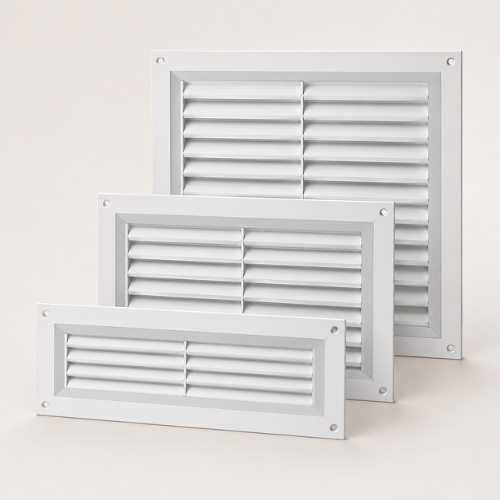
The good news is that you do not need several windows to improve airflow. With a few simple changes, even a room with one window can have better Ventilation. You can also use products such as trickle vents for windows to support a steady flow of fresh air.
Why Is Ventilation Important in a Room?
Indoor air can become stale for many reasons. People breathe out carbon dioxide, cooking adds moisture, and showers create steam. Cleaning products can also add smells and particles to the air.
Therefore, regular Ventilation helps remove excess moisture, unwanted smells, and stale air. It can also make a room feel fresher and more comfortable.
Good airflow is especially useful in bedrooms, bathrooms, kitchens, and small rooms. However, the right method depends on the room size, outdoor weather, and how the space is used.
Open the Window Fully
The easiest way to improve Ventilation is to open the available window. Even one open window can allow fresh outdoor air to enter.
For faster air exchange, open the window wide for a short period. If possible, also open the door to the room. This creates a larger path for air to move.
However, simply leaving one window slightly open may not always create strong airflow. That is why other methods can help.
Keep the Door Open
When a room has only one window, the door becomes an important part of the airflow path. Keep the door open when practical. Fresh air can enter through the window while stale air moves towards other parts of the home.
For better results, open another window elsewhere in the house. This can create cross-flow between rooms. As a result, air has a clearer route through the property.
This simple habit can improve Ventilation without any major changes to the room.
Install Trickle Vents for Windows
Another useful option is trickle vents for windows. These small vents are fitted into or around a window frame. They allow a controlled amount of outdoor air to enter, even when the main window is closed.
Unlike opening the whole window, trickle vents for windows can provide background airflow throughout the day. Therefore, they can be useful in bedrooms, living rooms, and other spaces where you want fresh air without keeping the window wide open.
A suitable trickle vent should match the window type and installation requirements. UPVC windows, timber windows, and other window systems may need different products.
Use a Fan to Move Air
A fan can help improve airflow in a room with one window. Place the fan near the window and point it outward when you want to remove stale air.
This method can push warm or stale indoor air outside. Fresh air can then enter through gaps around the door or from other parts of the home.
Alternatively, you can point a fan into the room to bring outdoor air inside. Try both positions and see which one creates better airflow.
Remember that a fan mainly moves air. It does not replace fresh outdoor air. Therefore, it works best when combined with an open window, door, or suitable trickle vents for windows.
Create a Clear Airflow Path
Furniture can affect airflow more than many people expect. A large wardrobe, cabinet, or sofa placed directly beside the window can restrict air movement.
Therefore, keep the area around the window as clear as possible. Avoid covering vents with curtains, furniture, or other objects.
Likewise, leave some space around the room door. A clear path helps air travel from one area to another.
This approach supports natural Ventilation and can make a small room feel fresher without expensive equipment.
Control Indoor Moisture
High humidity can make a room feel uncomfortable. It can also encourage condensation and mould growth.
Bathrooms and kitchens often produce the most moisture. Therefore, use an extractor fan when cooking or showering. Keep it running for a suitable period after the activity ends.
You can also dry wet clothes in a well-ventilated area instead of inside a closed room. These simple steps reduce moisture and support better Ventilation.
Use Trickle Vents for Continuous Airflow
One benefit of trickle vents for windows is that they can provide a small amount of airflow without fully opening the window.
This can be useful at night or during colder weather. Instead of leaving the main window open, you can use the vent for background air movement.
However, vents should not be blocked. Check them from time to time and keep them clean. Dust and dirt can reduce airflow.
For homes with modern sealed UPVC windows, adding suitable trickle vents for windows can be a practical way to improve background airflow.
Open the Window at the Right Time
Outdoor conditions can affect Ventilation. On a cool and calm day, opening the window for a short period may quickly refresh the room.
During very hot weather, opening windows during the coolest part of the day may work better. On the other hand, keeping windows open during very hot afternoons may bring unwanted heat inside.
Also, consider outdoor air quality, noise, rain, and security before opening a window.
Keep the Room Clean and Uncluttered
A clean room is easier to ventilate. Dust can collect around vents, window frames, and fans. Therefore, clean these areas regularly.
Do not place heavy items in front of air vents. Similarly, avoid pushing furniture tightly against the only window.
A tidy room gives air more space to move. Consequently, natural airflow can work more effectively.
Consider a Mechanical Ventilation System
Some rooms may still have poor airflow despite having an open window and good habits. In that case, a mechanical system may be worth considering.
Extractor fans can remove moisture and stale air from kitchens and bathrooms. More advanced systems can provide controlled airflow throughout a home.
Before installing a larger system, consider the room size and building design. A qualified professional can help you choose the right solution.
Simple Ways to Improve Ventilation
You can improve Ventilation in a one-window room by following a few easy steps:
- Open the window when outdoor conditions are suitable.
- Keep the room door open when practical.
- Use a fan to move stale air outside.
- Keep furniture away from the window.
- Keep vents clean and unobstructed.
- Control moisture from cooking and bathing.
- Consider trickle vents for windows for background airflow.
- Open windows in other rooms when possible.
- Use extractor fans where needed.
These small changes can make a noticeable difference over time.
What Is the Best Solution for a One-Window Room?
There is no single solution for every room. However, a combination often works best.
Start with natural airflow. Open the window and door when possible. Next, improve the airflow path by moving furniture away from the window. If you need steady background airflow, trickle vents for windows can be a useful addition.
For rooms with high moisture levels, add an extractor fan. In larger or poorly ventilated homes, a professional Ventilation system may provide better long-term results.
Final Thoughts
A room with one window can still have good airflow. You simply need to create a clear route for fresh air to enter and stale air to leave.
Opening the window, keeping doors clear, using fans, controlling moisture, and installing trickle vents for windows can all help. Most importantly, choose methods that suit your room and daily routine.
With the right approach, Ventilation can improve comfort and help maintain fresher indoor air without major changes to your home.
FAQs
1. Can one window provide enough ventilation?
Yes, one window can provide useful airflow. However, results depend on room size, wind conditions, door position, and other openings. A fan or trickle vents for windows can provide additional support.
2. How long should I open one window?
There is no fixed time for every room. A short period with the window fully open can quickly replace stale air. Longer periods may be useful when outdoor conditions are comfortable.
3. Do trickle vents help with ventilation?
Yes. Trickle vents for windows are designed to provide controlled background airflow. They can be useful when you want some fresh air without leaving the main window open.
4. Should I keep the door open with one window?
If practical, yes. An open door gives air another route to move through the home. This can improve airflow compared with relying on one small window opening.
5. Can a fan improve room ventilation?
Yes. A fan can help move stale indoor air towards an open window or bring outdoor air into the room. It works best when there is a clear airflow path.
6. How can I reduce condensation in a one-window room?
Improve airflow, reduce indoor moisture, use extractor fans, and avoid drying wet clothes in poorly ventilated spaces. Suitable trickle vents for windows can also support background airflow.
7. Are trickle vents suitable for UPVC windows?
Many trickle vents for windows are designed for UPVC systems. However, always check the product specifications and installation requirements before fitting one.
https://tradeboxdirect.blogspot.com/2026/08/why-is-it-important-to-have-ventilation.html
https://medium.com/@tradeboxdirectcontact/what-is-considered-adequate-ventilation-209b3ab99f13