






How to Choose the Right Screws for Woodworking and Construction
Choosing the right fixing can make every project easier and stronger. Whether you are repairing furniture, fitting shelves or working on a building project, the correct screw helps hold materials together. However, different jobs need different types, sizes and finishes.
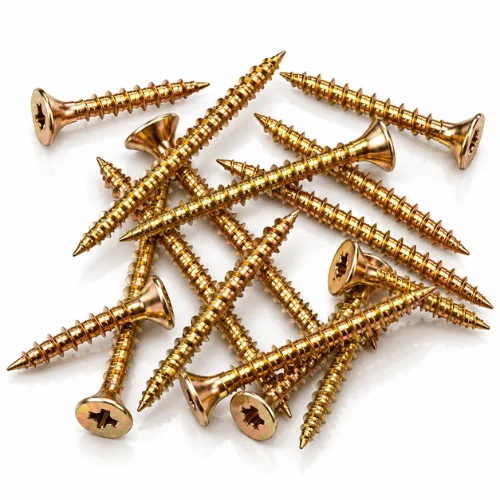
SCREWS are used in homes, workshops and construction sites because they offer a simple way to join materials. They are available in many shapes and sizes, so it is important to understand their features before you shop.
For example, countersunk screws sit neatly within a prepared surface. Wood screws provide a firm grip in timber, while Pozi drives help you apply turning force with a suitable screwdriver. Therefore, knowing which fixing to choose can save time and help you achieve a neat finish.
At TradeBoxDirect, you can explore a range of SCREWS for woodworking, repairs and general construction.
What Are Screws and How Do They Work?
A screw is a fixing with a threaded shaft and a head. It joins materials by turning into a suitable surface. As the thread moves into the material, it helps hold the parts together.
Most screws have three main parts:
- Head: This provides a surface for the screwdriver or driver bit.
- Shank: This is the main body of the fixing.
- Thread: This grips the material and helps keep the joint secure.
The design, length, thickness and finish all affect how a screw performs. For this reason, it is wise to check the product details before you buy.
How Are Screws Made?
The manufacturing process depends on the material and design. However, many steel fixings follow a similar process.
First, steel wire or another suitable metal is selected. The metal is then shaped into the required form. Machines create the head and thread, while the drive pattern is formed in the head. After that, the fixings may receive a protective or decorative coating.
For example, golden wood screws have a coloured finish that suits many indoor woodworking projects. The coating can offer some protection, but its performance depends on the product specification and the conditions in which it is used.
Finally, the finished items are checked for size, shape and quality before packing. This process helps ensure that each fixing meets its intended purpose.
What Are Countersunk Screws?
Countersunk screws have a head that tapers towards the shaft. This shape allows the head to sit level with, or below, the material surface when the correct hole or recess is prepared.
They are useful for furniture assembly, cabinet work, timber frames and other projects where a smooth finish matters.
Their main advantages include:
- A neat, flat finish.
- Less risk of a raised head catching on nearby items.
- A suitable design for many woodworking tasks.
- A clean appearance on finished timber surfaces.
However, the screw must match the material and the hole. If you drive it too deeply, you may damage the surface. Therefore, use the correct driver and apply steady pressure.
Why Choose Wood Screws?
Wood screws are designed to grip timber. Their thread helps hold wooden parts together, making them useful for shelves, furniture, garden projects and household repairs.
When choosing a fixing, consider the thickness of the timber and the weight the joint must support. A screw that is too short may not provide enough grip. On the other hand, one that is too long may come through the other side.
For many projects, pilot holes can help reduce splitting, especially near the edge of a board or when working with hardwood. Always check the product guidance and use a suitable drill bit.
Good-quality SCREWS can also make assembly easier because the right size and drive type help you work with better control.
What Are Pozi Screws?
Pozi screws have a cross-shaped drive designed for a matching Pozidriv screwdriver or bit. The drive helps transfer turning force from the tool to the screw head.
Using the correct bit is important. A poorly fitting driver can slip, damage the head or make installation harder. Therefore, check the drive type before starting your work.
Pozi fixings are common in furniture assembly, joinery and general DIY. They are also useful when several fixings need to be installed during one job.
For a suitable option, explore pozi screws and select a size and finish that match your project.
What Are Construction Screws Used For?
Construction screws are designed for particular building and assembly tasks. Depending on their specification, they may be suitable for timber framing, structural connections or general building work.
However, not every screw is suitable for a load-bearing joint. Always check the manufacturer’s stated use, material compatibility and load requirements. Where regulations or structural calculations apply, follow the relevant guidance and seek professional advice.
When selecting fixings for indoor or outdoor use, consider the surrounding conditions. For example, moisture can affect timber and metal over time. Good building design may also require suitable airflow to help manage condensation.
These factors matter because the right fixing is only one part of a safe, durable installation.
PRODUCT: Multi-Purpose Golden Pozi Countersunk Wood Screws
The MULTI-PURPOSE GOLDEN POZI COUNTERSUNK WOOD SCREWS are an option to consider for suitable woodworking and general fixing tasks.
Their golden finish offers a decorative look, while the countersunk head helps create a neat result when installed correctly. The Pozi drive is designed for use with a matching driver bit.
Potential benefits include:
- Neat finish: The head can sit level with the timber surface when fitted into a suitable recess.
- Useful design: The combination of a countersunk head and Pozi drive suits many everyday woodworking jobs.
- Decorative appearance: The golden finish can complement a range of timber projects.
- Versatile use: The product may suit suitable furniture assembly, repairs and general timber fixing, subject to its stated specification.
Before ordering, check the available sizes, pack quantity, material compatibility and recommended applications. Also, confirm whether the finish suits your working environment.
View the MULTI-PURPOSE GOLDEN POZI COUNTERSUNK WOOD SCREWS to review the product details and decide whether it meets your needs.
How to Choose the Right Countersunk Wood Screws
The correct fixing depends on the material, the joint and the finish you want. Use these simple steps to narrow down your choice.
1. Check the Length
Choose a length that provides enough grip without passing through the other side of the material. Measure the parts before you start.
2. Select the Correct Thickness
The diameter should suit the timber and the job. A fixing that is too thick may split a narrow piece of wood.
3. Match the Drive Type
Use a Pozidriv bit for Pozi screws. A good fit helps prevent slipping and reduces damage to the head.
4. Consider the Finish
Choose a finish that suits the project and its environment. Decorative finishes may suit indoor furniture, while exposed locations may need fixings specifically rated for outdoor use.
5. Check the Intended Use
Not all fixings are suitable for every task. Read the product description and follow the manufacturer’s instructions before installation.
Where Can You Shop for Screws Online?
Shopping online makes it easier to compare fixing types, sizes and product details in one place. Before placing an order, check the dimensions, finish, drive type and pack quantity.
TradeBoxDirect offers a dedicated screw where you can browse options for suitable home improvement and trade projects.
If you need a particular product, compare its specification with your project requirements. This can help you avoid ordering the wrong size and reduce delays during installation.
Frequently Asked Questions
1. What are countersunk screws used for?
They are used when a flat or recessed head is preferred. Common applications include furniture, cabinets, shelves and suitable timber projects.
2. Are wood screws suitable for all types of timber?
No. The correct type depends on the timber, screw size and intended load. Hardwoods, softwoods and engineered wood may need different fixing choices or preparation.
3. What is the difference between Pozi and Phillips drives?
Both have cross-shaped drives, but their designs differ. A matching driver is important because the wrong bit can slip and damage the head.
4. Can golden countersunk wood screws be used outdoors?
Do not assume that a golden finish makes a screw weatherproof. Check the product specification to confirm whether it is suitable for outdoor use and the expected exposure.
5. How do I prevent wood from splitting?
Choose a suitable screw size, avoid placing fixings too close to an edge and consider drilling a pilot hole. Follow the product guidance for the timber you are using.
6. How do I choose the right screw length?
Measure the thickness of the materials being joined. Select a length that gives suitable grip without coming through the far side, and check the manufacturer’s recommendations.
7. Where can I buy suitable fixings for DIY projects?
You can browse the TradeBoxDirect SCREWS to compare available options and check their specifications before ordering.
Conclusion
Choosing the correct fixing helps you create stronger joints and a cleaner finish. Countersunk designs suit projects that need a flat head, while wood screws offer a practical way to join timber. Pozi drives also help when you use the correct screwdriver bit.
Before you shop, consider the size, finish, material and intended use. For a decorative option suited to appropriate woodworking tasks, review the Multi-Purpose Golden Pozi Countersunk Wood Screws at TradeBoxDirect.
With careful selection and correct installation, SCREWS can help make your next repair, furniture project or suitable construction task easier to complete.