

What Happens If a House Has Poor Ventilation?
A home needs fresh air to stay comfortable, dry, and healthy. When Ventilation is poor, stale air can build up inside the house. Moisture can also become trapped, which may lead to condensation, damp patches, mould, and unpleasant smells.
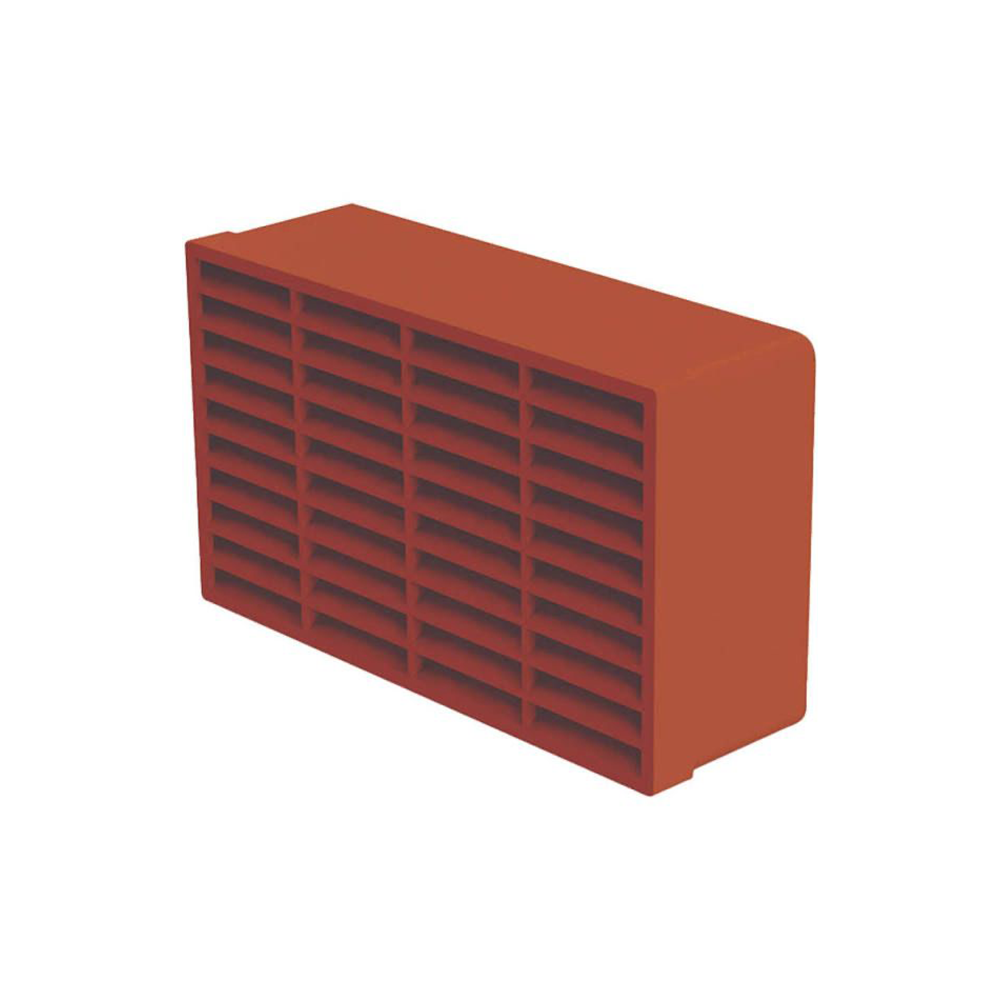
Many homes have windows, extractor fans, wall vents, or air bricks to help fresh air move through different rooms. However, these features need to work well together. A simple and reliable option is an air brick, such as the Vent Axia – Double Louvred Airbrick Terracotta – 220x90mm.
This type of air brick can help air move through a wall while also providing protection from unwanted outdoor elements. Therefore, understanding how it works can help homeowners improve indoor air quality.
What Is Poor Ventilation?
Poor Ventilation happens when fresh outdoor air cannot enter a building properly or stale indoor air cannot escape.
Everyday activities create moisture and stale air. Cooking, showering, drying clothes, and even breathing can increase indoor moisture. Without enough airflow, that moisture can remain inside the property.
As a result, you may notice:
- Condensation on windows
- Damp walls or ceilings
- Mould growth
- Musty smells
- Stale indoor air
- Higher moisture levels
- Poor comfort
- Damage to some building materials
Over time, these problems can become more difficult and costly to manage.
What Happens When a House Has Poor Ventilation?
The first problem is usually trapped moisture. Warm air carries moisture around the home. When this air touches a cold surface, condensation can form.
For example, bathrooms often become humid after a shower. If the moist air cannot escape, it may settle on walls, windows, and ceilings.
Similarly, cooking creates steam. Without suitable Ventilation, this moisture can spread into nearby rooms.
Eventually, repeated condensation can create an ideal environment for mould. Paint may also become damaged, while wooden materials can suffer from long-term moisture exposure.
Good airflow helps reduce these risks by allowing stale and humid air to leave the building.
How Can an Air Brick Help?
An air brick provides an opening through a wall that allows air to pass between indoor and outdoor spaces. It is often used where a permanent airflow route is useful.
The Vent Axia – Double Louvred Airbrick Terracotta – 220x90mm is designed as a double-louvred air brick. Its louvred design helps provide airflow while offering a practical barrier across the wall opening.
This makes it useful for homes, buildings, and other areas where controlled airflow is needed.
An air brick can form part of a wider Ventilation plan. For example, it can work alongside extractor fans, windows, trickle vents, and other air vents.
How Is the Vent Axia Airbrick Made?
The Vent Axia – Double Louvred Airbrick Terracotta – 220x90mm is designed in a terracotta finish with a double-louvred front.
The louvres create openings that allow air to move through the air brick. At the same time, the structure covers the wall opening rather than leaving a large open gap.
Its 220x90mm size also makes it suitable for applications where a compact wall air brick is required.
Because it is designed for wall installation, correct fitting is important. The surrounding area should provide a suitable and secure fixing point.
What Is the Main Usage of This Air Brick?
The main purpose of an air brick is to provide airflow through a wall.
The Vent Axia – Double Louvred Airbrick Terracotta – 220x90mm can be used where a wall needs a permanent air path. It may be suitable for different building areas, depending on the design and ventilation requirements of the property.
Common uses can include:
- Providing airflow through external walls
- Supporting natural airflow
- Helping reduce trapped stale air
- Supporting building airflow systems
- Improving air movement in suitable areas
- Creating a permanent wall vent opening
However, an air brick should not be viewed as a complete solution for every indoor air problem. The whole property should have suitable airflow.
What Are the Advantages of the Vent Axia Double Louvred Airbrick?
One key advantage is its louvred design. The openings allow air to pass while the front structure covers the wall opening.
The terracotta finish can also suit properties where a traditional or earthy appearance is preferred.
Another benefit is its compact size. At 220x90mm, it can provide a practical option for suitable wall applications.
Most importantly, an air brick can support a home’s overall Ventilation strategy.
Good airflow can help remove stale air and reduce moisture build-up. Therefore, an air brick may be useful as one part of a wider approach to maintaining a more comfortable home.
What Is a Vent Box?
A vent box is another term people may use when talking about ventilation openings or components that help direct airflow. The exact meaning can vary depending on the product and application.
For homeowners, the important point is to choose the correct ventilation component for the intended location.
An air brick, ventilation grille, or wall vent should match the building’s needs. Incorrect sizing or poor installation can reduce airflow and may create other problems.
Can Poor Ventilation Cause Mould?
Yes. Poor airflow can increase the chance of mould when moisture remains trapped for long periods.
Mould often appears in areas with high humidity and limited air movement. Bathrooms, kitchens, utility rooms, and poorly ventilated bedrooms may be more affected.
Therefore, improving Ventilation can help control moisture. However, existing leaks or serious damp problems must also be dealt with. Simply adding an air brick will not fix a leaking roof, plumbing fault, or major structural damp issue.
Is an Air Brick Better Than Opening a Window?
Opening a window can provide quick fresh airflow. However, people do not always want to keep windows open for long periods.
An air brick offers a more permanent airflow opening. It can therefore support passive airflow without relying on someone opening a window.
That said, the best solution depends on the property. Windows, extractor fans, trickle vents, air bricks, and mechanical systems can all have different roles.
A well-planned Ventilation system should consider how air enters the building and where stale air leaves it.
How Can You Improve Ventilation in a Home?
Start by checking areas where moisture is created. Use extractor fans when cooking or showering, and allow damp air to escape.
Keep suitable air vents clear. Do not block air bricks with furniture, paint, debris, or other materials.
You should also check for condensation around windows and cold surfaces. If the same areas remain damp, investigate the cause.
For suitable wall applications, a product such as the Vent Axia – Double Louvred Airbrick Terracotta – 220x90mm can provide a practical airflow opening.
Good Ventilation is not only about bringing in fresh air. It is also about giving stale, humid air a route out.
Final Thoughts
Poor airflow can affect comfort, moisture levels, and the condition of a home. Condensation, mould, stale smells, and damp surfaces can all become more common when air does not move properly.
A suitable air brick can help create a permanent airflow route. The Vent Axia – Double Louvred Airbrick Terracotta – 220x90mm is a practical option for suitable wall applications, with its double-louvred design and terracotta finish.
Still, every property is different. Good Ventilation usually works best when several features work together. Air bricks, vents, windows, and extractor fans can all play a role in keeping indoor air fresher and helping manage excess moisture.
FAQs
1. What is the main problem with poor ventilation?
Poor Ventilation can trap moisture and stale air. This may lead to condensation, mould, unpleasant smells, and reduced indoor comfort.
2. What does an air brick do?
An air brick provides an opening through a wall to allow airflow between indoor and outdoor areas.
3. What is the Vent Axia Double Louvred Airbrick used for?
The Vent Axia – Double Louvred Airbrick Terracotta – 220x90mm is designed to provide airflow through suitable wall openings while covering the opening with its louvred structure.
4. Can an air brick help reduce damp?
It can support airflow and help with moisture control in suitable applications. However, it cannot fix structural damp, leaks, or other underlying moisture problems.
5. Should an air brick be blocked?
No. Blocking an air brick can restrict airflow and reduce its effectiveness.
6. What is a vent box?
A vent box generally refers to a ventilation component or enclosure used to support airflow. Its exact purpose depends on the product and installation.
7. Can poor ventilation cause condensation?
Yes. When humid indoor air cannot escape, condensation can form on cold surfaces. Improving airflow can help reduce moisture build-up.
8. Is Ventilation important in every home?
Yes. Every home needs a suitable way to remove stale air and manage moisture. The best method depends on the building design and the rooms involved.
