

Where Should Ventilation Grilles Be Installed?
Where Should Ventilation Grilles Be Installed?
Good Ventilation helps keep a home fresh, dry, and comfortable. It allows stale air, moisture, and unwanted smells to leave a room. At the same time, it brings fresh air into the space. However, the position of a vent can affect how well air moves around a room.
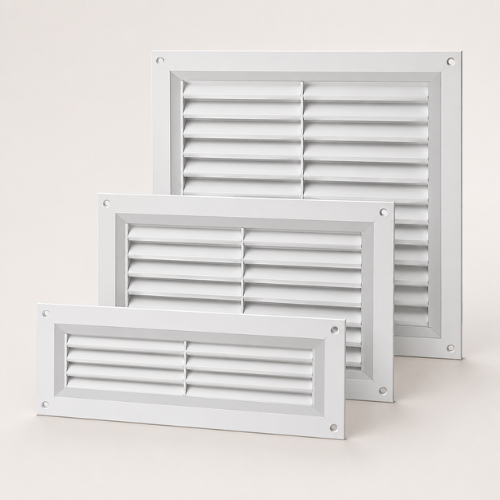
So, where should ventilation grilles be installed? In most homes, the best position depends on the room, the airflow needed, and the source of moisture. A well-planned system can improve indoor air quality and reduce problems such as condensation and mould.
What Is the Purpose of Ventilation Grilles?
Ventilation grilles are openings that allow air to move between indoor and outdoor spaces or between different areas of a building. They are often fitted to walls, doors, windows, ceilings, or other suitable areas.
Their main job is simple. They help fresh air enter and stale air leave.
Good Ventilation is especially important in rooms where moisture builds up quickly. Kitchens, bathrooms, utility rooms, and laundry areas can all produce high levels of moisture. Therefore, these rooms often need careful airflow planning.
A grille can also work with other products, such as air bricks, extractor fans, and UPVC trickle vents, to create a steady flow of air.
Where Should Ventilation Grilles Be Installed?
The correct position depends on the room. However, some basic rules can help.
1. Install Grilles in Areas With Poor Airflow
Rooms that feel stuffy may need better airflow. A wall grille can help fresh air enter or stale air escape.
For example, a room with limited windows may benefit from a suitable grille. The opening should not be blocked by furniture, curtains, cupboards, or other objects.
Clear airflow is important. Therefore, always leave enough space around the grille.
2. Place Fresh Air Openings Lower Down
Fresh air openings are often positioned lower on a wall. This can help bring cooler outdoor air into the room.
However, the exact height depends on the type of system and the building design. Always follow the manufacturer’s installation instructions.
For homes with modern windows, UPVC trickle vents can also provide a controlled source of fresh air. They allow small amounts of air to pass through without leaving a window fully open.
3. Place Exhaust Openings Higher Up
Warm and moist air naturally tends to rise. Because of this, exhaust grilles are often placed higher on a wall or near the ceiling.
This is useful in bathrooms and kitchens. Moist air from showers, baths, and cooking can collect near the upper part of a room.
A high-level grille can help remove this air. As a result, the room may stay fresher and drier.
Ventilation Grilles in Bathrooms
Bathrooms are one of the most important areas for effective Ventilation. Hot showers and baths create a lot of water vapour.
Without enough airflow, moisture can settle on walls, mirrors, ceilings, and windows. Over time, this can encourage mould growth.
For this reason, an exhaust grille is often positioned high on the wall or in the ceiling. It should also work with an extractor fan or another suitable ventilation system where required.
Avoid placing the grille where towels, cabinets, or other items can cover it.
A clear opening allows air to move more freely. Therefore, regular cleaning is also important.
Ventilation Grilles in Kitchens
Kitchens produce moisture, heat, smoke, and cooking smells. Good Ventilation helps remove these unwanted elements.
A grille can be positioned high on a wall or ceiling when it forms part of an exhaust system. The position should also support the movement of air from the cooking area toward the exhaust point.
However, a grille should not replace a suitable cooker hood when one is needed.
Fresh air also needs to enter the kitchen. Therefore, combining an exhaust point with another controlled air source can create better airflow.
Ventilation Grilles in Bedrooms
Bedrooms need fresh air too. Poor Ventilation can make a room feel warm, stale, or uncomfortable.
A suitable wall grille or window vent can provide a controlled flow of outdoor air. For example, UPVC trickle vents can help provide background airflow while keeping the window closed.
The position should allow air to spread around the room. Avoid placing the opening directly behind large furniture.
If a bedroom has a door grille, make sure the opening remains clear. This can help air move between rooms when the main system is designed for that type of airflow.
Ventilation Grilles in Living Rooms
Living rooms may not create as much moisture as kitchens or bathrooms. Still, they need regular Ventilation.
People produce moisture when they breathe, and everyday activities can also affect indoor air quality. Therefore, a steady supply of fresh air can make the room more comfortable.
A wall grille or window-based vent can be useful where suitable. It should be positioned away from large furniture and other obstructions.
Furthermore, the grille should not be placed where curtains can cover it.
Should Ventilation Grilles Be Installed Near Windows?
In some situations, yes. A grille near a window can support air movement. However, the correct position depends on the type of ventilation system.
Windows already provide a natural way to bring in fresh air. Yet leaving windows open is not always practical. Weather, noise, security, and energy loss can all be concerns.
That is why products such as UPVC trickle vents can be useful. They provide background airflow through a small opening in the window frame.
A grille can also work alongside window vents as part of a wider airflow plan.
How High Should a Ventilation Grille Be?
There is no single height that works for every building. The correct position depends on the grille type and its purpose.
For fresh air supply, a lower position may work well. For removing warm or moist air, a higher position can be more suitable.
Most importantly, follow the product instructions and any applicable building requirements.
Do not install a grille in a position where it can easily become blocked. Also, check that the surrounding wall or surface is suitable for installation.
What Should You Avoid When Installing Ventilation Grilles?
Correct Ventilation is not only about installing a grille. It is also about keeping the airflow path clear.
Avoid these common mistakes:
- Covering a grille with furniture
- Painting over the grille openings
- Blocking the grille with curtains
- Installing it too close to another obstruction
- Choosing a grille that is too small for the airflow requirement
- Ignoring the manufacturer’s instructions
- Failing to clean the grille
- Removing existing vents without checking the ventilation system
A blocked grille cannot work effectively. Therefore, check vents regularly and keep them clean.
Can Ventilation Grilles Help Reduce Condensation?
Yes, better airflow can help control moisture. However, a grille alone may not solve every condensation problem.
Condensation happens when warm, moist air meets a colder surface. Bathrooms, kitchens, and bedrooms can be affected.
Effective Ventilation helps remove moisture before it settles on cold surfaces. As a result, the risk of damp patches and mould may be reduced.
Still, serious damp or mould problems may have other causes. These can include leaks, poor insulation, cold bridges, or structural issues. In such cases, the main cause should be checked.
How Do Ventilation Grilles Work With UPVC Trickle Vents?
UPVC trickle vents and ventilation grilles can serve different roles.
A trickle vent usually provides a controlled supply of fresh outdoor air. A grille may provide an opening for air to enter, leave, or move between spaces.
When designed correctly, these components can support a balanced airflow path.
For example, fresh air may enter through a window vent in a living room. Air can then move through the home before reaching an exhaust point in a bathroom or kitchen.
This creates a simple airflow route. As a result, the whole system can work more effectively.
Why Correct Ventilation Matters
Good Ventilation supports a healthier and more comfortable indoor environment. It helps remove stale air, excess moisture, odours, and some indoor pollutants.
It can also help protect walls, ceilings, windows, and furniture from excess moisture.
However, ventilation should be planned rather than added randomly. Each room has different needs.
For instance, a bathroom may need stronger moisture removal than a bedroom. Likewise, a kitchen may need airflow that deals with cooking fumes and steam.
Therefore, think about the purpose of each opening before choosing its location.
Tips for Better Ventilation
Follow these simple tips to improve airflow around your home:
- Keep all grilles clean and open.
- Do not place large furniture directly over vents.
- Check bathroom and kitchen exhaust points regularly.
- Use suitable UPVC trickle vents where appropriate.
- Keep airflow paths between rooms clear.
- Do not remove existing vents without checking their purpose.
- Repair damaged grilles quickly.
- Follow installation instructions carefully.
- Check for condensation in rooms with poor airflow.
- Consider professional advice for complex ventilation systems.
These simple steps can help maintain effective airflow throughout the home.
Final Thoughts
The best location for ventilation grilles depends on what the opening needs to do. Fresh air supply points may work well in lower positions, while exhaust openings are often placed higher to help remove warm and moist air.
Bathrooms and kitchens usually need special attention because they create more moisture. Bedrooms and living rooms also need a steady supply of fresh air.
Good Ventilation works best when every part of the airflow route is considered. Products such as UPVC trickle vents, air bricks, extractor fans, and wall grilles can work together when they are correctly selected and positioned.
Most importantly, keep every opening clear and follow the manufacturer’s guidance. With the right setup, your home can enjoy fresher air and better moisture control.
FAQs
1. Where is the best place to install a ventilation grille?
The best position depends on its purpose. Fresh air grilles may be placed lower on a wall, while exhaust grilles are often positioned higher. The room and ventilation system should always be considered.
2. Should bathroom ventilation grilles be high or low?
Bathroom exhaust grilles are commonly placed high because warm, moist air rises. A ceiling position may also work when the system is designed for it.
3. Can ventilation grilles reduce condensation?
They can help by improving airflow and removing moist air. However, serious condensation may have other causes that need to be addressed.
4. Can I cover a ventilation grille?
No. Covering a grille can restrict airflow and reduce the performance of the ventilation system. Keep the opening clear at all times.
5. Are UPVC trickle vents useful for home ventilation?
Yes. UPVC trickle vents can provide a controlled background supply of fresh air while windows remain closed.
6. Do bedrooms need ventilation grilles?
Bedrooms need fresh air, but the exact solution depends on the home’s ventilation design. A window vent, grille, or another suitable system may be used.
7. How often should ventilation grilles be cleaned?
Check them regularly and clean them when dust or dirt builds up. Clean openings allow air to pass more easily.
8. Can I install ventilation grilles myself?
Some simple grilles may be suitable for DIY installation. However, complex systems should be installed or checked by a qualified professional.
