









What Is a Tile Levelling System and How Does It Work?
A neat tile finish can change the look of any room. However, uneven tiles can spoil the result. They may create raised edges, uneven lines and a surface that feels rough underfoot. Therefore, choosing the right tools is important for a clean and professional finish.
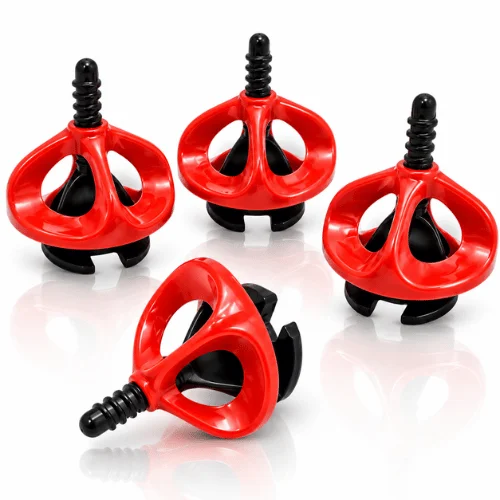
A tile leveling system helps keep tiles level with one another while the adhesive sets. It is useful for floor tiling in kitchens, bathrooms, hallways and other areas. Moreover, it can help both DIY users and professional tilers achieve a more even finish with less effort.
If you plan to install new tiles, you should understand how tile spacers, levelling clips and twisting nuts work together. This guide explains their uses, benefits, materials and buying options. It also introduces the Tile Spacer Levelling System 2mm Floor Twister Spacer Screws + Red Twister Nuts from TradeBoxDirect.
What Is a Tile Levelling System?
A tile leveling system is a set of tools that helps align nearby tiles during installation. It holds their edges at a similar height and helps create even grout lines. As a result, the finished floor can look smoother and more consistent.
A typical system includes a base spacer, a threaded screw or stem, and a tightening nut. The base sits between the tiles, while the nut applies pressure to help align their surfaces.
These parts work alongside tile adhesive and standard tiling tools. However, the system does not replace careful preparation. The floor must still be clean, stable and suitable for the chosen tiles.
How Is a Tile Levelling System Made?
The parts are usually made from durable plastic. Manufacturers shape the base spacers and threaded components to fit together. They also design the nut so it can turn by hand and apply pressure to the tiles.
The design depends on the product. Some systems use reusable clips and wedges, while others use threaded spacers and twisting nuts.
For example, the Tile Spacer Levelling System 2mm Floor Twister Spacer Screws + Red Twister Nuts uses a twisting design. The spacer sets the joint width, while the nut helps hold the tile edges in alignment.
When selecting a product, check its size, instructions and suitability for your tiles. The parts must be compatible with the tile thickness and the installation method.
What Are Tile Levelling Spacers Used For?
Tile levelling spacers help keep tiles aligned as the adhesive begins to set. They are especially useful when you want a consistent finish across a large floor.
Here are their main uses:
- Even tile height: They help reduce differences between neighbouring tile edges.
- Consistent grout lines: They maintain a regular gap between tiles.
- Better alignment: They help keep rows straight during installation.
- Less adjustment: They can reduce the need to reposition tiles by hand.
- A cleaner finish: They support a neat appearance when used correctly.
However, the final result also depends on the tile quality, adhesive coverage and floor preparation. Therefore, always check the alignment as you work.
Tile Spacers vs Floor Tile Spacers
Tile spacers come in different sizes and designs. Standard spacers mainly maintain the gap between tiles, while levelling spacers also help align their top edges.
Floor tile spacers are useful for maintaining even joints across tiled floors. The correct joint size depends on the tile type, the manufacturer’s guidance and the finish you want.
A 2mm spacer can suit installations where a narrow grout line is required. Nevertheless, not every tile should use a 2mm gap. Some tiles need wider joints because of their size, shape or surface finish.
A spacer creates a gap between two objects. In tiling, this gap provides room for grout and helps keep the layout consistent.
PRODUCT: Tile Spacer Levelling System 2mm Floor Twister Spacer Screws + Red Twister Nuts
If you need tools for a floor tiling project, consider the Tile Spacer Levelling System 2mm Floor Twister Spacer Screws + Red Twister Nuts.
This product combines 2mm spacing with a twisting nut design to help align neighbouring tiles during installation. It can be a useful addition to a DIY toolkit or a professional tiler’s equipment.
You can view the product and check its details here:
Shop the Tile Spacer Levelling System 2mm Floor Twister Spacer Screws + Red Twister Nuts
Before you buy, review the pack quantity, instructions and compatibility details on the product page. Also, confirm that the 2mm joint suits your chosen tiles.
How Does a Tile Levelling System Work?
Using the system is straightforward when you follow the correct steps.
1. Prepare the floor
Make sure the floor is clean, dry where required and stable. Remove dust and loose material before spreading the adhesive.
2. Apply the adhesive
Spread the correct tile adhesive using the recommended method. Follow the manufacturer’s instructions for application and curing.
3. Place the first tile
Position the tile carefully. Use a level to check its height and alignment before moving to the next tile.
4. Insert the spacers
Place the levelling spacers between the tiles as directed. Keep them in the correct position and maintain the planned joint width.
5. Tighten the nuts
Turn the red twister nuts by hand according to the product instructions. Apply even pressure without overtightening, as excessive force may move or damage the tiles.
6. Check the surface
Inspect the surface regularly. Check the tile height, grout gaps and alignment before the adhesive sets.
7. Remove the system
Remove the components at the stage specified by the manufacturer. Do not grout until the adhesive has cured as directed and the joints are ready.
What Are the Advantages of a Tile Levelling System?
A tile levelling system offers several benefits when used correctly.
1. A more even finish
The system helps reduce lippage, which occurs when one tile edge sits higher than the next.
2. More consistent joints
The spacers help maintain the planned gap, making the floor easier to grout neatly.
3. Easier installation
The twisting mechanism can make tile alignment easier, particularly across larger areas.
4. Useful for DIY projects
Homeowners can use these tools to support a more controlled installation, provided they follow the correct tiling methods.
5. Better results with suitable tools
When combined with a level, measuring tools and the correct adhesive, the system can help improve the overall finish.
Even so, it cannot correct a badly prepared floor or make unsuitable tiles perfectly flat.
Which Tiling Tools Should You Buy?
Before shopping for tiling tools, consider the size of your project and the type of tiles you plan to install.
You may need a tile cutter, notched trowel, tape measure, spirit level, grout float and cleaning sponge. In addition, choose tile spacers that match the required joint width.
Check that each component is compatible with your tiles and the levelling system. Also, inspect the tile edge to understand whether the tile design needs a particular joint size.
For more flooring products, spacers and related accessories, visit the TradeBoxDirect Flooring and Tiles category.
When comparing products, consider ease of use, material strength, pack size and value for money. The right choice can help you complete the job with fewer interruptions.
Tips for Getting the Best Results
First, prepare the floor before laying any tiles. Next, use the correct adhesive and follow its instructions. Keep checking the tile height as you work rather than waiting until the whole floor is covered.
Avoid tightening the nuts too much, as this may disturb the tiles. In addition, check the recommended temperature and curing conditions for the adhesive. Use the system at the required frequency during installation, and maintain control over tile alignment as you move across the room.
Finally, remember that the levelling system supports the process; it does not replace good workmanship.
Frequently Asked Questions
1. What is a tile levelling system used for?
It helps align neighbouring tiles and reduce differences in height while the adhesive sets. It can also help maintain consistent joints.
2. Are tile levelling spacers suitable for beginners?
Yes. They can help beginners manage tile alignment. However, correct floor preparation, adhesive selection and careful measuring remain essential.
3. Can I use 2mm floor tile spacers for every tile?
No. A 2mm joint may suit some tiles, but the correct gap depends on the tile type, size and manufacturer’s guidance.
4. How do twisting nuts work?
The nuts turn onto the threaded parts of the system. When tightened correctly, they apply pressure to help align nearby tile edges.
5. Can a tile levelling system prevent all uneven tiles?
No. It can reduce lippage, but it cannot fix an uneven base, poor adhesive coverage or significant differences in tile shape.
6. Where can I buy a tile levelling system?
You can view the Tile Spacer Levelling System 2mm Floor Twister Spacer Screws + Red Twister Nuts on TradeBoxDirect. Check the product details and suitability before placing an order.
Conclusion
A tile levelling system can make floor tiling more manageable by helping keep neighbouring tiles aligned and grout joints consistent. It is useful for DIY projects and professional work, especially when you want a neat, even finish.
However, good results also depend on floor preparation, suitable adhesive and careful installation. Choose the correct spacer size for your tiles and follow the manufacturer’s instructions throughout the job.
If you are planning a flooring project, explore the TradeBoxDirect Flooring and Tiles category and compare the available products. The right tools can help you work with greater confidence and achieve a tidy, long-lasting tiled floor.