









THERMOSTATS: A Guide to Programmable, Wireless and OpenTherm Heating Controls
Choosing the right heating system can make a home more comfortable and help manage energy use. Modern THERMOSTATS offer simple ways to set heating times, adjust room settings and improve everyday comfort. Moreover, different models suit different homes, budgets and heating systems.
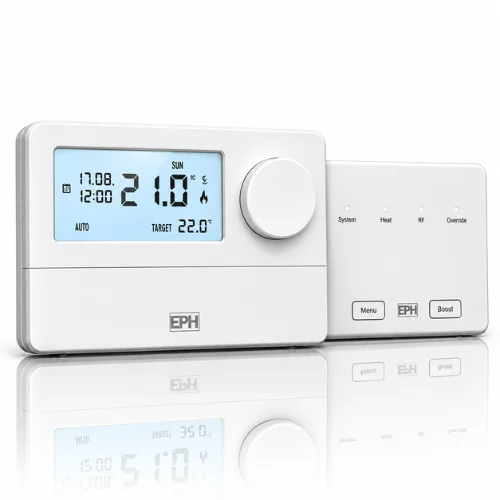
Whether you are upgrading an old heating setup or fitting a new boiler, it helps to understand the options. For example, a programmable thermostat lets you plan heating periods, while a wireless thermostat offers more freedom when choosing where to place the room unit.
At TradeBoxDirect, you can explore a range of THERMOSTATS for domestic heating projects. This guide explains how these devices work, their main benefits and what to consider before you shop.
What Are THERMOSTATS and How Do They Work?
THERMOSTATS are devices that help manage a heating system by checking the room’s temperature and asking the boiler or heating equipment to respond when needed.
Most models let you choose a target setting. When the room becomes cooler than the chosen level, the device can request heat. Once the room reaches the desired setting, it can reduce or stop that request, depending on the system.
However, the exact features depend on the model. Some offer basic settings, while others include timed programmes, wireless communication and advanced boiler functions.
These devices can also support better energy habits. For instance, you can set heating to run when people are at home instead of keeping it on all day. As a result, you may reduce wasted energy without losing comfort.
Types of THERMOSTATS for Modern Homes
Different heating needs call for different products. Therefore, it is worth comparing the main options before making a purchase.
1. Programmable Thermostat
A programmable thermostat allows you to set heating times for different parts of the day. For example, you might schedule heating before you wake up and again before you return home.
This option suits busy households because it follows a planned routine. In addition, it can help prevent unnecessary heating when rooms are not in use.
When shopping, check how many daily settings the model supports and whether its schedule fits your routine.
2. Wireless Thermostat
A wireless thermostat communicates with a compatible receiver without needing a wired connection between the room unit and the receiver. This can make placement more flexible and may simplify some installation work.
A wireless room thermostat can be useful when you want to position the unit in a suitable living area rather than beside the boiler.
However, wireless does not always mean internet-connected. Many models use a radio signal to communicate with their receiver and work without a home Wi-Fi connection.
3. RF Thermostat
An RF thermostat uses radio communication to send heating requests to a compatible receiver. RF stands for radio frequency, which allows the room unit and receiver to communicate without a direct cable between them.
A programmable RF thermostat combines this wireless link with timed heating schedules. Consequently, it offers both flexible placement and planned heating periods.
Before you buy, check the receiver requirements, operating range and compatibility with your heating system.
4. Smart Thermostat
A smart thermostat may offer app-based settings, remote access and other connected features. Depending on the model, you may be able to change heating settings while away from home.
Some smart products also provide usage information and automatic schedules. Nevertheless, not every wireless model is smart, so check the product details carefully before shopping.
5. OpenTherm Thermostat
An OpenTherm thermostat can communicate with a compatible boiler using the OpenTherm protocol. Unlike a basic on/off connection, a supported OpenTherm setup may allow the thermostat to request changes in the boiler’s heat output.
This can help the boiler respond more closely to the home’s heating needs. However, both the boiler and thermostat must support the relevant OpenTherm functions.
For buyers seeking timed heating and wireless communication, the EPH CP4D is one product worth considering.
Product Spotlight: EPH – CP4D OpenTherm Programmable RF Thermostat
The EPH – CP4D OpenTherm Programmable RF Thermostat combines programmable heating schedules, RF communication and OpenTherm functionality. It is designed for compatible heating systems where these features meet the installation requirements.
Explore the product: EPH – CP4D OpenTherm Programmable RF Thermostat
What Are the Main Benefits?
- Planned heating: Set heating periods to suit your daily routine.
- Wireless communication: Place the room unit more flexibly, subject to the product’s operating range.
- Boiler compatibility: OpenTherm communication may support more responsive heating when paired with a suitable boiler.
- Everyday convenience: Use scheduled settings instead of making repeated manual changes.
- Practical home upgrades: It can be worth considering when replacing an older heating unit.
The best results depend on correct installation and compatible equipment. Therefore, check the manufacturer’s instructions before purchasing the EPH CP4D.
How Are Wireless and Programmable Heating Devices Made?
These devices contain electronic parts that read room conditions, process user settings and send heating requests. A typical wireless model includes a room unit, electronic sensors, a power source and a transmitter. Its matching receiver connects to the heating system.
A programmable model also contains a clock and memory for storing schedules. In addition, an OpenTherm model includes communication electronics that exchange supported heating requests with a compatible boiler.
Manufacturers assemble and test these parts to help ensure reliable operation. However, the exact design varies by model, so always refer to the product specifications for technical details.
How Can THERMOSTATS Help Manage Heating Costs?
Good heating habits can help reduce wasted energy. First, set heating times around your normal routine. Next, avoid heating empty rooms unnecessarily where your system allows it. Also, keep doors and windows closed while heating is running.
The right heating controls make these habits easier to follow. However, savings depend on insulation, the boiler, household routines and energy prices. No device can guarantee a specific reduction in bills.
When comparing products, check the supported settings, receiver type, power requirements and boiler compatibility. You should also review the manufacturer’s guidance on operating frequency and signal range where relevant.
Good control of heating settings can improve comfort, but correct setup matters just as much.
How to Choose the Right Product
Before you shop for a new heating device, consider these points:
- Heating system: Confirm whether your boiler supports on/off switching or OpenTherm.
- Installation: Check whether you need a wired unit, wireless receiver or professional fitting.
- Scheduling: Choose a model that matches your daily routine.
- Connectivity: Decide whether basic RF communication or internet-based features suit your needs.
- Budget: Compare product features and installation costs rather than choosing on price alone.
A wireless heating thermostat may suit a home that needs flexible placement. Meanwhile, an OpenTherm model may be a better fit for a compatible boiler that supports modulation.
You can THERMOSTATS to compare available options for your project.
Frequently Asked Questions
1. What is the difference between a programmable and a smart thermostat?
A programmable model lets you set heating schedules. A smart model may add app access, remote changes and connected features. Some products offer both functions, but features vary.
2. Does a wireless thermostat need Wi-Fi?
No. Many wireless models use RF communication between the room unit and receiver. Wi-Fi is usually needed only for features that rely on an internet connection.
3. Is an OpenTherm thermostat compatible with every boiler?
No. The boiler must support OpenTherm, and the wiring and installation must match the manufacturer’s requirements. Check compatibility before buying.
4. Can a programmable RF thermostat help reduce energy use?
It can help by scheduling heating for the times you need it. However, actual savings depend on your home, heating system and daily habits.
5. Is the EPH CP4D suitable for my heating system?
The EPH CP4D may suit installations that support its programmable RF and OpenTherm functions. Check the product specifications and your boiler’s compatibility before placing an order.
6. Where can I buy heating products online?
You can browse the THERMOSTATS and review individual product details before choosing a suitable option.
Conclusion
Choosing the right heating device can make daily heating simpler and more efficient. From basic programmable models to wireless and OpenTherm options, each type offers different features for different needs.
Before you buy, check your boiler’s compatibility, required installation method and preferred schedule. The EPH CP4D OpenTherm Programmable RF Thermostat is worth considering if you need programmable settings, RF communication and support for a compatible OpenTherm system.
Explore the available THERMOSTATS to find a suitable option for your home or heating project.