






How to Choose the Right Screws for Woodworking and Construction
Choosing the right fixing can make every project stronger and easier to complete. Whether you are building furniture, fitting shelves or carrying out home repairs, the correct screw helps hold materials firmly in place. However, different jobs need different types of fixings. Therefore, it is important to understand their design, materials and uses before you start.
At TradeBoxDirect, you can explore a range of screws for woodworking, DIY and general building work. From furniture assembly to larger projects, choosing the right option can help you achieve a neat and reliable finish.
What Are Screws and How Do They Work?
Screws are threaded fixings that join two or more materials. They have a pointed end, a threaded body and a head that allows a suitable driver to turn them. As the screw enters the material, its threads grip the surface and help hold the parts together.
Unlike nails, screws can often be removed when repairs or changes are needed. In addition, they offer good holding power when the correct type and size are used.
Before starting a project, consider the material, the required strength and the finish you want. These factors will help you choose the right fixing for the task.
Understanding Different Types of Screws
Different projects need different designs. Therefore, knowing the main types can make shopping easier and help you avoid unsuitable products.
1. Countersunk Screws for a Neat Finish
Countersunk screws have a head shaped to sit level with, or slightly below, the surface when fitted correctly. This design is useful when a raised head could spoil the finish or get in the way.
They are often used in furniture, cupboards, wooden frames and general DIY work. Furthermore, the flat finish can make a completed project look cleaner.
For some materials, a countersunk hole or a small recess may be needed. Always check the material and screw design before fitting.
2. Wood Screws for Furniture and DIY
Wood screws are designed to grip timber and join wooden parts. Their threads help them bite into the wood, creating a firm connection when the correct size is selected.
Common uses include building shelves, fixing hinges, assembling cabinets and repairing wooden furniture. However, the length and thickness must suit the job. A screw that is too short may not grip well, while one that is too long could come through the other side.
For hardwood, a pilot hole can help reduce the risk of splitting. Softwood may need less preparation, although this depends on the screw and the timber.
3. Pozi Screws for Easier Driving
Pozi screws feature a cross-shaped drive with extra small ribs. This design helps the driver engage with the screw head when the correct bit is used.
They are common in furniture assembly, woodworking and general fixing tasks. In addition, using the right Pozi driver bit can help reduce slipping and damage to the head.
For the best result, keep the driver aligned with the screw. Apply steady pressure and avoid using a worn or incorrect bit.
4. Construction Screws for Building Projects
Construction screws are used for a range of building and installation tasks. Depending on their design, they may be suitable for timber framing, structural connections or general construction work.
However, not every screw is suitable for a load-bearing job. Always check the product specifications and use fixings approved for the intended application.
When working on a large project, consider the materials, expected loads and environment. For structural work, follow the relevant building guidance and manufacturer instructions.
5. Countersunk Wood Screws for Smooth Wooden Surfaces
Countersunk wood screws combine a wood-gripping thread with a head designed to sit neatly in the timber. They are useful when the finished surface needs to remain smooth.
These fixings work well for wooden panels, furniture, trim and many home improvement projects. Moreover, they can help reduce the chance of a screw head catching on clothing or nearby objects.
Choose a suitable length and check whether the timber needs a pilot hole before installation.
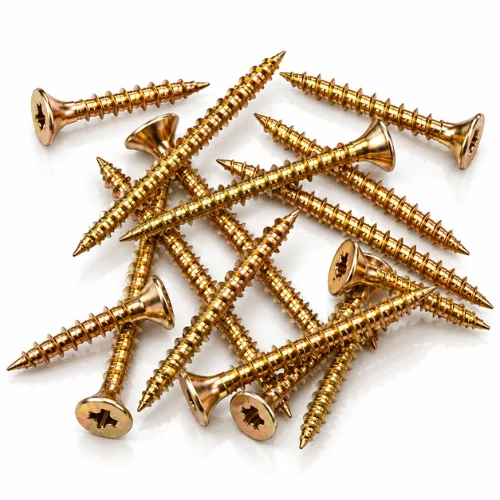
PRODUCT: Multi-Purpose Golden Pozi Countersunk Wood Screws
The Multi-Purpose Golden Pozi Countersunk Wood Screws are a practical option to consider for everyday woodworking and DIY tasks.
Their golden finish gives the fixings a distinct appearance, while the Pozi drive is designed for use with a matching driver bit. In addition, the countersunk head helps create a neat finish when fitted correctly.
What Are the Main Advantages?
- Neat finish: The countersunk head can sit level with the timber surface.
- Useful drive design: The Pozi head works with a suitable Pozi screwdriver or driver bit.
- Versatile applications: Multi-purpose wood fixings can be useful for furniture, shelves and other suitable timber projects.
- Smart appearance: The golden finish can complement certain woodwork and fittings.
- Practical for DIY: They are worth considering for home repairs and general woodworking.
Actual performance depends on the screw size, the timber and the way it is fitted. Therefore, check the available product specifications before choosing a pack.
How Are Golden Pozi Countersunk Wood Screws Made?
These fixings are generally produced from metal wire or another suitable metal stock. The material is shaped to form the screw body and head. Next, threads are formed along the body, and the drive recess is created in the head.
A suitable surface treatment is then applied to achieve the specified golden finish. Finally, the screws are checked and packed for sale.
The precise manufacturing method and coating depend on the product. Check the manufacturer’s information for confirmed material and finish details.
Where Can You Use This Product?
These fixings may suit many everyday timber tasks, such as assembling furniture, attaching wooden panels and completing small repairs. However, suitability depends on the selected size and the materials being joined.
For outdoor use or areas exposed to regular wet conditions, confirm that the finish provides the protection required. A golden appearance alone does not confirm that a screw is suitable for outdoor use.
You can view the Multi-Purpose Golden Pozi Countersunk Wood Screws to review the product details and select an option that suits your project.
How to Choose the Right Screws for Your Project
Before you buy, take a few simple steps to make the right choice.
- Identify the material. Timber, metal and masonry may need different types of fixings.
- Check the size. Select a length and diameter that suit the materials being joined.
- Choose the correct head. A countersunk head can provide a smooth finish, while other head styles may suit different tasks.
- Match the driver. Use the correct Pozi or other driver bit to reduce slipping.
- Check the finish. Consider the conditions where the fixing will be used, including exposure to moisture.
- Review the product details. Check the pack size, dimensions and recommended applications before placing an order.
Good preparation can save time and reduce waste. For example, drilling a suitable pilot hole can make installation easier and help prevent timber from splitting.
Why Shop for Screws at TradeBoxDirect?
Finding the right fixing is easier when you can compare suitable options in one place. TradeBoxDirect offers a dedicated screws category for customers carrying out DIY, woodworking and building projects.
Whether you need wood fixings for a small home repair or construction fixings for a larger job, review the product details before ordering. Also, check that the head type, size and finish match your requirements.
For a specific timber project, explore the golden Pozi countersunk wood screw product page. This allows you to review the available information before deciding which fixings to purchase.
Frequently Asked Questions
1. What are countersunk screws used for?
They are used when the screw head needs to sit level with, or below, the surface. Common uses include furniture, wooden panels and cupboards.
2. Are wood screws suitable for all types of timber?
Not always. The best choice depends on the timber type, its thickness and the job. Hardwoods may need a pilot hole, while other woods may be easier to work with.
3. What is the difference between Pozi and Phillips screws?
Both use cross-shaped drives, but their recess designs differ. A Pozi screw has extra ribs that help distinguish it from a Phillips screw. Use the matching driver bit for the best fit.
4. Can countersunk wood screws be used for outdoor projects?
Some can, but not all. Check the coating, material and manufacturer’s guidance to confirm whether the screw is suitable for outdoor exposure.
5. What are construction screws used for?
They are used for various building and installation tasks. The exact application depends on the screw’s design and rating. Structural work requires fixings approved for the intended loads.
6. How do I prevent wood from splitting when fitting screws?
Choose the correct screw size, avoid placing fixings too close to an edge and drill a suitable pilot hole when needed. Also, avoid overtightening the screw.
7. How do I choose the right screw length?
The screw should provide enough grip in the receiving material without passing through an unwanted surface. Check the thickness of both parts and follow the product guidance.
Conclusion
Choosing suitable fixings is an important part of woodworking, DIY and construction. Head shape, thread design, length and finish all affect how well a screw performs. Therefore, take time to match the product to the material and task.
From wood and Pozi fixings to countersunk options, TradeBoxDirect provides a category where you can explore products for different projects. If you need a versatile option for suitable timber applications, consider the Multi-Purpose Golden Pozi Countersunk Wood Screws. Review the product specifications, choose the right size and prepare the material carefully for a neat, secure result.