








Dishwasher Detergent: Types, Benefits, Uses and Buying Guide
Clean dishes are vital for a clean and healthy kitchen. However, choosing the right cleaning product can make this task much easier. Dishwasher detergent helps remove food marks, grease and dirt from dishes, pots and pans. The right product can also save time and support good cleaning results.
Many homes, cafés, restaurants and catering businesses need reliable cleaning products every day. Therefore, it is important to understand how cleaning liquids work, which products suit different tasks and what to consider before shopping online.
At TradeBoxDirect, you can explore the dishwasher liquid range to find cleaning products for your needs. This guide explains their uses, benefits, ingredients and buying options.
What Is Dishwasher Detergent?
Dishwasher detergent is a cleaning product designed to remove food residue, oil and dirt from dishes. It comes in several forms, including powders, tablets, gels and liquids. Each type offers different benefits, depending on the cleaning method and equipment.
For example, automatic dishwashers need products made for machine washing. In contrast, washing-up liquid is designed for manual dishwashing in a sink.
Although these products share a cleaning purpose, they are not always interchangeable. Using the wrong product in a dishwasher can create too much foam and may affect the machine’s performance.
You can explore the Detergent category to compare available cleaning products and choose an option that suits your daily needs.
How Does Dishwasher Detergent Work?
Cleaning products use different ingredients to loosen dirt and remove food residue. Surfactants help water spread across a surface and lift oily marks. Other ingredients may help control water hardness, improve cleaning or protect the product during storage.
When you use a suitable product, the cleaning process becomes more effective. Warm water can help loosen dried food, while the cleaning agents break down grease and other marks. After washing, a thorough rinse helps remove the remaining dirt and cleaning solution.
However, the exact process depends on the product and how you use it. Always follow the instructions on the label for the best results.
How Is Dishwasher Detergent Made?
Manufacturers produce cleaning liquids by combining selected ingredients in controlled amounts. The process often includes mixing water, cleaning agents and other approved ingredients. Some formulas also contain fragrance, colour or ingredients that help maintain product stability.
The exact formula varies by brand and product type. Manufacturers must also check factors such as consistency, cleaning performance and packaging quality.
An ingredient is one of the substances used to make a product. Understanding the ingredients can help shoppers choose products that meet their cleaning needs.
For example, some formulas focus on removing tough grease, while others are designed for everyday washing. Therefore, check the label before you buy a cleaning product.
What Are the Main Benefits?
Choosing the right cleaning product offers several advantages for homes and businesses.
1. Removes Grease and Food Marks
A good cleaning formula helps loosen oily residue and stuck-on food. This is useful when cleaning plates, cutlery, cooking tools and serving dishes. For better results, rinse away loose food before washing.
2. Saves Time
Reliable cleaning products can make daily kitchen tasks easier. In busy homes and commercial kitchens, this can help staff clean items more efficiently.
3. Supports Kitchen Hygiene
Regular washing removes food residue from kitchenware. However, the cleaning product must suit the item and washing method. Good washing habits, clean cloths and proper rinsing also help maintain kitchen hygiene.
4. Offers Convenient Buying Options
Online shopping makes it easier to compare products, pack sizes and prices. Businesses can also plan their stock levels and order cleaning supplies when needed.
5. Helps Manage Cleaning Costs
Buying suitable products in larger packs may reduce the cost per litre. However, always compare the price with the amount you need and the product’s intended use.
How to Choose the Right Cleaning Liquid
Before you buy a cleaning product, consider the following points.
- Cleaning purpose: Decide whether you need a product for hand washing or an automatic dishwasher.
- Pack size: Smaller bottles may suit occasional use, while larger containers can be practical for busy kitchens.
- Cleaning needs: Consider whether you often wash greasy pans, plates or heavily soiled utensils.
- Product instructions: Check the recommended use, dilution guidance and storage advice.
- Value for money: Compare the price, pack size and expected usage before placing an order.
For example, a large bottle may suit a café that washes dishes throughout the day. Meanwhile, a smaller pack may be more practical for a household with fewer washing needs.
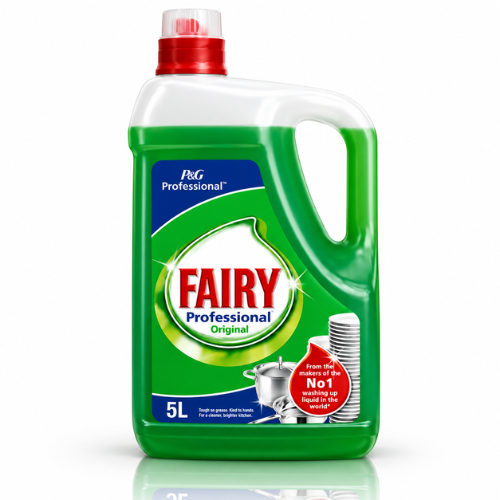
PRODUCT: Fairy Liquid 5L – Professional Washing Up Liquid
Fairy Liquid 5L – Professional Washing Up Liquid Original is an option to consider when you need washing-up liquid for regular manual dishwashing.
The 5-litre pack offers a larger supply for households, workplaces and commercial kitchens that wash dishes often. Its washing-up formula is intended to help clean dishes and tackle everyday grease.
Why Consider Fairy Liquid 5L?
- Large pack size: A 5-litre container can help reduce the need for frequent repurchases.
- Everyday cleaning: It is intended for washing dishes and kitchen utensils by hand.
- Useful for busy kitchens: The larger pack may suit workplaces where washing-up liquid is used regularly.
- Convenient supply planning: Businesses can keep track of their cleaning stock and order replacements as needed.
- Practical online shopping: You can check the product details and price on TradeBoxDirect before placing an order.
When using this product, follow the label instructions and keep the liquid away from children. Do not use it in an automatic dishwasher unless the manufacturer specifically states that it is suitable for that purpose.
What Is the Difference Between Dishwasher Detergent and Washing-Up Liquid?
The main difference is how each product is designed to work.
Automatic dishwasher products are made for machine cycles and controlled water conditions. Washing-up liquids are made for hand washing, where a person applies the liquid with water and a sponge or brush.
Using a hand-washing liquid in an automatic machine can cause excessive foam. This may lead to leaks or poor machine performance. Therefore, select a product that is compatible with the intended washing method.
For manual washing, use enough liquid to clean the dishes without creating unnecessary waste. For a dishwasher, follow the machine instructions and use the recommended product type.
Why Shop for Cleaning Products at TradeBoxDirect?
Finding the right supplier can make routine cleaning purchases simpler. TradeBoxDirect provides an online category where customers can explore cleaning products and review available options.
Before ordering, compare pack sizes and product descriptions. Businesses should also consider storage space, expected demand and delivery details.
If you need a larger supply for frequent manual washing, review the Fairy Liquid 5L product page. For other cleaning needs, browse the wider category and select products based on their intended use.
Frequently Asked Questions
1. Can I use washing-up liquid in an automatic dishwasher?
No, not unless the manufacturer specifically approves it. Ordinary hand-washing liquid can produce excessive foam and may cause problems with the machine.
2. What is the best dishwasher detergent for daily use?
The best option depends on your equipment, water conditions and cleaning needs. Choose a product designed for your washing method and follow its instructions.
3. Is Fairy Liquid 5L suitable for commercial kitchens?
The large pack may be useful in commercial kitchens, cafés and workplaces that wash dishes by hand. Check the product label and workplace cleaning requirements before use.
4. How much washing-up liquid should I use?
Follow the product label for the recommended amount. Using more liquid than needed does not always improve cleaning and can increase waste.
5. How should I store washing-up liquid?
Keep it in its original, labelled container in a cool, dry place. Store it securely, away from children, food and direct heat.
6. Where can I buy dishwasher cleaning products online?
You can visit the TradeBoxDirect dishwasher detergent category to explore the available range and compare options.
Conclusion
Choosing the right cleaning product can make kitchen cleaning easier and more efficient. Understanding the difference between automatic dishwasher products and hand-washing liquids is especially important because each serves a different purpose.
Before shopping, check the product type, pack size, instructions and value for money. For regular manual dishwashing, Fairy Liquid 5L – Professional Washing Up Liquid may be a practical option for homes and busy workplaces.
Explore the range at TradeBoxDirect to find cleaning supplies that suit your needs and help keep your kitchen clean.
What Solar Equipment Do You Need for a Safe and Efficient Solar Panel Installation?
Solar panels help homes and businesses generate clean electricity. However, a good solar installation needs more than panels alone. It also needs strong mounting parts, secure roof fittings and suitable accessories. These parts help hold the panels in place and protect the installation.
Choosing the right SOLAR EQUIPMENT can make installation easier and support long-term performance. Whether you are a homeowner, installer or tradesperson, it is important to choose parts that suit your roof and solar system.
At TradeBoxDirect, you can explore a range of solar equipment for solar panel installations, mounting projects and bird protection. This guide explains the main products, how they work and what to consider before you buy.
What Is Solar Equipment and Why Is It Important?
Solar equipment includes the parts used to fit, secure and support a solar panel system. These products include mounting rails, roof hooks, brackets, mesh clips and other useful accessories.
Good-quality solar supplies help installers build a secure system. They also help keep panels in the correct position when fitted according to the manufacturer’s instructions.
Furthermore, suitable solar panel components help simplify installation and maintenance. Each part has a different purpose, so choosing the right size and type is essential.
What Are the Main Types of Solar Equipment?
1. Solar Mounting Systems and Rails
Solar panels need a secure frame to hold them on the roof. This is where solar mounting systems become important. They connect the panels to suitable roof fittings and help support the system.
solar mounting rails provide a strong base for attaching solar panels. Installers use suitable clamps and fixings to secure the panels to the rails. The correct layout depends on the roof design, panel size and system requirements.
A solar mounting rail must have the right length and strength for the installation. Likewise, a solar panel rail needs suitable fixings to create a stable structure.
For example, the Fastensol Black Mounting Rail 3.55m offers a practical option for compatible mounting systems. Its 3.55-metre length makes it important to check the roof layout and required rail lengths before ordering.
When shopping for rails, compare their dimensions, finish and fixing requirements. Also, check that the rail works with your chosen panels and mounting accessories.
2. Solar Roof Hooks and Brackets
Roof hooks connect the mounting structure to the roof. They help transfer the load from the panels and rails to suitable roof supports. Therefore, the hook must suit the roof covering and the installation design.
A pantile roof hook is designed for certain roofs with curved or profiled pantile tiles. A suitable solar roof hook helps create a secure fixing point for the mounting rail.
The Fastensol Pantile Roof Hook-Portrait is one option for installers working with suitable pantile roof layouts. Always check the product details and fitting instructions before selecting it.
Meanwhile, solar brackets and solar panel mounting brackets help connect parts of the mounting structure. The correct bracket depends on the rail design, roof type and load requirements.
Using the right fittings can help reduce movement and support a stable installation. However, roof hooks and brackets must be fitted correctly. Poor fixing can damage roof tiles or affect the safety of the entire system.
3. Solar Panel Mesh Clips and Bird Protection
Birds sometimes nest beneath solar panels because the space offers shelter. Nesting materials and droppings can create cleaning problems and may affect access for inspection. Suitable bird protection can help prevent birds from entering these gaps.
Bird proofing for solar panels uses suitable barriers to close access points around the panel array. A common option is bird mesh for solar panels, which helps block entry while allowing the installation to retain suitable ventilation.
The mesh needs secure fixing, and this is where solar panel mesh clips can help. They hold the mesh in place around compatible panel frames without relying on unsuitable adhesives or improvised fixings.
The Solar Panel Bird Proofing Mesh Speed Clips – 30mm Black are designed for relevant bird-proofing applications. Before ordering, check the clip size, mesh design and panel frame requirements.
A suitable bird-proofing system can help keep nesting birds out of the gap beneath the panels. However, it should not damage the panels, obstruct essential drainage or prevent the required inspection and maintenance.
How Is Solar Equipment Made?
The manufacturing method depends on the type of product.
Mounting rails and roof hooks are commonly made from suitable metals. Manufacturers shape, cut and finish these parts to meet their intended use. Some products have a protective finish to help resist outdoor conditions.
Plastic mesh clips are moulded into the required shape and size. Their design helps them grip or secure compatible mesh and panel frames. Manufacturers test products according to their intended use and applicable requirements.
When buying parts, review the stated dimensions, materials and fitting guidance. Never assume that two products will work together just because they look similar.
What Are the Benefits of Buying the Right Solar Equipment?
Selecting suitable SOLAR EQUIPMENT can offer several benefits:
- Secure panel support: Suitable rails and hooks help hold panels in position.
- Simpler installation: Correct fittings can reduce the need for improvised solutions.
- Better bird protection: Mesh and clips help close access gaps beneath panels.
- Roof suitability: The right hooks and brackets help match the mounting system to the roof.
- Easier maintenance: Well-planned installations can make inspections more straightforward.
- A neat finish: Matching rails, hooks and accessories can create a tidy installation.
The final result depends on the quality of the products, correct fitting and regular inspection.
How to Choose Solar Equipment for Your Project
Before you shop, identify your roof type and the mounting system you plan to use. Next, check the measurements and fixing requirements for every part.
The roof surface and tile shape affect the type of hook you need. Also, inspect the panel frame and its edge to identify suitable mesh clips.
Check that every part is compatible with the rest of the system. This includes rails, hooks, clamps, panels and bird-proofing accessories.
If you are a professional installer, follow the system design and manufacturer’s instructions. For homeowners, a qualified installer can help select the correct products and ensure safe roof work.
TradeBoxDirect offers a range of solar equipment and accessories for different installation needs. Compare the available products, review their specifications and choose the parts that suit your project.
Frequently Asked Questions
1. What equipment is needed to install solar panels?
A typical installation may need solar panels, mounting rails, roof hooks or brackets, clamps, electrical cables, an inverter and suitable safety equipment. The exact list depends on the system and roof.
2. How do solar mounting rails work?
Rails form a support structure for the panels. Suitable clamps attach the panels to the rails, while roof hooks or other approved fixings connect the structure to the building.
3. Why are bird-proofing clips useful?
They help secure bird mesh around suitable solar panel frames. This can reduce gaps where birds may enter and nest beneath the panels.
4. Can I use any roof hook with my solar panels?
No. Roof hooks must suit the roof covering, mounting rails and installation design. Always check the manufacturer’s guidance before buying.
5. How do I choose the right mounting rail?
Check the required length, material, fixing method and load requirements. You should also confirm that the rail suits your panels and mounting accessories.
6. Where can I buy solar mounting accessories?
You can browse the TradeBoxDirect solar equipment range to compare mounting rails, roof hooks and bird-proofing clips for your project.
Conclusion
Choosing the right SOLAR EQUIPMENT is an important part of a secure and well-planned solar installation. Mounting rails support the panels, roof hooks connect the system to suitable roof structures, and mesh clips help secure bird protection.
Before placing an order, check the measurements, materials and installation requirements. By selecting suitable components and following professional guidance, you can help create a reliable solar panel system.
Explore TradeBoxDirect’s range of solar supplies to find practical accessories for your next solar installation.
What Are the Different Types of Ventilation Products and How Do They Work?
Good air circulation helps keep a home fresh, clean and comfortable. It also helps control indoor humidity and allows stale air to escape. Choosing the right VENTILATION products can improve comfort in living rooms, kitchens, bathrooms and other spaces. From wall vents to window fittings, there are many options for different needs.
At TradeBoxDirect, you can explore a range of VENTILATION products for home improvements, repairs and building projects. Whether you are a homeowner, builder or tradesperson, the right fittings can help you create a better indoor environment.
What Is Ventilation and Why Is It Important?
VENTILATION is the process of bringing fresh air into a building and allowing stale air to leave. It can work through natural openings or mechanical equipment. For example, window vents allow small amounts of fresh air to enter, while wall grilles help air move through suitable openings.
Good house ventilation can help reduce indoor humidity and improve comfort. It can also support better indoor air quality when the system is designed and used correctly. Therefore, choosing suitable vents is an important step in many building and renovation projects.
When planning a home ventilation system, consider the room, the size of the opening, the type of wall or window, and the level of air exchange required.
What Are the Different Types of Ventilation Products?
There are several products available for different parts of a building. Each type has its own purpose, design and installation needs.
1. Air Bricks and Wall Vents
An air brick vent helps air pass through a suitable wall opening. These products are useful in areas where natural air circulation is needed. Depending on the design, they may be fitted to external walls, garages, utility spaces or other suitable locations.
A ventilation air brick usually has openings that allow air to pass through. Some designs have a louvred face to help direct air and protect the opening.
A terracotta airbrick can suit projects where a traditional brick colour is preferred. The Vent Axia Double Louvred Airbrick Terracotta, measuring 220 x 90 mm, is one option to consider when selecting a wall vent.
Before fitting air bricks, check the wall construction and the purpose of the opening. Never cover a required ventilation opening or block an opening that serves a combustion appliance.
2. Window Vents and Trickle Vents
Window vents allow fresh air to enter without requiring a window to remain fully open. They are often used in homes, offices and other buildings where controlled background ventilation is useful.
Window air vents come in different sizes and designs. Plastic models are common because they are lightweight and easy to clean. However, the correct size and fitting method depend on the window type.
Trickle vents for windows provide a small opening for background air exchange. Options include Real PVC Plastic 300 mm and 400 mm window vents. These can suit certain window installations when the dimensions and fitting requirements match.
For suitable frames, trickle vents for UPVC windows and UPVC trickle vents offer practical choices. You can also explore trickle vents for doors where the door design supports this type of fitting.
When selecting window fittings, check the frame dimensions, available space and manufacturer’s guidance. Some installations require specialist cutting or fitting, so professional help may be needed.
3. Plastic Ventilation Grilles and Air Covers
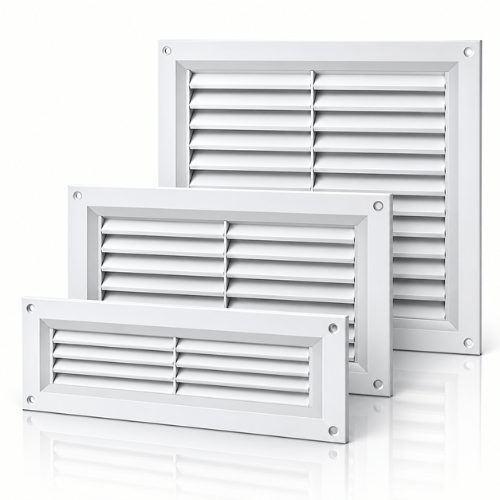
Ventilation grilles cover suitable openings while allowing air to pass through. They are available in different shapes, sizes and finishes. As a result, they can suit many domestic and commercial projects.
A ventilation grille may be fitted to a wall, door, panel or duct, depending on its design. Some products have fixed louvres, while others use adjustable parts to control the opening.
The louvred air vent cover with fixed flyscreen combines a plastic grille with mesh. The mesh helps keep insects out while the grille allows air to pass through. This makes it worth considering for suitable wall openings and other compatible applications.
You can also explore vent covers and an air vent cover to find a finish that suits the installation. Always check that the cover does not restrict the required air supply.
4. Airflow Solutions for Windows and Doors
A good window ventilation setup helps fresh air enter while allowing stale indoor air to escape through suitable openings. This can be useful in bedrooms, living rooms and other spaces that need regular air exchange.
House window vents are available in different styles to suit various frame designs. Similarly, plastic window vents offer a lightweight option for compatible installations.
If you are replacing old fittings, check whether the existing frame can accept the new product. Homes with UPVC windows with air vents may use different vent sizes and layouts, so measuring before shopping is essential.
A suitable air ventilation system for home use may include window vents, wall grilles and mechanical extraction where needed. These parts should work together rather than restrict one another.
How Are Ventilation Products Made?
The manufacturing process depends on the product type and material.
Plastic grilles and window vents are often made by moulding plastic into a set shape. Manufacturers then form the openings, louvres or moving parts. Some products include mesh to help stop insects from entering.
Air bricks may be made from clay, concrete or other suitable materials. The material is shaped to provide openings for air to pass through. Terracotta models offer a traditional finish, while plastic models can provide a lightweight alternative.
Manufacturers design each product for a specific use. Therefore, check the stated dimensions, material and intended application before choosing a fitting.
What Are the Main Advantages of Ventilation Products?
Suitable VENTILATION products offer several benefits:
- Better air exchange: They help fresh air enter and stale air leave.
- Improved comfort: Regular air exchange can make indoor spaces feel fresher.
- Humidity control: Suitable vents can support the management of indoor moisture levels.
- Insect protection: Selected grilles include mesh to help keep insects outside.
- Practical installation: Different sizes and styles suit a range of compatible openings.
- Flexible choices: You can select products for windows, doors, walls and other suitable locations.
However, a vent alone may not solve every indoor air problem. Bathrooms and kitchens often need suitable extract fans, while larger buildings may require a designed mechanical system.
How to Choose the Right Ventilation Products
Before you shop, consider where the product will be fitted and what you want it to do.
First, measure the opening carefully. Next, check the material and fitting method. Then, compare the product dimensions with your existing frame or wall opening.
It is also worth checking whether the product includes a flyscreen, adjustable louvres or a cover. These features can affect its suitability for your project.
For example, the 5000 AirFlow UPVC Trickle Vent for Windows & Doors in White may suit compatible window or door installations. Compare it with the Real PVC Plastic 300 mm and 400 mm trickle vents before making your choice.
If you need a wall grille, compare the Vent Axia terracotta airbrick with the plastic louvred grille with fixed flyscreen.
TradeBoxDirect offers a range of VENTILATION products for home improvements and trade projects. Compare the available options and select products that meet your requirements.
Frequently Asked Questions
1. How does ventilation work?
It allows fresh air to enter a building and stale air to leave. This can happen through natural openings or a mechanical system.
2. Are trickle vents useful for homes?
Yes. Suitable trickle vents provide background air exchange through compatible window or door frames. However, they may need to work alongside extract fans or other ventilation methods.
3. Can I fit an air brick myself?
Some simple replacements may be suitable for a competent DIY user. However, making a new opening in a wall can require specialist tools and professional advice. Always check for pipes, cables and structural concerns first.
4. What is the difference between an air brick and a ventilation grille?
An air brick is commonly used in a wall opening, while a grille can cover openings in walls, panels, doors or ducts. Their exact uses depend on the product design.
5. How often should I clean air vents?
Check them regularly and remove dust or debris when needed. Follow the manufacturer’s cleaning instructions, and do not block the openings.
6. Where can I buy ventilation products?
You can browse TradeBoxDirect’s ventilation range to compare air bricks, window vents, trickle vents and plastic grilles for your project.
Conclusion
Choosing suitable VENTILATION products helps support fresh indoor air and a more comfortable home. Air bricks, window fittings, trickle vents and grilles all serve different purposes, so it is important to match each product to the opening and intended use.
Whether you are updating a window, replacing a wall vent or planning a wider home improvement project, compare the sizes, materials and features before you buy. Explore the range at TradeBoxDirect to find practical options for your next installation.
Furniture Accessories: Types, Benefits and How to Choose the Right Products
Good furniture needs strong fittings and a neat finish. The right FURNITURE ACCESSORIES can help protect edges, hold panels together and improve the life of cabinets, desks and kitchen units. They are useful for home projects, office furniture and professional joinery.
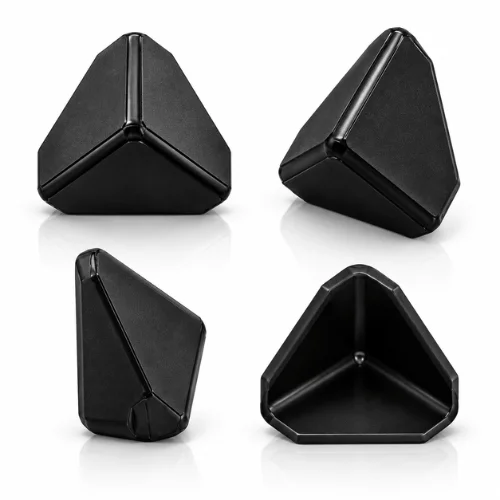
Moreover, small parts can make a big difference. Corner protectors help cover sharp edges, while modesty blocks support the joining of furniture panels. Therefore, choosing suitable fittings can make furniture safer, stronger and easier to maintain.
At TradeBoxDirect, you can explore a range of FURNITURE ACCESSORIES for different furniture projects. Whether you are repairing a cabinet or building a new kitchen, the right parts can help you achieve a tidy and lasting finish.
What Are Furniture Accessories?
FURNITURE ACCESSORIES are small parts used to build, join, protect or improve furniture. They include corner guards, panel connectors, hinges, brackets and other useful fittings.
For example, a Hinge allows a door to open and close. Similarly, a Shelf provides space for books, kitchen items or other goods. These parts help furniture work as it should.
In addition, furniture hardware can improve the look and strength of a finished item. As a result, these products are useful for furniture makers, installers, repair workers and DIY users.
1. Corner Protectors: Protect Furniture Edges
Corner protectors cover exposed corners on furniture panels. They can help reduce damage caused by knocks, bumps and daily use. Therefore, they are useful for cabinets, kitchen units, desks and storage furniture.
A plastic corner protector is a practical choice for many indoor projects. It is generally lightweight, easy to handle and simple to fit, depending on the design.
How Are Plastic Corner Protectors Made?
Manufacturers commonly make plastic protectors by moulding heated plastic into a set shape. Once the material cools, it forms a firm part that can cover a furniture edge. The exact process depends on the plastic and product design.
Before choosing a protector, check its size, shape and fixing method. It should fit the corner properly and suit the panel material.
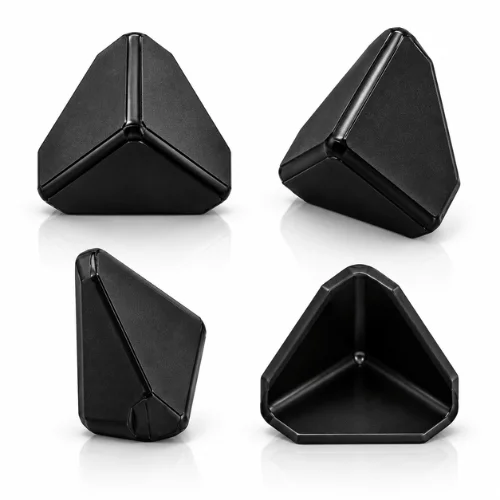
Product: Plastic Corner Protector – Black
The Plastic Corner Protector – Black is an option for projects that need a dark, neat edge finish.
Key benefits:
- Helps cover exposed furniture corners.
- Provides a neat black finish.
- Offers a practical option for furniture repairs.
- Suits projects where a dark fitting matches the design.
- Helps reduce everyday wear on vulnerable edges.
When shopping, compare the product dimensions with your furniture before placing an order. A correct fit helps the protector sit neatly in place.
2. Furniture Fittings for Stronger Joints
Furniture fittings help connect panels and hold furniture parts together. They are used in kitchen cabinets, wardrobes, desks, cupboards and many other items.
For example, brackets and connectors can help join panels. Meanwhile, suitable screws and other fittings can help keep parts secure. However, each fitting must suit the material, load and design of the furniture.
When selecting furniture hardware, consider the panel thickness, fixing points and required strength. This helps you choose parts that work well together.
3. Modesty Blocks: Simple Panel Connectors
Modesty blocks are small fittings used to join furniture panels, often at right angles. They are common in kitchen units, cabinets and other furniture assemblies.
A modesty block usually has a compact shape with fixing points for screws. Depending on its design, it may be made from plastic or another suitable material. The screws hold the block against the panels and help keep the joint in position.
What Are the Advantages of Modesty Blocks?
Modesty blocks offer several practical benefits:
- Easy assembly: They can help join panels without complex fittings.
- Neat finish: Their compact size helps keep joints tidy.
- Useful repairs: They can replace damaged connectors when the size and design match.
- Versatile use: They suit many cabinet and furniture projects.
- Convenient fitting: Many designs use standard screws for installation.
However, modesty blocks do not replace every type of structural connector. Always check the furniture design and the weight it needs to support.
Product: Modesty Blocks Kitchen Mod Block – Various Packs
The Modesty Blocks Kitchen Mod Block – Various Packs can be considered for kitchen and furniture assembly work.
These fittings are useful when you need to connect panels during installation or repair. Furthermore, pack options can help you select a quantity that suits your project.
Before you buy, check the available pack sizes, colour options and product details. This helps you order the correct number of fittings and avoid delays during assembly.
4. Mod Blocks for Kitchen and Cabinet Projects
Mod blocks, also known as modesty blocks in many furniture settings, help join panels and support a tidy assembly. They are useful for installers who need practical connectors for kitchen cabinets, cupboards and storage units.
To choose the right type, measure the panel thickness and identify the joint you need to make. Next, check the block dimensions and screw positions. Finally, make sure the fixing method suits the material.
These steps can help reduce fitting errors and improve the finished result.
5. How to Choose the Right Furniture Corner Protector
A furniture corner protector should match the corner it needs to cover. Otherwise, it may sit unevenly or fail to provide the intended protection.
Consider these points before shopping:
- Measure the corner: Check the panel thickness and corner shape.
- Choose a suitable material: Plastic is a common choice for lightweight indoor fittings.
- Match the colour: Black fittings can suit dark panels and modern furniture.
- Check the fixing method: Make sure the product can be secured as intended.
- Review the product details: Read the dimensions and fitting information before ordering.
In addition, think about where the furniture will be used. Kitchen units may face regular cleaning, moisture and changes in room conditions. Good care and correct fitting can help keep furniture in better condition.
6. Why Buy Furniture Accessories Online?
Shopping online makes it easier to compare fittings for different jobs. You can review product details, check available pack sizes and choose parts that suit your project.
TradeBoxDirect offers a dedicated category for FURNITURE ACCESSORIES, making it a useful starting point when sourcing fittings for repairs, installations or new furniture builds.
Before you order, prepare a list of the parts you need. Include the type, size, colour and quantity. This can help you avoid buying unsuitable fittings.
For tradespeople, buying the correct parts in suitable quantities can also save time during installation. DIY users can benefit too, as the right fittings help make small repair jobs easier to manage.
7. How to Fit and Maintain Furniture Accessories
Correct installation is important for a neat and secure result. First, clean the fitting area and remove loose dust or debris. Then, measure and mark the fixing points. Use suitable screws and tools, and avoid overtightening, as this may damage the panel or fitting.
For corner guards, check that each protector covers the intended edge. For modesty blocks, make sure the panels line up before tightening the screws.
Regular checks can also help. Look for loose fittings, cracked plastic or signs of wear. Replace damaged parts when needed. In rooms with limited airflow, check surrounding surfaces for condensation as part of normal furniture care.
If a fitting supports a heavy or load-bearing part, follow the furniture manufacturer’s instructions. A small connector should not be used beyond its intended purpose.
Frequently Asked Questions
1. What are furniture accessories used for?
FURNITURE ACCESSORIES help join panels, protect edges and improve the use of cabinets, desks, wardrobes and kitchen units. The right products can also make furniture easier to assemble and maintain.
2. What is a plastic corner protector?
A plastic corner protector is a moulded fitting designed to cover a furniture corner. It can help reduce everyday knocks and protect exposed edges from damage.
3. How do modesty blocks work?
Modesty blocks are fitted against adjoining furniture panels and secured with suitable screws. They help keep the panels joined in the required position.
4. Are modesty blocks suitable for kitchen cabinets?
Yes, many modesty blocks are designed for furniture assembly, including kitchen units. However, always check the product dimensions and fitting instructions before use.
5. How do I choose the right furniture hardware?
Check the material, dimensions, fixing method and purpose of each fitting. Also, make sure the product suits the furniture design and the load it must support.
6. Where can I buy furniture fittings online?
You can browse the TradeBoxDirect furniture accessories category to find products for furniture assembly, repairs and finishing work.
Conclusion
Small fittings can have a big impact on furniture quality. Corner protectors help cover exposed edges, while modesty blocks connect panels and support tidy assembly. By choosing the correct size, material and fixing method, you can improve the finish of kitchen units, cabinets and other furniture.
Explore the FURNITURE ACCESSORIES range at TradeBoxDirect to find practical products for your next project. Compare the available options, check the product details and choose fittings that meet your needs.
How to Choose the Right Screws for Woodworking and Construction
Choosing the right fixing can make every project stronger and easier to complete. Whether you are building furniture, fitting shelves or carrying out home repairs, the correct screw helps hold materials firmly in place. However, different jobs need different types of fixings. Therefore, it is important to understand their design, materials and uses before you start.
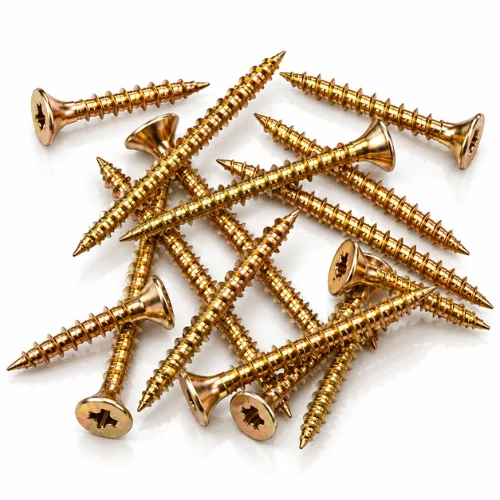
At TradeBoxDirect, you can explore a range of screws for woodworking, DIY and general building work. From furniture assembly to larger projects, choosing the right option can help you achieve a neat and reliable finish.
What Are Screws and How Do They Work?
Screws are threaded fixings that join two or more materials. They have a pointed end, a threaded body and a head that allows a suitable driver to turn them. As the screw enters the material, its threads grip the surface and help hold the parts together.
Unlike nails, screws can often be removed when repairs or changes are needed. In addition, they offer good holding power when the correct type and size are used.
Before starting a project, consider the material, the required strength and the finish you want. These factors will help you choose the right fixing for the task.
Understanding Different Types of Screws
Different projects need different designs. Therefore, knowing the main types can make shopping easier and help you avoid unsuitable products.
1. Countersunk Screws for a Neat Finish
Countersunk screws have a head shaped to sit level with, or slightly below, the surface when fitted correctly. This design is useful when a raised head could spoil the finish or get in the way.
They are often used in furniture, cupboards, wooden frames and general DIY work. Furthermore, the flat finish can make a completed project look cleaner.
For some materials, a countersunk hole or a small recess may be needed. Always check the material and screw design before fitting.
2. Wood Screws for Furniture and DIY
Wood screws are designed to grip timber and join wooden parts. Their threads help them bite into the wood, creating a firm connection when the correct size is selected.
Common uses include building shelves, fixing hinges, assembling cabinets and repairing wooden furniture. However, the length and thickness must suit the job. A screw that is too short may not grip well, while one that is too long could come through the other side.
For hardwood, a pilot hole can help reduce the risk of splitting. Softwood may need less preparation, although this depends on the screw and the timber.
3. Pozi Screws for Easier Driving
Pozi screws feature a cross-shaped drive with extra small ribs. This design helps the driver engage with the screw head when the correct bit is used.
They are common in furniture assembly, woodworking and general fixing tasks. In addition, using the right Pozi driver bit can help reduce slipping and damage to the head.
For the best result, keep the driver aligned with the screw. Apply steady pressure and avoid using a worn or incorrect bit.
4. Construction Screws for Building Projects
Construction screws are used for a range of building and installation tasks. Depending on their design, they may be suitable for timber framing, structural connections or general construction work.
However, not every screw is suitable for a load-bearing job. Always check the product specifications and use fixings approved for the intended application.
When working on a large project, consider the materials, expected loads and environment. For structural work, follow the relevant building guidance and manufacturer instructions.
5. Countersunk Wood Screws for Smooth Wooden Surfaces
Countersunk wood screws combine a wood-gripping thread with a head designed to sit neatly in the timber. They are useful when the finished surface needs to remain smooth.
These fixings work well for wooden panels, furniture, trim and many home improvement projects. Moreover, they can help reduce the chance of a screw head catching on clothing or nearby objects.
Choose a suitable length and check whether the timber needs a pilot hole before installation.
PRODUCT: Multi-Purpose Golden Pozi Countersunk Wood Screws
The Multi-Purpose Golden Pozi Countersunk Wood Screws are a practical option to consider for everyday woodworking and DIY tasks.
Their golden finish gives the fixings a distinct appearance, while the Pozi drive is designed for use with a matching driver bit. In addition, the countersunk head helps create a neat finish when fitted correctly.
What Are the Main Advantages?
- Neat finish: The countersunk head can sit level with the timber surface.
- Useful drive design: The Pozi head works with a suitable Pozi screwdriver or driver bit.
- Versatile applications: Multi-purpose wood fixings can be useful for furniture, shelves and other suitable timber projects.
- Smart appearance: The golden finish can complement certain woodwork and fittings.
- Practical for DIY: They are worth considering for home repairs and general woodworking.
Actual performance depends on the screw size, the timber and the way it is fitted. Therefore, check the available product specifications before choosing a pack.
How Are Golden Pozi Countersunk Wood Screws Made?
These fixings are generally produced from metal wire or another suitable metal stock. The material is shaped to form the screw body and head. Next, threads are formed along the body, and the drive recess is created in the head.
A suitable surface treatment is then applied to achieve the specified golden finish. Finally, the screws are checked and packed for sale.
The precise manufacturing method and coating depend on the product. Check the manufacturer’s information for confirmed material and finish details.
Where Can You Use This Product?
These fixings may suit many everyday timber tasks, such as assembling furniture, attaching wooden panels and completing small repairs. However, suitability depends on the selected size and the materials being joined.
For outdoor use or areas exposed to regular wet conditions, confirm that the finish provides the protection required. A golden appearance alone does not confirm that a screw is suitable for outdoor use.
You can view the Multi-Purpose Golden Pozi Countersunk Wood Screws to review the product details and select an option that suits your project.
How to Choose the Right Screws for Your Project
Before you buy, take a few simple steps to make the right choice.
- Identify the material. Timber, metal and masonry may need different types of fixings.
- Check the size. Select a length and diameter that suit the materials being joined.
- Choose the correct head. A countersunk head can provide a smooth finish, while other head styles may suit different tasks.
- Match the driver. Use the correct Pozi or other driver bit to reduce slipping.
- Check the finish. Consider the conditions where the fixing will be used, including exposure to moisture.
- Review the product details. Check the pack size, dimensions and recommended applications before placing an order.
Good preparation can save time and reduce waste. For example, drilling a suitable pilot hole can make installation easier and help prevent timber from splitting.
Why Shop for Screws at TradeBoxDirect?
Finding the right fixing is easier when you can compare suitable options in one place. TradeBoxDirect offers a dedicated screws category for customers carrying out DIY, woodworking and building projects.
Whether you need wood fixings for a small home repair or construction fixings for a larger job, review the product details before ordering. Also, check that the head type, size and finish match your requirements.
For a specific timber project, explore the golden Pozi countersunk wood screw product page. This allows you to review the available information before deciding which fixings to purchase.
Frequently Asked Questions
1. What are countersunk screws used for?
They are used when the screw head needs to sit level with, or below, the surface. Common uses include furniture, wooden panels and cupboards.
2. Are wood screws suitable for all types of timber?
Not always. The best choice depends on the timber type, its thickness and the job. Hardwoods may need a pilot hole, while other woods may be easier to work with.
3. What is the difference between Pozi and Phillips screws?
Both use cross-shaped drives, but their recess designs differ. A Pozi screw has extra ribs that help distinguish it from a Phillips screw. Use the matching driver bit for the best fit.
4. Can countersunk wood screws be used for outdoor projects?
Some can, but not all. Check the coating, material and manufacturer’s guidance to confirm whether the screw is suitable for outdoor exposure.
5. What are construction screws used for?
They are used for various building and installation tasks. The exact application depends on the screw’s design and rating. Structural work requires fixings approved for the intended loads.
6. How do I prevent wood from splitting when fitting screws?
Choose the correct screw size, avoid placing fixings too close to an edge and drill a suitable pilot hole when needed. Also, avoid overtightening the screw.
7. How do I choose the right screw length?
The screw should provide enough grip in the receiving material without passing through an unwanted surface. Check the thickness of both parts and follow the product guidance.
Conclusion
Choosing suitable fixings is an important part of woodworking, DIY and construction. Head shape, thread design, length and finish all affect how well a screw performs. Therefore, take time to match the product to the material and task.
From wood and Pozi fixings to countersunk options, TradeBoxDirect provides a category where you can explore products for different projects. If you need a versatile option for suitable timber applications, consider the Multi-Purpose Golden Pozi Countersunk Wood Screws. Review the product specifications, choose the right size and prepare the material carefully for a neat, secure result.
What Is a Tile Levelling System and How Does It Work?
A neat tile finish can change the look of any room. However, uneven tiles can spoil the result. They may create raised edges, uneven lines and a surface that feels rough underfoot. Therefore, choosing the right tools is important for a clean and professional finish.
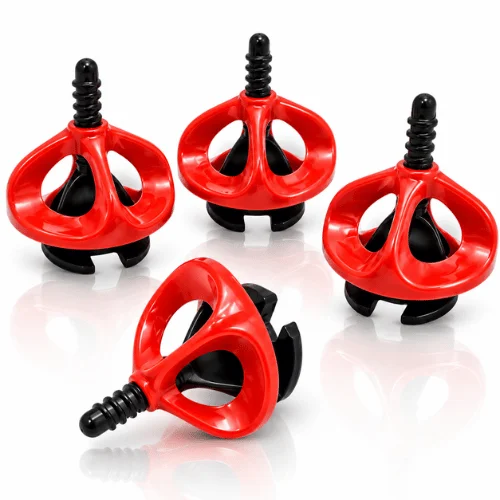
A tile leveling system helps keep tiles level with one another while the adhesive sets. It is useful for floor tiling in kitchens, bathrooms, hallways and other areas. Moreover, it can help both DIY users and professional tilers achieve a more even finish with less effort.
If you plan to install new tiles, you should understand how tile spacers, levelling clips and twisting nuts work together. This guide explains their uses, benefits, materials and buying options. It also introduces the Tile Spacer Levelling System 2mm Floor Twister Spacer Screws + Red Twister Nuts from TradeBoxDirect.
What Is a Tile Levelling System?
A tile leveling system is a set of tools that helps align nearby tiles during installation. It holds their edges at a similar height and helps create even grout lines. As a result, the finished floor can look smoother and more consistent.
A typical system includes a base spacer, a threaded screw or stem, and a tightening nut. The base sits between the tiles, while the nut applies pressure to help align their surfaces.
These parts work alongside tile adhesive and standard tiling tools. However, the system does not replace careful preparation. The floor must still be clean, stable and suitable for the chosen tiles.
How Is a Tile Levelling System Made?
The parts are usually made from durable plastic. Manufacturers shape the base spacers and threaded components to fit together. They also design the nut so it can turn by hand and apply pressure to the tiles.
The design depends on the product. Some systems use reusable clips and wedges, while others use threaded spacers and twisting nuts.
For example, the Tile Spacer Levelling System 2mm Floor Twister Spacer Screws + Red Twister Nuts uses a twisting design. The spacer sets the joint width, while the nut helps hold the tile edges in alignment.
When selecting a product, check its size, instructions and suitability for your tiles. The parts must be compatible with the tile thickness and the installation method.
What Are Tile Levelling Spacers Used For?
Tile levelling spacers help keep tiles aligned as the adhesive begins to set. They are especially useful when you want a consistent finish across a large floor.
Here are their main uses:
- Even tile height: They help reduce differences between neighbouring tile edges.
- Consistent grout lines: They maintain a regular gap between tiles.
- Better alignment: They help keep rows straight during installation.
- Less adjustment: They can reduce the need to reposition tiles by hand.
- A cleaner finish: They support a neat appearance when used correctly.
However, the final result also depends on the tile quality, adhesive coverage and floor preparation. Therefore, always check the alignment as you work.
Tile Spacers vs Floor Tile Spacers
Tile spacers come in different sizes and designs. Standard spacers mainly maintain the gap between tiles, while levelling spacers also help align their top edges.
Floor tile spacers are useful for maintaining even joints across tiled floors. The correct joint size depends on the tile type, the manufacturer’s guidance and the finish you want.
A 2mm spacer can suit installations where a narrow grout line is required. Nevertheless, not every tile should use a 2mm gap. Some tiles need wider joints because of their size, shape or surface finish.
A spacer creates a gap between two objects. In tiling, this gap provides room for grout and helps keep the layout consistent.
PRODUCT: Tile Spacer Levelling System 2mm Floor Twister Spacer Screws + Red Twister Nuts
If you need tools for a floor tiling project, consider the Tile Spacer Levelling System 2mm Floor Twister Spacer Screws + Red Twister Nuts.
This product combines 2mm spacing with a twisting nut design to help align neighbouring tiles during installation. It can be a useful addition to a DIY toolkit or a professional tiler’s equipment.
You can view the product and check its details here:
Shop the Tile Spacer Levelling System 2mm Floor Twister Spacer Screws + Red Twister Nuts
Before you buy, review the pack quantity, instructions and compatibility details on the product page. Also, confirm that the 2mm joint suits your chosen tiles.
How Does a Tile Levelling System Work?
Using the system is straightforward when you follow the correct steps.
1. Prepare the floor
Make sure the floor is clean, dry where required and stable. Remove dust and loose material before spreading the adhesive.
2. Apply the adhesive
Spread the correct tile adhesive using the recommended method. Follow the manufacturer’s instructions for application and curing.
3. Place the first tile
Position the tile carefully. Use a level to check its height and alignment before moving to the next tile.
4. Insert the spacers
Place the levelling spacers between the tiles as directed. Keep them in the correct position and maintain the planned joint width.
5. Tighten the nuts
Turn the red twister nuts by hand according to the product instructions. Apply even pressure without overtightening, as excessive force may move or damage the tiles.
6. Check the surface
Inspect the surface regularly. Check the tile height, grout gaps and alignment before the adhesive sets.
7. Remove the system
Remove the components at the stage specified by the manufacturer. Do not grout until the adhesive has cured as directed and the joints are ready.
What Are the Advantages of a Tile Levelling System?
A tile levelling system offers several benefits when used correctly.
1. A more even finish
The system helps reduce lippage, which occurs when one tile edge sits higher than the next.
2. More consistent joints
The spacers help maintain the planned gap, making the floor easier to grout neatly.
3. Easier installation
The twisting mechanism can make tile alignment easier, particularly across larger areas.
4. Useful for DIY projects
Homeowners can use these tools to support a more controlled installation, provided they follow the correct tiling methods.
5. Better results with suitable tools
When combined with a level, measuring tools and the correct adhesive, the system can help improve the overall finish.
Even so, it cannot correct a badly prepared floor or make unsuitable tiles perfectly flat.
Which Tiling Tools Should You Buy?
Before shopping for tiling tools, consider the size of your project and the type of tiles you plan to install.
You may need a tile cutter, notched trowel, tape measure, spirit level, grout float and cleaning sponge. In addition, choose tile spacers that match the required joint width.
Check that each component is compatible with your tiles and the levelling system. Also, inspect the tile edge to understand whether the tile design needs a particular joint size.
For more flooring products, spacers and related accessories, visit the TradeBoxDirect Flooring and Tiles category.
When comparing products, consider ease of use, material strength, pack size and value for money. The right choice can help you complete the job with fewer interruptions.
Tips for Getting the Best Results
First, prepare the floor before laying any tiles. Next, use the correct adhesive and follow its instructions. Keep checking the tile height as you work rather than waiting until the whole floor is covered.
Avoid tightening the nuts too much, as this may disturb the tiles. In addition, check the recommended temperature and curing conditions for the adhesive. Use the system at the required frequency during installation, and maintain control over tile alignment as you move across the room.
Finally, remember that the levelling system supports the process; it does not replace good workmanship.
Frequently Asked Questions
1. What is a tile levelling system used for?
It helps align neighbouring tiles and reduce differences in height while the adhesive sets. It can also help maintain consistent joints.
2. Are tile levelling spacers suitable for beginners?
Yes. They can help beginners manage tile alignment. However, correct floor preparation, adhesive selection and careful measuring remain essential.
3. Can I use 2mm floor tile spacers for every tile?
No. A 2mm joint may suit some tiles, but the correct gap depends on the tile type, size and manufacturer’s guidance.
4. How do twisting nuts work?
The nuts turn onto the threaded parts of the system. When tightened correctly, they apply pressure to help align nearby tile edges.
5. Can a tile levelling system prevent all uneven tiles?
No. It can reduce lippage, but it cannot fix an uneven base, poor adhesive coverage or significant differences in tile shape.
6. Where can I buy a tile levelling system?
You can view the Tile Spacer Levelling System 2mm Floor Twister Spacer Screws + Red Twister Nuts on TradeBoxDirect. Check the product details and suitability before placing an order.
Conclusion
A tile levelling system can make floor tiling more manageable by helping keep neighbouring tiles aligned and grout joints consistent. It is useful for DIY projects and professional work, especially when you want a neat, even finish.
However, good results also depend on floor preparation, suitable adhesive and careful installation. Choose the correct spacer size for your tiles and follow the manufacturer’s instructions throughout the job.
If you are planning a flooring project, explore the TradeBoxDirect Flooring and Tiles category and compare the available products. The right tools can help you work with greater confidence and achieve a tidy, long-lasting tiled floor.
THERMOSTATS: A Guide to Programmable, Wireless and OpenTherm Heating Controls
Choosing the right heating system can make a home more comfortable and help manage energy use. Modern THERMOSTATS offer simple ways to set heating times, adjust room settings and improve everyday comfort. Moreover, different models suit different homes, budgets and heating systems.
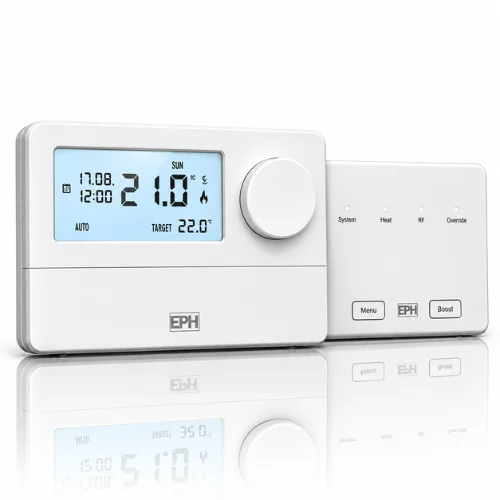
Whether you are upgrading an old heating setup or fitting a new boiler, it helps to understand the options. For example, a programmable thermostat lets you plan heating periods, while a wireless thermostat offers more freedom when choosing where to place the room unit.
At TradeBoxDirect, you can explore a range of THERMOSTATS for domestic heating projects. This guide explains how these devices work, their main benefits and what to consider before you shop.
What Are THERMOSTATS and How Do They Work?
THERMOSTATS are devices that help manage a heating system by checking the room’s temperature and asking the boiler or heating equipment to respond when needed.
Most models let you choose a target setting. When the room becomes cooler than the chosen level, the device can request heat. Once the room reaches the desired setting, it can reduce or stop that request, depending on the system.
However, the exact features depend on the model. Some offer basic settings, while others include timed programmes, wireless communication and advanced boiler functions.
These devices can also support better energy habits. For instance, you can set heating to run when people are at home instead of keeping it on all day. As a result, you may reduce wasted energy without losing comfort.
Types of THERMOSTATS for Modern Homes
Different heating needs call for different products. Therefore, it is worth comparing the main options before making a purchase.
1. Programmable Thermostat
A programmable thermostat allows you to set heating times for different parts of the day. For example, you might schedule heating before you wake up and again before you return home.
This option suits busy households because it follows a planned routine. In addition, it can help prevent unnecessary heating when rooms are not in use.
When shopping, check how many daily settings the model supports and whether its schedule fits your routine.
2. Wireless Thermostat
A wireless thermostat communicates with a compatible receiver without needing a wired connection between the room unit and the receiver. This can make placement more flexible and may simplify some installation work.
A wireless room thermostat can be useful when you want to position the unit in a suitable living area rather than beside the boiler.
However, wireless does not always mean internet-connected. Many models use a radio signal to communicate with their receiver and work without a home Wi-Fi connection.
3. RF Thermostat
An RF thermostat uses radio communication to send heating requests to a compatible receiver. RF stands for radio frequency, which allows the room unit and receiver to communicate without a direct cable between them.
A programmable RF thermostat combines this wireless link with timed heating schedules. Consequently, it offers both flexible placement and planned heating periods.
Before you buy, check the receiver requirements, operating range and compatibility with your heating system.
4. Smart Thermostat
A smart thermostat may offer app-based settings, remote access and other connected features. Depending on the model, you may be able to change heating settings while away from home.
Some smart products also provide usage information and automatic schedules. Nevertheless, not every wireless model is smart, so check the product details carefully before shopping.
5. OpenTherm Thermostat
An OpenTherm thermostat can communicate with a compatible boiler using the OpenTherm protocol. Unlike a basic on/off connection, a supported OpenTherm setup may allow the thermostat to request changes in the boiler’s heat output.
This can help the boiler respond more closely to the home’s heating needs. However, both the boiler and thermostat must support the relevant OpenTherm functions.
For buyers seeking timed heating and wireless communication, the EPH CP4D is one product worth considering.
Product Spotlight: EPH – CP4D OpenTherm Programmable RF Thermostat
The EPH – CP4D OpenTherm Programmable RF Thermostat combines programmable heating schedules, RF communication and OpenTherm functionality. It is designed for compatible heating systems where these features meet the installation requirements.
Explore the product: EPH – CP4D OpenTherm Programmable RF Thermostat
What Are the Main Benefits?
- Planned heating: Set heating periods to suit your daily routine.
- Wireless communication: Place the room unit more flexibly, subject to the product’s operating range.
- Boiler compatibility: OpenTherm communication may support more responsive heating when paired with a suitable boiler.
- Everyday convenience: Use scheduled settings instead of making repeated manual changes.
- Practical home upgrades: It can be worth considering when replacing an older heating unit.
The best results depend on correct installation and compatible equipment. Therefore, check the manufacturer’s instructions before purchasing the EPH CP4D.
How Are Wireless and Programmable Heating Devices Made?
These devices contain electronic parts that read room conditions, process user settings and send heating requests. A typical wireless model includes a room unit, electronic sensors, a power source and a transmitter. Its matching receiver connects to the heating system.
A programmable model also contains a clock and memory for storing schedules. In addition, an OpenTherm model includes communication electronics that exchange supported heating requests with a compatible boiler.
Manufacturers assemble and test these parts to help ensure reliable operation. However, the exact design varies by model, so always refer to the product specifications for technical details.
How Can THERMOSTATS Help Manage Heating Costs?
Good heating habits can help reduce wasted energy. First, set heating times around your normal routine. Next, avoid heating empty rooms unnecessarily where your system allows it. Also, keep doors and windows closed while heating is running.
The right heating controls make these habits easier to follow. However, savings depend on insulation, the boiler, household routines and energy prices. No device can guarantee a specific reduction in bills.
When comparing products, check the supported settings, receiver type, power requirements and boiler compatibility. You should also review the manufacturer’s guidance on operating frequency and signal range where relevant.
Good control of heating settings can improve comfort, but correct setup matters just as much.
How to Choose the Right Product
Before you shop for a new heating device, consider these points:
- Heating system: Confirm whether your boiler supports on/off switching or OpenTherm.
- Installation: Check whether you need a wired unit, wireless receiver or professional fitting.
- Scheduling: Choose a model that matches your daily routine.
- Connectivity: Decide whether basic RF communication or internet-based features suit your needs.
- Budget: Compare product features and installation costs rather than choosing on price alone.
A wireless heating thermostat may suit a home that needs flexible placement. Meanwhile, an OpenTherm model may be a better fit for a compatible boiler that supports modulation.
You can THERMOSTATS to compare available options for your project.
Frequently Asked Questions
1. What is the difference between a programmable and a smart thermostat?
A programmable model lets you set heating schedules. A smart model may add app access, remote changes and connected features. Some products offer both functions, but features vary.
2. Does a wireless thermostat need Wi-Fi?
No. Many wireless models use RF communication between the room unit and receiver. Wi-Fi is usually needed only for features that rely on an internet connection.
3. Is an OpenTherm thermostat compatible with every boiler?
No. The boiler must support OpenTherm, and the wiring and installation must match the manufacturer’s requirements. Check compatibility before buying.
4. Can a programmable RF thermostat help reduce energy use?
It can help by scheduling heating for the times you need it. However, actual savings depend on your home, heating system and daily habits.
5. Is the EPH CP4D suitable for my heating system?
The EPH CP4D may suit installations that support its programmable RF and OpenTherm functions. Check the product specifications and your boiler’s compatibility before placing an order.
6. Where can I buy heating products online?
You can browse the THERMOSTATS and review individual product details before choosing a suitable option.
Conclusion
Choosing the right heating device can make daily heating simpler and more efficient. From basic programmable models to wireless and OpenTherm options, each type offers different features for different needs.
Before you buy, check your boiler’s compatibility, required installation method and preferred schedule. The EPH CP4D OpenTherm Programmable RF Thermostat is worth considering if you need programmable settings, RF communication and support for a compatible OpenTherm system.
Explore the available THERMOSTATS to find a suitable option for your home or heating project.
How to Choose the Right Loft Insulation for a Warmer, More Energy-Efficient Home
A warm home is more comfortable and can cost less to heat. However, heat often escapes through the roof when a loft lacks proper insulation. Therefore, choosing the right materials is an important step towards improving energy efficiency.
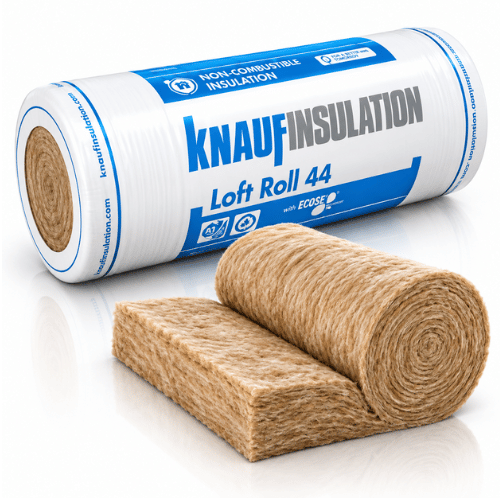
INSULATION helps slow heat loss and keeps indoor temperatures more stable. It can also reduce the need for heating during cold months. Whether you are improving an existing property or working on a new build, the right product can make a real difference.
Homeowners, builders and tradespeople can explore loft insulation products to find suitable materials for their projects. One option worth considering is Knauf Loft Roll 44 – Combi Cut, which offers a practical solution for many loft spaces.
Why Is Loft Insulation Important?
Warm air rises, so heat can escape through an uninsulated roof. As a result, your heating system may need to work harder to keep rooms warm.
Good roof insulation helps reduce this heat loss. It can also improve comfort throughout the year. In winter, it helps keep warmth inside. During warmer weather, it can help slow heat entering the home, although ventilation and other building features also affect summer comfort.
The benefits include:
- Lower heat loss through the roof.
- Better indoor comfort during colder months.
- Reduced demand for home heating.
- Support for improved household energy efficiency.
- A practical upgrade for many existing properties.
However, the final results depend on the building, the amount of insulation installed and the quality of the work.
Understanding Thermal Insulation and Loft Rolls
thermal insulation works by slowing the movement of heat between areas with different temperatures. Insulation materials often trap small pockets of air, which helps reduce heat transfer.
A loft roll is a popular choice because it comes in a flexible form. Installers can lay it between and, where suitable, across ceiling joists. This helps cover large areas without fitting many separate rigid boards.
When choosing attic insulation, consider the loft layout, joist spacing, required thickness and intended use of the space. You should also check whether the loft needs to remain accessible for storage or maintenance.
What Is Knauf Loft Roll 44 – Combi Cut?
Knauf Loft Roll 44 – Combi Cut is a mineral wool product designed for loft insulation. Its stated thermal conductivity is 0.044 W/mK, which helps explain how well the material resists heat flow.
This product is suitable for projects where flexible insulation is needed. However, buyers should check the product details, dimensions and installation guidance before ordering to ensure that it meets their requirements.
How Is Knauf Loft Roll Made?
Mineral wool insulation is generally made by melting mineral raw materials at high temperatures. Machines then turn the molten material into fine fibres. These fibres form a wool-like structure that traps air and helps slow heat transfer.
Manufacturers bind the fibres together and process them into suitable forms, such as rolls or slabs. The finished product is checked against relevant performance and quality requirements.
The precise manufacturing process and formulation can vary. Therefore, consult the manufacturer’s technical information for product-specific details about Knauf insulation.
What Are the Advantages of Knauf Loft Roll 44?
There are several reasons why builders and homeowners may consider this type of loft roll insulation.
1. Helps reduce heat loss
The mineral wool structure slows heat transfer through the ceiling. Consequently, the home may retain warmth for longer when the insulation is correctly installed.
2. Flexible and practical
Rolls can be easier to transport and position across large loft areas than some rigid products. They can also be cut to suit suitable spaces, following the manufacturer’s instructions.
3. Supports energy efficiency
Using suitable energy saving insulation may reduce heating demand. Actual savings depend on the property’s current condition, heating system, energy prices and installation quality.
4. Suitable for many loft projects
A suitable loft insulation roll can help improve existing homes and new buildings. Still, installers must check the roof design, required thickness and ventilation needs before work begins.
5. Practical for professional projects
Builders and tradespeople can compare Knauf loft insulation with other materials to select a suitable option for the job.
How to Choose Insulation for a Loft
Before you shop for insulation for loft projects, check the space and the product specifications.
First, measure the loft area to estimate how much material you need. Next, check the recommended insulation thickness and the number of layers required. Also, review the joist spacing and any obstacles, such as pipes, cables and roof supports.
You should also consider moisture control. Water entering through a damaged roof can affect building materials and reduce the performance of some insulation systems. Read the guidance on moisture to understand the term and its meaning.
Good airflow is also important in a loft. Do not block ventilation paths at the eaves, and follow the appropriate installation guidance. Poor ventilation and excess water vapour can contribute to condensation, which may lead to damp problems.
If you plan to use the loft for storage, check whether the floor needs a raised system to maintain the required insulation depth. Never compress insulation unnecessarily, as this can reduce its thermal performance.
Where Can You Buy Loft Roll Insulation?
Choosing a reliable supplier makes it easier to compare products and find suitable materials for your project. You can browse the insulation category to review available options for home improvements and building work.
For a specific product, view Knauf Loft Roll 44 – Combi Cut. Check its technical details, dimensions and delivery information before placing an order.
When shopping, compare the total cost, the amount of material required and the expected installation needs. Buying the correct quantity can help reduce waste and avoid delays. For larger projects, a qualified installer can help estimate the materials and confirm whether the product suits the building.
Frequently Asked Questions
1. What is loft insulation used for?
It helps slow heat loss through the ceiling and roof. As a result, the home may stay warmer in winter and need less heating.
2. Is Knauf Loft Roll 44 suitable for every loft?
Not always. Suitability depends on the roof structure, available space, ventilation, required thermal performance and intended loft use. Check the manufacturer’s guidance before installation.
3. How does mineral wool insulation work?
Mineral wool contains fine fibres that trap pockets of air. This structure slows heat transfer and helps improve thermal performance.
4. Can loft insulation help reduce energy bills?
Yes, it can help lower heating demand when the home currently loses a lot of heat through the roof. However, savings vary with the property, energy use and installation quality.
5. How do I calculate how much loft roll I need?
Measure the length and width of the area and multiply them to find the floor area. Then compare this figure with the product’s coverage information. Allow for the loft layout and follow the manufacturer’s advice.
6. Does insulation stop condensation?
No. Insulation alone cannot prevent condensation in every situation. Good ventilation, suitable moisture control and proper roof maintenance are also important.
7. Can I install loft insulation myself?
Some straightforward loft projects may suit a competent DIY installer. However, you must follow safety guidance, protect electrical equipment, avoid blocking ventilation and use suitable protective clothing. Seek professional advice if you are unsure.
Conclusion
Choosing suitable insulation is a practical way to improve home comfort and reduce unwanted heat loss. Loft rolls offer a flexible option for many projects, while correct thickness, careful fitting and good ventilation help support long-term performance.
Knauf Loft Roll 44 – Combi Cut is worth considering when comparing mineral wool products for a loft. Before you buy, review the product specifications and check that it suits your building. You can then make a more informed choice for your next home improvement or building project.
Plumbing Supplies: A Complete Guide to Pipe Stiffener Inserts, Uses and Benefits
Good plumbing starts with the right parts. Pipes carry water around homes and buildings, while fittings help create secure connections. However, some pipe types need extra support at their ends. This is where pipe stiffener inserts play an important role.
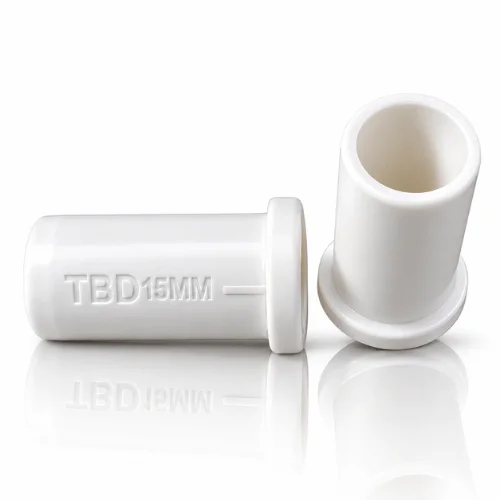
When choosing Plumbing Supplies, it is useful to understand how each part works. Pipe inserts help support suitable plastic pipes when used with the correct compression fittings. They can improve the stability of the pipe end and help the fitting form a secure connection.
Whether you are a plumber, a builder or a homeowner, choosing the right parts can make plumbing work easier. Therefore, knowing the different sizes, materials and uses can help you make a better buying decision.
What Are Pipe Inserts and How Do They Work?
Pipe inserts are small components that fit inside the ends of suitable plastic pipes. They support the pipe wall when a fitting is tightened. As a result, they help reduce the risk of the pipe wall deforming under compression.
A plastic pipe insert is often made from a strong material designed to provide internal support. Its shape allows it to fit inside the pipe without blocking the normal flow of water.
During installation, the correct insert is pushed into the pipe end. The pipe is then connected to the relevant fitting according to the manufacturer’s instructions. This helps create a reliable joint when the parts are correctly selected and fitted.
When shopping for Plumbing Supplies, always check the pipe size and fitting requirements before placing an order.
How Are Pipe Stiffener Inserts Made?
Manufacturers produce pipe inserts using materials that offer strength, durability and resistance to normal plumbing conditions. Depending on the product, these may include suitable engineering plastics or metal.
The manufacturing process usually involves several steps:
- Material selection: The manufacturer chooses a material that suits the intended plumbing use.
- Shaping: The material is formed into the required size and design.
- Finishing: The insert is checked to help ensure a suitable fit inside the intended pipe.
- Quality checks: Manufacturers inspect the finished parts to check their dimensions and general quality.
The exact process depends on the product design and material. Therefore, buyers should review the product details instead of assuming that every insert has the same construction.
What Are the Benefits of Plastic Pipe Fittings and Inserts?
Plastic pipe fittings are widely used in plumbing systems because they are often light, easy to handle and simple to install. In addition, the right supporting insert can help a suitable pipe maintain its shape inside a compression joint.
Here are some key benefits:
- Better pipe support: An insert supports the pipe wall where the fitting applies pressure.
- More reliable connections: Correctly selected components can help reduce problems caused by pipe deformation.
- Easy handling: Many inserts are small and simple to fit during routine plumbing work.
- Practical maintenance: Replacing a damaged component may be easier than replacing a longer section of pipe, depending on the fault.
- Useful for different projects: Suitable products can serve domestic repairs, property maintenance and plumbing installations.
However, an insert cannot correct every installation problem. A damaged pipe, the wrong fitting or poor installation may still cause leaks. Always follow the instructions supplied with the plumbing components.
Choosing a 15mm Pipe Insert for Your Project
A 15mm pipe insert is commonly used with suitable 15mm plastic pipe systems. It helps support the pipe end when the relevant fitting is installed.
For example, a plumber working on a domestic water supply may need inserts for pipe connections during a repair or new installation. Choosing the correct size helps ensure that the insert fits properly and performs its intended role.
Before ordering, check the pipe material, the required insert size and the fitting manufacturer’s guidance. Also, confirm that the product is suitable for the system’s operating conditions.
If you need a practical option for your next project, explore the 15mm Pipe Stiffener Insert from TradeBoxDirect. Review the available pack options to find the quantity that suits your job.
When Should You Use a 22mm Pipe Stiffener Insert?
A 22mm insert is designed for suitable 22mm plastic pipe systems. It serves the same basic purpose as a smaller insert, but its dimensions suit a different pipe size.
For this reason, never assume that a 15mm insert will work in a 22mm pipe, or the other way around. Correct sizing matters because the insert must support the pipe wall properly.
The 22MM PIPE STIFFENER INSERT is an option to consider when your plumbing project requires a suitable 22mm insert. Check the product specifications before ordering to confirm that it meets your installation needs.
How to Choose the Right Plumbing Fittings
Selecting the right plumbing fittings is an important step in any plumbing project. Although two products may look similar, they may not suit the same pipe material or connection type.
Use these simple checks before you buy:
- Check the size: Match the insert to the pipe’s stated size.
- Confirm the material: Make sure the insert suits the pipe and fitting system.
- Review the instructions: Follow the manufacturer’s installation guidance.
- Consider the application: Check pressure, temperature and water-system requirements.
- Inspect the pipe: Make sure the pipe end is clean, undamaged and prepared as instructed.
A neat cut and a clean surface can help you prepare the pipe correctly. Also, check the edge for damage before fitting the insert. The insert must be compatible with the intended pipe system and fitting.
For more options, browse the Plumbing Supplies category at TradeBoxDirect. You can compare pipe inserts, plastic pipe fittings and other plumbing components in one place.
Why Buy Plumbing Supplies from TradeBoxDirect?
Finding the right components from one supplier can save time during project planning. TradeBoxDirect offers a range of plumbing products for trade professionals, maintenance teams and DIY users.
When shopping online, check the product description, available pack sizes and intended application. This helps you order the correct parts and avoid unnecessary delays.
Whether you need a single replacement component or a larger pack for regular jobs, compare the available options before you buy. Choosing suitable Plumbing Supplies can help you prepare for repairs, upgrades and new installations with greater confidence.
Frequently Asked Questions
1. What is a pipe stiffener insert used for?
A pipe stiffener insert supports the inside wall of a suitable plastic pipe. It helps reduce deformation when the pipe is secured with the correct compression fitting.
2. Can I use a 15mm insert in a 22mm pipe?
No. These sizes are designed for different pipe dimensions. Always select an insert that matches the intended pipe system.
3. Are pipe inserts needed for every plastic pipe fitting?
Not always. The need for an insert depends on the pipe material, fitting type and manufacturer’s instructions. Check the requirements before installation.
4. How do I fit a plastic pipe insert?
Prepare the pipe as instructed, check that the end is undamaged and push the correct insert into place. Then install the fitting according to the manufacturer’s guidance.
5. Where can I buy pipe stiffener inserts online?
You can shop for pipe inserts through TradeBoxDirect. Review the 15mm and 22mm product pages to select the correct size and pack quantity.
6. What should I check before buying plumbing components?
Check the pipe size, material, fitting type and system requirements. Reading the product specifications can help you avoid ordering unsuitable parts.
Conclusion
Pipe stiffener inserts are small but useful components in suitable plastic pipe systems. They support the pipe wall and help the correct compression fitting form a secure connection. However, the right size and correct installation are essential.
When comparing Plumbing Supplies, consider the pipe material, insert dimensions and fitting requirements. TradeBoxDirect offers options such as the 15mm and 22mm Pipe Stiffener Inserts, making it easier to find products for your next plumbing task.
Explore the product details, compare pack options and choose the components that suit your project. With careful selection and correct installation, you can help create reliable plumbing connections for domestic and trade applications.
Dishwasher Detergent: How to Choose the Right Cleaning Products
Keeping dishes clean is an important part of every kitchen. Whether you run a busy restaurant, manage a café or wash dishes at home, the right cleaning product can make the job easier. It helps remove food marks, oil and grease while leaving plates, cups and cooking tools ready for use.
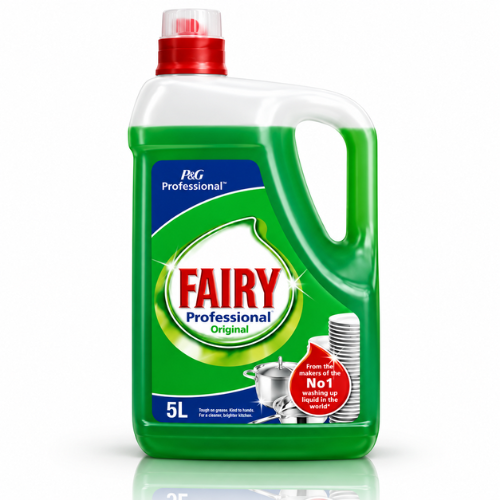
Choosing the right Dishwasher detergent is important for good cleaning results. However, not every washing product works in the same way. Some products are made for automatic dishwashers, while others are designed for washing dishes by hand. Therefore, knowing the difference can help you choose the right product for your needs.
What Is Dishwasher Detergent?
Dishwasher detergent is a cleaning product used to remove food, oil and stains from dishes. Its cleaning agents help loosen dirt so that water can wash it away.
Products for automatic dishwashers are made for machine washing. In contrast, washing-up liquids are usually designed for hand washing. Using the correct product helps protect your dishes and cleaning equipment.
If you need cleaning products for a home or business, explore the dishwasher detergent at TradeBoxDirect.
How Does Dishwasher Detergent Work?
The cleaning process depends on the product and how you use it. In an automatic dishwasher, water mixes with the cleaning agent and moves around the machine. Heat, water pressure and cleaning ingredients work together to remove food and grease.
For hand washing, the process is different. You add a suitable washing-up liquid to water or apply it as directed on the label. Then, you wash the dishes with a sponge or cloth and rinse them well.
A good cleaning product can offer several benefits:
- Helps remove food and grease.
- Makes everyday dishwashing easier.
- Supports better kitchen hygiene when used correctly.
- Helps reduce the effort needed to clean cookware.
- Offers a practical solution for homes and busy workplaces.
However, always follow the label instructions. The right amount depends on the product, the cleaning method and how dirty the dishes are.
What Ingredients Are Used in Dishwashing Products?
Dishwashing products contain ingredients chosen for their cleaning action. These may include surfactants, cleaning agents, fragrances and other ingredients that support the product’s purpose.
Surfactants help water spread across a surface and lift away oily dirt. Some products also contain ingredients that help control odours or improve the washing experience.
Water quality can affect cleaning, too. Hard water contains minerals that may leave marks on glassware or reduce cleaning performance. Therefore, the correct product and machine settings can help improve results.
The exact formula varies by brand and product type. For this reason, check the label for ingredients, directions and safety advice before use.
Dishwasher Liquid vs Hand-Washing Detergent
Although both products clean dishes, they are not always interchangeable. Automatic dishwasher products are designed for use inside a machine, while hand-washing liquids are made for manual cleaning.
Using ordinary washing-up liquid in an automatic dishwasher can create too much foam. This may cause leaks, poor performance or other problems.
When shopping for cleaning products, consider these differences:
Automatic dishwasher products
- Made for use in dishwashers.
- Designed to work with machine washing conditions.
- Available in different forms, depending on the brand.
Hand-washing liquids
- Designed for cleaning dishes by hand.
- Help lift grease and food from plates and pans.
- Usually produce foam during washing.
Always select a product that is suitable for your intended cleaning method. This simple choice can help prevent problems and improve results.
Fairy Liquid 5L – Professional Washing Up Liquid
The Fairy Liquid 5L – Professional Washing Up Liquid is an option for people who need a larger pack of hand-washing liquid.
A 5-litre container may suit busy kitchens, catering businesses, cafés and workplaces where dishes need regular cleaning. Buying a larger pack can also reduce the need to reorder small bottles as often.
What Are the Benefits of a 5-Litre Washing-Up Liquid?
A larger container offers several practical advantages:
- Useful capacity: It provides a substantial supply for regular washing.
- Convenient storage: Staff can refill suitable smaller containers when needed.
- Suitable for busy kitchens: It can help support frequent dishwashing tasks.
- Fewer repeat purchases: A larger pack may last longer than a small bottle, depending on use.
- Practical ordering: Businesses can include it in routine cleaning supply orders.
Before you buy, check the product label, storage guidance and intended use. Also, make sure the container is stored safely and kept away from children.
Please note that Fairy Liquid is a hand-washing liquid, not a product for automatic dishwashers. Choose a suitable machine detergent if you plan to wash dishes in a dishwasher.
How to Choose the Best Detergent for Your Needs
The best choice depends on your kitchen, cleaning habits and budget. For example, a household may need only a small bottle, while a restaurant may benefit from a larger container.
Use these tips before placing an order:
- Check the cleaning method. Decide whether you need a product for hand washing or an automatic dishwasher.
- Compare pack sizes. Larger packs may suit workplaces with high daily use.
- Read the product label. Check the instructions, ingredients and safety information.
- Consider cleaning needs. Heavy grease and dried food may need a suitable cleaning cycle or a product designed for that task.
- Compare value. Look at pack size, expected use and price before completing your shopping.
For commercial kitchens, a regular supply of suitable cleaning products can help staff keep washing areas organised. However, correct use matters just as much as product choice.
You can shop dishwasher detergent and related cleaning products at TradeBoxDirect to explore the available range.
Frequently Asked Questions
1. What is dishwasher detergent used for?
It removes food, grease and other marks from dishes. However, you must choose a product designed for your washing method.
2. Can I use washing-up liquid in an automatic dishwasher?
No. Ordinary hand-washing liquid can create excess foam in a dishwasher. Use a product made for automatic machines.
3. How is dishwashing detergent made?
Manufacturers combine selected cleaning agents, surfactants and other ingredients according to a product formula. The exact process and ingredients vary by brand.
4. Is a 5-litre washing-up liquid suitable for businesses?
It can be useful for cafés, restaurants and other busy kitchens that wash dishes by hand. The best pack size depends on daily use and storage space.
5. How can I remove stubborn grease from dishes?
Use a suitable cleaning product and warm water where the label allows it. Allow cookware to soak if appropriate, then scrub and rinse it well. Follow any care instructions for delicate items.
6. Where can I buy dishwashing products online?
You can browse the TradeBoxDirect cleaning product category to review available options and compare pack sizes before ordering.
Conclusion
Choosing the right Dishwasher detergent helps make dishwashing easier and more effective. However, it is important to know whether you need a product for an automatic machine or for washing dishes by hand.
For busy kitchens, a larger container such as Fairy Liquid 5L can provide a practical supply for regular manual washing. Meanwhile, automatic dishwashers need a suitable machine detergent to work as intended.
By checking product details, comparing pack sizes and following the label instructions, you can choose cleaning supplies that suit your home or business. Explore TradeBoxDirect to find suitable products for your kitchen cleaning needs.