

How Do You Choose the Right Thermostat for Your Heating System?
Choosing the right heating device can make a home more comfortable. It can also help you manage heating more easily. However, many homeowners are unsure which type to choose. There are many THERMOSTATS available today, and each type has different features.
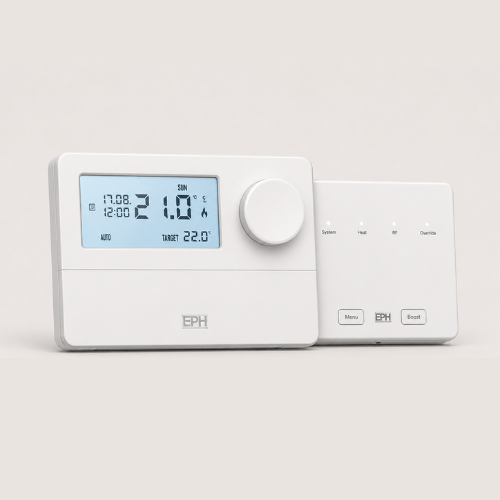
Some models are simple. Others offer wireless operation, timed settings, or advanced communication with a heating system. Therefore, it is important to understand the main options before you buy.
This guide explains the key types, how they work, what to check, and why the right thermostat can be useful for both homes and heating projects.
What Is a Thermostat?
A thermostat is a device that helps manage a heating system. It detects the room condition and tells the heating system when to run or stop.
For example, a programmable thermostat lets you set heating times for different parts of the day. This can be useful when your routine changes during the week.
A suitable thermostat can make heating easier to manage. It can also help avoid running the heating when it is not needed.
Before choosing one, think about your heating system, daily routine, and the features you need.
What Is a Wireless Thermostat?
A wireless thermostat communicates with the heating system without needing a long cable between the room unit and receiver.
This can make installation more flexible. For example, the thermostat can often be placed in a suitable room position rather than being fixed close to the boiler.
A wireless option can also be useful when a wired installation would be difficult. However, the exact setup depends on the heating system and the product.
Always check compatibility before you buy.
How Does an RF Thermostat Work?
An RF thermostat uses radio signals to communicate with a receiver.
The thermostat sends information to the receiver. The receiver then communicates with the heating system. This allows the room unit and heating equipment to work together without a direct cable connection.
RF models can be useful in homes where flexible positioning is needed.
When shopping, check the communication method, receiver type, power supply, and compatibility. These details can prevent problems during installation.
What Is a Smart Thermostat?
A smart thermostat can offer more features than a basic room thermostat.
Depending on the model, it may allow remote settings, schedules, automation, or connection with other smart home devices.
However, smart does not always mean better for every home. Some users only need simple heating settings. Others may want more advanced features.
Therefore, think about how you use your heating before choosing a product.
Why Are Heating Controls Important?
Heating controls help users manage when and how their heating system operates.
Good controls can make daily heating easier. For example, you may want the heating to run in the morning and evening but remain off while the house is empty.
A thermostat can work as part of a wider heating control setup. The exact functions depend on the heating system and equipment.
It is also useful to understand temperature settings before changing them. Small changes can affect comfort and energy use.
What Is a Wireless Room Thermostat?
A wireless room thermostat is designed to measure and manage heating from a room location.
This type can be useful when you want the thermostat in a convenient position. For example, it may be placed in a main living area where the room conditions can be monitored easily.
Position matters. Avoid placing the thermostat near strong heat sources, direct sunlight, or cold drafts unless the manufacturer says otherwise.
A suitable location helps the device provide more useful readings.
What Is an OpenTherm Thermostat?
An OpenTherm thermostat is designed to communicate with compatible heating equipment using the OpenTherm communication system.
Unlike a simple on-and-off setup, compatible OpenTherm systems can support communication between the thermostat and heating appliance.
This may allow the heating system to adjust its operation based on demand.
However, compatibility is very important. Not every boiler or heating appliance supports OpenTherm. Therefore, check your boiler information before buying an OpenTherm product.
What Is a Programmable RF Thermostat?
A programmable RF thermostat combines two useful features.
First, it can provide programmable heating times. Second, it can use radio communication with a compatible receiver.
This can be useful for homes that need scheduled heating without a long cable between the thermostat and heating equipment.
For example, you may set different heating periods for mornings, afternoons, and evenings.
The exact schedule options depend on the model. Check the product details before choosing one.
What Is a Wireless Heating Thermostat?
A wireless heating thermostat gives you flexible control of heating without a traditional wired connection between the room unit and receiver.
This can be helpful during renovations or when adding a new heating control.
However, wireless devices still need power. Some use batteries, while others use another power method.
Battery life and signal range can therefore matter. Check the manufacturer’s information before installation.
Featured Product: EPH – CP4D OpenTherm Programmable RF Thermostat
The EPH – CP4D OpenTherm Programmable RF Thermostat combines programmable heating with RF communication and OpenTherm support.
This makes it a useful product to consider for compatible heating systems that need flexible scheduling and wireless communication.
The programmable feature allows users to set heating periods around their daily routine. Meanwhile, RF communication can reduce the need for a direct cable between the thermostat and receiver.
Before installation, always check that your heating equipment supports the required functions.
The product can be considered by homeowners, installers, and trade users who need a programmable RF solution.
What Are the Benefits of Modern Thermostats?
Modern THERMOSTATS can offer several practical benefits.
Easier Heating Management
A programmable model can follow a set schedule. This means you do not need to adjust the heating every time.
Flexible Positioning
Wireless models can offer more freedom when choosing where the room unit is placed.
Better Daily Planning
You can set heating periods around your routine. This can be useful for busy households.
Compatibility Options
Different models support different systems. Some work with standard heating setups, while others support OpenTherm.
Simple User Control
Many modern products are designed with clear displays and simple settings.
However, the right choice depends on your heating system and personal needs.
How Are Thermostats Made?
Most modern THERMOSTATS contain electronic parts, sensors, a display or control interface, and a housing.
The sensor detects changes in the room. Electronic components process the information. Then, the thermostat communicates with the heating system.
Wireless and RF models also include communication components. Programmable models contain memory and software that allow heating schedules to be stored.
Manufacturers design each model for a specific range of functions. Therefore, construction and features can differ between products.
What Should You Check Before Buying?
Before you buy THERMOSTATS, check several key points.
First, identify your boiler or heating system. Next, check whether it supports the thermostat type you want.
Then, consider whether you need wired or wireless operation. If you want schedules, look for programmable functions.
For OpenTherm products, confirm OpenTherm compatibility.
You should also check the receiver, power supply, installation method, and operating range.
If you are unsure, ask a qualified heating professional before installation.
During shopping, compare the product specifications rather than looking only at price.
How Often Should a Thermostat Be Checked?
Modern THERMOSTATS do not normally need constant attention. However, it is useful to check the display, batteries, settings, and receiver when required.
If the device uses batteries, replace them when the product indicates that they are low.
You should also check the system if heating stops responding correctly.
The frequency of checks will depend on the product and installation.
Never ignore repeated faults. A heating professional can inspect the system when needed.
Can a Thermostat Help With Heating Control?
Yes. A suitable thermostat can make heating easier to manage.
For example, programmable schedules can reduce the need for manual changes. Wireless operation can make room placement more flexible.
The level of control available depends on the thermostat and heating system.
Therefore, choose features that match your daily needs instead of paying for functions you will not use.
Where Can You Shop for Thermostats?
You can shop for THERMOSTATS by first deciding which features you need.
If you need simple scheduling, consider a programmable model. If you need flexible placement, look at wireless or RF options. For compatible systems, an OpenTherm model may be worth considering.
Always check compatibility before you buy.
The thermostats provides a useful place to explore heating control products and compare suitable options.
Frequently Asked Questions
What is the main purpose of a thermostat?
A thermostat helps manage a heating system by monitoring room conditions and controlling when the heating operates.
Is a wireless thermostat better than a wired one?
Both types have different uses. Wireless models offer flexible positioning, while wired models may suit installations where cabling is already available.
What is an RF thermostat?
An RF thermostat uses radio signals to communicate with a compatible receiver. This removes the need for a direct cable between the thermostat and receiver.
Does every boiler support OpenTherm?
No. OpenTherm compatibility depends on the boiler and heating system. Always check the manufacturer’s information.
Can I install a thermostat myself?
Installation depends on the product and heating system. Electrical or heating connections may need a qualified professional.
What is a programmable thermostat useful for?
It allows you to set heating periods around your daily routine. This can make heating easier to manage.
Are smart thermostats always needed?
No. A smart model can offer extra features, but a simpler product may be enough for users who only need basic heating schedules.
What should I check before buying a thermostat?
Check compatibility, communication type, power supply, programming features, receiver requirements, and installation instructions.
Conclusion
The right THERMOSTATS choice depends on your heating system and daily routine. Programmable, wireless, RF, smart, and OpenTherm options each offer different features.
Start by checking compatibility. Then, consider the functions you really need. A programmable RF product such as the EPH CP4D can be a useful option for compatible systems.
By comparing features carefully, you can choose a heating control that is practical, simple to use, and suitable for your home.
