

How Does an Air Brick Vent Improve Ventilation in a Home?
Good VENTILATION helps a home feel fresh, comfortable, and healthy. It allows stale indoor air to leave and fresh air to enter. Without enough fresh air, rooms can feel stuffy. Over time, poor air movement can also cause other problems.
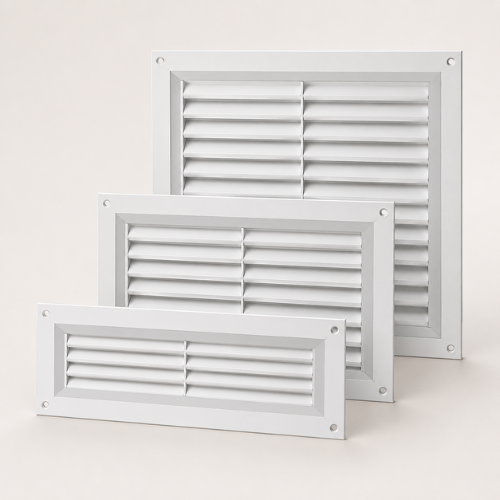
One simple way to support fresh air movement is by using an air brick vent. These vents can be used in walls and other suitable areas to create a path for air.
But how does an air brick vent work? What is it made from? Where can it be used? Most importantly, what should you check before you buy one?
This guide explains the answers in simple terms.
What Is an Air Brick Vent?
An air brick vent is a ventilating product designed to allow air to pass through a wall or opening.
It normally has a series of openings or slots. These openings allow air to move between the inside and outside of a building.
The design can vary. Some vents are made from plastic, while others may use clay or other materials. The right choice depends on the location and the type of wall.
For example, an air brick can be used to support fresh air movement in areas such as garages, utility spaces, under-floor areas, and other parts of a building where air needs to move.
Therefore, choosing the correct vent size and style is important.
How Does an Air Brick Vent Work?
An air brick vent works by creating a controlled opening for air to pass through.
Fresh outside air can enter through the vent. At the same time, stale air can leave through another opening or ventilation route.
This simple movement can help improve indoor air quality.
Good airflow is important because indoor air can become stale when there is not enough movement.
However, an air brick should not be blocked. Paint, dirt, furniture, or other materials can reduce the open area. As a result, the vent may not work as intended.
Regular checks can therefore help keep the opening clear.
Why Is Ventilation Important?
Good VENTILATION helps remove stale air from indoor spaces.
Everyday activities can add moisture to the air. Cooking, washing, drying clothes, and bathing can all affect indoor air conditions.
If this air cannot escape, the room may feel damp or stuffy. Moisture can also collect on cooler surfaces.
For this reason, suitable ventilation products can play an important role in a home.
An air brick is one simple product that can support air movement. However, it should form part of a suitable overall ventilation plan.
What Is an Air Brick Vent Made From?
Many modern air bricks are made from durable plastic. Plastic is light and can be easy to clean.
Some traditional air bricks are made from terracotta. These can have a classic appearance and may suit certain brickwork styles.
The material you choose should match the location and building design.
For outdoor areas, the product should be suitable for exposure to weather. For indoor areas, the design should suit the space and required air movement.
When shopping, always read the product information. Check the dimensions, material, colour, opening design, and intended use.
What Are the Main Benefits?
An air brick vent can provide several useful benefits.
Helps Fresh Air Enter
The vent provides an opening that allows outside air to enter a suitable space.
Supports Air Movement
It can help move stale indoor air out when used as part of a suitable system.
Simple Design
Most air bricks have a simple design. This makes them easy to understand and maintain.
Useful in Different Areas
Depending on the product, air bricks can be used in walls, garages, under-floor spaces, and other areas.
Can Support Better Indoor Conditions
Good air movement can help reduce stuffiness and support a more comfortable indoor environment.
Still, the correct product must be chosen for the job. One vent cannot solve every ventilation problem.
Can an Air Brick Help With Condensation?
Poor air movement can contribute to indoor moisture problems. Condensation can form when warm, moist air meets a cooler surface.
An air brick may help by allowing more air to move through a suitable area. However, it is not a complete solution for every condensation issue.
For example, a bathroom may need a dedicated extractor fan. A kitchen may need another form of mechanical ventilation.
Therefore, the source of the problem should be considered first.
If you notice regular damp marks, mould, or water on walls, it is useful to investigate the cause rather than simply adding a vent.
Where Can an Air Brick Vent Be Used?
An air brick vent can be useful in several building areas.
Common applications include:
- Garages
- Under-floor spaces
- Utility areas
- Storage areas
- External walls
- Certain plant or equipment areas
The exact use depends on the product and building design.
For example, an under-floor area may need vents to support air movement below the floor. A garage may also benefit from fresh air entering through suitable wall vents.
Before installation, check local building requirements and the manufacturer’s guidance.
How Do You Choose the Right Air Brick?
Choosing the right air brick vent starts with the location.
First, measure the opening. Next, check the required vent dimensions. Then, consider the material and appearance.
You should also check the free ventilation area. This tells you how much open space the vent provides for air movement.
Other useful points include:
- Vent size
- Material
- Colour
- Opening design
- Weather resistance
- Installation method
- Intended location
These details can make a big difference.
Do not simply choose a vent because it looks suitable. Always check its specifications before you buy.
What Should You Check Before Buying?
When you shop for an air brick, think about the purpose first.
Is it for a garage? Is it for an under-floor space? Is it for an external wall?
Next, check the measurements. A vent that is too small may not provide the required air movement. A vent that is too large may not suit the opening.
Also, check the material. Plastic may be useful for many modern applications. Terracotta may suit traditional brickwork.
Finally, check how the product needs to be installed.
Taking these steps before shopping can help you buy the correct product the first time.
How Should an Air Brick Be Maintained?
Good VENTILATION depends on keeping the air path clear.
Check the vent from time to time. Remove dirt, dust, leaves, or other material that may block the openings.
Do not cover the vent with furniture or stored items.
If the vent has become damaged, inspect it carefully. A cracked or broken product may need replacement.
Cleaning should also be done with care. Follow the product guidance and avoid damaging the openings.
Simple checks can help the vent continue to work as intended.
Can an Air Brick Improve Home Comfort?
A suitable VENTILATION setup can make indoor spaces feel fresher.
Air bricks can support this by providing a route for air to move. However, good home ventilation often needs more than one product.
A larger property may need several ventilation points. Bathrooms, kitchens, bedrooms, and utility areas may also have different requirements.
Therefore, think about the whole building rather than one room alone.
If you are unsure about the correct setup, a qualified building or ventilation professional can help assess the space.
Is an Air Brick Vent Worth Buying?
An air brick vent can be a useful product when a building needs a simple air path.
It is easy to understand and comes in different sizes and materials. It can also support ventilation in areas where natural air movement is needed.
However, the correct product matters. Check the size, material, free area, location, and installation method before you buy.
A good product should match the actual needs of the building.
Frequently Asked Questions
What is the main purpose of an air brick?
Its main purpose is to provide an opening that allows air to move through a suitable part of a building.
Can an air brick be used indoors?
Some products may be suitable for indoor areas, while others are designed for external walls. Always check the product specification before installation.
Can an air brick stop condensation?
It may support better air movement, but it cannot guarantee that condensation will stop. The cause of the problem should also be checked.
How often should an air brick be cleaned?
There is no single schedule for every building. Check the vent regularly and clean it whenever dirt or debris starts to reduce the opening.
Are plastic air bricks good?
Plastic air bricks can be a practical option for many applications. Their suitability depends on the location and product specification.
Can I install an air brick myself?
Some simple installations may be suitable for DIY work. However, cutting into an existing wall can affect the building, so professional advice may be needed.
What should I check before I buy?
Check the size, material, free ventilation area, design, installation method, and intended use.
Conclusion
Good VENTILATION helps create fresher and more comfortable indoor spaces. An air brick can provide a simple route for air to enter or leave a suitable area.
The key is to choose the right product for the job. Check the size, material, opening area, and installation requirements before you buy.
Whether you are improving a garage, under-floor space, utility area, or another suitable part of a building, careful product selection can make the project easier.
Good planning also helps. When the right ventilation products are combined with proper installation and regular maintenance, they can support better air movement throughout the building.
