

How Does Loft Insulation Improve Home Energy Efficiency?
A warm home feels better in winter. It can also help reduce wasted energy. However, heat can escape through the roof, loft, walls, windows, and other parts of a building. Therefore, good INSULATION can play an important role in keeping indoor spaces comfortable.
Among all areas of a home, the loft is often a key place to start. Warm air rises, so heat can move towards the roof. Without a suitable barrier, much of that heat may escape.
This guide explains how loft insulation works, what types are available, how to choose the right product, and why products such as Knauf Loft Roll 44 can be useful for home projects.
What Is Loft Insulation?
Loft insulation is material placed in the loft space to slow down heat transfer. It helps keep warmth inside during colder months. It can also help keep the home cooler during warmer periods.
There are different materials and products for different buildings. Rolls are popular because they can cover wide areas. They can also be cut to fit around loft spaces.
Good installation is important. Gaps can reduce the overall effect. Therefore, the material should be fitted with care and according to the manufacturer’s guidance.
For many homes, the loft is a practical place to improve energy efficiency without changing the main living areas.
How Does Roof Insulation Work?
Roof insulation helps slow the movement of heat through the roof structure. In a cold home, heat from rooms below can move upwards. A suitable layer helps reduce this heat loss.
However, roof spaces need careful planning. The correct product depends on whether the loft is used for storage, living space, or simply as an unheated area.
It is also important to keep suitable ventilation paths clear where required. Good airflow can help support a healthy roof space.
Therefore, do not simply cover every gap without checking the roof design and installation guidance.
What Is Thermal Insulation?
Thermal insulation is designed to slow the movement of heat between areas. In a home, it can help keep warm air inside during cold weather.
The same basic idea applies in summer. A well-insulated building can reduce the speed at which outside heat enters the living space.
Several factors affect performance. These include material type, thickness, fitting quality, and the condition of the building.
For this reason, choosing the right material is only one part of the job. Correct fitting matters too.
Is Attic Insulation Different From Loft Insulation?
Attic insulation and loft insulation often refer to the same basic goal. Both help reduce heat transfer through the upper part of a building.
The main difference can be the design of the space. An attic may be used as a room or storage area. A simple loft may remain unused.
As a result, the insulation method can vary. Before starting work, check whether the roof needs to remain ventilated and whether the space will be heated.
Also, check local building guidance where needed. A suitable installation should protect the building as well as improve comfort.
Why Choose a Loft Insulation Roll?
A loft insulation roll can cover a large area with fewer joins. This makes rolls useful for long and open loft spaces.
They can also be cut to fit between suitable areas. However, always measure the space before ordering. This helps reduce waste and makes installation easier.
Roll products are often easy to handle when the correct safety steps are followed. Protective clothing and suitable equipment should be used as advised by the manufacturer.
Before you shop, check the roll size, thickness, coverage, and installation instructions.
What Is Knauf Loft Insulation?
Knauf loft insulation is designed for use in building projects where thermal performance is needed. Knauf produces a range of insulation products for different applications.
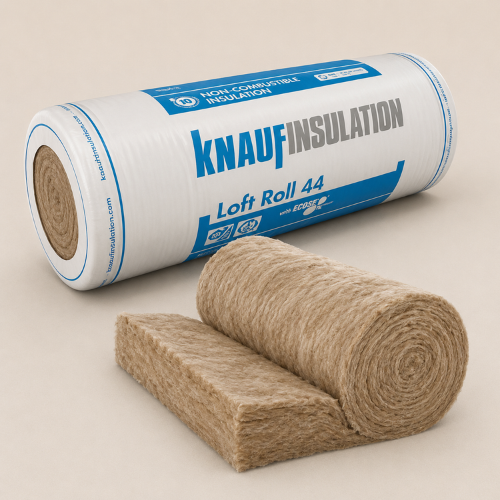
A well-known option is the Knauf Loft Roll 44 Combi Cut. This type of roll is designed for loft applications and can provide a practical way to cover large areas.
When choosing a product, look beyond the brand name. Check the product specification, thickness, coverage, and intended use.
That way, you can choose a product that fits the needs of your property.
What Is Insulation for Loft Spaces Made From?
Insulation for loft spaces can be made from several types of materials. Mineral wool is one common option. Other products may use glass mineral wool, rock mineral wool, foam, or other materials.
Each material has its own properties. Some products are supplied as rolls, while others come as boards or loose-fill material.
Rolls are useful where a flexible product is needed. They can often be placed between suitable joists or across the loft floor, depending on the design.
However, the correct installation method should always follow the product instructions.
What Are the Benefits of Energy Saving Insulation?
Energy saving insulation can help reduce heat loss from a building. This may make it easier to maintain a comfortable indoor environment.
There are several potential benefits:
- Less heat can escape through the loft.
- Heating may need to work less to maintain comfort.
- Indoor temperatures may feel more stable.
- Energy use may be reduced.
- The home can feel warmer in cold weather.
However, results depend on the whole building. Windows, doors, walls, heating systems, and roof condition also matter.
Good INSULATION is therefore part of a wider energy-efficiency plan.
What Is Knauf Insulation?
Knauf insulation includes products designed for different areas of buildings. Loft roll products are commonly used where flexible coverage is needed.
The material should be selected according to the application. For example, a loft floor may have different needs from a sloping roof.
Before installation, inspect the area. Look for damaged roof coverings, leaks, wiring issues, or other problems.
Also, take care around electrical equipment and recessed lighting. Follow the relevant safety guidance rather than covering items that should remain clear.
What Is Loft Roll Insulation Used For?
Loft roll insulation is mainly used to reduce heat transfer through loft areas. It is supplied in a roll, which makes it practical for covering long sections.
The material can often be cut where needed. This makes it easier to work around suitable obstacles.
However, do not compress the material unless the product instructions allow it. Correct thickness helps the product work as intended.
Good fitting also matters. Avoid unnecessary gaps between sections. At the same time, keep required ventilation routes clear.
You should also understand moisture control in the loft. If damp conditions or condensation are present, find the cause before adding new material.
Featured Product: Knauf Loft Roll 44 – Combi Cut
The Knauf Loft Roll 44 – Combi Cut is a practical option for loft insulation projects.
Its roll format can make it suitable for covering larger loft areas. The Combi Cut design also supports easier handling and fitting where the product needs to be worked around the loft layout.
Before you buy, check the product specifications carefully. Look at the roll dimensions, coverage, thickness, and recommended application.
It is also important to prepare the loft first. Remove unwanted items, inspect the area, and deal with roof or damp problems before fitting new material.
For homeowners and tradespeople, this product can be considered when planning a suitable loft upgrade.
How Can You Choose the Right Product?
Choosing the correct INSULATION starts with the building area.
First, decide where the material will go. Next, check the required thickness and coverage. Then, consider the product type and installation method.
Think about the condition of the loft too. A clean and suitable space will make the work easier.
You should also compare product information before shopping. Look at coverage rather than price alone. A cheaper roll may not provide the right thickness or area for your project.
If you plan the job carefully, you can reduce waste and avoid buying unsuitable products.
What Should You Check Before Installation?
Before installing INSULATION, inspect the loft carefully.
Check the roof for leaks. Look at the joists and surrounding areas. Make sure the space is suitable for the chosen product.
Next, measure the area. This gives you a better idea of how much material you need.
Keep important ventilation routes clear. Also, follow electrical and fire safety guidance.
If you are unsure about any part of the work, use a qualified professional.
Finally, read the manufacturer’s instructions from start to finish. This simple step can prevent many common mistakes.
Frequently Asked Questions
Does loft insulation really help?
Yes. It can slow heat loss through the loft and may help a home stay warmer in cold weather.
How thick should loft insulation be?
The required thickness depends on the product, building design, and current guidance. Always check the product specification and relevant building requirements.
Can loft insulation be fitted by a homeowner?
Some loft projects are suitable for DIY work. However, electrical, structural, damp, and roof issues may need professional attention.
Can insulation cause condensation?
Poor building design or blocked ventilation can contribute to moisture problems. Therefore, check ventilation and the condition of the roof before installation.
How long can loft insulation last?
The service life depends on the material, installation, and building conditions. Good installation and regular checks can help maintain performance.
Is Knauf Loft Roll 44 suitable for every loft?
Not necessarily. Check the product specification and intended application before buying. The loft design also needs to be considered.
Can insulation lower energy bills?
It can reduce heat loss, which may reduce the amount of energy needed for heating. Actual savings vary between properties.
Where can I buy loft insulation?
You can shop for insulation products based on your loft size, required thickness, and installation needs.
Conclusion
Good INSULATION can make a real difference to home comfort and energy efficiency. Loft spaces are often a useful place to begin because heat can escape through the roof.
Products such as loft rolls can provide wide coverage and simple handling. However, correct product selection and installation are just as important as the material itself.
Measure your space first. Check the product details. Keep required ventilation routes clear. Then, install the material according to the manufacturer’s guidance.
With careful planning, the right INSULATION product can help create a warmer and more energy-efficient home.
