

How Does Loft Insulation Improve Home Energy Efficiency?
A warm home feels better in winter. It can also help reduce wasted energy. However, heat can escape through the roof, loft, walls, windows, and other parts of a building. Therefore, good INSULATION can play an important role in keeping indoor spaces comfortable.
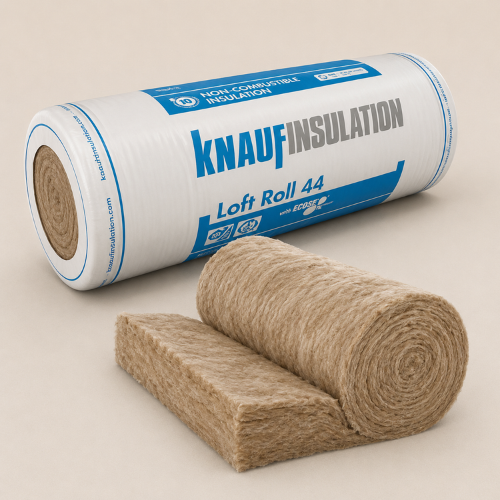
Among all areas of a home, the loft is often a key place to start. Warm air rises, so heat can move towards the roof. Without a suitable barrier, much of that heat may escape.
This guide explains how loft insulation works, what types are available, how to choose the right product, and why products such as Knauf Loft Roll 44 can be useful for home projects.
What Is Loft Insulation?
Loft insulation is material placed in the loft space to slow down heat transfer. It helps keep warmth inside during colder months. It can also help keep the home cooler during warmer periods.
There are different materials and products for different buildings. Rolls are popular because they can cover wide areas. They can also be cut to fit around loft spaces.
Good installation is important. Gaps can reduce the overall effect. Therefore, the material should be fitted with care and according to the manufacturer’s guidance.
For many homes, the loft is a practical place to improve energy efficiency without changing the main living areas.
How Does Roof Insulation Work?
Roof insulation helps slow the movement of heat through the roof structure. In a cold home, heat from rooms below can move upwards. A suitable layer helps reduce this heat loss.
However, roof spaces need careful planning. The correct product depends on whether the loft is used for storage, living space, or simply as an unheated area.
It is also important to keep suitable ventilation paths clear where required. Good airflow can help support a healthy roof space.
Therefore, do not simply cover every gap without checking the roof design and installation guidance.
What Is Thermal Insulation?
Thermal insulation is designed to slow the movement of heat between areas. In a home, it can help keep warm air inside during cold weather.
The same basic idea applies in summer. A well-insulated building can reduce the speed at which outside heat enters the living space.
Several factors affect performance. These include material type, thickness, fitting quality, and the condition of the building.
For this reason, choosing the right material is only one part of the job. Correct fitting matters too.
Is Attic Insulation Different From Loft Insulation?
Attic insulation and loft insulation often refer to the same basic goal. Both help reduce heat transfer through the upper part of a building.
The main difference can be the design of the space. An attic may be used as a room or storage area. A simple loft may remain unused.
As a result, the insulation method can vary. Before starting work, check whether the roof needs to remain ventilated and whether the space will be heated.
Also, check local building guidance where needed. A suitable installation should protect the building as well as improve comfort.
Why Choose a Loft Insulation Roll?
A loft insulation roll can cover a large area with fewer joins. This makes rolls useful for long and open loft spaces.
They can also be cut to fit between suitable areas. However, always measure the space before ordering. This helps reduce waste and makes installation easier.
Roll products are often easy to handle when the correct safety steps are followed. Protective clothing and suitable equipment should be used as advised by the manufacturer.
Before you shop, check the roll size, thickness, coverage, and installation instructions.
What Is Knauf Loft Insulation?
Knauf loft insulation is designed for use in building projects where thermal performance is needed. Knauf produces a range of insulation products for different applications.
A well-known option is the Knauf Loft Roll 44 Combi Cut. This type of roll is designed for loft applications and can provide a practical way to cover large areas.
When choosing a product, look beyond the brand name. Check the product specification, thickness, coverage, and intended use.
That way, you can choose a product that fits the needs of your property.
What Is Insulation for Loft Spaces Made From?
Insulation for loft spaces can be made from several types of materials. Mineral wool is one common option. Other products may use glass mineral wool, rock mineral wool, foam, or other materials.
Each material has its own properties. Some products are supplied as rolls, while others come as boards or loose-fill material.
Rolls are useful where a flexible product is needed. They can often be placed between suitable joists or across the loft floor, depending on the design.
However, the correct installation method should always follow the product instructions.
What Are the Benefits of Energy Saving Insulation?
Energy saving insulation can help reduce heat loss from a building. This may make it easier to maintain a comfortable indoor environment.
There are several potential benefits:
- Less heat can escape through the loft.
- Heating may need to work less to maintain comfort.
- Indoor temperatures may feel more stable.
- Energy use may be reduced.
- The home can feel warmer in cold weather.
However, results depend on the whole building. Windows, doors, walls, heating systems, and roof condition also matter.
Good INSULATION is therefore part of a wider energy-efficiency plan.
What Is Knauf Insulation?
Knauf insulation includes products designed for different areas of buildings. Loft roll products are commonly used where flexible coverage is needed.
The material should be selected according to the application. For example, a loft floor may have different needs from a sloping roof.
Before installation, inspect the area. Look for damaged roof coverings, leaks, wiring issues, or other problems.
Also, take care around electrical equipment and recessed lighting. Follow the relevant safety guidance rather than covering items that should remain clear.
What Is Loft Roll Insulation Used For?
Loft roll insulation is mainly used to reduce heat transfer through loft areas. It is supplied in a roll, which makes it practical for covering long sections.
The material can often be cut where needed. This makes it easier to work around suitable obstacles.
However, do not compress the material unless the product instructions allow it. Correct thickness helps the product work as intended.
Good fitting also matters. Avoid unnecessary gaps between sections. At the same time, keep required ventilation routes clear.
You should also understand moisture control in the loft. If damp conditions or condensation are present, find the cause before adding new material.
Featured Product: Knauf Loft Roll 44 – Combi Cut
The Knauf Loft Roll 44 – Combi Cut is a practical option for loft insulation projects.
Its roll format can make it suitable for covering larger loft areas. The Combi Cut design also supports easier handling and fitting where the product needs to be worked around the loft layout.
Before you buy, check the product specifications carefully. Look at the roll dimensions, coverage, thickness, and recommended application.
It is also important to prepare the loft first. Remove unwanted items, inspect the area, and deal with roof or damp problems before fitting new material.
For homeowners and tradespeople, this product can be considered when planning a suitable loft upgrade.
How Can You Choose the Right Product?
Choosing the correct INSULATION starts with the building area.
First, decide where the material will go. Next, check the required thickness and coverage. Then, consider the product type and installation method.
Think about the condition of the loft too. A clean and suitable space will make the work easier.
You should also compare product information before shopping. Look at coverage rather than price alone. A cheaper roll may not provide the right thickness or area for your project.
If you plan the job carefully, you can reduce waste and avoid buying unsuitable products.
What Should You Check Before Installation?
Before installing INSULATION, inspect the loft carefully.
Check the roof for leaks. Look at the joists and surrounding areas. Make sure the space is suitable for the chosen product.
Next, measure the area. This gives you a better idea of how much material you need.
Keep important ventilation routes clear. Also, follow electrical and fire safety guidance.
If you are unsure about any part of the work, use a qualified professional.
Finally, read the manufacturer’s instructions from start to finish. This simple step can prevent many common mistakes.
Frequently Asked Questions
Does loft insulation really help?
Yes. It can slow heat loss through the loft and may help a home stay warmer in cold weather.
How thick should loft insulation be?
The required thickness depends on the product, building design, and current guidance. Always check the product specification and relevant building requirements.
Can loft insulation be fitted by a homeowner?
Some loft projects are suitable for DIY work. However, electrical, structural, damp, and roof issues may need professional attention.
Can insulation cause condensation?
Poor building design or blocked ventilation can contribute to moisture problems. Therefore, check ventilation and the condition of the roof before installation.
How long can loft insulation last?
The service life depends on the material, installation, and building conditions. Good installation and regular checks can help maintain performance.
Is Knauf Loft Roll 44 suitable for every loft?
Not necessarily. Check the product specification and intended application before buying. The loft design also needs to be considered.
Can insulation lower energy bills?
It can reduce heat loss, which may reduce the amount of energy needed for heating. Actual savings vary between properties.
Where can I buy loft insulation?
You can shop for insulation products based on your loft size, required thickness, and installation needs.
Conclusion
Good INSULATION can make a real difference to home comfort and energy efficiency. Loft spaces are often a useful place to begin because heat can escape through the roof.
Products such as loft rolls can provide wide coverage and simple handling. However, correct product selection and installation are just as important as the material itself.
Measure your space first. Check the product details. Keep required ventilation routes clear. Then, install the material according to the manufacturer’s guidance.
With careful planning, the right INSULATION product can help create a warmer and more energy-efficient home.
How Does a Tile Leveling System Work and Why Is It Useful?
Tiling can give a room a clean and smart finish. However, getting every tile to sit at the same height can be hard. Small height gaps can make the surface look uneven. They can also affect the final grout lines.
A tile leveling system helps solve this common problem. It holds nearby tiles in a more even position while the adhesive sets. As a result, the finished surface can look smoother and more professional.
This guide explains how these systems work, what they are made from, their main benefits, and what to check before you buy one.
What Is a Tile Leveling System?
A tile leveling system is a group of small parts used during tile installation. Depending on the design, it may include spacers, clips, screws, wedges, or twisting nuts.
The main purpose is simple. It helps keep the edges of nearby tiles at a similar height. At the same time, it helps create an even joint between each tile.
This can be useful for both DIY users and professional tilers. It is especially helpful when fitting large tiles. Large tiles can be harder to keep level by hand.
The system does not replace good preparation. You still need a clean surface, suitable adhesive, and correct tile placement.
How Does It Work?
A tile leveling system works while the tile adhesive is still workable.
First, apply the correct adhesive to the prepared surface. Next, place the first tiles carefully. Then, add the required spacers between the tiles.
After that, fit the levelling screws or nuts as directed. These parts apply gentle pressure to the tile edges. This helps reduce movement and height differences.
As the adhesive sets, the tiles stay in a more stable position. Once the adhesive has cured enough, remove the levelling parts according to the product instructions.
Therefore, the process is simple, but care is still important. Do not use too much pressure. The goal is to align the tiles, not force them into place.
Why Are Tile Leveling Spacers Important?
Tile leveling spacers have two main jobs. They help maintain the joint width, and they help reduce differences in tile height.
For example, a 2mm system is useful when your design needs a 2mm joint. The correct joint gives the finished surface a neat and balanced look.
However, not every project needs the same size. Always check your tile and grout requirements before shopping.
You can explore flooring products and related accessories through the flooring and tiles. This can make it easier to find suitable products for your project.
Tile Spacers vs Floor Tile Spacers
Tile spacers are used to create an even gap between tiles. They come in different sizes and shapes. The choice depends on your tile layout.
Floor tile spacers are often chosen for floor projects. Floors may use larger and heavier tiles, so accurate positioning is important.
Both options help create regular grout lines. However, spacers alone may not stop height differences. This is why many installers use a complete levelling solution.
Before you buy, check the joint width, tile thickness, and tile size. Also, think about how many tiles you need to fit.
What Tiling Tools Do You Need?
A good selection of tiling tools can make a job much easier.
For a basic project, you may need:
- Tile cutter
- Measuring tape
- Spirit level
- Notched trowel
- Rubber mallet
- Grout float
- Cleaning sponge
- Tile spacers
- Levelling accessories
Each tool has a clear purpose. For example, a tile cutter helps create accurate cuts. A spirit level helps you check the surface. A notched trowel helps spread adhesive evenly.
Therefore, having the right tools before starting can save time. It can also reduce mistakes during installation.
What Is a Tile Levelling System Made From?
A tile levelling system is commonly made from strong plastic parts. Some designs also use threaded screws or reusable nuts.
The parts need to be firm enough to hold tiles in place. At the same time, they should be easy to remove after the adhesive has set.
The design of each product can vary. Some systems use clips and wedges. Others use screws and twisting nuts.
This makes it important to read the product details before shopping. Check the joint size and the type of parts included.
You should also consider the working conditions. For example, adhesive performance can change with temperature. Always follow the adhesive manufacturer’s guidance.
What Are the Main Advantages?
A tile leveling system can offer several useful benefits during installation.
1. Helps Create an Even Surface
The system helps reduce small height differences between nearby tiles. This can give the finished floor or wall a smoother look.
2. Supports Consistent Joints
Correct spacing helps keep grout lines even. This is important for both appearance and neat installation.
3. Helps Reduce Tile Movement
Tiles can move slightly while adhesive is setting. Levelling parts help hold them in position.
4. Useful for Large Tiles
Large tiles can be harder to align manually. A suitable system gives extra support during the process.
5. Helpful for DIY Projects
Beginners can also use these products. The system provides a simple way to support tile alignment.
However, the product should always be used correctly. Good surface preparation remains essential.
Featured Product: 2mm Floor Twister Levelling System
The Tile Spacer Levelling System 2mm Floor Twister Spacer Screws + Red Twister Nuts is designed for tile projects that require a 2mm joint.
The product uses spacer screws and red twister nuts. These parts work together to help keep adjoining tiles aligned during installation.
The twister design gives the user a simple way to apply pressure across the tile edges. This can help reduce small height differences while the adhesive sets.
The product can suit both DIY work and trade use. Before use, check that the 2mm joint matches your tile design.
Also, avoid overtightening. Gentle pressure is normally enough to help hold the tiles in position.
How Do You Choose the Right Tile Leveling System?
Choosing the right tile leveling system starts with your tile.
First, check the required joint width. Then, check the thickness of the tile. Next, look at the tile size and the surface where it will be fitted.
You should also check the number of pieces in the pack. A small room may need fewer parts. A large floor will need more.
Consider the installation method too. Some users prefer clips and wedges. Others may prefer screw and nut systems.
The flooring and tiles range can help you shop for related products in one place.
When Should You Use One?
A tile leveling system is useful when you want a clean and even tile finish.
It can be helpful for floors, walls, bathrooms, kitchens, hallways, and other tiled areas. It is especially useful when large tiles are being installed.
Good planning is important. Mark your layout first. Check the tile position before adding adhesive.
Also, make sure the surface is suitable for tiling. A poor base can cause problems even when you use good levelling products.
The right frequency of use can also help you decide whether a small or larger pack is better for your needs.
Tips for Better Results
A tile leveling system works best when it is part of a careful installation process.
Start by preparing the surface. Remove dust and loose material. Next, measure the area and plan the layout.
Then, apply the correct adhesive. Place each tile carefully. Add the spacers and levelling parts as required.
Check the tile edges as you work. Make small adjustments before the adhesive becomes firm.
Do not rush the process. Allow the adhesive to set for the time stated by the manufacturer.
Finally, remove the levelling parts correctly. Then, complete the grouting stage.
Good control of pressure is important. Too little pressure may not hold the tiles well, while too much pressure can cause problems.
Is It Worth Buying One?
A tile leveling system can be a useful addition to your tiling tools.
It can help with tile alignment, joint spacing, and surface appearance. It can also make large tile projects easier to manage.
If you are planning a new tiling job, check your tile size and joint requirement first. Then, choose a system that matches those needs.
For DIY users, it can provide extra support. For tradespeople, it can help create a more consistent installation.
Therefore, when you shop for tile accessories, consider the complete job rather than choosing a product only by price.
Frequently Asked Questions
What does a tile leveling system do?
It helps keep nearby tiles at a similar height. It can also help maintain an even joint while the adhesive sets.
Can beginners use one?
Yes. A simple system can be used by DIY beginners. However, correct tile preparation and adhesive use are still important.
Are tile spacers still needed?
Many levelling products include a spacing function. The exact method depends on the product. Always follow the product instructions.
Can I use a 2mm system for floor tiles?
Yes, when a 2mm joint is suitable for your tile and grout design. Always check the tile manufacturer’s guidance.
How long should the system stay in place?
It should normally stay in place until the adhesive has set enough for safe removal. Follow the adhesive and product instructions.
Can it replace tile adhesive?
No. Levelling products help position the tiles. They do not replace suitable tile adhesive.
What should I check before I buy?
Check the joint width, tile thickness, tile size, pack quantity, and installation method. These details help you choose the right product.
Where can I shop for tile levelling products?
You can shop for flooring and tile accessories based on your project needs. Check the product specifications before you buy.
Conclusion
A tile leveling system can make tile installation easier and more controlled. It helps support even tile heights and regular joints.
For this reason, it can be useful for both DIY users and professional installers. The key is to choose the correct size and use the parts carefully.
With suitable tile leveling spacers, quality tile spacers, the right floor tile spacers, and useful tiling tools, you can create a cleaner and more even tile finish.
How Can Good Ventilation Improve a Home?
Good VENTILATION helps fresh air move through a home. It can also help remove stale air from rooms. As a result, rooms can feel fresher and more comfortable.
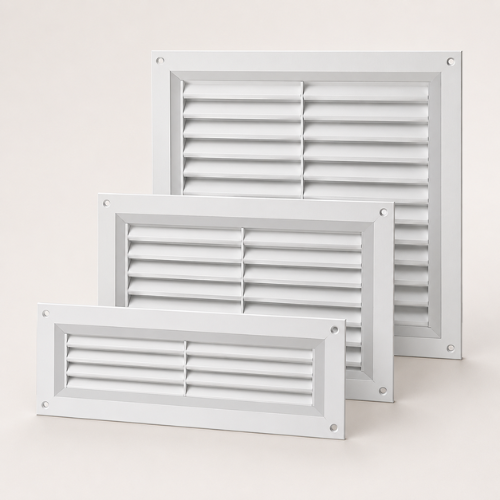
Homes need fresh air in every season. However, the right type of vent can vary from room to room. For example, windows may need small vents, while walls may need air bricks.
So, what should you look for when improving ventilation? This guide explains the main options in simple terms. It also covers useful products that you can shop and buy for home projects.
Why Is Ventilation Important in a Home?
VENTILATION helps fresh air enter a building while stale air can leave.
Good ventilation is useful in kitchens, bathrooms, bedrooms and living spaces. It can help keep indoor air fresh and support a more comfortable home.
For example, cooking and washing can add water vapour to the air. Poor ventilation can allow this to build up.
You can learn more about moisture and why it can affect indoor spaces.
Therefore, suitable vents should be part of a well-planned home ventilation system.
What Is an Air Brick Vent?
An air brick vent is fitted into a wall to allow air to pass through.
Air bricks are common on homes and other buildings. They can help provide ventilation to areas such as rooms, floors and other spaces where air movement is needed.
A ventilation air brick can be useful when a wall needs a permanent opening for fresh air.
When choosing an air brick, check its size and design. The product should also suit the location where it will be fitted.
What Is a Terracotta Airbrick?
A terracotta airbrick is an air brick made from terracotta material.
It can suit properties where a traditional look is important. The colour and style can blend well with brickwork on many older buildings.
Air bricks can also help provide ventilation to specific areas of a property.
However, you should always check the size before you shop. The opening in the wall must suit the selected product.
Why Are Window Vents Useful?
Window vents provide a simple way to allow fresh air into a room.
They are often fitted to windows and can provide a steady flow of fresh air without the need to open the whole window.
Window air vents can be useful in bedrooms, living rooms and other areas where regular fresh air is needed.
This type of vent is also useful when you want ventilation while keeping the main window closed.
Before you buy, check the vent size and make sure it is suitable for your window.
What Are Air Vents and Air Bricks?
Air vents come in many shapes and sizes.
Some are designed for walls. Others are made for windows, doors, floors or other parts of a building.
Air bricks are mainly used in walls and can provide a fixed ventilation opening.
Both products have a simple purpose. They allow air to move where it is needed.
However, the right product depends on the location and size of the opening.
What Are Ventilation Grilles?
Ventilation grilles are covers that allow air to pass through an opening.
They can be used on walls, doors and other suitable surfaces. Many designs are made to look neat while still allowing air to pass.
A ventilation grille can also help protect an opening from unwanted objects.
Some models include mesh. This can add another layer of protection while keeping the vent open.
When shopping, check the grille size, material and intended use.
Why Use Vent Covers?
Vent covers can provide a neat finish around a ventilation opening.
A suitable cover can help protect the opening while still allowing air to pass through.
An air vent cover can be used on suitable wall or ventilation openings.
Some covers are made from plastic. Others use different materials based on their intended application.
Choose a cover that matches the size of the opening. This helps create a better fit.
What Are Trickle Vents for UPVC Windows?
Trickle vents for UPVC windows are small vents fitted to suitable UPVC windows.
They allow a controlled amount of fresh air into a room. This can be useful when you want ventilation without opening the main window.
UPVC trickle vents are available in different sizes and styles.
Before you buy, check the window type and vent size. You should also make sure the product is suitable for the window frame.
Can Trickle Vents Be Used on Doors?
Yes, suitable trickle vents for doors can provide ventilation through a door.
They can be useful in rooms where fresh air is needed but opening the door may not provide enough ventilation.
Window trickle vents work in a similar way for suitable windows.
You can also find trickle vents for windows in different lengths and designs.
When shopping, always check the product measurements first.
What Are Trickle Vents Used For?
Trickle vents provide a small, controlled opening for fresh air.
They can help improve window ventilation without requiring the window to stay fully open.
House window vents can therefore be useful for everyday home ventilation.
The correct size depends on the window and the amount of ventilation needed.
It is also important to keep vents clean. Dust and dirt can reduce the open area over time.
What Is a Home Ventilation System?
A home ventilation system is a group of products or equipment used to move fresh air through a property.
A simple system may include vents, air bricks and grilles. More advanced systems can use fans and mechanical controls.
The main aim is to help fresh air enter and stale air leave.
Good house ventilation should be planned around the needs of the property.
For larger projects, professional advice may be useful.
What Are Ventilation Grilles – Axia Products?
Ventilation grilles – axia products are designed for suitable ventilation applications.
Grilles can provide a clean finish and allow air to move through an opening.
They may be useful for walls, doors and other areas where a suitable grille is required.
Always check the product size and fitting method before you shop.
What Are Air Box Trickle Vents?
Air box trickle vents are designed to work with suitable window ventilation systems.
They can help provide a neat way to manage fresh air through a window opening.
Plastic window vents are another option for suitable window projects.
Plastic designs can be light and easy to handle. However, you should still check the product details before you buy.
What Are UPVC Windows With Air Vents?
UPVC windows with air vents can provide a simple way to improve fresh air in a room.
A suitable vent can be fitted to a compatible window. This lets air enter without the need to keep the main window open.
When planning window ventilation, check the window design first.
A correct fit is important. Therefore, measure the available space before shopping.
Air Vent Cover With Fly Screen
An air vent cover with fly screen can combine ventilation with a fixed mesh screen.
The screen can help keep insects out while the vent remains open.
This can be useful for rooms where ventilation is needed throughout the day.
For example, a kitchen or utility room may benefit from a suitable vent cover.
Always check the measurements before you buy.
Featured Ventilation Products to Consider
If you are ready to shop for ventilation products, several options can suit different home projects.
5000 AirFlow UPVC Trickle Vent for Windows & Doors
The 5000 AirFlow UPVC Trickle Vent for Windows & Doors | White is designed for suitable windows and doors.
Its white finish can suit many UPVC frames.
Before you buy, check the measurements and make sure the product is suitable for your installation.
Vent Axia Double Louvred Airbrick
The Vent Axia – Double Louvred Airbrick Terracotta – 220x90mm is a terracotta-style air brick for suitable wall applications.
Its louvred design allows air to pass through the opening.
This type of air brick can be useful when you need wall ventilation with a traditional appearance.
Real PVC Plastic Trickle Vents
The trickle vents for windows Ventilation Real PVC Plastic 300mm 400mm offer a plastic option for suitable window projects.
The available lengths can provide options for different window sizes.
Check the product details before choosing the right size.
Louvred Air Vent Cover With Fixed Flyscreen
The LOUVRED AIR VENT COVER WITH FIXED FLYSCREEN FLY MESH, PLASTIC VENTILATION GRILLE combines a louvred cover with fixed fly mesh.
This can be useful where you want ventilation and insect protection in one product.
Measure the opening first. Then choose a suitable cover for your project.
How Does Ventilation Help Indoor Air?
Good VENTILATION helps fresh air move into rooms and stale air move out.
This can make rooms feel fresher. It can also support a more comfortable indoor space.
For example, bathrooms and kitchens often need good ventilation because they produce more warm, wet air.
You can read more about airflow to understand how air moves.
It is also useful to understand condensation, as it can form when warm air meets a cold surface.
How Should You Choose Ventilation Products?
Choosing the right VENTILATION product starts with the location.
For windows, look at trickle vents. For walls, consider air bricks or grilles.
Next, check the size. A vent must fit the available opening.
Then, check the material. Plastic can suit many everyday uses, while terracotta may suit traditional brickwork.
Finally, think about extra features. A fly screen can be useful where insects are a concern.
By checking these points first, you can shop with more confidence.
FAQs About Ventilation
What is the purpose of ventilation?
VENTILATION helps fresh air enter a property and stale air leave. It can make indoor spaces feel fresher and more comfortable.
What is an air brick?
An air brick is a wall vent that allows air to pass through a building wall.
Are trickle vents useful?
Yes. Suitable trickle vents can provide a small opening for fresh air without the need to keep a window fully open.
Can trickle vents be fitted to UPVC windows?
Suitable UPVC trickle vents can be used with compatible UPVC windows. Always check the window and product measurements first.
What is a ventilation grille?
A ventilation grille covers an opening while still allowing air to pass through.
Why use a fly screen on a vent?
A fly screen can help keep insects out while the vent stays open.
What is a vent box?
A vent box is used for suitable ventilation applications. Check its size and intended use before buying.
Where can I buy ventilation products?
You can shop online for VENTILATION products such as air bricks, window vents, trickle vents and ventilation grilles.
Final Thoughts
Good VENTILATION can make a home feel fresher and more comfortable. The right product will depend on where you need to improve air movement.
For windows, trickle vents can provide a simple option. For walls, air bricks and grilles can be useful.
You can also choose products with added features, such as a fly screen or louvred cover.
Before you buy, check the size, material and intended use. Then choose a product that suits your home and your project.
If you are planning a home improvement project, you can browse the full VENTILATION range and compare suitable products before shopping.
Are Solar Panel Mesh Clips Suitable for Bird Proofing in the West Midlands?
Introduction
Birds can cause problems when they build nests under solar equipment. The open space below a panel can look like a safe shelter. However, nests, feathers and bird waste can affect the area around a solar installation. They can also make cleaning and maintenance harder. For homeowners and businesses in the West Midlands, bird proofing can help keep the space under solar panels cleaner and safer.
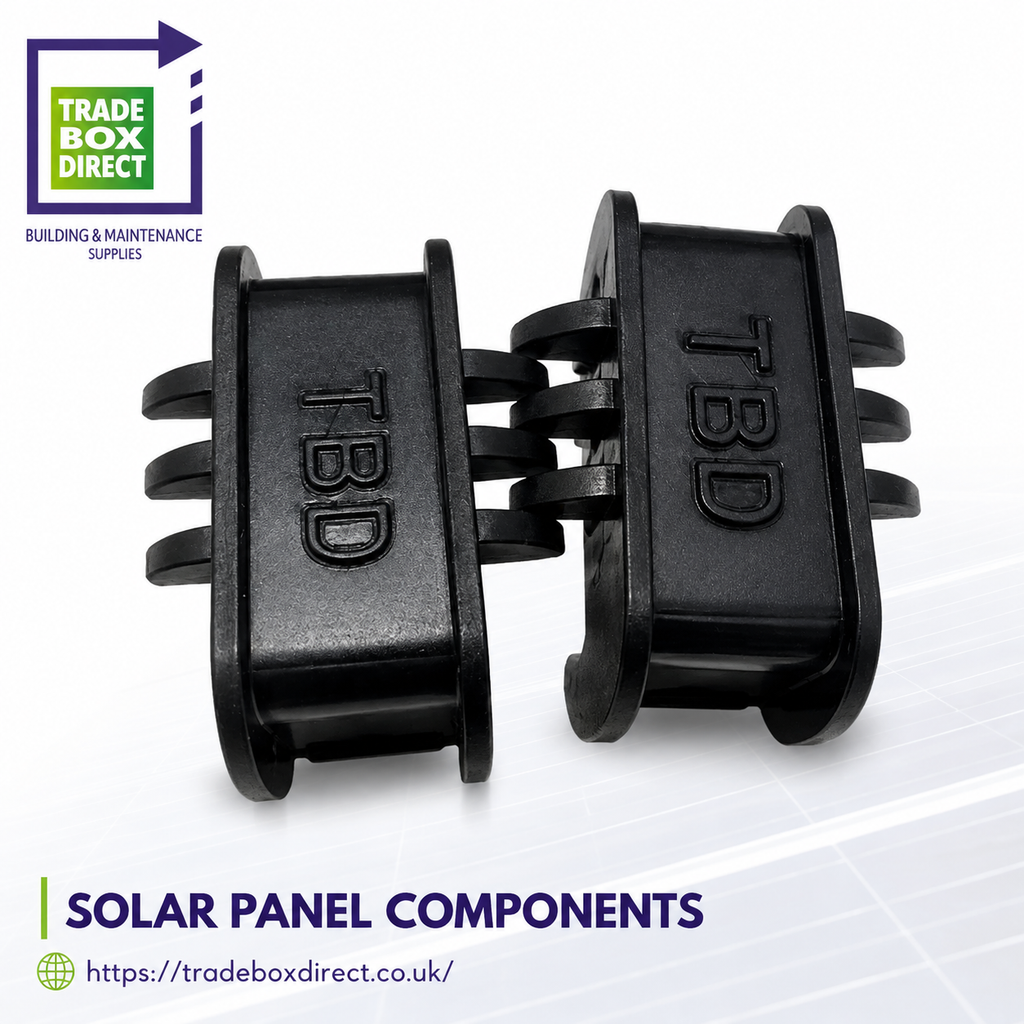
One practical option is Solar Panel Bird Proofing Mesh Speed Clips – 30mm Black. These clips are designed to help secure bird proofing mesh around solar panels without blocking the panel surface. When fitted correctly, the mesh creates a barrier that makes it harder for birds to enter the gap beneath the panels.
This type of SOLAR EQUIPMENT can form part of a simple bird proofing setup. It can be useful for properties in Birmingham, Wolverhampton, Coventry, Dudley, Walsall and other parts of the West Midlands.
What Are Solar Panel Bird Proofing Mesh Speed Clips – 30mm Black?
Solar Panel Bird Proofing Mesh Speed Clips – 30mm Black are small fixing clips used with bird proofing mesh around solar panels. Their main purpose is to hold the mesh securely in place along the panel edge.
The 30mm size provides a useful fixing option for suitable solar panel frames and mesh systems. The black finish can also blend with many dark solar panel frames.
Unlike loose mesh, a properly clipped system can provide a more secure barrier. The clips help keep the mesh in position while allowing air to move around the panel area.
For this reason, Solar Panel Bird Proofing Mesh Speed Clips – 30mm Black can be considered when planning a solar panel bird proofing project.
How Are Solar Panel Mesh Clips Made?
The clips are normally made as small, shaped fixing components that can grip or attach bird proofing mesh to a suitable solar panel frame. Their design focuses on easy fitting and secure holding.
The exact material and manufacturing method can vary between products. Therefore, buyers should check the product specifications before shopping.
A good fixing clip should be:
- Strong enough to hold the mesh in place.
- Suitable for the intended solar panel frame.
- Resistant to normal outdoor conditions.
- Simple to fit when used with compatible mesh.
- Designed to avoid unnecessary damage to the solar panel system.
- Suitable for long-term outdoor use.
Solar Panel Bird Proofing Mesh Speed Clips – 30mm Black are useful because they provide a dedicated fixing method rather than relying on tape, loose ties or other temporary solutions.
How Does Solar Panel Bird Proofing Work?
Bird proofing works by closing the open gap around the edges of solar panels. Birds often use this space because it provides shelter from weather and predators.
A mesh barrier can cover the access points while still allowing suitable airflow. The mesh is secured around the panel perimeter with clips.
A typical installation may involve these steps:
- Check the solar panels and surrounding area.
- Remove existing nesting material where appropriate.
- Measure the required mesh length.
- Position the bird proofing mesh around the panel edge.
- Attach the mesh with suitable clips.
- Check the complete perimeter.
- Make sure there are no large gaps where birds can enter.
Solar Panel Bird Proofing Mesh Speed Clips – 30mm Black can therefore become an important part of the fixing stage.
Professional installation may be useful where panels are difficult to access or where electrical safety needs extra attention.
What Are the Advantages of Solar Panel Bird Proofing Mesh Speed Clips – 30mm Black?
There are several potential benefits to using Solar Panel Bird Proofing Mesh Speed Clips – 30mm Black with compatible bird proofing mesh.
1. Helps Keep Birds Out
The main purpose is to create a physical barrier. This can reduce access to the sheltered space underneath solar panels.
2. Helps Reduce Nest Building
When access is restricted, birds have fewer opportunities to build nests under the panels. This can help reduce unwanted debris.
3. Provides a Neater Fixing
Dedicated clips can create a more organised installation than loose fixing methods. The mesh can be positioned along the panel edge for a cleaner finish.
4. Suitable for Outdoor Use
Solar panels remain outside throughout the year. Therefore, bird proofing components need to cope with changing weather conditions.
5. Easy to Use With Suitable Mesh
Speed clips are designed to make the fixing process more convenient when they are matched with compatible mesh and panel frames.
6. Supports Solar Panel Maintenance
Bird waste and nesting materials can make maintenance unpleasant. A suitable barrier can help reduce these issues around the panels.
Why Is Bird Proofing Useful in the West Midlands?
The West Midlands has many residential, commercial and industrial properties with solar panels. Urban areas can also provide birds with many sheltered places to nest.
Birmingham and surrounding areas have a mix of houses, offices, warehouses and other buildings. Solar panels on these properties may provide accessible sheltered spaces for birds.
Using suitable SOLAR EQUIPMENT for bird proofing can help property owners manage this issue.
However, bird proofing should not interfere with the solar installation. The mesh and clips should be selected carefully, and the system should be installed without placing unnecessary pressure on panels, cables or other components.
Is Solar Panel Bird Proofing Mesh Safe for Solar Panels?
When the correct product is used and fitted properly, bird proofing mesh is intended to protect the area around solar panels rather than cover the active panel surface.
The fixing method matters. Clips should be compatible with the solar panel frame and the selected mesh.
Before installation, check:
- Panel frame design.
- Mesh compatibility.
- Clip size.
- Fixing method.
- Cable positions.
- Roof condition.
- Access and working height.
If you are unsure, ask a qualified solar installer or suitable professional to inspect the installation.
Can You Install Solar Panel Mesh Clips Yourself?
Some homeowners may be able to install a compatible bird proofing system. However, working around solar panels can involve roof access and electrical equipment.
Safety should come first.
Do not disconnect, alter or interfere with solar electrical connections unless you are qualified to do so. Use safe access equipment and follow the instructions supplied with the product.
If the roof is steep, high or difficult to access, professional installation should be considered.
For DIY shoppers, Solar Panel Bird Proofing Mesh Speed Clips – 30mm Black can be a practical component to research when choosing a compatible bird proofing system.
What Should You Look for When Buying Solar Panel Mesh Clips?
Before you shop for bird proofing SOLAR EQUIPMENT, check the specifications rather than choosing clips based only on appearance.
Look at:
Clip size: Make sure the 30mm clip suits your intended application.
Compatibility: Check whether the clips work with your selected bird proofing mesh and solar panel frame.
Material: Outdoor fixing parts should be suitable for normal weather exposure.
Quantity: Measure the panel perimeter so you can estimate how many clips are needed.
Installation method: Read the fitting instructions before you buy.
Mesh quality: Clips alone do not create bird proofing. They need suitable mesh to form the barrier.
These checks can make shopping easier and help you avoid buying incompatible SOLAR EQUIPMENT.
Why Choose Solar Panel Bird Proofing Mesh Speed Clips – 30mm Black?
For a bird proofing project, Solar Panel Bird Proofing Mesh Speed Clips – 30mm Black can offer a straightforward way to secure suitable mesh around solar panels.
Their compact design makes them useful for perimeter fixing. The black finish may also provide a discreet appearance around many solar installations.
They can be considered for homes, offices, commercial buildings and other properties where birds are using the space beneath solar panels.
Before you buy, always check the dimensions and compatibility with your existing solar panel frame and mesh.
Should You Buy Solar Panel Mesh Clips for Bird Proofing?
If birds are regularly entering the space beneath your solar panels, a suitable bird proofing system may help reduce access.
Solar Panel Bird Proofing Mesh Speed Clips – 30mm Black are one component of that system. They work with compatible mesh to create a physical barrier around the panel edges.
When shopping, consider the complete system rather than the clips alone. Check the mesh, clip size, fixing method and panel compatibility.
Choosing the right SOLAR EQUIPMENT can make the project more organised and help support long-term maintenance around your solar panels.
Frequently Asked Questions
Are Solar Panel Bird Proofing Mesh Speed Clips – 30mm Black suitable for all solar panels?
Not necessarily. Solar panel frames have different designs and dimensions. Check compatibility before buying.
What do 30mm solar panel mesh clips do?
They are designed to help secure compatible bird proofing mesh around the edge of a solar panel installation.
Can solar panel bird proofing stop birds nesting underneath panels?
A correctly installed mesh barrier can restrict access to the space underneath panels. However, no bird proofing system can guarantee that birds will never attempt to access the area.
Does bird proofing affect solar panel performance?
A properly designed system should not cover the active panel surface. However, incorrect installation can create problems. The mesh should be fitted carefully and kept clear of important components.
How many clips do I need?
The number depends on the size and layout of your solar panel installation, the mesh design and the recommended fixing spacing. Measure the panel perimeter and follow the product guidance.
Can I buy Solar Panel Bird Proofing Mesh Speed Clips – 30mm Black online?
Yes. You can shop online for Solar Panel Bird Proofing Mesh Speed Clips – 30mm Black, but always check the product dimensions and compatibility before you buy.
Are these clips useful for commercial solar installations?
They may be useful for suitable commercial installations, provided the clips and mesh are compatible with the panel system. Larger projects may benefit from professional assessment and installation.
Why is bird proofing important for solar panels?
Bird proofing can help reduce nesting, feathers and bird waste around the panels. It may also make the area easier to maintain.
Conclusion
Bird activity under solar panels can create cleaning and maintenance problems. A suitable mesh barrier can help restrict access and reduce the chance of birds nesting beneath the panels.
Solar Panel Bird Proofing Mesh Speed Clips – 30mm Black provide a practical fixing option when used with compatible bird proofing mesh. Their purpose is simple: help keep the mesh securely positioned around the solar panel edge.
For homeowners and businesses in the West Midlands, careful product selection is important. Check the clip size, mesh compatibility, panel frame and installation requirements before you buy.
When shopping for SOLAR EQUIPMENT, consider the complete bird proofing system rather than one component alone. With the right products and safe installation, solar panel bird proofing can become a useful part of ongoing solar system maintenance.
What Features Should I Look for When Buying a Thermostat in the West Midlands?
Introduction
Choosing the right thermostats can make heating your home much easier. It can help you set the room temperature and control when your heating comes on.
Homes in Birmingham, Coventry, Wolverhampton, Dudley and the wider West Midlands can have many types of heating systems. So, the right choice will depend on your boiler and your daily needs.
Before you shop, it helps to know the main types of THERMOSTATS. These include programmable, wireless, RF, smart and OpenTherm models.
What Are Thermostats?
THERMOSTATS are used to control the temperature in a home.
A thermostat checks the room temperature. When the room gets too cold, it can tell the heating system to produce heat. Once the set temperature is reached, it can stop the heat.
Some modern models offer more control. For example, a programmable thermostat lets you set heating times.
A wireless model can also give you more choice when deciding where to place the room control.
Therefore, think about your home and your daily routine before you buy.
Why Choose a Programmable Thermostat?
A programmable thermostat lets you set heating times in advance.
For example, you can set the heating to come on before you wake up. You can then set it to turn down when you leave home.
Later, you can set another heating time for the evening.
This can make your heating easier to manage. You also do not need to change the settings by hand all day.
When shopping, check how many time slots the thermostat offers. Also, check if the screen and buttons are easy to use.
A simple control can be useful for every member of the family.
What Is a Wireless Thermostat?
A wireless thermostat sends a signal to a receiver. It does not need a long cable between the room control and the heating system.
This can be useful in homes where new wiring would be hard to install.
A wireless thermostat can also give you more choice when placing the room control.
However, check the wireless range before you buy. Walls and other objects can affect the signal.
You should also check that the thermostat and receiver are made to work together.
What Is an RF Thermostat?
An RF thermostat uses radio frequency to send signals.
RF means radio frequency. The thermostat sends a wireless signal to a matching receiver.
This makes an RF model useful when you want wireless heating control.
Some RF models are also programmable. As a result, you can set heating times while using a wireless connection.
Before you shop, check the RF range and system compatibility.
Should You Buy a Smart Thermostat?
A smart thermostat can offer extra control over your heating.
Some models can connect to an app. This may let you change the heating from a phone or tablet.
Other smart features can include heating schedules and remote control.
However, you should not choose a smart model just because it has more features.
First, check your boiler. Then think about which features you will really use.
If you want simple heating control, a programmable or wireless model may be enough.
What Heating Controls Should You Look For?
Good heating controls should be simple to use.
Look for a clear screen. Easy buttons are also helpful.
You may want to set different temperatures during the day. Therefore, check how easy it is to change the settings.
Some models offer several heating periods. Others offer fewer options.
Think about your daily routine before you buy.
For example, a family home may need different settings from a home that is empty for most of the day.
What Is a Wireless Room Thermostat?
A wireless room thermostat measures the temperature in the room where it is placed.
It then sends a signal to a compatible receiver.
The position of the thermostat is important. Do not place it next to a radiator or heater. Avoid very cold areas and strong draughts too.
These conditions can affect the temperature reading.
Instead, choose a suitable indoor location that gives a good reading of the room.
Always follow the product instructions when installing the thermostat.
What Is an OpenTherm Thermostat?
An OpenTherm thermostat is designed to work with compatible OpenTherm heating systems.
OpenTherm allows the thermostat and boiler to communicate.
This can give the heating system more information than a simple on-and-off control.
However, not every boiler supports OpenTherm.
Therefore, check your boiler before you buy an OpenTherm thermostat.
If you are not sure, check your boiler manual or ask a qualified heating professional.
What Is a Programmable RF Thermostat?
A programmable RF thermostat combines wireless RF control with heating schedules.
This can be useful if you want both features in one system.
For example, you can set heating times for the morning, afternoon and evening.
The thermostat then sends the heating request to its receiver.
Before shopping, check the receiver and boiler details. Make sure all parts are compatible.
What Is a Wireless Heating Thermostat?
A wireless heating thermostat gives you wireless control of a compatible heating system.
It can be useful when you do not want to run a new cable through walls.
It can also give you more freedom when choosing where to place the thermostat.
However, the thermostat must be placed in a good location. It needs to read the room temperature correctly.
Follow the manufacturer’s instructions for the best results.
EPH – CP4D OpenTherm Programmable RF Thermostat
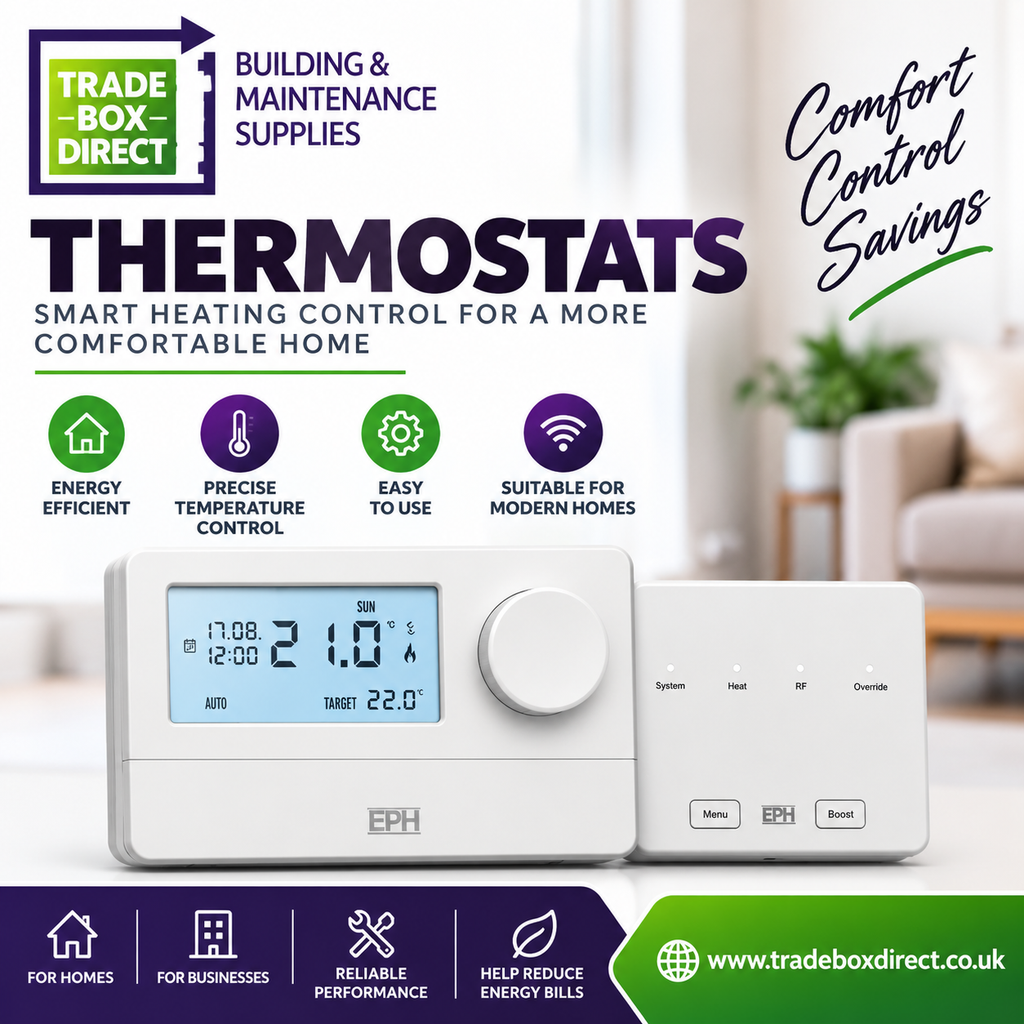
If you want to shop for a thermostat with programmable and wireless features, the EPH – CP4D OpenTherm Programmable RF Thermostat is an option to consider.
This product combines programmable control, RF communication and OpenTherm support.
These features can be useful for compatible heating systems where you want more control over heating times.
Before you buy, check that your boiler and heating system support the required functions.
You should also read the product details and installation information.
What Are the Benefits of a Programmable RF Thermostat?
A programmable RF thermostat can offer several useful benefits.
Wireless control: You can control the heating without a long cable between the thermostat and receiver.
Heating schedules: You can set the heating to run at chosen times.
Easy placement: The room thermostat can be placed in a suitable location.
Better control: Different settings can be used during the day.
Simple daily use: Once the schedule is set, the system can follow it.
However, features can vary between models. Always check the product details before you buy.
How Are Modern Thermostats Made?
Modern THERMOSTATS contain electronic parts and temperature sensors.
They may also have a screen, buttons and a protective outer case.
Wireless models contain parts that allow them to send signals to a receiver.
Programmable models also contain controls that let users set heating times.
OpenTherm models are designed to communicate with compatible heating systems.
The exact design will vary between products. Therefore, check the product information before shopping.
What Should You Check Before Buying Thermostats?
Before you buy THERMOSTATS, check these points:
- Is it suitable for your boiler?
- Is it wired or wireless?
- Does it use RF?
- Can you set heating times?
- Does it support OpenTherm?
- Is the screen easy to read?
- Are the controls simple?
- Does it need a receiver?
- Is professional installation needed?
These checks can help you choose a suitable product.
FAQs About Thermostats
What type of thermostat should I buy?
The right THERMOSTATS depend on your boiler and heating needs. Check compatibility first. Then compare programmable, wireless, RF, smart and OpenTherm options.
What does a programmable thermostat do?
A programmable thermostat lets you set heating times. This can make daily heating control easier.
Are wireless thermostats a good choice?
A compatible wireless thermostat can be useful when you want to avoid long cables. Always check the range and compatibility first.
What does RF mean on a thermostat?
RF means radio frequency. An RF thermostat uses a wireless radio signal to communicate with a matching receiver.
Can every boiler use an OpenTherm thermostat?
No. Your boiler must support OpenTherm. Check your boiler details before you buy.
Can I use a wireless thermostat with my current heating system?
It depends on your system. Check the boiler, receiver and thermostat compatibility before shopping.
What is a smart thermostat?
A smart thermostat can offer extra features such as app control and remote heating settings. Features vary by model.
What is a wireless room thermostat?
A wireless room thermostat measures room temperature and sends a signal to a compatible heating receiver.
What is the EPH CP4D thermostat?
The EPH – CP4D OpenTherm Programmable RF Thermostat is a programmable RF thermostat designed for compatible OpenTherm heating systems.
Where can I shop for thermostats?
You can browse the THERMOSTATS range online. Compare the features and check compatibility before you buy.
Final Thoughts
Choosing THERMOSTATS is easier when you know what to check.
First, look at your boiler. Next, think about your heating needs.
You may want a programmable thermostat if you want set heating times. A wireless thermostat can be useful if you want flexible placement.
An OpenTherm thermostat may suit a compatible OpenTherm boiler. Meanwhile, a smart model may offer app-based control.
If you want programmable, RF and OpenTherm features, you can review the EPH – CP4D OpenTherm Programmable RF Thermostat.
Most importantly, check compatibility before you buy. Choose controls that are easy to understand and simple to use.
With the right THERMOSTATS and heating controls, you can manage your home heating with less effort.
What Maintenance Does Insulation Need in West Midlands Properties?
Introduction
Good INSULATION can help keep your home warm in winter. It can also help keep rooms cooler in summer. In turn, this may help you use less energy for heating.
However, Heat protection needs some care. It can become wet, damaged or pressed down over time. Roof leaks, pests and storage can also cause problems.
For this reason, homeowners in Birmingham, Coventry, Wolverhampton, Dudley, Walsall and nearby areas should check their Heat protection from time to time.
The good news is that most checks are simple. You do not need to inspect your loft every week. A basic check once a year can help you spot problems early.
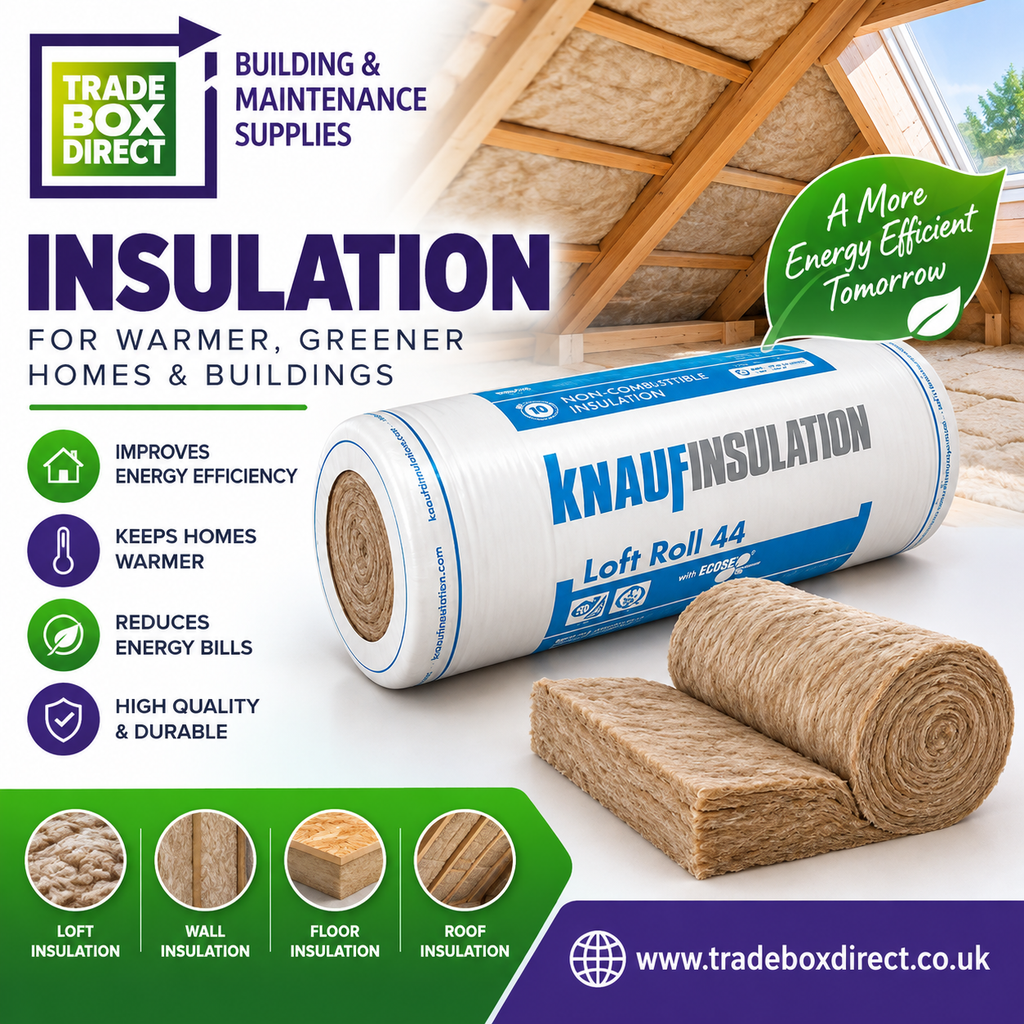
Why Does Insulation Need Maintenance?
Most INSULATION products can last for many years. Yet, problems can still occur.
For example, a roof leak may make the Heat protection wet. Wet insulation may not work as well. It can also lead to damp and mould if the problem is left alone.
Storage can cause another issue. Heavy boxes can press down on loft Heat protection. This can reduce its thickness and affect its performance.
Therefore, check your Heat protection from time to time. Look for damage, damp areas and gaps. Also, check that the Heat protection has not been moved.
Check Your Loft Insulation
Loft insulation is a common way to reduce heat loss through the top of a home.
Start with a simple visual check. Look across the loft and check the insulation layer.
Look for:
- Wet or damp areas
- Missing sections
- Large gaps
- Flattened Heat protection
- Mould
- Pest damage
- Damage from stored items
Also, check around the loft hatch. Heat can escape through gaps around this area.
If you find wet insulation, do not replace it straight away. First, find the source of the water. It could be a roof leak, pipe leak or another problem.
Fix the cause first. Then check the Heat protection again.
Does Roof Insulation Need Maintenance?
Roof insulation can help slow heat loss through the roof. It should stay dry and in good condition.
After heavy rain, check your loft for signs of water. You can look for dark marks, wet patches or a damp smell.
Roof repairs can also disturb Heat protection. So, check the area after any roof work.
Good ventilation is important too. Do not block vents with Heat protection or stored items. Air needs to move through the roof space in the right way.
Keep Thermal Insulation Dry
Thermal insulation helps slow the movement of heat.
Different products work in different ways. However, most insulation needs to stay in good condition to work well.
Moisture can cause problems. So, check for leaks and condensation.
If you find damp Heat protection, find the cause. Do not simply cover the wet area with a new layer.
Good ventilation can also help control moisture. Therefore, make sure roof vents stay clear.
What Is Attic Insulation?
Attic insulation is another term used for Heat protection in an attic or loft space.
It helps slow heat loss from the rooms below.
When you inspect attic Heat protection, look for an even layer. Large gaps can reduce coverage.
Also, check the edges of the loft. Make sure insulation does not block the airflow needed for roof ventilation.
The loft hatch should also close well. If there are gaps, heat may escape through them.
What Is a Loft Insulation Roll?
A loft insulation roll is supplied in a long, flexible roll.
This type of product can be useful when you need to cover a large loft area. It can also be cut to fit different spaces.
Before you buy, check the product size and coverage. Also, check the recommended thickness.
Do not press the material down more than the instructions allow. Keeping the correct thickness is important for good performance.
What Is Knauf Loft Insulation?
Knauf loft insulation is made for suitable insulation applications in buildings.
Knauf offers different Heat protection products for different parts of a property. Therefore, you should always check the product before you buy.
A product made for a loft may not be the right choice for a wall or another part of a building.
Follow the product instructions during installation. This helps you get the best result.
What Is Insulation for Loft Areas Used For?
Insulation for loft areas helps reduce heat loss through the top of a home.
Warm air rises. Without enough insulation, more heat can pass into the loft and through the roof.
A good Heat protection layer slows this heat loss. As a result, your home may stay warmer for longer.
Still, insulation cannot fix a roof leak. It also cannot replace good roof ventilation.
For that reason, check the whole loft space and not just the Heat protection.
Energy Saving Insulation for West Midlands Homes
Energy saving insulation can form part of a home’s energy-saving plan.
Good Heat protection can reduce heat loss. This may help reduce the need for heating.
However, the condition of the Heat protection matters.
Compressed or damaged material may not perform as expected. So, check your loft from time to time.
If you use the loft for storage, take extra care. Heavy items should not press directly onto the insulation.
Knauf Loft Roll 44 – Combi Cut
If you want to shop for loft insulation, the Knauf Loft Roll 44 – Combi Cut is an option to consider for suitable projects.
It is a loft insulation roll made for suitable building uses. Its roll format can make it easier to handle and move.
The Combi Cut design can also make cutting and fitting easier during installation.
Before you buy, check the product details. Make sure the size and specification suit your loft.
Always follow the manufacturer’s fitting instructions.
How Is Knauf Loft Roll Made?
Knauf insulation products are made using materials designed to help control heat flow.
Loft rolls are formed into long, flexible lengths. This makes them easy to carry, cut and fit in suitable loft areas.
The exact material and production method can vary by product.
Therefore, check the product information before shopping. It will give you key details about the product and its intended use.
What Are the Benefits of Loft Roll Insulation?
Loft roll insulation can offer several useful benefits.
Easy to handle
Rolls can be easier to carry into a loft.
Easy to cut
You can cut the material to suit the space when the product instructions allow it.
Good area coverage
A roll can cover a large area of a loft.
Helps reduce heat loss
Suitable Heat protection can slow heat movement through the roof area.
Useful for home upgrades
Loft roll can form part of a wider home energy plan.
However, correct fitting is still important. Always use the product as directed.
How Often Should You Check Insulation?
There is no fixed check time for every home.
Still, a yearly visual check is a good habit. You should also check your loft after a roof repair, leak, storm or building work.
During the check, look for:
- Damp patches
- Missing insulation
- Flattened areas
- Mould
- Pest damage
- Gaps
- Blocked vents
- Damage from storage
If you find a major issue, get advice from a suitable professional.
Can Storage Damage Loft Insulation?
Yes. Heavy items can press down on Heat protection.
When insulation becomes too flat, it may not give the same level of thermal protection.
Therefore, do not place heavy boxes directly on the Heat protection.
If you need loft storage, use a suitable raised storage system. This can give you a firm surface while keeping space for the Heat protection below.
Also, keep vents and electrical equipment clear.
FAQs About Insulation Maintenance
How long does insulation last?
Good Heat protection can last for many years. Its working life depends on the product, installation and condition. Keep it dry and free from damage.
Does loft Heat protection need replacing?
Not always. If loft insulation is dry and in good condition, it may not need replacing. Wet or damaged Heat protection may need attention.
Can wet insulation be used again?
It depends on the material and the level of damage. First, find and fix the source of the water. Then check the Heat protection.
How do I maintain roof insulation?
Check for leaks, gaps and damage. Also, make sure roof vents are not blocked.
Is Knauf Loft Roll suitable for every loft?
No single product suits every loft. Check the product details and installation guide before you buy.
What is the benefit of a loft insulation roll?
A loft insulation roll can cover large areas. It is also flexible and can be cut to suit the space.
How does thermal Heat protection help save energy?
Thermal insulation slows heat loss. This can help your home stay warm for longer and may reduce heating use.
Can I install loft Heat protection myself?
Some loft Heat protection products are suitable for DIY work. However, always follow the instructions. Take care around electrical equipment and roof vents.
Where can I shop for loft Heat protection?
You can browse the INSULATION range online. Check the product details before you buy.
What should I check before buying Heat protection?
Check the product type, size, thickness and coverage. Also, make sure it is suitable for your planned application.
Final Thoughts
Regular checks can help keep Heat protection in good condition.
For West Midlands homes, pay close attention to damp, roof leaks, gaps and compressed material. Also, take care when using your loft for storage.
Loft insulation can help reduce heat loss. In addition, suitable roof insulation can support better thermal performance.
If you are planning a loft upgrade, you can shop for the Knauf Loft Roll 44 – Combi Cut. Check the product details before you buy.
Most importantly, deal with leaks and damp as soon as possible. Keep vents clear and avoid pressing down the Heat protection.
With the right care, Heat protection can continue to help make your home warmer and more energy efficient.
Where Can Homeowners Buy Quality Wood Screws in the West Midlands?
Introduction
Home improvement projects often need the right fasteners. Whether you are building furniture, fixing timber, fitting shelves or carrying out repairs, choosing suitable SCREWS can make the job easier. The right screw can provide a strong hold while also giving a neat finish.
Homeowners across Birmingham, Coventry, Wolverhampton, Dudley, Walsall and other parts of the West Midlands have many projects to consider. However, not every screw suits every task. Therefore, it is important to understand the different types available before you shop or buy.
From countersunk screws to construction screws and wood screws, each type has a useful purpose.
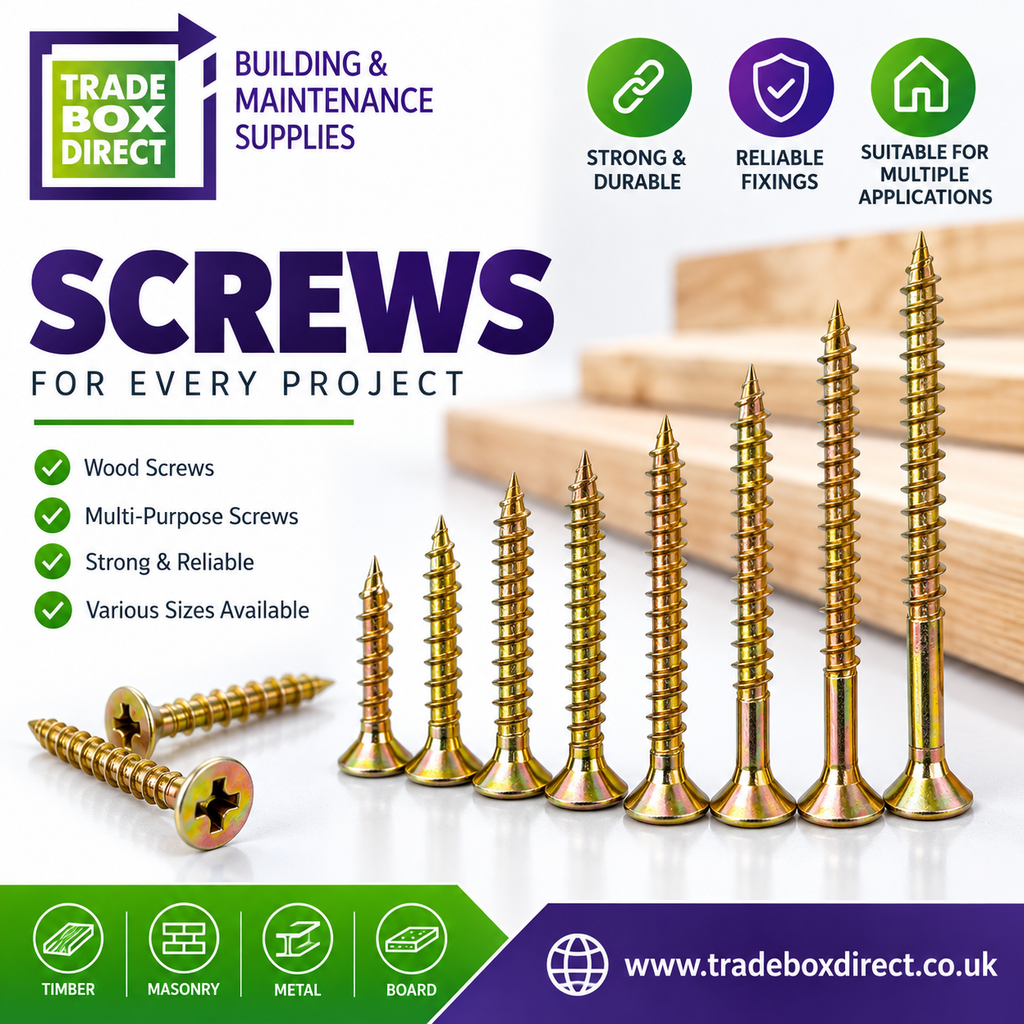
What Should Homeowners Look for When Buying Screws?
Before buying SCREWS, think about the material, project and required finish.
For timber projects, wood screws are a common choice. They are designed to provide a secure connection between pieces of wood.
You should also consider the screw length. A screw that is too short may not provide enough grip. On the other hand, one that is too long could pass through the timber or damage another surface.
The screw diameter also matters. Thicker Fasteners can provide greater holding strength, while smaller Fasteners may suit lighter jobs.
Finally, consider the head type and drive. These features affect how easily the screw can be installed.
Why Choose Countersunk Screws?
Countersunk screws have a head designed to sit flush with, or slightly below, the surface of the material.
This design is useful when you want a smooth finish. Once installed correctly, the screw head does not stick out as much as some other head types.
Countersunk screws work well for many woodworking and DIY projects. They can be useful when fitting timber panels, joining boards, making furniture and completing general repairs.
For a neat result, make sure the screw size matches the material. You can also create a suitable countersunk hole when required.
What Are Countersunk Wood Screws?
Countersunk wood screws combine the benefits of a wood screw with a countersunk head.
The threaded body provides grip in timber, while the angled head allows the screw to sit neatly within the surface.
These Fasteners are useful for homeowners who want both strength and a clean appearance. They can be used for furniture assembly, timber repairs, shelving and many other woodworking tasks.
However, the correct length and diameter should always be selected for the project.
When Should You Use Construction Screws?
Construction screws are designed for building and general construction work. They are often used where a strong fixing is needed.
For example, they may be useful when joining timber frames, fixing wooden structures or completing heavier DIY work.
Construction screws can have features that make installation easier. Depending on the product, these may include sharp points, strong threads and coatings designed for particular environments.
Therefore, check the product details before you buy. The right screw should match both the material and the job.
What Are Pozi Screws?
Pozi screws use a Pozidriv drive design. This is a common screw-drive type used for many household and construction applications.
A suitable Pozi screwdriver or bit fits into the screw head. This allows the user to apply turning force during installation.
The correct bit size is important. A poorly fitting bit may slip and damage the screw head.
For DIY work, having several suitable driver bits available can make installation faster and easier.
Choosing the Right Wood Screws for DIY Projects
When choosing SCREWS for a timber project, start by checking the wood type.
Softwood and hardwood can have different fixing requirements. The thickness of the timber also affects the screw length you need.
Next, think about the finish. If you want the screw head to sit neatly within the timber, a countersunk design may be suitable.
Then consider the drive type. Pozi screws can be useful when you already have compatible Pozidriv bits.
Finally, check the coating. Some Fasteners have coatings that offer better resistance to corrosion than standard finishes.
By checking these points first, you can avoid buying the wrong product.
Multi-Purpose Golden Pozi Countersunk Wood Screws
For homeowners looking for a versatile option, the MULTI-PURPOSE GOLDEN POZI COUNTERSUNK WOOD SCREWS are designed for a wide range of woodworking and DIY applications.
The golden finish gives the screw a distinctive appearance. Meanwhile, the countersunk head helps create a neat finish when the screw is installed correctly.
The Pozi drive also makes the product suitable for users who already have compatible Pozidriv tools.
As a multi-purpose product, these screws can be considered for everyday woodworking, furniture work, repairs and other timber projects.
Before you shop, check the available size options and select the length and diameter that suit your application.
How Are Golden Pozi Countersunk Wood Screws Made?
Most modern wood Fasteners are manufactured from metal and then formed into their required shape.
The manufacturing process creates the shaft, threads, point and head. The drive recess is then formed into the head.
A coating or finish may also be applied. In the case of golden screws, the finish gives them their characteristic colour and can also form part of the surface protection.
Exact materials and manufacturing methods can vary between products. Therefore, product specifications should always be checked before purchase.
What Are the Advantages of Countersunk Wood Screws?
There are several reasons homeowners choose countersunk wood screws.
Neat appearance: The head can sit flush with the timber.
Good grip: The threaded body can provide a secure hold in suitable wood.
Versatile use: They can suit many woodworking and DIY applications.
Easy installation: A compatible Pozi driver can make fitting straightforward.
Useful for furniture: The countersunk design can help create a clean surface.
However, the screw must match the material and application. Using the wrong size can reduce the quality of the finished connection.
Where Can Homeowners Buy Quality Screws in the West Midlands?
Homeowners can shop online when they need a convenient way to compare different Fasteners and fixing products.
The SCREWS category at TradeboxDirect includes different options for woodworking, construction and general DIY projects.
Shopping online also makes it easier to check product details before you buy. You can review the screw type, size and intended use before placing an order.
For a specific woodworking project, compare the available options rather than choosing a product based only on appearance.
How Many Screws Do You Need?
The number of SCREWS you need depends on the size of the project.
For a small shelf or repair, you may only need a few. Larger furniture projects or timber structures can require many more.
It is useful to calculate the number before shopping. Buying a few extra can also help if a screw becomes damaged during installation.
However, avoid buying large quantities until you have confirmed the correct size and type.
Tips for Using Wood Screws Safely
Using screws is simple, but a few basic steps can improve the result.
First, select the correct driver bit. Next, mark the fixing points carefully.
For some timber, drilling a pilot hole can help reduce splitting. This can be especially useful near the edge of a board.
Then drive the screw straight into the material. Avoid excessive force, as this can damage the screw head or timber.
Finally, check the finished joint. The screw should hold the material securely without causing unnecessary damage.
FAQs About Wood Screws
What type of screw is best for wood?
The right wood screws depend on the timber and project. Countersunk wood Fasteners are a popular option when you want both grip and a neat finish.
What are countersunk screws used for?
Countersunk screws are designed so that the head can sit flush with the material. They are commonly used where a smooth finish is required.
Are construction screws suitable for wood?
Some construction screws are suitable for timber. However, always check the product specifications and intended application before use.
What does Pozi mean on a screw?
Pozi refers to the Pozidriv drive design. You need a compatible Pozidriv screwdriver or bit to install these Fasteners correctly.
Why use countersunk wood Fasteners?
Countersunk wood screws can provide a secure timber connection while allowing the head to sit neatly within the surface.
How are wood Fasteners made?
Wood Fasteners are generally manufactured from metal. The material is formed into the shaft, thread and head, while a drive recess is added to the head. A surface finish may then be applied.
What are the advantages of golden Pozi screws?
The MULTI-PURPOSE GOLDEN POZI COUNTERSUNK WOOD SCREWS offer a countersunk design and Pozi drive. Their golden finish also provides a distinctive appearance for suitable woodworking projects.
Should I drill a pilot hole before using wood Fasteners?
A pilot hole can help guide the screw and reduce the risk of splitting, particularly with some timber types or when working close to an edge.
Where can I shop for wood Fasteners in the West Midlands?
You can browse the SCREWS range online and compare different types before you buy.
Final Thoughts
Choosing the right Fasteners starts with understanding your project. Think about the timber, screw length, diameter, head style and drive type.
For a clean finish, countersunk screws are worth considering. If you need a versatile timber fixing, countersunk wood screws can be a practical choice.
The MULTI-PURPOSE GOLDEN POZI COUNTERSUNK WOOD SCREWS are another option for homeowners carrying out woodworking and DIY tasks.
Most importantly, choose a screw that matches the job. Check the specifications, use the correct tools and install each fixing carefully. With the right preparation, even simple home improvement projects can achieve a strong and tidy finish.
How Often Should Window Air Vents Be Cleaned?
Introduction
Clean and working Window air vents help fresh air move through a property. They also help reduce stale air, moisture, and unwanted smells. However, like other parts of a home, Window air vents need regular cleaning to work well.
In most homes, you should check and clean Window air vents every three to six months. Homes near busy roads, building work, farms, or areas with high dust may need more frequent cleaning. Regular care can also support better VENTILATION and help your rooms feel fresher.
This guide explains how Window air vents are made, why they need cleaning, how to clean them, and what benefits they can provide.
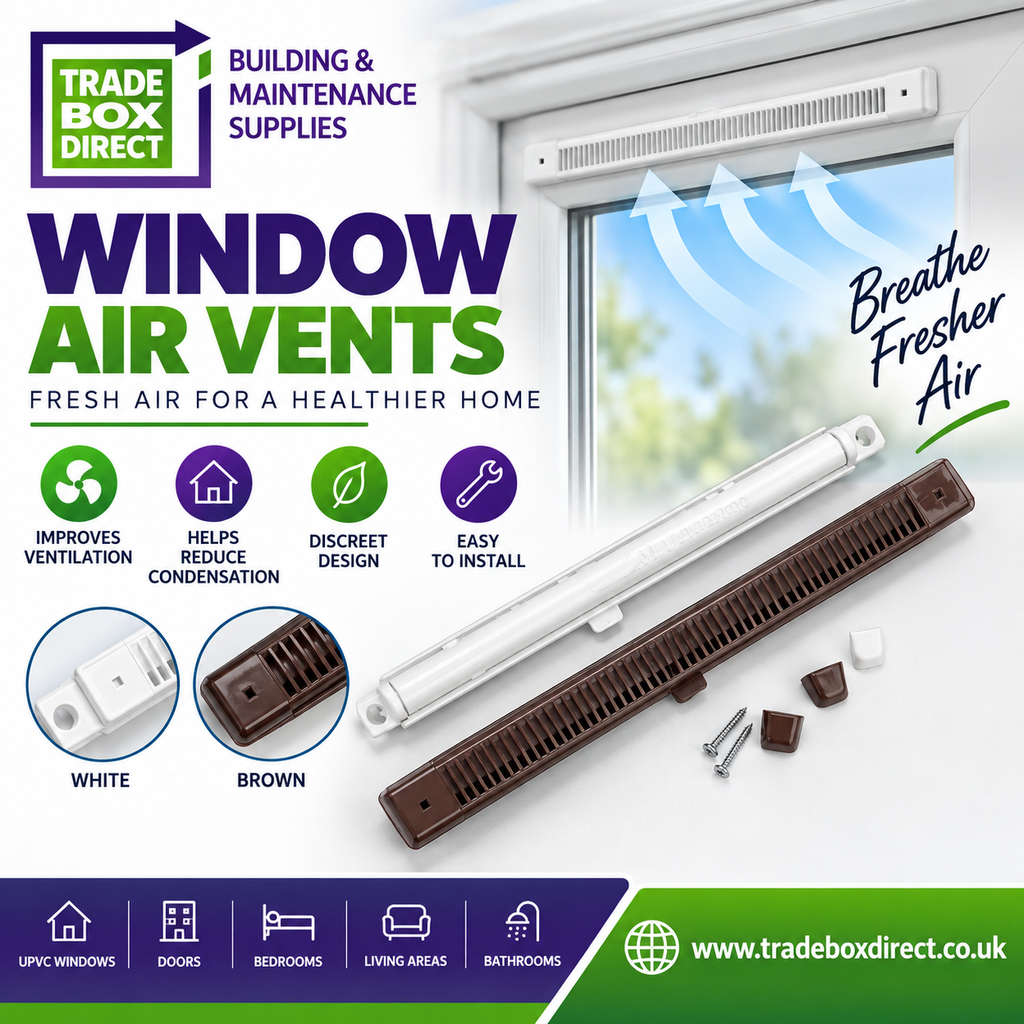
What Are Window Air Vents?
Window air vents are small ventilation openings fitted into or around windows. They allow controlled airflow between the inside and outside of a property. Many are designed to provide fresh air without requiring a window to remain open.
These vents can come in different shapes, sizes, and materials. Plastic is a common choice because it is light, durable, and easy to clean. Some models include covers, sliders, filters, or insect protection.
The main purpose of Window air vents is to support steady airflow. Therefore, they can play an important role in home VENTILATION, especially in modern homes that have good insulation and tightly sealed windows.
How Are Window Air Vents Made?
Most Window air vents use a simple design. A typical vent has an outer cover and an internal air channel. The cover protects the opening while allowing air to pass through.
Many plastic models use moulded plastic parts. Manufacturers shape the material into a vent body, grille, or cover. Some products also include a movable control that lets users adjust airflow.
Depending on the design, a vent may include:
- An external cover
- An internal cover
- Air slots or openings
- A control slider
- Fixing screws
- An insect mesh
- A filter or protective screen
The exact construction depends on the product. When you shop for Window air vents, check the size, material, airflow design, and fitting method before you buy.
How Often Should Window Air Vents Be Cleaned?
A useful starting point is to inspect Window air vents every three months. If they look clean and airflow remains strong, a deeper clean may only be needed every three to six months.
However, your cleaning schedule can change depending on your property.
For example, homes with pets may collect more hair and dust. Properties near busy roads may collect traffic dust. During building work, fine particles can enter vents more quickly.
You should consider cleaning them sooner if:
- Dust covers the vent openings.
- Airflow feels weaker.
- You notice visible dirt.
- Insects or debris have entered the vent.
- The room feels stale.
- Condensation appears more often.
- The vent makes unusual airflow sounds.
Keeping Window air vents clear helps maintain effective VENTILATION and allows the vent to perform as intended.
Why Do Window Air Vents Need Cleaning?
Dust and dirt can collect around the openings over time. If debris builds up, airflow may become restricted. A blocked vent cannot move air as effectively as a clean vent.
Regular cleaning also helps protect the vent from unnecessary wear. Dirt can collect around sliders, grilles, and mesh screens. Simple cleaning can help these parts remain easier to operate.
Good VENTILATION can also support a more comfortable indoor environment. Fresh airflow helps replace stale indoor air with cleaner outdoor air.
However, cleaning a vent does not replace a complete ventilation system service. If your property has mechanical ventilation, extraction fans, or other equipment, follow the manufacturer’s maintenance instructions as well.
What Are the Advantages of Clean Window Air Vents?
Clean Window air vents can provide several practical benefits.
1. Better Airflow
A clean vent gives air a clear path. This can help maintain steady airflow around the room.
2. Support for Fresh Indoor Air
Regular airflow can reduce the feeling of stale air. This is particularly useful in bedrooms, kitchens, bathrooms, and living areas.
3. Less Dust Build-Up
Cleaning removes dust from the visible surface and openings. This keeps the vent looking cleaner.
4. Improved Vent Operation
If a vent has a slider or adjustable control, removing dirt can help it move more smoothly.
5. Support for Moisture Control
Good airflow can help move humid air out of a property. As a result, suitable VENTILATION can support efforts to manage excess indoor moisture.
6. Longer-Lasting Components
Routine care can help keep covers, mesh, and moving parts in good condition.
How Do You Clean Window Air Vents?
Cleaning Window air vents is usually straightforward. First, check the manufacturer’s instructions. Some products have removable covers, while others should stay fixed in place.
Start by gently removing loose dust with a soft brush or vacuum cleaner. Next, wipe the accessible surfaces with a slightly damp cloth.
If the cover can be safely removed, clean it with mild soapy water. Allow it to dry fully before replacing it.
Avoid forcing parts that do not move easily. Also, do not block the air openings with cloth, tape, sealant, or other materials.
A simple cleaning routine can help maintain effective VENTILATION without damaging the vent.
Can You Clean Window Air Vents Without Removing Them?
Yes. Many Window air vents can be cleaned without removal. This is often the easiest option for routine maintenance.
Use a soft brush or vacuum attachment to remove dust from the grille. Then wipe the surface with a clean, damp cloth.
Do not push dust deep into the air channel. Instead, work gently from the outside.
If the vent contains a removable filter or mesh, check the manufacturer’s instructions before washing it. Some filters can be cleaned, while others need replacement.
When Should You Replace Window Air Vents?
Cleaning can solve many minor problems, but some Window air vents may eventually need replacement.
Consider a replacement when the vent has cracks, broken controls, damaged covers, blocked internal parts, or poor airflow that continues after cleaning.
A replacement may also make sense when an old vent no longer suits the window or airflow requirements.
Before you buy new Window air vents, measure the existing opening carefully. Check the width, length, depth, fixing points, and product type.
If you are shopping online, compare the product specifications rather than choosing only by appearance.
How Can You Choose the Right Window Air Vents?
Choosing the right Window air vents depends on the window, room, airflow needs, and fitting method.
Look at the following points before you shop:
Size: Make sure the vent matches the required opening.
Material: Plastic vents are popular because they are lightweight and simple to maintain.
Design: Choose a design that suits the window and allows practical airflow control.
Protection: If insects are a concern, consider a vent with suitable mesh protection.
Installation: Check whether the product fits your existing window system.
Colour: White is common, but some products may be available in other finishes.
You should also check the manufacturer’s fitting instructions. Correct installation matters because a poorly fitted vent may not provide the expected airflow.
How Do Window Air Vents Support Home Ventilation?
Window air vents provide controlled openings that allow outdoor air to enter a property. This can support the wider VENTILATION strategy of a home.
They work alongside other features such as extractor fans, air bricks, opening windows, and mechanical ventilation equipment.
Good airflow depends on the whole property. Therefore, simply installing a vent does not guarantee perfect indoor air quality.
For this reason, keep existing vents clear and avoid covering them during decorating or insulation work.
Should You Buy Window Air Vents Online?
Online shopping can make it easier to compare different Window air vents in one place. You can check dimensions, materials, features, fitting details, and prices before you buy.
When shopping, avoid choosing a product based only on a low price. A suitable size and correct design are more important.
If you need replacement Window air vents, check the measurements of your current vent first. You can then compare suitable products and choose the option that matches your requirements.
A trusted supplier can also provide product information to help you make an informed purchase.
Simple Window Air Vent Cleaning Schedule
A simple maintenance routine can make cleaning easier.
Every month: Look at the vent and check for visible dirt.
Every three months: Remove dust and wipe accessible surfaces.
Every three to six months: Carry out a more detailed clean.
After building work: Check for extra dust and debris.
When airflow changes: Inspect the vent immediately.
This routine can help maintain clean Window air vents and support consistent VENTILATION.
Frequently Asked Questions
How often should Window air vents be cleaned?
Most homes can clean them every three to six months. However, dusty properties may need more frequent cleaning.
Can dirty Window air vents reduce airflow?
Yes. Dust and debris can restrict the openings and reduce airflow. Regular cleaning helps keep the air path clear.
Are Window air vents useful in modern homes?
Yes. Modern homes can be well sealed, so controlled airflow can support VENTILATION when used as part of a suitable overall approach.
Can I wash plastic Window air vents?
Many removable plastic covers can be washed with mild soapy water. Always check the product instructions before removing or washing any part.
Do Window air vents help with condensation?
They can support airflow, which may help manage indoor moisture. However, condensation can have several causes, so a vent alone may not solve the problem.
What should I check before I buy Window air vents?
Check the dimensions, vent type, material, airflow design, fixing method, and compatibility with your window.
Should I block Window air vents in winter?
Do not block ventilation openings unless the product instructions specifically allow adjustment or closure. Restricted airflow can affect indoor VENTILATION.
Are Window air vents easy to install?
Some models are simple to fit, while others require specific window preparation. Always follow the manufacturer’s installation instructions.
Conclusion
Regular cleaning keeps Window air vents clear and helps them support steady airflow. For many homes, checking them monthly and cleaning them every three to six months provides a practical routine.
Still, every property has different needs. Dust, pets, traffic, construction work, and indoor moisture can change how often cleaning is required.
When you shop for replacement Window air vents, focus on correct measurements, suitable materials, airflow features, and fitting requirements. A well-chosen product can become a useful part of your home’s VENTILATION system.
If your existing vents are damaged, blocked, or difficult to operate, consider replacing them with suitable products. Compare specifications before you buy so that your new Window air vents match your windows and airflow requirements.
How Do You Choose the Right Tile Levelling Clips for Tiles in the West Midlands?
Introduction
Tiling can change the look of a room. However, getting a smooth and even finish takes care and the right equipment. Uneven tiles can create raised edges, uneven joints and an untidy surface. Therefore, many DIY users and professional tilers use a TILE LEVELING SYSTEM to help keep tiles at a similar height during installation.
Choosing the right system depends on the tile size, thickness, layout and type of project. You also need to consider the size of the grout joint you want. With the correct tile leveling spacers, you can make the installation process easier and achieve a more consistent result.
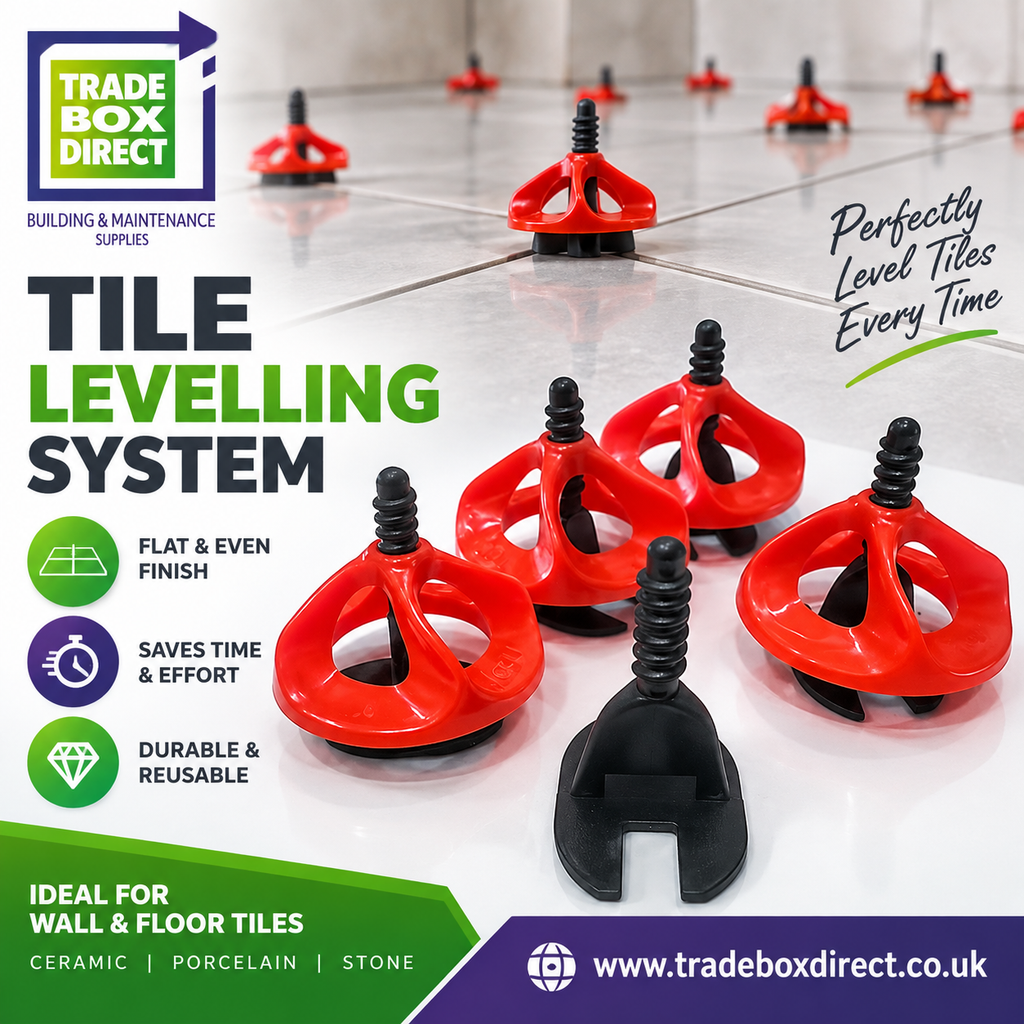
What Is a TILE LEVELING SYSTEM?
A TILE LEVELING SYSTEM is a group of small tools that helps keep neighbouring tiles level while adhesive sets. It can reduce differences in height between tiles and help create cleaner grout lines.
Most systems use clips, spacers, screws, wedges or nuts. The exact design depends on the product.
For example, some systems use a screw and nut arrangement. You place the spacer between the tiles and then tighten the nut. This applies pressure across the tile surface and helps bring nearby tiles to a similar level.
However, a leveling system does not replace good tiling skills. The floor or wall should still be clean, flat and properly prepared.
Why Are Tile Leveling Spacers Important?
Tile leveling spacers help create a consistent gap between tiles. At the same time, they can help reduce lippage, which means one tile sits higher than the tile beside it.
This is especially useful with large-format tiles. Larger tiles can show small differences more clearly. Therefore, careful spacing and leveling can make a big difference to the final appearance.
Tile leveling spacers are also useful for bathroom floors, kitchen walls, hallways and other tiled areas.
How Do Tile Spacers Work?
Tile spacers are placed between tiles to create an even joint. Their size determines the approximate gap between the tiles.
A 2mm spacer, for example, creates a narrow joint when the tiles are positioned correctly.
A leveling system adds another function. It helps keep adjacent tiles at a similar height while the adhesive cures.
The process is simple:
- Prepare the surface.
- Spread the correct tile adhesive.
- Place the first tile.
- Position the next tile.
- Put the spacer or leveling clip between them.
- Tighten the screw, nut or wedge as required.
- Continue across the area.
- Allow the adhesive to cure.
- Remove the leveling components according to the product instructions.
As a result, the tiles can form a more even surface.
Choosing Floor Tile Spacers
When selecting floor tile spacers, first consider the joint width you want.
Common sizes include 1mm, 2mm, 3mm and larger options. The correct size depends on the tile design, installation method and grout requirements.
For a clean modern look, narrow joints are often preferred. However, some tiles require wider joints. Always follow the tile manufacturer’s guidance.
Tile size also matters. Large tiles often benefit from a leveling system because even a small height difference can become noticeable.
What Tiling Tools Do You Need?
A good collection of tiling tools can make the job easier and more accurate.
Useful tools may include:
- Tile spacers
- Tile leveling clips
- Screws or leveling nuts
- Tile cutters
- Notched trowels
- Rubber mallets
- Grout floats
- Measuring tools
- Tile nippers
- Spacers for corners and edges
Each tool has a different purpose. Therefore, selecting the right equipment before starting can save time during the installation.
Tile Levelling System vs Tile Spacers
The terms are sometimes used together, but they have different roles.
A tile levelling system helps control height differences between neighbouring tiles. Standard tile spacers mainly create a consistent gap.
Some products combine both functions.
For example, a 2mm leveling spacer can help create the joint while a screw and nut system applies pressure to keep the tile surfaces aligned.
Therefore, when shopping for a TILE LEVELING SYSTEM, check exactly what is included in the pack.
What Should You Check Before Buying?
There are several points to check before you buy.
1. Tile Thickness
Check the thickness range supported by the product. Tiles can vary greatly in thickness, so the leveling component must suit your tiles.
2. Joint Width
Check the required grout gap. If you need a 2mm joint, look for a compatible 2mm system.
3. Tile Size
Large-format tiles often need careful leveling. A suitable system can make installation easier.
4. Reusable Components
Some systems have reusable parts, while others use disposable clips. Check what the product contains before shopping.
5. Installation Method
Read the instructions before use. Each TILE LEVELING SYSTEM can have slightly different fitting and removal methods.
Tile Spacer Levelling System 2mm Floor Twister
If you are looking for a practical option, the Tile Spacer Levelling System 2mm Floor Twister Spacer Screws + Red Twister Nuts is designed for tile leveling applications.
The system uses 2mm spacers with twister spacer screws and red twister nuts. The components work together to help maintain an even gap and reduce height differences between tiles.
This type of system can be useful for floor tiling projects where consistent joints and a level surface are important.
Before you buy, check your tile thickness and make sure the product is suitable for your installation.
How Does the Twister System Work?
The idea behind the system is straightforward.
First, place the tiles onto the prepared surface with adhesive. Next, position the 2mm spacer between the tiles.
The spacer helps create the required joint. Then, place the screw through the spacer and secure it with the twister nut.
As the nut is tightened, it applies pressure across the tiles. This helps bring the tile surfaces closer to the same level.
Once the adhesive has cured, remove the leveling components as directed.
The process can help reduce tile movement while the adhesive sets.
What Are the Advantages of a Tile Leveling System?
A TILE LEVELING SYSTEM can provide several practical benefits.
More consistent joints: The spacers help maintain an even gap between tiles.
Reduced lippage: The system can help reduce height differences between neighbouring tiles.
Easier installation: Leveling components can make tile positioning simpler.
Cleaner finish: Even tile surfaces can create a more professional-looking result.
Useful for large tiles: Large-format tiles can be more difficult to align by hand.
However, the system works best when the base is properly prepared. A leveling system cannot correct major problems in an uneven floor or wall.
Are Tile Spacers Suitable for DIY Projects?
Yes. Many DIY users can use tile spacers and leveling systems when they follow the product instructions carefully.
Start with a small area if you have never used a leveling system before. Take your time when placing the first few tiles.
Also, avoid overtightening the components. Excessive pressure can damage tiles or affect the adhesive bed.
With practice, the process becomes easier.
Choosing the Right System in the West Midlands
Whether you are tiling a home in Birmingham, Wolverhampton, Coventry, Dudley, Walsall or another part of the West Midlands, the basic selection process remains the same.
Think about your tile size, tile thickness and required grout joint first. Then choose compatible tile spacers and leveling components.
For larger projects, having enough tiling tools ready before work begins can also help prevent delays.
If you need a 2mm solution, you can shop for the Tile Spacer Levelling System 2mm Floor Twister Spacer Screws + Red Twister Nuts and check its product specifications before placing an order.
Frequently Asked Questions
What is the purpose of a TILE LEVELING SYSTEM?
A TILE LEVELING SYSTEM helps keep neighbouring tiles at a similar height during installation. It can also help maintain consistent joints when used with suitable spacers.
What size tile spacer should I use?
The correct size depends on your tile and the grout joint you want. A 2mm spacer is suitable when a 2mm joint is required and the tile manufacturer allows that joint size.
Are tile leveling spacers the same as tile spacers?
Not always. Standard tile spacers mainly maintain the gap between tiles. Leveling spacers can also help control height differences between neighbouring tiles.
Are floor tile spacers useful for large tiles?
Yes. Floor tile spacers can help maintain consistent joints. A leveling system can provide additional support when working with large-format tiles.
How are tile leveling clips made?
The components are commonly made from durable plastic or similar materials. The design allows them to hold tiles in position while adhesive sets. Product materials can vary, so check the manufacturer’s product details.
How does a twister tile leveling system work?
A twister system uses a spacer, screw and nut. The components are positioned between neighbouring tiles, and the nut is tightened to help align their surfaces.
Can I use a tile leveling system for wall tiles?
Some systems can be used for both floors and walls. However, always check the product instructions and supported applications before use.
Can I reuse tile leveling tools?
Some parts of a system may be reusable, while other parts are designed for single use. Check the product specification before shopping.
Where can I buy tile leveling products?
You can browse the TILE LEVELING SYSTEM range to find tile spacers, leveling products and other tiling accessories.
Final Thoughts
Choosing the right TILE LEVELING SYSTEM does not need to be difficult. Start by checking your tile thickness, tile size and required joint width. Then choose compatible tile leveling spacers and other accessories.
For a 2mm application, the Tile Spacer Levelling System 2mm Floor Twister Spacer Screws + Red Twister Nuts provides a practical option to consider.
Most importantly, prepare the surface well and follow the product instructions. Good preparation, suitable tile spacers and the right TILE LEVELING SYSTEM can make the tiling process easier and help you achieve a neat, even finish.
How Does a Louvred Air Vent Cover Improve Ventilation in Hull Homes?
Good VENTILATION helps keep a home fresh, dry and comfortable. In Hull, homes can face damp air, condensation and moisture, especially in kitchens, bathrooms, utility areas and older properties. Therefore, having the right vent can make a useful difference.
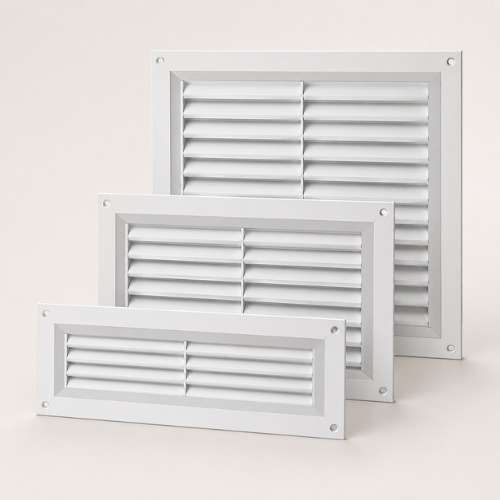
One simple option is a LOUVRED AIR VENT COVER WITH FIXED FLYSCREEN FLY MESH, PLASTIC VENTILATION GRILLE. This type of vent cover allows air to move through an opening while helping keep insects and unwanted debris outside. It can be a practical choice for homeowners who want better airflow without using a complex system.
What Is a Louvred Air Vent Cover?
A louvred air vent cover is a grille with angled openings called louvres. These openings allow air to pass through the vent. At the same time, the design helps protect the opening from direct exposure to the outside.
The LOUVRED AIR VENT COVER WITH FIXED FLYSCREEN FLY MESH, PLASTIC VENTILATION GRILLE adds another useful feature. A fixed flyscreen mesh sits behind the grille. As a result, insects have less chance of entering through the vent.
This product combines a vent cover and mesh screen in one practical design. For Hull homes, it can support everyday VENTILATION in areas where fresh air needs to move through a wall or opening.
How Is the Plastic Ventilation Grille Made?
The grille is generally made from durable plastic. Plastic makes the product light and easy to handle. It also works well for many indoor and outdoor ventilation uses.
The louvres are shaped to create open paths for airflow. Meanwhile, the fixed flyscreen provides a barrier against insects. The two parts work together without making the product complicated to use.
A well-designed LOUVRED AIR VENT COVER WITH FIXED FLYSCREEN FLY MESH, PLASTIC VENTILATION GRILLE should provide a balance between airflow and protection. However, the exact airflow will depend on the size of the grille, the opening behind it and the overall ventilation design.
How Does It Improve Ventilation in Hull Homes?
Air needs a clear route to move in and out of a building. When openings become blocked, airflow can drop. Consequently, rooms may feel stuffy, while moisture can remain trapped for longer.
A louvred vent cover provides a clear opening for air movement. Because of this, it can support better VENTILATION in suitable parts of a property.
For example, it may be useful in a utility room where moisture is created during washing and drying. Likewise, it can support airflow in other areas where a suitable external vent opening is required.
The product does not create airflow by itself. Instead, it allows air to pass through an existing ventilation opening. Therefore, it should be viewed as one part of a wider home VENTILATION setup.
Why Is Fixed Flyscreen Mesh Useful?
Open ventilation points can sometimes allow insects to enter. This can become annoying during warmer months. A fixed flyscreen helps reduce this problem.
The mesh in the LOUVRED AIR VENT COVER WITH FIXED FLYSCREEN FLY MESH, PLASTIC VENTILATION GRILLE acts as a physical barrier. At the same time, it allows air to continue passing through the grille.
This makes the product useful for people who want airflow without leaving an opening completely exposed. The mesh can also help reduce the entry of small outdoor debris, depending on the installation location.
Main Advantages of a Louvred Air Vent Cover
There are several reasons why homeowners may choose this type of grille.
1. Supports Fresh Air Movement
The main purpose is to provide a suitable route for airflow. Better air movement can help reduce stuffiness and support healthier indoor conditions.
2. Helps Keep Insects Out
The fixed flyscreen is a major advantage. It helps create a barrier while keeping the ventilation opening functional.
3. Lightweight Plastic Design
Plastic is generally easy to handle during installation. It can also be a practical material for ventilation grilles used around the home.
4. Simple Appearance
A clean grille can fit neatly on a wall or other suitable ventilation opening. Therefore, it can improve airflow without creating a complicated appearance.
5. Useful for Different Areas
Depending on the size and installation requirements, the grille may suit kitchens, utility rooms, bathrooms, garages and other suitable spaces.
6. Easy to Consider for Replacement
If an old vent cover is damaged, blocked or worn, a replacement grille may help restore the intended airflow path. However, the opening should always be checked before buying a replacement.
Can It Help With Condensation?
Good VENTILATION can help control moisture inside a home. Condensation often develops when warm, moist air meets a cold surface. Bathrooms and kitchens are common areas where this happens.
A suitable ventilation opening can help moist air leave the property. However, a vent cover alone will not solve every condensation problem.
For that reason, homeowners should also consider extractor fans, regular airing, heating and insulation where appropriate. The LOUVRED AIR VENT COVER WITH FIXED FLYSCREEN FLY MESH, PLASTIC VENTILATION GRILLE can form part of this wider approach.
Is It Suitable for Hull Properties?
Hull has a mix of modern houses, older homes, flats and renovated properties. Each building can have different ventilation needs.
Older properties may have existing air openings that need replacement covers. Newer properties may use different ventilation systems. Therefore, it is important to check the existing opening and product measurements before you buy.
If you are shopping for a plastic ventilation grille, look at the dimensions, fixing method and intended use. Choosing the correct size can help ensure that the grille fits properly.
What Should You Check Before You Buy?
Before you buy a LOUVRED AIR VENT COVER WITH FIXED FLYSCREEN FLY MESH, PLASTIC VENTILATION GRILLE, check the following:
- Measure the existing opening.
- Check the grille dimensions.
- Confirm that the product suits your installation area.
- Look at the fixing requirements.
- Check the condition of the existing duct or opening.
- Make sure the mesh is suitable for your airflow needs.
- Consider whether additional ventilation equipment is required.
These simple checks can make shopping easier and help you select a suitable product.
Why Choose This Type of Vent Cover?
The biggest benefit is the combination of airflow and protection. You get a louvred grille that supports air movement, plus fixed flyscreen mesh that helps keep insects outside.
For homeowners looking for practical VENTILATION products, this design can be a useful option. It is especially worth considering when replacing an older external grille or improving an existing ventilation opening.
If you want to shop for ventilation products, compare the available sizes and specifications before you buy. A suitable product can offer a simple way to maintain an open and protected ventilation point.
FAQs
Does a louvred air vent cover improve airflow?
Yes. A suitable louvred cover allows air to pass through a ventilation opening. However, actual airflow also depends on the opening, ductwork and overall system.
What is a fixed flyscreen used for?
A fixed flyscreen helps prevent insects from entering through the ventilation opening. It still allows air to pass through the mesh.
Can this vent cover be used in a Hull home?
Yes, it may be suitable for many Hull properties when the size and installation requirements match the existing opening.
Can I use it to reduce condensation?
It can support VENTILATION, which may help manage moisture. However, condensation can have several causes, so additional measures may be needed.
Is a plastic ventilation grille easy to install?
Installation depends on the wall, opening and fixing method. Always check the product instructions and make sure the opening is suitable before fitting it.
What should I measure before buying?
Measure the existing ventilation opening and compare those measurements with the product size. This helps you choose a suitable grille.
Where can I shop for this type of product?
You can shop online for the LOUVRED AIR VENT COVER WITH FIXED FLYSCREEN FLY MESH, PLASTIC VENTILATION GRILLE and compare size, design and specifications before you buy.
Final Thoughts
A good ventilation opening can make a home feel fresher and more comfortable. The LOUVRED AIR VENT COVER WITH FIXED FLYSCREEN FLY MESH, PLASTIC VENTILATION GRILLE offers a practical combination of airflow and insect protection.
For Hull homeowners, it can be a useful choice for suitable ventilation openings in kitchens, utility rooms, bathrooms, garages and other areas. More importantly, it can form part of a wider VENTILATION plan designed to move stale and moist air from the home.When shopping for a new grille, check the measurements and installation requirements first. Then, choose a product that matches your existing opening and ventilation needs.