









Why Is INSULATION Really Necessary?
Introduction
Many homeowners ask the same question. Is INSULATION really necessary? At first, it may seem like an extra cost. However, good insulation is one of the best investments you can make for your home.
Today, energy prices are much higher than they were a few years ago. Because of this, more people want simple ways to reduce their heating bills. At the same time, they want their homes to stay warm in winter and cool in summer. This is where INSULATION makes a real difference.
Insulation slows the movement of heat. During winter, it keeps warm air inside your home. During summer, it helps stop heat from entering your living space. As a result, your heating and cooling systems work less, and you use less energy.
A well-insulated home also feels more comfortable. Rooms stay at a steady temperature, and there are fewer cold spots or draughts. In addition, insulation can reduce noise and help lower your carbon footprint.
Whether you are building a new home or improving an older one, adding insulation is a smart choice. Products such as loft insulation, roof insulation, and thermal insulation can improve comfort while saving money for many years.
In this guide, you will learn how insulation works, why it is important, where to install it, and how products like Knauf Loft Roll 44 – Combi Cut can help create a more energy-efficient home.
What Is INSULATION?
INSULATION is a material that slows the flow of heat. Heat always moves from a warmer place to a cooler one. Without insulation, this happens quickly. Consequently, your home loses warmth in winter and gains unwanted heat during summer.
Think about wearing a warm jacket on a cold day. The jacket traps your body heat and keeps you comfortable. Insulation works in much the same way. It traps heat inside your home and reduces heat loss.
Many homes use different insulation materials, including:
- Glass mineral wool
- Rock wool
- Foam boards
- Rigid insulation boards
- Spray foam
- Natural fibre insulation
Although these materials are different, they all have one goal. They help your home stay comfortable while reducing energy use.
Why Is INSULATION So Important?
Many people think insulation is only useful during winter. However, it offers benefits throughout the year.
Lower Energy Bills
One of the biggest benefits of Heat barrier is lower energy costs.
Without proper material, heat escapes through the roof, walls, and floors. Therefore, your boiler or heat pump has to work harder to replace the lost heat.
When your home is well insulated, much less heat escapes. As a result, your heating system runs for shorter periods and uses less energy.
Over time, this can lead to noticeable savings on your energy bills.
A More Comfortable Home
Nobody enjoys living in a house with cold rooms and draughts.
Good Insulating material helps keep every room at a more even temperature. Consequently, your home feels warmer during winter and cooler during summer.
It can also reduce:
- Cold spots
- Draughts
- Uneven temperatures
- Chilly floors
Because of this, your family can enjoy greater comfort all year.
Better Energy Efficiency
Every home has an energy rating. Homes with good Insulating material usually perform much better than those without it.
Better energy efficiency means your heating system does not need to work as hard. Therefore, your home uses less energy while staying comfortable.
This also helps reduce wear on your heating equipment.
A Smaller Carbon Footprint
Using less energy is good for both your wallet and the environment.
When your heating system burns less fuel, it produces fewer greenhouse gases. As a result, your home has a lower carbon footprint.
Although one home may seem small, many well-insulated homes together can make a big difference.
How Does INSULATION Work?
Heat moves in three main ways. Insulation helps slow each one.
Conduction
Conduction happens when heat moves through solid materials like walls, roofs, and floors.
Without Temperature control material, heat passes through these surfaces very quickly.
Insulating material slows this movement and helps keep warm air indoors.
Convection
Warm air naturally rises.
Without loft insulation, warm air collects in the roof space before escaping outside.
Fortunately, Heat barrier creates a barrier that keeps more heat inside your living areas.
Radiation
Heat can also travel through invisible rays.
Some Insulating material products reduce this type of heat transfer. Consequently, your home stays cooler during hot weather and warmer during cold weather.
Where Should You Install INSULATION?
Many homeowners think only the walls need insulation. In reality, several parts of a home lose heat.
Loft Insulation
The loft is one of the biggest sources of heat loss.
Since warm air rises, it naturally moves towards the roof. Without Temperature control material, much of this heat escapes.
Adding loft insulation creates a protective layer that keeps heat inside your home.
A quality loft insulation roll is easy to install and covers large areas quickly. Therefore, many homeowners choose this option when improving energy efficiency.
Roof Insulation
Roof insulation helps reduce heat loss through the roof structure.
It is suitable for:
- Pitched roofs
- Flat roofs
- Loft conversions
- New homes
It also helps maintain a stable indoor temperature throughout the year.
Attic Insulation
Many people use the words loft and attic to mean the same thing.
Whatever you call it, adding attic insulation helps prevent heat from escaping through the roof.
It can also protect stored items from extreme temperature changes.
Wall Insulation
Walls lose a large amount of heat, especially in older homes.
Adding wall Temperature control material helps reduce energy loss while making rooms feel warmer.
It also helps improve your home’s overall energy rating.
Floor Insulation
Cold floors can make any room uncomfortable.
Fortunately, floor Temperature control material reduces heat loss and makes rooms feel warmer underfoot.
This is especially helpful during winter.
What Is Thermal Insulation?
Thermal Heat retention is any material designed to reduce heat transfer.
It can be installed in:
- Roofs
- Walls
- Floors
- Ceilings
- Lofts
Because thermal insulation slows heat movement, your home stays warmer during winter and cooler during summer.
As a result, you enjoy better comfort while using less energy.
Why Loft Insulation Is One of the Best Home Improvements
Experts often recommend insulation for loft spaces before many other home improvements.
The reason is simple.
Heat rises.
Without Temperature control material, warm air escapes through the roof every day.
A good layer of loft roll insulation keeps more heat inside your home.
This offers several benefits:
- Lower heating bills
- Better indoor comfort
- Less energy waste
- More even room temperatures
- Improved energy efficiency
Unlike many home upgrades, loft Heat barrier needs very little maintenance after installation.
Once fitted correctly, it can continue working for many years.
Choosing the Right Loft Insulation
There are many Temperature control material products on the market. However, choosing a quality product makes a big difference.
A good loft insulation roll should be:
- Easy to install
- Long lasting
- Lightweight
- Easy to cut
- Effective at reducing heat loss
Many homeowners also choose Knauf loft insulation because it offers excellent thermal performance and is simple to fit.
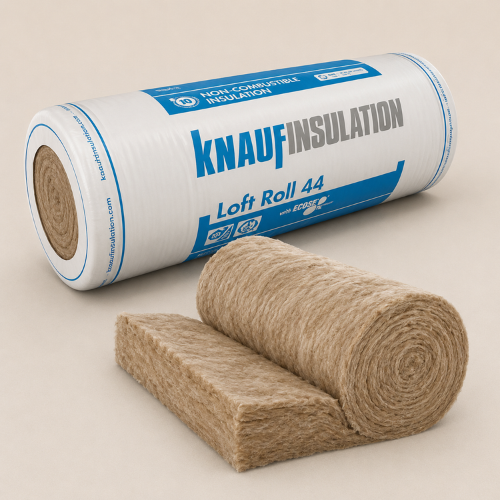
One of the most popular products is Knauf Loft Roll 44 – Combi Cut. It is designed to fit common joist sizes while reducing waste during installation. It also helps lower heat loss and improves comfort throughout the year.
Choosing a trusted Heat retention product gives you better long-term value. Although the initial cost may seem high, the energy savings can continue for many years.
In the next part, we will look at how much energy Heat barrier can save, common mistakes to avoid, popular myths, frequently asked questions, and why insulation remains one of the smartest investments for any homeowner.
How Much Energy Can INSULATION Save?
Many homeowners wonder how much difference insulation can really make. The exact savings depend on your home’s size, age, and current insulation. However, one thing is clear. A well-insulated home uses less energy.
Without proper Heat barrier, your heating system works harder to replace the heat that escapes. As a result, it uses more gas or electricity.
Good energy saving insulation slows heat loss. Therefore, your heating system runs less often. Over time, this can lead to lower energy bills and a more comfortable home.
The biggest improvements often come from adding:
- Loft insulation
- Roof insulation
- Wall insulation
- Floor insulation
When these work together, your home becomes much more energy efficient.
What Happens If Your Home Has Poor INSULATION?
Poor Temperature control material can cause several problems. Some are easy to notice. Others become clear over time.
Higher Energy Bills
Heat escapes quickly from a poorly insulated home. Therefore, your heating system has to work much harder.
As a result, your monthly energy bills increase.
Cold Rooms
Do some rooms always feel colder than others?
This often means heat is escaping through the roof, walls, or floors.
Adding loft insulation and roof insulation helps keep warmth inside. Consequently, every room feels more comfortable.
Damp and Condensation
Cold surfaces collect moisture.
Over time, this moisture can cause condensation and mould.
Proper Insulating material keeps indoor surfaces warmer. Therefore, there is less chance for damp to develop.
More Outside Noise
Many Heat retention materials also reduce sound.
As a result, traffic, rain, and outside noise become less noticeable.
This creates a quieter and more relaxing home.
Lower Property Value
Energy efficiency is important to many buyers.
Homes with better insulation often receive stronger energy ratings. Therefore, they may be more attractive when it is time to sell.
Common Myths About INSULATION
Many people delay insulation because they believe common myths. Let’s clear up a few of them.
Myth 1: My Home Is Too New
Most new homes already have insulation. However, some older insulation no longer meets today’s standards.
Checking your existing Heat barrier is always worthwhile.
Myth 2: Insulation Is Only Useful in Winter
This is not true.
Good Heat barrier also keeps heat out during summer.
As a result, your home stays comfortable throughout the year.
Myth 3: Thicker Is Always Better
Adding more insulation does not always improve performance.
Instead, the correct thickness depends on your property and current building guidance.
Installing the right amount gives the best results.
Myth 4: Insulation Causes Damp
Properly installed Heat barrier does not create damp.
In fact, it often reduces condensation by keeping walls and ceilings warmer.
However, any roof leaks should be repaired before installation.
Myth 5: Insulation Needs Constant Maintenance
Quality Heat retention needs very little maintenance.
Once installed correctly, it can continue working well for many years.
A quick inspection every few years is usually enough.
Why Many Homeowners Choose Knauf Loft Insulation
When choosing insulation, quality matters.
Many homeowners trust Knauf loft insulation because it combines strong thermal performance with easy installation.
Knauf products are widely used in homes across the UK. They are also known for their long life and reliable results.
Some of the main benefits include:
- Excellent thermal performance
- Easy installation
- Long-lasting quality
- Good sound reduction
- Sustainable manufacturing
Because of these advantages, Knauf remains one of the most trusted Heat barrier brands.
Why Choose Knauf Loft Roll 44 – Combi Cut?
One of the most popular products for loft spaces is Knauf Loft Roll 44 – Combi Cut.
It is made from glass mineral wool and is designed to fit between standard loft joists.
The special Combi Cut design also helps reduce waste during installation.
Some of its key benefits include:
Excellent Heat Retention
The material traps tiny pockets of air.
As a result, it slows heat loss and keeps your home warmer.
Easy Installation
The rolls are lightweight and flexible.
Therefore, they are easier to position in most loft spaces.
Noise Reduction
Besides reducing heat loss, the material also absorbs sound.
Consequently, your home becomes quieter.
Long Service Life
Once installed correctly, the insulation can last for decades.
Because of this, homeowners enjoy long-term value.
Better Energy Efficiency
Less heat escapes through the roof.
Therefore, your heating system works less and uses less energy.
Can You Install Loft Insulation Yourself?
Many homeowners choose to install a loft roll themselves.
If your loft is easy to access and free from major problems, this can be a suitable DIY project.
However, always follow the manufacturer’s instructions and wear the correct protective equipment.
Professional installation is usually the better choice for:
- Loft conversions
- Complex roof spaces
- Wall Heat retention.
- Spray foam Heat barrier.
- Large renovation projects
A professional installer also makes sure ventilation is not blocked.
How Long Does INSULATION Last?
One of the biggest advantages of insulation is its long lifespan.
Most quality products continue working for many years when installed correctly.
However, it is still a good idea to check your loft from time to time.
Look for signs such as:
- Water damage
- Roof leaks
- Compressed insulation
- Gaps between rolls
- Signs of pests
Fixing these problems early helps your insulation continue performing at its best.
Tips for Choosing the Right INSULATION
Every home is different. Therefore, the best insulation depends on your property.
Here are a few simple tips.
Start With the Loft
Because heat rises, the loft is often the first place to improve.
Adding for loft spaces usually offers excellent value.
Check Your Roof
If you are renovating your home, adding roof insulation can improve comfort and reduce heat loss.
Choose Quality Products
High-quality products usually last longer and perform better.
Many homeowners choose Knauf Loft Roll 44 – Combi Cut because it offers reliable performance and excellent value.
Think Long Term
Although Heat barrier has an upfront cost, the savings continue for many years.
Therefore, it is often one of the smartest home improvements you can make.
Common Mistakes to Avoid
Installing Heat barrier correctly is just as important as choosing the right product.
Avoid these common mistakes:
- Leaving gaps between insulation rolls
- Compressing insulation too tightly
- Blocking roof ventilation
- Ignoring damp problems before installation
- Choosing the wrong insulation thickness
- Forgetting to insulate the loft hatch
Avoiding these mistakes helps your insulation perform at its best.
Is INSULATION Worth the Investment?
For most homeowners, the answer is yes.
Although insulation costs money to install, the long-term benefits usually outweigh the initial expense.
A well-insulated home offers:
- Lower heating bills
- Better indoor comfort
- Improved energy efficiency
- Less heat loss
- Lower carbon emissions
- A quieter home
- Better property value
Because insulation continues working every day, it provides value for many years.
Whether you choose thermal insulation, loft insulation, or roof insulation, you are making an investment in your home’s future.
People Also Ask
Is INSULATION really worth the money?
Yes. Good Heat barrier lowers heat loss, improves comfort, and reduces energy bills. Over time, many homeowners recover the installation cost through energy savings.
Which insulation saves the most energy?
The answer depends on your home. However, loft insulation, roof insulation, and wall insulation often provide the biggest improvements.
How long does insulation last?
Most quality insulation products last for decades if they stay dry and are installed correctly.
Can I install a loft insulation roll myself?
Yes, many homeowners can install a loft insulation roll in a simple loft. However, larger or more complex projects are often best left to professionals.
Is Knauf Loft Roll 44 – Combi Cut a good choice?
Yes. It offers excellent thermal performance, easy installation, long-lasting quality, and good value. As a result, it remains one of the most popular choices for insulating loft spaces.
Conclusion
INSULATION is much more than a way to keep your home warm. It is a long-term investment that improves comfort, lowers energy bills, and reduces heat loss throughout the year.
Whether you are upgrading an older property or improving a new one, the right insulation can make a noticeable difference. Products such as loft insulation, roof insulation, and thermal insulation help create a home that is warmer in winter and cooler in summer.
If you are planning to insulate your loft, Knauf Loft Roll 44 – Combi Cut is a trusted option. It is easy to install, offers excellent thermal performance, and can continue delivering energy savings for many years.
By choosing quality Heat barrier today, you can enjoy a more comfortable, energy-efficient, and environmentally friendly home for the future.