





What Is the Best Tile Leveling System? A Simple Guide for Better Tiling
Introduction
Choosing the right tile tools can make a big difference when you want a smooth and professional finish. One of the most useful options for modern tile work is a tile leveling system. It helps keep tiles at the same height and reduces uneven edges between tiles. As a result, floors and walls can look cleaner, flatter, and more attractive.
However, many types of leveling systems are available. Some are made for small tiles, while others work better with large and heavy tiles. Therefore, it is important to understand how each type works before you buy one.
The best option depends on the tile size, tile thickness, joint width, project type, and your experience. In this guide, we will explain the main types, benefits, features, and uses. We will also cover common questions so you can choose with confidence.
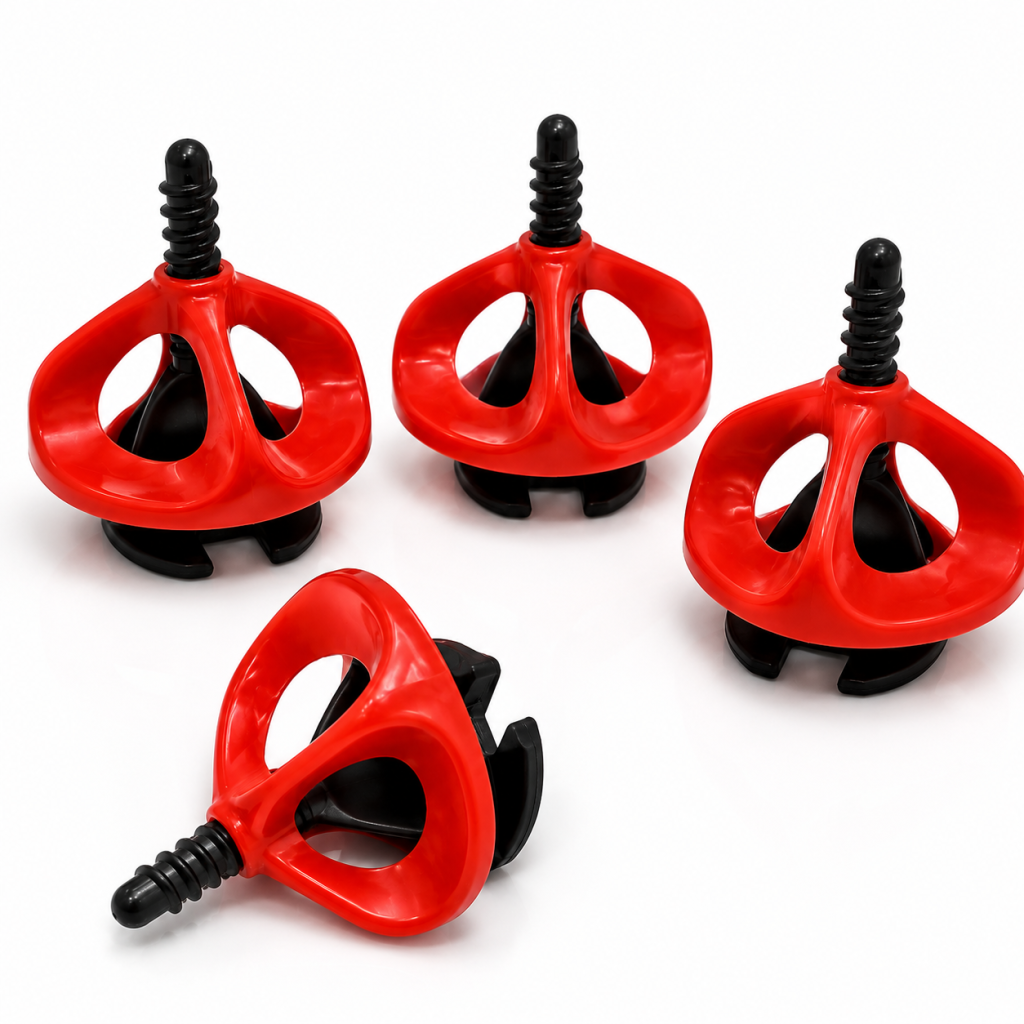
What Is a Tile Leveling System?
A tile leveling system is a set of small tools that helps keep tiles level while adhesive sets. Most systems have two main parts: clips and wedges, caps, or reusable pieces. The clips sit between tiles, while the second part applies pressure to help align their surfaces.
When tiles are installed by hand, one tile may sit slightly higher than another. This problem is known as lippage. It can make the floor feel uneven and can also affect its appearance. A leveling system helps reduce this issue.
The system does not replace good tile preparation. Instead, it supports accurate installation. The floor or wall must still be clean, stable, and properly prepared. Also, the correct adhesive should be used for the tile and surface.
Why Do You Need a Leveling System?
Tile installation may look simple, but keeping every tile perfectly aligned can take time. Even experienced installers can face small height differences. Therefore, leveling tools can make the work easier.
First, they help reduce lippage. This gives the finished surface a more even appearance. Second, they can help maintain straight grout joints. In addition, they can make large-format tiles easier to handle.
A good system can also reduce the need for constant adjustment. Instead of lifting and checking every tile again and again, the installer can use clips and wedges to hold the tiles in position.
As a result, the installation process can become more controlled. However, the system should always be used according to the tile manufacturer’s instructions.
Types of Tile Leveling Systems
There are several designs on the market. Each one has its own strengths.
Clip and Wedge Systems
This is one of the most common choices. A clip is placed under or between the tile edges. A wedge is then pushed into the clip. This creates pressure and helps bring nearby tiles to the same height.
These systems are popular because they are simple to understand. They are also suitable for many floor and wall projects.
Spin Cap Systems
Spin cap systems use a reusable cap that is twisted onto a threaded post. The cap applies pressure to the tile surface. This design can offer good control and is often useful for larger tiles.
Because the cap can usually be reused, it may provide good value for regular installers.
Reusable Leveling Systems
Some systems use reusable components that can be cleaned and used again. They may cost more at first, but frequent users can benefit from their long-term value.
For occasional DIY projects, a basic clip and wedge kit may be enough. For professional work, a stronger reusable system may be a better choice.
Tile Leveling Spacers and Their Role
Many installers use tile leveling spacers to combine spacing and leveling in one process. These products help maintain a consistent gap while also reducing height differences.
The right spacer size depends on the desired grout joint. For example, a narrow joint may be preferred for some wall tiles, while wider joints can suit certain floor designs.
Still, leveling spacers should not be chosen by appearance alone. Their strength and compatibility with the tile thickness also matter.
Tile Spacers vs Leveling Systems
Tile spacers and leveling systems perform different jobs. Traditional tile spacers mainly help create equal gaps between tiles. They do not always control the height of neighbouring tiles.
A leveling system, on the other hand, helps manage both alignment and height. Therefore, it can be especially useful for large-format tiles.
Traditional tile spacers can still be useful for many projects. However, if lippage is a concern, a leveling system offers an added advantage.
Choosing the Right Tile Levelling System
When choosing a tile levelling system, start by checking the tile thickness. Every system has a recommended range. If the clips are too small or too large for the tile, they may not work correctly.
Next, check the joint width. Some systems are designed for very narrow joints, while others suit wider spaces.
Tile size also matters. Large tiles often benefit more from leveling tools because even a small height difference can be easy to notice.
Finally, think about how often you will use the system. A simple kit can work well for one home project. However, a professional tiler may prefer a durable system with reusable parts.
Floor Tile Spacers for Large Projects
Floor tile spacers can help maintain clean and regular grout lines. They are especially useful when laying many tiles across a large area.
However, floor tiles can be heavy, and large tiles can be harder to keep flat. Therefore, combining suitable spacers with a leveling system can provide better control.
For large rooms, it is also important to work in manageable sections. Spread adhesive evenly and avoid covering a larger area than you can tile within the recommended working time.
Key Features of a Good Leveling System
The best system should be easy to use and suitable for your tiles. Look for strong clips that do not break too easily during installation. The wedges or caps should also provide steady pressure.
Another important feature is removal. After the adhesive has cured according to its instructions, clips should be removed in the correct way. Usually, they are broken away in the direction recommended by the manufacturer.
Reusable parts can also be valuable. If you install tiles often, buying a system that allows parts to be reused may reduce future costs.
Most importantly, choose a product that matches the tile thickness and grout joint you plan to use.
How to Use a Tile Leveling System
Start by preparing the surface. It should be clean, firm, and free from dust or loose material. Next, apply the correct tile adhesive using the recommended trowel.
Place the first tile carefully. Then position the clips according to the system instructions. Place the next tile beside the first one and insert the wedge or cap.
Apply enough pressure to align the tiles, but do not force the system. Excessive pressure can move the tiles or squeeze too much adhesive from underneath.
Continue across the area while checking the tile lines. A level can still be useful because leveling systems do not correct a badly prepared surface.
Once the adhesive has cured, remove the clips as instructed. Clean the joints before grouting.
Common Mistakes to Avoid
One common mistake is using the wrong clip size. Always check the manufacturer’s specifications first.
Another mistake is applying too much pressure. A leveling system is designed to assist alignment, not force tiles into an unsuitable surface.
It is also important not to ignore adhesive coverage. Large tiles often need careful adhesive application to achieve proper support.
Some people also leave clips in place for too long or remove them incorrectly. Follow the product instructions to avoid damaging tile edges.
Finally, do not assume that a leveling system can fix every installation problem. Good preparation remains essential.
Tiling Tools That Work Well Together
A leveling system works best when combined with other suitable tiling tools. A quality notched trowel helps spread adhesive evenly. A rubber mallet can help with gentle adjustments where appropriate.
You may also need a tile cutter, measuring tape, tile spacers, a spirit level, grout float, mixing bucket, and cleaning sponge.
Having the right tools nearby can make the installation smoother. More importantly, good tools can help reduce mistakes and improve the final result.
Is a Leveling System Worth It for DIY Tiling?
For many DIY projects, yes. A leveling system can make tile installation easier to control. It is particularly useful for large tiles where uneven edges can be easy to see.
However, it is not essential for every small project. Small wall tiles with simple patterns may be installed successfully with standard spacers.
If you are working on a large floor, using a leveling system can save time and reduce frustration. It can also give beginners more confidence during installation.
The key is to select a system that matches your project rather than simply choosing the most expensive option.
What Is the Best Tile Leveling System Overall?
There is no single product that is perfect for every project. The best tile leveling system is one that matches your tile size, thickness, joint width, and installation method.
For basic DIY work, a simple clip and wedge design is often a practical choice. It is easy to understand and can provide good results when used correctly.
For professional installers, reusable spin-cap systems may offer better long-term value. They can provide controlled pressure and may be used across many projects.
Large-format tile installers should focus on systems that offer strong and stable leveling support. Meanwhile, occasional users should focus on ease of use, compatibility, and value.
In short, the best choice is the system that fits your tiles and your level of experience.
Final Thoughts
A quality tile leveling system can be a valuable addition to any tiling project. It helps keep nearby tiles aligned and can reduce uneven edges. As a result, the finished surface can look more professional.
Still, choosing the right system matters. Check the tile thickness, joint size, tile format, and installation method before buying. Also, use suitable tile spacers and other tools when needed.
For beginners, a simple clip and wedge kit can be a good starting point. For professionals, reusable systems may offer better value and control.
Most importantly, take your time during installation. Prepare the surface properly, follow the product instructions, and check your tile lines often. With the right approach, even a DIY project can achieve a neat and attractive finish.
Frequently Asked Questions
1. What is the main purpose of a tile leveling system?
Its main purpose is to help keep neighbouring tiles at a similar height. It can reduce lippage and help create a smoother finished surface.
2. Are leveling systems better than normal tile spacers?
They serve different purposes. Spacers mainly maintain grout gaps, while leveling systems also help control tile height. For large tiles, a leveling system can provide extra support.
3. Can beginners use a tile leveling system?
Yes. Most basic systems are easy to learn. However, beginners should carefully follow the manufacturer’s instructions and practise on a small area if possible.
4. Can leveling clips be reused?
Some clips are designed for single use, while wedges and caps may be reusable. Always check the product specifications before reusing any component.
5. Do I still need tile spacers when using a leveling system?
It depends on the design. Some systems include spacing features, while others require separate spacers. Check the system before installation.