





How Do You Choose the Right SCREWS for Wood and Construction Projects?
Introduction
Choosing the right fastener can make a big difference to a building or DIY project. The correct product can provide a strong hold, a neat finish, and easier installation. However, not every screw suits every material.
Wood, furniture, home repairs, and construction work all have different needs. Therefore, understanding the main types can help you make a better choice.
This guide explains how SCREWS work, how different designs compare, and what to look for before you buy.
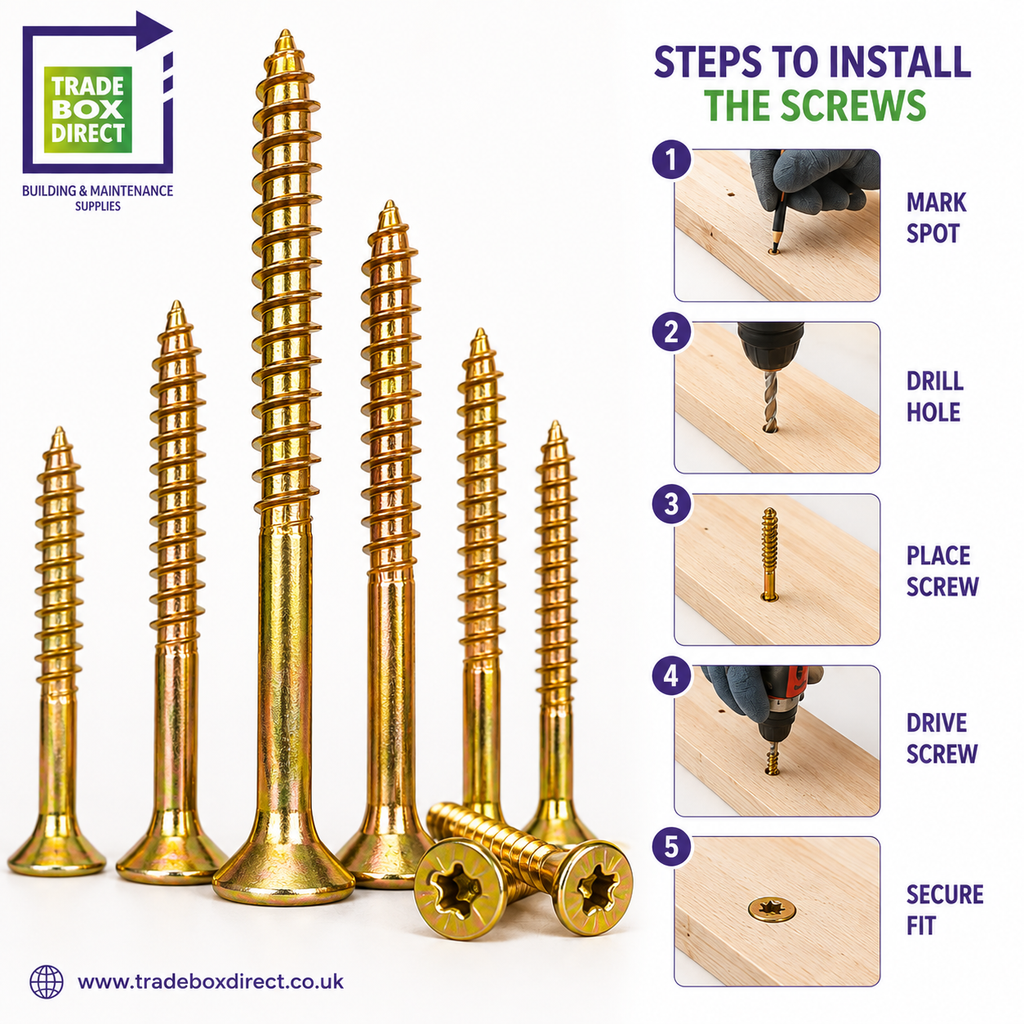
What Are SCREWS?
SCREWS are fasteners with a threaded shaft and a shaped head. They are designed to join materials by turning into a surface or fixing into a prepared hole.
Unlike nails, screws can often be removed when needed. This makes them useful for repairs, furniture work, timber projects, and construction.
The head shape also matters. For example, countersunk designs can sit flush with the material. This creates a smoother finish and reduces the chance of the head sticking out.
What Are Countersunk Screws?
Countersunk screws have a tapered head that allows the fixing to sit level with the surface.
This design is useful when you want a clean finish. The head can sit inside a matching recess in the material. As a result, the surface can remain smoother.
Countersunk products are often used for timber, furniture, doors, boards, and general construction work. However, the correct size depends on the material and the job.
How Do Wood Screws Work?
Wood screws are made for fixing timber and wood-based materials.
Their thread helps the fastener grip the material as it enters. The pointed end helps the fixing start into the wood, while the threaded body creates the holding force.
Different wood types have different densities. Therefore, the correct length and diameter should always match the job.
For hardwood, softwood, plywood, and other boards, check the product information before you buy.
What Are Pozi Screws?
Pozi screws use a Pozidriv-style drive recess. This allows a compatible screwdriver or bit to engage with the head.
A good fit between the driver and the head can make installation easier. It can also reduce slipping when the fastener is being driven.
Pozi drives are common in DIY, joinery, furniture assembly, and general building work. Therefore, keeping the correct driver size nearby is important.
What Are Construction Screws?
Construction screws are designed for building and structural-style applications where suitable.
They are available in different lengths, diameters, coatings, and head styles. Some designs offer features that help with faster installation or improved grip.
Before choosing construction products, check the material, load requirement, environment, and manufacturer’s guidance. A general-purpose fixing should not automatically be used for every structural task.
What Are Countersunk Wood Screws?
Countersunk wood screws combine a wood-friendly thread with a tapered head.
This makes them useful when you want to fix timber while keeping the head close to or below the surface.
For example, they can suit furniture, timber frames, shelves, cabinets, boards, and many home improvement projects.
The final choice should depend on the wood type, material thickness, fixing depth, and required finish.
Why Does Screw Size Matter?
SCREWS come in many sizes. Length and diameter both affect the result.
A fixing that is too short may not provide enough grip. On the other hand, one that is too long could pass through the material or damage another surface.
Therefore, measure the materials before starting. Also, consider the depth available behind the fixing point.
For many timber projects, the screw should provide enough thread engagement without creating unnecessary stress in the material.
Product Spotlight: MULTI-PURPOSE GOLDEN POZI COUNTERSUNK WOOD SCREWS
The MULTI-PURPOSE GOLDEN POZI COUNTERSUNK WOOD SCREWS are designed as a versatile option for a range of timber and general DIY applications.
MULTI-PURPOSE GOLDEN POZI COUNTERSUNK WOOD SCREWS
The golden finish gives the product a distinctive appearance, while the countersunk head helps create a neat surface.
How Are These Wood Screws Made?
These fasteners are manufactured from metal and formed into a threaded shaft with a pointed end. The head is shaped with a countersunk profile and a Pozidriv-style drive.
The surface receives a golden coating or finish, depending on the specific product specification. This gives the fastener its recognisable appearance.
As with any fixing, check the product specifications before use to confirm its intended applications.
How Do They Work?
The pointed end starts the fixing into the material. As the screw turns, the thread moves into the timber and creates a firm grip.
The countersunk head then sits into the surface when the correct hole and driving method are used. This helps create a cleaner finish.
The Pozidriv drive also allows a compatible driver to engage with the head during installation.
What Are the Main Advantages?
The product offers several useful features for everyday projects.
First, its countersunk design can provide a neat finish. Second, the Pozidriv head can make driving straightforward with the correct bit. Third, the golden finish can complement many timber applications.
The multi-purpose design can also make it useful for different DIY and woodworking tasks.
However, always select the correct size for your specific application. Do not rely on appearance alone when choosing a fixing.
Can These Screws Be Used Outdoors?
The answer depends on the product specification and the environment.
Outdoor projects can expose fasteners to rain, damp conditions, and changing weather. Moisture can affect some materials and finishes over time.
Therefore, check whether the chosen product is suitable for exterior use before installation. For demanding outdoor applications, choose a fixing specifically designed for that environment.
Does Airflow Matter Around Timber Fixings?
In some building situations, Airflow can help manage the environment around materials.
However, airflow is not a reason to choose one screw type over another. The key factors remain material, fixing size, environment, and application.
Good building practice also considers ventilation where required.
Can Condensation Affect Fixings?
Condensation can occur when warm air meets a colder surface.
In damp or poorly ventilated areas, prolonged exposure to moisture can affect certain materials. Therefore, the environment should be considered before selecting a fixing.
Always follow the manufacturer’s product guidance, especially for bathrooms, kitchens, exterior areas, and other damp locations.
How Can You Choose the Right Screws?
Start by identifying the material. Timber, boards, metal, and masonry may need different fixing types.
Next, check the required length and diameter. Then consider the head style and drive type.
For timber projects, countersunk wood screws may provide a neat finish. For other jobs, a different design may be more suitable.
Finally, check the product specification before you buy.
Why Is the Correct Driver Important?
Using the right driver bit can make installation much easier. A poorly fitting bit can slip from the head and damage the drive recess.
For Pozidriv products, use a compatible Pozidriv bit of the correct size. Apply steady pressure while driving the fixing.
This simple step can improve installation and help protect the screw head.
What Should You Check Before Shopping?
Before shopping, consider:
- Material type
- Screw length
- Screw diameter
- Head design
- Drive type
- Coating or finish
- Indoor or outdoor use
- Number of fixings required
You should also check the manufacturer’s guidance. This helps you buy a product that matches the project.
TradeboxDirect provides a dedicated category where you can compare suitable fixing products. You can shop online and choose the right option for your DIY, woodworking, or construction needs.
Frequently Asked Questions
What are countersunk screws used for?
Countersunk screws are used when you want the head to sit flush with or below the surface. They are common in woodworking, furniture, joinery, and general building work.
Are wood screws suitable for all timber?
Not always. Timber varies in density and thickness, so the fixing size and design should match the material.
What is the benefit of a Pozidriv head?
A compatible Pozidriv bit can engage securely with the drive recess. This can make installation easier and reduce slipping.
Are construction screws suitable for structural work?
Some construction fixings are designed for demanding applications, but suitability depends on the specific product. Always follow the manufacturer’s stated use and technical guidance.
Can countersunk wood screws give a neat finish?
Yes. Their tapered head is designed to sit into the material, which can create a cleaner surface when installed correctly.
How do I know which screw length to buy?
Consider the thickness of the material and the required depth of thread engagement. The fixing should provide a strong hold without passing through or damaging the material.
Conclusion
The right fastener can make a project easier, cleaner, and more secure. From countersunk screws and wood screws to Pozi screws and construction screws, each design has a specific purpose.
The MULTI-PURPOSE GOLDEN POZI COUNTERSUNK WOOD SCREWS offer a practical option for suitable timber and DIY applications. Their countersunk head, Pozidriv drive, and golden finish make them useful for projects where both function and appearance matter.
Before you buy, check the material, size, drive type, finish, and intended use. Then choose the product that matches your project requirements.
Whether you are repairing furniture, working with timber, or completing a home improvement job, careful product selection can help you achieve a strong and tidy result.