









How Does INSULATION Help Improve Loft and Roof Efficiency?
Introduction
A warm home needs good protection against heat loss. In many properties, heat escapes through the roof when the loft has little or old insulation. Therefore, choosing the right product can improve comfort and help reduce wasted energy.
What Is INSULATION and Why Does It Matter?
INSULATION is a material that slows heat movement. In a home, it can reduce heat loss through the loft, roof, walls, and other areas. As a result, your heating system may not need to work as hard.
For many properties, loft insulation offers a simple way to improve energy use. It can sit between or over loft floor joists and create a thermal barrier. Also, the right thickness can improve comfort while helping the home retain heat.
What Is Loft Insulation?
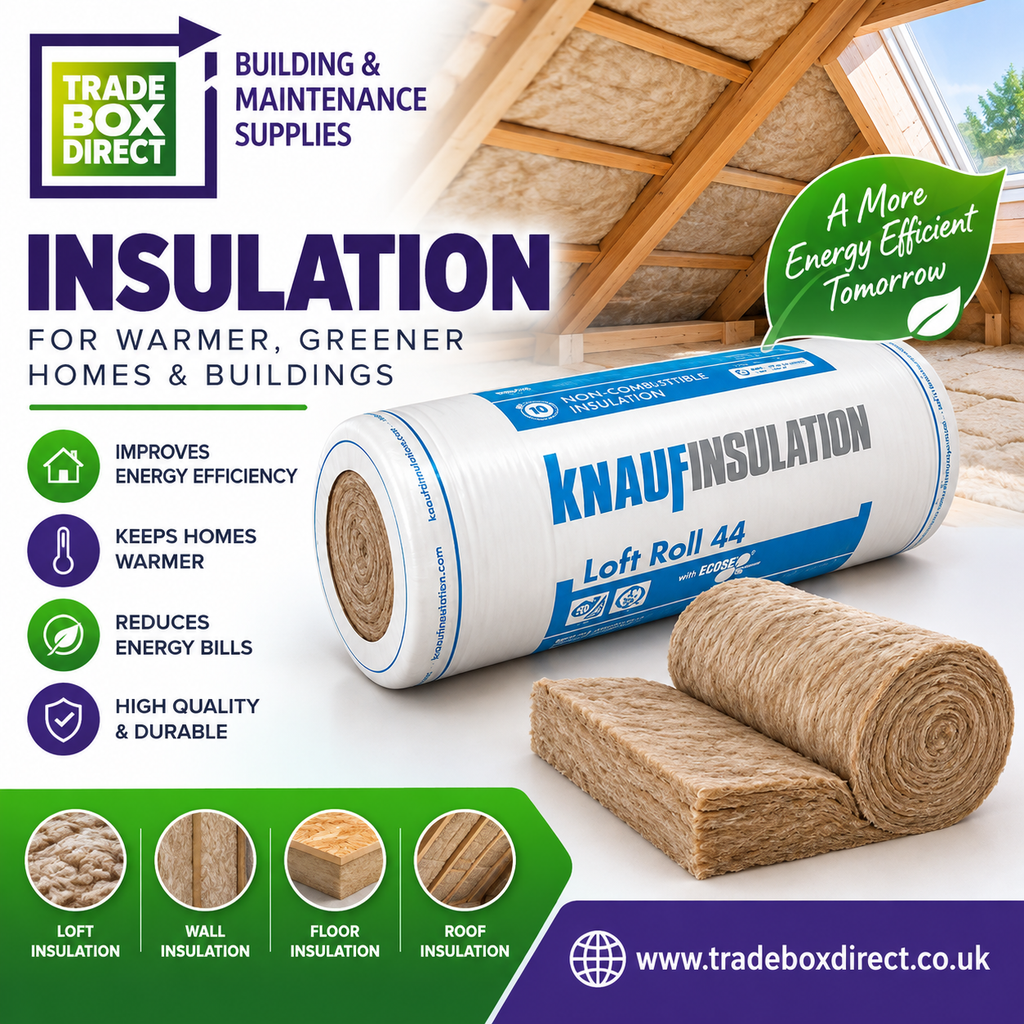
Loft insulation is made for roof spaces and loft floors. It is one of the most common ways to improve home energy efficiency. Because warm air rises, a poorly insulated loft can allow heat to leave the living area quickly.
A loft insulation roll can cover large areas with less cutting. This makes it useful for new projects and upgrades. In addition, roll products can fit neatly between timber joists when installed correctly.
What Is Roof Insulation?
Roof insulation helps slow heat movement through a roof structure. It can suit rooms built into the roof space, loft conversions, and other areas where the roof forms part of the thermal envelope.
However, the right product depends on the roof design. Therefore, check the required depth, installation method, ventilation needs, and building guidance before you buy.
What Is Thermal INSULATION?
Thermal insulation slows the transfer of heat. In simple terms, it helps keep heat where you want it. During winter, this can help keep warmth inside. In warmer weather, it can also help reduce unwanted heat entering the home.
Good thermal insulation can support a more stable indoor environment. In addition, it may reduce demand on heating and cooling systems.
How Does Attic Insulation Work?
The term attic insulation often refers to insulation fitted in a roof space. Although homes have different designs, the goal remains similar: reduce heat movement and improve comfort.
For example, a traditional loft may need insulation across the floor. A converted loft may need insulation within the roof structure. Therefore, always match the product and fitting method to the space.
How Does a Loft Insulation Roll Work?
A loft insulation roll is designed to cover long areas with less effort. The material comes in a rolled form, which makes storage and handling easier.
The roll can be measured and cut to suit the space. It can then be placed between joists or used as part of a layered system, depending on the product instructions.
Why Choose Knauf Loft Insulation?
Knauf loft insulation is a practical choice for many loft projects. Knauf products are made for different building uses, so buyers can select a product that suits the job.
One useful option is Knauf Loft Roll 44 – Combi Cut. Its roll format can make fitting easier, especially where common loft joist spacing applies.
Product Spotlight: Knauf Loft Roll 44 – Combi Cut
Knauf Loft Roll 44 – Combi Cut is designed for suitable loft applications where easy handling and accurate fitting matter. The combi-cut format can help installers work with common joist spacing.
How Is Knauf Loft Roll 44 – Combi Cut Made?
The product uses mineral wool technology. Mineral wool is made from mineral-based raw materials that are formed into fine fibres. These fibres create a structure that helps slow heat transfer.
The roll format also makes the product easier to transport, measure, and place. However, always follow the manufacturer’s instructions for cutting, fitting, and protective equipment.
What Are the Main Advantages?
First, the roll format can make large loft areas easier to cover. Second, it can support thermal performance when installed to the required depth. Third, the combi-cut design can make fitting simpler between suitable joist spacings.
Furthermore, mineral wool can provide useful sound insulation properties. This may help reduce some airborne noise between spaces. The product can also form part of a wider energy saving insulation plan.
Where Can You Use It?
Knauf Loft Roll 44 – Combi Cut is intended for suitable loft insulation applications. It can suit homeowners, landlords, builders, and installers working on appropriate loft spaces.
Before shopping, check the required thickness and coverage. You should also check whether the roof construction needs ventilation channels or other measures.
Why Is Insulation for Loft Spaces Important?
Insulation for loft areas can reduce heat loss through the ceiling. As a result, rooms below the loft may stay warmer for longer.
However, insulation should not block designed ventilation routes. Good airflow helps protect the roof structure and can reduce the risk of damp-related problems.
Moisture, Airflow and Condensation
Moisture can affect building materials when it remains in a roof space for long periods. For a simple definition, see moisture.
Airflow also matters because roof spaces often need ventilation. You can learn more about the term airflow.
In addition, condensation can form when warm, moist air meets a colder surface. For a definition, see condensation.
For this reason, do not simply fill every gap without checking the roof design. Correct installation should allow required ventilation to remain clear.
How Can Energy Saving Insulation Help?
Energy saving insulation can reduce unwanted heat loss. Therefore, your home may retain heat more effectively, which can support lower energy demand.
Still, insulation works best as part of a wider approach. Draught control, efficient heating, good windows, and sensible heating habits can all improve home performance.
Why Choose Knauf Insulation?
Knauf insulation products offer options for different building applications. When choosing knauf insulation, check the intended use, thickness, coverage, and installation guidance.
A suitable INSULATION product can make a project easier to plan. In addition, buying the correct size and quantity can help reduce waste.
Loft Roll Insulation and Installation Planning
Loft roll insulation can be a practical choice when you need to cover a large floor area. First, measure the loft carefully. Then calculate the coverage needed and allow for suitable cuts.
Next, inspect the loft for wiring, pipes, water tanks, and ventilation routes. Keep required access and ventilation areas clear. If the work involves electrical systems or major roof changes, use a qualified professional where needed.
How to Choose the Right INSULATION Product
Start by checking where the material will go. A loft floor, pitched roof, and converted roof space can need different solutions.
Next, check product thickness and coverage. Then look at the fitting method and any special requirements. Finally, compare the product with your project needs and budget.
If you are ready to shop, explore the TradeboxDirect insulation range. You can compare suitable products and buy materials for your project from one category.
Why Shop for INSULATION at TradeboxDirect?
TradeboxDirect provides building and ventilation products for home improvement and trade projects. The INSULATION category includes options for loft and roof applications.
Shopping online can make product comparison easier. You can check product details before you buy and select an option that matches your project.
Frequently Asked Questions
Is loft insulation worth it?
For many homes, loft insulation can help reduce heat loss through the ceiling. The exact benefit depends on the building, existing material, thickness, and fitting quality.
How thick should loft insulation be?
The suitable thickness depends on the insulation type and target performance. Always check current guidance and the manufacturer’s instructions before installation.
Can I install loft insulation myself?
Some simple loft-floor projects may suit careful DIY work. However, complex roofs, electrical systems, damp issues, and structural changes may need professional help.
Does insulation stop condensation?
It does not automatically stop condensation. Good fitting, suitable ventilation, and moisture control all matter. A roof should be assessed as a complete system.
Is Knauf Loft Roll 44 – Combi Cut suitable for every loft?
Not necessarily. Check the product specification, loft construction, required depth, and installation guidance before buying.
Where can I buy loft insulation?
You can shop for suitable products through the TradeboxDirect insulation category. Check the product details and coverage before you buy.
Conclusion
The right INSULATION can make a useful difference to a home’s thermal performance. Loft insulation, roof insulation, and other thermal insulation products can help reduce heat loss and improve comfort.
For loft projects, Knauf Loft Roll 44 – Combi Cut offers a practical INSULATION roll format for suitable applications. However, correct fitting remains important. Check the roof space, keep required ventilation clear, and choose the right thickness for the project.
If you are planning an upgrade, compare products before shopping. Then buy the material that matches your loft, roof design, and installation needs.