

How Do I Choose the Right Screw Size?
Introduction
Choosing the right Screw size can make a big difference to any DIY or building project. The wrong size may not hold the materials well. It can also split wood, damage the surface, or make fitting harder.
So, how do you choose the right size? You need to look at the material, screw length, screw diameter, thread type, and the job itself. In addition, the correct screw head can make installation much easier.
Whether you are building furniture, fixing timber, or working on a home project, understanding SCREWS will help you get better results.
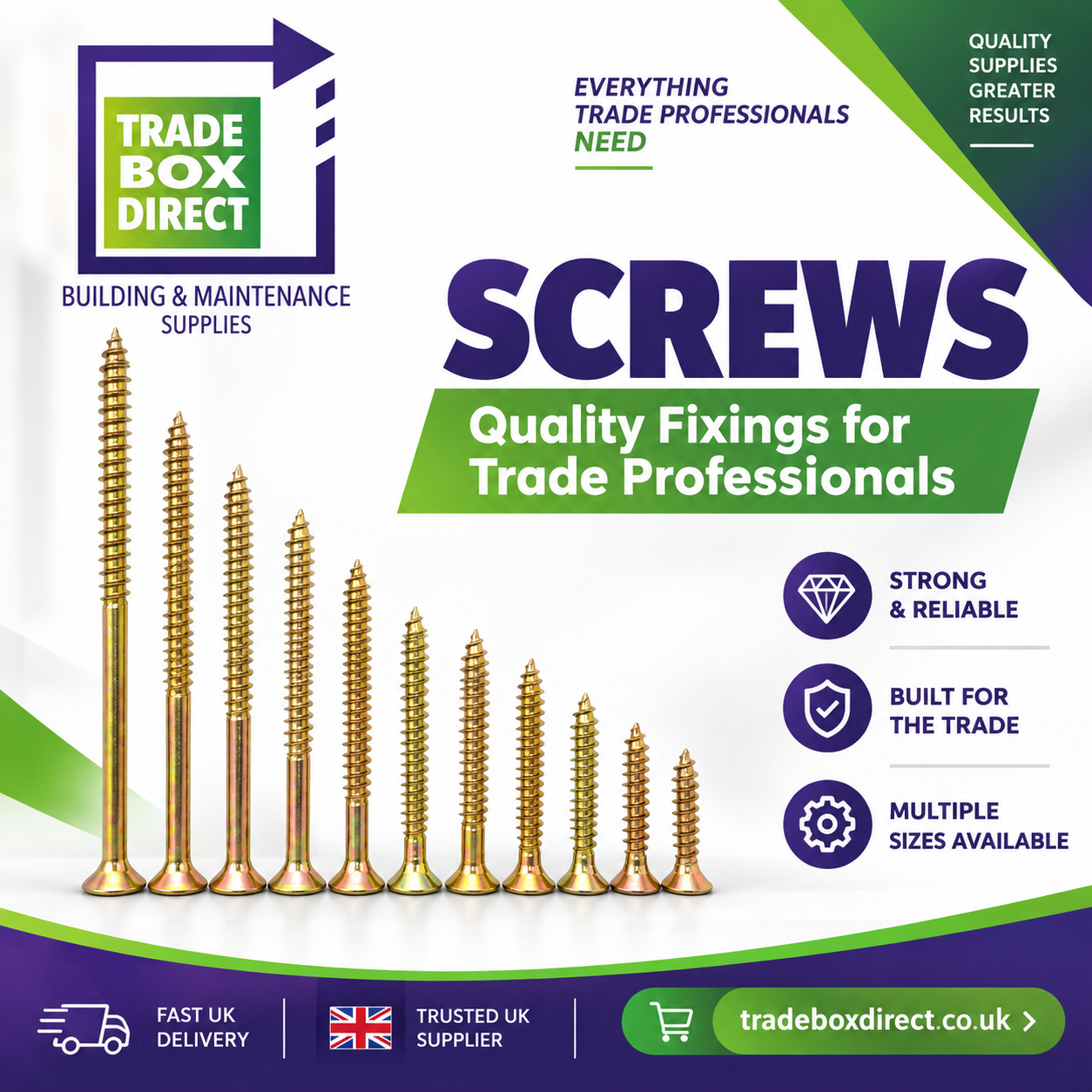
Why Is Screw Size Important?
The size affects how well it holds two materials together. A screw that is too short may not grip enough material. On the other hand, that is too long can come through the other side.
Therefore, always check the thickness of the materials before choosing SCREWS.
For example, a thin wooden board may need a shorter screw. A thick timber frame may need a longer option. The screw should give a strong grip without causing damage.
You should also consider the diameter. A wider gives strong holding power. However, it may split thin timber if you use too much force.
How Do I Choose Screw Length?
Screw length is one of the most important factors.
As a simple guide, the screw should pass through the first material and enter the second material far enough to create a firm grip. However, it should not extend too far through the second piece.
For many wood projects, a screw that is around two to three times the thickness of the first material can work well. Still, this is only a guide. The ideal length depends on the materials and the type of joint.
Before using SCREWS, measure the material carefully. This small step can prevent many common mistakes.
How Do I Choose Screw Diameter?
Diameter refers to the thickness of the shaft. A larger diameter usually gives greater strength. Yet, bigger is not always better.
Thin timber may need a smaller diameter. Heavy timber or construction work may need a thicker screw.
You should also think about the pilot hole. A pilot hole can help reduce splitting when working with wood. It also makes driving the screw easier.
For general timber work, wood screws are a popular choice. They are designed to grip wood and provide a strong connection.
Choosing the Right Screw Head
The screw head also matters. Different projects need different head designs.
Countersunk screws are a popular option for furniture and timber work. Their angled head can sit flush with the surface. As a result, they give the finished project a neat appearance.
Countersunk wood screws are especially useful when you want a smooth finish on wooden surfaces. They work well for cabinets, shelves, furniture and many home projects.
You may also see Pozi screws used for general DIY work. Their Pozi drive gives good contact with a compatible screwdriver bit. This can make installation easier and reduce slipping.
When Should I Use Construction Screws?
Construction screws are made for stronger building and fixing tasks. They are often used when joining timber, framing materials and other construction components.
For example, you may need construction screws for:
- Timber framing
- Outdoor structures
- Building repairs
- Heavy-duty wood joints
- General construction work
The correct size still matters. A strong screw cannot compensate for an unsuitable length or diameter.
Therefore, match the screw to both the material and the load.
What Are the Best Screws for Wood?
For many everyday timber projects, wood screws are a practical choice. They come in different lengths, diameters and head styles.
When appearance matters, countersunk screws can be a good option. Their head can sit neatly within the wood.
For furniture and cabinet work, countersunk wood screws can provide both a secure fixing and a clean finish.
Meanwhile, Pozi screws are useful when you want an easy-to-use drive system. A good-quality driver bit should fit the screw head correctly.
Why Choose Multi-Purpose Golden Pozi Countersunk Wood Screws?
For general DIY and woodworking, Multi-Purpose Golden Pozi Countersunk Wood Screws offer a useful combination of features.
Their golden finish gives them a clean look. The Pozi drive allows easy fitting with the correct screwdriver bit. In addition, the countersunk head helps the screw sit neatly in the material.
These screws can suit many common jobs, including:
- Furniture assembly
- Cabinet repairs
- Wooden shelving
- Timber projects
- DIY repairs
- General woodworking
The multi-purpose design makes them useful for different everyday applications.
However, you should still select the correct length for your project. A multi-purpose screw is not automatically right for every material or load.
How Can I Avoid Splitting Wood?
Wood can split when you drive in that is too large. It can also happen when you place the screw too close to an edge.
To reduce this risk, choose the correct screw diameter. You can also drill a pilot hole before fitting the screw.
Additionally, avoid forcing the screw into the material. Let the driver do the work at a steady speed.
When using SCREWS near the edge of timber, leave enough space around the fixing point. This simple habit can help protect the wood.
What Screw Size Should I Use for Furniture?
Furniture usually needs a balance between strength and appearance.
For thin boards, shorter screws are often suitable. Thicker panels may need longer options. The screw should grip the second piece firmly without passing through it.
Countersunk wood screws work well for many furniture projects because the head can sit below or level with the surface.
For general furniture repairs, Multi-Purpose Golden Pozi Countersunk Wood Screws can also be a practical choice when their size matches the materials.
Always check the board thickness before selecting your SCREWS.
Quick Screw Size Checklist
Before buying or using a screw, check these points:
- Material: Are you fixing wood, metal or another material?
- Length: Is the screw long enough to provide a strong grip?
- Diameter: Is it suitable for the material thickness?
- Head: Do you need a countersunk or another head type?
- Drive: Does your screwdriver bit match the head?
- Application: Is it for furniture, woodworking or construction?
- Finish: Does the screw finish suit the project?
- Pilot hole: Would drilling one help prevent splitting?
This checklist makes choosing SCREWS much easier.
Common Screw Categories to Know
Understanding common screw categories can also help you make a better choice.
Countersunk screws are ideal when you want a flush finish. Construction screws are suited to stronger building tasks. Countersunk wood screws work well for timber and furniture. Wood screws are designed for common woodworking applications. Pozi screws offer a practical drive system for many DIY jobs.
Because each category has a different purpose, avoid choosing a screw based only on appearance.
Instead, consider the material, load, screw size and final finish.
FAQs About Choosing Screw Size
How do I know what screw size I need?
Start by checking the material thickness. Then choose a suitable screw length and diameter. The screw should provide a firm grip without coming through the material.
Should a screw be longer than the material?
Usually, the screw needs to enter the second material far enough to hold securely. However, it should not be so long that it comes through the other side.
Are countersunk screws good for wood?
Yes. Countersunk screws are commonly used for wood projects because their angled head can sit neatly within the surface.
Are construction screws suitable for furniture?
They can be suitable for some furniture projects, but the size and design must match the job. For many furniture tasks, suitable wood screws may offer a better choice.
What are Pozi screws used for?
Pozi screws are widely used for DIY, furniture and woodworking tasks. They work with a compatible Pozi screwdriver or driver bit.
Are golden screws suitable for general DIY?
Yes, Multi-Purpose Golden Pozi Countersunk Wood Screws can suit many everyday wood and furniture projects when the size is correct.
Final Thoughts
Choosing the right screw size does not have to be difficult. First, check the material thickness. Next, consider the screw length and diameter. Then choose the right head and drive type for the job.
For timber and furniture projects, countersunk screws, countersunk wood screws, wood screws, and Pozi screws can all have useful applications. For stronger building tasks, construction screws may be more suitable.
Most importantly, do not choose SCREWS based on size alone. Think about the material, strength, finish and purpose. With the right choice, you can create secure, neat and long-lasting results.
