

Does INSULATION Make Your House Hotter in Summer?
Many homeowners think INSULATION only helps keep a house warm in winter. However, that is not its only job. Good INSULATION can also help keep your home cooler during hot summer days. It slows down the movement of heat, so your home can stay at a more stable temperature.
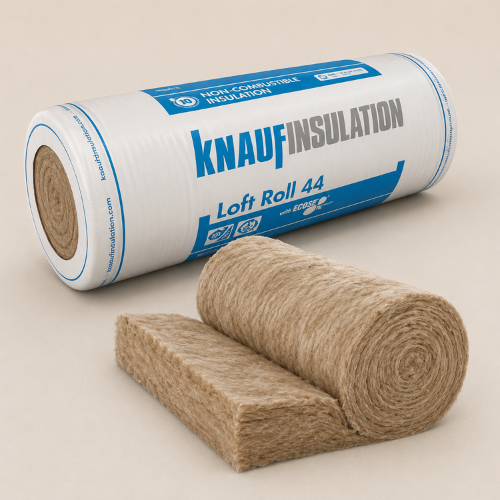
Still, one common question remains: does INSULATION make your house hotter in summer?
The short answer is no. When you install the right type and amount of INSULATION, it should not make your home hotter. Instead, it can reduce the amount of outdoor heat that enters your living space. At the same time, it can help keep cool air inside when you use fans or air conditioning.
What Is INSULATION?
INSULATION is a material that slows heat transfer. Heat naturally moves from warmer areas to cooler areas. Therefore, in summer, heat from outside tries to move into your cooler home.
Insulation creates a barrier that slows this process.
Common insulation materials include mineral wool, glass wool, foam boards, cellulose and other specialist products. Each material works in a slightly different way. However, the main purpose remains the same: reduce unwanted heat movement.
A well-insulated home can therefore stay warmer in winter and cooler in summer.
How Does INSULATION Work in Summer?
During summer, the roof and walls can become very hot. Sunlight heats the outside of your home, and this heat can slowly move towards the rooms inside.
Thermal insulation helps slow that movement.
For example, imagine your roof becoming very hot under direct sunlight. Without enough insulation, some of that heat can move into the rooms below. With suitable insulation, the heat takes much longer to travel through the roof.
As a result, your rooms may stay cooler for longer.
This does not mean insulation actively produces cold air. Instead, it slows the movement of heat. That simple difference explains why insulation can help during both seasons.
Can INSULATION Trap Heat Inside Your House?
This is one of the main reasons people wonder if INSULATION can make a home hotter.
Insulation can slow heat movement in both directions. Therefore, if a house becomes hot inside, good insulation can slow the heat from escaping. However, this does not mean insulation creates extra heat.
The key is to manage heat properly.
During a hot day, keep windows and curtains closed when direct sunlight enters. Use ventilation when outdoor air becomes cooler. At night, open suitable windows to allow warm indoor air to escape.
These simple steps work well alongside insulation.
Does Loft INSULATION Keep a House Cooler?
Yes. Loft insulation can play an important role in summer comfort.
The roof receives a large amount of solar heat. On sunny days, roof surfaces can become much warmer than the surrounding air. Without enough insulation, this heat can travel into the rooms below.
Loft insulation slows this heat transfer.
It also provides benefits during winter by reducing heat loss from the rooms below. Therefore, installing suitable loft insulation can help your home manage temperature throughout the year.
However, insulation works best when it forms part of a complete approach. Roof ventilation, shading, windows and airflow also affect summer comfort.
How Does Roof INSULATION Help?
Roof insulation works in much the same way as other forms of thermal insulation. It creates resistance against heat movement through the roof.
This matters because the roof receives strong sunlight during the warmer months. If the roof space becomes extremely hot, some of that heat can move into the living areas.
Suitable roof insulation slows the process.
In addition, a properly designed roof should have suitable ventilation where required. Ventilation allows hot air and moisture to move through the roof space. Therefore, insulation and ventilation should work together rather than replace one another.
What Is Attic INSULATION?
Attic insulation is insulation installed within an attic or roof space. Its exact position depends on the building design and the type of roof.
For homes with an unused attic, insulation is often placed across the floor of the attic. This helps reduce heat transfer between the living area and the roof space.
In other buildings, insulation may sit within the roof itself. This approach can help maintain a more consistent temperature throughout the roof structure.
The correct option depends on the building, roof design and how the space is used.
Can INSULATION Reduce the Need for Air Conditioning?
Good INSULATION may help reduce how quickly your home heats up. Because of this, your cooling system may not need to work as hard.
For example, imagine an air-conditioned room on a hot afternoon. If outdoor heat enters quickly, the cooling system needs to remove that heat continuously.
With suitable insulation, less heat can pass through the roof and walls. Therefore, the indoor temperature may remain comfortable for longer.
This can improve comfort and may also help reduce energy use.
Still, insulation does not replace air conditioning in every home. On very hot days, you may still need cooling equipment.
How Is INSULATION Made?
The manufacturing process depends on the material.
Mineral wool, for example, is made from mineral-based materials that are processed into fine fibres. Glass wool uses glass fibres. Foam insulation uses chemical compounds that form a lightweight structure. Cellulose insulation commonly uses processed paper fibres.
Manufacturers design these materials to contain many small air spaces.
These air spaces slow heat transfer. As a result, the material provides thermal resistance without needing to produce heat or cold.
Different insulation products have different thermal performance levels. Therefore, choosing the correct product matters.
Does More INSULATION Always Mean a Cooler House?
Not necessarily.
Adding insulation can improve thermal performance, but more is not always better if other parts of the building are poorly designed.
For example, a home may have excellent insulation but poor ventilation. In that case, hot indoor air may remain trapped during a warm evening.
Likewise, large windows facing direct sunlight can allow significant solar heat into the home.
Therefore, summer comfort depends on several factors:
- Roof insulation
- Wall insulation
- Loft insulation
- Window design
- External shading
- Roof ventilation
- Indoor ventilation
- Air conditioning
- Building orientation
A balanced approach usually gives better results.
How Can You Keep a Well-Insulated House Cool?
There are several easy ways to improve summer comfort.
Close Curtains During the Hottest Hours
Sunlight can quickly heat a room. Closing curtains or blinds during the hottest part of the day can reduce direct solar gain.
Use Windows at the Right Time
Open windows when outdoor air is cooler than indoor air. Early morning and late evening can often provide better airflow than the hottest part of the afternoon.
Improve Roof Ventilation
A suitable roof ventilation system can help manage heat and moisture within the roof space. However, the design should suit the building.
Use Fans
Fans can improve air movement and make people feel cooler. They do not lower room temperature in the same way as air conditioning, but they can improve comfort.
Reduce Indoor Heat
Lights, cooking appliances, computers and other electrical devices produce heat. Turning off equipment that you do not need can help reduce indoor heat.
What Are the Benefits of INSULATION All Year?
The biggest benefit of INSULATION is better temperature control.
During winter, it slows heat loss from your home. During summer, it slows heat gain from outside.
This can make indoor temperatures more stable.
Good insulation can also improve comfort around rooms near the roof or external walls. Furthermore, it can help reduce the workload of heating and cooling systems.
For homeowners, this makes insulation a useful part of a wider energy-efficiency plan.
Can Poor INSULATION Make a House Hotter?
Poor insulation does not normally create heat. However, it can allow outdoor heat to enter your home more easily.
An under-insulated loft or roof can become a major source of heat gain during summer. Rooms directly below the roof may then feel warmer than other parts of the house.
The same issue can happen in winter, when heat escapes more quickly.
If your home has very uneven temperatures, checking the roof, loft, walls, windows and ventilation can help identify the cause.
Is INSULATION Suitable for UK Homes?
Yes. Insulation is widely used in UK homes because it helps reduce heat loss during colder weather. It can also improve summer comfort by slowing unwanted heat gain.
However, every building has different needs. The age of the property, roof design, wall construction and ventilation system can all affect the best solution.
Before adding insulation, check the existing construction and choose a product suitable for the area.
Professional advice can be useful, especially for complex roofs or older buildings.
Final Thoughts
So, does INSULATION make your house hotter in summer?
In most cases, no. Properly selected and installed insulation does not create extra heat. Instead, it slows the movement of heat between your home and the outside environment.
During summer, this can help reduce the amount of heat entering through the roof, walls and other parts of the building. During winter, it helps keep valuable indoor heat inside.
The best results come from combining insulation with good ventilation, window shading and sensible airflow. Therefore, think of insulation as one part of a complete home temperature-control system.
Whether you are considering loft insulation, roof insulation, thermal insulation or attic insulation, choosing the correct product and installation method is important.
A well-insulated home can be more comfortable, more energy efficient and easier to keep at a stable temperature throughout the year.
Frequently Asked Questions
1. Does INSULATION make a house hotter in summer?
No. Insulation does not create heat. It slows heat transfer. This can help reduce the amount of outdoor heat entering your home during summer.
2. Does loft insulation help in summer?
Yes. Loft insulation can slow the movement of heat from a hot roof space into the rooms below. It can therefore improve summer comfort as well as winter warmth.
3. What type of insulation is best for summer?
There is no single best option for every home. Mineral wool, glass wool, foam boards and other materials can provide good thermal performance when correctly selected and installed.
4. Can roof insulation reduce indoor heat?
Yes. Roof insulation can slow heat transfer from the roof into the living space. However, roof ventilation and shading also play an important role.
5. What is thermal insulation?
Thermal insulation is a material or building system that slows the transfer of heat. It can help keep heat inside during winter and outside during summer.
6. Is attic insulation different from loft insulation?
The terms can describe similar insulation work, but the exact installation depends on the building and roof design. The location of the insulation is more important than the name used.
7. Can insulation reduce energy bills?
It can help. By slowing heat loss in winter and heat gain in summer, insulation can reduce the workload placed on heating and cooling systems.
8. Should I add more insulation if my house feels hot?
Not always. First, check ventilation, solar gain, windows, shading and existing insulation. Adding more insulation without understanding the cause may not solve the problem.
9. Does insulation work in both winter and summer?
Yes. Insulation slows heat movement rather than only keeping a home warm. Therefore, it can support temperature control in both seasons.
10. How can I keep a well-insulated home cool?
Close curtains during strong sunlight, improve suitable ventilation, use fans, reduce indoor heat sources and open windows when outdoor air is cooler. These steps can work well alongside insulation.
