




How Do Screws Work?
Introduction
Screws are one of the simplest and most useful fasteners in everyday life. You can find them in furniture, doors, cabinets, roofs, machines, toys, and many building projects. Although a screws look like a small metal part, its shape helps it hold materials together with surprising strength.
The main idea is simple. A screw changes turning force into a strong pulling force. As it turns, its threaded body moves into a material or a prepared hole. The thread then grips the material and helps keep the screw in place.
This basic design makes screws useful for both small home repairs and large construction jobs. However, different jobs need different types of screws. The right choice depends on the material, load, screw size, head shape, and type of drive.
What Is a Screw?
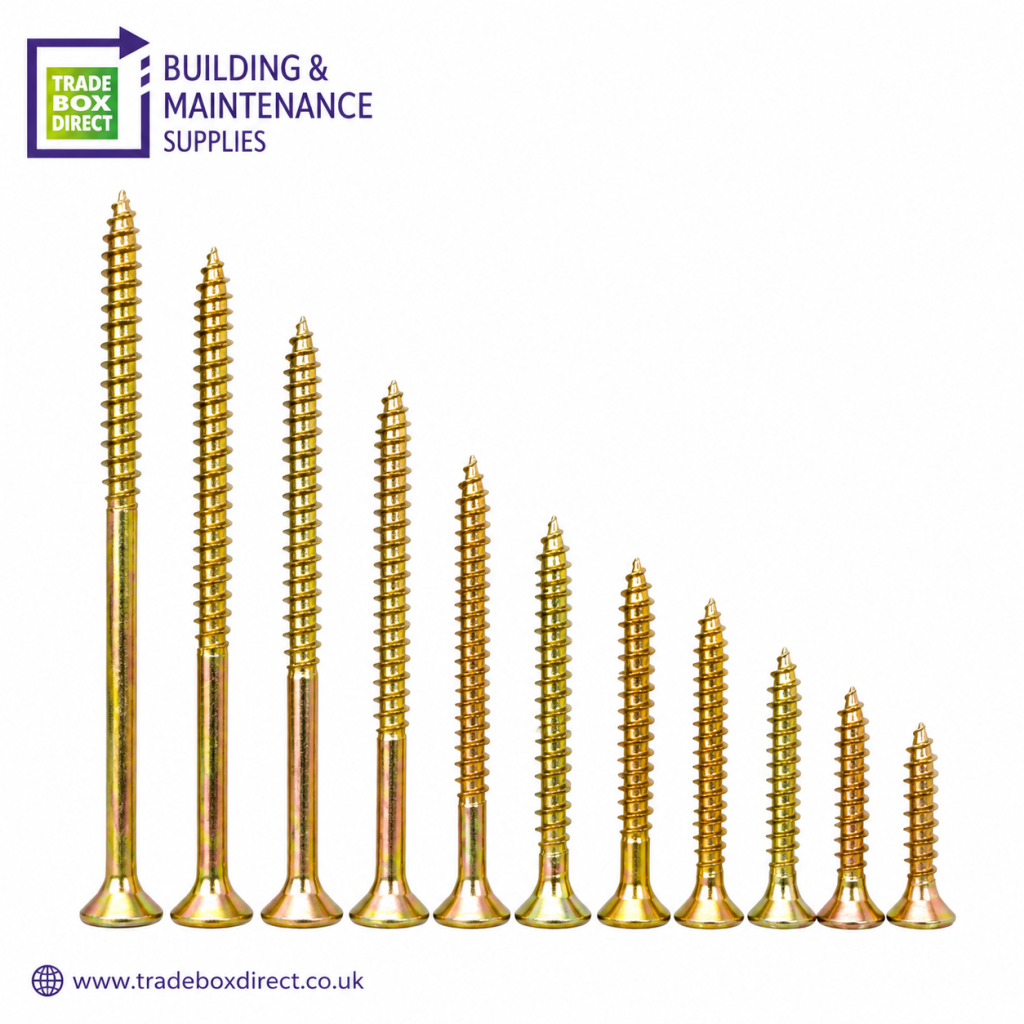
A screw is a fastener with a threaded shaft and a head. The threaded section contains a raised spiral ridge called a thread. When the screw turns, this thread moves through the material.
Most screws have several main parts:
- Head: The top part that accepts a driver or bit.
- Drive: The shaped area in the head where the tool fits.
- Shank: The main body of the fastener.
- Thread: The spiral ridge that grips the material.
- Tip: The end that enters the material first.
Together, these parts allow a screw to join two or more materials.
For example, imagine joining two wooden boards. You place the screw over the first board and turn it with a screwdriver. The tip enters the wood, while the thread pulls the screw deeper. As a result, the two boards are pulled together.
How Do Screws Work?
The working principle is based on a simple machine called an inclined plane. A thread is, in effect, an inclined plane wrapped around a cylinder.
When you turn the screw, the thread moves forward. This means a small turning force can create a larger force along the length of the screw. Therefore, you can join materials without using excessive force.
The thread also creates friction between the screw and the material. This friction helps stop the fastener from moving backward.
The pitch of the thread matters too. Pitch means the distance between one thread and the next. A fine thread has smaller spaces between its threads. A coarse thread has larger spaces.
Fine threads can provide strong grip in some materials, especially when the material is dense. Coarse threads often work well in softer materials because they can remove material more easily while creating a firm grip.
Why Do Screws Hold Materials Together?
The holding power comes from several forces working together.
First, the thread grips the material around the hole. Next, the turning action pulls the screw into the material. Finally, friction between the threads and material helps resist movement.
When a screw joins two boards, it can also create a clamping force. This force pulls the boards together. A tight joint can therefore stay stable even when the materials experience movement or vibration.
However, too much force can cause problems. Over-tightening can damage the material, strip the drive, or break the screw. Therefore, the screw should be tightened firmly without using unnecessary force.
Different Types of Screw Threads
Threads are designed for different materials and tasks.
Coarse threads have a larger distance between each thread. They are common in wood and other soft materials. The deeper thread can provide a strong grip.
Fine threads have smaller gaps. They are often used in metal applications or materials where a more controlled grip is needed.
Self-tapping threads can create their own path in some materials. This feature can make installation faster because a separate tapping process may not always be required.
Self-drilling screws have a drill-like point. The point can cut through certain materials while the screw is installed.
Choosing the correct thread can make a major difference. A screw that works well in wood may not perform properly in metal or masonry.
Countersunk Screws and Their Uses
Countersunk screws have a special head shape. The underside of the head slopes toward the shaft. This design allows the head to sit level with, or slightly below, the surface when installed correctly.
They are useful when you want a smooth finish. For example, they are often used in cabinets, furniture, doors, and timber projects.
A countersunk hole may be created before installation. The wider upper section gives the head enough space to sit neatly inside the material.
This design also reduces the chance of the screw head sticking out and catching on clothing or other objects.
Construction Screws
Construction screws are designed for demanding building tasks. They are commonly made from strong steel and may have coatings that help protect them from corrosion.
Their shape can vary based on the intended application. Some have deep threads for timber, while others are designed for structural work.
When using construction screws, always check the manufacturer’s recommendations. Material type, screw length, load, and installation method can all affect performance.
A longer screw is not automatically a better screw. It needs to be long enough to create a secure connection without causing unnecessary damage.
Countersunk Wood Screws
Countersunk wood screws are made for timber and wood-based materials. Their heads are designed to sit neatly below or level with the surface.
They are popular in furniture assembly, joinery, cabinets, shelves, and general DIY work.
The thread is especially important when working with wood. A suitable thread can create a firm grip without requiring excessive force.
For hardwood, drilling a pilot hole can often help. The pilot hole gives the screw a clear path and may reduce the risk of splitting.
Wood Screws
Wood screws come in many sizes and designs. Some have sharp points that enter timber easily, while others are designed for specific woodworking tasks.
The length should match the materials being joined. If the screw is too short, it may not provide enough grip. If it is too long, it may pass through the material or damage something behind it.
The diameter also matters. A thicker screw can offer greater strength, but it can also require more force to install.
Before installation, consider the wood type, board thickness, expected load, and screw design. This simple check can prevent many common mistakes.
Pozi Screws
Pozi screws have a cross-shaped drive that looks similar to a Phillips drive. However, the Pozi design includes additional features that help improve bit engagement.
A correct Pozi bit should be used with a Pozi screw. Using the wrong bit can cause slipping or damage to the drive.
The right bit should fit snugly into the head. Keep the tool straight while turning. This approach helps transfer force more effectively and reduces the chance of damaging the screw.
Pozi screws are widely used in furniture, woodworking, construction, and general assembly.
Why Does Screw Size Matter?
Size affects both strength and installation.
A screw’s length determines how deeply it enters the material. Its diameter affects how much material surrounds the thread and how much load it can handle.
For example, a small screw may be suitable for a lightweight cabinet handle. A heavier timber joint may need a much larger fastener.
The head size also matters. A wide head can spread pressure over a larger area. A smaller head may be better when a less visible finish is required.
Therefore, never choose a screw based only on appearance. Always consider the job and material first.
Do You Need a Pilot Hole?
A pilot hole is a small hole drilled before the screw is installed. It can be useful for many woodworking projects.
The hole gives the screw a guide and can reduce the risk of splitting. It can also make installation easier, especially when working with hardwood.
However, the correct pilot-hole size depends on the screw and material. A hole that is too large may reduce grip. A hole that is too small may make installation difficult.
For this reason, check the manufacturer’s guidance when possible.
What Happens When a Screw Is Tightened?
As the screw turns, it moves deeper into the material. The thread pushes against the surrounding material. At the same time, the screw head presses against the surface.
This creates clamping force. The joined materials are pulled together, which helps form a stable connection.
The amount of force should be controlled. Too little tightening can leave the joint loose. Too much tightening can strip the thread, damage the surface, or break the fastener.
Power tools can make installation faster. However, they should be used with care. A low torque setting can help prevent over-tightening.
Common Mistakes to Avoid
Even a simple fastening job can go wrong. Fortunately, most mistakes are easy to prevent.
Using the wrong screw: Always select a fastener designed for the material.
Choosing the wrong length: Check the thickness of the materials before installation.
Using the wrong driver bit: A poor fit can damage the drive.
Over-tightening: Stop when the joint is secure.
Skipping a pilot hole: For some wood projects, drilling first can help prevent splitting.
Ignoring corrosion: Outdoor or damp areas may require corrosion-resistant fasteners.
A few minutes of preparation can therefore improve the strength and appearance of the finished project.
How to Choose the Right Screw
Start by identifying the material. Wood, metal, plastic, and masonry may require different fasteners.
Next, consider the load. A light decorative item needs less holding power than a structural connection.
Then check the length and diameter. The screw should provide enough grip without causing damage.
After that, select the correct head and drive style. If you want a smooth surface, a countersunk design may be suitable.
Finally, think about the environment. Outdoor projects may need a protective coating or corrosion-resistant material.
These simple steps make screw selection much easier.
FAQs About Screws
1. How does a screw create holding power?
The thread grips the surrounding material while the screw moves inward. Friction and clamping force then help keep the joint secure.
2. Are wood screws suitable for construction?
Some wood screws are suitable for building work, but not every type is designed for heavy loads. Construction-specific fasteners should be selected for demanding jobs.
3. What are countersunk screws used for?
They are used when you want the head to sit level with or below the material surface. They are common in furniture, joinery, cabinets, and timber projects.
4. Why do screws have different threads?
Different threads are designed to work better with different materials. Coarse threads often suit soft materials, while fine threads can work well in harder or metal applications.
5. Should I drill a pilot hole for wood screws?
A pilot hole is often useful, especially in hardwood or near the edge of a board. It can reduce splitting and make installation easier.
6. What is the difference between Pozi and Phillips screws?
Both have cross-shaped drives, but their shapes are different. A matching driver bit should always be used to reduce slipping and drive damage.
7. Can screws rust?
Yes. Standard steel can corrode when exposed to moisture. For outdoor or damp areas, choose a suitable corrosion-resistant fastener.
8. How tight should a screw be?
It should be tight enough to hold the joint securely. However, excessive force can damage the material or fastener.
Final Thoughts
Understanding how Screws work makes DIY and construction tasks much easier. Their threaded design turns simple rotation into strong forward and clamping force. As a result, they can create reliable joints in many materials.
Still, the best results depend on choosing the right type. Consider the material, thread, length, diameter, head, drive, and environment before installation.
Whether you are building furniture, repairing timber, installing cabinets, or completing a construction project, the correct fastener can make the job safer and more reliable. With the right selection and careful installation, a small fastener can provide a strong and lasting connection.