







Solar Mounting: How Does It Secure Solar Panels?
Solar panels need a strong base to stay safe and stable. They face wind, rain, sunlight, and changes in temperature every day. So, the support system must be strong and suitable for the roof. This is where MOUNTING plays an important role.
A solar panel system has more than just panels. It also needs rails, hooks, brackets, clamps, and other fixing parts. Each part has a clear job. Together, these parts create a secure structure for the panels.
If you are planning a solar installation, it is important to choose the right products. You can explore the MOUNTING category to find products for different solar panel installation needs.
What Is Solar Mounting?
Solar mounting means the system used to hold solar panels in place. It can be used on roofs, frames, and other suitable structures.
The system connects the solar panels to the roof or support structure. It also helps keep the panels in the right position.
A good MOUNTING system should match the roof type and the solar panels. It should also work well with the other fixing parts.
For example, a tiled roof may need roof hooks. A rail then connects to these hooks. Clamps can hold the solar panels on the rail.
This simple setup creates a strong support system.
Why Is Mounting Important?
Solar panels stay outside for many years. Therefore, they must have a reliable support system.
Strong wind can place pressure on panels. Heavy rain can also affect outdoor components. Temperature changes can cause materials to expand and contract.
A suitable MOUNTING system helps keep the panels secure. It also helps maintain the planned panel layout.
In addition, a good system makes the installation look neat. The panels can stay in straight rows when the rails and fixing points are installed correctly.
For this reason, the support system should never be treated as a small part of a solar installation.
Main Parts of a Solar Mounting System
A solar panel system can use several types of fixing products. Each one has a different purpose.
Mounting Rails
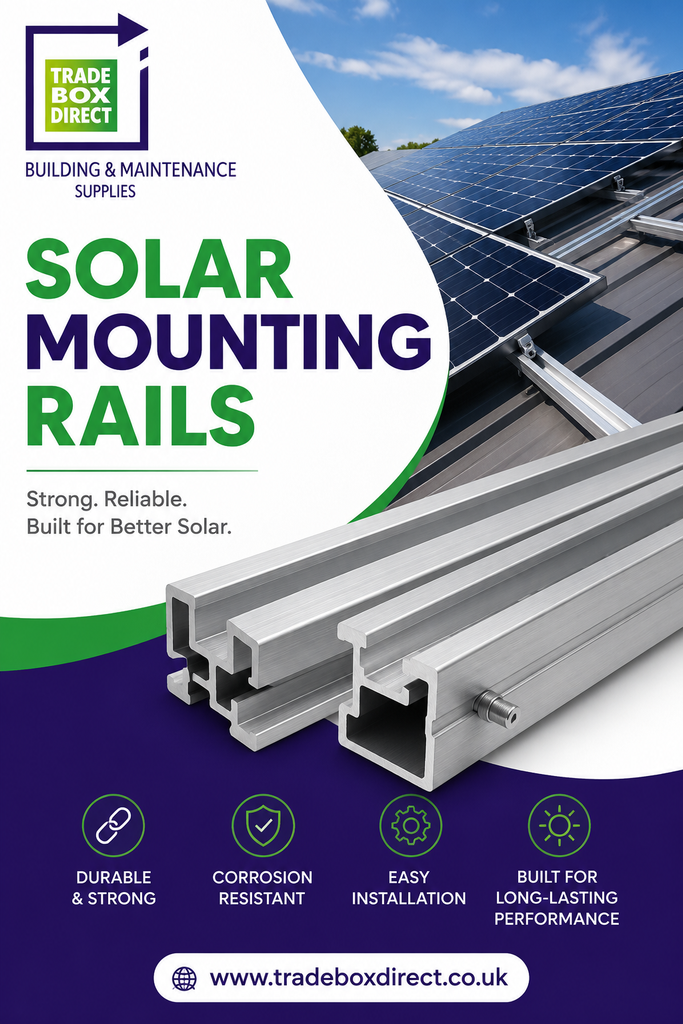
Rails form the main support line for many solar panel systems. They provide a place where panels and clamps can be fixed.
For example, the Fastensol Black Mounting Rail 3.55m can be used as part of a solar panel support system.
The rail needs to suit the installation and work with the other parts.
Roof Hooks
Roof hooks connect the rail system to the roof. Their design can vary based on the roof type.
A hook is a part that helps connect or hold something. In solar work, a roof hook provides a key connection between the roof and the rail.
The correct hook should always be selected for the roof and installation method.
Brackets
Brackets help support or connect parts. In solar installations, they can form part of the support structure.
The right bracket can help keep components secure. It can also make the system easier to assemble.
Clamps
Clamps hold the solar panels onto the rails. Different clamps may be used for different parts of a panel layout.
For example, some clamps fit at the edge of a panel. Others connect two panels together.
All these parts work together to create a complete MOUNTING system.
How Does Solar Mounting Work?
The process starts with the roof. First, the installer checks the roof and plans the panel layout.
Next, the correct fixing points are chosen. Roof hooks or other suitable fixing parts can then be installed.
After that, rails are attached to the fixing points. The rails create a stable line for the solar panels.
The panels are then placed on the rails. Suitable clamps hold them in position.
As a result, the panels form a secure and organised array.
A good MOUNTING system also helps keep the panels in the correct position. This is important for both appearance and installation quality.
How Do You Choose the Right Mounting System?
Every roof is different. Therefore, one product may not suit every installation.
Start by checking the roof type. Tile, slate, metal, and other roofs may need different fixing methods.
Next, check the solar panel size and design. The rail and clamps should be suitable for the panels.
It is also useful to check:
- Roof type
- Panel size
- Panel layout
- Rail length
- Hook type
- Bracket type
- Clamp type
- Product compatibility
- Installation instructions
Taking these steps can help prevent problems during installation.
Benefits of a Good Mounting System
A well-planned MOUNTING system can offer several benefits.
Strong Support
The system helps hold the solar panels firmly in place. This is important because the panels stay outdoors throughout the year.
Better Alignment
Rails provide a clear guide for panel placement. Therefore, installers can create straight and tidy rows.
Good Compatibility
The right components can work together as one system. This can make installation easier and more reliable.
Long-Term Use
Solar panels are designed for long-term use. Their support system should also provide stable support for many years.
Neater Installation
A well-planned system can create a clean panel layout. This can improve the overall look of the roof.
What Makes a Good Mounting Product?
A good product should match the job. Strength is important, but compatibility is just as important.
For example, a rail needs to work with the correct clamps. A roof hook needs to suit the roof. Brackets also need to fit the chosen system.
Outdoor materials should be suitable for changing weather. The product should also be installed according to the manufacturer’s instructions.
Therefore, do not choose a product based only on price. Check its size, material, use, and compatibility first.
How Does Mounting Help Solar Panels?
The support system does not create electricity. However, it helps keep the panels in their planned position.
Solar panels need sunlight to generate power. The word solar relates to the sun.
A stable support system helps keep the panel layout secure. It can also help maintain the planned angle and position.
Therefore, MOUNTING forms an important part of a complete solar panel installation.
Common Mounting Mistakes
Choosing the wrong parts is one common mistake. For example, a rail may not work with a particular clamp.
Another mistake is using a roof hook that does not suit the roof. This can affect the way the support system connects to the building.
Incorrect spacing can also create problems. The panels need to follow the correct layout and fixing points.
Finally, installers should always follow product instructions. Correct installation helps the system work as intended.
Product Spotlight: Fastensol Black Mounting Rail 3.55m
The Fastensol Black Mounting Rail 3.55m is designed for use within a solar panel support system.
A rail provides a strong fixing path for panels and clamps. Its length can also help installers plan the panel layout.
Before buying, check the rail size and make sure it suits the rest of the installation.
Using compatible parts is key to creating a secure and tidy solar panel system.
Frequently Asked Questions
What is the main purpose of solar mounting?
Its main purpose is to hold solar panels securely in place. It connects the panels to a roof or another suitable support structure.
Are all solar mounting rails the same?
No. Rails can have different lengths, designs, and materials. Always check the product details before buying.
Why are roof hooks needed?
Roof hooks provide a connection between the roof and the rail system. The correct hook depends on the roof type.
Do brackets matter in solar installation?
Yes. Brackets can support and connect different parts of the system. They should be suitable for the chosen products.
Can one mounting system fit every roof?
No. Roof types differ. Therefore, the fixing method and products must suit the roof and the solar panel system.
Does mounting create solar power?
No. Solar panels create electricity from sunlight. The support system simply helps keep the panels secure and correctly positioned.
Conclusion
Solar panels need a safe and stable support system. Rails, roof hooks, brackets, and clamps all have important roles.
The right products should match the roof, panel design, and installation method. In addition, all parts should work together.
A suitable MOUNTING system can provide strong support and a neat panel layout. It can also help installers create a stable installation that is ready for long-term outdoor use.
Therefore, take time to check each component before starting the installation. With the right products and correct installation, solar panels can stay securely in place for many years.
Trickle Vents for Doors: How Do They Improve Home Ventilation?
Good indoor air needs a steady flow of fresh air. However, modern homes often have doors and windows that close tightly. This can reduce natural air movement inside the property. As a result, rooms may feel stuffy, damp, or uncomfortable. A simple way to improve this is to use trickle vents for doors.
These small vents allow fresh air to enter a room without leaving the door wide open. Therefore, they can help create a healthier and more comfortable indoor space. They are also useful in homes, flats, offices, utility rooms, and other areas where controlled air movement matters.
For homeowners looking for suitable products, the trickle vents for doors category offers practical options for improving indoor air movement.
What Are Trickle Vents for Doors?
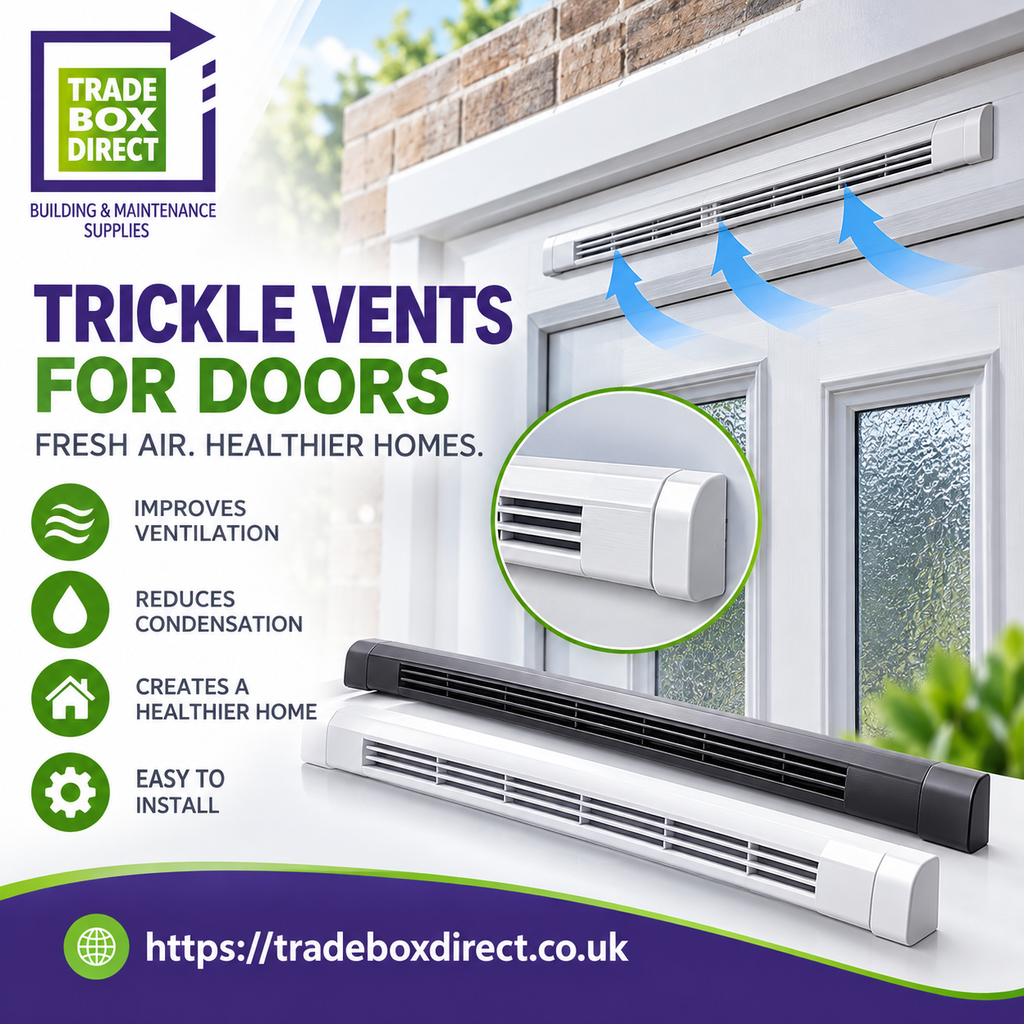
Trickle vents for doors are small openings or vent systems fitted into a door. They allow a controlled amount of fresh outdoor air to enter the room. At the same time, stale indoor air can move out through other openings or a wider ventilation system.
Unlike leaving a door open, these vents provide a more controlled solution. You can keep the door closed while still allowing some fresh air to pass through.
Furthermore, modern homes often use better insulation and tighter doors. While this can help reduce heat loss, it can also reduce natural air movement. That is why good VENTILATION remains important.
Why Do Doors Need Ventilation?
A closed room can collect stale air over time. People breathe out carbon dioxide, while everyday activities can also create moisture. Cooking, washing, drying clothes, and showering can all add moisture to indoor air.
If this air cannot escape, the room may become damp. You can learn more about moisture and how it affects indoor spaces through the linked definition.
Good VENTILATION helps move stale air away and brings fresh air into the room. Consequently, the indoor environment can feel fresher and more comfortable.
How Do Trickle Vents for Doors Work?
The basic idea is simple. A vent creates a small pathway between the indoor and outdoor areas. Fresh air can enter through the opening, while stale air can move towards another outlet.
Because the opening remains much smaller than an open door, the airflow is more controlled. This makes trickle vents useful where you want fresh air without constantly opening the door.
The amount of airflow depends on the vent design, room layout, outside conditions, and other openings in the building.
Therefore, VENTILATION works best when air has a clear route into and out of the property.
What Problems Can Poor Ventilation Cause?
Poor air movement can create several common indoor problems. For example, a room may smell stale or feel humid. Moist areas may also encourage mould growth if the problem continues for a long time.
Another common issue is condensation. It happens when warm, moist air meets a cooler surface. You may notice water droplets on windows, walls, mirrors, or other cold areas.
Good VENTILATION can help reduce the build-up of humid air. However, vents should form part of a suitable overall approach to indoor air quality.
Where Can Trickle Vents for Doors Be Used?
Trickle vents for doors can work in many parts of a property. Their use depends on the door type, room design, and required level of air movement.
Common areas include:
- Kitchens
- Bathrooms
- Utility rooms
- Bedrooms
- Offices
- Flats
- Conservatories
- Storage areas
- Internal areas that need controlled air movement
For example, a utility room may produce moisture when clothes are washed and dried. A suitable vent can help support better air movement.
Similarly, kitchens can benefit from fresh air because cooking creates heat, steam, and odours.
Benefits of Using Trickle Vents for Doors
There are several reasons why homeowners and installers consider these vents useful.
1. Fresh Air
A vent provides a simple way to bring fresh outdoor air into a room. As a result, the room can feel less stuffy.
2. Controlled Air Movement
Rather than keeping a door open, a vent provides a smaller and more controlled opening. This can make everyday use more convenient.
3. Helps Manage Humidity
Regular air exchange can help reduce humid indoor air. This can support a cleaner and more comfortable environment.
4. Useful for Modern Homes
Modern properties often have sealed doors, windows, insulation, and other features designed to reduce uncontrolled air leakage. Therefore, planned VENTILATION can become even more important.
5. Easy to Understand
The principle is simple. Fresh air enters, stale air moves away, and the room receives a better supply of outdoor air.
How Should You Choose Trickle Vents for Doors?
Before buying a vent, consider the type and size of the door. Check the installation requirements and make sure the product suits the intended application.
Also, think about the room where the vent will be installed. A bathroom may have different air needs from a bedroom or office.
Next, consider the amount of air movement required. A small room may need a different solution from a large space.
Finally, choose a product from a suitable VENTILATION range and follow the manufacturer’s installation guidance.
Are Trickle Vents for Doors Enough on Their Own?
Trickle vents can support good indoor air movement, but they may not solve every air-quality problem. A building can have several ventilation needs, especially when it contains kitchens, bathrooms, or other areas that produce high levels of moisture.
For this reason, consider the complete airflow path. Fresh air needs an entry point, while stale air needs a suitable route out.
Mechanical extraction, window vents, air bricks, and other ventilation products may also form part of the overall system.
Good VENTILATION depends on how all these elements work together.
Can Trickle Vents Help With Condensation?
They can help by allowing fresh air to enter and supporting the movement of humid indoor air. However, condensation can have several causes, including cold surfaces, high humidity, poor insulation, and limited air movement.
Therefore, installing a vent should not be viewed as the only solution.
Instead, combine suitable VENTILATION with sensible heating, insulation, moisture control, and good everyday habits. For example, use extractor fans during cooking and bathing, and avoid allowing wet clothes to dry in poorly ventilated rooms.
How Do You Maintain Door Vents?
Maintenance is usually simple. Check the vent regularly and make sure dust, dirt, or other debris has not blocked the opening.
Clean the visible parts according to the manufacturer’s instructions. Also, check that the vent remains secure and that air can pass through it.
Regular checks help keep VENTILATION products working effectively.
Frequently Asked Questions
Are trickle vents for doors useful in winter?
Yes. They can provide controlled fresh air even when the weather is cold. However, the exact effect on comfort and heat loss depends on the building and the vent design.
Do trickle vents make a room colder?
A vent allows outdoor air to enter, so some heat exchange can occur. However, it provides a much smaller opening than leaving a door open.
Can door vents reduce condensation?
They can support better air exchange, which may help reduce humid air. However, condensation can have several causes, so other measures may also be needed.
Where should door vents be fitted?
The correct position depends on the door, room, product design, and installation guidance. Always check the manufacturer’s instructions before fitting a vent.
Are trickle vents suitable for every door?
Not necessarily. Door material, thickness, construction, and intended use can affect suitability. Always check product specifications before installation.
Conclusion
Trickle vents for doors provide a practical way to introduce controlled fresh air into rooms while keeping doors closed. They can support better indoor comfort and help manage stale or humid air.
They work especially well when combined with other suitable products and good building practices. Therefore, consider the complete air path rather than relying on one product alone.
For homes, offices, and other buildings, well-planned VENTILATION can make a noticeable difference to indoor comfort. With the right product, correct installation, and regular maintenance, you can create a fresher and more comfortable indoor environment.
What Is Dishwasher Detergent and How Does It Work?
Introduction
Cleaning dishes is part of everyday life. However, choosing the right Dishwasher Detergent product can sometimes be confusing. There are dishwasher products, washing-up liquids, powders, tablets, and gels. Each one has a different purpose.
Understanding these products can help you choose the right option for your kitchen. It can also help you avoid using a product in the wrong way.
What Is Dishwasher Detergent?
Dishwasher detergent is made for use inside a dishwasher. It works with hot water and the machine’s wash cycle. The formula helps loosen food and clean plates, glasses, cups, and cutlery.
A dishwasher controls the amount of water, heat, and cleaning time. Therefore, the cleaning product must suit this process.
However, not every liquid cleaner is made for a dishwasher. A hand-washing liquid may create too much foam. As a result, it can cause problems inside a machine.
How Does Dishwasher Liquid Work?
DISHWASHER LIQUID can describe a liquid product designed for machine cleaning. However, people sometimes use this term when talking about washing-up liquid.
These products are not always the same.
A dishwasher needs a low-foam formula. In contrast, hand washing products often create more foam. Therefore, always read the product label before use.
The right Detergent should match the cleaning method. This simple check can help protect the machine and improve cleaning results.
What Is Detergent Made From?
Cleaning products contain several ingredients. The exact formula can vary between products.
A cleaning formula may contain water, surfactants, builders, fragrance, and other cleaning agents. Each ingredient has a purpose.
Some ingredients help lift food from dishes. Others help the product spread through water. Some formulas may also include a mineral component or another cleaning aid.
Therefore, different formulas can work in different ways.
How Does It Remove Grease?
Food and oily marks can stick firmly to plates and pans. A suitable cleaning product helps loosen these marks so water can carry them away.
For example, grease can remain on plates after cooking. Cleaning ingredients help separate it from the dish.
Heat also plays an important role during machine washing. Warm or hot water can help loosen food. The cleaning product then works with the water and wash action.
Why Is The Right Product Important?
The right Dishwasher detergent should match the cleaning method. Products made for dishwashers are designed for machine cycles. Washing-up liquids are designed for hand washing.
Using the wrong product may create excess foam. It may also affect the machine and the final cleaning result.
For that reason, always check the instructions. Also, look at the intended use before adding a product to your dishwasher.
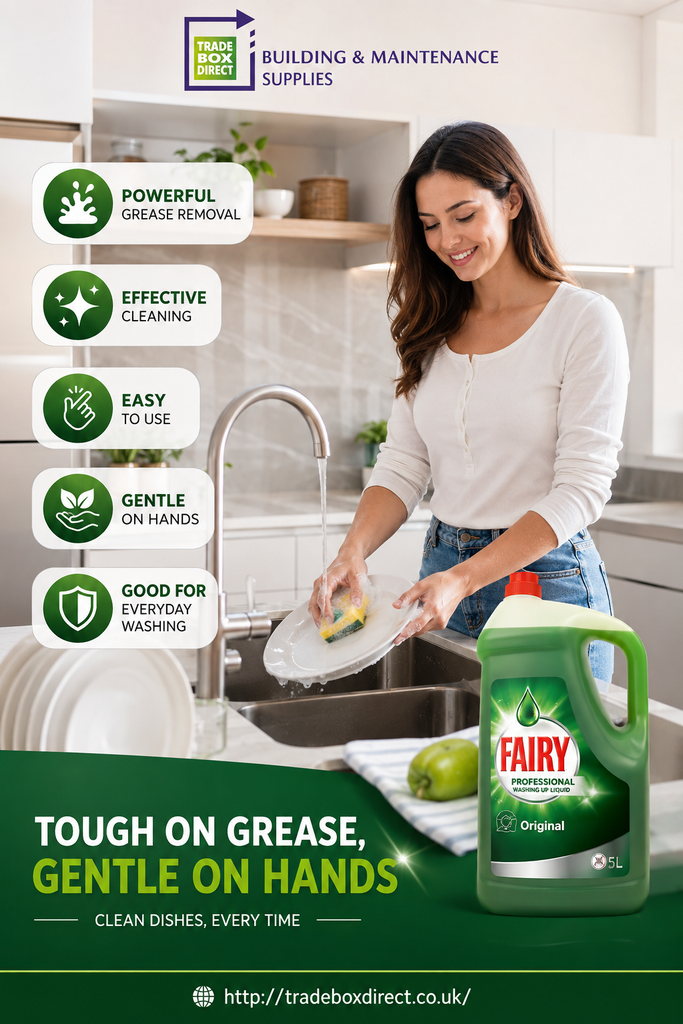
What Is Fairy Liquid 5L Used For?
Fairy Liquid 5L – Professional Washing Up Liquid is a professional washing-up liquid. It is designed for hand washing dishes and kitchen items.
The large 5L size can suit homes, workplaces, catering areas, and busy kitchens. It can also be useful where dishes need regular manual cleaning.
However, Fairy Liquid should not be treated as a replacement for a dishwasher-specific cleaner. Always use the product according to its intended purpose.
What Are The Benefits Of A 5L Bottle?
A larger bottle can be useful for regular kitchen cleaning. It reduces the need to replace smaller bottles as often. As a result, it can suit busy kitchens and workplaces.
The larger format can also make stock control easier. A business can keep a regular supply ready for daily cleaning.
When shopping for cleaning products, think about how often they will be used. Then choose a pack size that suits your needs.
How Should You Use Washing-Up Liquid?
First, add a small amount to warm water or a sponge. Next, wash the item carefully. Finally, rinse it well and allow it to dry.
Do not use more liquid than needed. A small amount can often clean many dishes when used correctly.
For stubborn food, soaking the item first can help. This can soften the food and make washing easier.
Always follow the product instructions. Also, keep cleaning products away from children and use them only for their intended purpose.
Which Products Suit Different Cleaning Jobs?
Dishwasher detergent suits machine washing. Washing-up liquid suits hand washing. Therefore, the two should not be treated as the same product.
A dishwasher uses a controlled amount of water, heat, and detergent. Hand washing gives you more direct control over the amount of liquid and water.
This difference matters when you shop for cleaning products. Always check whether the product is suitable for your cleaning method.
How Can You Choose The Right Cleaning Product?
Start by checking the label. Look for the intended use, instructions, pack size, and safety information.
Next, consider how often you clean dishes. A busy kitchen may need a larger bottle. A small household may prefer a smaller pack.
The product should also be compatible with the cleaning task.
In addition, check the surface you plan to clean. The edge of a pan or plate may need extra attention during manual washing.
Why Does Correct Dosage Matter?
Using too much product does not always mean better cleaning. Extra detergent can leave residue or create waste.
Therefore, follow the recommended amount on the label.
On the other hand, using too little may not give the result you want. The best approach is to follow the manufacturer’s instructions.
Correct use can also help a bottle last longer. This makes the product more practical for regular kitchen cleaning.
What Makes Fairy Liquid Useful For Busy Kitchens?
Fairy Liquid 5L can suit regular hand washing. Its larger format makes it practical for kitchens that clean many dishes each day.
It can also suit catering spaces, offices, schools, workplaces, and other areas where manual dish washing takes place.
The large bottle can reduce the need for frequent replacement. Therefore, it can be useful for users who need a regular washing-up supply.
Before you buy, however, check the intended use. It is a washing-up liquid, not a dishwasher-specific product.
Can Dishwasher Detergent Replace Washing-Up Liquid?
No. Dishwasher products and hand-washing liquids serve different purposes.
Dishwasher formulas are designed for machine cycles. Washing-up liquids are made for manual cleaning.
Using a hand-washing liquid inside a dishwasher can create excessive foam. That may cause problems for the machine.
Therefore, keep the two product types separate. Always follow the appliance manufacturer’s instructions as well.
Where Can You Shop For Cleaning Products?
You can shop online for cleaning products and compare pack sizes, uses, and product information.
Online shopping can make it easier to find products for both home and professional kitchens. You can also compare larger packs when you need regular supplies.
Before making a purchase, check the product description and intended use. This simple step can help you choose the correct cleaner.
What Are The Main Advantages?
The main benefit of Dishwasher detergent is its ability to work with a dishwasher’s automatic cleaning cycle.
Other advantages can include:
- Easy machine use.
- Controlled dosing.
- Support for removing food.
- Effective cleaning with hot water.
- Less manual washing.
- Convenient daily use.
For hand washing, a professional washing-up liquid offers a different set of benefits. A large bottle can provide a practical supply for busy kitchens.
FAQs
Is dishwasher detergent the same as washing-up liquid?
No. Dishwasher products are designed for machine use, while washing-up liquid is designed for hand washing.
Can Fairy Liquid 5L be used in a dishwasher?
It should not be used as a dishwasher detergent. Fairy Liquid 5L is a professional washing-up liquid intended for hand washing.
What is dishwasher liquid?
The term can describe a liquid product designed for dishwasher use. However, some people also use it to describe washing-up liquid. Always check the product label.
What is detergent used for?
Detergent helps remove dirt, food, oils, and other marks during cleaning.
Why should I use the correct detergent?
The correct product is designed for a particular cleaning method. Therefore, it can help provide better results and reduce the risk of misuse.
Is a 5L washing-up liquid bottle useful?
Yes. A large bottle can suit busy kitchens and regular hand washing. It can also reduce the need for frequent replacement.
How is cleaning liquid made?
Cleaning liquid is made by combining different cleaning ingredients in controlled amounts. The formula can vary depending on its intended use.
What should I check before buying a cleaning product?
Check its intended use, size, instructions, ingredients, and suitable cleaning method. This helps you choose a product that matches your needs.
Conclusion
Dishwasher detergent has an important role in machine dishwashing. However, it should not be confused with hand-washing liquid.
Dishwasher products are designed for controlled machine cycles. Meanwhile, Fairy Liquid 5L is made for manual washing-up.
Understanding this difference helps you choose the right product for your kitchen. For busy areas, a large washing-up liquid bottle can provide a practical supply.
Always read the label and follow the instructions. Most importantly, use each product only for its intended purpose.
Solar Equipment: What Products Do You Need for Solar Panel Protection?
Introduction
Solar power is now common in many UK homes and businesses. However, a solar panel system needs more than panels alone. Small parts can help protect the system, improve the finish, and support long-term use. This is where SOLAR EQUIPMENT can make a useful difference.
From solar supplies to solar panel components, each product can have a clear role. For example, bird-proofing products can help protect the space below solar panels. Therefore, choosing the right products is an important part of solar installation and maintenance.
What Is SOLAR EQUIPMENT?
SOLAR EQUIPMENT includes the supporting products used around a solar panel installation. These items can include clips, mesh, mounting parts, protective accessories, cable products, and other useful components.
A good product should suit the solar panel system and the installation area. Also, it should be strong enough for regular outdoor use. As a result, checking the size, material, and fitting method is important before you buy.
The right SOLAR EQUIPMENT can also make maintenance work easier. Installers can use suitable accessories to complete smaller jobs without replacing the main solar panels.
What Are Solar Supplies Used For?
solar supplies cover a wide range of products used during solar installation and maintenance. They can help installers complete work with the right parts available.
For example, bird-proofing clips and mesh can help close open spaces beneath panels. This can reduce access for birds that may try to build nests in these sheltered areas.
In addition, the right supplies can support repair and upgrade work. Therefore, homeowners and installers can find useful products for both new and existing solar systems.
Why Are Solar Panel Components Important?
solar panel components are smaller products that support a solar panel installation. While solar panels collect sunlight, other parts can help with protection, support, and finishing.
Each component should match the panel frame and the intended application. In addition, the product should suit the roof and installation method.
Good SOLAR EQUIPMENT should work with the wider solar system rather than create extra problems. So, checking product measurements before shopping can save time and reduce fitting issues.
What Is Bird Proofing for Solar Panels?
bird proofing for solar panels is designed to reduce access beneath solar panels. Birds may sometimes use this sheltered area for nesting.
Nesting material can collect around cables and other parts. It may also make cleaning and maintenance harder. Therefore, a suitable barrier can help keep this area more controlled.
Bird proofing does not replace normal solar maintenance. Instead, it can form part of a wider protection plan for the installation.
How Does Bird Mesh for Solar Panels Work?
bird mesh for solar panels creates a physical barrier around open areas beneath the panels. The mesh can follow the panel layout and roof shape.
However, the mesh needs secure fixing. This is where solar panel mesh clips can help.
The clips hold the mesh against the panel frame. As a result, the barrier can stay in place when correctly fitted.
The mesh and clips work together. The mesh closes the opening, while the clips provide the fixing point. Therefore, choosing both products carefully is important.
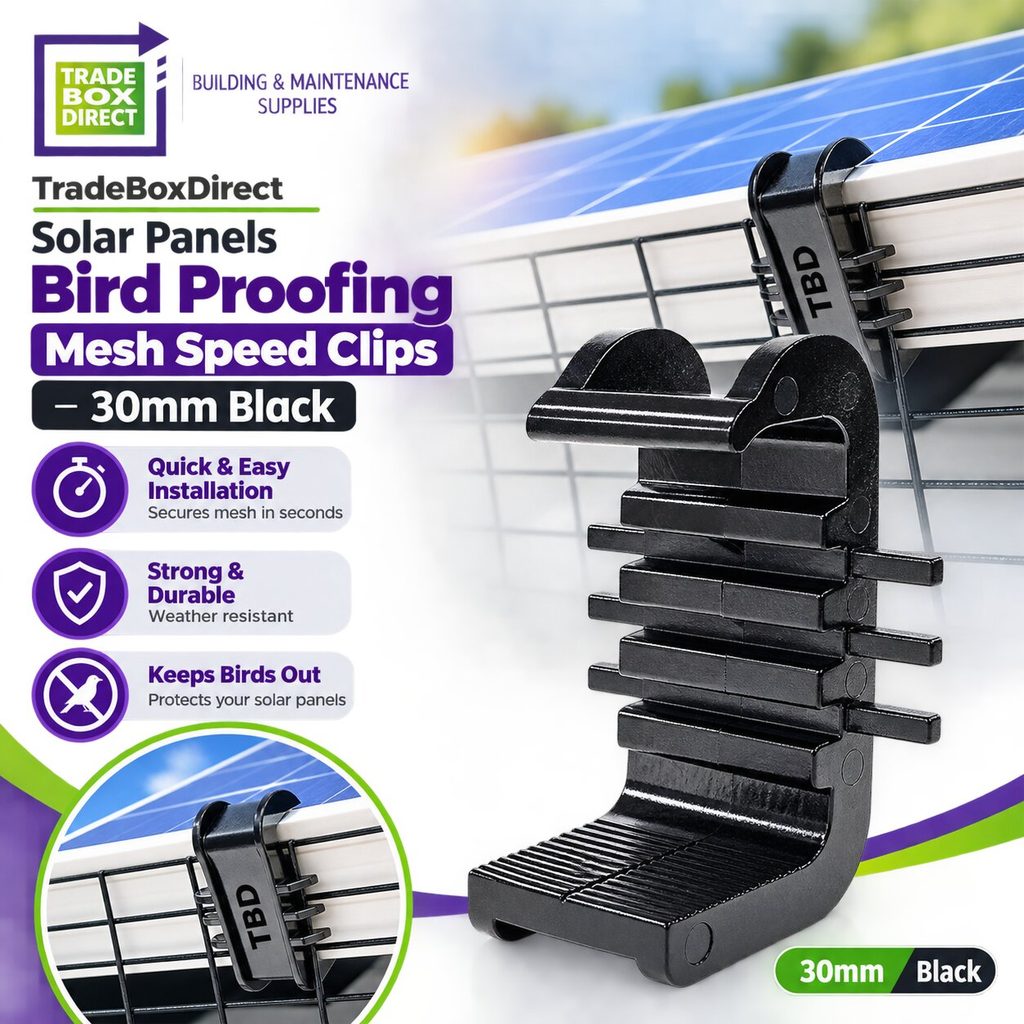
Featured Product: Solar Panel Bird Proofing Mesh Speed Clips – 30mm Black
The Solar Panel Bird Proofing Mesh Speed Clips – 30mm Black provide a practical fixing option for suitable solar panel bird-proofing mesh.
The 30mm design offers a useful fixing size for suitable panel frames. However, users should always check the measurements before installation.
These clips can help create a neat barrier around the panels. They can also make the fitting process more straightforward when used with suitable mesh.
How Are Solar Panel Mesh Clips Made?
Solar panel mesh clips are generally made from strong materials that can handle outdoor conditions. The material needs to cope with regular exposure to sun, rain, wind, and temperature changes.
The clip shape is designed to hold mesh securely against the panel frame. Its simple design can also make fitting easier.
However, the exact fitting method can differ between products. Therefore, always check the product details before starting work.
What Are the Advantages of Bird-Proofing Clips?
There are several practical advantages to using suitable clips.
First, they can help secure bird-proofing mesh. Second, they can create a cleaner finish around the panels. Third, they can make installation work easier.
They can also reduce the need for temporary or unsuitable fixing methods. In turn, this can help create a more organised installation.
A suitable SOLAR EQUIPMENT product should support the installation without causing unnecessary changes to the panels.
How Do You Choose the Right Solar Product?
Start by checking the solar panel frame. Next, measure the area where the product will fit. Then, check the material and fixing method.
For bird protection, look at both the mesh and the clips. The products should be compatible with the panel frame and intended application.
Also, check the surface before fitting the product. The edge of the panel frame can affect how the mesh sits.
These simple checks can
Air Bricks and Trickle Vents: How Do They Improve a Home?
Introduction
Fresh air matters in every home. Yet modern buildings can be well sealed. As a result, stale air may stay inside. The right VENTILATION products can create a fresh-air route while windows stay closed.
Good VENTILATION and house ventilation support comfort in many rooms. It can also form part of a wider home ventilation system.

What Does VENTILATION Mean?
VENTILATION means bringing fresh air into a building and letting used air leave. Each room can have different needs.
Kitchens may need more fresh air after cooking. Bathrooms need a clear route for damp air to escape. Bedrooms may benefit from gentle air entry. Therefore, the right vent can support comfort.
A suitable system can also help manage moisture.
What Is an Air Brick?
An air brick vent creates a fixed opening through a wall. A ventilation air brick can suit many external wall applications.
Traditional homes may use a terracotta airbrick because it can match older brickwork. Modern products may use durable plastic.
Air bricks often have a louvred face. This lets air pass while protecting the opening. An air vent cover can add extra protection. Vent covers can also protect open areas.
The Vent Axia – Double Louvred Airbrick Terracotta – 220x90mm suits wall projects that need a terracotta-style finish.
How Do Window Vents Work?
Windows are another part of a home air plan. Window vents can allow fresh air to enter without fully opening the window. Likewise, window air vents can support steady fresh-air entry. house window vents can offer a similar solution.
Window trickle vents use a small opening in the frame. They are useful when you want fresh air while the window remains closed. Therefore, trickle vents for windows can suit many replacement and upgrade jobs.
The 5000 AirFlow UPVC Trickle Vent for Windows & Doors | White can suit UPVC frames and provides a controlled opening.
What Are Trickle Vents Used For?
Trickle vents are small openings fitted into window or door frames. They usually have an inside and outside section. The design can let users adjust the opening.
Upvc trickle vents are common because UPVC frames are widely used in UK homes. Also, trickle vents for upvc windows can suit homes that need a simple fresh-air route.
Some projects need trickle vents for doors. Air box trickle vents can suit certain frame and box arrangements.
Before fitting a vent, check the frame type, size, colour, and fitting method. This can prevent poor fit.
Which Air Vents Should You Choose?
The right VENTILATION choice depends on the building and opening. Air vents come in many sizes and designs. Vents also differ in material and finish.
For windows, good VENTILATION with plastic window vents can offer a light and practical option. Homes with upvc windows with air vents should be checked before replacing any existing vent.
For larger openings, a ventilation grille may be more suitable. Ventilation grilles can cover wall or panel openings while keeping the area neat.
How Do Grilles and Covers Help?
A good vent should allow air to move while giving the opening suitable protection. The right airflow depends on the product, opening size, and room.
Ventilation grilles – axia can suit projects that need a grille-style finish. An air vent cover with fly screen can also help keep insects out.
The LOUVRED AIR VENT COVER WITH FIXED FLYSCREEN FLY MESH, PLASTIC VENTILATION GRILLE combines louvres with a fixed mesh screen. This can suit external wall openings where protection matters.
How Are These Products Made?
Many modern vents use durable plastic. Manufacturers mould it into frames, grilles, covers, and vent bodies. Some air bricks use clay or terracotta for a traditional look. The material should suit the location, so check the size and application.
What Are the Main Advantages?
The main benefit of VENTILATION is controlled fresh air. It can make rooms feel fresher while windows stay closed.
Other benefits include:
- Better indoor comfort.
- Less stale air.
- Support for managing condensation.
- Protection around wall and window openings.
- A neat finish.
- More control over fresh-air entry.
These features can support an air ventilation system for home use.
Where Are Vents Used?
VENTILATION products can be used in bedrooms, kitchens, bathrooms, utility rooms, garages, lofts, and external walls. A vent box can suit some opening or duct arrangements, while a window ventilation product can provide a fresh-air route through a window.
Which Products Are Available?
If you want to shop for suitable products, first check the opening and frame type. Then compare size, material, finish, and fitting style.
The trickle vents for windows Ventilation Real PVC Plastic 300mm 400mm can suit window projects that need a plastic slot vent.
For wall openings, the Vent Axia terracotta airbrick above offers a traditional-style option.
Online shopping makes comparison easier. However, do not buy on looks alone. Check the measurements and intended use.
How Do You Choose the Right Vent?
Start with the location and opening size. A window needs a different solution from an external wall.
Then consider the material. Plastic may suit a modern window, while terracotta may suit a traditional wall. Also decide whether you need a grille, cover, mesh, or adjustable opening.
Finally, consider cleaning. A simple design can make routine care easier.
FAQs
What is an air brick vent used for?
It creates a fixed opening for fresh air. It is often used in external walls and similar areas.
Are trickle vents useful on UPVC windows?
Yes. They can provide a small, controlled route for fresh air while the window stays closed.
What are window air vents?
They are vents fitted to or around a window system. They help provide controlled fresh-air entry.
What is the purpose of ventilation grilles?
They cover an opening while still allowing air to pass. They can also give the opening a neat finish.
Can vents help with damp air?
They can support fresh-air movement. However, the best solution depends on the building.
What should I check before buying a vent?
Check the size, frame type, material, colour, fitting method, and intended use. Also, make sure the product suits the opening.
Conclusion
VENTILATION is a simple but important part of a comfortable home. Air bricks, window vents, trickle vents, grilles, and covers all have different roles.
With the right product, you can create a controlled fresh-air route and keep openings protected. Therefore, check the size and use before making a choice. TradeboxDirect offers products for windows, doors, walls, and other building areas.
Furniture Accessories: Corner Protectors, Modesty Blocks and More
Furniture needs more than wood, boards, and panels. Small parts also help furniture stay strong and look neat. These parts include corner protectors, connectors, blocks, brackets, and other fittings.
This is where FURNITURE ACCESSORIES can help. They can protect furniture, join panels, support parts, and make repairs easier.
Whether you build furniture or repair it at home, the right small parts can save time. They can also give your furniture a better finish.
What Are Furniture Accessories?
FURNITURE ACCESSORIES are small parts used to build, join, protect, or repair furniture.
There are many types. Some protect corners. Others join two panels. Some support shelves or doors. You can also find parts that help with cabinet assembly.
Common examples include:
- Corner protectors
- Furniture fittings
- Furniture hardware
- Corner guards
- Modesty blocks
- Cabinet connectors
- Brackets
- Hinges
- Shelf supports
Each part has a simple job. However, that job can be very important.
For example, a corner protector can cover an exposed edge. A modesty block can join two furniture panels. A hinge can let a cabinet door open and close.
Why Are Furniture Accessories Important?
Furniture gets used every day. Doors open and close. Shelves hold items. Drawers move in and out. Panels also take pressure during normal use.
Good FURNITURE ACCESSORIES can help these parts work well.
They can also protect weak or exposed areas. This can help reduce small signs of wear.
For example, a corner protector can cover a sharp edge. A connector can help hold two panels together. A suitable bracket can give extra support.
As a result, small parts can help improve both the use and look of furniture.
What Are Corner Protectors?
Corner protectors cover exposed furniture corners. They can help protect edges from knocks and daily contact.
A plastic corner protector is a simple option for many furniture projects. Plastic is light and easy to handle. It can also work well for many indoor uses.
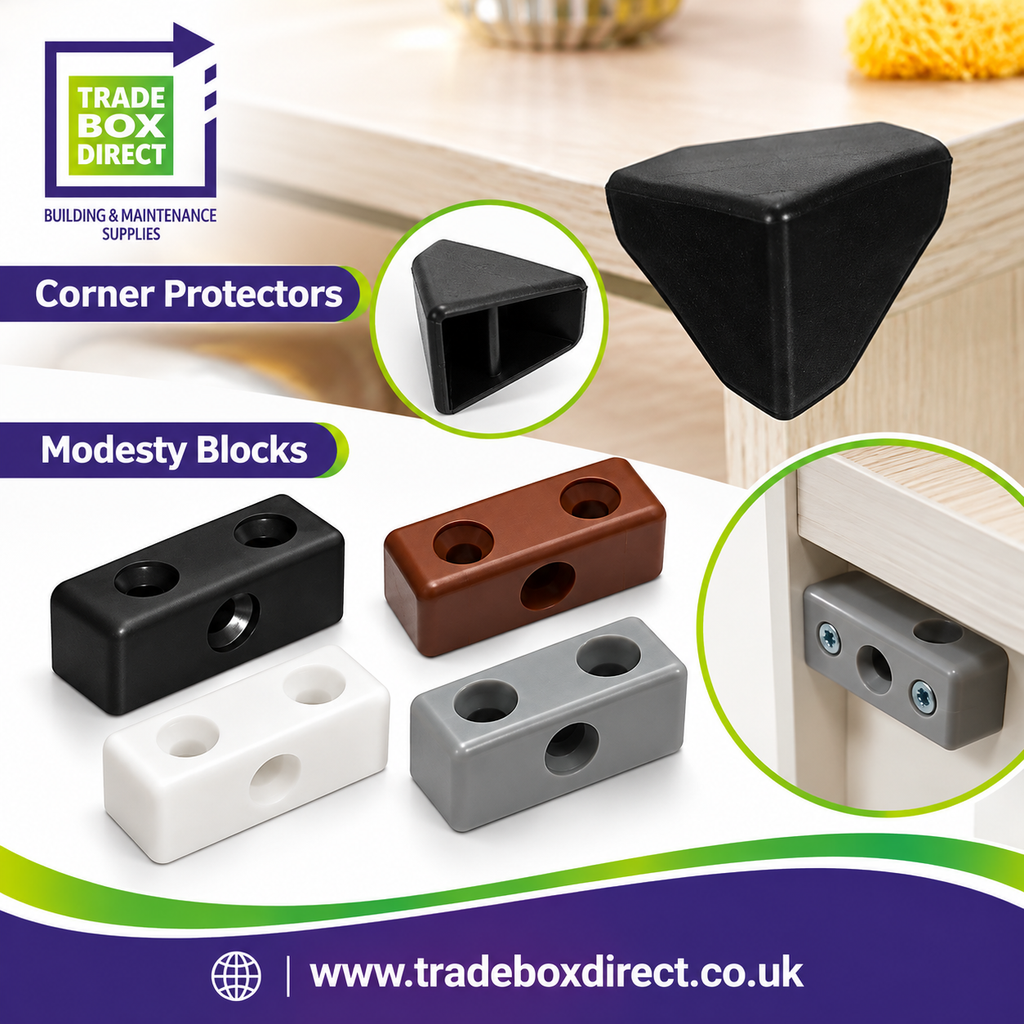
The plastic corner protector – Black is one product available from TradeboxDirect. You can view the plastic corner protector for more details.
The black finish can suit dark furniture. It can also give light furniture a simple contrast.
What Is a Furniture Corner Protector?
A furniture corner protector helps cover an exposed corner. It can suit cabinets, cupboards, tables, boards, and other furniture.
Corners can receive a lot of contact. People may bump into them. Objects may also hit them during daily use.
A suitable protector can help shield these areas.
Before you buy one, check the size and shape. The protector should fit the furniture corner well.
What Are Corner Guards?
Corner guards have a similar purpose. They help protect corners and edges from everyday contact.
They can also give a cleaner look to exposed areas.
For example, you may use a corner guard on a cabinet edge. You may also use one on a table or storage unit.
When you shop for FURNITURE ACCESSORIES, always check the product size. A good fit helps the product work as intended.
What Are Furniture Fittings?
Furniture fittings are parts that help connect or support furniture.
They can include:
- Connectors
- Brackets
- Hinges
- Screws
- Blocks
- Shelf supports
- Cabinet fittings
Each fitting has a different job.
A hinge, for example, helps a door move. It connects the door to the cabinet while still allowing it to open and close.
Other fittings can join panels or support furniture parts.
What Is Furniture Hardware?
Furniture hardware means the practical parts used with furniture.
It can include handles, hinges, brackets, screws, connectors, and other fixing parts.
The right hardware depends on the furniture.
A kitchen cabinet may need different parts from a bookcase. A wardrobe can also need different hardware from a desk.
So, always check the furniture type before you buy.
What Is a Modesty Block?
A modesty block is a small furniture connector. It helps join two panels together.
These blocks are common in cabinets, desks, cupboards, and kitchen furniture.
The design is simple. The block sits where two panels meet. Screws can then hold the block and panels in place.
This creates a useful connection without making the fitting easy to see from the outside.
How Do Modesty Blocks Work?
Modesty blocks are placed inside furniture. They sit close to the point where two panels meet.
The installer positions the block. They then use suitable screws to secure it.
This creates a firm connection between the panels.
Modesty blocks can also help create a neat finish. Since they sit inside the furniture, they do not usually affect the outside look.
The MODESTY BLOCKS KITCHEN MOD BLOCK – VARIOUS PACKS is designed for furniture applications. You can view the modesty blocks before choosing a pack.
Are Mod Blocks Good for Kitchen Furniture?
Yes. Mod blocks can be useful for kitchen cabinets and other furniture made from panels.
Kitchen units often have several boards that need to join together. Modesty blocks can provide a simple fixing point.
They can also help make cabinet assembly easier.
When you buy FURNITURE ACCESSORIES, check the product size and fixing method first. This helps you choose the right part for the job.
How Are Furniture Accessories Made?
The manufacturing method depends on the product.
Plastic parts are often made through moulding. This process shapes heated plastic into the required form.
Metal parts may use cutting, pressing, bending, or other methods.
The material also depends on the job.
A plastic corner protector needs to be light and practical. A metal fitting may need more strength.
Good product design also considers size, shape, fit, and ease of use.
Can Furniture Accessories Protect Furniture?
Yes. Many small fittings can help protect furniture.
Corner protectors can cover exposed edges. Corner guards can shield corners. Connectors can help keep panels in place.
These parts can reduce wear in areas that receive regular use.
Room conditions can also affect furniture. For example, moisture can affect some materials over time. Good care can help protect furniture and keep it in good condition.
How Do You Choose the Right Accessories?
Start by looking at the furniture.
Then think about the job you need to do.
Ask these simple questions:
- Do I need to protect a corner?
- Do I need to join two panels?
- Does a door need a hinge?
- Does a shelf need support?
- What size part do I need?
- What colour will look best?
- How many parts do I need?
A shelf, for example, may need a support fitting. A cabinet door may need a hinge.
The right product should match the furniture and the task.
Why Shop for Furniture Accessories Online?
Online shopping makes product research simple. You can compare sizes, colours, pack options, and product details before you buy.
It can also save time.
Instead of visiting several shops, you can look through one product category. This is useful when you need several small parts for one furniture project.
TradeboxDirect has a dedicated FURNITURE ACCESSORIES category. It includes products for furniture protection, assembly, and repair.
What Should You Check Before You Buy?
Always check the product details before buying.
Look at:
- Product size
- Material
- Colour
- Pack quantity
- Intended use
- Fixing method
- Furniture compatibility
These details can help prevent mistakes.
For example, a corner protector that is too small may not fit correctly. A modesty block may also need a certain screw size.
Taking a few minutes to check the details can save time later.
Can Furniture Accessories Help DIY Projects?
Yes. DIY furniture projects often need many small parts.
A missing connector can stop a project. The wrong bracket can also create extra work.
Therefore, it helps to plan before starting.
Make a list of the parts you need. Then check the sizes and quantities.
Using the right FURNITURE ACCESSORIES can make a DIY project easier. It can also help create a clean and strong finish.
Final Thoughts
Small furniture parts can have a big job.
Corner protectors can shield exposed edges. Corner guards can help protect corners. Furniture fittings can join parts. Furniture hardware can help doors, shelves, and cabinets work correctly.
Modesty blocks can also provide a simple way to join furniture panels.
The right FURNITURE ACCESSORIES depend on the job. So, check the size, material, colour, and intended use before you buy.
Whether you are doing a small repair or building new furniture, good fittings can make the work easier.
They can also help your furniture look neat, work well, and last longer.
Frequently Asked Questions
What are furniture accessories?
They are small parts used to build, join, protect, repair, or improve furniture. Examples include corner protectors, fittings, brackets, hinges, and modesty blocks.
What does a plastic corner protector do?
A plastic corner protector covers an exposed furniture corner. It can help protect the edge from knocks and daily contact.
What is a furniture corner protector?
It is a small part that covers and protects a furniture corner. It can suit many cabinets, cupboards, tables, and boards.
What are modesty blocks used for?
Modesty blocks join two furniture panels. They are often used inside cabinets, desks, kitchen units, and other panel furniture.
Are mod blocks and modesty blocks the same?
Yes. “Mod blocks” is a shorter term for modesty blocks. However, product sizes and designs can differ.
What are furniture fittings?
Furniture fittings are parts that help connect, support, or move furniture parts. Hinges, connectors, brackets, and shelf supports are common examples.
What should I check before buying furniture accessories?
Check the size, material, colour, pack quantity, fixing method, and intended use. Also make sure the product suits your furniture.
Where can I shop for furniture accessories?
You can browse the TradeboxDirect furniture accessories range for products used in furniture assembly, repair, and protection.
How Does Roof Mounting Help Secure Solar Panels?
Introduction
Installing solar panels on a roof needs more than just the panels. A strong support system helps keep each panel secure and in the right position. This is where MOUNTING products play an important role.
A good roof support system connects the solar panel frame to the roof structure. It must also suit the roof type, panel layout, and installation method. Therefore, choosing the right components can make the whole installation safer and easier.
From roof hooks to rails and clamps, each part has a clear purpose. Together, these products create a stable base for a solar panel system.
What Is Solar Panel Mounting?
Solar panel MOUNTING is the process of securing solar panels to a roof or another suitable surface. The system uses several components to hold the panels above the roof.
These components can include roof hooks, rails, brackets, clamps, and fixings. The exact parts depend on the roof style and the type of solar panel being installed.
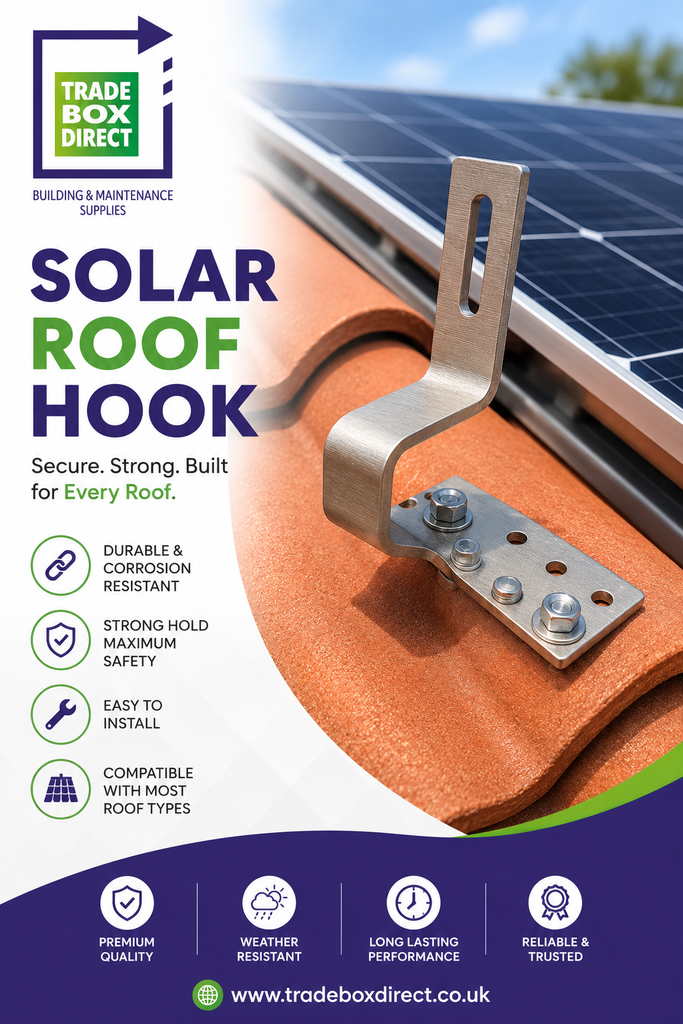
For example, tiled roofs often need specialist hooks that can sit beneath or around the tiles. These hooks connect to the roof structure and provide a secure point for the support rails.
You can learn more about a hook and its general function before choosing a suitable roof support product.
Why Is the Right Mounting System Important?
A solar panel system must cope with outdoor conditions throughout the year. Wind, rain, snow, temperature changes, and sunlight can all affect the roof area.
Because of this, the support system needs to remain stable over time. The right MOUNTING products help keep the panels correctly positioned and reduce unwanted movement.
A suitable system can also make installation more organised. Rails provide a clear structure, while clamps hold panels in place. Roof hooks connect the system to the roof.
Good planning is important too. Installers need to consider roof shape, tile type, panel size, spacing, and the location of the roof structure.
Roof Hooks for Tiled Roofs
Roof hooks are common components in solar panel installations. They provide a connection between the roof and the support rails.
Different roof tiles have different shapes and profiles. Therefore, one hook may not suit every roof.
The Fastensol Pantile Roof Hook-Portrait is one example designed for use with pantile roof applications. You can view the Fastensol Pantile Roof Hook-Portrait to see the product and its intended use.
The correct hook should match the roof tile and installation system. It should also allow the rail to sit at the correct height and position.
Understanding Brackets and Rails
Another important part of a roof system is the support bracket. A bracket generally provides support or helps connect two parts together.
In a solar installation, brackets and related fittings can help create a strong connection between different components.
Rails then provide a long, stable surface for securing the solar panels. Installers can position the panels along the rails and use suitable clamps to hold them firmly.
This approach creates a structured installation instead of fixing each panel directly to the roof.
Choosing the Correct Mounting Products
Every roof has different requirements. A product that works well on one roof may not suit another.
For this reason, installers should identify the roof type before selecting MOUNTING components.
Important factors include:
- Roof tile type
- Roof pitch
- Panel size
- Panel orientation
- Roof structure
- Rail position
- Hook design
- Fixing method
- Local weather conditions
For a wide range of products, the MOUNTING category provides a useful place to explore suitable solar support components.
Choosing the correct parts from the start can also make installation smoother.
Mounting Solar Panels on Pantile Roofs
Pantile roofs have a curved tile profile. This shape can affect how a roof hook fits beneath the tiles.
The installer must position the hook carefully so that it provides a secure connection without placing unnecessary pressure on the roof tiles.
The hook then connects to the rail system. Solar panels can be positioned on the rails once the support structure is ready.
This is one reason specialist MOUNTING products are useful. They are designed for particular roof types and installation needs rather than being a one-size-fits-all solution.
How Mounting Helps With Panel Position
The position of a solar panel affects how much sunlight it can receive. The support system helps the installer place the panel at the planned angle and location.
A well-planned system also keeps the panel layout neat. Equal spacing can make the finished installation look more professional.
The word solar relates to energy or processes connected with the sun. Solar panels use sunlight to produce electrical energy, so their position matters.
Correct MOUNTING therefore supports both the physical structure and the planned panel layout.
Common Mounting Components
A complete solar roof system may use several components. Each one has a specific role.
Roof Hooks
Roof hooks connect the support system to the roof structure. Different hooks suit different tile profiles.
Rails
Rails provide a continuous support line for the panels. They help installers create a consistent panel layout.
Clamps
Clamps secure the solar panels to the rails. They can include mid clamps and end clamps, depending on the panel arrangement.
Brackets
Brackets can connect or support parts of the installation. Their exact design depends on the system.
Fixings
Bolts, screws, nuts, and other fixings help hold the components together. The correct fixing should match the product and installation method.
What Makes a Good Mounting System?
A good system should match the roof and the panels. It should also provide a secure connection between the roof structure and the panel frame.
Quality matters because the components remain outside for many years. They need to cope with changing weather while supporting the panels.
Ease of installation is another useful factor. Clearly designed components can help installers work efficiently and create a tidy finished system.
It is also important to follow the manufacturer’s instructions. Correct spacing, fixing points, and installation methods all contribute to a secure result.
Can Mounting Products Protect the Roof?
The support system should be selected and installed carefully to avoid unnecessary stress on roof tiles.
A suitable roof hook should fit the tile profile correctly. Installers should also check the roof condition before beginning work.
Damaged or weak tiles may need attention before the solar installation starts.
Good MOUNTING planning can therefore help reduce installation problems and support a clean connection between the roof and solar system.
Why Product Compatibility Matters
Solar panels come in different sizes and designs. Roofs also vary in construction and tile profile.
As a result, compatibility should always be checked before buying components.
The rail, hook, clamp, and fixing system should work together. Using unrelated parts can create fitting problems and may affect the final installation.
A product category that brings compatible components together can make product selection easier for installers and customers.
Final Thoughts
A solar panel installation needs a secure and carefully planned support structure. Roof hooks, rails, clamps, brackets, and fixings all have important roles.
The right MOUNTING solution depends on the roof type, panel design, installation layout, and fixing method. Pantile roofs, for example, need products that suit their curved tile profile.
The Fastensol Pantile Roof Hook-Portrait is one option for suitable pantile roof applications. However, installers should always check product specifications and compatibility before installation.
With the correct products and careful planning, a roof support system can provide a stable base for a modern solar panel installation.
Frequently Asked Questions
What is solar panel mounting?
Solar panel mounting is the system used to secure solar panels to a roof or another suitable surface. It can include hooks, rails, clamps, brackets, and fixings.
Are roof hooks needed for tiled roofs?
Many tiled roof systems use roof hooks to connect the rails to the roof structure. The correct hook depends on the tile profile and installation system.
Can one roof hook work with every tile?
No. Roof tiles have different shapes and profiles. Therefore, the hook must be suitable for the specific roof.
What are solar mounting rails?
Rails are long support sections that provide a base for securing solar panels. They connect to roof hooks or other support components.
Why are brackets used in solar installations?
Brackets can support or connect different parts of a system. Their purpose depends on the design of the installation.
Can I install mounting products myself?
Solar roof work involves working at height and securing equipment to a building. It is important to use a suitably qualified installer and follow the manufacturer’s installation guidance.
Where can I find solar mounting products?
You can explore the MOUNTING category for roof support products and related components.
Do Trickle Vents for UPVC Windows Improve Indoor Air Quality?
Introduction
Good indoor air starts with good VENTILATION. Modern homes often have sealed windows, insulated walls, and energy-efficient doors. These features can help keep heat inside. However, they can also reduce the natural movement of fresh air. As a result, stale air, damp air, and excess moisture can build up inside a room.
One simple solution is to use trickle vents for UPVC windows. These small vents allow fresh air to enter a room without the need to keep the main window open. Therefore, they can support a steady flow of fresh air while helping maintain a comfortable indoor environment.
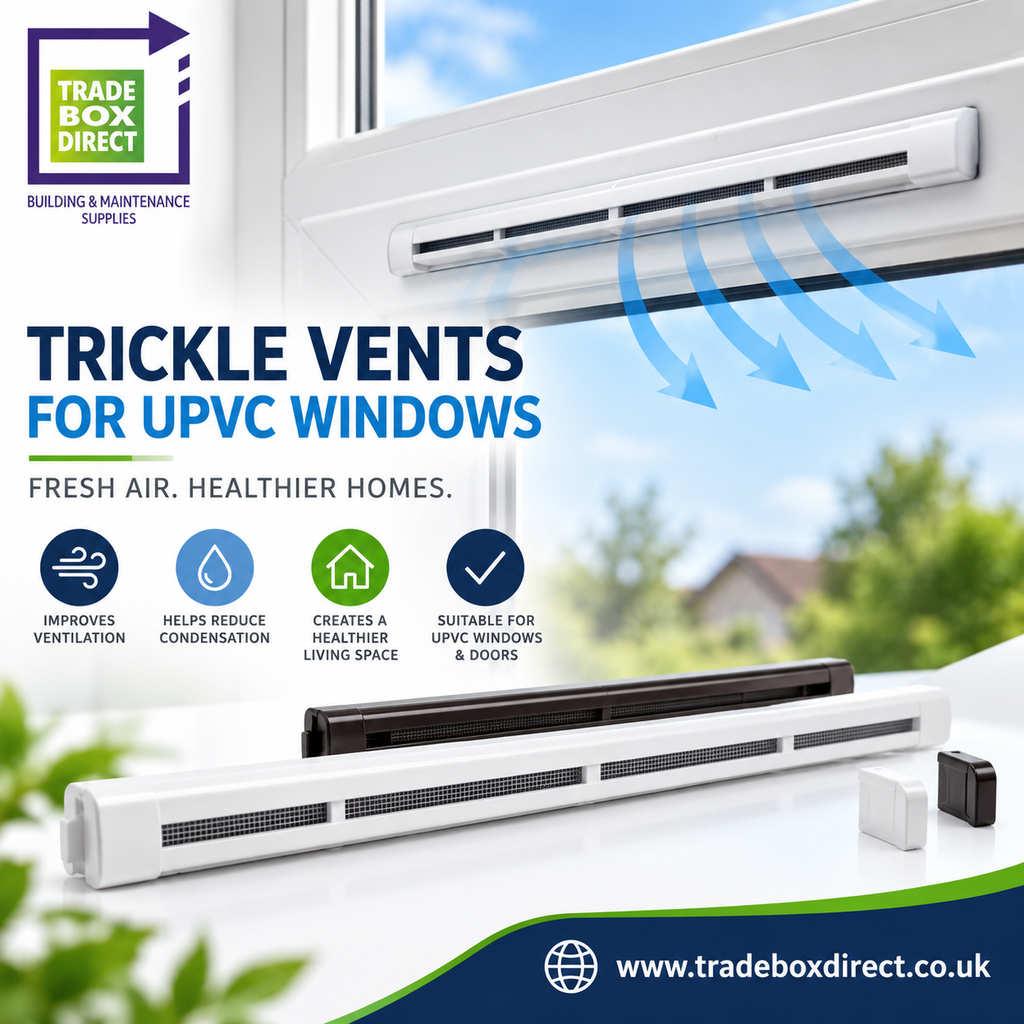
What Are Trickle Vents for UPVC Windows?
Trickle vents are small ventilation openings fitted into or around a window frame. They allow a controlled amount of outdoor air to enter the room. At the same time, they help stale indoor air move out through the wider ventilation system.
You can find trickle vents for UPVC windows in many homes, flats, offices, and other buildings. They work quietly and do not need regular switching on and off. Instead, they provide a simple way to support everyday VENTILATION.
Modern UPVC windows can create a strong seal around the frame. This is useful for reducing draughts and improving energy efficiency. However, a well-sealed room still needs fresh air. A trickle vent provides a small opening that helps balance this need.
Why Is Fresh Air Important?
People produce moisture through everyday activities. Cooking, showering, washing clothes, drying laundry, and even breathing can add moisture to indoor air.
You can learn more about moisture and how it affects indoor conditions. When moist air has nowhere to go, it can settle on cold surfaces.
That can lead to condensation. You can read more about condensation to understand how water vapour changes into liquid on cooler surfaces.
Over time, poor VENTILATION can contribute to damp smells, mould growth, and an uncomfortable indoor environment. Therefore, regular fresh-air movement is important in living spaces.
How Do Trickle Vents for UPVC Windows Work?
The design is simple. A trickle vent creates a small pathway between the inside and outside of a building. Outdoor air can enter through the vent while stale indoor air can move towards an extraction point.
The vent does not normally create the same large opening as an open window. Instead, it provides controlled background VENTILATION.
This makes trickle vents for UPVC windows useful in bedrooms, living rooms, kitchens, offices, and other occupied spaces.
Good airflow also matters. You can explore the meaning of airflow to understand how air moves through a space.
When fresh air enters and stale air leaves, the room can feel fresher. As a result, occupants may notice fewer stale smells and better overall air movement.
Benefits of Trickle Vents for UPVC Windows
1. They Provide Background Ventilation
The main benefit of trickle vents for UPVC windows is their ability to provide background VENTILATION. They allow air to move even when the main window remains closed.
This can be useful during colder months. Instead of leaving a large window open, a small vent can provide a steady source of fresh air.
2. They Can Help Reduce Stale Air
A closed room can quickly feel stuffy, especially when several people spend time inside it. Fresh outdoor air can help replace stale indoor air.
For this reason, trickle vents for UPVC windows can support better everyday air quality when used as part of a suitable ventilation system.
3. They Can Help Manage Excess Moisture
Moisture from showers, cooking, and drying clothes can increase indoor humidity. If the air cannot escape, water vapour may settle on colder surfaces.
Using trickle vents for UPVC windows alongside extractor fans can help improve air movement. Therefore, they can form part of a wider approach to managing moisture.
4. They Work With Other Ventilation Systems
Trickle vents do not need to work alone. They can support extractor fans, air bricks, mechanical ventilation systems, and other products.
For example, an extractor fan can remove humid air from a bathroom, while a trickle vent can help bring fresh air into another part of the property.
Together, these systems can create more balanced VENTILATION.
Why Are Trickle Vents Useful in Modern Homes?
Modern buildings often focus on insulation and airtight construction. These features can help reduce unwanted heat loss. However, airtight spaces still need planned fresh-air movement.
That is why trickle vents for UPVC windows have become a useful part of many window and VENTILATION systems.
They offer a practical balance between keeping the main window closed and allowing some fresh air into the room.
Furthermore, they can operate quietly without taking up much space. Their compact design also means they can blend into many modern window styles.
Where Can Trickle Vents Be Used?
Trickle vents for UPVC windows can suit many areas of a property. Common locations include:
- Bedrooms
- Living rooms
- Home offices
- Kitchens
- Flats
- Rental properties
- Commercial buildings
- New-build homes
The right solution depends on the building, window type, room use, and existing VENTILATION system.
Before fitting a vent, check the window design and choose a suitable product. A professional installer can also help confirm the correct position and size.
Choosing Trickle Vents for UPVC Windows
When choosing trickle vents for UPVC windows, consider the size and design of the window. The vent should suit the frame and provide suitable background air movement.
You should also consider the room where the vent will be installed. A bedroom may have different needs from a kitchen or bathroom.
Noise can also matter. If the property sits near a busy road, look for a suitable vent design that considers outdoor noise while still supporting fresh-air movement.
For a range of ventilation products and related solutions, explore trickle vents for UPVC windows.
Do Trickle Vents Make Rooms Cold?
A common concern is that trickle vents will make a room too cold. In reality, they provide a much smaller opening than an open window.
Some air movement is expected because that is the purpose of the vent. However, the amount of air entering depends on the product, room conditions, wind, pressure, and the wider building design.
Good insulation and heating should still play their normal role. The goal is not to remove all air movement. Instead, the aim is to support healthy indoor VENTILATION while keeping the room comfortable.
Should You Leave Trickle Vents Open?
In most cases, trickle vents are designed for background use. Keeping them open can allow continuous fresh-air movement.
However, the correct approach depends on the building and its ventilation design. If your property has a specific ventilation system, follow the manufacturer’s instructions.
Never block a vent simply because it feels draughty. If you notice excessive airflow, noise, or discomfort, check the vent and seek professional advice.
Can Trickle Vents Help With Condensation?
They can form part of a wider strategy for controlling condensation. However, they are not a complete solution for every damp or condensation problem.
Good VENTILATION should work alongside extractor fans, heating, insulation, and sensible moisture control.
For example, use an extractor fan while cooking or showering. Keep internal doors closed during very humid activities where suitable. Also, allow fresh air to circulate through the property.
These simple steps can work together with trickle vents for UPVC windows to create a healthier indoor environment.
Final Thoughts
Fresh air plays an important role in a comfortable home. As modern properties become more airtight, planned VENTILATION becomes even more important.
Trickle vents for UPVC windows offer a simple way to introduce background fresh air without leaving the main window open. They can support airflow, help manage indoor moisture, and work alongside other ventilation products.
However, every property is different. The best solution depends on the room, window type, building design, and existing ventilation system.
When used correctly, trickle vents for UPVC windows can be a practical part of a well-designed fresh-air system.
Frequently Asked Questions
Are trickle vents for UPVC windows necessary?
They can be useful where a building needs background fresh-air movement. The exact requirement depends on the property’s design, window specification, and ventilation system.
Do trickle vents stop condensation?
They can help improve air movement and may reduce conditions that contribute to condensation. However, they cannot solve every condensation or damp problem on their own.
Can trickle vents be fitted to existing UPVC windows?
Some existing windows can accept suitable trickle vents, but compatibility depends on the frame and window design. Always check the product requirements before installation.
Should trickle vents stay open?
They are generally designed to provide background airflow. However, always follow the manufacturer’s guidance and consider the property’s complete ventilation system.
Are trickle vents noisy?
Some outdoor sound can pass through any ventilation opening. Products vary in design, so consider acoustic performance if the property is close to a busy road or noisy area.
Do trickle vents let rain inside?
Suitable vents are designed for use in window systems and should provide protection against normal weather conditions when correctly installed. Always choose a product designed for the intended window and installation method.
Where can I buy trickle vents for UPVC windows?
You can find suitable window and ventilation products in the ventilation category at TradeboxDirect
How Do You Choose the Right SCREWS for Wood and Construction Projects?
Introduction
Choosing the right fastener can make a big difference to a building or DIY project. The correct product can provide a strong hold, a neat finish, and easier installation. However, not every screw suits every material.
Wood, furniture, home repairs, and construction work all have different needs. Therefore, understanding the main types can help you make a better choice.
This guide explains how SCREWS work, how different designs compare, and what to look for before you buy.
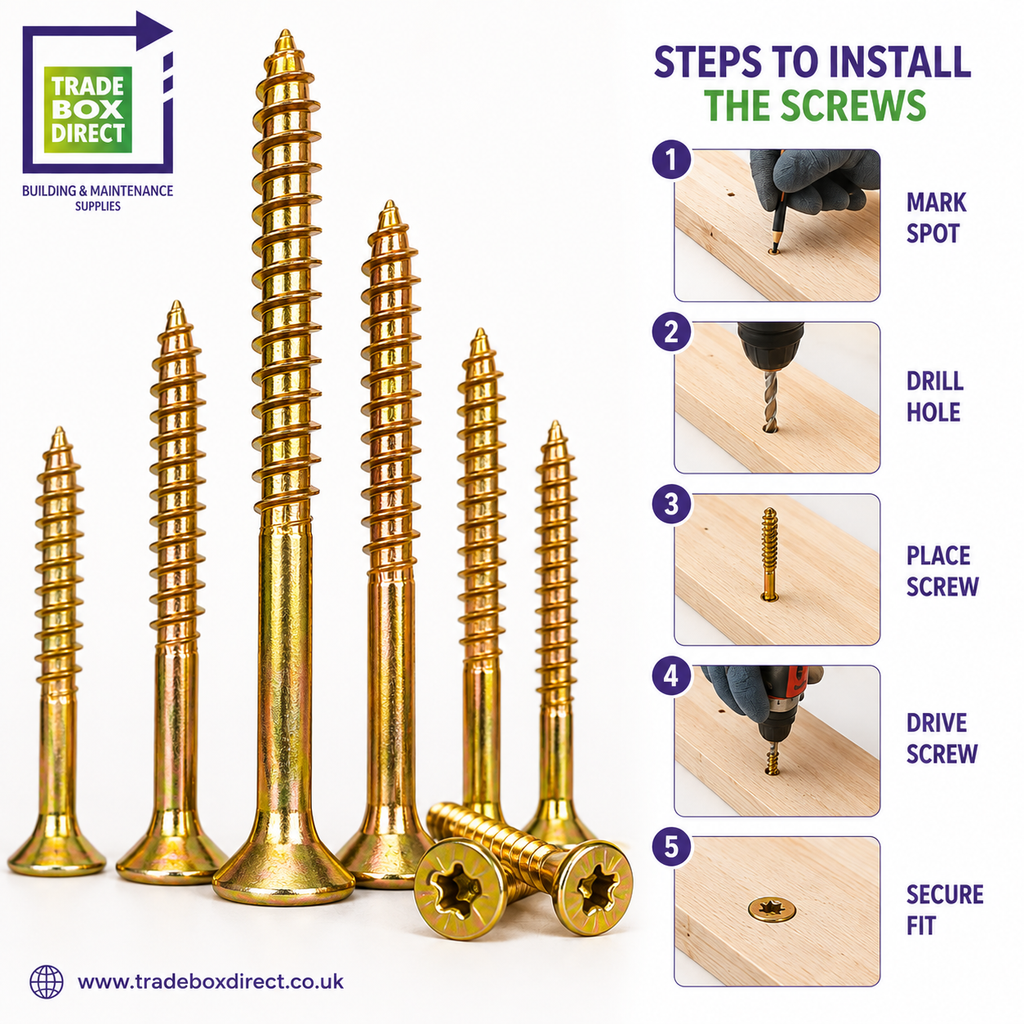
What Are SCREWS?
SCREWS are fasteners with a threaded shaft and a shaped head. They are designed to join materials by turning into a surface or fixing into a prepared hole.
Unlike nails, screws can often be removed when needed. This makes them useful for repairs, furniture work, timber projects, and construction.
The head shape also matters. For example, countersunk designs can sit flush with the material. This creates a smoother finish and reduces the chance of the head sticking out.
What Are Countersunk Screws?
Countersunk screws have a tapered head that allows the fixing to sit level with the surface.
This design is useful when you want a clean finish. The head can sit inside a matching recess in the material. As a result, the surface can remain smoother.
Countersunk products are often used for timber, furniture, doors, boards, and general construction work. However, the correct size depends on the material and the job.
How Do Wood Screws Work?
Wood screws are made for fixing timber and wood-based materials.
Their thread helps the fastener grip the material as it enters. The pointed end helps the fixing start into the wood, while the threaded body creates the holding force.
Different wood types have different densities. Therefore, the correct length and diameter should always match the job.
For hardwood, softwood, plywood, and other boards, check the product information before you buy.
What Are Pozi Screws?
Pozi screws use a Pozidriv-style drive recess. This allows a compatible screwdriver or bit to engage with the head.
A good fit between the driver and the head can make installation easier. It can also reduce slipping when the fastener is being driven.
Pozi drives are common in DIY, joinery, furniture assembly, and general building work. Therefore, keeping the correct driver size nearby is important.
What Are Construction Screws?
Construction screws are designed for building and structural-style applications where suitable.
They are available in different lengths, diameters, coatings, and head styles. Some designs offer features that help with faster installation or improved grip.
Before choosing construction products, check the material, load requirement, environment, and manufacturer’s guidance. A general-purpose fixing should not automatically be used for every structural task.
What Are Countersunk Wood Screws?
Countersunk wood screws combine a wood-friendly thread with a tapered head.
This makes them useful when you want to fix timber while keeping the head close to or below the surface.
For example, they can suit furniture, timber frames, shelves, cabinets, boards, and many home improvement projects.
The final choice should depend on the wood type, material thickness, fixing depth, and required finish.
Why Does Screw Size Matter?
SCREWS come in many sizes. Length and diameter both affect the result.
A fixing that is too short may not provide enough grip. On the other hand, one that is too long could pass through the material or damage another surface.
Therefore, measure the materials before starting. Also, consider the depth available behind the fixing point.
For many timber projects, the screw should provide enough thread engagement without creating unnecessary stress in the material.
Product Spotlight: MULTI-PURPOSE GOLDEN POZI COUNTERSUNK WOOD SCREWS
The MULTI-PURPOSE GOLDEN POZI COUNTERSUNK WOOD SCREWS are designed as a versatile option for a range of timber and general DIY applications.
MULTI-PURPOSE GOLDEN POZI COUNTERSUNK WOOD SCREWS
The golden finish gives the product a distinctive appearance, while the countersunk head helps create a neat surface.
How Are These Wood Screws Made?
These fasteners are manufactured from metal and formed into a threaded shaft with a pointed end. The head is shaped with a countersunk profile and a Pozidriv-style drive.
The surface receives a golden coating or finish, depending on the specific product specification. This gives the fastener its recognisable appearance.
As with any fixing, check the product specifications before use to confirm its intended applications.
How Do They Work?
The pointed end starts the fixing into the material. As the screw turns, the thread moves into the timber and creates a firm grip.
The countersunk head then sits into the surface when the correct hole and driving method are used. This helps create a cleaner finish.
The Pozidriv drive also allows a compatible driver to engage with the head during installation.
What Are the Main Advantages?
The product offers several useful features for everyday projects.
First, its countersunk design can provide a neat finish. Second, the Pozidriv head can make driving straightforward with the correct bit. Third, the golden finish can complement many timber applications.
The multi-purpose design can also make it useful for different DIY and woodworking tasks.
However, always select the correct size for your specific application. Do not rely on appearance alone when choosing a fixing.
Can These Screws Be Used Outdoors?
The answer depends on the product specification and the environment.
Outdoor projects can expose fasteners to rain, damp conditions, and changing weather. Moisture can affect some materials and finishes over time.
Therefore, check whether the chosen product is suitable for exterior use before installation. For demanding outdoor applications, choose a fixing specifically designed for that environment.
Does Airflow Matter Around Timber Fixings?
In some building situations, Airflow can help manage the environment around materials.
However, airflow is not a reason to choose one screw type over another. The key factors remain material, fixing size, environment, and application.
Good building practice also considers ventilation where required.
Can Condensation Affect Fixings?
Condensation can occur when warm air meets a colder surface.
In damp or poorly ventilated areas, prolonged exposure to moisture can affect certain materials. Therefore, the environment should be considered before selecting a fixing.
Always follow the manufacturer’s product guidance, especially for bathrooms, kitchens, exterior areas, and other damp locations.
How Can You Choose the Right Screws?
Start by identifying the material. Timber, boards, metal, and masonry may need different fixing types.
Next, check the required length and diameter. Then consider the head style and drive type.
For timber projects, countersunk wood screws may provide a neat finish. For other jobs, a different design may be more suitable.
Finally, check the product specification before you buy.
Why Is the Correct Driver Important?
Using the right driver bit can make installation much easier. A poorly fitting bit can slip from the head and damage the drive recess.
For Pozidriv products, use a compatible Pozidriv bit of the correct size. Apply steady pressure while driving the fixing.
This simple step can improve installation and help protect the screw head.
What Should You Check Before Shopping?
Before shopping, consider:
- Material type
- Screw length
- Screw diameter
- Head design
- Drive type
- Coating or finish
- Indoor or outdoor use
- Number of fixings required
You should also check the manufacturer’s guidance. This helps you buy a product that matches the project.
TradeboxDirect provides a dedicated category where you can compare suitable fixing products. You can shop online and choose the right option for your DIY, woodworking, or construction needs.
Frequently Asked Questions
What are countersunk screws used for?
Countersunk screws are used when you want the head to sit flush with or below the surface. They are common in woodworking, furniture, joinery, and general building work.
Are wood screws suitable for all timber?
Not always. Timber varies in density and thickness, so the fixing size and design should match the material.
What is the benefit of a Pozidriv head?
A compatible Pozidriv bit can engage securely with the drive recess. This can make installation easier and reduce slipping.
Are construction screws suitable for structural work?
Some construction fixings are designed for demanding applications, but suitability depends on the specific product. Always follow the manufacturer’s stated use and technical guidance.
Can countersunk wood screws give a neat finish?
Yes. Their tapered head is designed to sit into the material, which can create a cleaner surface when installed correctly.
How do I know which screw length to buy?
Consider the thickness of the material and the required depth of thread engagement. The fixing should provide a strong hold without passing through or damaging the material.
Conclusion
The right fastener can make a project easier, cleaner, and more secure. From countersunk screws and wood screws to Pozi screws and construction screws, each design has a specific purpose.
The MULTI-PURPOSE GOLDEN POZI COUNTERSUNK WOOD SCREWS offer a practical option for suitable timber and DIY applications. Their countersunk head, Pozidriv drive, and golden finish make them useful for projects where both function and appearance matter.
Before you buy, check the material, size, drive type, finish, and intended use. Then choose the product that matches your project requirements.
Whether you are repairing furniture, working with timber, or completing a home improvement job, careful product selection can help you achieve a strong and tidy result.
How Does a Tile Leveling System Make Tile Installation Easier?
Introduction
Laying tiles can give a room a clean and smart finish. However, getting every tile to sit at the same height can be difficult. Small differences between tiles may create raised edges, uneven joints, or an untidy surface. A tile leveling system can help solve this problem.
Whether you work on a kitchen floor, bathroom wall, hallway, or large commercial area, the right tiling tools can make the job easier. In addition, good preparation can help you achieve a neat and even finish.
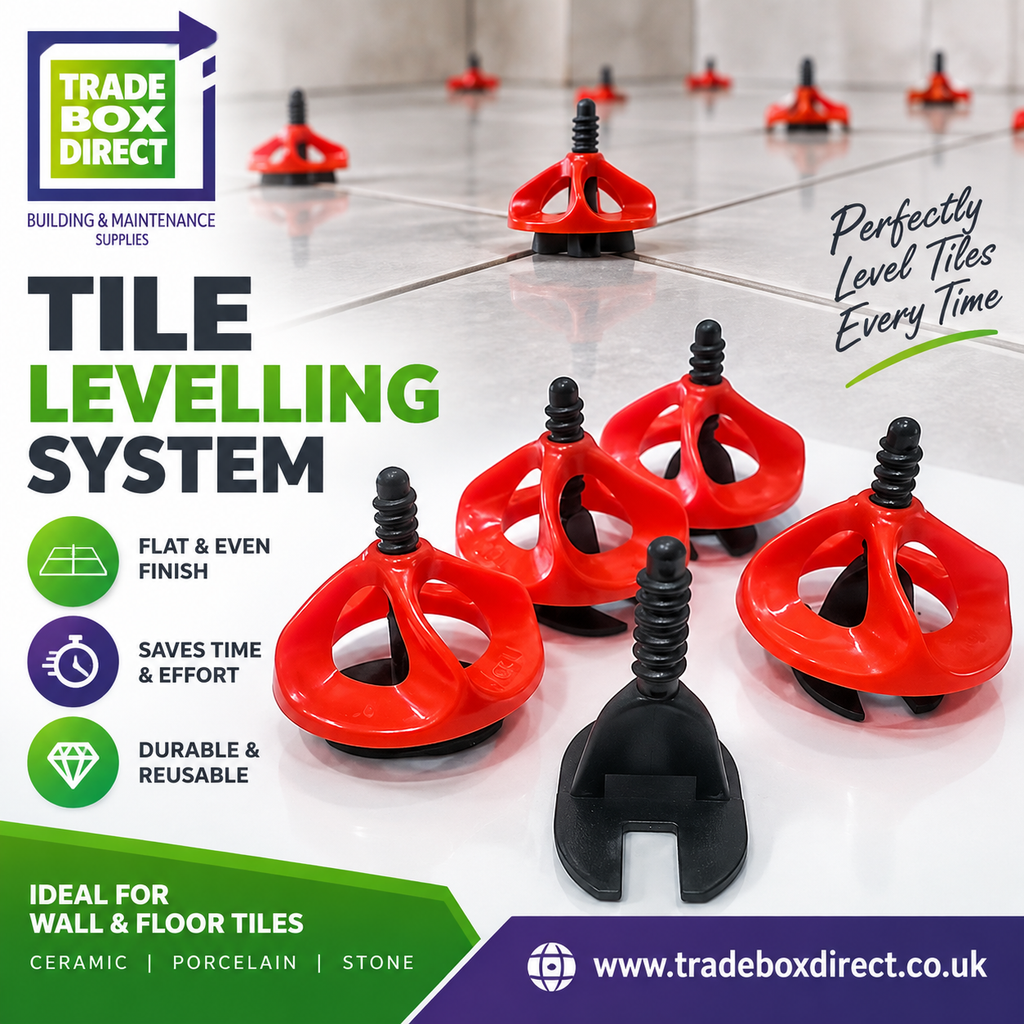
What Is a Tile Leveling System?
A tile leveling system is a set of simple tools that helps keep nearby tiles at a similar height while the adhesive sets. It normally uses spacers, clips, screws, wedges, or caps to hold tiles in position.
The main aim is simple. The system helps reduce height differences between tiles. As a result, the finished surface can look more even.
It can be especially useful with large format tiles. These tiles can show small height differences more clearly. Therefore, using suitable tile leveling spacers can make installation easier for both DIY users and professional tilers.
How Do Tile Leveling Spacers Work?
Tile leveling spacers sit between or around tiles during installation. They help maintain a consistent joint while also helping the tile edges stay aligned.
First, the adhesive is applied to the prepared surface. Next, the tiles are placed carefully. The spacer parts are then positioned at the tile joints.
After that, the screw, cap, or other locking part is fitted according to the product design. This creates gentle pressure between the tiles and helps keep their surfaces aligned.
Once the adhesive has set, the levelling parts can be removed. Always follow the product instructions because different systems use different removal methods.
What Are Tile Spacers Used For?
Tile spacers help create even gaps between tiles. These gaps are important because grout needs space between each tile.
Without suitable spacing, grout lines may look uneven. Therefore, tile spacers are a basic but important part of many tiling projects.
Different spacer sizes can create different joint widths. Your tile type, design, and project requirements will determine which size works best.
Why Use Floor Tile Spacers?
Floor tile spacers can help create consistent joints across a floor. This matters because floor tiles often cover a large area, where small errors can become easy to notice.
A level and well-spaced floor can also make the finished room look more professional. Moreover, consistent joints can make grouting easier.
When shopping for floor tile spacers, check the size and design before you buy. Make sure the product matches your tile thickness and installation method.
What Are the Main Benefits of a Tile Leveling System?
A tile leveling system offers several practical benefits.
First, it can help reduce uneven tile edges. Second, it can support consistent alignment. Third, it can make the installation process easier to manage.
Large tiles can be harder to align by hand because they cover more surface area. A suitable system can help hold them in place while the adhesive sets.
Furthermore, these systems can reduce the need for repeated adjustments. This can save time during a larger project.
However, a levelling system does not replace careful installation. The surface must still be clean, stable, and properly prepared.
What Tiling Tools Do You Need?
Tiling tools can include tile cutters, trowels, spacers, levelling systems, grout tools, measuring tools, and cleaning equipment.
The exact tools depend on the project. For example, a small wall project may need fewer tools than a large floor installation.
A good tile leveling system should work alongside your other tiling tools. Therefore, plan your work before you start and make sure you have the correct equipment.
It is also useful to check the working area before laying tiles. Remove dust and loose material, measure the surface, and plan the tile layout.
What Is a Tile Levelling System?
A tile levelling system is another common spelling for the same type of product. The words “levelling” and “leveling” describe the same basic purpose.
These systems are designed to help tiles sit more evenly. They can be useful for floors, walls, and other tiled surfaces.
The correct system depends on the tile size, tile thickness, joint width, and installation method. So, always check the product details before shopping.
Product Spotlight: Tile Spacer Levelling System 2mm Floor Twister Spacer Screws + Red Twister Nuts
The Tile Spacer Levelling System 2mm Floor Twister Spacer Screws + Red Twister Nuts is designed for projects that need 2mm tile joints.
Tile Spacer Levelling System 2mm Floor Twister Spacer Screws + Red Twister Nuts
The set combines spacer screws with twister nuts. Together, these parts help keep tiles aligned during installation.
How Is This Tile Levelling Product Made?
The components are manufactured from durable plastic materials designed for use during tile installation. The spacer section creates the required joint gap, while the twister nut provides pressure over the tile edges.
The red twister nut also gives the installer a clear part to grip and adjust. This can make the system easier to handle during installation.
As with any installation product, users should follow the supplied instructions and avoid excessive pressure.
How Does It Work?
Place the spacer between the tiles. Then fit the screw and twister nut as instructed. Tighten the nut until the tile surfaces sit at a similar level.
The system should provide enough pressure to help hold the tiles in position without forcing them. Once the adhesive has cured, remove the levelling components as directed.
A tile leveling system works best when the base, adhesive, and tiles have been prepared correctly.
What Are the Advantages?
The 2mm joint size can help create a clean and consistent tile layout. The screw and nut design can also make adjustment simple.
In addition, the product can be useful for floor tiling projects where tile edges need to remain aligned.
Before you buy, check the tile thickness and joint requirement. Also, make sure the system suits the adhesive and tile type you plan to use.
How Can Temperature Affect Tile Installation?
The working temperature can affect how quickly tile adhesive sets. Therefore, always check the adhesive manufacturer’s instructions before starting.
A suitable working environment can give you more time to position tiles correctly. Avoid rushing the installation, especially when working across a large floor.
How Often Should You Check Tile Alignment?
The installation frequency of your checks depends on the size of the project. However, checking tiles regularly is a good habit.
Look across the surface as you work. Check the joints, tile edges, and overall layout before the adhesive sets.
How Does a Tile Leveling System Improve Control?
A tile leveling system gives the installer better control over tile alignment while the adhesive cures.
Still, the system should support good technique rather than replace it. Use the correct adhesive amount, prepare the surface properly, and follow the tile manufacturer’s guidance.
Who Can Use a Tile Leveling System?
A tile leveling system can suit DIY users, home renovators, builders, and professional tilers.
For a beginner, it can make the alignment process easier to understand. For an experienced installer, it can help speed up repetitive work.
However, beginners should still learn basic tile preparation and adhesive techniques before starting a major project.
What Should You Check Before You Buy?
Before buying, check:
- Tile thickness
- Required joint width
- Product compatibility
- Number of pieces required
- Installation method
- Removal method
- Project size
It is also worth measuring the area carefully. Buying too few parts can delay the project, while buying too many can create unnecessary waste.
Why Shop for Tiling Products at TradeboxDirect?
TradeboxDirect provides products for flooring and tile projects. The category includes useful tiling accessories for different installation needs.
You can shop online, compare suitable products, and buy the equipment required for your project. In addition, checking product specifications before shopping can help you choose the right option.
Frequently Asked Questions
What is the purpose of a tile leveling system?
A tile leveling system helps keep nearby tiles at a similar height during installation. It can reduce raised tile edges and support a more even finished surface.
Are tile spacers and levelling systems the same?
Not exactly. Tile spacers mainly maintain the gap between tiles. A levelling system also helps reduce height differences between neighbouring tiles.
Can I use a levelling system for large tiles?
Yes, suitable systems can be useful with large format tiles. However, always check the product specifications and make sure the system suits your tile thickness and joint size.
What does a 2mm spacer mean?
A 2mm spacer creates an approximately 2mm joint between tiles when used correctly. The final result also depends on tile shape and installation technique.
Can beginners use this type of product?
Yes. The basic process can be easy to learn. However, beginners should understand tile preparation, adhesive use, spacing, and safe tool handling before starting.
When should the levelling parts be removed?
They should normally be removed after the adhesive has set enough, according to the manufacturer’s instructions. Do not leave temporary levelling parts in place longer than recommended.
Conclusion
A tile leveling system can make tile installation easier by helping keep neighbouring tiles aligned. Along with tile spacers, floor tile spacers, and other tiling tools, it can support a clean and even finish.
The Tile Spacer Levelling System 2mm Floor Twister Spacer Screws + Red Twister Nuts offers a practical option for projects that require 2mm joints. Its screw and twister nut design helps hold tile edges in position during the setting stage.
Before you shop, check your tile size, thickness, joint width, adhesive, and project requirements. Then choose the right tools for the job. With good preparation and careful fitting, a suitable levelling system can help you achieve a neat and professional-looking tiled surface.