









What Is the Best Loft Insulation for a Warmer, More Energy-Efficient Home?
A warm home feels more comfortable throughout the year. However, heat can escape through the roof when a home has poor insulation. As a result, rooms may feel cold, and heating bills may rise. The right INSULATION can help reduce heat loss and make your home more energy efficient.
Lofts and roofs are important areas to consider. Therefore, choosing the right material can make a real difference to home comfort. Whether you are improving an older property or building a new home, it helps to understand the options before you buy.
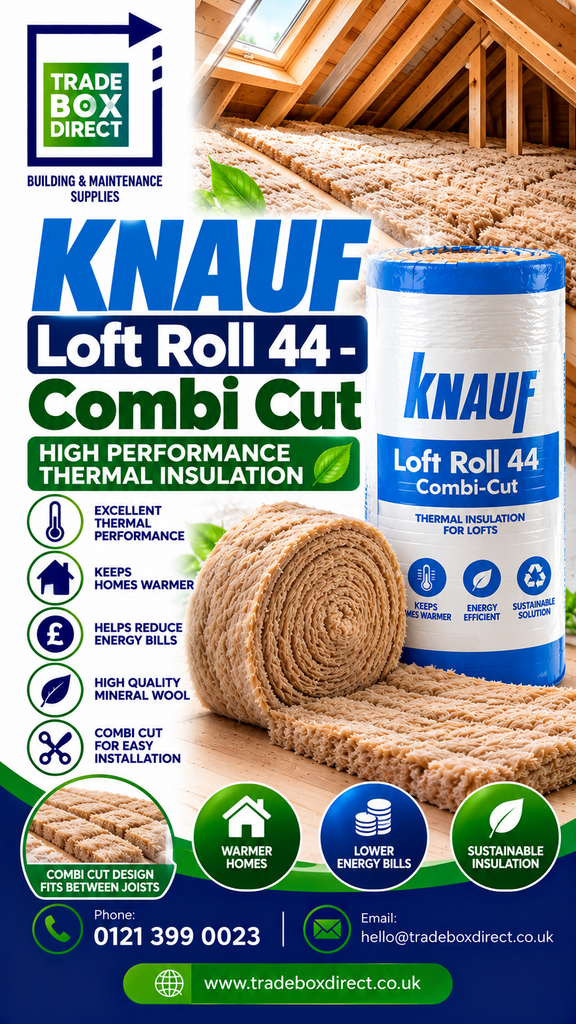
At TradeBoxDirect, you can explore a range of loft insulation products for different building needs. One option worth considering is Knauf Loft Roll 44 – Combi Cut, which is designed for use in suitable loft spaces.
What Is Loft Insulation and Why Does It Matter?
Loft insulation helps slow the movement of heat through the roof of a building. In winter, it helps keep warm air inside your home. During warmer months, it can also help reduce unwanted heat transfer.
Without suitable insulation, your heating system may need to work harder to maintain a comfortable temperature. However, a well-planned upgrade can help reduce wasted energy.
Good INSULATION can offer several benefits:
- Helps reduce heat loss through the roof.
- Supports lower energy use.
- Makes rooms more comfortable.
- Helps improve the home’s thermal performance.
- Can reduce the need for frequent heating.
- Supports a more energy-efficient property.
For these reasons, many homeowners and tradespeople choose suitable roof insulation when upgrading a property.
Types of Insulation for Different Home Needs
Different buildings need different materials. Therefore, it is useful to compare the main options before shopping.
1. Loft Insulation
Loft insulation is a popular choice for homes with an accessible loft. Installers often place rolls between and over the ceiling joists. This helps limit heat loss from the rooms below.
It is important to check the required thickness, the available space and the condition of the roof before starting work.
2. Roof Insulation
Roof insulation may suit homes with rooms built into the roof, such as loft conversions. The correct method depends on the roof design and whether the insulation sits above, between or below the rafters.
Good planning also helps protect the roof structure from moisture problems.
3. Thermal Insulation
Thermal insulation slows the transfer of heat through building materials. It can help improve comfort in walls, floors, ceilings and roofs.
When choosing a product, check its thermal conductivity rating. A lower lambda value generally means the material conducts less heat, although the complete building design also affects performance.
4. Attic Insulation
Attic insulation is another term for insulating an attic or loft. It is especially useful when a home loses heat through its upper floor.
Before installation, check for roof leaks, damaged timbers and existing damp. Also, keep the required ventilation paths clear.
5. Energy-Saving Insulation
Energy-saving insulation can help reduce heat loss and support lower heating demand. However, actual savings depend on the property’s current condition, energy prices, heating habits and the quality of installation.
For the best result, combine suitable insulation with draught-proofing and good ventilation.
What Is Knauf Loft Roll 44 – Combi Cut?
Knauf Loft Roll 44 – Combi Cut is a mineral wool insulation product designed for suitable loft applications. Its stated thermal conductivity is 0.044 W/mK, and the listed product width is 1140 mm.
You can view the product details here: Knauf Loft Roll 44 – Combi Cut.
How Is Knauf Loft Roll 44 Made?
Mineral wool insulation is generally made by melting mineral raw materials and turning them into fine fibres. Manufacturers then form these fibres into a wool-like material that traps small pockets of air.
These air pockets slow heat transfer. The material is then formed into rolls or other shapes to suit building applications.
The exact manufacturing process and product specifications can vary. Therefore, always check the manufacturer’s technical information for the precise details of Knauf Loft Roll 44.
What Does Combi Cut Mean?
Combi-cut products are designed to offer practical cutting or sizing features for installation. These can help installers handle the material in suitable loft spaces.
However, you should check the product packaging and technical data to confirm the exact cutting arrangement and supplied dimensions before ordering.
What Are the Advantages of Knauf Loft Insulation?
There are several reasons to consider Knauf insulation for a suitable project.
- Thermal performance: The product’s stated lambda value helps buyers assess its heat-transfer performance.
- Practical handling: Roll insulation can be suitable for covering accessible loft areas.
- Flexible use: It can be considered for appropriate loft insulation projects.
- Energy efficiency: When installed correctly, it can help reduce heat loss through the insulated ceiling.
- Project planning: Standard product dimensions help installers estimate the materials needed.
The final result depends on the installed thickness, coverage, workmanship and the condition of the building.
How to Choose the Right Loft Insulation Roll
Choosing the right loft insulation roll starts with understanding your property’s needs. First, measure the loft area. Then, check the existing insulation and determine whether you need a new layer or a complete replacement.
Next, review the product’s thermal conductivity, thickness, width and coverage. These details help you estimate how much material you need.
For example, Knauf Loft Roll 44 – Combi Cut may be worth considering when its specifications match your project. However, the required thickness should follow current UK guidance and the property’s design.
Also, consider these points before ordering:
- Check the total area you need to cover.
- Compare product dimensions and pack coverage.
- Confirm that the product suits your intended application.
- Check delivery arrangements and the number of packs required.
- Follow the manufacturer’s installation instructions.
You can compare suitable loft roll insulation options through TradeBoxDirect before making a purchase.
How to Install Insulation Safely and Effectively
Correct installation matters just as much as product choice. First, inspect the loft for leaks, damaged roof materials and signs of damp. Repair any problems before adding new material.
Next, check the required ventilation paths. Good airflow helps manage moisture in the roof space, so insulation must not block essential vents.
You should also understand how moisture can affect the building. Poor ventilation and unwanted water entry can increase the risk of damp. In addition, condensation can form when warm, moist air meets a cold surface.
Wear suitable protective equipment when handling mineral wool. Avoid compressing the material, as this can reduce its intended performance. Keep electrical equipment and wiring in mind, and use a qualified professional where the work involves electrical hazards or complex roof details.
Where Can You Buy Insulation Products Online?
If you are planning a home improvement project, TradeBoxDirect offers an online range of products for insulation projects.
Visit the TradeBoxDirect insulation category to explore available options. You can also review the Knauf Loft Roll 44 – Combi Cut product page to check its details before ordering.
Before completing your shopping, compare the product specifications, coverage, delivery costs and installation requirements. This can help you choose the right materials for your budget and project.
Frequently Asked Questions
1. What is the best insulation for a loft?
The best option depends on your loft design, budget and required thermal performance. Mineral wool rolls are a common choice for accessible lofts. Always check the product specifications and recommended installation thickness.
2. Is Knauf Loft Roll 44 suitable for every loft?
No. Its suitability depends on the building design, available space and intended application. Check the manufacturer’s guidance before purchasing.
3. How does loft roll insulation help save energy?
It slows heat loss through the ceiling. As a result, your home may need less heating to maintain a comfortable temperature. Actual savings vary between properties.
4. Can I install loft insulation myself?
Some accessible loft projects may be suitable for confident DIY users. However, you must follow safety guidance, protect ventilation paths and avoid electrical hazards. Use a qualified installer if you are unsure.
5. What should I check before buying Knauf Loft Roll 44?
Check the width, thickness, thermal conductivity, pack coverage and intended use. Also, confirm the quantity required and review the manufacturer’s latest technical information.
6. Does insulation prevent condensation?
Insulation can help manage surface temperatures, but it does not prevent every condensation problem. Good ventilation, moisture control and suitable roof design are also important.
7. Where can I shop for insulation online?
You can browse the insulation range at TradeBoxDirect and compare products for your project.
Conclusion
Choosing suitable insulation can help make your home warmer and improve its energy efficiency. Loft and roof upgrades are useful starting points because heat can escape through poorly insulated ceilings.
Before you buy, compare the material, thermal conductivity, dimensions and installation requirements. Knauf Loft Roll 44 – Combi Cut is one option to assess for a suitable loft project.
Explore the TradeBoxDirect insulation range to compare available products and find materials that meet your building needs.