No products in the basket.









How to Choose the Right Ventilation Grille for Your Home or Business
Introduction
Good ventilation helps keep homes and workplaces fresh, clean and comfortable. It allows stale air to leave a room and helps fresh air enter. Therefore, choosing the right grille is an important step when planning an effective ventilation system.
A ventilation grille covers an opening in a wall, ceiling, door or other surface. It allows air to pass while helping to protect the opening from dust and unwanted objects. Moreover, grilles come in many shapes, sizes and finishes, so you can find one that suits your needs.
If you plan to improve air movement in your property, explore the VENTILATION range at TradeBoxDirect. You can compare suitable products and choose an option for your next home improvement or building project.
What Is a Ventilation Grille?
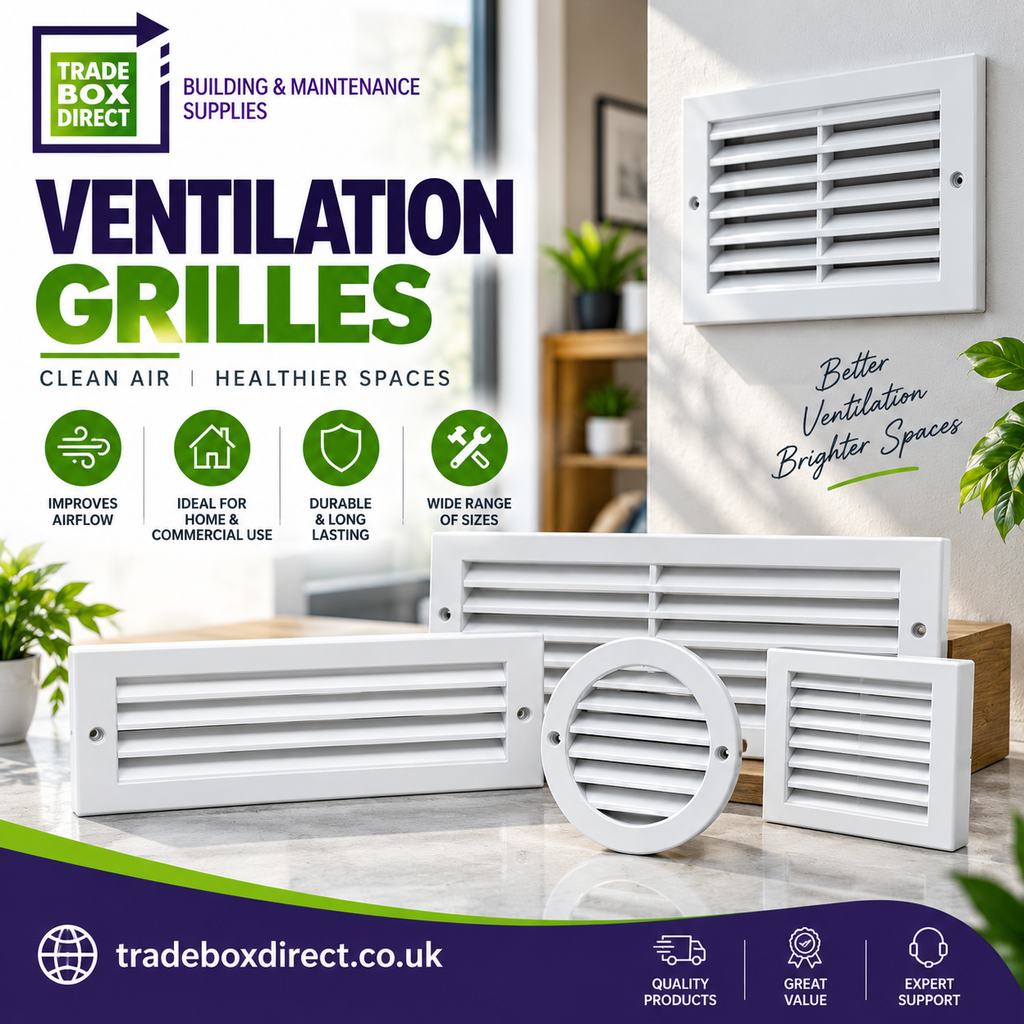
A grille is a cover with slots, bars or openings that allow air to move through a space. It often forms part of a larger ventilation system. For example, you may find one on a wall, above a door, in a ceiling or near an air duct.
These products serve both practical and visual purposes. They help air move through the building while giving the opening a neat finish. In addition, different designs suit different rooms and uses.
When you shop for ventilation products, consider the size of the opening, the material and the amount of air the system needs to move. These details will help you select the right product.
How Is a Ventilation Grille Made?
Manufacturers make grilles from materials such as plastic, aluminium and steel. Each material offers different benefits, so the best choice depends on where you plan to install it.
First, the manufacturer selects a suitable material. Next, machines cut or shape it into the required size. The design then forms slots or bars that allow air to pass through the grille. Finally, the manufacturer checks the finish and dimensions before packing the product.
Plastic grilles are often lightweight and easy to clean. Meanwhile, metal designs can provide extra strength for certain settings. Some models also feature a coating or finish that helps them match the surrounding surface.
Before you buy, check the product details to confirm that the material suits your intended use.
What Are the Main Benefits of Ventilation Grilles?
A suitable grille can offer several useful benefits.
1. Helps Fresh Air Move
Grilles allow air to pass through wall openings, ducts and other parts of a ventilation system. As a result, they can support better air movement throughout a property.
2. Keeps Openings Neat
An exposed opening can look unfinished. However, a well-chosen grille gives the area a cleaner and more professional appearance. You can also choose a colour that blends with your walls, doors or ceilings.
3. Protects Ventilation Openings
The bars or slots can help stop larger objects from entering an opening. Nevertheless, a standard grille does not always prevent insects, fine dust or pests. Check the product design if you need extra protection.
4. Supports a Comfortable Indoor Space
Good ventilation can help remove stale air and reduce unwanted smells. It can also support indoor comfort when you use the right system for the room.
For example, kitchens, bathrooms and utility rooms may need suitable ventilation to manage the air produced by daily activities.
5. Offers Simple Maintenance
Many grilles need only occasional cleaning. In most cases, you can remove surface dust with a soft cloth or brush. However, always follow the manufacturer’s cleaning instructions to protect the finish.
How to Choose the Right Grille
Choosing the correct product can save time and help you get better results. Therefore, consider these points before shopping.
Check the size: Measure the opening carefully. Compare the measurements with the product specifications to ensure a suitable fit.
Choose the right material: Plastic may suit many everyday domestic uses, while metal can be useful where a stronger finish is required.
Consider the location: A grille for a bathroom may have different requirements from one used in a living room or commercial building. Select a model designed for the intended environment.
Review the design: Fixed slats, adjustable blades and different finishes serve different needs. Adjustable models can offer more control over the direction of the air.
Check compatibility: Make sure the grille suits your duct, wall opening or existing ventilation equipment. Also, check whether you need fixing screws or other fittings.
Compare prices: When you buy ventilation grille products online, review the dimensions, material and features rather than choosing by price alone.
Why Buy Ventilation Grille Products Online?
Online shopping makes it easier to compare products before making a decision. You can review specifications, check available styles and select a suitable option from your home or workplace.
If you need products for a renovation, repair or new installation, browse the ventilation grille range at TradeBoxDirect. The category provides a useful starting point for finding ventilation products for different projects.
Before placing an order, check the product description, measurements and installation requirements. Additionally, review delivery details and the quantity you need, especially if you are buying for a larger commercial project.
A well-planned purchase helps you choose a product that meets your needs without paying for features you do not require.
Where Should You Install a Ventilation Grille?
The best location depends on your building layout and ventilation system.
- Bathrooms: Suitable grilles can support air movement when used with an appropriate extraction system.
- Kitchens: They can form part of a ventilation arrangement that helps remove cooking smells and stale air.
- Living rooms: Wall or door grilles may help transfer air between connected spaces.
- Offices: Commercial properties may use grilles as part of a planned heating, ventilation and air conditioning system.
- Utility rooms: A suitable design can support ventilation where washing, drying or other household tasks take place.
Correct installation matters. A poorly placed or undersized grille may restrict air movement. If the system serves a large building or requires specialist ductwork, seek advice from a qualified installer.
How Do Grilles Help Manage Indoor Air Problems?
Everyday activities can add water vapour and unwanted particles to indoor air. Good ventilation helps move stale air out and supports a healthier indoor environment.
For example, moisture can build up during cooking, bathing and drying clothes. When warm, damp air meets a cold surface, condensation may form. Suitable extraction and fresh-air provision can help manage these conditions.
However, a grille alone cannot solve every indoor air problem. The overall system must provide enough airflow for the room and its intended use. You should also keep vents clear and maintain fans and ducts when required.
Frequently Asked Questions
1. What is the main purpose of a ventilation grille?
Its main purpose is to cover an opening while allowing air to pass through. It can also improve the appearance of the opening and help keep larger objects out.
2. Which material is best for a grille?
Plastic, aluminium and steel are common choices. The best option depends on the location, strength requirements, finish and product specifications.
3. How do I measure a grille before buying?
Measure the opening’s width and height. Then check whether the product dimensions refer to the overall frame or the required opening size.
4. Can I install a grille myself?
Many simple replacement grilles are suitable for basic DIY work. However, installations involving electrical fans, complex ductwork or specialist systems may require a qualified professional.
5. How often should I clean a grille?
Clean it whenever dust or dirt builds up. The exact frequency depends on the room and the amount of air passing through it.
6. Where can I buy a suitable ventilation grille?
You can browse the buy ventilation grille category at TradeBoxDirect to explore available ventilation products. Check each listing for dimensions, material and other important details before ordering.
Conclusion
Choosing the right grille can improve the finish of an opening and support an effective ventilation system. First, measure the space carefully. Next, compare materials, designs and installation requirements. Finally, choose a product that suits your room and budget.
Whether you are upgrading a home, repairing an existing system or working on a commercial project, careful product selection can make the process easier. Explore the ventilation range at TradeBoxDirect to find suitable products for your next project.
Vents: Types, Benefits and How to Choose the Right Ventilation Products
Vents: A Complete Guide to Types, Benefits and Uses
Good indoor air quality matters in every home and workplace. However, rooms can feel stuffy when fresh air cannot enter and stale air cannot escape. The right vents help solve this problem by allowing air to move through a building. They also help keep rooms fresh, comfortable and pleasant.
Today, many homeowners, builders and tradespeople use VENTILATION products to improve indoor comfort. These products come in different shapes, sizes, colours and materials. Therefore, choosing the right option for each space is important.
Whether you are improving a home, repairing a wall or working on a new building, this guide explains how vents work, their benefits and what to consider before shopping for suitable products.

What Are Vents and How Do They Work?
Vents are openings or fittings that allow air to enter, leave or move through a room or building. They may sit in walls, windows, doors, roofs or ceilings. Some products allow natural air movement, while others work with fans or mechanical systems.
For example, an air brick can help ventilate a wall cavity or another suitable building space. Meanwhile, a window vent can let fresh air enter a room without opening the entire window.
Good VENTILATION supports a healthier and more comfortable indoor environment. However, each vent must suit its intended purpose. A product designed for a wall may not work well in a window or roof.
Explore the range of vents available at TradeBoxDirect to find products for different building and home improvement needs.
What Are the Main Types of Vents?
Different buildings need different vent designs. Here are some common options to consider when planning a project.
1. Air Bricks and Wall Vents
Air bricks and wall vents provide openings for air to pass through suitable walls or building spaces. They are available in several designs, including plastic and traditional styles.
For example, a terracotta air brick can suit projects where appearance matters. Plastic air bricks may offer a practical option for many modern installations.
Before you buy, check the product dimensions, material and intended use. You should also make sure the opening provides suitable protection against pests and the entry of unwanted debris.
2. Window and Door Trickle Vents
Trickle vents fit into suitable windows or doors. They allow a small amount of fresh air to enter while the main window or door stays closed.
These products can help support everyday indoor air movement. In addition, they may suit bedrooms, living rooms and offices where controlled fresh air is useful.
When shopping for window vents, check the fitting method, size, colour and compatibility with your existing frame.
3. Roof and Loft Vents
Roof and loft vents help air move through suitable roof spaces. They can support the ventilation of lofts and other areas where air circulation matters.
For example, loft vents may help protect roof structures when installed as part of a suitable design. However, the correct number and position depend on the roof, insulation and building layout.
Always check the product specifications before selecting a vent for a loft or roof project.
4. Ventilation Grilles
Grilles cover openings while allowing air to pass through. They are commonly used on walls, doors and other suitable surfaces.
Depending on the design, a grille may help protect an opening and create a neat finish. Some models suit indoor use, while others are made for external locations.
Choose a grille that matches the opening size, required air capacity and installation conditions.
How Are Vents Made?
Manufacturers produce vents using materials such as plastic, metal and other suitable compounds. The choice depends on the product’s purpose, strength, appearance and expected conditions.
First, the manufacturer selects a suitable material. Next, machines shape it into the required design. For plastic products, this may involve moulding. Metal products may require cutting, pressing or shaping.
The manufacturer then creates openings or slots that allow air to pass through. Finally, the product receives checks for size, finish and general quality.
As a result, different vents offer different levels of strength, appearance and performance. Therefore, always review the product description before placing an order.
What Are the Benefits of Good Ventilation?
Effective VENTILATION offers several benefits for homes, offices and commercial buildings.
- Fresher indoor air: It helps stale air leave and fresh air enter.
- Better comfort: Suitable vents can reduce stuffy conditions in busy rooms.
- Moisture control: Correctly designed systems can help manage indoor moisture levels.
- Support for building care: Suitable ventilation can help protect certain building spaces when combined with proper construction and maintenance.
- Flexible installation: Different products suit windows, doors, walls, roofs and lofts.
- Practical upgrades: Replacing damaged or unsuitable vents can improve an existing installation.
In addition, the right design can support better airflow throughout a building. However, vents must work with the building’s overall ventilation plan to deliver the expected results.
How Do Vents Help Prevent Damp Problems?
Everyday activities such as cooking, showering and drying clothes release water vapour into indoor air. Without enough fresh air exchange, this can contribute to condensation on cold surfaces.
Suitable vents can help remove humid indoor air, especially when used with effective kitchen and bathroom extraction. However, vents alone may not solve serious damp problems caused by leaks, poor insulation or structural defects.
Therefore, assess the cause before choosing a product. You can also read more about moisture, airflow and condensation to understand these related concepts.
How to Choose the Right Ventilation Products
Choosing the right VENTILATION products starts with understanding your project. Use the following points to guide your decision.
Check the Location
First, decide where the product will go. A window may need a trickle vent, while a suitable wall opening may require an air brick or grille.
Measure the Opening
Next, measure the space carefully. Compare the measurements with the product dimensions to reduce fitting problems.
Select the Right Material
Plastic products may suit many everyday projects, while metal options may meet specific strength or design needs. Always check whether the product suits indoor or outdoor use.
Review the Product Specifications
Check the fitting method, dimensions, colour and intended application. If the product forms part of a larger system, make sure it works with the other components.
Compare Price and Value
A low price may seem attractive, but suitability matters just as much. Compare product quality, durability and specifications before making your final choice.
Where Can You Shop for Vents Online?
Buying building supplies online makes it easier to compare products before starting a project. At TradeBoxDirect, you can browse the VENTILATION product category to explore available options for different applications.
Before ordering, make a list of the products you need. Then check the sizes, materials and quantities carefully. This approach can help reduce ordering mistakes and avoid unnecessary delays.
Whether you are a homeowner, installer, builder or trade professional, selecting suitable products can make your project easier to manage. Compare the available options and choose the products that match your requirements.
Frequently Asked Questions
1. What is the main purpose of vents?
Vents allow air to enter, leave or move through a building. Their purpose depends on the product type and where it is installed.
2. Which types of vents are best for homes?
Window trickle vents, air bricks, wall grilles and suitable roof vents can all serve useful purposes. The best choice depends on the room, building design and required air movement.
3. Are plastic vents a good option?
Plastic vents can provide a practical, lightweight option for many projects. However, you should check their dimensions, material quality and suitability for the installation location.
4. How do I choose the correct vent size?
Measure the opening and compare it with the product specifications. Also, check the required air capacity and fitting method before ordering.
5. Can vents help reduce damp?
Suitable vents can help remove humid indoor air and support damp prevention. However, leaks, structural problems and other causes may need separate attention.
6. Where can I buy vents online?
You can shop for a range of products through the TradeBoxDirect ventilation category. Check each product’s specifications to find the right option for your project.
Conclusion
Vents play an important role in keeping indoor spaces fresh and comfortable. From air bricks and window trickle vents to roof vents and grilles, each product serves a different purpose.
By understanding how these products work, you can make a better choice for your home, workplace or building project. Always check the size, material and intended use before placing an order.
For your next project, explore the VENTILATION range at TradeBoxDirect, compare suitable products and choose the options that meet your needs.
Furniture Accessories: Corner Protectors and Modesty Blocks
What Are Furniture Accessories?
Furniture needs strong joints and safe edges. The right parts can help furniture last longer. They can also make it look neat and tidy.
Furniture accessories include small parts used to build, fix and protect furniture. These include corner protectors, fixing blocks and other useful fittings.
You can use these parts in kitchens, offices and homes. They are useful for new furniture and simple repairs. In addition, the right fittings can save time during assembly.
TradeBoxDirect offers practical products for DIY users and trade workers. You can find black plastic corner protectors and kitchen mod blocks for many furniture jobs.
What Are Corner Protectors?
Corner protectors cover or support the edges of furniture. They help reduce marks and damage from daily use. You can use them on desks, tables, cupboards and cabinets.
A plastic corner protector is light and easy to handle. It can also give furniture a clean finish. For example, a black protector can match dark desks and modern kitchen units.
How Are Plastic Corner Protectors Made?
Many plastic parts are made through a process called moulding. First, the maker heats the plastic. Next, the plastic goes into a shaped mould. It then cools and takes the required shape.
The maker checks the finished part for size and shape. However, the material and process may vary between products.
What Are the Benefits of Corner Guards?
Corner guards offer several benefits:
- Protect edges: They help reduce wear and marks.
- Improve looks: They give furniture a neat finish.
- Support repairs: They can cover some damaged corners.
- Save time: Many designs are simple to fit.
- Suit many jobs: You can use them on desks, tables and cabinets.
However, not every guard fits every corner. So, check the size before you order.
Product 1: Plastic Corner Protector – Black
The black plastic corner protector is a useful choice for furniture repairs and fitting jobs.
Its black finish suits many types of furniture. It can also help cover exposed corners where the design allows.
Before you buy, measure the corner. Then, check the product size and fitting method. This helps you choose the right part for your job.
You can shop for this product if you need a simple option for cabinet work, desk repairs or furniture assembly.
What Are Modesty Blocks?
A modesty block is a small part used to join furniture panels. It helps hold parts together and supports a firm joint.
You may also see these products called modesty blocks, kitchen mod blocks or mod blocks. They are often used in desks, cabinets and kitchen units.
These small parts can make furniture assembly easier. They can also help with repairs when an old fixing becomes loose.
How Do Modesty Blocks Work?
A modesty block joins two parts of a piece of furniture. The installer places it near the joint. Then, suitable screws hold it in place.
For example, a kitchen fitter may use these blocks when joining cabinet panels. You may also use them when fixing a desk or cupboard.
Always check the product details before fitting. Use the right screws for the panel material. Also, avoid overtightening the screws, as this may damage the furniture.
What Are the Benefits of Mod Blocks?
Mod blocks offer many useful benefits:
- Strong joints: They help hold suitable panels together.
- Easy fitting: Their simple design can save time.
- Neat results: They can help keep joints tidy.
- Easy repairs: You can replace damaged blocks when suitable.
- Wide use: They suit many kitchen and furniture jobs.
For the best results, place each block in the correct position. Follow the fitting instructions for your furniture.
Product 2: Modesty Blocks Kitchen Mod Block – Various Packs
The Modesty Blocks Kitchen Mod Block – Various Packs is a useful option for kitchen fitting and furniture repairs.
Different pack options can suit jobs of different sizes. For example, a small repair may need only a few blocks. A larger kitchen job may need more.
Before you order, check the pack size and colour. Make sure the blocks suit your panels and fixing method.
If you fit kitchens or repair cabinets often, keeping spare blocks can help you finish work on time.
How to Choose the Right Furniture Hardware
Choosing the right parts is simple when you plan ahead. First, decide what you need to fix or protect. Next, measure the area and check the product details.
Keep these points in mind:
- Size: Check the measurements before ordering.
- Material: Choose a part that suits the job.
- Colour: Match the fitting to your furniture.
- Fixing method: Check how the part fits.
- Pack size: Choose enough parts for your project.
- Use: Consider how often the furniture will be used.
A hinge helps a door open and close. A shelf gives you extra storage space. In the same way, protectors help cover exposed edges.
Good fitting also helps keep kitchen units clean and tidy. In damp areas, moisture can affect some materials. Good airflow can help reduce condensation in suitable spaces.
Shop Furniture Accessories at TradeBoxDirect
Finding the right parts can make your work easier. TradeBoxDirect offers a range of furniture accessories for repairs, assembly and kitchen fitting.
Browse corner protectors, modesty blocks and other useful fittings. Compare sizes and product details before you buy.
Whether you are a DIY user or a trade worker, the right parts can help you get a neat result. They can also make repairs quicker and easier.
Frequently Asked Questions
1. What are furniture accessories?
They are small parts used to build, fix and protect furniture. Examples include corner guards, modesty blocks and hinges.
2. What do corner protectors do?
They help cover exposed edges and reduce marks from daily use. Always check the size and design before fitting one.
3. Are black plastic corner protectors easy to fit?
Many designs are simple to fit. However, the method depends on the product. Check the instructions before you start.
4. What are modesty blocks used for?
They help join suitable furniture panels. They are often used in desks, cabinets and kitchen units.
5. Can I use mod blocks for repairs?
Yes, they may help with some loose joints. However, the block must suit the panels and the type of joint.
6. Where can I buy furniture fittings?
You can browse the TradeBoxDirect furniture accessories range online. Check the product details to find the right parts for your job.
Conclusion
Small fittings can make a big difference to furniture. Corner protectors help cover exposed edges. Modesty blocks help join suitable panels.
First, check the size and material. Then, choose the right fitting for your job. With the right parts, you can make furniture repairs easier and achieve a neat finish.
Explore TradeBoxDirect to find useful products for your next furniture project.
Multi-Purpose Golden Pozi Countersunk Wood Screws: Uses and Benefits
What Are Golden Pozi Countersunk Wood Screws?
Choosing the right fixing makes every project easier. It also helps you achieve a neat and strong finish. Whether you build furniture or repair wooden shelves, the right screw matters.
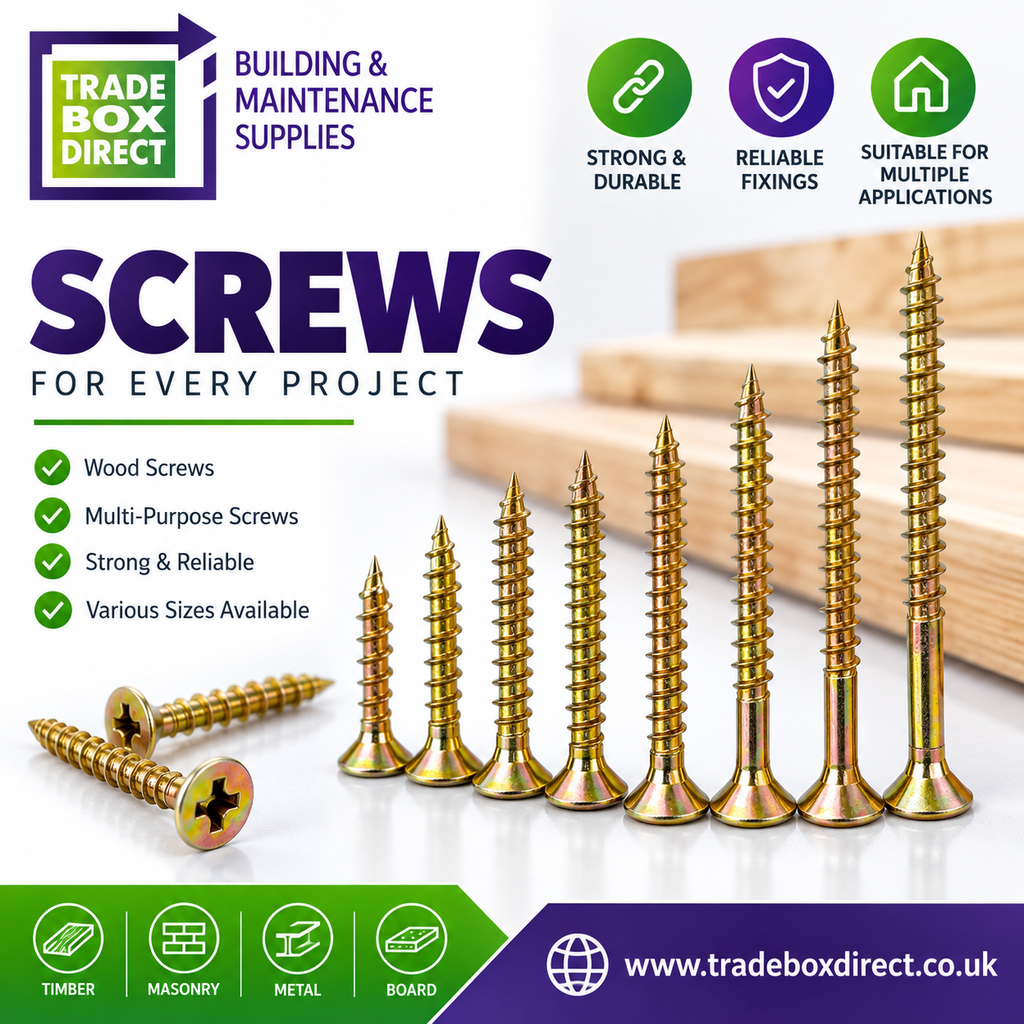
Multi-Purpose Golden Pozi Countersunk Wood Screws suit many common DIY tasks. They have a golden finish and a shaped head. This head can sit level with the wood when fitted well. As a result, the finished surface looks neat.
At TradeBoxDirect, you can explore a wide range of SCREWS for home repairs and trade work. Before you shop, learn about the key features. This will help you choose the right product.
How Are Golden Pozi Countersunk Wood Screws Made?
Most wood fixings use steel. Makers shape the metal into a long shaft with a pointed tip. They then add threads and form the head. The head also has a cross-shaped drive for a matching Pozi bit.
A golden coating gives the screw its colour. The type of coating can vary by product. Therefore, do not assume that a golden finish makes a screw suitable for outdoor use.
The head has a sloped base. This shape helps it sit level with the wood. You may also drill a small recess to improve the fit.
What Are the Main Benefits of These Screws?
These fixings offer several useful features. However, the right choice depends on your project.
1. A Neat Finish
The head can sit level with the wood. This helps create a smooth surface. It is useful for cabinets, shelves and wooden panels.
2. A Firm Grip
The threads help hold pieces of wood together. Choose the right length and width for your job. This helps you make a secure joint.
3. Easy Fitting
The Pozi drive works with a matching screwdriver bit. A good fit helps you turn the screw with control. It also helps reduce damage to the head.
4. Many Uses
You can use these fixings for furniture, timber joints and small repairs. They suit many everyday tasks. Still, check the product details before you start.
Where Can You Use Countersunk Screws?
Countersunk screws are useful when you want a level finish. Their shaped heads can sit neatly within a matching recess.
For example, you can use them to fit wooden panels or build shelves. They can also help with furniture assembly. First, check the thickness of the wood. Then, select a screw that will not pass through the other side.
Why Choose Wood Screws for DIY Projects?
Wood screws help join pieces of timber. Their threads grip the wood and hold the parts in place.
They work well for many home projects. You can use them for wooden frames, cupboards and storage units. However, size matters.
A short screw may not grip the wood well. On the other hand, a long screw may come through the back. So, measure the material before you buy.
For heavy items, check the load and fixing needs. Choose a product that suits the task.
What Makes Pozi Screws Different?
Pozi screws have a cross-shaped drive with extra small points. These points help a matching Pozi bit grip the head.
Always use the right bit size. A poor fit may cause the tool to slip. It can also damage the screw head.
These fixings suit many furniture and woodwork tasks. When shopping, check the drive type, head shape and size. This will help you find the right match.
Are Construction Screws Right for Every Job?
Construction screws come in many types. Some suit timber frames, while others work with specific building materials.
However, not every screw can support heavy loads. Always check the maker’s guidance. For key joints, choose a fixing that meets the needs of the job.
You should also think about the setting. Moisture can affect wood and metal. Good airflow can help keep indoor spaces fresh. In addition, condensation may point to a damp problem.
How Do You Choose Countersunk Wood Screws?
Countersunk wood screws come in a range of sizes and finishes. Use these tips to make the right choice.
- Length: Choose a size that grips the wood without coming through the back.
- Width: Match the screw to the timber and the job.
- Head: Pick a countersunk head for a level finish.
- Drive: Use a Pozi bit that fits the head.
- Finish: Check that the coating suits the place of use.
- Pack size: Count how many fixings you need before you order.
A pilot hole can help stop wood from splitting. This is useful near the edge of a board. Also, avoid overtightening the screw. Too much force may damage the wood or head.
PRODUCT: Multi-Purpose Golden Pozi Countersunk Wood Screws
Need fixings for your next DIY job? Explore the Multi-Purpose Golden Pozi Countersunk Wood Screws at TradeBoxDirect.
These fixings are worth considering for suitable woodwork and home repairs. The golden finish gives them a smart look. The Pozi drive helps with fitting, while the shaped head supports a neat finish.
Before you buy, check the available sizes and pack details. Make sure the product suits your material and task.
You can also browse the full SCREWS collection to compare other options. This makes it easier to find the right fixings for your needs.
Frequently Asked Questions
1. What are golden Pozi countersunk wood screws used for?
They suit many woodwork tasks. For example, you can use them for shelves, furniture and small home repairs. Always check the product details first.
2. Can I use these screws in hardwood?
They may suit some hardwood jobs. However, the correct size and fitting method matter. A pilot hole can help reduce the risk of splitting.
3. Why is a countersunk head useful?
It helps the screw sit level with the wood. This gives the surface a neat look and helps avoid a raised head.
4. Can I use golden wood screws outdoors?
Not all golden wood screws suit outdoor use. Check the product details before fitting them outside. Choose a suitable finish for the weather and setting.
5. How can I fit Pozi screws safely?
Use the correct Pozi bit. Keep it straight and apply steady pressure. Also, drill a pilot hole when needed.
6. Where can I buy these wood screws?
You can view the product details on the TradeBoxDirect product page. Check the size and pack options before ordering.
Conclusion
Multi-purpose golden Pozi countersunk wood screws suit many everyday DIY tasks. They offer a neat finish and work well for suitable timber projects.
Before you shop, check the size, finish and intended use. Also, use the right tool when fitting each screw.
Visit TradeBoxDirect to explore the range and find suitable fixings for your next project. With the right choice, you can make neat joints and achieve a clean finish.
Tile Levelling System: Benefits, Uses and How to Choose the Right Product
What Is a Tile Levelling System?
A tile leveling system helps you lay floor tiles evenly and achieve a neat, professional finish. It keeps nearby tiles at a similar height while the adhesive sets. As a result, you can reduce uneven edges and create a smooth floor.
This tool is useful for DIY projects and professional tilers. Moreover, it works well with many floor tiling jobs, including kitchens, bathrooms and hallways. The right equipment can also save time and reduce the need for costly corrections.
If you plan to replace old flooring, explore the tile leveling system range at TradeBoxDirect. You can compare useful products and choose the tools that suit your project.
How Does a Tile Levelling System Work?
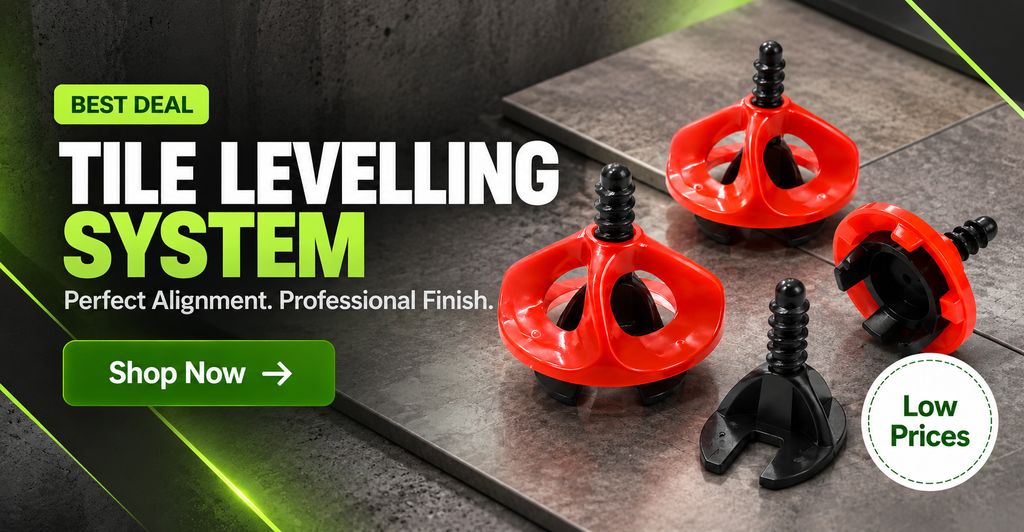
A tile levelling system uses spacers and tightening parts to help keep tiles level as you work. First, spread tile adhesive across a clean, prepared base. Next, place the tiles and insert the levelling spacers along their edges.
Then, tighten the system according to the product instructions. This helps bring nearby tile surfaces into alignment. Leave the adhesive to set for the recommended time before removing the levelling parts.
However, always check the tile maker’s instructions and the product guidelines. Correct fitting helps you achieve an even finish without putting too much pressure on the tiles.
How Is a Tile Levelling System Made?
A typical system contains plastic levelling spacers, clips or threaded screws, and tightening nuts or caps. Manufacturers shape these parts to hold tiles in place during installation.
The spacer section creates a gap between tiles, while the tightening part helps align their top surfaces. Some designs use a twisting action, which allows the user to adjust the pressure by hand.
Materials and designs vary between products. Therefore, check the product details before you buy. Choose a system that suits your tile thickness, joint width and installation method.
What Are Tile Levelling Spacers Used For?
Tile levelling spacers help reduce lippage. This means a height difference between the edges of two nearby tiles. Uneven edges can affect the look of a floor and may create uncomfortable raised points.
They also help keep the tile layout consistent. In addition, they can make it easier to maintain straight lines across a large area.
When choosing a suitable spacer, consider the required joint width and the type of tiles you plan to fit. Always follow the instructions for the specific product.
Why Choose 2mm Tile Spacers?
A 2mm joint can create a neat, narrow grout line when the tiles and installation method allow it. However, not every tile suits this joint size. Check the tile maker’s guidance before starting.
You can browse tile spacers to find options for your project. For many jobs, matching the spacer size to the tile and grout requirements is more important than choosing the smallest gap.
PRODUCT: Tile Spacer Levelling System 2mm Floor Twister Spacer Screws + Red Twister Nuts
The Tile Spacer Levelling System 2mm Floor Twister Spacer Screws + Red Twister Nuts is designed to help create even tile joints and align nearby floor tiles.
Its twisting design helps users tighten the levelling parts during installation. This can make tile positioning easier, especially when working across larger floor areas.
Key Benefits
- More even tile surfaces: Helps reduce height differences between adjacent tiles.
- Consistent joints: Supports a regular 2mm gap where suitable for the chosen tiles.
- Simple adjustment: The twisting mechanism allows you to tighten the parts by hand.
- Useful for DIY and trade work: Suitable for users who want better control during floor tiling.
- Neater results: Helps create a tidy finish when used correctly with good preparation.
Explore the Tile Spacer Levelling System 2mm Floor Twister Spacer Screws + Red Twister Nuts at TradeBoxDirect to review the product details before shopping.
How to Use Floor Tile Spacers Correctly
For the best results, prepare your tools and materials before you start. Follow these simple steps:
- Prepare the base: Make sure the surface is clean, stable and suitable for tiling.
- Apply adhesive: Use the correct adhesive and spread it as directed.
- Position the tiles: Place each tile carefully and check its alignment.
- Insert the spacers: Fit the floor tile spacers between the tiles according to the product instructions.
- Tighten the system: Twist the nuts or caps gently until the tile edges align. Avoid excessive pressure.
- Check the layout: Use a suitable level to check the floor as you work.
- Allow the adhesive to set: Follow the recommended setting time before removing the levelling parts.
Remember to check each tile’s edge as you go. Careful fitting can help prevent problems later.
What Other Tiling Tools Do You Need?
A levelling system is useful, but it is only one part of a successful tiling job. You may also need a tile cutter, measuring tape, spirit level, notched trowel, grout float and cleaning sponge.
Good preparation helps you work more efficiently. For example, accurate measurements reduce waste, while the right cutter helps create clean cuts around corners and fittings.
You should also check that the levelling parts are compatible with your tiles and installation method. Consider the tile thickness, joint width and the manufacturer’s guidance.
How to Choose the Right Tile Levelling System
Before you buy, think about the size of your project and the finish you want. Small rooms may need fewer levelling parts, while large floors can require more.
Check the following points:
- Joint size: Choose a gap that suits your tile and grout requirements.
- Tile thickness: Make sure the product supports the thickness of your tiles.
- Ease of use: A simple twisting design can help speed up installation.
- Material quality: Look for parts made for repeated handling during normal tiling work.
- Project needs: Consider the floor layout, temperature conditions and the frequency of use.
If you are shopping for professional or home renovation supplies, compare the available floor tile spacers and other tiling tools before making your choice.
FAQs About Tile Levelling Systems
1. What is the main purpose of a tile levelling system?
Its main purpose is to help keep nearby tiles at a similar height while the adhesive sets. It can reduce uneven edges and improve the finished appearance.
2. Are 2mm tile spacers suitable for every floor tile?
No. A 2mm gap suits some tiles, but others need wider joints. Always check the tile manufacturer’s advice and the grout requirements.
3. Can beginners use a tile levelling system?
Yes. Many systems are simple to use, so beginners can benefit from them. However, good surface preparation, careful alignment and correct adhesive use remain essential.
4. When should I remove the levelling parts?
Remove them only after the adhesive has set for the period stated in the product and adhesive instructions. Removing them too early may move the tiles.
5. Where can I buy a tile levelling system?
You can shop for tile levelling products through the TradeBoxDirect flooring and tiles category. Check the product details to find a suitable option for your next project.
Conclusion
A tile levelling system can help you achieve a cleaner, more even floor. It supports consistent joints, reduces uneven tile edges and makes alignment easier during installation.
For the best results, choose the right spacer size, prepare the base carefully and follow the product instructions. If you need a practical option for your next flooring project, consider the 2mm Floor Twister Spacer Screws and Red Twister Nuts from TradeBoxDirect.
Thermostats: Types, Benefits and How to Choose the Best One
Choosing the right heating device can make your home more comfortable. It can also help you save energy. Modern THERMOSTATS make it easy to manage your home heating. You can choose from simple models, wireless options and units with timed settings.
But which type is right for you? And what should you check before you buy? This guide explains the main types, their uses and their benefits. It also looks at the EPH CP4D OpenTherm Programmable RF Thermostat.

What Are Thermostats and How Do They Work?
THERMOSTATS help keep your rooms warm when needed. They check the room’s heat level and send signals to your heating system. As a result, your boiler can respond when the room needs more heat.
Many models also let you set heating times. For example, you can warm your home before you wake up. Then, you can lower the heat when you leave for work.
This makes daily heating easier. However, you should always choose a model that works with your boiler.
Types of Thermostats for Your Home
There are several types to choose from. Each has its own features. So, it helps to learn how they work before shopping.
1. Programmable Thermostat
A programmable thermostat lets you set heating times in advance. For example, you can set it to run in the morning and evening.
This is useful for busy homes. Also, you do not need to change the settings every day. Instead, your heating follows the plan you set.
2. Wireless Thermostat
A wireless thermostat sends signals to a receiver without a direct wire between the two units. This gives you more choice when placing the room unit.
A wireless room thermostat can also make daily use easier. However, check the signal range and fitting needs before you buy.
3. RF Thermostat
An RF thermostat uses radio signals to connect with a matching receiver. As a result, the room unit can work without a direct cable to the receiver.
A programmable RF thermostat adds timed settings to this wireless link. Therefore, it offers both flexible placement and simple heating schedules.
4. Smart Thermostat
A smart thermostat may let you change settings through a mobile app. Some models also offer remote access and extra features.
This can be helpful if your plans change. However, features vary by model. So, check whether you need an internet link or extra equipment.
5. OpenTherm Thermostat
An OpenTherm thermostat works with boilers that support the OpenTherm system. This link can allow the devices to share heating demand data.
As a result, a compatible boiler may adjust its heat output to match demand. However, not all boilers support this system. Always check the details before ordering.
6. Wireless Heating Thermostat
A wireless heating thermostat gives you more freedom when choosing where to place the room unit. It can suit new heating projects and some home upgrades.
Moreover, timed settings can help you heat rooms when you need them. Before buying, compare the features, receiver needs and fitting guide.
Product Spotlight: EPH CP4D OpenTherm Programmable RF Thermostat
The EPH CP4D OpenTherm Programmable RF Thermostat is worth a look if you need timed heating and wireless communication.
You can view the product and check its details here:
EPH CP4D OpenTherm Programmable RF Thermostat
What Are the Main Benefits?
This model combines programmable settings with RF communication and OpenTherm support. When used with compatible equipment, it can offer several benefits.
- Timed heating: Set heating periods to suit your daily routine.
- Wireless use: Enjoy more choice when placing the room unit.
- Boiler communication: OpenTherm can support data sharing with a compatible boiler.
- Easy daily use: Set your schedule in advance and reduce the need for daily changes.
- Better energy habits: Heat your home when needed to help reduce waste.
However, your actual energy savings will depend on your home, insulation and heating habits.
How Is It Made and How Does It Work?
A modern heating unit often has electronic parts, sensors, buttons and a display. An RF model also uses a radio transmitter to send signals to its receiver.
The receiver then passes the required message to the heating system. If the boiler supports OpenTherm, it can also respond to heating demand through that link.
The exact parts and features depend on the model. Therefore, read the product guide before fitting the EPH CP4D. A qualified installer can also check that your boiler and receiver are suitable.
How to Choose the Right Heating Controls
Before you buy, think about your home and daily needs. This will help you find the right product.
First, check your boiler. Make sure it supports the connection type you need. Next, look at the schedule options. Choose a model that fits your daily routine.
Also, consider how easy the unit is to use. Clear buttons and a simple display can help everyone in the home.
Finally, check the fitting needs and product details. You can browse the THERMOSTATS range at TradeBoxDirect to compare available options.
For more useful information, read about temperature, the meaning of frequency, and the definition of control.
Frequently Asked Questions
1. Why should I use a programmable model?
It lets you set heating times in advance. Therefore, you can match your heating to your daily routine.
2. Is a wireless model better than a wired one?
Both options have benefits. A wireless unit offers more choice in placement. However, a wired model may suit your current setup better.
3. Can an OpenTherm unit work with any boiler?
No. Your boiler must support OpenTherm. Always check compatibility before you order.
4. Is the EPH CP4D right for my home?
It may be suitable if your heating system supports its features. Check the product details and fitting guide first.
5. Where can I shop for heating products?
You can shop online at TradeBoxDirect. Compare the available products and choose one that suits your heating system.
Conclusion
The right THERMOSTATS can make home heating easier to manage. You can choose from timed settings, wireless links and smart features. Each type offers different benefits.
The EPH CP4D OpenTherm Programmable RF Thermostat is one option to consider. However, always check that it suits your boiler before you buy. Visit TradeBoxDirect to explore the range and find the right product for your home.
Vents: How They Work, Their Benefits and How to Choose the Right Type
Fresh air helps make a home feel clean, fresh and comfortable. However, rooms can become damp and stuffy when air cannot move freely. Cooking, showering and drying clothes can also add extra water to the air. Over time, this can lead to condensation, mould and unpleasant smells.
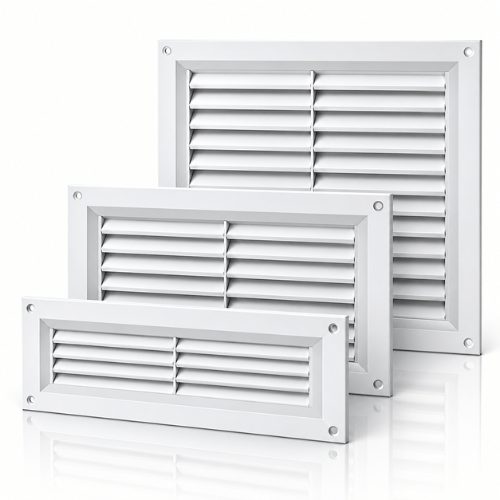
Vents help solve these problems by allowing air to move between indoor and outdoor spaces. They support better airflow and help remove stale air from rooms. As a result, good ventilation can improve comfort and help protect your home from excess damp.
Whether you are improving an existing property or working on a new building, choosing the right ventilation system matters. You can explore the Vents range at TradeBoxDirect to find suitable options for different rooms and building needs.
What Are Vents and How Do They Work?
Vents are openings or fittings that allow air to enter or leave a building. They come in many shapes and sizes, depending on where they are used and how much air needs to move.
For example, an air brick can help provide ventilation through an external wall. A window vent allows fresh air to enter a room, while a louvred grille helps air pass through an opening while covering the gap.
The main purpose is simple. Fresh air enters the building, while stale air can escape. This movement helps control indoor air quality and reduces the build-up of moisture, smells and unwanted heat.
However, each room has different needs. Kitchens and bathrooms often produce more moisture than bedrooms or living rooms. Therefore, it is important to select ventilation fittings that suit the room and its use.
How Are Ventilation Fittings Made?
The manufacturing process depends on the type of fitting. Many common ventilation fittings use plastic, metal or other durable materials.
Plastic fittings often begin as small raw plastic pellets. Manufacturers heat the material and shape it using a mould. Once it cools, they remove the finished part and check its size and shape.
Metal ventilation fittings may use cutting, pressing, bending or other forming methods. Manufacturers then check the finished item to make sure it fits its intended opening.
Some designs include louvres, which are angled slats that help guide the movement of air. Others have a simple open grille or a frame that makes installation easier.
Material choice matters because ventilation fittings may face changing temperatures, damp conditions and daily wear. Therefore, check the product details before you buy vents for a particular room or project.
What Are the Main Benefits of Good Ventilation?
Good ventilation offers several benefits for homes, offices and other buildings. However, the results depend on the type of fitting, its location and the wider ventilation system.
1. Helps Reduce Excess Moisture
Daily activities such as cooking, bathing and washing clothes release water vapour into the air. If this moisture cannot escape, it may settle on cold walls, ceilings and windows.
A suitable ventilation system helps remove damp air and allows fresh air to enter. This can reduce the conditions that lead to mould growth.
2. Improves Indoor Air Quality
Indoor air can contain cooking smells, dust and other unwanted particles. Fresh air helps dilute some indoor pollutants and makes rooms feel less stuffy.
For better results, combine suitable ventilation with regular cleaning and good household habits.
3. Helps Control Condensation
Condensation forms when warm, moist air touches a colder surface and turns into water droplets. You may notice it on windows, mirrors or external walls, especially during colder months.
Good ventilation helps remove moist air before it builds up. Even so, ventilation alone may not solve every problem. Poor insulation, cold surfaces and hidden leaks may also need attention.
4. Reduces Unwanted Smells
Cooking, pets and household waste can create unpleasant smells. Better air movement helps these smells clear more quickly.
As a result, rooms can feel fresher and more pleasant to use.
5. Supports a More Comfortable Home
Stale air can make a room feel stuffy. A well-planned system supports steady airflow, helping fresh air move through the building.
However, ventilation should suit the season and the room. Too much uncontrolled airflow may cause draughts and heat loss.
What Types of Ventilation Fittings Can You Choose?
Different fittings serve different purposes. Therefore, think about the location, the size of the opening and the amount of air needed before making a choice.
Air Bricks and External Wall Vents
Air bricks provide openings through suitable external walls. They are often used where a building needs ventilation through a wall or within a specific construction detail.
Choose a design that suits the opening and intended use. If you are replacing an existing fitting, measure the space first.
Window and Door Vents
Window and door vents help provide fresh air through suitable openings. They can be useful in homes, offices and other indoor spaces.
Some designs are compact and discreet, while others allow adjustable airflow. Always check the fitting method and dimensions before ordering.
Louvred Ventilation Grilles
Louvred grilles use angled slats to cover an opening while allowing air to pass through. They are available in different sizes and finishes.
These fittings can suit a range of ventilation needs. However, a grille does not automatically provide mechanical extraction or a guaranteed level of airflow.
Specialist Ventilation Fittings
Some buildings need fittings for particular spaces or construction tasks. Before choosing one, check its intended application, material, dimensions and installation requirements.
You can browse the VENTILATION range at TradeBoxDirect to compare available options for your project.
How to Choose the Right Ventilation Fittings
Choosing the right option can save time and help you avoid installation problems. Keep these points in mind before shopping.
- Check the size: Measure the opening and compare it with the stated product dimensions.
- Choose the right material: Consider whether the fitting will face outdoor weather, damp or regular use.
- Think about the location: A bathroom may need different ventilation from a bedroom or hallway.
- Review the design: Look at the shape, colour and finish to make sure it suits the space.
- Check installation needs: Confirm how the fitting attaches and whether extra parts are required.
- Consider the ventilation system: A passive grille may not be enough for rooms that need mechanical extraction.
If you are planning a larger project, consider the number of rooms and the type of ventilation each one needs. This can help you choose suitable fittings without buying unnecessary items.
How Can You Reduce Moisture and Prevent Damp?
Ventilation works best when combined with simple daily habits. First, use kitchen extractor fans when cooking. Next, run bathroom extraction during showers and for an appropriate period afterwards.
Also, open windows when conditions allow and avoid drying clothes indoors without suitable ventilation. Wipe away water from windows when it appears, and keep air vents clear of dust and obstructions.
Check for plumbing leaks and signs of water entering through roofs or walls. These problems need separate repairs because ventilation cannot fix the source of a leak.
Remember that moisture control also depends on insulation, heating and the temperature of indoor surfaces. If damp or mould keeps returning, seek advice to identify the cause.
Where Can You Buy Vents Online?
Finding suitable ventilation fittings is easier when you can compare sizes, materials and uses in one place. TradeBoxDirect offers a ventilation range for homeowners, installers, builders and trade customers.
When you shop online, read each item description carefully. Check the measurements, material, finish and intended use before placing an order. This helps you choose a fitting that matches your project.
You can buy vents from TradeBoxDirect by visiting the ventilation section and reviewing the available options. Whether you need a replacement fitting or supplies for a larger building project, compare the details to make an informed choice.
Good planning can help you avoid incorrect sizes, reduce waste and keep your installation on track.
Frequently Asked Questions
1. What is the main purpose of ventilation fittings?
Their main purpose is to allow air to enter or leave a space. This helps improve air movement and can reduce stale air, excess moisture and unwanted smells.
2. Can ventilation help prevent mould?
Yes, suitable ventilation can help reduce the moisture that encourages mould growth. However, leaks, poor insulation and cold surfaces may also cause problems, so these issues need attention too.
3. Which type is best for a bathroom?
Bathrooms often need effective moisture removal. A suitable extractor fan is commonly used, while an appropriate passive vent may support wider air movement. The correct choice depends on the room and its existing ventilation system.
4. How do I choose the correct size?
Measure the opening and compare it with the fitting dimensions listed by the seller. Also, check the required airflow and installation method where relevant.
5. Do ventilation fittings need regular cleaning?
Yes. Dust and dirt can block openings and reduce air movement. Clean accessible grilles and openings as needed, and make sure you do not cover them with furniture or other items.
6. Where can I shop for ventilation supplies?
You can visit TradeBoxDirect’s ventilation range to explore available fittings. Check each listing for dimensions, materials and suitability before ordering.
Conclusion
Good ventilation helps create a fresher and more comfortable indoor space. It supports air movement, helps manage excess moisture and can reduce the conditions that lead to condensation and mould.
However, choosing the right fitting is just as important as keeping it clear and using it correctly. Consider the room, opening size, material and ventilation needs before making a purchase.
Explore the ventilation range at TradeBoxDirect to compare suitable options for your home or building project. With the right choice and good maintenance, you can support better indoor air quality and help keep your space comfortable throughout the year.
Plumbing Supplies: A Complete Guide to Pipe Inserts and Plastic Pipe Fittings
Good plumbing starts with the right parts. Whether you are fixing a small leak, fitting new pipes or working on a larger plumbing project, the correct fittings help create a secure and reliable system.
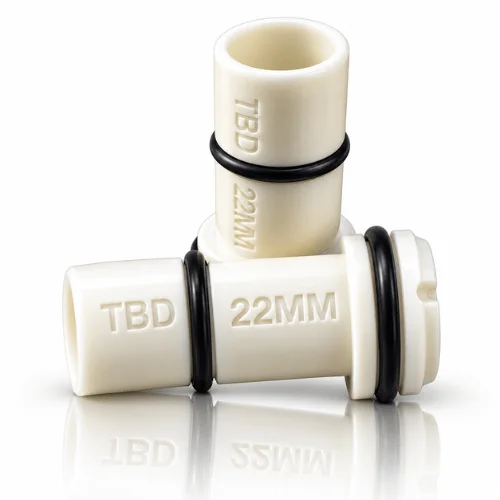
Plumbing supplies include pipes, connectors, pipe inserts and other parts used in water and heating systems. Each item has a clear purpose. Therefore, choosing the right size and material is important for a good fit.
At TradeBoxDirect, you can explore a range of products for everyday plumbing jobs. These include 15mm and 22mm pipe stiffener inserts, which support suitable plastic pipe connections.
This guide explains how pipe inserts work, how they are made, their benefits and how to choose the right products for your project.
What Are Pipe Inserts?
Pipe inserts are small fittings that sit inside suitable plastic pipes. They help support the pipe wall when the installer tightens a fitting around it.
Plastic pipes can flex or change shape under pressure. An insert helps the pipe keep its shape at the connection point. As a result, the fitting can grip the pipe as intended when all parts are correctly selected and installed.
These inserts are often used in plumbing and heating systems. However, the right type depends on the pipe material, pipe size and fitting design.
Before ordering, check the manufacturer’s instructions. Not every insert works with every pipe or fitting.
What Are Plastic Pipe Fittings?
Plastic pipe fittings connect pipes and help direct water through a plumbing system. They may join two pipes, change the direction of a pipe run or link pipes to other components.
Common types include elbows, tees, couplers and compression fittings. Each type serves a different purpose. For example, an elbow changes the direction of a pipe, while a coupler joins two pipe sections.
A suitable plastic pipe insert can help support certain pipe connections. In addition, the correct fitting can help reduce the risk of leaks when installed according to the product instructions.
When shopping for fittings, consider the pipe size, operating pressure and intended use. This makes it easier to select parts for your project.
How Is a Plastic Pipe Insert Made?
A plastic pipe insert is usually made through a moulding process. Manufacturers select a suitable plastic material and shape it to meet the required dimensions.
The process often includes these steps:
- Material selection: The manufacturer chooses a plastic suitable for the intended plumbing application.
- Moulding: The material is shaped into the required insert design.
- Cooling: The part cools and keeps its shape.
- Quality checks: The manufacturer checks the size and finish against the product requirements.
- Packing: The finished inserts are prepared for supply.
The exact material and manufacturing method can vary by product. Therefore, check the product details when you need a specific material or performance rating.
What Are the Benefits of Plumbing Fittings and Pipe Inserts?
The right fittings can make plumbing work easier and help support reliable connections.
Better Pipe Support
A stiffener insert supports the inside of a suitable plastic pipe. This helps the pipe resist deformation as the fitting is tightened.
More Reliable Connections
When the pipe, insert and fitting match, they can work together to create a secure connection. Correct installation is still essential, so always follow the manufacturer’s guidance.
Simple Installation
Many standard inserts are small and easy to handle. Therefore, they can be useful for professional installers and people carrying out suitable home plumbing repairs.
Options for Different Pipe Sizes
Plumbing projects use different pipe sizes. For this reason, inserts are available in sizes such as 15mm and 22mm. Choosing the correct size helps ensure the insert fits the intended pipe.
Featured Products: 15mm and 22mm Pipe Stiffener Inserts
If you need inserts for a plumbing or heating project, TradeBoxDirect offers products in both sizes.
22MM PIPE STIFFENER INSERT
The 22MM PIPE STIFFENER INSERT is designed for suitable 22mm plastic pipe applications.
Key benefits:
- Helps support the pipe wall at suitable fitting connections.
- Provides an option for projects using 22mm pipe.
- Can help the pipe retain its shape when the correct fitting is tightened.
- Available through the product page, where you can check pack options.
Before you buy, confirm that the insert suits your pipe material and fitting system.
15MM Pipe Stiffener Insert
The 15MM Pipe Stiffener Insert is intended for suitable 15mm plastic pipe connections.
Key benefits:
- Supports the pipe wall inside the connection.
- Suits projects that use the specified 15mm pipe size.
- Offers a practical accessory for suitable plumbing and heating work.
- Helps installers select an insert designed for the correct application.
Check the product details before placing an order. Pipe size alone does not guarantee that an insert will suit every pipe or fitting.
How to Choose the Right Plumbing Supplies
Choosing the right parts can save time and help prevent fitting problems. Keep these points in mind when shopping.
Check the Pipe Size
First, identify whether your system uses 15mm, 22mm or another pipe size. Measure the pipe if needed, and check its markings before ordering an insert.
Confirm the Material
Different pipes use different materials and designs. Make sure the insert is suitable for the pipe you have.
Review the Fitting Type
Check that the insert suits the fitting and its installation method. A connector must also suit the pipe system to create the intended joint.
Check the Product Instructions
Look at the stated use, dimensions and pressure rating where provided. The pipe’s surface and the edge of a cut pipe should be in the correct condition for installation, as specified by the manufacturer.
Finally, confirm that all parts are compatible before you begin.
Where Can You Buy Plumbing Supplies Online?
TradeBoxDirect offers a range of plumbing supplies for home repairs, maintenance work and professional installations.
You can browse pipe inserts, plastic fittings and other plumbing accessories in one place. In addition, individual product pages help you review available sizes and pack options before ordering.
If your project requires a 15mm or 22mm stiffener insert, compare the product details and select the option that suits your pipe system. This can help you avoid ordering the wrong part.
Frequently Asked Questions
What does a pipe insert do?
A pipe insert supports the inside wall of a suitable plastic pipe. It helps the pipe retain its shape when a fitting is tightened around it.
Do all plastic pipes need stiffener inserts?
No. The need for an insert depends on the pipe material, fitting design and manufacturer’s instructions. Always check the requirements for your particular system.
What is the difference between a 15mm and a 22mm pipe insert?
The sizes are intended for different pipe diameters. A 15mm insert is for suitable 15mm pipe, while a 22mm insert is for suitable 22mm pipe. Always confirm the stated dimensions and application.
Can pipe inserts help prevent leaks?
They can help support a suitable pipe connection. However, they do not guarantee a leak-free joint on their own. Correct parts, proper preparation and correct installation all matter.
How should I choose plastic pipe fittings?
Check the pipe size, material, fitting type and intended use. Also, confirm that the components meet the system’s operating requirements.
Where can I buy 15mm and 22mm pipe inserts?
You can browse the TradeBoxDirect plumbing category and view the individual product pages for the 15mm insert and 22mm insert.
Conclusion
The right plumbing parts help make pipe connections secure and reliable. Pipe inserts support suitable plastic pipes, while fittings connect pipe sections and direct water through the system.
When choosing products, check the size, material and manufacturer’s instructions. Then compare the available options to find the right parts for your project.
Explore TradeBoxDirect plumbing supplies to shop for 15mm and 22mm pipe stiffener inserts and other useful plumbing accessories.
Dishwasher Detergent: A Complete Guide to Cleaning Products for Homes and Businesses
Keeping dishes clean is important in every home, café, restaurant and workplace. The right cleaning product helps remove food marks, oil and dirt from plates, cups, pans and utensils. However, choosing the right product can make a big difference to cleaning results.
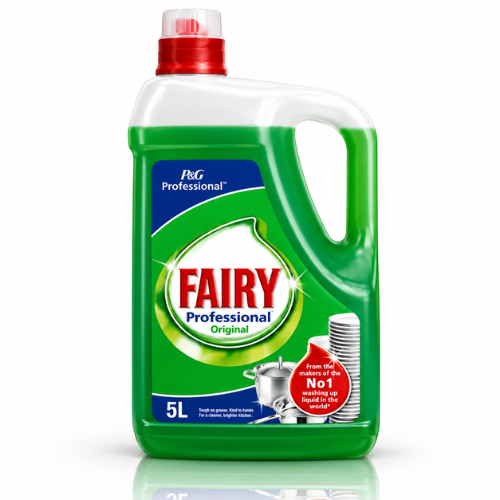
Plumbing supplies are useful for water systems, pipes and fittings, but kitchens also need suitable cleaning products for daily use. At TradeBoxDirect, you can explore dishwasher detergent and washing-up products for different cleaning needs.
This guide explains how detergent works, how it is made, what benefits it offers and how to choose the right product. It also introduces Fairy Liquid 5L, a practical option for busy kitchens and commercial users.
What Is Dishwasher Detergent?
Dishwasher detergent is a cleaning product designed to remove food residue, grease and stains from dishes. It works with water to loosen dirt and help wash it away.
There are different types of cleaning products for different tasks. For example, automatic dishwasher detergent is made for use in a dishwasher. In contrast, washing-up liquid is usually used to clean dishes by hand.
Choosing the correct product matters because these cleaners are not always interchangeable. Always follow the product label and the instructions provided by your dishwasher manufacturer.
You can browse the dishwasher detergent range to compare available cleaning products for your needs.
How Is Detergent Made?
Detergent is made by blending selected ingredients in controlled amounts. Manufacturers choose these ingredients to help remove dirt, lift grease and improve cleaning performance.
Common ingredients may include:
- Surfactants: Help loosen dirt and oil so water can wash them away.
- Cleaning agents: Help remove food residue and other marks.
- Fragrances: Add a fresh scent to some products.
- Preservatives: Help maintain product quality where needed.
- Other additives: May improve stability, appearance or cleaning performance.
The exact formula depends on the product and its intended use. For example, automatic dishwasher products may contain ingredients designed to work in machine washing conditions.
A washing-up liquid has a different purpose. It is made for hand washing and should be used according to its label.
What Are the Benefits of Using the Right Cleaning Product?
Selecting the right cleaning product can make everyday kitchen tasks easier. Here are some key benefits.
Helps Remove Grease and Food Marks
A suitable detergent helps loosen food residue and oily marks from dishes. Many washing-up liquids are designed to cut through grease, making it easier to clean plates, pans and utensils.
Supports Better Kitchen Hygiene
Regular washing helps remove food remains from kitchen items. In addition, clean dishes support good kitchen habits at home and in commercial settings.
However, cleaning products should always be used as directed. They do not replace the need for correct food safety and hygiene practices.
Offers Convenience for Busy Kitchens
Buying larger containers can be useful for restaurants, cafés, catering teams and other busy kitchens. A suitable bulk pack may reduce the need to order smaller bottles as often.
Therefore, a 5-litre washing-up liquid can be worth considering when you clean dishes by hand throughout the day.
Helps Control Cleaning Costs
Comparing pack sizes and prices can help you manage your cleaning budget. Still, consider the recommended amount per wash, the product’s intended use and the cleaning task before making a choice.
Featured Product: Fairy Liquid 5L – Professional Washing Up Liquid
The Fairy Liquid 5L – Professional Washing Up Liquid is an option for users who need a larger supply of washing-up liquid.
Its 5-litre pack size may suit busy kitchens, catering settings and workplaces where dishes are washed by hand on a regular basis.
Why Consider Fairy Liquid 5L?
- Large pack size: A 5-litre container provides a substantial supply for regular use.
- Everyday cleaning: Suitable for hand washing when used according to the product label.
- Useful for busy kitchens: Can suit households and workplaces with frequent washing-up tasks.
- Convenient purchasing: A larger container may reduce the need to replace small bottles as often.
Before ordering, check the product details, usage guidance and storage instructions. Also, keep the liquid away from children and avoid contact with the eyes.
How to Choose the Best Dishwasher Detergent
The best product depends on how you wash your dishes and how often you clean.
Check the Cleaning Method
First, decide whether you need a product for a dishwasher or for hand washing. Automatic dishwasher detergent should be used in the machine as directed. Washing-up liquid, such as Fairy Liquid, is intended for hand washing and should not be added to a dishwasher unless the manufacturer specifically permits it.
Review the Ingredients
Read the product label to understand its intended use and any safety advice. An ingredient can serve a different purpose depending on the formula.
Some cleaning products may contain mineral-based ingredients or other compounds that support their cleaning function. However, formulas vary, so check the information for the exact product you plan to buy.
Compare Pack Sizes
Small bottles may suit occasional home use. On the other hand, larger packs may offer better convenience for businesses with high cleaning needs.
When shopping online, compare the container size, intended use and product details. This can help you choose a suitable option without paying for more than you need.
Where Can You Buy Dishwasher Detergent Online?
TradeBoxDirect offers a dedicated category for cleaning products, including dishwasher detergent and related supplies.
You can browse the available range, review product information and select items that meet your cleaning needs. If you need washing-up liquid for a busy kitchen, consider the Fairy Liquid 5L product page before placing an order.
For the best results, choose a product that is suitable for your cleaning method. Check the label, follow the recommended use and store it safely.
Frequently Asked Questions
What is the difference between dishwasher detergent and washing-up liquid?
Dishwasher detergent is designed for automatic dishwashers. Washing-up liquid is intended for hand washing. They have different formulas, so you should not use them interchangeably unless the product instructions allow it.
How does dishwasher detergent remove dirt?
Detergent contains cleaning agents that help loosen food residue and grease. Water then carries away the loosened dirt during the washing process.
Can I use Fairy Liquid 5L in a dishwasher?
No, not unless the product label and dishwasher manufacturer specifically permit it. Ordinary washing-up liquid can create excess foam and may cause leaks or damage.
Is a 5-litre washing-up liquid suitable for businesses?
It can be a practical choice for cafés, restaurants, catering teams and workplaces that wash dishes by hand often. Check the product instructions and storage requirements before use.
How should detergent be stored?
Keep cleaning products in their original containers, with the lids closed. Store them in a cool, dry place according to the label, away from children, food and unsuitable chemicals.
Where can I shop for cleaning products online?
You can visit the TradeBoxDirect dishwasher detergent category to explore available products and compare options.
Conclusion
Choosing the right cleaning product helps make kitchen cleaning easier and more effective. Dishwasher detergent suits automatic machines, while washing-up liquid is designed for hand washing. Understanding this difference can help you avoid mistakes and protect your equipment.
For homes and busy workplaces, Fairy Liquid 5L offers a larger pack option for regular hand washing. Explore the TradeBoxDirect range, compare product details and choose the cleaning supplies that best suit your needs.
Dishwasher Detergent: How to Choose the Right Cleaning Products
Keeping dishes clean is important at home and at work. The right dishwasher detergent can help remove food stains, oil and dirt from dishes. However, it is important to choose the right cleaning product for the task.
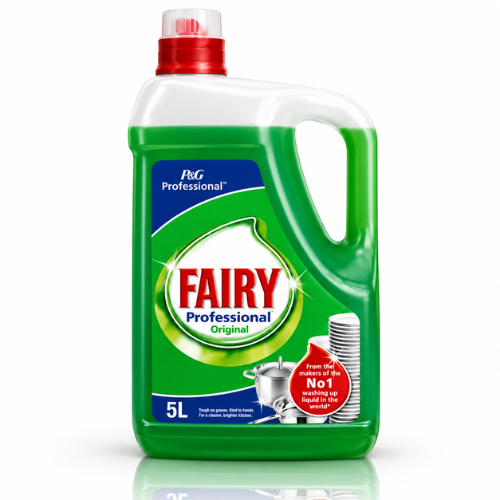
Dishwashers need products made for automatic cleaning. In contrast, washing-up liquid is designed for cleaning dishes by hand. Using the correct product can help you get better results and protect your equipment.
At TradeBoxDirect, you can explore cleaning products for everyday kitchen tasks. This guide explains how detergents work, what to look for when shopping and how to choose the right option for your needs.
What Is Dishwasher Detergent?
Dishwasher detergent is a cleaning product made for automatic dishwashers. It helps remove food marks, oil and other dirt during a wash cycle. Depending on the formula, it may contain cleaning agents, water softeners and other ingredients that support cleaning.
Unlike ordinary washing-up liquid, automatic dishwasher products are designed to work with the machine’s water flow and wash cycle. They also produce less foam than hand-washing liquids.
A suitable product can help clean plates, cups, bowls and other dishwasher-safe items. In addition, using the correct amount can reduce waste and support good cleaning results.
How Does Detergent Work?
A cleaning product contains ingredients that help loosen dirt and remove food from dishes. Some ingredients help lift oily marks, while others help manage food residue.
For example, surfactants help water spread across a dish and loosen dirt. Enzymes may help break down certain food stains, such as those caused by starch or protein. Some formulas also include substances that help control water hardness.
The exact formula depends on the product. Therefore, always read the label before use.
Hard water can contain mineral deposits that leave marks on glassware and other items. A suitable dishwasher product, along with the correct rinse aid and machine settings, can help reduce these issues.
Dishwasher Liquid vs Washing-Up Liquid
The term dishwasher liquid can refer to different cleaning products. Therefore, it is important to understand the difference before you buy.
Dishwasher Cleaning Products
Automatic dishwasher products are made for use inside a dishwasher. They work with the machine’s wash cycle and are designed to control foam.
Choose a product that matches your machine’s instructions. Some dishwashers use tablets or powder, while others allow specific liquid products.
Washing-Up Liquid
Hand-washing liquid is made for cleaning dishes in a sink. It helps lift food residue and grease from plates, pans and utensils.
The Fairy Liquid 5L – Professional Washing Up Liquid is an option to consider for hand-washing tasks. Its larger container may suit busy kitchens, workplaces and other settings where washing-up liquid is used often.
Important: Do not pour ordinary hand-washing liquid into an automatic dishwasher unless the manufacturer specifically approves it. Excess foam can leak from the machine and may cause problems.
What Are the Benefits of Choosing the Right Dishwasher Detergent?
Choosing the right dishwasher detergent offers several benefits when you use it as directed.
- Helps remove food stains: The cleaning formula can loosen food and oil during the wash cycle.
- Supports clean dishes: A suitable product can help remove everyday dirt from dishwasher-safe items.
- Makes cleaning easier: The machine handles the washing cycle, so you do not need to scrub every item by hand.
- Can reduce waste: Correct dosing helps prevent the use of more product than necessary.
- Supports busy kitchens: The right cleaning supplies help homes and workplaces manage daily washing tasks.
However, results also depend on the dishwasher, water hardness, loading method and wash programme.
How Is Dishwasher Detergent Made?
Manufacturers make cleaning products by blending selected ingredients in controlled amounts. The process may include mixing cleaning agents, water, stabilisers and other ingredients. The formula is then checked for quality and packed for sale.
The exact method varies by product. For this reason, it is best to review the label for details about its ingredients, intended use and storage.
An ingredient list can also help users identify product information and follow any relevant safety guidance. Never mix different cleaning products unless the manufacturer clearly states that doing so is safe.
How to Choose Dishwasher Detergent for Home and Commercial Use
Before shopping, consider where and how often you will use the product.
Check Your Dishwasher Requirements
First, read the machine manual. Check which product types it supports and follow the recommended dosing instructions.
Consider Your Cleaning Needs
A small household may need a different pack size from a café or commercial kitchen. Therefore, compare the amount you use, the cost per wash and the storage space available.
Review Product Information
Read the label for cleaning instructions, safety warnings and storage advice. Also, make sure the product is suitable for your intended use and compatible with your equipment.
The condition of the surface of your dishes can also affect cleaning results. For instance, delicate items may need a special programme or hand washing. Check the care instructions before cleaning them.
Shop Cleaning Products at TradeBoxDirect
Finding suitable cleaning supplies can make everyday kitchen work easier. TradeBoxDirect provides a dedicated dishwasher detergent and cleaning products category where you can explore available options.
If you need washing-up liquid for manual cleaning, consider the Fairy Liquid 5L – Professional Washing Up Liquid.
Before placing an order, compare the pack size, intended use and product details. This helps you choose the right cleaning supplies for your home, workplace or business.
Frequently Asked Questions
1. What is dishwasher detergent used for?
It is used in automatic dishwashers to help remove food residue, oil and dirt from suitable dishes. Always choose a product designed for your machine.
2. Can I use washing-up liquid in a dishwasher?
No, ordinary washing-up liquid should not be used in an automatic dishwasher unless the manufacturer specifically approves it. It can create too much foam and may cause leaks.
3. What is the difference between dishwasher liquid and detergent?
Dishwasher liquid is a term for a liquid cleaning product intended for dishwasher use. Detergent is a broader term for products that help remove dirt. The label will tell you whether a product is suitable for automatic machines or hand washing.
4. How much dishwasher detergent should I use?
Follow the product label and your dishwasher manual. The right amount depends on the product, load size, water hardness and wash programme.
5. Is a large bottle of washing-up liquid worth buying?
A large bottle may offer better value when you wash dishes often. However, compare the price per litre and consider how much storage space you have.
6. Where can I buy dishwasher detergent online?
You can visit the TradeBoxDirect cleaning products category to browse available products and check their details before ordering.
Conclusion
Choosing the right dishwasher detergent can help keep dishes clean and make kitchen cleaning easier. However, automatic dishwasher products and hand-washing liquids serve different purposes, so always use the correct type.
Check the product label, follow the machine instructions and choose a pack size that suits your needs. Whether you are buying cleaning supplies for home or work, TradeBoxDirect offers a useful place to explore available options.