No products in the cart.








Vents: How They Work, Their Benefits and How to Choose the Right Type
Fresh air helps make a home feel clean, fresh and comfortable. However, rooms can become damp and stuffy when air cannot move freely. Cooking, showering and drying clothes can also add extra water to the air. Over time, this can lead to condensation, mould and unpleasant smells.
Vents help solve these problems by allowing air to move between indoor and outdoor spaces. They support better airflow and help remove stale air from rooms. As a result, good ventilation can improve comfort and help protect your home from excess damp.
Whether you are improving an existing property or working on a new building, choosing the right ventilation system matters. You can explore the Vents range at TradeBoxDirect to find suitable options for different rooms and building needs.
What Are Vents and How Do They Work?
Vents are openings or fittings that allow air to enter or leave a building. They come in many shapes and sizes, depending on where they are used and how much air needs to move.
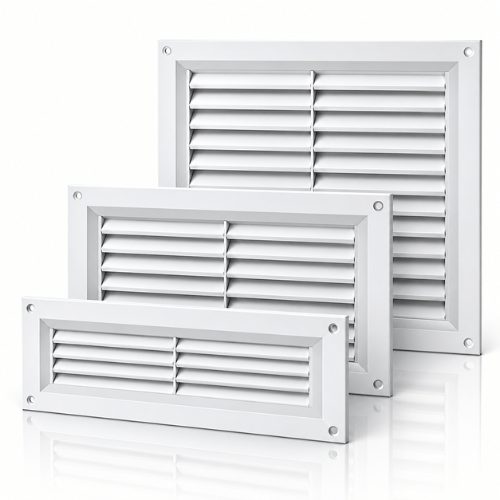
For example, an air brick can help provide ventilation through an external wall. A window vent allows fresh air to enter a room, while a louvred grille helps air pass through an opening while covering the gap.
The main purpose is simple. Fresh air enters the building, while stale air can escape. This movement helps control indoor air quality and reduces the build-up of moisture, smells and unwanted heat.
However, each room has different needs. Kitchens and bathrooms often produce more moisture than bedrooms or living rooms. Therefore, it is important to select ventilation fittings that suit the room and its use.
How Are Ventilation Fittings Made?
The manufacturing process depends on the type of fitting. Many common ventilation fittings use plastic, metal or other durable materials.
Plastic fittings often begin as small raw plastic pellets. Manufacturers heat the material and shape it using a mould. Once it cools, they remove the finished part and check its size and shape.
Metal ventilation fittings may use cutting, pressing, bending or other forming methods. Manufacturers then check the finished item to make sure it fits its intended opening.
Some designs include louvres, which are angled slats that help guide the movement of air. Others have a simple open grille or a frame that makes installation easier.
Material choice matters because ventilation fittings may face changing temperatures, damp conditions and daily wear. Therefore, check the product details before you buy vents for a particular room or project.
What Are the Main Benefits of Good Ventilation?
Good ventilation offers several benefits for homes, offices and other buildings. However, the results depend on the type of fitting, its location and the wider ventilation system.
1. Helps Reduce Excess Moisture
Daily activities such as cooking, bathing and washing clothes release water vapour into the air. If this moisture cannot escape, it may settle on cold walls, ceilings and windows.
A suitable ventilation system helps remove damp air and allows fresh air to enter. This can reduce the conditions that lead to mould growth.
2. Improves Indoor Air Quality
Indoor air can contain cooking smells, dust and other unwanted particles. Fresh air helps dilute some indoor pollutants and makes rooms feel less stuffy.
For better results, combine suitable ventilation with regular cleaning and good household habits.
3. Helps Control Condensation
Condensation forms when warm, moist air touches a colder surface and turns into water droplets. You may notice it on windows, mirrors or external walls, especially during colder months.
Good ventilation helps remove moist air before it builds up. Even so, ventilation alone may not solve every problem. Poor insulation, cold surfaces and hidden leaks may also need attention.
4. Reduces Unwanted Smells
Cooking, pets and household waste can create unpleasant smells. Better air movement helps these smells clear more quickly.
As a result, rooms can feel fresher and more pleasant to use.
5. Supports a More Comfortable Home
Stale air can make a room feel stuffy. A well-planned system supports steady airflow, helping fresh air move through the building.
However, ventilation should suit the season and the room. Too much uncontrolled airflow may cause draughts and heat loss.
What Types of Ventilation Fittings Can You Choose?
Different fittings serve different purposes. Therefore, think about the location, the size of the opening and the amount of air needed before making a choice.
Air Bricks and External Wall Vents
Air bricks provide openings through suitable external walls. They are often used where a building needs ventilation through a wall or within a specific construction detail.
Choose a design that suits the opening and intended use. If you are replacing an existing fitting, measure the space first.
Window and Door Vents
Window and door vents help provide fresh air through suitable openings. They can be useful in homes, offices and other indoor spaces.
Some designs are compact and discreet, while others allow adjustable airflow. Always check the fitting method and dimensions before ordering.
Louvred Ventilation Grilles
Louvred grilles use angled slats to cover an opening while allowing air to pass through. They are available in different sizes and finishes.
These fittings can suit a range of ventilation needs. However, a grille does not automatically provide mechanical extraction or a guaranteed level of airflow.
Specialist Ventilation Fittings
Some buildings need fittings for particular spaces or construction tasks. Before choosing one, check its intended application, material, dimensions and installation requirements.
You can browse the VENTILATION range at TradeBoxDirect to compare available options for your project.
How to Choose the Right Ventilation Fittings
Choosing the right option can save time and help you avoid installation problems. Keep these points in mind before shopping.
- Check the size: Measure the opening and compare it with the stated product dimensions.
- Choose the right material: Consider whether the fitting will face outdoor weather, damp or regular use.
- Think about the location: A bathroom may need different ventilation from a bedroom or hallway.
- Review the design: Look at the shape, colour and finish to make sure it suits the space.
- Check installation needs: Confirm how the fitting attaches and whether extra parts are required.
- Consider the ventilation system: A passive grille may not be enough for rooms that need mechanical extraction.
If you are planning a larger project, consider the number of rooms and the type of ventilation each one needs. This can help you choose suitable fittings without buying unnecessary items.
How Can You Reduce Moisture and Prevent Damp?
Ventilation works best when combined with simple daily habits. First, use kitchen extractor fans when cooking. Next, run bathroom extraction during showers and for an appropriate period afterwards.
Also, open windows when conditions allow and avoid drying clothes indoors without suitable ventilation. Wipe away water from windows when it appears, and keep air vents clear of dust and obstructions.
Check for plumbing leaks and signs of water entering through roofs or walls. These problems need separate repairs because ventilation cannot fix the source of a leak.
Remember that moisture control also depends on insulation, heating and the temperature of indoor surfaces. If damp or mould keeps returning, seek advice to identify the cause.
Where Can You Buy Vents Online?
Finding suitable ventilation fittings is easier when you can compare sizes, materials and uses in one place. TradeBoxDirect offers a ventilation range for homeowners, installers, builders and trade customers.
When you shop online, read each item description carefully. Check the measurements, material, finish and intended use before placing an order. This helps you choose a fitting that matches your project.
You can buy vents from TradeBoxDirect by visiting the ventilation section and reviewing the available options. Whether you need a replacement fitting or supplies for a larger building project, compare the details to make an informed choice.
Good planning can help you avoid incorrect sizes, reduce waste and keep your installation on track.
Frequently Asked Questions
1. What is the main purpose of ventilation fittings?
Their main purpose is to allow air to enter or leave a space. This helps improve air movement and can reduce stale air, excess moisture and unwanted smells.
2. Can ventilation help prevent mould?
Yes, suitable ventilation can help reduce the moisture that encourages mould growth. However, leaks, poor insulation and cold surfaces may also cause problems, so these issues need attention too.
3. Which type is best for a bathroom?
Bathrooms often need effective moisture removal. A suitable extractor fan is commonly used, while an appropriate passive vent may support wider air movement. The correct choice depends on the room and its existing ventilation system.
4. How do I choose the correct size?
Measure the opening and compare it with the fitting dimensions listed by the seller. Also, check the required airflow and installation method where relevant.
5. Do ventilation fittings need regular cleaning?
Yes. Dust and dirt can block openings and reduce air movement. Clean accessible grilles and openings as needed, and make sure you do not cover them with furniture or other items.
6. Where can I shop for ventilation supplies?
You can visit TradeBoxDirect’s ventilation range to explore available fittings. Check each listing for dimensions, materials and suitability before ordering.
Conclusion
Good ventilation helps create a fresher and more comfortable indoor space. It supports air movement, helps manage excess moisture and can reduce the conditions that lead to condensation and mould.
However, choosing the right fitting is just as important as keeping it clear and using it correctly. Consider the room, opening size, material and ventilation needs before making a purchase.
Explore the ventilation range at TradeBoxDirect to compare suitable options for your home or building project. With the right choice and good maintenance, you can support better indoor air quality and help keep your space comfortable throughout the year.