

How to Choose the Right Solar Equipment for a Solar Installation?
Choosing the right solar equipment is an important part of planning a home or commercial solar system. Solar panels may get most of the attention, but a complete installation needs many supporting parts. These include mounting rails, roof hooks, cables, connectors, clips, fasteners, and protective accessories. Each item has a practical job. Therefore, understanding the products before you shop can help you plan the work with fewer delays.
What Is Solar Equipment?
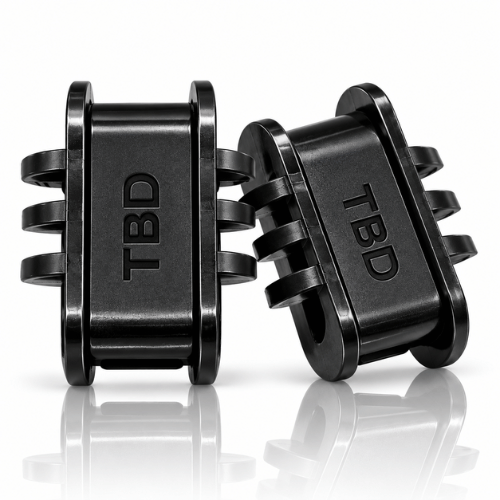
Solar equipment covers the products used to build, support, connect, and protect a solar installation. It can include mounting hardware, cable management products, connectors, roof fixing parts, and other accessories used around solar panels.
The correct products depend on the type of roof, panel size, system layout, cable route, and installation method. For example, a roof-mounted system may need different fixing parts from another roof design. So, product measurements and technical details should always be checked before you buy.
How Is Solar Equipment Made?
Solar equipment is made from materials chosen for strength, durability, and outdoor use. Metal mounting products are often made from aluminium or treated steel. These materials can provide useful strength while handling normal outdoor conditions. Cables use conductors with protective insulation, while connectors are designed to create secure electrical links.
Small fixing products are also made for practical installation. Clips can help keep cables neat, and mounting accessories can help hold panels securely. Manufacturers may test products for strength, fit, safety, and performance. However, specifications vary between products, so the product information should be checked before purchase.
What Solar Supplies Are Needed for an Installation?
A solar project can require a range of solar supplies. Mounting rails provide support for panels, while roof hooks and brackets connect the mounting system to the roof. Cable clips can help keep wires organised and away from areas where they may suffer damage.
Connectors are another key part. They join electrical components and help create a reliable connection. Protective accessories can also help reduce the effects of movement, heat, moisture, and poor cable management.
Before starting work, make a complete list of solar supplies. Then check the quantity of each item. This simple step can prevent delays caused by missing small parts.
What Are the Advantages of Good Solar Equipment?
Good solar equipment can provide several practical benefits. First, suitable components can support a secure installation. Second, correctly selected parts can make the installation process more organised. Third, durable accessories can help protect cables and connections during normal use.
For homeowners, careful product selection can provide confidence in the installation. For installers, having the right parts ready can support a smoother workflow. As a result, every component deserves attention, not just the main panels.
How Do You Choose the Right Solar Equipment?
Start with the system design. Check the number and size of panels, roof type, mounting method, cable requirements, and planned layout. Next, compare these details with the manufacturer’s product specifications.
The mounting system should suit both the roof and the panels. Cables should have suitable ratings for their intended use. Connectors should match the required connection type. Fixings should also suit the installation location and material.
Dimensions matter too. A small size difference can affect how a component fits. For example, the surface of a mounting part may affect how it sits against another component. The edge of a part can also matter when checking clearance.
Why Are Solar Supplies Important?
Solar supplies may look like small items, but they support the wider installation. A missing clip, fixing, connector, or mounting accessory can slow down a project. On the other hand, having the correct items ready can make the work more organised.
For that reason, solar supplies should be planned as part of the complete installation. Keep similar products together, check quantities, and review the installation instructions. This approach can save time and reduce unnecessary waste.
Where Can You Buy Solar Equipment?
If you are planning an installation, you can shop for solar equipment by comparing sizes, materials, specifications, and intended uses. Online shopping makes it easier to review several products before placing an order.
Before you buy, read the product description and technical information carefully. Check dimensions, materials, intended use, and any stated installation requirements. If you are unsure about a product, a qualified installer can help confirm what the system needs.
You can view the TradeboxDirect solar equipment category to explore products used for solar installations and related mounting work.
What Should You Check Before Buying?
Before purchasing solar equipment, check these key points:
- Product size: Make sure the component fits the planned installation.
- Material: Choose a material suited to the installation environment.
- System requirements: Confirm that the product meets the design needs.
- Quantity: Work out how many pieces are needed before ordering.
- Manufacturer information: Read specifications and installation guidance.
You should also check whether a component is suitable for the panel and mounting system. The word Compatible can help when reviewing product descriptions, but always confirm the manufacturer’s technical details.
How Does Solar Equipment Support Long-Term Performance?
A solar system works as a group of connected parts. Panels generate electricity, cables carry it, and mounting products keep the panels secure. Connectors maintain electrical links, while protective accessories can help reduce avoidable damage.
Therefore, each item has a role. Poorly selected accessories can create installation problems even when the main panels are good quality. The right solar equipment can help create a more complete and organised system.
How Can These Products Improve Installation Planning?
Planning solar equipment in advance can make a project easier to manage. A simple checklist helps installers confirm the right parts before work begins. It also helps buyers compare sizes, materials, quantities, and technical requirements. When each product has a clear purpose, the installation can be planned with fewer last-minute changes. This is especially useful for larger projects where many components must work together.
Conclusion
Solar equipment is an important part of a safe and practical solar installation. It includes much more than panels. Mounting rails, roof hooks, cables, connectors, clips, fixings, and protection accessories all help create a complete system.
By checking sizes, materials, specifications, and installation requirements, you can make more informed purchasing decisions. Whether you are planning a home project or supporting a larger installation, the right solar supplies can make the work more organised and reliable. Take time to compare products, read technical information, and select components that suit the system.
FAQs
1. What does solar equipment include?
Solar equipment can include mounting rails, roof hooks, cables, connectors, clips, fixings, and protection accessories used in a solar installation.
2. Why is solar equipment important?
It helps support, connect, protect, and organise a solar system. Each part has a role in the installation.
3. What are solar supplies?
Solar supplies are the supporting products and accessories used during solar installation, including mounting, fixing, and cable-management parts.
4. Can I buy solar equipment online?
Yes. You can review product details and order suitable items online. Always check measurements and system requirements before purchasing.
5. How do I choose solar equipment?
Start with the system design. Then check the roof type, panel dimensions, mounting method, cable requirements, materials, and manufacturer’s specifications.
6. Does every solar system need the same supplies?
No. Requirements vary according to panel type, roof design, mounting method, system size, and installation layout.
