

How Do Air Bricks Improve Ventilation in Homes?
Good VENTILATION helps a building stay fresh, comfortable and healthy. However, many homeowners do not realise how important air bricks can be. These simple building components help fresh air move into areas where natural air movement is needed.
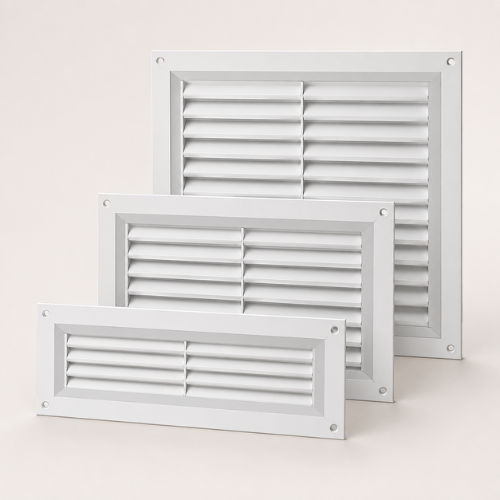
Air bricks are commonly fitted into external walls, especially where a building needs a steady supply of air. They can also support the movement of air beneath suspended floors and around certain building spaces. Therefore, choosing the right type and installing it correctly can make a useful difference.
If you are planning a home improvement project, understanding air bricks can help you make a better buying decision. You can also explore the VENTILATION range at TradeboxDirect when looking for suitable ventilation products.
What Are Air Bricks?
Air bricks are specially designed bricks or vents that contain openings. These openings allow air to pass through a wall while the surrounding structure remains protected.
Unlike ordinary bricks, air bricks are made with ventilation openings. Depending on the design, they can be produced from materials such as plastic, clay or other durable materials. Modern plastic versions are popular because they are lightweight, easy to handle and resistant to many common outdoor conditions.
The basic purpose is simple: allow air to enter or leave a building area where it is needed.
For example, a suspended timber floor may need regular air movement underneath it. In this situation, air bricks can provide openings through the external wall. This helps fresh air reach the space below the floor.
How Are Air Bricks Made?
The manufacturing process depends on the material and design. Plastic air bricks are commonly formed using moulding processes. This allows manufacturers to create consistent openings and accurate dimensions.
Clay versions are made from shaped clay and then fired at high temperatures. As a result, they can offer a traditional appearance that suits certain buildings.
Good-quality air bricks should have well-formed openings and a strong body. The design should also allow air to pass through without creating unnecessary restrictions.
When shopping for air bricks, check the size, material, colour, opening design and intended application. These details can help you buy a product that suits your project.
Why Are Air Bricks Important?
One major reason air bricks are important is that they provide a controlled route for fresh air. Natural air movement can help keep enclosed areas healthier and more balanced.
They are particularly useful beneath suspended floors. Without enough air movement, unwanted damp conditions can develop in these areas. Over time, this may affect timber, insulation and other building materials.
You can learn more about the meaning of moisture when considering how damp conditions can affect buildings.
However, air bricks are not a complete solution for every building problem. Their effectiveness depends on correct positioning, sufficient openings and the overall design of the building.
How Do Air Bricks Improve Air Movement?
The openings within air bricks create a route between an enclosed area and the outside environment. Natural pressure differences and outdoor air movement can then help move air through the opening.
This process is particularly useful beneath floors. When air can enter from one side and leave through another, a more effective circulation pattern can develop.
The exact result depends on factors such as building design, wind exposure, brick positioning and the number of openings.
For more general information about airflow, you can refer to the linked dictionary definition.
Can Air Bricks Help Prevent Damp Problems?
Proper VENTILATION can help reduce the conditions that allow damp problems to develop. This is especially relevant beneath suspended timber floors.
When air does not move well, the area may remain damp for longer periods. This can create an environment where timber and other materials may deteriorate.
However, it is important to identify the actual cause of a damp problem. Blocked air bricks may contribute to poor air movement, but they are not always the main cause.
Another issue homeowners may notice is condensation, which can occur when warm air meets a cooler surface.
Therefore, replacing or adding air bricks should be considered as part of the wider building condition rather than as a universal damp treatment.
What Are the Advantages of Air Bricks?
There are several practical advantages to using air bricks.
1. Better Natural Air Movement
They create dedicated openings for outdoor air to enter enclosed building areas.
2. Support for Suspended Floors
They can help provide the air movement needed beneath suspended timber floors.
3. Simple Construction
Their design is straightforward, making them relatively easy to understand and maintain.
4. Different Materials
You can find plastic, clay and other types, allowing homeowners to choose according to their project.
5. Different Sizes
Various dimensions are available, so you can select a product that matches the existing opening or building requirement.
6. Long-Term Practical Use
Quality products can provide useful service for many years when correctly installed and maintained.
Where Should Air Bricks Be Used?
Air bricks are commonly found in external walls where air needs to reach an enclosed space.
A well-known example is a suspended timber floor. Here, openings are often positioned around the perimeter of the building to allow outdoor air to circulate below the floor.
They may also be used in other areas where building design requires permanent air openings.
However, the correct position depends on the construction. Therefore, avoid simply adding openings without understanding the building’s requirements.
If you are unsure, ask a qualified builder or building professional to assess the property before making structural changes.
What Should You Check Before You Buy Air Bricks?
Before you shop for air bricks, consider the following:
- Measure the existing opening carefully.
- Check the required dimensions.
- Choose a suitable material.
- Look at the size and shape of the openings.
- Check whether the product is suitable for external use.
- Consider the colour and appearance.
- Make sure the design suits the intended application.
- Check whether additional accessories are required.
These simple checks can help you buy the right product instead of replacing an unsuitable item later.
How Do You Maintain Air Bricks?
Regular inspection is useful. Dirt, leaves, insects and other debris can sometimes block the openings.
Therefore, check external air bricks from time to time. Remove visible debris carefully without damaging the product or surrounding masonry.
Do not permanently cover an air brick because it looks untidy. Doing so can reduce its intended function.
If an air brick is cracked, badly damaged or blocked internally, consider replacing it with a suitable product.
Air Bricks and Modern Home Improvements
Modern homes often have better insulation and improved energy efficiency. However, this does not mean natural VENTILATION is no longer important.
A building still needs suitable air movement in areas where ventilation openings are part of the construction.
When improving an older property, homeowners should therefore consider existing air bricks before changing walls, floors or external insulation.
Blocking an existing opening without considering its purpose can create an unexpected building problem.
Can You Replace Old Air Bricks?
Yes, damaged or unsuitable air bricks can often be replaced. The replacement should match the required size and purpose.
For example, a plastic replacement may provide a practical option where an older product has cracked or deteriorated.
Before replacing one, inspect the surrounding brickwork as well. If the opening itself is damaged, simply installing a new air brick may not solve the entire issue.
For larger projects, professional advice can help confirm what type of replacement is appropriate.
Should You Buy Air Bricks Online?
Online shopping can make it easier to compare sizes, materials and designs. It also allows you to check product information before placing an order.
If you want to shop for building and ventilation products, TradeboxDirect provides a dedicated VENTILATION category where related products can be explored.
Before you buy, always compare the product dimensions with your existing opening. This small step can prevent ordering the wrong size.
Frequently Asked Questions
Are air bricks necessary?
They can be important where a building design requires permanent openings for natural air movement. Their necessity depends on the construction and location.
Do air bricks stop damp?
Not directly. They can support air movement, which may help reduce damp conditions in suitable areas. However, damp can have many different causes.
Can air bricks become blocked?
Yes. Dirt, debris and other materials can obstruct openings. Regular visual checks can help identify blockages.
Are plastic air bricks good?
Plastic air bricks can be a practical choice because they are lightweight and designed for outdoor use. Always check that the selected product is suitable for your application.
How often should air bricks be checked?
There is no single schedule for every property. A visual inspection during routine home maintenance is sensible, particularly if the building has suspended floors.
Can I paint over an air brick?
Painting over the openings can restrict their function. If appearance is important, choose a suitable colour or product rather than blocking the ventilation openings.
Where can I buy air bricks?
You can shop online for different sizes and materials. Always check dimensions and intended use before you buy.
Conclusion
Good VENTILATION plays an important role in maintaining a healthy and well-maintained building. Air bricks are simple products, but they can perform an important function by creating openings for natural air movement.
They are especially useful around suspended floors and other areas that require regular outdoor air exchange. However, correct sizing, positioning and maintenance matter.
Before you shop or buy, check the required dimensions and application carefully. With the right product and proper installation, air bricks can provide a practical long-term solution for supporting building VENTILATION.
