

Why Insulation Matters for Better Ventilation and a More Energy-Efficient Home
Good INSULATION does more than keep your home warm. It also helps your ventilation system work better. Together, they make your home fresh, warm, and comfortable. Many people think they do the same job. However, they do different things. Ventilation brings fresh air into your home. It also removes stale air, moisture, and bad smells. At the same time, INSULATION slows heat loss. As a result, your home stays warm for longer.
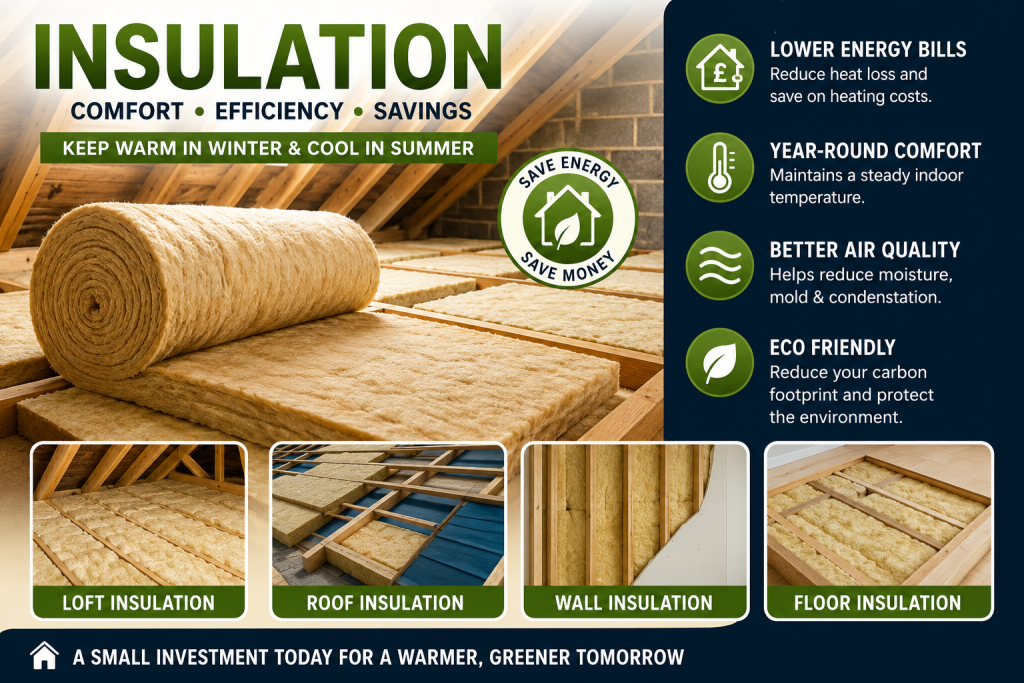
When these two systems work together, your home feels better all year. You enjoy cleaner air, lower energy bills, and less damp. In this guide, you will learn how INSULATION works, why it matters, and how it helps your ventilation system.
What Is INSULATION?
INSULATION is a material that slows the movement of heat. It is placed in walls, roofs, lofts, and floors. During winter, it keeps warm air inside. During summer, it helps keep hot air outside. Because of this, your home stays comfortable in every season.
Good INSULATION also helps lower noise. In addition, it makes your heating system work less. As a result, you can save money on energy bills.
How Does INSULATION Work with Ventilation?
Many people think a sealed home is always better. However, every home still needs fresh air. Therefore, INSULATION and ventilation should always work together.
Ventilation removes damp air, smoke, cooking smells, and indoor pollutants. At the same time, INSULATION keeps the heat inside your home. Because of this balance, your rooms stay warm without trapping moisture.
If your home has good ventilation but poor INSULATION, heat escapes very quickly. On the other hand, if your home has good INSULATION but poor ventilation, damp air can stay inside. Over time, this may cause mould and condensation. Therefore, both systems are important.
Why Loft Insulation Is Important
Heat always rises. Because of this, a lot of heat escapes through the roof. Studies show that an uninsulated loft can waste a large amount of heat. Therefore, loft insulation is one of the best home upgrades.
Adding good INSULATION to your loft helps keep more heat inside. As a result, your heating system does not need to work as hard. This can lower your energy bills.
Many people also choose roof insulation because it keeps their home warm in winter and cooler in summer. In addition, it helps improve energy efficiency.
Types of INSULATION
There are many types of INSULATION. Each one is made for a different part of your home.
Loft
Loft insulation sits between and over the ceiling joists. It is easy to install and gives excellent energy savings.
Roof
Roof insulation is fitted under or above the roof. It helps stop heat from escaping through the roof.
Thermal
Thermal insulation is any material that slows heat loss. It can be used in walls, roofs, lofts, and floors.
Attic
Many people call it attic insulation instead of loft insulation. Both names describe the same idea. They help keep heat inside your home.
Why Choose a Loft Insulation Roll?
A loft insulation roll is a popular choice. It comes in soft rolls that fit between timber joists.
Many homeowners like a loft insulation roll because it is easy to carry and easy to fit. In addition, many installers recommend it because it gives good thermal performance.
Another benefit is that loft roll insulation covers large areas with fewer gaps. As a result, it helps reduce heat loss even more.
Why Choose Knauf Loft Roll 44 – Combi Cut?
Many homeowners choose Knauf Loft Roll 44 – Combi Cut because it is easy to use and gives reliable results.
This knauf loft insulation is soft, light, and simple to cut. Therefore, it is quicker to install. It also offers strong thermal performance.
Many professionals also trust knauf insulation because it fits standard joist spaces. Whether you need insulation for loft projects or a full roof upgrade, this product is a reliable choice.
Benefits of Energy Saving Insulation
Energy saving insulation offers many benefits.
- Lowers heating bills.
- Keeps your home warm in winter.
- Keeps your home cooler in summer.
- Helps your ventilation system work well.
- Reduces heat loss.
- Lowers carbon emissions.
- Makes your home more comfortable.
- Helps reduce damp and condensation.
- Can increase property value.
Therefore, good INSULATION is a smart investment for every home.
Common Mistakes to Avoid
Some people press the insulation down too much. However, this reduces its performance.
Some people also cover air vents with INSULATION. As a result, fresh air cannot move freely. This may lead to damp and mould.
In addition, using the wrong thickness can reduce energy savings. Therefore, always follow the product instructions.
People Also Ask
Why is INSULATION important?
It keeps heat inside your home. It also helps lower energy bills and improves comfort all year.
Does loft insulation improve ventilation?
No. Loft insulation does not create airflow. However, it works with ventilation to keep your home healthy and dry.
Which insulation is best for lofts?
Many experts recommend Knauf Loft Roll 44 – Combi Cut because it is easy to install and gives excellent thermal performance.
How long does loft insulation last?
Most good loft insulation can last for 30 to 40 years or even longer if it is installed correctly.
Can insulation reduce energy bills?
Yes. Good energy saving keeps more heat inside your home. As a result, your heating system uses less energy.
How to Choose the Right Plastic Fittings Used for Pipe Inserts Screwfix: A Complete Guide
Introduction
When you start a plumbing project, choosing the right plastic fittings and pipe inserts is just as important as choosing the right pipe. Many people pay attention to the pipe itself. However, the fittings play a big role in creating a strong and leak-free system. They keep the pipe secure and help your plumbing last for many years.
Many DIY users and professional plumbers search for plastic fittings used for pipe inserts Screwfix because they want reliable parts that are easy to install. Before you buy any fittings, it is helpful to understand what pipe inserts do, why they are important, and how to choose the correct size.
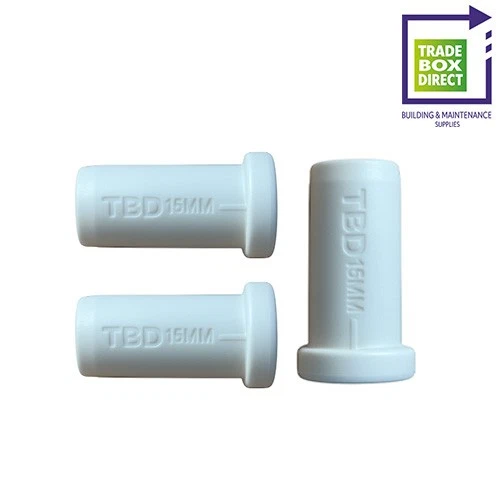
In this guide, you will learn about plastic pipe fittings, plumbing fittings, and plastic pipe insert products. You will also find out when to use a 22MM PIPE STIFFENER INSERT (22mm pipe stiffener insert) and a 15MM Pipe Stiffener Insert (15mm pipe insert). By the end of this guide, you will know which fittings are best for your plumbing project and why they matter.
What Are Plastic Fittings?
Plastic fittings are small connectors that join plastic pipes together. They create secure connections and help stop water leaks. Because they are light, durable, and resistant to rust, they are a popular choice for modern plumbing systems.
Most plastic pipe fittings are made from strong materials such as PVC, CPVC, polypropylene, or polyethylene. These materials can handle moisture and many household chemicals without corroding. As a result, they often last longer than some metal fittings in everyday plumbing applications.
There are many types of plumbing fittings, and each one has a different purpose. The most common types include:
- Elbows
- Tees
- Couplers
- Reducers
- End caps
- Straight connectors
- Compression fittings
- Push-fit fittings
Each fitting helps move water safely through the plumbing system. Choosing the right one makes installation easier and improves the overall performance of your pipework.
What Is a Plastic Pipe Insert?
A plastic pipe insert is a small part that fits inside a plastic pipe before it connects to a push-fit or compression fitting. Although it is a simple component, it plays an important role in keeping the connection strong.
Plastic pipes are naturally flexible. Without an insert, the pipe can lose its shape when pressure is applied. Over time, this may weaken the joint and increase the risk of leaks. A pipe insert supports the inside of the pipe and helps it stay firm.
For these reasons, most manufacturers recommend using a pipe insert whenever you install plastic pipework. It is a small addition, but it can make a big difference to the strength and reliability of the entire plumbing system.
Why Are Pipe Inserts So Important?
Many people think a plastic pipe insert is optional. However, it is an important part of most plastic plumbing systems. It gives the pipe extra support and helps create a stronger connection. As a result, the fitting performs better and lasts longer.
Here are the main reasons why pipe inserts matter.
Stronger Pipe Connections
A plastic pipe insert supports the inside of the pipe. This keeps the pipe firm when it fits into plastic pipe fittings. As a result, the connection stays secure, even when water pressure changes. A stronger joint also lowers the chance of leaks in the future.
Better Leak Protection
A pipe insert helps the fitting grip the pipe evenly. Because the pipe keeps its shape, the seal stays tight. This reduces the risk of water escaping from the joint. It also gives you more confidence that your plumbing system will work properly for years.
Longer-Lasting Plumbing System
Plastic pipes can move slightly over time. Without proper support, this movement may put extra stress on the fittings. A pipe insert helps reduce this movement and protects both the pipe and the fitting. As a result, your plumbing fittings last longer and need fewer repairs.
Improved Safety
Water pressure changes throughout the day. A well-supported pipe can handle these changes more easily. Therefore, using the correct pipe insert helps keep the whole plumbing system safe and reliable.
What Plastic Fittings Are Used for Pipe Inserts?
Many types of plastic fittings work with pipe inserts. Each fitting has a different purpose, so choosing the right one depends on your plumbing project.
Push-Fit Plastic Pipe Fittings
Push-fit plastic pipe fittings are one of the easiest options to install. Simply place the correct pipe insert inside the pipe and push the pipe into the fitting until it locks in place.
These fittings offer several benefits:
- Fast installation
- No glue or soldering required
- Easy to remove if needed
- Suitable for DIY and professional use
- Reliable and secure connections
Because they are simple to use, push-fit fittings are a popular choice for modern homes.
Compression Plastic Pipe Fittings
Compression plastic pipe fittings create a tight seal by using a compression nut. They work well with plastic pipes, especially when a plastic pipe insert is fitted inside the pipe first.
The insert stops the pipe from changing shape while the fitting is tightened. As a result, the joint becomes stronger and more reliable.
Straight Connectors
Straight connectors join two pieces of plastic pipe in a straight line. They are commonly used when extending pipework or repairing a damaged section.
For the best results, fit a pipe insert into both pipe ends before connecting them. This helps the fitting hold each pipe securely and creates a strong, leak-free joint.
Elbow Fittings
Elbow fittings change the direction of the pipe. They are available in different angles, with 90-degree and 45-degree elbows being the most common.
Since the pipe changes direction at the joint, good support is important. A plastic pipe insert helps keep the pipe stable and protects the connection from movement or damage.
Tee Fittings
Tee fittings split one water supply into two separate lines. They are often used in kitchens, bathrooms, and heating systems where water needs to flow in different directions.
Because several pipes meet at one fitting, extra support is essential. Pipe inserts strengthen every connection, helping the fitting stay secure while reducing the risk of leaks.
Understanding the 15MM Pipe Stiffener Insert
The 15MM Pipe Stiffener Insert (15mm pipe insert) is one of the most common pipe inserts used in UK homes. It fits inside 15mm plastic pipes and gives them the support they need before they are connected to push-fit or compression plastic pipe fittings.
Since 15mm pipes are widely used for everyday plumbing, this insert is a must-have for many installations. It helps the pipe keep its shape and creates a stronger connection inside the fitting. As a result, the joint is more secure and less likely to leak over time.
You will often find a 15MM Pipe Stiffener Insert in:
- Kitchen plumbing
- Bathroom pipework
- Toilet water supplies
- Washing machine connections
- Hot and cold water systems
- General household plumbing
Whether you are replacing a pipe or installing a new system, using the correct insert helps improve the performance and lifespan of your plumbing fittings.
Understanding the 22MM PIPE STIFFENER INSERT
The 22MM PIPE STIFFENER INSERT (22mm pipe stiffener insert) is designed for larger plastic pipes. These pipes usually carry more water, so they need extra support to handle higher flow rates and pressure.
Without the correct insert, a larger pipe may flex or lose its shape inside the fitting. This can weaken the connection over time. A 22mm pipe stiffener insert keeps the pipe stable and helps create a tight, reliable seal.
It is commonly used in:
- Main water supply lines
- Central heating systems
- Larger domestic plumbing projects
- Commercial plumbing installations
- Utility rooms and plant areas
Choosing the correct insert for larger pipes improves joint strength and helps the plumbing system work efficiently for many years.
How to Install a Plastic Pipe Insert
Installing a plastic pipe insert is quick and straightforward. If you follow the correct steps, you can create a strong and secure connection without much effort.
Step 1: Cut the Pipe
Use a good-quality pipe cutter to make a clean and straight cut. A smooth edge helps the fitting seal properly.
Step 2: Remove Any Rough Edges
Check the cut end of the pipe and remove any burrs or sharp edges. This prevents damage to the fitting and makes installation easier.
Step 3: Fit the Pipe Insert
Push the correct-sized plastic pipe insert fully into the pipe. Make sure it sits securely before moving to the next step.
Step 4: Connect the Fitting
Insert the prepared pipe into the plastic fitting until it reaches the stop inside the fitting. Always check that the pipe is fully inserted.
Step 5: Test the System
Turn the water supply back on and inspect every joint. If the inserts and plastic pipe fittings are installed correctly, the system should remain leak-free.
Common Mistakes to Avoid
Even simple plumbing jobs can go wrong if the correct steps are not followed. Fortunately, most mistakes are easy to avoid.
Using the Wrong Size Insert
Always match the insert to the pipe size. For example, use a 15MM Pipe Stiffener Insert (15mm pipe insert) with a 15mm pipe and a 22MM PIPE STIFFENER INSERT (22mm pipe stiffener insert) with a 22mm pipe. Using the wrong size can weaken the connection and lead to leaks.
Skipping the Pipe Insert
Some people install plastic pipe fittings without using a pipe insert. While the joint may seem secure at first, the pipe can lose its shape over time. This increases the risk of leaks and poor performance.
Making Uneven Pipe Cuts
A rough or angled cut can stop the fitting from sealing correctly. Always use the right cutting tool and make a clean, square cut before installation.
Mixing Incompatible Components
Not every plastic fitting works with every type of pipe. Before you begin, check that the pipe, fitting, and insert are all compatible. Following the manufacturer’s recommendations will help you build a safe and reliable plumbing system.
Benefits of Using Quality Plastic Pipe Fittings
Choosing high-quality plastic fittings is one of the best ways to build a reliable plumbing system. While cheaper products may save money at first, they often wear out more quickly. Good-quality fittings, on the other hand, provide better performance and help reduce future repair costs.
Here are some of the main benefits:
- Strong and leak-resistant connections
- Long-lasting performance
- Lightweight and easy to handle
- Resistant to rust and corrosion
- Quick and simple installation
- Low maintenance requirements
- Cost-effective for both DIY and professional projects
- Suitable for hot and cold water systems
Because of these advantages, plastic pipe fittings are now widely used in both new installations and plumbing repairs.
Where Are Plastic Fittings Commonly Used?
Today, plastic fittings are used in many different plumbing systems. Their strength, durability, and ease of installation make them suitable for both small and large projects.
You will commonly find them in:
- Homes and apartments
- Offices and commercial buildings
- Schools and hospitals
- Hotels and public facilities
- Kitchen and bathroom plumbing
- Central heating systems
- Garden irrigation systems
- Utility rooms
- Hot and cold water supplies
Since they do not rust like metal fittings, they perform well in a wide range of environments. They also require very little maintenance, making them a practical choice for everyday plumbing.
How to Choose the Right Plastic Fittings
Selecting the right plastic fittings is important if you want a plumbing system that performs well for years. Before buying any fittings, consider a few key factors.
Pipe Size
Always choose fittings that match the diameter of your pipe. Using the correct size creates a secure connection and helps prevent leaks.
Pipe Material
Different pipes are made from different materials. Therefore, make sure your plastic pipe fittings are compatible with the type of pipe you are using.
Water Pressure
Some plumbing systems operate under higher pressure than others. Choose fittings that are designed to handle the pressure in your system.
Hot or Cold Water
If the pipe will carry hot water, check that the fittings are suitable for higher temperatures. Not every fitting is designed for both hot and cold water applications.
Installation Method
Think about how you plan to install the system. Push-fit fittings are ideal for quick installations, while compression fittings are often preferred for certain plumbing applications.
Product Quality
Buying quality plumbing fittings from a trusted supplier is always a smart choice. Well-made fittings usually last longer and provide better performance over time.
Maintaining Plastic Plumbing Systems
One of the biggest advantages of plastic pipe fittings is that they need very little maintenance. However, regular inspections can help keep your plumbing system in excellent condition.
Here are a few simple maintenance tips:
- Check joints for signs of leaks.
- Replace damaged fittings as soon as possible.
- Avoid putting heavy pressure on exposed pipes.
- Protect outdoor pipes from accidental impacts.
- Inspect the system during routine home maintenance.
These small checks can help prevent larger problems and keep your plumbing working efficiently for many years.
Conclusion
Choosing the right plastic fittings and pipe inserts is an important part of any plumbing project. Although plastic pipes are flexible, they need proper support to create strong and reliable connections. That is why using the correct plastic pipe insert is essential.
Whether you are installing a new plumbing system or replacing old components, quality plastic pipe fittings and plumbing fittings can improve performance and reduce the risk of leaks. Using the correct 15MM Pipe Stiffener Insert (15mm pipe insert) or 22MM PIPE STIFFENER INSERT (22mm pipe stiffener insert) also helps keep every joint secure and long-lasting.
Before completing any installation, always follow the manufacturer’s instructions, choose compatible fittings, and test the system carefully. By taking these simple steps, you can build a plumbing system that is safe, efficient, and designed to last for years.
Frequently Asked Questions (FAQs)
1. What are plastic fittings used for in plumbing?
Plastic fittings are used to connect plastic pipes in water supply, heating, and drainage systems. They create secure joints while helping to prevent leaks and corrosion.
2. Do I need a plastic pipe insert for every installation?
In most push-fit systems and many compression systems, yes. A plastic pipe insert supports the inside of the pipe, strengthens the connection, and improves the seal.
3. What is the difference between a 15mm and a 22mm pipe insert?
A 15MM Pipe Stiffener Insert (15mm pipe insert) is designed for 15mm plastic pipes, which are common in household plumbing. A 22MM PIPE STIFFENER INSERT (22mm pipe stiffener insert) is made for larger 22mm pipes that carry a greater volume of water.
4. Can plastic pipe fittings be used for hot water systems?
Yes. Many plastic pipe fittings are suitable for both hot and cold water systems. However, you should always check the manufacturer’s temperature and pressure ratings before installation.
5. Are plastic fittings better than metal fittings?
Both options have their benefits. However, plastic fittings are lightweight, corrosion-resistant, easy to install, and often more affordable. For many modern plumbing systems, they are a practical and reliable choice.
Why Does the UK Government Offer Support for Solar Equipment?
Introduction
Many people in the UK want lower energy bills. They also want clean energy for their homes. Because of this, many people ask if the UK government helps people buy solar equipment.
The answer is yes. However, the support depends on your home and the type of system you install. While there are fewer cash grants today, there are still useful schemes. As a result, solar equipment is easier to afford than many people think.
Also, modern solar systems work better than older ones. They produce more power and last longer. Because of this, many homeowners save money for many years. Good solar equipment can also increase the value of your home. At the same time, it helps lower carbon emissions.
What Is Solar Equipment?
Solar equipment includes every part that helps make electricity from sunlight. It is more than just the solar panels on your roof. It also includes all the parts that help the system work safely and well.
Common solar equipment includes:
- Solar panels
- Inverters
- Batteries
- Mounting rails
- Safety switches
- Monitoring systems
- Cables and connectors
- Solar supplies
- Solar panel components
Each part has an important job. Together, they help the whole system work well. Therefore, choosing good-quality products is always a smart idea.
Does the UK Government Help With Solar Equipment?
Yes. The UK government still supports solar equipment in several ways. Although direct grants are now limited, other support is still available.
For example, the Smart Export Guarantee (SEG) lets homeowners sell extra electricity back to the grid. As a result, you can earn money from the power you do not use.
Also, many solar systems qualify for lower VAT. This helps reduce the total cost. Because of this, buying solar equipment is often more affordable.
In addition, some local councils offer energy-saving schemes. These programs change from place to place. Therefore, it is a good idea to check what support is available before you buy solar equipment.
Why Is Good Solar Equipment Important?
Many people look only at the price. However, quality is just as important.
Good solar supplies lasts longer. It also works better in poor weather. As a result, you get more value from your system.
Cheap products may wear out sooner. They may also need more repairs. Therefore, paying a little more at the start can save money later.
High-quality solar supplies and strong solar panel components also help the system run safely for many years.
Do Small Solar Parts Matter?
Yes. Small parts are very important.
Many homeowners think only about the panels. However, the smaller parts also protect your system every day.
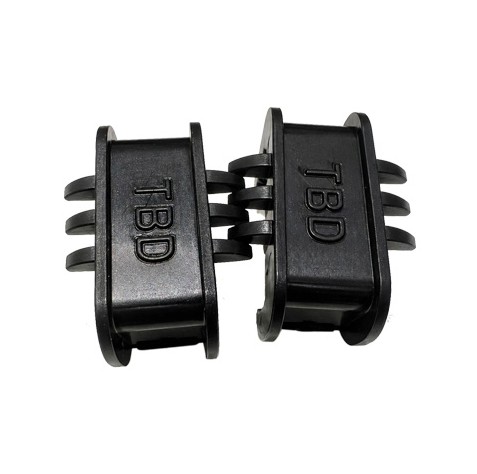
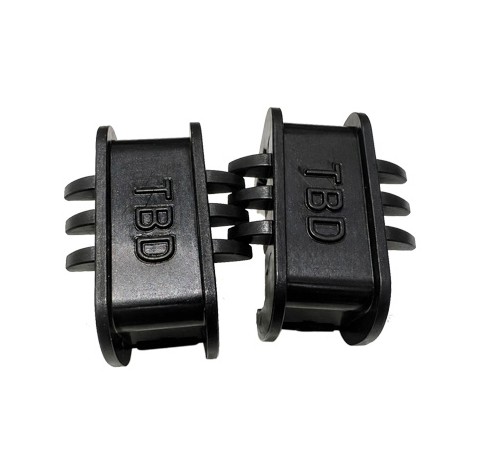
A good example is the TradeBoxDirect Solar Panels Bird Proofing Mesh Speed Clips – 30mm Black. These clips hold bird mesh around the edge of the solar panels.
Birds often build nests under panels. As a result, dirt, feathers, and leaves collect there. This blocks airflow and may damage cables over time.
Because of this, many installers recommend bird proofing for solar panels.
Why Use Bird Mesh for Solar Panels?
Bird mesh for solar panels stops birds from getting under the panels. It forms a strong barrier around the edges.
As a result, birds cannot build nests. Your panels stay cleaner and work better.
Benefits include:
- Better airflow
- Cleaner panels
- Less cable damage
- Lower cleaning costs
- Longer system life
Therefore, bird proofing for solar panels is a smart way to protect your investment.
What Are Solar Panel Mesh Clips?
Solar panel mesh clips hold the bird mesh in place.
Unlike screws or drilling, these clips do not damage the panel frame. They are quick to fit and easy to use.
The TradeBoxDirect Solar Panels Bird Proofing Mesh Speed Clips – 30mm Black are made for fast installation. They hold the mesh firmly while protecting your panels.
Although they are small, these clips help protect costly solar equipment for many years.
How Can You Choose the Best Solar Equipment?
Buying solar equipment is easier when you follow a few simple tips.
First, buy from a trusted supplier.
Next, compare product warranties.
Also, check the efficiency of each product.
Then, choose high-quality solar supplies and reliable solar panel components.
Finally, protect your system with bird mesh for solar panels and strong solar panel mesh clips.
These simple steps help your system last longer. They also reduce future repair costs.
Is Solar Equipment Worth Buying in the UK?
Yes. For many homes, solar equipment is a smart investment.
The UK may have cloudy days. Even so, modern solar panels still produce electricity from daylight.
Also, energy prices remain high. Because of this, making your own power helps lower monthly bills.
When you combine government support with export payments and lower VAT, solar equipment becomes even more valuable.
If you look after your system and use quality accessories, it can work well for over twenty years.
People Also Ask
Does the UK government still support solar equipment?
Yes. Homeowners can still use the Smart Export Guarantee. They may also benefit from lower VAT and some local energy schemes.
What is included in solar equipment?
Solar equipment includes solar panels, inverters, batteries, mounting rails, wiring, safety devices, solar supplies, and solar panel components.
Why is bird proofing for solar panels important?
Bird proofing keeps birds away from the space under the panels. As a result, it helps protect cables, improves airflow, and reduces cleaning work.
What are solar panel mesh clips used for?
Solar panel mesh clips hold bird mesh around the panels. They keep the mesh secure without damaging the panel frame.
Are solar supplies important?
Yes. Good solar supplies help the whole system work safely. They also improve performance and increase the life of the system.
Conclusion
The UK government still offers useful support for solar equipment. While direct grants are not common today, export payments and lower VAT still help many homeowners save money.
Good solar supplies and strong solar panel components also improve the system. At the same time, bird mesh for solar panels and reliable solar panel mesh clips protect your investment.
Finally, the TradeBoxDirect Solar Panels Bird Proofing Mesh Speed Clips – 30mm Black help keep panels clean and safe. When you choose quality products and use the support available, solar equipment becomes a smart choice for lower bills and a cleaner future.
How Does Solar Power Work and What Equipment Is Required for a Solar Power System?
Introduction
Solar equipment is one of the easiest and cleanest ways to make electricity. Every year, more people choose solar energy because it helps lower electricity bills and reduces the use of fossil fuels. As energy prices continue to rise, many homeowners and businesses want to know how solar power works and what they need to install a reliable system.
The good news is that a solar power system is easy to understand. It is made up of several parts that work together. While solar panels are the most visible part, they cannot work alone. Every piece of solar equipment has an important job. Together, these parts collect sunlight, turn it into electricity, and deliver safe power to your home.
Moreover, choosing high-quality solar equipment helps your system produce more electricity, last longer, and need less maintenance. As a result, you get better value from your investment.
In this guide, you will learn how solar power works, what equipment is required, and why small items such as solar supplies, solar panel components, and bird protection products are just as important as the solar panels themselves.
How Does a Solar Power System Work?
A solar power system works by turning sunlight into electricity that your home can use.
First, the solar panels collect sunlight. Inside each panel are small solar cells that change sunlight into direct current (DC) electricity.
However, most homes use alternating current (AC) electricity. Therefore, the electricity moves to a solar inverter. The inverter changes DC power into AC power so your lights, TV, fridge, washing machine, and other appliances can use it.
After that, the electricity is used in your home. If your system makes more electricity than you need, the extra power can charge a battery or be sent to the national grid if your system supports it.
Although this process is simple, every part of the system must work together. That is why choosing reliable solar equipment is so important.
1. Solar Panels
Solar panels are the main part of every solar power system.
Their job is to capture sunlight and turn it into electricity. Without solar panels, the system cannot produce energy.
Today’s solar panels are much better than older models. They produce more electricity, even on cloudy days, and they usually last for 25 years or more.
When choosing solar panels, look for:
- High efficiency
- Good power output
- Long warranty
- Strong weather protection
- Trusted manufacturer
Although good panels may cost more at first, they usually save more money over time.
2. Solar Inverter
The solar inverter is often called the “brain” of the system.
Solar panels produce DC electricity. However, your home needs AC electricity. Therefore, the inverter changes one type of electricity into the other.
There are different types of inverters, including:
- String inverters
- Microinverters
- Hybrid inverters
Hybrid inverters are becoming more popular because they also work with battery storage.
Without an inverter, your solar panels cannot power your home.
3. Solar Mounting System
Solar panels must stay firmly attached to your roof or another strong surface.
This is the job of the mounting system.
It keeps the panels at the correct angle so they receive as much sunlight as possible.
In addition, a strong mounting system protects the panels during heavy rain, strong winds, and snow.
Although many people focus only on the panels, the mounting system is one of the most important solar panel components.
4. Solar Battery Storage
Many homeowners now choose to add a solar battery.
A battery stores extra electricity that your solar panels produce during the day.
Later, you can use this stored electricity:
- At night
- On cloudy days
- During power cuts (with the right system)
As a result, you buy less electricity from the grid.
Although batteries increase the starting cost, they often provide greater savings over time.
5. Charge Controller
If your system includes batteries, you will usually need a charge controller.
This small device controls how much electricity flows into the battery.
Without it, the battery could become overcharged or discharge too much.
Because of this, the battery may wear out much faster.
Therefore, a charge controller helps protect one of the most expensive parts of your solar equipment.
6. Solar Cables and Connectors
Every part of the solar system must be connected safely.
This is why solar cables and connectors are so important.
They carry electricity between:
- Solar panels
- Inverter
- Battery
- Distribution board
Since they are used outside, these cables are designed to resist sunlight, rain, heat, and cold weather.
Good-quality cables improve both safety and efficiency.
7. Solar Monitoring System
Modern solar systems often include a monitoring system.
This lets you see how well your system is working.
For example, you can check:
- Daily electricity production
- Monthly energy savings
- Battery level
- System performance
- Fault warnings
Many systems also include a mobile app.
As a result, you can spot small problems before they become expensive repairs.
8. Safety Equipment
Safety is one of the most important parts of every solar installation.
A complete system usually includes:
- DC isolator switches
- AC isolator switches
- Circuit breakers
- Surge protection
- Earthing system
These parts help protect your home, your family, and your solar equipment.
They also help your installation meet UK safety standards.
9. Solar Supplies
Many people only think about solar panels and batteries.
However, small solar supplies are just as important.
These include:
- Roof hooks
- Mounting rails
- End clamps
- Mid clamps
- Cable clips
- Junction boxes
- Waterproof connectors
- Fasteners
Although these items are small, they hold the entire system together.
As a result, they improve safety, increase reliability, and reduce future maintenance.
10. Solar Panel Components
Every solar system contains many different solar panel components.
These include:
- Solar cells
- Glass cover
- Aluminium frame
- Junction box
- Connectors
- Mounting brackets
- Rails
- Fasteners
Each part has an important job.
If even one component is poor quality, the whole system may not work as well.
Therefore, choosing strong and reliable components is always a smart decision.
Why Bird Protection Is Important
Many people are surprised to learn that birds often build nests under solar panels.
Although this may seem harmless, it can cause several problems.
For example, birds can:
- Damage electrical cables
- Block airflow
- Leave droppings
- Create unpleasant smells
- Increase fire risks
- Reduce solar panel efficiency
Therefore, bird protection is now considered an important part of modern solar equipment.
Bird Mesh for Solar Panels
One of the easiest ways to protect your system is by using bird mesh for solar panels.
The mesh fits around the edge of the solar panels.
As a result, birds cannot get underneath the panels to build nests.
Unlike harmful methods, bird mesh does not hurt birds.
Instead, it simply keeps them away from the space under the panels.
Because of this, many installers now fit bird mesh during the first installation.
Doing this early is much easier than removing nests later.
Bird Proofing for Solar Panels
Good bird proofing for solar panels helps keep your whole system safe.
It helps prevent:
- Bird nests
- Cable damage
- Dirt build-up
- Poor airflow
- Costly repairs
In addition, better airflow helps the panels stay cooler.
Cooler panels often produce electricity more efficiently.
Therefore, bird proofing protects both your solar panels and your investment.
TradeBoxDirect Solar Panels Bird Proofing Mesh Speed Clips – 30mm Black
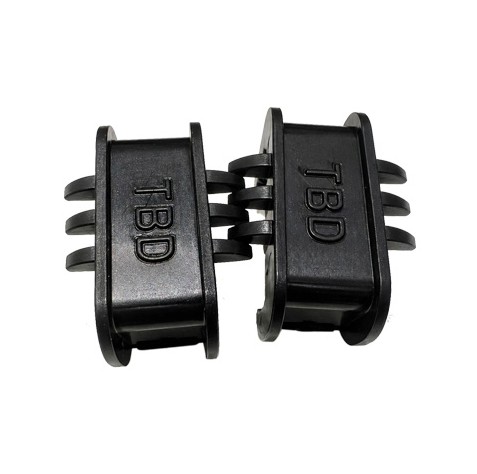
A popular solution for securing bird mesh is the TradeBoxDirect Solar Panels Bird Proofing Mesh Speed Clips – 30mm Black.
These clips hold the mesh tightly around the solar panels without drilling into the frame.
Some of the main benefits include:
- Quick installation
- Strong and secure grip
- Weather-resistant design
- Professional finish
- No damage to the solar panel frame
When these clips are used with quality bird mesh, they create effective bird proofing for solar panels and help protect your system for many years.
Why Quality Solar Devices Matters
It can be tempting to buy the cheapest products.
However, low-quality solar equipment often causes problems later.
For example, poor equipment may lead to:
- Lower energy production
- More repairs
- Shorter system life
- Higher maintenance costs
- Safety risks
On the other hand, high-quality equipment works better, lasts longer, and gives you greater peace of mind.
Therefore, spending a little more at the beginning often saves much more money in the future.
How to Choose the Right Solar solutions
Before buying a solar system, think about your needs.
Ask yourself these questions:
- How much electricity do I use?
- How large is my roof?
- What is my budget?
- Do I want a battery in the future?
- Does the equipment have a good warranty?
- Is the installer experienced?
In addition, compare different brands before making your final choice.
Taking a little extra time now can help you avoid expensive mistakes later.
Common Mistakes to Avoid
Many first-time buyers make simple mistakes.
Fortunately, they are easy to avoid.
Common mistakes include:
- Buying the cheapest equipment
- Ignoring product warranties
- Forgetting bird protection
- Choosing weak mounting systems
- Skipping regular maintenance
- Using poor-quality solar supplies
By planning carefully and choosing quality products, you can enjoy better performance for many years.
Conclusion
Solar power is a smart and reliable way to produce clean electricity. Although solar panels receive most of the attention, they are only one part of the system. Every piece of solar equipment plays an important role. The inverter changes the electricity, the battery stores extra power, the mounting system keeps everything secure, and the cables safely carry electricity throughout the system.
At the same time, solar supplies and solar panel components should never be overlooked. Even small parts help improve safety, increase efficiency, and make the whole system last longer.
Finally, protecting your investment is just as important as installing it. Using bird mesh for solar panels, effective bird proofing for solar panels, and products like the TradeBoxDirect Solar Panels Bird Proofing Mesh Speed Clips – 30mm Black can help stop birds from nesting under your panels. As a result, your system stays cleaner, safer, and more efficient.
When you choose high-quality solar equipment and maintain it properly, you can enjoy lower energy bills, reliable performance, and clean electricity for many years.
Frequently Asked Questions (FAQs)
1. What devices needed for a solar power system?
A complete solar power system usually includes solar panels, a solar inverter, mounting brackets, cables, safety switches, optional battery storage, monitoring equipment, and other important solar panel components and solar supplies.
2. Do I need a battery for my solar system?
No. Your solar system can work without a battery. However, a battery stores extra electricity so you can use it later, especially at night or during a power cut if your system supports backup power.
3. Why is a solar inverter important?
A solar inverter changes the DC electricity made by solar panels into AC electricity that your home appliances can use. Without an inverter, the electricity cannot power your home.
4. What are solar supplies?
Solar supplies include important installation items such as rails, clamps, roof hooks, connectors, cables, fasteners, junction boxes, and other accessories that keep the solar system safe and secure.
5. Why do solar panels need bird protection?
Birds often build nests under solar panels. This can damage cables, block airflow, create noise, and reduce system performance. Therefore, bird proofing for solar panels and bird mesh for solar panels help keep the system clean, safe, and working efficiently.
How Can I Add a Battery to My Existing Solar Equipment?
Introduction
Many homes in the UK already use solar equipment to make clean electricity. Solar panels collect energy from the sun and turn it into power for your home. As a result, you buy less electricity from the national grid. This helps lower your monthly energy bills.
Solar power is also good for the environment. It reduces carbon emissions and gives you a cleaner way to power your home.
After using solar panels for a while, many homeowners ask an important question.
Can I add a battery to my existing equipment?
The simple answer is yes.
In most cases, you can add a battery without replacing your solar panels. This makes it easy to improve your system without starting from scratch.
Today, more people are adding batteries because electricity prices in the UK keep rising. A battery lets you store extra solar energy and use it later. This means you rely less on the national grid.
At the same time, it is important to use good-quality solar supplies and reliable solar panel components. These parts help your system work safely and last longer.
Why Do Many People Add a Battery Later?
Many homeowners install solar panels first. Then, they add a battery a few years later.
This is now very common across the UK.
There are several reasons for this.
Battery Prices Are Lower Than Before
A few years ago, solar batteries were very expensive. Because of this, many people decided to wait.
Today, things are different.
Battery technology has improved. More companies now make batteries, and prices have become more affordable.
As a result, many homeowners can now add a battery without spending as much money.
Electricity Costs Keep Going Up
Energy bills have increased across the UK.
Because of this, many people want to use more of the electricity they make themselves.
A battery helps you do exactly that.
During the day, your solar panels often make more electricity than your home needs.
Instead of sending that extra electricity to the grid, the battery stores it.
Later, you can use that stored energy in the evening when your solar panels stop making electricity.
This helps you buy less electricity from your supplier.
Modern Batteries Work Better
Today’s batteries are much better than older ones.
They charge faster.
It can store more energy.
Last longer.
They are safer to use.
Many batteries also come with a mobile app. This lets you see how much electricity your battery stores and uses each day.
Because of these improvements, more homeowners are choosing battery storag
You Can Use More of Your Own Electricity
Many people like being less dependent on their energy company.
A battery helps you use more of the electricity your own solar panels make.
As a result, you buy less power from the grid.
This gives you more control over your energy bills.
How Does a Solar Battery Work?
A solar battery is easy to understand.
It stores the extra electricity your solar panels make during the day.
You can then use that electricity later.
Without a battery, your solar system works like this:
- Your solar panels make electricity.
- Your home uses the electricity it needs.
- Any extra electricity goes back to the national grid.
This system still saves money.
However, some of the electricity you make leaves your home before you can use it.
A battery changes this.
Now the process looks like this:
- Your solar panels make electricity.
- Your home uses the power it needs first.
- The battery stores the extra electricity.
- In the evening, your home uses the stored electricity.
Because of this, you use more of the energy you produce yourself.
As a result, your solar equipment works even better.
A Simple Example
Imagine it is a sunny afternoon.
Your solar panels are making plenty of electricity.
At the same time, everyone is at work or school.
So, your home is using very little electricity.
Without a battery, the extra electricity goes back to the national grid.
Now imagine your home has a battery.
Instead of sending the extra electricity away, the battery stores it.
Later, when everyone comes home, the battery powers your lights, television, washing machine, and other appliances.
This means you buy much less electricity from your energy supplier.
Over time, this can save you a lot of money.
Why Does a Battery Make Your Solar devices Better?
Solar panels only make electricity when the sun is shining.
They stop making power after sunset.
A battery solves this problem.
It stores electricity during the day.
Then, it gives that electricity back to your home at night.
Because of this, more of your solar energy stays in your home instead of going to the grid.
As a result, your solar equipment becomes more useful every day.
Why Are Good Solar Supplies Important?
Adding a battery is the perfect time to check your whole solar system.
Even if your solar panels still work well, some small parts may become worn after several years.
Your installer may check:
- Electrical cables
- Connectors
- Safety switches
- Mounting rails
- Monitoring equipment
- Protective covers
These solar panel components help your system work safely and efficiently.
Using high-quality solar supplies also helps reduce future problems.
As a result, your solar system can keep working well for many years.
Conclusion
Adding a battery to your existing solar equipment is a smart way to get more from your solar system. It lets you store extra electricity made during the day and use it later when you need it most.
While upgrading your system, it is also worth protecting your solar panels from birds. Installing bird mesh for solar panels with TradeBoxDirect Solar Panels Bird Proofing Mesh Speed Clips – 30mm Black helps stop birds from nesting under the panels. Good-quality solar panel mesh clips keep the mesh secure and protect your system from damage.
In the end, adding a battery is a simple upgrade that can help you save money, use more clean energy, and make your solar system work better for years to come.
Frequently Asked Questions
1. Can I add a battery to my existing Solar devices?
Yes. Most homes can add a battery to their existing solar equipment. A qualified installer will check your system to make sure the battery is suitable for your setup.
2. Do I need to replace my solar panels?
No. In most cases, you can keep your current solar panels. The battery is added to your existing system, so there is usually no need to replace the panels.
3. Will a battery help lower my electricity bills?
Yes. A battery stores extra electricity made by your solar panels during the day. You can use this stored power in the evening, so you buy less electricity from the grid.
4. How long does a solar battery last?
Most modern solar batteries last between 10 and 15 years. The exact lifespan depends on the battery quality, how often you use it, and how well it is maintained.
5. Do I need a new inverter to add a battery?
Not always. Many battery systems work with your current inverter. However, some older solar systems may need a new or additional inverter. Your installer will advise you on the best option.
Why Solar Equipment Is Best for UK Homes
Introduction
Choosing the right solar equipment for a UK home is not only about cutting electricity bills. It is also about picking the right parts that work well in cloudy weather, last for years, and fit your roof and daily energy use. In the UK, the best setup usually combines efficient panels, a good inverter, and useful protection items like bird proofing, because British homes often need a system that performs well in low light and stays low-maintenance.
Why the right setup matters
A solar equipment system is only as good as the parts inside it. If one part is weak, the whole system can lose value over time. That is why many UK buying guides focus on panel efficiency, low-light performance, warranties, and long-term reliability rather than just price.
For a home, the best choice is usually not the biggest system. Instead, it is the system that matches your roof space, your energy use, and the amount of sunlight your home can realistically get during the year. This is especially important in the UK, where overcast days are common and panels need to work well even when the weather is dull.
Best equipment for homes
The core solar panel components for a home are solar panels, an inverter, mounting gear, wiring, and often a battery if you want to store extra power. These parts work together, so it helps to think of them as one system rather than separate products.
For many UK homes, high-efficiency panels are the smart starting point because they make better use of limited roof space. Good panels are often chosen for their strong output, reliable performance in cooler conditions, and solid warranties, while the inverter is picked for stable conversion of solar power into usable home electricity.
What to look for
- High efficiency, so you get more power from the same roof area.
- Strong low-light performance, because UK weather is often cloudy.
- Long warranty support, because solar equipment is a long-term purchase.
- Good compatibility with batteries, if you plan to store energy later.
- Trusted installer support, so the system is safe and properly set up.
Solar supplies that help
Good solar supplies are not limited to the main panels. Small add-ons can make a big difference in how well the system works over time. For example, cable protection, mounting parts, and roof-safe fixings help the system stay secure and tidy, while bird control products help prevent nesting under panels.
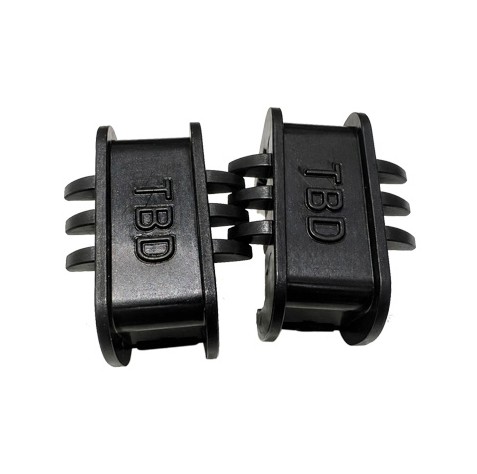
One useful product type for homeowners is TradeBoxDirect Solar Panels Bird Proofing Mesh Speed Clips – 30mm Black. These clips are designed to secure mesh around the panel edge, which helps protect the area under the panels from birds and related debris buildup. In practical terms, that means less mess, fewer pests, and less chance of damage to the space below the array.
Bird proofing for panels
If you live in the UK, bird proofing for solar panels is worth serious attention. Birds often try to nest under panels because the space is sheltered and warm. That can lead to noise, dirt, blocked airflow, and possible damage over time, so prevention is better than repair.
A common solution is bird mesh for solar panels, which creates a barrier around the panel edge without stopping sunlight from reaching the roof system. When installed well, it blends into the setup and helps keep the system cleaner for longer. In many homes, this is one of the most practical add-ons after the main solar equipment installation.
Why mesh clips matter
The right fastening method is just as important as the mesh itself. Solar panel mesh clips hold the mesh in place securely, which helps the barrier stay effective in wind and rain. Products like TradeBoxDirect Solar Panels Bird Proofing Mesh Speed Clips – 30mm Black are useful because they support a neat finish and make the installation easier to manage.
How to choose wisely
The best solar equipment for a UK home depends on your goals. If you want lower bills, focus on efficient panels and a reliable inverter. If you want long-term peace of mind, pay close attention to warranties, installer quality, and protection items like bird mesh.
It also helps to compare value, not just price. A cheaper system may look attractive at first, but if it performs poorly in low light or needs more upkeep, it can cost more over time. That is why many expert guides point to quality, durability, and real-world performance as the most important factors for homeowners.
Simple buying checklist
Before buying, make sure the system answers these questions:
- Does it suit your roof size and angle?
- Will it work well in cloudy or shaded conditions?
- Are the warranties clear and long enough?
- Can it support battery storage if you want it later?
- Does it include the right protect, such as bird proofing for solar panels?
If the answer is yes to most of these, you are probably looking at a strong setup for a UK home.
FAQs
Which solar equipment is best for UK homes?
The best setup usually includes efficient panels, a reliable inverter, and the right safety and protection items for long-term use.
Are solar panels worth it in the UK?
Yes, for many homes they can be worthwhile, especially when the system is well matched to the roof and chosen for strong low-light performance.
Why use bird mesh for solar panels?
Bird mesh for solar panels helps block birds from nesting under the system, which can reduce mess, noise, and maintenance issues.
What do solar panel mesh clips do?
Solar panel mesh clips hold the bird mesh tightly around the panels so the barrier stays secure and neat over time.
What are solar panel components?
The main solar panel components include panels, inverter, mounting gear, wiring, and sometimes batteries or protective accessories.
Closing thoughts
For most UK homes, the best choice is a well-built system that balances efficiency, durability, and easy upkeep. The smartest buyers also look beyond the panels and include useful solar supplies like mesh, clips, and other protection parts so the system stays productive for years.
How Does the 3 Degree Rule of Ventilation Improve Airflow and Indoor Comfort?
Good Ventilation is essential for every home. Fresh air keeps your living space healthy, comfortable, and pleasant. While many people focus on heating or cooling, they often forget about airflow. However, without proper ventilation, stale air can build up inside your home.
Introduction
Fortunately, there are simple ways to improve indoor airflow. One helpful method is the 3 degree rule of Ventilation. Although it is a simple guideline, it helps fresh air move through a building without causing large temperature changes. Instead of letting cold air rush inside, it encourages a steady flow of fresh air. Therefore, your home stays comfortable while unwanted moisture leaves the building.
Today, many homes use products such as trickle vents, window vents, air vents, and air bricks to improve airflow. These products allow fresh air to enter little by little throughout the day. As a result, they help control humidity, reduce condensation, and improve indoor air quality. At the same time, they help keep your home warm and energy efficient.
Modern ventilation products also make this process much easier. For example, the 5000 AirFlow UPVC Trickle Vent for Windows & Doors | White, Vent Axia – Double Louvred Airbrick Terracotta – 220x90mm, and Trickle Slot Vents Window Ventilation Real PVC Plastic 300mm 400mm are designed to provide steady airflow. Therefore, they help create a healthier home without making rooms feel cold or drafty.
What Is the 3 Degree Rule of Ventilation?
The 3 degree rule of Ventilation is a simple guideline that helps improve indoor airflow. In basic terms, it suggests keeping the difference between indoor air and fresh outdoor air as small as possible, usually around 3°C.
This gentle airflow also helps reduce common household problems. For example, it lowers humidity, helps prevent condensation, and reduces the risk of mould growth. Furthermore, it improves the quality of the air you breathe every day. That is why good Ventilation is important in every season, not only during winter.
Many homeowners achieve this steady airflow by installing upvc trickle vents, window trickle vents, trickle vents for windows, and trickle vents for doors. These vents allow a small amount of fresh air to enter all day long. Therefore, you do not need to leave your windows wide open to keep your home fresh.
Why Does the 3 Degree Rule Matter?
Balanced Ventilation also protects your home from moisture damage. However, when fresh air moves through your home regularly, excess moisture can escape before it causes problems. Therefore, many homeowners install window air vents, house window vents, air vent cover systems, and quality vent covers to maintain healthy airflow.
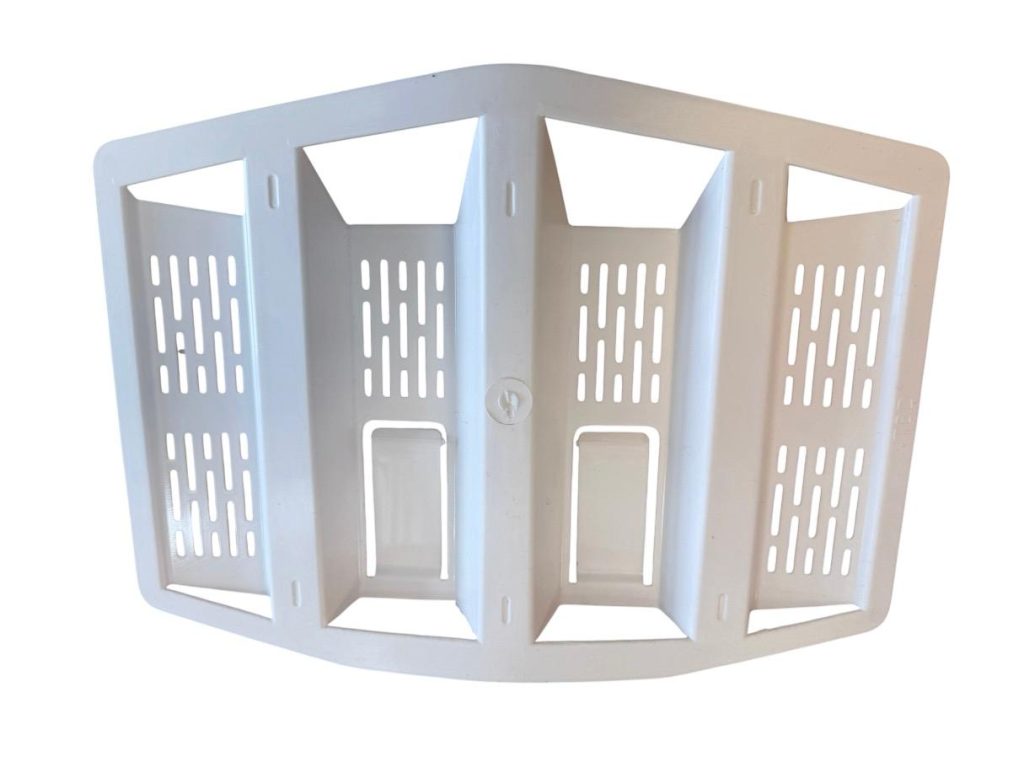
In addition, ventilation grilles and ventilation grille systems help air move between rooms and through outside walls. Products such as the Louvred Air Vent Cover with Fixed Flyscreen Fly Mesh, Plastic Ventilation Grille also stop insects and leaves from entering while still allowing fresh air to pass through. As a result, your ventilation system works better throughout the year.
Likewise, air bricks play an important role in many homes. A good air brick vent or ventilation air brick allows air to move beneath suspended floors and inside wall cavities. This airflow helps keep timber dry and reduces the chance of damp or rot. Many homeowners choose a terracotta airbrick, such as the Vent Axia – Double Louvred Airbrick Terracotta – 220x90mm, because it offers reliable airflow and a traditional appearance.
In the end, the 3 degree rule is all about balance. It helps fresh air enter your home without creating sudden temperature changes. When you combine this approach with the right window vents, air vents, trickle vents, and air bricks, you can enjoy cleaner air, lower humidity, and a more comfortable home throughout the year.
Where Is the 3 Degree Rule of Ventilation Used?
The 3 degree rule of Ventilation can help improve airflow in many types of buildings. While it is often linked with modern homes, the same idea works well in older properties too. The goal is always the same.
Many builders use this guideline when planning window ventilation. Instead of depending on open windows, they install window vents and window air vents. These vents let in a steady flow of fresh air throughout the day.
Older homes can benefit even more from better ventilation. Many older buildings were built before modern insulation standards. Because of this, they often suffer from damp walls, mould, and stale air. Fortunately, adding trickle vents for windows, upvc trickle vents, window trickle vents, or trickle vents for doors can improve airflow without major building work. These simple upgrades help fresh air move through the home every day.
Installing an air brick vent or ventilation air brick allows fresh air to circulate beneath the floor. Many homeowners also choose a terracotta airbrick because it offers reliable performance and matches traditional brickwork.
Benefits of Following the 3 Degree Rule
Following the 3 degree rule may seem like a small change. However, it can make a big difference to your home. Better airflow improves comfort, protects your property, and creates healthier indoor air. Here are some of the biggest benefits.
Better Indoor Air Quality
As a result, dust, cooking smells, moisture, and indoor pollutants do not build up as quickly. Therefore, every room feels cleaner and fresher. Good Ventilation also creates a healthier space for your whole family.
Less Condensation and Mould
Condensation forms when warm, damp air touches cold surfaces. However, steady airflow removes excess moisture before this happens. As a result, windows stay clearer, walls stay drier, and mould has less chance to grow. This also helps protect your paint, wallpaper, and furniture.
Improved Energy Efficiency
Many people believe ventilation always wastes heat. However, that is not true when airflow is controlled. Products such as window trickle vents let in small amounts of fresh air instead of large bursts.
Greater Comfort Every Day
Rooms often feel uncomfortable when air becomes stale or humid. By following the 3 degree rule, fresh air moves through the home more evenly. As a result, rooms feel fresher without becoming too cold. This creates a more pleasant living space in every season.
Longer Building Life
Too much moisture can slowly damage timber, plaster, insulation, ceilings, and window frames. Fortunately, good Ventilation removes excess humidity before serious damage begins. Therefore, regular airflow helps protect your home and may reduce future repair costs.
Common Ventilation Mistakes to Avoid
One common mistake is closing or blocking trickle vents during cold weather. Many people think this keeps their home warmer. However, it also traps moisture inside. As a result, condensation and mould become more likely. It is usually better to leave trickle vents open so fresh air can continue to circulate.
Another mistake is forgetting to clean window vents, air vent covers, and ventilation grilles. Over time, dust, cobwebs, leaves, and dirt can block these openings. Consequently, less fresh air enters your home. Cleaning them every few months helps your ventilation system work much better.
Some homeowners also block their air bricks without realising it. Soil, plants, paving, or stored items can cover an air brick vent. When this happens, airflow beneath suspended floors becomes limited. As a result, damp air stays trapped under the building, which may lead to timber decay. Therefore, checking every ventilation air brick at least once or twice a year is a good habit.
Maintenance Tips for a Healthy Ventilation System
Start by checking your trickle vents every few months. Dust and dirt can collect inside the vents over time. As a result, fresh air cannot flow as easily. Use a soft cloth or a vacuum cleaner with a brush attachment to remove any dirt. This simple task helps your vents work properly.
Next, inspect your window vents, window air vents, and house window vents. Make sure they open and close without any problems. If they are blocked or damaged, clean or replace them as soon as possible. Otherwise, poor airflow may lead to stale air and condensation.
You should also clean your vent covers, air vent cover, ventilation grille, and ventilation grilles. Leaves, dust, cobwebs, and insects often collect around these openings. Therefore, cleaning them every few months helps air move freely through your home.
Do not forget your air bricks. Check every air brick vent and ventilation air brick around your property. Remove soil, plants, or other objects that block the openings. Good airflow beneath suspended floors helps prevent damp, mould, and timber decay. As a result, your home stays healthier and your building materials last longer.
How Can You Tell If Your Home Has Poor Ventilation?
Many people do not notice poor Ventilation until problems become obvious. However, your home often gives clear warning signs long before serious damage appears. Knowing these signs can help you fix the problem early.
Another common sign is mould or mildew. You may notice black spots around windows, bathrooms, kitchens, or ceilings. This usually happens because damp air stays trapped inside the house. As a result, mould has the perfect place to grow.
Fortunately, these problems are often easy to improve. Installing trickle vents for windows, trickle vents for doors, upvc trickle vents, window trickle vents, window vents, air vents, and air bricks helps fresh air move through your home every day. When these products are used together with the 3 degree rule, they create a healthier, cleaner, and more comfortable living space.
Conclusion
The 3 degree rule of Ventilation is a simple way to improve airflow and indoor comfort. While it may seem like a small change, it can make a big difference. Steady airflow helps remove stale air, reduce excess moisture, and improve indoor air quality. As a result, your home becomes healthier and more comfortable throughout the year.
The right ventilation products make this process even easier. Products such as the 5000 AirFlow UPVC Trickle Vent for Windows & Doors | White, Trickle Slot Vents Window Ventilation Real PVC Plastic 300mm 400mm, Vent Axia – Double Louvred Airbrick Terracotta – 220x90mm, and the Louvred Air Vent Cover with Fixed Flyscreen Fly Mesh, Plastic Ventilation Grille all support continuous airflow. They also help reduce condensation while improving everyday comfort.
Whether you live in a new house or an older property, good Ventilation is always important. Installing quality trickle vents, window vents, air vents, air bricks, and other ventilation products can improve air quality, protect your home, and reduce moisture problems. Most importantly, they help create a cleaner and healthier place for you and your family.
Frequently Asked Questions (FAQs)
1. What is the 3 degree rule of Ventilation?
The 3 degree rule is a simple guideline that helps improve airflow. It suggests keeping the temperature difference between fresh outdoor air and indoor air small, usually around 3°C. As a result, fresh air enters more gently, and condensation is less likely.
2. Why is Ventilation important in a home?
Good Ventilation removes stale air, moisture, dust, and indoor pollutants. It also helps prevent mould, reduces condensation, and improves indoor air quality. Therefore, your home stays healthier and more comfortable.
3. Are trickle vents better than opening windows?
In many cases, yes. Trickle vents provide steady airflow all day without creating large heat loss. Opening windows is still useful, but trickle vents offer a more controlled and consistent way to ventilate your home.
4. What are trickle vents for UPVC windows?
Trickle vents for UPVC windows are small adjustable openings fitted into the window frame. They allow fresh air to enter while the window stays closed. As a result, they improve airflow without reducing security.
5. What is the purpose of an air brick?
An air brick allows air to circulate beneath suspended floors and inside wall cavities. This airflow helps reduce damp, protects timber, and lowers the risk of condensation and mould. Therefore, air bricks are an important part of many ventilation systems.
Choosing the Right Ventilation Products
Using the right products makes it much easier to improve airflow. Fortunately, there are several reliable options that work well in different parts of your home.
The 5000 AirFlow UPVC Trickle Vent for Windows & Doors | White is an excellent choice for modern homes. It allows fresh air to enter throughout the day while keeping your windows safely closed. As a result, it helps reduce condensation and improves indoor air quality without creating strong drafts.
Another popular option is the Trickle Slot Vents Window Ventilation Real PVC Plastic 300mm 400mm. These window vents fit many window types and provide steady airflow. Therefore, they are a simple way to improve window ventilation while helping control indoor humidity.
For underfloor airflow, the Vent Axia – Double Louvred Airbrick Terracotta – 220x90mm is a reliable solution. It allows air to circulate beneath suspended floors and inside wall cavities. Consequently, it helps reduce damp, protects timber, and supports healthy airflow throughout the building.
Finally, the Louvred Air Vent Cover with Fixed Flyscreen Fly Mesh, Plastic Ventilation Grille is ideal for external walls, garages, kitchens, and utility rooms. It allows fresh air to enter while helping keep insects, leaves, and larger debris outside. As a result, your ventilation system stays clean and works more efficiently throughout the year.
How Does an Air Ventilation System Work? A Complete Guide to Better Home Ventilation
Fresh air is something we all enjoy. However, many people do not think about it until they notice condensation on windows, damp walls, or stale smells inside their homes. Although these problems may seem small at first, they can become much bigger over time. Therefore, having good Ventilation is one of the best ways to keep your home fresh, healthy, and comfortable.
Today, modern homes are built to save energy. As a result, they are much more airtight than older houses. While this helps keep heat inside, it also traps moisture, dust, cooking smells, and other indoor pollutants. Consequently, poor airflow can lead to mould, mildew, and unhealthy indoor air.
Fortunately, a well-designed Ventilation system solves these problems by bringing fresh outdoor air into your home while removing stale indoor air. At the same time, it helps control humidity and improves the overall air quality. Because of this, your living space becomes healthier and more pleasant throughout the year.
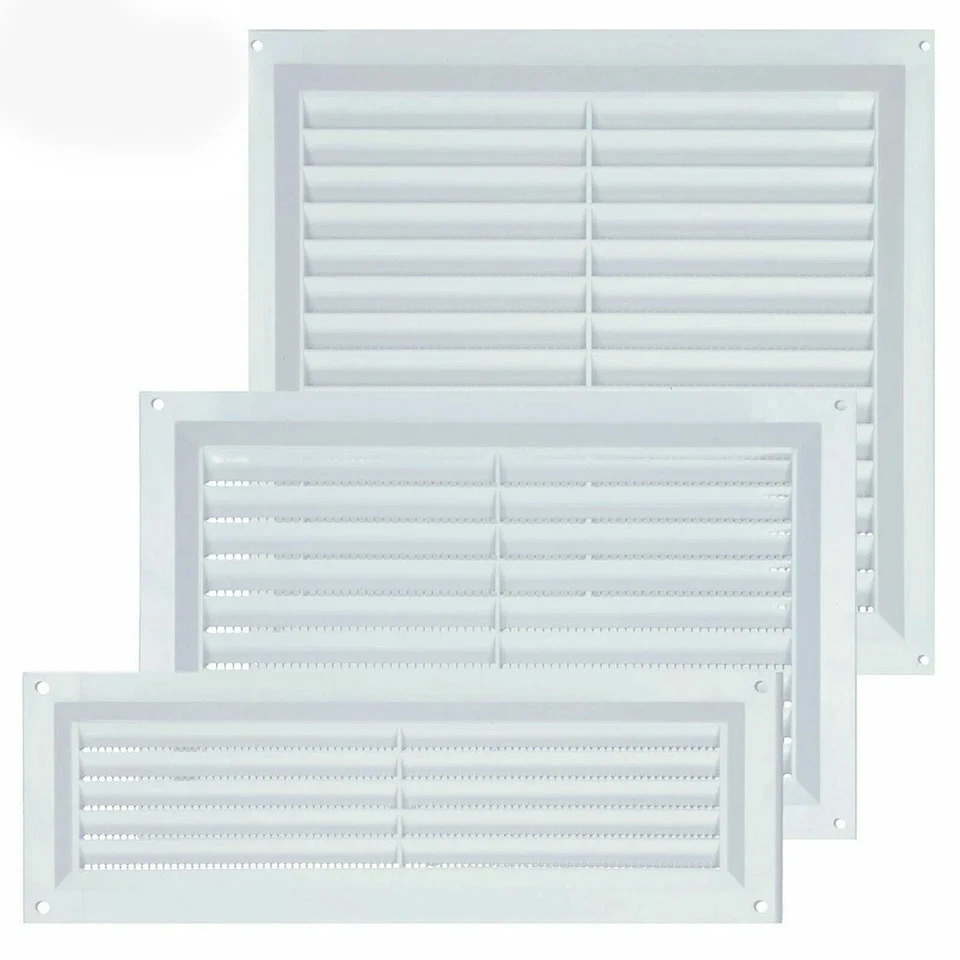
In this guide, you will learn how an air ventilation system works, why it is important, and how products such as trickle vents, window vents, air vents, air bricks, ventilation grilles, and vent covers work together to improve airflow. Moreover, we will explain everything in simple words, so anyone can understand how these products help create a better indoor environment.
What Is Ventilation?
Ventilation is the process of moving fresh air into a building while allowing stale air to leave. In other words, it keeps air flowing throughout your home instead of letting it become trapped inside.
Every day, people create moisture without even noticing it. For example, cooking meals, taking showers, drying clothes indoors, and even breathing all release water vapour into the air. Although this is completely normal, too much moisture can quickly cause problems if it cannot escape.
As humidity increases, condensation begins to appear on windows and cold surfaces. Eventually, damp patches may form, and mould can start growing. Therefore, proper Ventilation is essential for keeping your home dry and healthy.
Besides removing moisture, a good ventilation system also removes unwanted smells, smoke, airborne dust, allergens, and carbon dioxide. Consequently, the air inside your home feels cleaner and fresher every day.
How Does an Air Ventilation System Work?
An air ventilation system works by creating a continuous flow of air throughout your property. First, fresh outdoor air enters the building through specially designed openings. Then, stale indoor air leaves through exhaust points or ventilation systems. As a result, fresh air constantly replaces old air.
Although the process sounds simple, every part plays an important role.
First of all, fresh air enters through products such as:
- window vents
- window air vents
- window trickle vents
- trickle vents for windows
- trickle vents for doors
- trickle vents for upvc windows
- upvc trickle vents
- air brick vent
- ventilation air brick
Meanwhile, warm air naturally rises inside the building. Therefore, the stale air moves towards extractor fans, roof vents, or other exhaust openings. Eventually, this old air leaves the property, allowing fresh air to replace it.
Because this process happens continuously, moisture levels remain under control. Furthermore, indoor air quality improves, making the home much healthier for everyone.
Why Is Good Ventilation So Important?
Many homeowners believe opening a window now and then is enough. However, that is not always the case. Modern homes are designed to prevent heat from escaping. Consequently, they also prevent fresh air from entering naturally.
Without enough Ventilation, everyday activities slowly increase indoor humidity. For example, a single shower can release a surprising amount of moisture into the air. Likewise, cooking dinner produces steam that quickly spreads around the home. Even breathing adds moisture throughout the day.
As this moisture builds up, condensation begins forming on windows. After that, mould may appear on walls, ceilings, or around window frames. In addition, poor airflow allows unpleasant smells and airborne pollutants to remain indoors much longer.
Therefore, installing proper vents is not only about comfort. Instead, it is also about protecting your health and your property.
Good Ventilation helps by:
- Removing stale indoor air
- Reducing condensation
- Lowering humidity
- Preventing mould growth
- Improving indoor air quality
- Protecting furniture and wooden floors
- Reducing unpleasant odours
- Creating a healthier living space
As a result, your home stays fresher throughout every season.
What Happens When a Home Has Poor Ventilation?
Poor airflow does not usually cause problems overnight. Instead, the issues develop slowly over time. Because of this, many homeowners fail to notice the warning signs until damage has already started.
For instance, windows may collect water droplets every morning. At first, this seems harmless. However, repeated condensation can eventually damage paint, wallpaper, and timber frames.
Similarly, damp walls often develop dark mould patches. Although these patches may begin in small corners, they can spread quickly if moisture remains trapped inside the building.
Furthermore, stale air makes rooms feel uncomfortable. In addition, high humidity creates the perfect conditions for dust mites and mould spores, which may affect indoor air quality.
Some common signs of poor Ventilation include:
- Condensation on windows
- Damp smells
- Black mould
- Peeling wallpaper
- Musty rooms
- Excess humidity
- Poor airflow
- Stuffy bedrooms
- Water stains on ceilings
- Slow drying laundry
If you notice several of these signs, your home may benefit from additional window ventilation products.
What Are Trickle Vents?
Trickle vents are small ventilation openings fitted into windows and doors. Although they are compact, they play a very important role in improving indoor air quality. Instead of opening a window fully, they allow a controlled amount of fresh air to enter your home throughout the day.
Because the airflow is gentle and continuous, moisture does not build up as easily. As a result, condensation becomes less common, and rooms stay fresher. Moreover, these vents help remove stale air without creating large drafts, which makes them ideal for use all year round.
Today, many homeowners choose upvc trickle vents because they are easy to install and require very little maintenance. In addition, they blend neatly into modern window frames while providing reliable airflow.
Common options include:
- window trickle vents
- trickle vents for windows
- trickle vents for upvc windows
- trickle vents for doors
Although each product is designed slightly differently, they all share the same goal—keeping fresh air moving through your home every day.
5000 AirFlow UPVC Trickle Vent for Windows & Doors | White
If you are looking for a reliable ventilation product, the 5000 AirFlow UPVC Trickle Vent for Windows & Doors | White is an excellent choice.
It is designed to provide steady airflow without affecting the appearance of your windows or doors. Moreover, its clean white finish matches most UPVC frames, making it suitable for modern homes.
Trickle Slot Vents Window Ventilation Real PVC Plastic 300mm 400mm
Another popular solution is the Trickle Slot Vents Window Ventilation Real PVC Plastic 300mm 400mm.
This product is designed specifically to improve window ventilation. As fresh air enters through the vent, stale indoor air is gradually replaced. Consequently, rooms remain fresher while moisture levels stay under control.
In addition, the durable PVC construction makes it suitable for long-term use. Since it comes in different sizes, homeowners can also choose the option that best fits their windows.
Therefore, it is a practical solution for anyone looking to improve airflow without replacing existing windows.
What Are Window Vents?
Window vents are specially designed openings that allow outside air to enter your home in a controlled way.
Unlike opening an entire window, they provide steady ventilation without making the room feel too cold. Consequently, they are ideal during winter or rainy weather.
Modern window air vents are available in different colours and styles. Therefore, they can match almost any type of window frame.
In addition, house window vents help reduce indoor humidity while improving comfort throughout the home.
Why Is Window Ventilation Important?
Good window ventilation does much more than simply let fresh air inside.
First, it removes excess moisture before condensation forms.
Next, it reduces indoor pollutants such as dust and cooking smells.
After that, it improves air circulation throughout the property.
Finally, it creates a healthier and more comfortable living environment.
Without proper window ventilation, moisture can remain trapped indoors for long periods. As a result, mould may begin growing around windows and walls.
Therefore, installing quality window air vents is a simple way to improve everyday comfort.
What Are Air Bricks?
An air brick vent is a specially designed brick with small openings that allow air to pass through external walls.
Although it looks like a standard brick from the outside, it performs an important ventilation function.
Most ventilation air brick products are installed near ground level because they help circulate air beneath suspended timber floors.
As fresh air moves underneath the building, moisture can escape naturally. Consequently, wooden floor structures stay much drier.
Without sufficient airflow, damp conditions may eventually damage timber and increase the risk of rot.
Therefore, air brick vent remain one of the most effective ventilation products for older and newer properties alike.
Vent Axia – Double Louvred Airbrick Terracotta – 220x90mm
The Vent Axia – Double Louvred Airbrick Terracotta – 220x90mm is designed to provide reliable airflow beneath floors and inside wall cavities.
Its traditional terracotta airbrick finish blends naturally with brick buildings. Therefore, it is an excellent choice for both new projects and renovation work.
What Are Ventilation Grilles?
A ventilation grille covers an air opening while allowing fresh air to pass through freely.
Although the openings remain uncovered internally, the grille protects them from dirt, insects, and larger debris.
As a result, airflow continues without unnecessary blockages.
Louvred Air Vent Cover with Fixed Flyscreen Fly Mesh, Plastic Ventilation Grille
The Louvred Air Vent Cover with Fixed Flyscreen Fly Mesh, Plastic Ventilation Grille combines two important features in one product.
First, it allows fresh air to circulate.
At the same time, its built-in fly mesh prevents insects from entering the building.
Consequently, homeowners enjoy improved ventilation without worrying about unwanted pests.
Where Should Ventilation Products Be Installed?
Every room has different ventilation needs. Therefore, choosing the right location is just as important as choosing the right product.
For example, window vents work well in bedrooms and living rooms because they provide continuous fresh air throughout the day.
Likewise, trickle vents for windows are ideal for rooms where condensation regularly appears.
Meanwhile, trickle vents for doors help improve airflow between indoor and outdoor spaces.
Similarly, air brick vent products are best suited beneath suspended timber floors, garages, and crawl spaces.
In contrast, ventilation grilles are commonly installed in kitchens, utility rooms, bathrooms, and service areas.
As a result, every part of the home receives the airflow it needs.
Common Ventilation Mistakes to Avoid
Installing ventilation products is a great step. However, using them correctly is just as important. Although many homeowners invest in quality products, a few common mistakes can reduce their performance. Therefore, understanding these issues can help you get the best results from your ventilation system.
1. Blocking Air Vents
One of the most common mistakes is covering air vents with furniture, curtains, or storage boxes. Although this may seem harmless, it restricts airflow and reduces the effectiveness of your Ventilation system.
Instead, keep every vent clear so air can move freely throughout your home.
2. Closing Trickle Vents All the Time
Many people close trickle vents because they think cold air will enter the room. However, these vents are designed to provide only a small amount of controlled airflow.
If they remain closed for long periods, moisture can build up indoors. As a result, condensation and mould become much more likely.
Therefore, keep window trickle vents, trickle vents for windows, and upvc trickle vents open whenever possible.
3. Ignoring Condensation
Condensation is often the first warning sign of poor window ventilation. Unfortunately, some homeowners simply wipe away the water without addressing the real problem.
Instead, look for the cause. In many cases, improving window air vents or adding trickle vents for UPVC windows can solve the issue.
4. Forgetting About Air Bricks
An air brick vent should always remain clear. However, soil, plants, leaves, or paving can block the openings over time.
Because of this, airflow beneath suspended floors becomes restricted. Eventually, moisture may become trapped, increasing the risk of damp and timber decay.
Therefore, inspect your ventilation air brick regularly and remove anything that blocks the airflow.
5. Choosing the Wrong Ventilation Product
Not every ventilation product is suitable for every room.
For example, trickle vents for doors work well for controlled airflow through entrances, while ventilation grilles are often a better choice for utility rooms or garages.
Similarly, air bricks are designed to ventilate subfloors rather than living spaces.
Therefore, always choose products that match the area where they will be installed.
6. Skipping Regular Cleaning
Even the best ventilation products need occasional maintenance.
Over time, dust, dirt, cobwebs, and insects can collect inside vent covers, window vents, and ventilation grilles.
As a result, airflow gradually becomes weaker.
Fortunately, regular cleaning keeps everything working efficiently.
Maintenance Tips for Ventilation Products
A good Ventilation system requires very little maintenance. Nevertheless, a few simple checks can help it perform well for many years.
Clean Vents Regularly
First, inspect all window vents, air vents, and ventilation grilles every few months.
Then, remove dust using a soft brush or vacuum cleaner.
After that, wipe away any remaining dirt with a damp cloth.
Consequently, fresh air can continue flowing without restriction.
Inspect Trickle Vents
Check your window trickle vents, trickle vents for windows, and upvc trickle vents several times each year.
Make sure the openings move freely and are not blocked by dust or paint.
If necessary, clean them gently to maintain smooth airflow.
Check Air Bricks
Walk around the outside of your property and inspect every air brick vent.
Remove leaves, soil, moss, or other debris that may block the openings.
Likewise, make sure new paving or landscaping has not covered the ventilation air brick.
This simple task can help prevent damp beneath suspended floors.
Keep Vent Covers Secure
Inspect every air vent cover and vent covers for cracks or loose fittings.
If a cover becomes damaged, replace it as soon as possible.
Doing so helps keep insects, birds, and debris out of your ventilation system while maintaining proper airflow.
Test Airflow
Every few months, check that fresh air is still moving through your ventilation products.
If rooms begin feeling stuffy again or condensation returns, inspect your window ventilation system for blockages.
In many cases, a simple clean restores normal airflow.
Replace Damaged Components
Although quality ventilation products last for many years, they should still be checked for wear.
If a ventilation grille, window air vent, or air brick becomes cracked or damaged, replace it promptly.
As a result, your ventilation system will continue working efficiently and safely.
Conclusion
Understanding how an air ventilation system works makes it much easier to create a healthier and more comfortable home. Although ventilation often goes unnoticed, it plays a vital role in removing stale air, reducing excess moisture, and improving indoor air quality every day.
Moreover, good Ventilation helps prevent condensation, mould, and unpleasant odours before they become serious problems. At the same time, it protects your property by reducing the risk of damp and timber damage. Consequently, both your home and your family benefit from cleaner, fresher air throughout the year.
Finally, remember that choosing the right products is only part of the solution. Regular cleaning, routine inspections, and proper installation are equally important. Therefore, by maintaining your ventilation system and allowing air to circulate freely, you can enjoy a fresher, drier, and healthier home for many years to come.
What Equipment Do You Need for Solar Panels? A Complete Guide to Solar Equipment
Solar power is growing fast. Today, more homeowners and businesses choose solar energy to lower electricity bills and cut carbon emissions. However, solar panels alone cannot power your property. Instead, you need a full set of solar equipment that works together. Each part plays an important role. As a result, your system can produce clean, safe, and reliable electricity for many years.
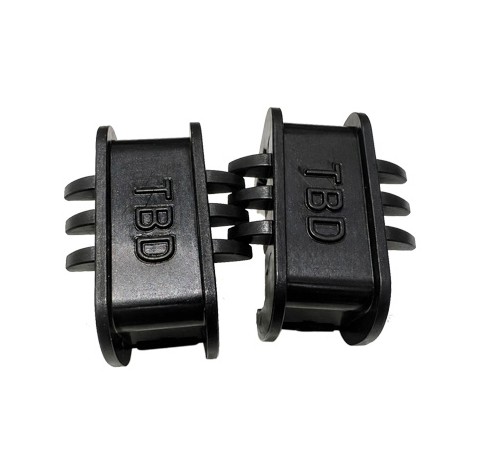
What Is Solar Equipment?
Solar equipment means every part needed to build, run, and protect a solar power system. While solar panels collect sunlight, they do not work on their own. Other components convert, store, protect, and deliver electricity across your home or business.
A complete solar system usually includes:
- Solar panels
- Solar inverter
- Mounting system
- Solar batteries
- Charge controller
- Electrical cables and connectors
- Safety switches and earthing equipment
- Solar monitoring system
- Roof fixing accessories
- Small supplies such as clips, rails, and fasteners
- Bird protection accessories
Therefore, using the right equipment is essential. Without these parts, your system cannot run safely, efficiently, or reliably.
Main Solar Panel Components You Need
Every piece of equipment has a specific job. Together, they help the system produce electricity safely and efficiently.
Solar Panels
First, solar panels capture sunlight and turn it into direct current (DC) electricity. They are the main part of any solar system. In most cases, good-quality panels last more than 25 years. As a result, they supply clean energy for decades.
Solar Inverter
Next, the solar inverter changes DC electricity into alternating current (AC). This matters because home appliances use AC power. Without an inverter, the generated electricity cannot run your devices.
Mounting System
The mounting system holds panels on your roof or another surface. At the same time, it sets the panels at the right angle to capture sunlight. Therefore, a strong mounting system improves overall performance.
Solar Batteries
If your system has batteries, they store extra electricity made during the day. Later, you can use that stored energy at night or during a power outage. Thus, you become less dependent on the grid.
Charge Controller
A charge controller manages power going into the batteries. It prevents overcharging and over-discharging. Because of this, batteries stay protected and last longer.
Electrical Cables and Connectors
Cables and connectors move electricity between system parts. Moreover, waterproof connectors protect wiring from rain, dust, and moisture. Therefore, they improve safety and reliability.
Safety Equipment
Every installation also needs safety equipment. This includes circuit breakers, surge protectors, isolator switches, and grounding kits. Together, these parts protect your home, electrical system, and solar equipment from faults and damage.
Essential Solar Supplies
Besides the main parts, several smaller supplies are just as important. Although they seem simple, they make installation stronger, safer, and easier to maintain.
Common solar supplies include:
- Solar cables
- MC4 connectors
- Roof brackets
- Mounting rails
- Cable clips
- Fasteners
- Junction boxes
- Grounding kits
- Safety labels
Professional installers always pick high-quality supplies. As a result, the system performs better and needs fewer repairs over time.
Why Bird Proofing for Solar Panels Matters
Many people focus only on main equipment but forget bird protection. However, birds can become a serious problem.
Birds like to nest under solar panels because that space is warm, dry, and sheltered. Over time, nests, feathers, and droppings can block airflow. As a result, panels may run hotter and lose efficiency.
In addition, birds can damage electrical cables. Sometimes, this raises the risk of electrical faults or fire. Therefore, protecting panels from birds is key to a safe system.
Today, many homeowners install bird proofing during the initial setup. One effective solution is bird mesh. It keeps birds away while still allowing air to flow. Consequently, panels stay cooler, cleaner, and more efficient.
TradeBoxDirect Solar Panels Bird Proofing Mesh Speed Clips – 30mm Black
One reliable solution is the TradeBoxDirect Solar Panels Bird Proofing Mesh Speed Clips – 30mm Black.
These clips attach bird mesh around panel edges without drilling into the panels or damaging your roof. Instead, the strong speed clips hold the mesh firmly in place.
Moreover, the solar panel mesh clips can be removed for maintenance. At the same time, it protects against bird mesh for solar panels and bird proofing for solar panels year-round.
The mesh and clips withstand rain, strong sunlight, wind, and changing weather. Therefore, they offer long-lasting protection with very little upkeep.
Benefits of TradeBoxDirect Bird Proofing Clips
Using TradeBoxDirect bird proofing clips gives many advantages.
- Stops birds from nesting beneath panels.
- Keeps airflow moving freely.
- Helps panels stay cooler.
- Reduces cleaning and maintenance costs.
- Protects electrical cables from bird damage.
- Uses strong, reliable mesh clips.
- Installs quickly without drilling into panels.
- Improves long-term system performance.
- Helps extend the life of your solar equipment.
Therefore, adding bird mesh with TradeBoxDirect speed clips is a simple and cost-effective way to protect your solar investment.
How Solar Equipment Works — Step by Step
Understanding how solar equipment works is easy.
- Solar panels collect sunlight.
- Panels produce direct current (DC) electricity.
- The inverter converts DC into alternating current (AC).
- Your home uses the electricity immediately.
- Extra energy goes into batteries, if installed.
- The charge controller protects the batteries.
- Safety devices protect the electrical system.
- Bird proofing helps keep panels clean, cool, and efficient.
Thus, every component works together to deliver reliable renewable energy.
Benefits of High-Quality Solar Equipment
Choosing high-quality equipment gives many long-term benefits.
- Produces more electricity.
- Improves energy efficiency.
- Increases system lifespan.
- Reduces maintenance and repair costs.
- Improves electrical safety.
- Raises property value.
- Supports cleaner, greener energy.
- Delivers reliable performance in all seasons.
Furthermore, quality components work better together. They also pair well with bird protection products such as the TradeBoxDirect Solar Panels Bird Proofing Mesh Speed Clips – 30mm Black. Therefore, your solar system stays protected, efficient, and reliable for years.
Which ventilation system is best?
The best ventilation system depends on your home type, budget, and how airtight the building is. In most homes, the best choice is the one that keeps indoor air fresh, controls condensation, and suits the property without wasting energy.
For many existing UK homes, the best practical option is a mix of trickle vents, extract fans, and good background ventilation. For new builds or very airtight homes, MVHR is often the strongest long-term option because it provides controlled airflow and heat recovery.
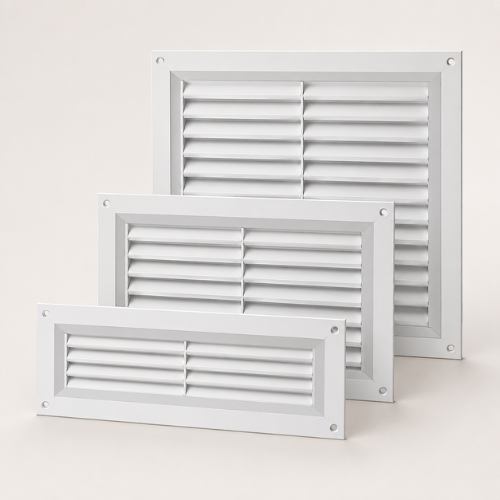
How the main systems work
Natural ventilation uses openings like trickle vents, window vents, and air bricks to let fresh air in and stale air out. This method is simple, and it is often cheap to install. However, it depends on weather and may not give enough airflow in modern airtight homes.
Mechanical extract ventilation uses fans in kitchens, bathrooms, and utility rooms to remove moist air. After that, fresh air enters through trickle vents for UPVC windows or other background vents. This makes it a common retrofit choice because it is reliable and fairly affordable.
MVHR, or Mechanical Ventilation with Heat Recovery, uses a balanced system to bring fresh air in and remove stale air out while recovering heat from the outgoing air. As a result, it reduces heat loss and works well in very airtight homes.
PIV, or Positive Input Ventilation, pushes filtered air into the property so stale air can leave through natural gaps and vents. This can help with condensation and stale odours, especially in homes with loft space.
Why background airflow matters
Even if you use an extractor fan, your home still needs background ventilation. That is why products such as trickle vents, window vents, vent covers, ventilation grilles, and air bricks are important. In fact, current UK guidance includes background ventilators as part of compliant dwelling design.
Trickle vents for UPVC windows are especially useful because they provide a steady air path without fully opening a window. Likewise, trickle vents for doors can support airflow in spaces where doors are part of the ventilation route. Air bricks, especially terracotta airbrick styles, help keep sub-floor spaces aired and can reduce damp risk.
Best choice by property type
If your home is older and has damp problems, the best answer is usually not one single system. Instead, combine trickle vents, air bricks, and extract fans so moisture leaves the building more easily. In many cases, this is the most cost-effective route.
If your home is a new build or a highly insulated retrofit, MVHR is often the better choice. It gives more control, better energy performance, and cleaner indoor air. However, it does need proper design, ducting, and maintenance.
If you want a simple and lower-cost upgrade, MEV or PIV can be a practical middle ground. These systems are often easier to add to existing homes than a full heat-recovery setup.
Product ideas for your category page
The following products fit your ventilation category and can support both SEO and user intent:
5000 AirFlow UPVC Trickle Vent for Windows & Doors | White. This suits users searching for upvc trickle vents, window trickle vents, trickle vents for windows, and window air vents.
Vent Axia – Double Louvred Airbrick Terracotta – 220x90mm. This fits searches for air brick vent, ventilation air brick, and terracotta airbrick.
Trickle Slot Vents Window Ventilation Real PVC Plastic 300mm 400mm. This supports window ventilation, window air vents, house window vents, and vents.
Louvred Air Vent Cover with Fixed Flyscreen Fly Mesh, Plastic Ventilation Grille. This matches ventilation grille and air vent cover searches.
Because of that, these products can be linked from guides, category pages, and installation articles. They also support semantic SEO around indoor air quality, condensation control, and background airflow.
Benefits and drawbacks
Natural ventilation is cheap and simple, which makes it attractive for many homeowners. However, it is less reliable in calm weather and may not be enough for airtight homes.
Mechanical extract systems are more dependable, and they are usually easier to retrofit. On the other hand, they do not recover heat, so they may lose more energy than MVHR.
MVHR offers the best balance of fresh air and energy efficiency in the right property. Still, it costs more to install and needs regular filter changes.
PIV helps reduce stale air and condensation, and it is often simpler than a full ducted system. Even so, it is not always the best fit for every home.
Common uses
In kitchens, a strong extractor fan helps remove steam, smells, and grease. In bathrooms, background airflow plus a bathroom fan can reduce condensation on tiles, mirrors, and ceilings.
In bedrooms and living rooms, trickle vents and window vents help maintain fresh air without creating a big draught. In floors and voids, air bricks support underfloor airflow and help protect the structure.
In flats and compact homes, ventilation grilles and vent covers are useful because they direct airflow while keeping insects and debris out. Therefore, they are common in both new installs and upgrades.
Future trends
The future of ventilation is moving toward smarter controls and better energy efficiency. For example, more systems now use humidity sensors and CO2 sensors to adjust airflow automatically. As a result, homes can stay fresh without wasting energy.
Another trend is stronger support for airtight homes, heat pumps, and low-carbon building design. In addition, retrofit-friendly products such as compact MVHR units and better trickle vents are becoming more popular.
FAQs
What is the easiest way to improve ventilation?
Start with trickle vents, window vents, and good extractor fans in wet rooms.
Are trickle vents enough on their own?
Not always. They help background airflow, but many homes also need extract fans or a mechanical system.
Do UPVC windows need trickle vents?
Many homes benefit from them, especially where condensation or poor airflow is a problem.
What is the best system for a modern airtight home?
MVHR is often the best choice because it controls airflow and recovers heat.