

What Are Some Alternatives to Airbricks?
Introduction
Airbricks play an important role in keeping air moving through walls, floors, and other areas of a building. They help reduce damp air and support healthy airflow. However, they are not the only option. Depending on the building design, you may need a different solution for better airflow.
A ventilation air brick is one of the most common choices for providing airflow through external walls. Yet, other products can also help when an airbrick does not suit the space. These include trickle vents, ventilation grilles, extractor fans, wall vents, and mechanical ventilation systems.
Before you shop for a replacement, it helps to understand how each option works and where it fits best.
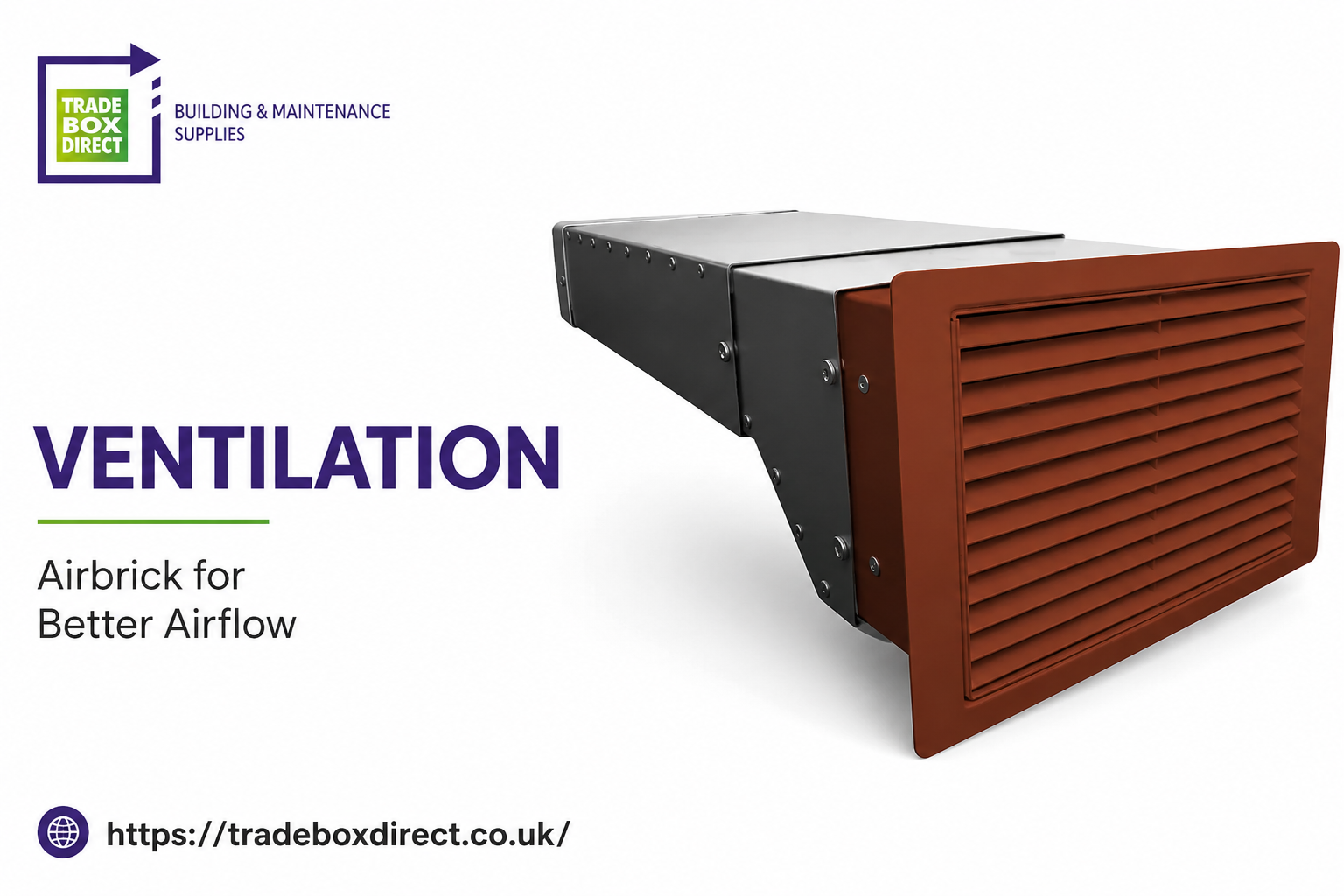
What Is a Ventilation Air Brick?
A ventilation air brick is a vent that allows fresh air to pass through a wall. It usually has a series of openings or slots. These openings let air move while the solid structure around them protects the wall opening.
Many airbricks use materials such as plastic, clay, or other durable materials. Modern plastic designs are lightweight and easy to handle. They also come in different colours and sizes.
A typical ventilation air brick has a louvred or open front. The design helps air enter or leave the building while limiting direct exposure to rain.
These products work well in homes, garages, extensions, utility areas, and other spaces where natural airflow matters.
How Does a Ventilation Air Brick Work?
The basic idea is simple. Air moves through the openings in the brick. Natural pressure differences help fresh air enter one side while stale air leaves another area.
For example, a wall-mounted ventilation air brick can provide airflow beneath a floor or through an external wall. This can help reduce moisture build-up in suitable areas.
However, an airbrick does not actively push air around a room. It mainly provides a pathway for natural airflow. Therefore, its performance depends on the building layout, air pressure, temperature, and the position of other vents.
When you buy ventilation air brick products, always check the size, airflow design, material, and intended application.
What Are the Alternatives to Airbricks?
There are several alternatives to traditional airbricks. The best choice depends on the room, wall, building age, and level of airflow needed.
1. Ventilation Grilles
Ventilation grilles provide a simple way to allow air through walls, doors, panels, or other openings. They are available in different shapes and sizes.
A grille can work well where a traditional brick-style product does not match the design. Some models also include mesh to help reduce the entry of insects.
For many basic airflow applications, a grille offers a practical and neat solution.
2. Trickle Vents
Trickle vents are another useful alternative. They are often fitted to windows or doors. Their small openings allow a controlled amount of fresh air into a room.
This type of VENTILATION works well in homes where you need background airflow without keeping a window open.
Trickle vents can also help improve indoor air movement in bedrooms, kitchens, bathrooms, and living spaces. However, they are not a direct replacement for every type of airbrick.
3. Wall Vents
Wall vents provide airflow through an external wall. They can have covers, grilles, mesh, or louvres depending on their intended use.
A wall vent may suit areas where you need airflow but do not want to use a traditional brick-shaped opening.
Before installation, check the wall construction and required airflow. Correct positioning also matters.
4. Extractor Fans
Extractor fans offer active airflow. Unlike a ventilation air brick, an extractor fan uses a motor to move stale or moist air outside.
They are especially useful in bathrooms, kitchens, utility rooms, and other areas where moisture can build up.
An extractor fan can therefore provide stronger airflow than a passive vent. However, it needs a suitable power supply and correct installation.
5. Mechanical Ventilation Systems
Mechanical ventilation systems provide a more controlled approach. They use fans and ducting to move air around a building.
These systems can suit larger homes or buildings that need consistent airflow. Some systems can also recover heat from outgoing air.
For a simple home project, however, a full mechanical system may cost more than a basic vent.
Why Choose a Ventilation Air Brick?
Even with these alternatives, a ventilation air brick remains useful for many projects.
One major benefit is its simple design. It does not normally need electricity to allow air to pass through. As a result, it can provide continuous passive airflow.
Another advantage is durability. Good-quality products can withstand normal outdoor conditions.
They can also suit different building applications. For example, you may use them for underfloor airflow, wall ventilation, garages, sheds, and other suitable spaces.
Furthermore, many modern products have a clean appearance. You can choose a style and colour that works with the surrounding area.
How Is a Ventilation Air Brick Made?
The manufacturing process depends on the material.
Plastic airbricks are generally formed using moulding processes. The plastic is shaped into the required design and then cooled. Manufacturers create openings, louvres, and fixing areas as part of the design.
Clay airbricks follow a different process. Clay is shaped, dried, and fired at high temperatures. This creates a strong and durable product.
The design must provide enough open area for airflow while maintaining suitable strength.
When you shop for a ventilation air brick, look at the product specifications rather than choosing only by appearance.
What Should You Look For When Buying One?
If you plan to buy ventilation air brick products, consider several points first.
Size: Make sure the product matches the opening.
Airflow: Check the free airflow area where stated.
Material: Choose a material suitable for indoor or outdoor use.
Mesh: If insects are a concern, consider a model with an integrated mesh.
Colour: Choose a finish that matches the building.
Application: Check whether the product suits walls, floors, garages, or another intended area.
Shopping based only on price can lead to the wrong product. Instead, compare size, design, material, and intended use.
Can You Buy Ventilation Air Brick Online?
Yes. Online shopping makes it easier to compare different ventilation products. You can check product sizes, specifications, materials, colours, and pack quantities before ordering.
If you need several units for a building project, buying in packs may also offer better value.
TradeBoxDirect offers building and ventilation products for UK customers. Therefore, you can shop for suitable products while comparing your project requirements.
When you buy ventilation air brick products, make sure the selected model fits your application before placing the order.
Advantages of Using a Ventilation Air Brick
A ventilation air brick can offer several useful benefits:
- Provides passive airflow.
- Does not normally need electricity.
- Helps support airflow beneath suitable floors.
- Can suit external walls.
- Comes in different sizes and materials.
- Offers a simple installation design.
- Can provide continuous background airflow.
- Modern designs can look neat and unobtrusive.
However, every building is different. A professional should check unusual or complex ventilation requirements.
Which Alternative Should You Choose?
There is no single answer for every property.
A ventilation air brick may be best when you need simple passive airflow through a wall or floor area. A trickle vent may suit a window or door. A grille may work well for a panel or wall opening. Meanwhile, an extractor fan can offer stronger airflow where moisture is a concern.
For larger buildings, mechanical systems may provide better control.
The right choice depends on where the product will go and how much airflow you need.
FAQs About Ventilation Air Brick Alternatives
What is the best alternative to an airbrick?
A ventilation grille, wall vent, or trickle vent can be a suitable alternative, depending on the application. An extractor fan may work better when active airflow is needed.
How does a ventilation air brick work?
It allows air to pass through openings in a wall or floor area. Natural pressure and temperature differences help move the air.
Can I use a ventilation air brick instead of a trickle vent?
Not always. They serve different applications. Airbricks usually suit wall or floor openings, while trickle vents commonly fit windows and doors.
What are the advantages of a ventilation air brick?
The main benefits include passive airflow, simple design, low running costs, and suitability for many building applications.
Can I buy ventilation air brick products online?
Yes. Online shopping lets you compare sizes, materials, designs, airflow information, and pack quantities before you order.
Does a ventilation air brick stop rain?
Many designs include louvres that help reduce direct rain entry. However, no vent should be treated as completely waterproof unless the manufacturer specifically states this.
Do ventilation air bricks need electricity?
Traditional passive airbricks do not normally need electricity. They rely on natural airflow rather than a fan.
Where should I install a ventilation air brick?
The correct position depends on the building and purpose. Common applications include suitable external walls and underfloor areas. Always check building requirements before installation.
Should I shop for a ventilation air brick or grille?
Choose based on the opening and required airflow. A ventilation air brick suits some wall and floor applications, while a grille may offer more flexibility for panels, doors, and other openings.
Get the best solar equipment at competitive prices with exclusive offers available today.
Final Thoughts
Airbricks are useful, but they are not the only way to improve airflow. VENTILATION grilles, trickle vents, wall vents, extractor fans, and mechanical systems can all provide different solutions.
For simple passive airflow, a ventilation air brick remains a practical option. It is easy to understand, does not normally need power, and can suit many building projects.
Before you shop, check the size, material, airflow, mesh, colour, and intended application. That way, you can buy ventilation air brick products that match your project and avoid choosing the wrong type of vent.
Good VENTILATION starts with choosing the right product for the right location.
