No products in the basket.










Solar Equipment: Essential Components for Safe and Secure Solar Panel Installation
Choosing the right solar equipment is important for a safe, strong and reliable solar panel system. Solar panels produce electricity from sunlight. However, they also need strong fittings, mounting parts and protective accessories to work well for years.
Whether you are a solar installer, tradesperson or homeowner, the right parts can make installation easier. They can also help protect your roof and keep your panels secure.
At TradeBoxDirect, you can explore a range of solar supplies for different installation needs. These include solar mounting rails, roof hooks, brackets and bird-proofing accessories.
This guide explains how these parts work, how they are made and what to consider before shopping for the right products.
What Are the Main Solar Panel Components?
A solar panel system uses several parts to hold the panels in place and support safe operation. Each component has a clear purpose.
1. Solar Mounting Systems
Strong solar mounting systems help hold panels securely on a roof. They use rails, hooks, clamps and brackets to create a stable support structure.
Manufacturers often make these parts from aluminium or coated metal. These materials offer strength and help resist outdoor weather. However, the correct design depends on the roof type, panel layout and installation requirements.
When choosing a mounting system, check the panel specifications and the roof structure. This helps you select suitable fittings for the job.
2. Solar Mounting Rails and Panel Rails
Solar mounting rails provide a firm frame for solar panels. Installers attach the rails to roof hooks or other approved supports. They then secure the panels with suitable clamps.
A solar mounting rail must have the right length and strength for the planned layout. In addition, installers must follow the manufacturer’s fixing instructions.
A solar panel rail can help spread loads across the support points. As a result, the panels remain securely fitted when the system is installed correctly.
3. Solar Roof Hooks and Brackets
Roof hooks connect the mounting rails to the roof structure. The correct type depends on the roof covering and the design of the installation.
For example, a pantile roof hook is designed for suitable pantile roof applications. Installers must check the tile profile and fitting requirements before choosing one.
Solar roof hooks and solar brackets help support the mounting frame. Likewise, solar panel mounting brackets hold the panels in position when used with the correct rails and clamps.
Good fittings help create a secure installation. However, correct spacing, suitable fixings and proper installation are just as important as the parts themselves.
How Does Bird Proofing for Solar Panels Work?
Birds may nest beneath solar panels because the space offers shelter. Over time, nesting material and bird droppings can cause mess and may make maintenance more difficult.
Bird proofing for solar panels helps reduce access to the gap beneath the panels. A suitable mesh barrier can discourage birds from nesting while allowing the installation to remain properly ventilated.
What Are Solar Panel Mesh Clips?
Solar panel mesh clips hold bird-proofing mesh in place around the panel frame. They help secure the barrier without relying on unsuitable fixing methods.
The clips must suit the panel frame and the mesh being used. Installers should also follow the panel manufacturer’s guidance to avoid damage.
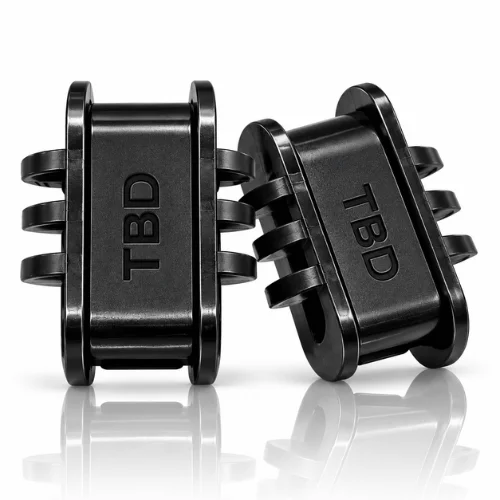
For a practical option, consider the Solar Panel Bird Proofing Mesh Speed Clips – 30mm Black.
These clips are designed for bird-proofing mesh installations. Before ordering, check the 30mm specification against your panel frame and the intended fitting method.
What Are the Benefits of Bird Mesh?
Bird mesh for solar panels offers several useful benefits:
- Helps discourage birds from nesting beneath panels.
- Reduces the build-up of nesting material.
- Keeps the area around the installation tidier.
- Can make routine maintenance easier.
- Provides a practical way to secure a suitable mesh barrier.
Choose a mesh and fixing system designed for solar installations. Also, avoid blocking ventilation or placing excessive pressure on panel frames, cables or roof coverings.
Featured Solar Equipment Products
If you are planning a new installation or upgrading an existing system, these products may help you find the right fittings.
Solar Panel Bird Proofing Mesh Speed Clips – 30mm Black
These black speed clips help secure bird-proofing mesh around suitable solar panel frames. They are useful for installers who want to fit a mesh barrier with the correct fixing accessories.
Why consider them?
- Designed for solar bird-proofing applications.
- Helps hold mesh securely when correctly fitted.
- Black finish for a neat installation.
View Solar Panel Bird Proofing Mesh Speed Clips – 30mm Black
Fastensol Pantile Roof Hook-Portrait
The Fastensol Pantile Roof Hook-Portrait is a mounting accessory for suitable pantile roof installations.
Why consider it?
- Designed for use with an appropriate solar mounting arrangement.
- Helps connect the roof structure to the mounting frame.
- Supports a secure installation when correctly specified.
Always check the roof tile profile, fixing requirements and installation instructions before ordering.
Fastensol Black Mounting Rail 3.55m
The Fastensol Black Mounting Rail 3.55m offers a rail length of 3.55 metres for suitable solar mounting layouts.
Why consider it?
- Provides support for an appropriate panel mounting arrangement.
- Black finish for a consistent appearance.
- Suitable for projects where the specified rail length meets the design requirements.
Before you buy, check the required span, fixing points and load limits. Never assume that a rail will fit every roof or panel system.
How to Choose the Right Solar Supplies
Buying the correct parts can save time and help prevent installation problems. Therefore, consider these points before placing an order.
- Check the roof type: Choose roof hooks and brackets designed for your roof covering.
- Confirm the measurements: Check rail lengths, clip sizes and fixing positions.
- Review the materials: Look for products designed to withstand outdoor conditions.
- Check system requirements: Make sure the parts are compatible with your panels and mounting arrangement.
- Follow installation guidance: Use the correct fixings and installation method for the roof and equipment.
- Compare product details: Review specifications before shopping so you can order the parts your project needs.
The surface of a roof covering and the edge of a panel frame may affect how certain fittings are installed. For this reason, check the manufacturer’s instructions rather than relying on appearance alone.
Why Shop for Solar Equipment at TradeBoxDirect?
Finding the right solar supplies in one place can make planning a project simpler. TradeBoxDirect offers a dedicated range of solar installation products, including mounting accessories and bird-proofing fittings.
You can browse solar equipment and related supplies to compare available options. In addition, individual product pages help you review specifications before making a purchase.
Whether you need a mounting rail for a planned installation or clips for a bird-proofing project, check the product details carefully. This approach helps you buy suitable parts and avoid unnecessary delays.
Frequently Asked Questions
1. What is solar equipment used for?
Solar equipment includes the parts and accessories needed to install, support and protect a solar panel system. Examples include mounting rails, roof hooks, brackets, mesh clips and bird-proofing mesh.
2. How are solar mounting rails made?
Manufacturers commonly produce mounting rails from aluminium or other suitable metals. The material is shaped and finished to meet the product’s design requirements. The final strength and performance depend on the material, design and manufacturing process.
3. What are the advantages of solar panel mesh clips?
Mesh clips help hold bird-proofing mesh around suitable panel frames. When correctly selected and fitted, they can help reduce bird access beneath panels and make the barrier more secure.
4. Does every roof need the same solar roof hook?
No. Roof hooks vary according to roof covering, tile profile and mounting design. Always choose a hook that suits the roof and follows the system manufacturer’s instructions.
5. How do I choose the right solar mounting rail?
Check the required length, panel layout, mounting system, fixing points and structural loads. If you are unsure, ask a qualified solar installer to confirm the correct specification.
6. Where can I buy solar supplies online?
You can browse the TradeBoxDirect solar equipment category to explore mounting rails, roof hooks, brackets and bird-proofing accessories.
Conclusion
The right solar equipment helps create a secure and well-planned solar panel installation. Mounting rails, roof hooks and brackets provide structural support, while mesh clips and bird-proofing mesh help discourage birds from nesting beneath panels.
Before shopping, check measurements, roof type and product specifications. Then compare the available options to find suitable parts for your project.
Explore the TradeBoxDirect solar equipment range to find mounting accessories and bird-proofing products for your next solar installation.
How Do Home Vent Products Work and What Are Their Advantages?
Good VENTILATION helps fresh air move through a home while allowing stale indoor air to leave. It can make bedrooms, kitchens, bathrooms, living spaces, and other areas feel fresher and more comfortable. Homeowners can choose from several simple products, depending on where fresh air is needed.
When shopping for suitable products, it helps to understand the difference between an air brick vent, window vents, ventilation grilles, and other vent fittings. Each product has a different purpose, size, and fitting position.
How Does VENTILATION Work in a Home?
VENTILATION works by creating suitable routes for air to enter, move through, or leave a building. A simple ventilation air brick may provide an opening through an external wall. Meanwhile, window air vents can provide controlled openings around windows.
Products such as air vents, air bricks, and vent covers come in different designs. Therefore, buyers should check the intended fitting area before ordering.
Effective air movement may also help manage indoor moisture. Good airflow can support a fresher indoor environment, while suitable venting can also help reduce conditions that encourage condensation.
What Are Trickle Vents and How Do They Work?
Trickle vents are small fittings commonly placed around windows or doors. They allow a limited amount of fresh air to pass through even when a window remains closed.
For modern properties, trickle vents for upvc windows can provide a neat solution. Buyers may also compare trickle vents for doors, upvc trickle vents, and window trickle vents according to their frame type.
Likewise, trickle vents for windows are available in different sizes and styles. When choosing trickle vents, check the dimensions, material, colour, fitting method, and compatibility.
One product to consider is the 5000 AirFlow UPVC Trickle Vent for Windows & Doors | White. Its white finish can suit many UPVC frames, making it useful for customers looking for practical VENTILATION for windows or doors.
How Are Air Bricks Made and What Are Their Advantages?
An air brick vent is designed with openings that let air pass through a wall while creating a more finished external appearance. Depending on the model, manufacturers may use plastic or other suitable materials.
A terracotta airbrick can be useful when the colour needs to blend with traditional brickwork. The Vent Axia – Double Louvred Airbrick Terracotta – 220x90mm provides a double-louvred design for wall vent applications.
The main advantage is simplicity. Air bricks create a fixed opening and can form part of a wider VENTILATION arrangement. Before you buy, however, check the opening size and intended application.
Choosing Window Ventilation Products
Good window ventilation does not always require a complex system. Small house window vents can provide a straightforward option for suitable windows.
Customers searching for vents should first identify where the fitting will go. For example, plastic window vents may suit customers who want lightweight fittings, while upvc windows with air vents can benefit from correctly sized replacements.
The trickle vents for windows Ventilation Real PVC Plastic 300mm 400mm provide size choices for different applications. When shopping, measure the existing opening first. This simple step can make it easier to buy a suitable replacement.
What Are Ventilation Grilles Used For?
A ventilation grille covers an opening while still allowing air to pass. Grilles can also provide a cleaner and more finished look.
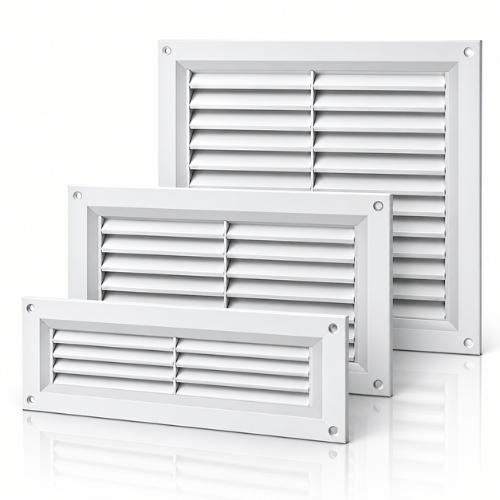
Different ventilation grilles – axia may suit different installations. In addition, an air vent cover with fly screen can add a mesh barrier where insect protection is useful.
For example, the LOUVRED AIR VENT COVER WITH FIXED FLYSCREEN FLY MESH, PLASTIC VENTILATION GRILLE combines a louvred cover with fixed mesh. This makes it a practical product to consider when planning VENTILATION openings.
What Is a Vent Box?
A vent box can form part of an air movement arrangement by creating or supporting a defined vent route. Similarly, air box trickle vents can be considered for suitable window applications.
An air vent cover is another useful finishing product. Its role is usually to cover an opening while maintaining the required passage for air.
These products are available in various shapes and sizes. As a result, customers should compare measurements and intended uses rather than selecting a product based only on appearance.
What Are the Advantages of Good House Ventilation?
Suitable house ventilation can help create a more pleasant indoor space. It supports regular air exchange and gives stale indoor air a route out of suitable areas.
A complete home ventilation system may use several components rather than one product. Therefore, the right VENTILATION solution depends on the building, room, windows, doors, and existing vent openings.
An air ventilation system for home should also match the property’s needs. Small vent products can work well for local openings, while larger systems may require professional planning.
How Do You Choose the Right Vent Product?
Start by deciding where you need the product. Next, measure the opening carefully. Then compare the product material, dimensions, colour, design, and fitting requirements.
For windows and doors, shoppers can compare trickle vent options. For walls, an air brick may be more suitable. Where an existing opening needs a neat cover, a grille or fly-screen model may be the better choice.
Before you buy VENTILATION products, check compatibility rather than choosing only by price. Commercial buyers, tradespeople, landlords, and homeowners may also want to shop several fittings together when working on larger projects.
FAQs About VENTILATION
How are home vent products made?
Manufacturing depends on the product. Plastic vents are commonly moulded into shapes that provide openings for air movement. Air bricks use open or louvred sections, while grilles may include slots, louvers, or mesh.
What are the advantages of trickle vents?
Trickle vents provide small, controlled openings around suitable windows or doors. They are compact and can be easy to operate. They also allow air movement without requiring the window to remain fully open.
Are air bricks and window vents the same?
No. Air bricks normally fit into wall openings, whereas window vent products are designed for suitable window frames or nearby openings. Both can support VENTILATION, but their installation methods differ.
Why use a vent cover with a fly screen?
A fly-screen cover allows air to pass while the mesh provides an added barrier against insects. It can be useful for suitable wall and room vent openings.
What should I check before buying a vent?
Check the dimensions, material, colour, installation location, product design, and compatibility. Accurate measurements are especially important when replacing an existing fitting.
Conclusion
Choosing the correct VENTILATION products starts with understanding where and how air needs to move. Air bricks can serve wall openings, while trickle vents offer a compact option for suitable windows and doors. Grilles and covers can protect and finish existing openings.
For commercial or home projects, compare dimensions and applications before shopping. A well-chosen product can provide a simple and practical way to support VENTILATION throughout the property.
Meta Title: VENTILATION Products | Air Bricks, Trickle Vents & Grilles
Meta Description: Shop ventilation products including air bricks, window vents, trickle vents and grilles. Buy practical vent solutions for UK homes and trade projects.
What Are the Best Furniture Accessories for Protecting and Assembling Furniture?
Furniture needs more than a good design to stay strong and look neat. Small parts can improve safety, support joints and help keep furniture in good condition. Therefore, choosing the right fittings is important for homes, offices, kitchens and commercial spaces.
FURNITURE ACCESSORIES include useful items such as corner protectors, fixing blocks and other hardware. These parts can help protect exposed corners and join furniture panels. Moreover, they can make furniture assembly easier for DIY users, installers and tradespeople.
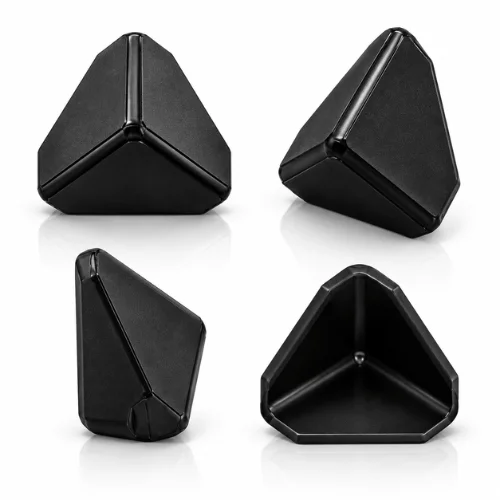
At TradeBoxDirect, you can explore a range of FURNITURE ACCESSORIES for different projects. Two useful products to consider are the plastic corner protector – Black and MODESTY BLOCKS KITCHEN MOD BLOCK – VARIOUS PACKS.
This guide explains how these products work, their benefits and what to check before you shop online.
What Are Furniture Accessories?
FURNITURE ACCESSORIES are small parts that help build, protect, repair or finish furniture. They include corner guards, joining blocks, hinges, brackets and other fitting components.
Although these items may look simple, they serve important purposes. For example, a corner guard can cover an exposed edge, while a fixing block can help join two panels. As a result, the right parts can improve the finish and support everyday use.
When choosing products, consider the furniture material, the position of the fitting and the job it needs to do. This helps you select suitable parts without spending money on items you do not need.
1. Corner Protectors: Help Keep Furniture Edges Safe
Corner protectors cover exposed corners on suitable furniture and panels. They can help reduce damage caused by knocks and everyday contact.
These products are useful in homes, offices, workshops and commercial spaces. For instance, a protector on a desk corner may help prevent scratches and marks. It can also cover a sharp corner, although it should not be treated as a complete child-safety solution.
What Is a Plastic Corner Protector?
A plastic corner protector is a fitting made to cover the corner of a suitable object. Manufacturers commonly use moulded plastic because it is light, practical and easy to shape.
The plastic corner protector – Black is an option for furniture that needs a simple, dark finish.
You can view the product here: Plastic Corner Protector – Black.
Its black colour can suit desks, cabinets and other furniture with dark details. However, check the product dimensions and fitting method before ordering to ensure it suits your furniture.
Main Benefits of Corner Guards
- Helps reduce damage: A protector can limit marks caused by minor knocks.
- Covers exposed corners: It can give furniture a more finished look.
- Lightweight design: Plastic parts are generally easy to handle.
- Useful for many settings: They may suit offices, homes, workshops and suitable commercial furniture.
- Simple maintenance: Many plastic fittings can be wiped clean with a suitable cloth.
A furniture corner protector can be especially useful on frequently used furniture. Nevertheless, choose the right size and shape for the corner you want to cover.
2. Furniture Fittings for Assembly and Repair
Furniture fittings help connect panels and allow furniture parts to work together. They include joining blocks, brackets and hinges.
For example, a hinge allows a suitable door or lid to open and close. Meanwhile, joining blocks help secure panels at the required angle.
When buying fittings, check the material, size and fixing method. Also, make sure the selected parts suit the furniture design. Using unsuitable fittings may weaken a joint or make assembly difficult.
3. What Are Modesty Blocks and Mod Blocks?
A modesty block is a small fitting used to join or support furniture panels. It is often used in cabinets, desks and kitchen units. Depending on the design, it can help connect panels while keeping the fixing compact.
Modesty blocks are useful when assembling furniture from separate boards. They can help hold components together and support a tidy finish.
The term mod blocks is also used for these types of furniture joining parts. However, designs and fixing methods can vary, so always check the product details.
Product Spotlight: MODESTY BLOCKS KITCHEN MOD BLOCK – VARIOUS PACKS
The MODESTY BLOCKS KITCHEN MOD BLOCK – VARIOUS PACKS are worth considering for suitable kitchen and furniture assembly jobs.
View the product on the TradeBoxDirect product page.
These fittings can help join appropriate furniture panels during assembly. The available pack options may also help you choose a quantity that suits your project.
Before placing an order, check the pack details, dimensions and fixing requirements. This is particularly important when fitting kitchen units, where accurate alignment helps create a neat result.
Advantages of Modesty Blocks
- Support for panel joints: They help connect suitable furniture components.
- Compact fitting: Their small design can suit many furniture assemblies.
- Useful for kitchen units: They may help with appropriate cabinet and panel connections.
- Practical for repairs: They can be useful when replacing worn or missing joining parts.
- Pack choices: Different pack options may suit small repairs or larger jobs.
However, modesty blocks do not replace every type of bracket or structural fixing. Always select a fitting that suits the joint and expected load.
4. How Are Furniture Accessories Made?
The manufacturing process depends on the type of fitting.
Plastic corner guards are often made through moulding. Manufacturers heat or prepare plastic material, shape it in a mould and allow it to cool. They then check the finished part for its shape, size and quality.
Modesty blocks may use plastic, metal or other materials, depending on the design. Manufacturers shape the components to provide suitable fixing points and a practical fit.
Furniture hardware is designed to suit a particular purpose. Therefore, the material, thickness and shape can differ between products. Check the specifications when strength, size or long-term use matters.
5. How to Choose the Right Furniture Hardware
Before you shop for FURNITURE ACCESSORIES, consider these simple points:
- Purpose: Decide whether you need edge protection, panel joining or another fitting.
- Size: Measure the furniture and compare it with the product dimensions.
- Material: Choose a fitting that suits the panel or furniture material.
- Colour: Select a finish that matches or complements the furniture.
- Installation: Check whether you need screws, adhesive or another fixing method.
- Quantity: Compare pack sizes with the number of fittings your project needs.
- Environment: Consider where the furniture will be used.
For example, furniture hardware used in a kitchen should suit the conditions in that room. Moisture, poor airflow and condensation can affect some materials and finishes over time.
If you need to protect an exposed shelf, check that the protector fits the corner securely. Also, confirm that the selected protectors suit the intended use.
Shop Furniture Accessories at TradeBoxDirect
TradeBoxDirect offers a dedicated furniture accessories category for DIY users, furniture installers and trade customers.
You can browse corner guards, joining blocks and other useful fittings in one place. In addition, the product pages help you review the available options before placing an order.
If you need to protect exposed furniture corners, consider the black plastic corner protector. For suitable panel-joining jobs, explore the kitchen modesty blocks and compare the available packs.
Choosing the right fittings can help you finish furniture projects with greater care and confidence.
Frequently Asked Questions
1. What are furniture accessories used for?
They help protect, join, assemble and finish furniture. Common examples include corner protectors, hinges, brackets and modesty blocks.
2. What is a plastic corner protector used for?
It covers a suitable furniture corner and can help reduce marks or damage from minor knocks. Check the size and fitting method before use.
3. Are corner guards suitable for every type of furniture?
No. Their suitability depends on the corner shape, dimensions, material and fitting method. Check the product details before buying.
4. What do modesty blocks do?
Modesty blocks help join suitable furniture panels. They are often used in desks, cabinets and kitchen units, depending on the product design.
5. How do I choose the right furniture fittings?
Check the dimensions, material, fixing method and intended use. Also, make sure the fitting suits the furniture and the demands of the project.
6. Where can I buy furniture accessories online?
You can browse the TradeBoxDirect furniture accessories range and review the individual product pages for corner protectors and modesty blocks.
Conclusion
The right fittings can help protect furniture, support panel joints and improve the final finish. Corner guards cover exposed edges, while modesty blocks help join suitable furniture components.
The plastic corner protector – Black and MODESTY BLOCKS KITCHEN MOD BLOCK – VARIOUS PACKS are useful products to explore for appropriate furniture projects. Before you order, check the dimensions, materials and fixing requirements.
Visit TradeBoxDirect to compare options and find suitable fittings for your next furniture assembly, repair or improvement job.
What Are the Best Screws for Woodworking and Construction Projects?
Choosing the right fixing can make a big difference to the strength and finish of your project. Whether you are building furniture, fitting shelves or carrying out repairs, the correct screws help hold materials together securely. Therefore, it is important to understand the different types available before you start work.
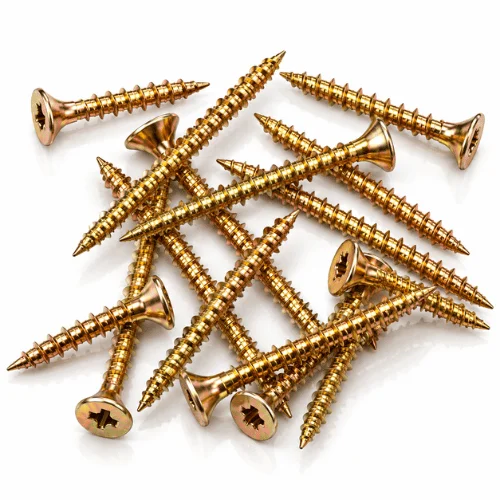
At TradeBoxDirect, you can explore a wide range of SCREWS for DIY, woodworking and trade projects. Options include countersunk designs, wood fixings and Pozi drive models. In addition, the MULTI-PURPOSE GOLDEN POZI COUNTERSUNK WOOD SCREWS offer a practical choice for many general woodworking tasks.
This guide explains how these fixings work, how they are made, what benefits they offer and what to consider before you shop online.
What Are SCREWS and How Do They Work?
SCREWS are threaded fasteners that join two or more materials. Their threaded body grips the material as you turn the head with a suitable screwdriver or drill bit. As a result, they can create a firm joint when you select the correct type and size.
Most wood fixings have a pointed tip, a threaded shaft and a head designed for a particular driver. However, different projects need different designs. For example, furniture assembly may need a neat finish, while building work may require fixings made for stronger joints.
When shopping, consider the material, screw length, head shape and drive type. These details help you choose a fixing that suits the job.
Different Types of Screws for DIY and Trade Projects
Understanding the main options makes it easier to find suitable products for your toolbox.
1. Countersunk Screws
Countersunk screws have a tapered head that sits level with, or slightly below, the material’s surface when fitted into a suitable countersunk hole.
This design creates a neat finish and reduces the chance of a raised head getting in the way. Therefore, these fasteners are useful for furniture, wooden panels, cabinets and other projects where appearance matters.
However, the material must suit the head shape. In some cases, you may need to create a countersunk recess before fitting the fixing.
2. Wood Screws
Wood screws are designed to grip timber and many wood-based materials. Their threads help hold pieces together, making them useful for shelves, frames, furniture and general repairs.
Different lengths and thicknesses suit different tasks. For example, a longer fixing may be needed when joining thicker pieces of wood. Even so, avoid choosing one that is so long that it passes through the material.
For hardwood, a pilot hole can help reduce splitting and make installation easier. Always check the product guidance for the material you are using.
3. Pozi Screws
Pozi screws use a Pozidriv drive design. The matching driver bit fits into the screw head and helps transfer turning force during installation.
Using the correct bit can improve grip and reduce damage to the head. In addition, it can make repeated fitting easier during larger projects.
Do not confuse a Pozidriv bit with a Phillips bit. Although they may look similar, they have different designs. Therefore, use the driver that matches the fixing.
4. Construction Screws
Construction screws are used for a range of building and assembly tasks. Their design varies according to the materials and loads they must handle.
Some products suit timber framing, while others are made for specific building applications. Consequently, you should check the manufacturer’s stated use before choosing a product for structural work.
Never assume that a general-purpose wood fixing is suitable for every building task.
5. Countersunk Wood Screws
Countersunk wood screws combine a wood-gripping thread with a tapered head. They are useful when you want a secure joint and a smooth finish.
These fixings work well in suitable timber and wood-based boards. However, the correct length, pilot hole and fitting method depend on the material and project.
Product Spotlight: MULTI-PURPOSE GOLDEN POZI COUNTERSUNK WOOD SCREWS
The MULTI-PURPOSE GOLDEN POZI COUNTERSUNK WOOD SCREWS are designed for general woodworking and suitable fixing tasks.
You can view the product on the TradeBoxDirect product page.
The product name highlights three useful features. First, the multi-purpose design makes it worth considering for a range of appropriate jobs. Second, the Pozi drive works with a matching Pozidriv bit. Finally, the countersunk head helps create a neat finish when fitted correctly.
The golden finish also gives the fixing a distinct appearance. However, do not assume that the colour alone means it is suitable for outdoor use or damp conditions. Always check the stated coating, material and application details.
What Are the Main Advantages?
- Neat finish: The tapered head can sit flush with suitable timber.
- Secure grip: The threaded shaft helps hold wooden components together.
- Driver compatibility: A matching Pozidriv bit supports effective fitting.
- Versatile use: The design may suit furniture assembly, repairs and other appropriate woodworking jobs.
- Useful for trade work: The product may suit installers, joiners and DIY users who need dependable general-purpose fixings.
Before you buy, check the available sizes and pack details on the product page. This helps you choose the right option for your project.
How Are Wood Screws Made?
The manufacturing process depends on the product, but many steel screws begin as metal wire. The wire is cut into suitable lengths, and machinery forms the head and pointed tip.
Next, manufacturers create the thread, often by rolling the metal between shaped dies. This process forms the ridges that help the screw grip the material. The head is also formed with the required drive recess, such as a Pozidriv pattern.
Finally, the fasteners may receive heat treatment or a protective coating, depending on their intended use. Manufacturers then check the products for size, shape and quality.
The exact process and materials vary between products. Therefore, check the manufacturer’s specifications if you need fixings for a particular environment or application.
How to Choose the Right Screws
Before shopping, consider these key points:
- Material: Select a fixing designed for timber, board or the intended substrate.
- Length: Choose a length that provides suitable grip without passing through the material.
- Head shape: A countersunk head can provide a flush finish in suitable applications.
- Drive type: Match the driver bit to the head.
- Coating: Check whether the finish suits the working environment.
- Installation: Consider whether you need a pilot hole or a countersunk recess.
- Project requirements: For load-bearing work, use fixings that meet the relevant design and manufacturer requirements.
Also, remember that moisture can affect timber and some metal finishes. In poorly ventilated areas, limited airflow may contribute to damp conditions, while condensation can leave surfaces wet. Therefore, choose suitable fixings for the environment rather than relying on appearance alone.
Shop SCREWS at TradeBoxDirect
TradeBoxDirect offers a dedicated SCREWS category for DIY users, tradespeople and businesses.
When you shop online, compare product types and specifications before placing an order. This is especially important if you need several sizes for furniture assembly, repair work or construction projects.
The golden Pozi countersunk wood screws are worth considering for suitable general woodworking tasks. However, always confirm that the available size and finish meet your needs.
Choosing the correct fixing can help reduce installation problems, improve the finish and support a more reliable joint.
Frequently Asked Questions
1. What are countersunk screws used for?
They are used when you want the screw head to sit flush with, or below, the material’s surface. They are common in furniture, cabinets and woodworking projects.
2. Are Pozi screws different from Phillips screws?
Yes. They have different drive designs, so you should use the matching driver bit to reduce slipping and head damage.
3. Can I use wood screws for every construction job?
No. Wood screws suit many timber projects, but structural and specialist applications may require approved fixings with specific performance ratings.
4. Do I need to drill a pilot hole?
A pilot hole can help prevent splitting, particularly in hardwood or near the edge of a timber board. Follow the product instructions and consider the material before drilling.
5. Are golden countersunk wood screws suitable for outdoor use?
Not necessarily. The golden colour does not confirm outdoor suitability. Check the coating and manufacturer’s guidance before using them in exposed or damp areas.
6. Where can I buy multi-purpose Pozi countersunk wood screws?
You can browse the TradeBoxDirect screws category or view the MULTI-PURPOSE GOLDEN POZI COUNTERSUNK WOOD SCREWS product listing.
Conclusion
The right fixing can help you achieve a strong joint and a neat finish. Countersunk designs suit projects where a flush head matters, while wood screws and Pozi drive options support many everyday woodworking tasks.
The MULTI-PURPOSE GOLDEN POZI COUNTERSUNK WOOD SCREWS are worth exploring for suitable furniture, repairs and general timber work. Before ordering, check the size, finish and intended application.
Explore TradeBoxDirect’s range to find suitable fixings for your next DIY or trade project.
How Does a Tile Levelling System Help Achieve a Perfect Tile Finish?
A neat tile finish can improve the look of any room. However, uneven tiles can spoil the result, even when you use good tiles and quality adhesive. Therefore, choosing the right tools is important for both DIY projects and professional tiling jobs.
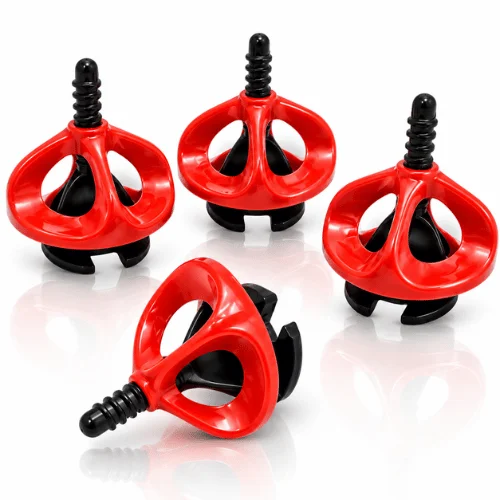
A tile leveling system helps keep nearby tiles at a similar height while the adhesive sets. It can reduce uneven edges and make the finished floor look smoother. Moreover, it helps tilers work with greater confidence and consistency.
At TradeBoxDirect, you can explore a range of flooring and tiling products for home improvements and trade projects. One option worth considering is the Tile Spacer Levelling System 2mm Floor Twister Spacer Screws + Red Twister Nuts. This product combines spacing components with a twisting mechanism to help align tiles during installation.
What Is a Tile Leveling System?
A tile leveling system is a set of tools that helps keep tiles level with one another during installation. It often uses clips or spacers and tightening caps or wedges to hold nearby tiles in position while the adhesive dries.
Traditional spacers help create even gaps between tiles. In contrast, a leveling kit also helps reduce lippage. This term describes a height difference between the edges of two nearby tiles.
A tile leveling system can be useful when fitting large floor tiles, porcelain tiles and other tiles that need a consistent finish. However, it does not replace careful preparation. You still need a stable base, suitable adhesive and correct installation methods.
What Are Tile Leveling Spacers and How Do They Work?
Tile leveling spacers help maintain an even gap between tiles while supporting alignment. Depending on the kit, the system may include threaded screws, clips, nuts or other fastening parts.
The process is simple:
- Prepare the base and spread the correct tile adhesive.
- Place the first tile in position.
- Insert the spacers along the tile edges as directed.
- Fit the next tile and add the required levelling components.
- Tighten the mechanism gently to bring neighbouring tiles into alignment.
- Check the joints and remove the components at the correct stage, following the product instructions.
The system helps maintain alignment while the adhesive sets. Nevertheless, avoid overtightening, as this may move tiles or damage their edges.
Types of Tile Spacers for Different Projects
Choosing the right spacers can make a tiling job easier. Here are some common options to consider when shopping for tiling supplies.
1. Standard Tile Spacers
Tile spacers create consistent gaps between tiles. They come in different sizes to suit different grout joints and tile layouts.
These spacers are useful for walls, floors and small DIY projects. However, standard spacers do not always prevent height differences between neighbouring tiles.
2. Floor Tile Spacers
Floor tile spacers help maintain regular joints when fitting tiles across a floor. They are useful in kitchens, bathrooms, hallways and other areas where a tidy finish matters.
For the best result, select a size that matches your tile layout and grout requirements. Also, check that your chosen products suit the tile thickness and installation method.
3. Screw-Based Levelling Spacers
A screw-based system uses a twisting mechanism to apply pressure across neighbouring tiles. This can help bring their top faces into alignment while keeping the required joint width.
A tile leveling system with threaded components may be a practical option for larger tiling projects. However, always follow the manufacturer’s guidance on tightening and removal.
4. Professional Tiling Tools
Good tiling tools help you measure, cut, position and finish tiles with greater accuracy. Useful items may include tile cutters, notched trowels, spacers, levelling kits, measuring tools and grout floats.
Using the right equipment can save time and reduce avoidable mistakes. In addition, it helps you achieve a more consistent finish across the room.
Product Spotlight: Tile Spacer Levelling System 2mm Floor Twister Spacer Screws + Red Twister Nuts
The Tile Spacer Levelling System 2mm Floor Twister Spacer Screws + Red Twister Nuts is designed for tile installation where a 2mm joint is required.
You can view the product on the TradeBoxDirect product page.
This kit uses spacer screws and red twisting nuts to help hold neighbouring tiles in alignment. The threaded design allows the user to tighten the components as directed, helping reduce height differences during installation.
What Are the Main Advantages?
- Consistent joints: The 2mm spacing helps create a regular gap between tiles.
- Improved alignment: The twisting mechanism helps bring neighbouring tile faces closer to the same height.
- Practical installation: The components can help simplify tile positioning during suitable projects.
- Useful for trade work: Tilers and DIY users can consider this type of kit for appropriate floor installations.
- A cleaner finish: Better alignment can improve the overall appearance of the tiled area.
Before you buy, check the product details, recommended tile thickness and removal instructions. Also, confirm that the kit is suitable for your tile material and installation method.
How Is a Tile Levelling System Made?
A tile leveling system usually contains moulded plastic components designed to hold tiles in position. Depending on the design, the kit may also include threaded parts or reusable tightening nuts.
Manufacturers shape the components to provide a consistent fit and suitable strength for their intended use. The exact materials and manufacturing methods vary by product.
For screw-based kits, the threaded parts work together to apply pressure when tightened. This pressure helps align neighbouring tiles while the adhesive cures. The design must balance ease of use with enough strength for normal installation work.
Always inspect the components before use. Damaged or worn parts may not hold tiles as intended.
How to Choose the Right Tile Levelling System
Before shopping, consider the following points:
- Joint width: Choose a kit that matches the required grout gap.
- Tile thickness: Check the recommended thickness range.
- Tile material: Consider whether the system suits ceramic, porcelain or other tiles.
- Installation area: Floor and wall projects may need different approaches.
- Base preparation: Ensure the floor or wall is stable, clean and suitable for tiling.
- Adhesive: Select the correct adhesive for the tile and base.
- Tile condition: Handle corners and edges with care to avoid chips.
- Product fit: Check that the kit is Compatible with your planned installation.
A spacer helps maintain the joint, while a levelling mechanism supports alignment. Both functions matter when aiming for a neat finish.
Also, check that the Surface is even before you begin. Use suitable tools to inspect the edge alignment as you work. Changes in temperature and adhesive setting conditions can affect installation, so follow the adhesive manufacturer’s instructions.
Shop Tile Levelling Products at TradeBoxDirect
TradeBoxDirect offers a range of flooring and tiling products for DIY users, installers and trade customers.
When you shop online, compare joint sizes, kit designs and the intended application before placing an order. The right equipment can help you complete a project more smoothly and reduce the need to correct uneven tiles later.
A tile leveling system is especially worth considering if you are laying a large tiled floor or want to improve alignment across adjoining tiles. However, good results still depend on careful measuring, proper adhesive coverage and a level base.
Frequently Asked Questions
1. What is a tile levelling system used for?
It helps keep neighbouring tiles at a similar height while the adhesive sets. It can reduce lippage and support a neater finish.
2. Are tile levelling spacers the same as standard tile spacers?
No. Standard spacers mainly maintain grout gaps. Levelling spacers also help align the top faces of nearby tiles.
3. Is a 2mm tile spacer suitable for every tile?
No. A 2mm joint suits some tile layouts, but not all. Check the tile manufacturer’s guidance, the design requirements and the product instructions before choosing a size.
4. Can beginners use a screw-based tile levelling kit?
Yes, many kits are suitable for careful DIY use. However, beginners should read the instructions, prepare the base properly and avoid overtightening the components.
5. When should I remove tile levelling components?
Remove them at the stage specified by the manufacturer. The correct timing depends on the kit design and installation instructions. Do not disturb tiles while the adhesive needs to remain undisturbed.
6. Where can I buy a tile levelling system?
You can browse the TradeBoxDirect flooring and tiles category or view the 2mm Floor Twister Spacer Screws and Red Twister Nuts kit.
Conclusion
A good levelling kit can make tile installation easier by helping maintain consistent joints and align neighbouring tiles. Standard spacers, floor tile spacers and screw-based systems each serve a useful purpose.
The Tile Spacer Levelling System 2mm Floor Twister Spacer Screws + Red Twister Nuts is worth considering when your project needs a 2mm joint and a suitable screw-based levelling method. Before you shop, check the specifications and make sure the kit suits your tiles.
Explore TradeBoxDirect’s tiling range to find practical tools for your next flooring project.
How Do Programmable RF Thermostats Improve Home Heating Efficiency?
Choosing the right heating system can make your home more comfortable and help you manage energy use. Modern THERMOSTATS offer useful features for homes, rental properties and workplaces. They help you set heating times, maintain a comfortable room and avoid wasting energy when nobody is home.
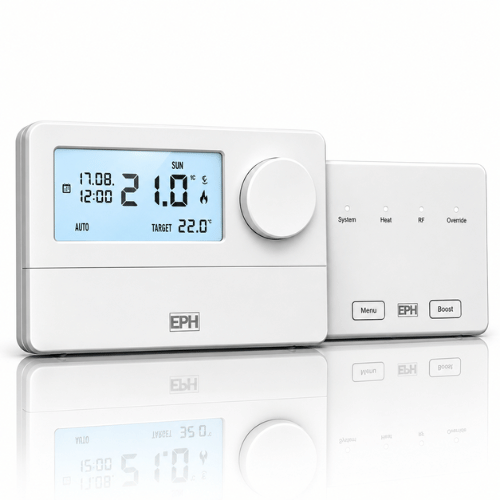
At TradeBoxDirect, you can explore different heating products to find a suitable option for your property. These include a programmable thermostat, wireless models and advanced devices for compatible boilers.
One product worth exploring is the EPH – CP4D OpenTherm Programmable RF Thermostat. It combines programmable heating schedules with wireless communication and OpenTherm compatibility. Before you shop, it helps to understand how these devices work, what benefits they offer and which features matter most.
What Are THERMOSTATS and How Do They Work?
THERMOSTATS help manage a heating system by responding to the room’s temperature. You choose a preferred setting, and the device sends instructions to compatible heating equipment when heat is needed.
For example, you can set the heating to run before you wake up. You can also reduce heating during working hours. As a result, your home stays comfortable when you need warmth, without running the system unnecessarily.
Modern heating products offer several useful features. Some use a simple dial, while others include digital displays, wireless receivers and programmable schedules. Therefore, you can choose a model that suits your daily routine and heating system.
Types of THERMOSTATS Available for Different Homes
Different properties need different heating solutions. Understanding the main options makes shopping easier.
1. Programmable Thermostat
A programmable thermostat lets you set heating times for different parts of the day. For instance, you could schedule warmth in the morning and evening while reducing heating when the property is empty.
This option suits busy households that follow a regular routine. It also helps reduce the need for daily adjustments.
2. Wireless Thermostat
A wireless thermostat communicates with a compatible receiver without requiring a direct wired connection between the room unit and receiver. This design offers greater flexibility when choosing where to place the room unit.
A wireless room thermostat can be useful in homes where running new cables would be difficult. However, the receiver and heating system may still need suitable electrical connections.
3. RF Thermostat
An RF thermostat uses radio signals to communicate with a compatible receiver. This arrangement helps send heating instructions from the room unit to the connected equipment.
A programmable RF thermostat combines wireless communication with scheduled heating periods. It can be a practical choice for households seeking flexible installation and daily scheduling.
Before purchasing, check the supported receiver, installation requirements and operating range.
4. Smart Thermostat
A smart thermostat may offer app-based settings, remote access and other connected features. Depending on the model, you may be able to adjust your heating while away from home.
However, not every digital or wireless model is a smart device. Check the product specifications to confirm whether internet access, an app or extra equipment is required.
5. OpenTherm Thermostat
An OpenTherm thermostat works with compatible boilers that support the OpenTherm communication system. Unlike a basic on/off arrangement, this system can allow the heating device and boiler to exchange more detailed instructions.
Consequently, compatible equipment may adjust its heat output to match demand more closely. Actual performance depends on the boiler, the thermostat and the wider heating system.
If you want a more advanced heating setup, compare an OpenTherm thermostat with standard heating controls before making your choice.
Why Choose the EPH – CP4D OpenTherm Programmable RF Thermostat?
The EPH – CP4D OpenTherm Programmable RF Thermostat is a product to consider if you need scheduled heating and wireless communication.
You can view the product details here: EPH – CP4D OpenTherm Programmable RF Thermostat.
This model brings together several features that may suit homeowners, landlords and heating professionals. Nevertheless, always check the current product specifications and your boiler’s requirements before placing an order.
Key Advantages
- Scheduled heating: Set heating periods around your daily routine, where supported by the selected programme.
- Wireless communication: Radio communication can make room-unit placement more flexible.
- OpenTherm compatibility: The system can support communication with compatible OpenTherm boilers.
- Convenient operation: A programmable unit can reduce the need to adjust settings throughout the day.
- Practical upgrades: It may suit a property owner looking to update an existing heating arrangement, subject to system compatibility.
These benefits can make a programmable RF thermostat a useful option. However, installation and configuration must follow the manufacturer’s instructions.
How Is a Programmable RF Thermostat Made?
A programmable RF thermostat contains several key parts. These usually include a temperature sensor, electronic circuitry, a user interface and wireless communication components. The exact design varies by manufacturer and model.
The sensor measures the surrounding room conditions. Next, the internal electronics compare the readings with your chosen settings and schedule. The wireless transmitter then sends a signal to a compatible receiver.
The receiver passes the required instruction to the heating system. With an OpenTherm-compatible arrangement, the equipment may also exchange information about heating demand.
Manufacturers assemble and test these components to ensure they work together. However, the materials, circuit design and production process depend on the particular product.
What Should You Check Before Buying?
Before you buy a new heating device, consider the following points:
- Boiler compatibility: Confirm whether your boiler supports OpenTherm or requires a different connection method.
- Programming options: Check that the available schedules match your household routine.
- Wireless range: Consider the distance and obstacles between the room unit and receiver.
- Installation: Check whether a qualified heating engineer or electrician is required.
- Operating instructions: Review the manufacturer’s guidance before installation.
- Replacement needs: If you are replacing an existing unit, confirm that the new receiver and wiring arrangements are suitable.
Good heating controls should match your equipment as well as your lifestyle. Therefore, compare the specifications rather than choosing a product based on appearance alone.
Shop THERMOSTATS at TradeBoxDirect
If you are planning a heating upgrade, TradeBoxDirect offers a dedicated range of THERMOSTATS. You can browse products and compare programmable, wireless and other heating options in one place.
The range is worth exploring if you are a homeowner, landlord, installer or trade customer. You can also review the EPH CP4D product page to check its specifications before ordering.
When comparing models, consider the frequency of your heating schedule changes, the installation requirements and the features you need. In addition, choose a device with clear instructions and settings that are easy for household members to use.
The right control system can help you manage heating more conveniently. Still, savings depend on how you use the system, your property’s insulation, energy prices and the efficiency of your boiler.
Frequently Asked Questions
1. What is the main purpose of THERMOSTATS?
THERMOSTATS help regulate heating by responding to room conditions and your chosen settings. Programmable models can also follow a schedule to suit your daily routine.
2. Is a wireless thermostat better than a wired model?
A wireless model can offer more flexibility when positioning the room unit. However, the best option depends on your property, installation needs and the compatibility of your heating equipment.
3. What is a programmable RF thermostat?
A programmable RF thermostat combines scheduled heating periods with radio communication between a room unit and a compatible receiver. It can provide convenient heating management without a direct signal cable between those units.
4. What are the advantages of an OpenTherm thermostat?
An OpenTherm-compatible device can exchange more detailed heating information with a compatible boiler. This may allow the boiler to adjust its output more effectively than a basic on/off arrangement, depending on the equipment.
5. Can I install the EPH CP4D with any boiler?
No. You should confirm that your boiler supports the required OpenTherm connection and that the complete installation is compatible. Consult the product instructions or a qualified heating professional before purchasing.
6. Where can I shop for a suitable heating thermostat?
You can browse the TradeBoxDirect thermostat range and compare available options. For the EPH CP4D model, review the product listing for current specifications and purchasing information.
Conclusion
Modern THERMOSTATS offer practical ways to manage household heating. From simple programmable units to wireless and OpenTherm-compatible models, each type serves different needs.
The EPH – CP4D OpenTherm Programmable RF Thermostat is worth considering if you want scheduled heating and wireless communication with compatible equipment. Before you order, check the boiler requirements, installation details and available features.
Explore the TradeBoxDirect range to compare suitable products and choose a heating solution that fits your property and everyday needs.
Insulation: A Complete Guide to Loft Insulation and Energy Saving
What Is Insulation and Why Is It Important?
A warm home feels more comfortable, especially during cold weather. However, heat can escape through the roof and loft if a home lacks proper insulation. As a result, your heating system may need to work harder to keep rooms warm.
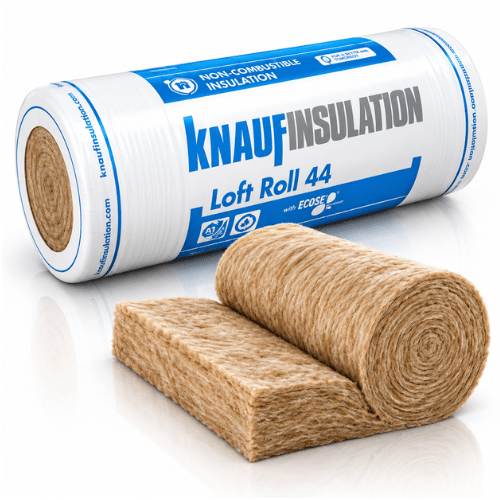
INSULATION helps slow the movement of heat between spaces. In winter, it helps keep warmth inside your home. During warmer weather, it can also help reduce unwanted heat entering the building.
Good insulation can improve comfort and help lower energy use. Therefore, it is worth exploring the right products before starting a home improvement project.
TradeBoxDirect offers a range of insulation products for building and home improvement work. You can compare options and find products that suit your project and budget.
What Is Loft Insulation?
Loft insulation is a layer of material placed between or over the ceiling joists in a loft. It helps reduce heat loss through the roof space. Since warm air rises, an uninsulated loft can allow a large amount of heat to escape.
There are several types of loft insulation, including mineral wool rolls, loose-fill materials and rigid boards. Each type has its own uses, so choose one that suits your roof design.
A good loft insulation product can help keep your home warm for longer. In addition, it may reduce the need for frequent heating and support lower energy bills.
Before installation, check the depth needed, the condition of the roof and the recommended ventilation requirements.
What Is Roof Insulation and How Does It Work?
Roof insulation helps slow the transfer of heat through a roof. The best method depends on whether you have a cold loft, a warm roof or a room built into the roof space.
In a cold loft, insulation usually sits at ceiling level. In a warm roof, insulation forms part of the roof structure. Each approach needs careful planning to manage heat, water and ventilation.
Suitable roof insulation can improve comfort and help reduce heat loss. However, the correct product and installation method depend on the building design.
It is also important to manage airflow around the roof space. Good ventilation helps remove damp air and supports a healthy roof structure.
What Is Thermal Insulation?
Thermal insulation slows the movement of heat from one area to another. It is used in roofs, walls, floors and other parts of buildings.
The performance of an insulation product often depends on its thermal conductivity and thickness. A lower thermal conductivity value means the material conducts less heat under the stated test conditions.
When choosing INSULATION, check the product specifications rather than relying on thickness alone. You should also consider the building’s design and the level of performance required.
For example, mineral wool is widely used because it traps air within its fibres. This helps slow heat transfer and can make it useful for loft and roof applications.
What Is Attic Insulation?
Attic insulation is another term for insulation used in an attic or loft. It can help keep the rooms below warmer in winter and more comfortable throughout the year.
The right method depends on whether the attic is used for storage, contains living space or forms part of the roof structure.
For an unused loft, rolls laid across the ceiling joists are a common option. However, if you plan to use the loft as a room, the insulation may need to sit within the roof slopes instead.
Before buying attic insulation, measure the space and check the recommended depth. Also, keep required ventilation paths clear during installation.
Why Choose Loft Insulation Roll?
A loft insulation roll is a practical choice for many homes. It comes in a rolled form, which makes it easier to transport and lay across suitable areas.
Many rolls are made from mineral wool or glass wool. These materials contain fine fibres that trap air and help slow heat movement.
Here are some key benefits of a suitable loft insulation roll:
- Reduced heat loss: Helps keep warmth inside the home.
- Improved comfort: Supports more stable indoor temperatures.
- Simple handling: Rolls can be cut to fit suitable spaces.
- Energy savings: May reduce heating demand when installed correctly.
- Versatile use: Suitable products can be used in different loft layouts.
However, do not compress the material more than the manufacturer allows. Compression can reduce its insulating performance.
Product Spotlight: Knauf Loft Roll 44 – Combi Cut
The Knauf Loft Roll 44 – Combi Cut is an option for suitable loft insulation projects.
This product uses mineral wool and has a stated thermal conductivity of 0.044 W/mK. Its width is 1140mm, so check the product dimensions and your loft layout before ordering.
What Are the Benefits of Knauf Loft Insulation?
Knauf loft insulation can help reduce heat loss through a suitable ceiling or loft structure. The roll format also offers a practical way to cover larger areas.
Key points include:
- Thermal performance: The stated conductivity helps you compare the product with other insulation materials.
- Practical format: The roll can suit suitable loft layouts.
- Home comfort: Proper installation helps reduce unwanted heat loss.
- Project planning: Checking the product dimensions helps you estimate the quantity needed.
The exact performance of the finished installation depends on the depth, coverage and condition of the building.
If you are planning a home improvement project, explore the Knauf insulation range and compare the available products before you buy.
How Is Knauf Loft Insulation Made?
Mineral wool insulation is made by melting suitable mineral raw materials at high temperatures. The molten material is then spun into fine fibres.
Next, the fibres are formed into a wool-like mat. A binding agent may help hold the fibres together, and the material is processed to reach the required thickness and density.
Manufacturers then cut the insulation into rolls or other shapes. Quality checks help confirm that the finished product meets the required specifications.
Always check the product label for the exact material details and installation instructions.
How Does Energy Saving Insulation Help Reduce Bills?
Energy-saving insulation helps reduce the rate at which heat escapes from a building. Therefore, a well-insulated home may need less heating to maintain a comfortable temperature.
The actual savings depend on several factors, including the home’s age, current insulation, heating system and energy use.
Suitable insulation for loft projects can be a useful starting point because roofs are a common route for heat loss.
Before choosing energy saving insulation, compare product performance and installation needs. A suitable product, fitted correctly, can support better energy efficiency over time.
How to Prevent Moisture and Condensation Problems
Insulation works best when the roof space remains in good condition. Poor ventilation, roof leaks and indoor humidity can cause problems if you do not manage them.
Check for signs of moisture, such as damp patches or wet insulation. Also, watch for condensation on cold surfaces or roof timbers.
Do not cover damaged areas without finding the cause. Repair leaks, follow ventilation guidance and seek professional advice if you find persistent dampness.
Where Can You Shop for Loft Roll Insulation?
Choosing the right product is easier when you compare dimensions, thermal performance and pack details before ordering.
TradeBoxDirect offers an online insulation category where you can explore suitable products for home improvement and building projects.
If you need mineral wool for a loft, review the specifications for Knauf Loft Roll 44 – Combi Cut. Measure your space carefully and estimate the required coverage before placing an order.
By comparing products first, you can choose an option that suits your building, budget and installation plan.
Frequently Asked Questions
1. What is the main purpose of insulation?
Insulation slows heat transfer. It helps keep homes warm in winter and can reduce unwanted heat gain during warmer weather.
2. Is loft insulation worth installing?
It can be a worthwhile improvement in a home with insufficient insulation. It may improve comfort and reduce heating demand, although savings depend on the property and energy use.
3. What is the difference between loft insulation and roof insulation?
Loft insulation often sits at ceiling level in an unused loft. Roof insulation may sit along the roof slopes or form part of a warm roof design.
4. What is Knauf Loft Roll 44 used for?
It is a mineral wool insulation product for suitable loft applications. Check the product instructions and building requirements before installation.
5. How much loft insulation do I need?
The amount depends on the loft area, required depth and product coverage. Measure the space and check the pack information before ordering.
6. Can loft insulation cause damp?
Insulation does not automatically cause damp. However, roof leaks, poor ventilation and trapped moisture can lead to problems. Correct installation and suitable ventilation are important.
7. Where can I buy loft insulation online?
You can browse the TradeBoxDirect insulation category to compare products, including Knauf Loft Roll 44 – Combi Cut.
Conclusion
Choosing the right INSULATION can improve home comfort and help reduce heat loss. Loft rolls, roof insulation and mineral wool products all have useful roles, depending on the building and the space you need to insulate.
Before ordering, compare thermal performance, dimensions and installation requirements. TradeBoxDirect offers a range of products to help you plan your next project, including Knauf Loft Roll 44 – Combi Cut.
With careful product selection and correct installation, you can make your home more energy efficient and comfortable throughout the year.
Plumbing Supplies: A Complete Guide to Pipe Inserts and Plastic Pipe Fittings
What Are Plumbing Supplies and Why Are They Important?
Good plumbing helps water move safely around homes, offices and commercial buildings. Therefore, choosing the right parts is important for a reliable water system. From small pipe inserts to larger fittings, each part has a role to play.
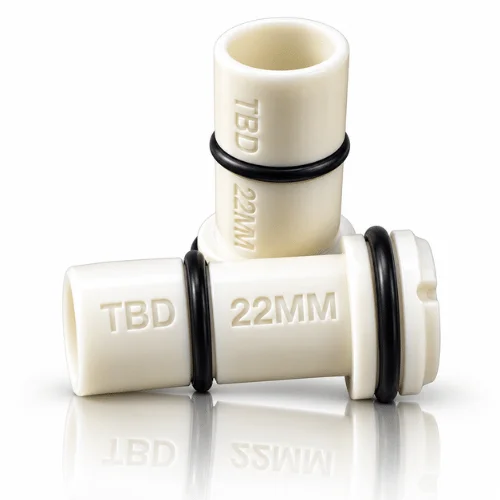
Plumbing Supplies include the products used to install, repair and maintain water pipes. These items can include pipe connectors, plastic fittings, pipe supports, valves and stiffener inserts. Moreover, the right parts can help reduce leaks and support a secure connection.
If you are planning a plumbing project, it helps to understand the different products before placing an order. TradeBoxDirect offers a range of plumbing supplies for household repairs, trade work and general maintenance.
What Are Pipe Inserts and How Do They Work?
Pipe inserts are small parts that fit inside certain plastic pipes. They help support the pipe wall where a fitting creates a connection. As a result, they can improve the strength and stability of the joint when used with the correct fitting system.
Many plastic pipe systems use inserts with compression or push-fit fittings. However, the exact requirements depend on the pipe material, fitting design and manufacturer’s instructions.
When choosing Plumbing Supplies, check the pipe size and the type of connection you plan to make. A correctly selected insert can help the fitting grip the pipe as intended.
What Are the Main Benefits of Pipe Inserts?
Pipe inserts offer several useful benefits:
- Extra support: They help support the pipe wall inside the connection.
- Reliable joints: The correct insert can help the fitting form a secure connection.
- Practical repairs: They are useful for suitable plumbing installation and maintenance tasks.
- Simple selection: Standard sizes make it easier to identify the insert needed for a particular pipe system.
- Better system performance: Correct parts can help reduce connection problems when installed properly.
Nevertheless, an insert cannot fix every plumbing issue. Always inspect the pipe and fitting before installation.
What Are Plastic Pipe Fittings?
Plastic pipe fittings connect pipes or help change the direction of a pipe run. Depending on the system, they may join two pipes, create a branch or connect a pipe to another plumbing component.
Common examples include elbows, tees, couplers and adapters. Each type has a specific purpose, so choosing the right fitting helps create a neat and reliable installation.
Many installers use plastic pipe fittings because they are light and easy to handle. In addition, suitable plastic systems can resist corrosion and work well in many domestic plumbing applications.
However, not every fitting suits every pipe. Check the manufacturer’s guidance for the pipe size, pressure rating and intended use before buying.
How Do Plumbing Fittings Work?
Plumbing fittings create a joint between two parts of a water system. Some use compression nuts, while others use push-fit connections or threaded joints.
The method depends on the fitting design. For example, a compression fitting may need an insert inside a plastic pipe to support its wall. Meanwhile, some push-fit systems require specific components supplied or approved for that system.
A suitable connector helps join the required parts. Therefore, check the fitting instructions rather than assuming that all fittings work in the same way.
What Is a Plastic Pipe Insert?
A plastic pipe insert is a support component placed inside a suitable plastic pipe. It helps prevent the pipe wall from collapsing or deforming when a fitting applies pressure.
The insert must match the pipe size and the fitting system. Otherwise, the connection may not perform as expected.
For example, a 15mm pipe usually needs an insert made for the relevant 15mm pipe system. Similarly, a 22mm pipe may require a larger insert. Always check the product details before ordering.
When comparing Plumbing Supplies, look at the stated size, material and intended application. This simple check can help you avoid buying the wrong component.
What Is a 15mm Pipe Insert Used For?
A 15mm pipe insert supports suitable 15mm plastic plumbing pipes at a connection. It is commonly considered for domestic water pipe installations and repairs where the fitting manufacturer requires an insert.
The insert fits inside the pipe before the fitting is secured. This helps support the pipe wall and allows the joint to work as designed.
If you need this size, explore the 15mm pipe insert range at TradeBoxDirect. Check the product description carefully to ensure that the insert suits your pipe and fitting.
Product Spotlight: 15mm Pipe Stiffener Insert
The 15mm Pipe Stiffener Insert is an option to consider for suitable 15mm plastic pipe systems.
Key points to consider include:
- Pipe size: Designed for the relevant 15mm application.
- Pipe support: Helps support the pipe wall inside the joint.
- Installation needs: Check the fitting instructions before use.
- Pack choice: Review the available pack options to suit your project.
This product may suit plumbers, maintenance teams and people carrying out suitable plumbing repairs. However, confirm the exact pipe material and fitting requirements before placing an order.
What Is a 22mm Pipe Stiffener Insert?
A 22mm pipe stiffener insert provides internal support for suitable 22mm plastic pipes. Like smaller inserts, it helps the pipe retain its shape where the fitting grips it.
The correct insert can support a reliable joint when used with the right fitting and installed according to the instructions. Therefore, it is important to select the right size for the pipe.
Product Spotlight: 22MM PIPE STIFFENER INSERT
The 22MM PIPE STIFFENER INSERT is worth considering for plumbing jobs that require a suitable 22mm insert.
Before ordering, consider these points:
- Correct size: Confirm that the product suits your pipe.
- System requirements: Check whether the fitting manufacturer specifies an insert.
- Pack quantity: Choose a pack that matches the needs of your project.
- Installation: Follow the product instructions to support a secure joint.
Both 15mm and 22mm inserts can be useful additions to a plumber’s toolkit. However, they are not interchangeable, so check the size before use.
How Are Plastic Pipe Inserts Made?
The manufacturing process depends on the material and product design. Many plastic inserts are made through a moulding process.
First, the manufacturer selects a suitable plastic material. Next, the material is heated and shaped in a mould to create the required size and form. The part then cools and undergoes quality checks.
These checks help confirm that the insert meets the required dimensions and finish. Manufacturers may also check for defects that could affect its fit or use.
The final product is packed for storage and sale. Although inserts are small, their dimensions matter because they must fit the intended pipe system correctly.
How to Choose the Right Plumbing Supplies
Before you shop online, consider the following points.
- Measure the pipe: Confirm whether you need a 15mm or 22mm insert.
- Check the material: Make sure the insert suits the pipe type.
- Review the fitting: Follow the fitting manufacturer’s requirements.
- Compare pack sizes: Choose a quantity that suits your repair or installation work.
- Check the product details: Review the description before you buy.
- Follow installation guidance: A secure joint depends on correct parts and proper fitting.
You should also check whether the parts are compatible with the plumbing system you are using. If you are unsure, ask a qualified plumber or the product supplier for guidance.
Where Can You Shop for Plumbing Supplies?
Finding the right parts is easier when you can compare product sizes and pack options online. TradeBoxDirect provides a convenient way to browse products for plumbing repairs, maintenance and installation work.
Whether you need a small replacement part or several inserts for a larger project, review the product details before ordering. This helps you select the right items and avoid unnecessary returns.
Visit the TradeBoxDirect plumbing category to explore available options. You can also view the individual product pages for the 15mm and 22mm pipe stiffener inserts to check their details and available packs.
Frequently Asked Questions
1. What are pipe inserts used for?
Pipe inserts support the inside wall of suitable plastic pipes where a fitting creates a connection. They help the pipe retain its shape and support the joint.
2. Do all plastic pipes need inserts?
No. The need for an insert depends on the pipe material, fitting type and manufacturer’s instructions. Always check the requirements for your plumbing system.
3. What is the difference between a 15mm and a 22mm pipe insert?
The main difference is the intended pipe size. A 15mm insert is designed for the relevant 15mm system, while a 22mm insert suits the relevant 22mm system. They should not be treated as interchangeable.
4. Can I reuse a pipe stiffener insert?
Reuse depends on the product condition and manufacturer’s guidance. If an insert is damaged, worn or deformed, replace it with the correct part.
5. How do I know which plastic pipe fittings to buy?
Check the pipe size, material, fitting type and intended use. Also, follow the manufacturer’s pressure and temperature requirements.
6. Are pipe inserts easy to install?
Many inserts are simple to fit when used with the correct pipe and fitting. However, follow the product instructions and seek professional help if you are unsure.
7. Where can I buy 15mm and 22mm pipe stiffener inserts?
You can explore the 15mm and 22mm pipe stiffener insert products on TradeBoxDirect. Review the product information and pack options before ordering.
Conclusion
Choosing the right parts helps support a reliable plumbing system. Pipe inserts, plastic fittings and other connection components each have a specific role, so size and system requirements matter.
When shopping for Plumbing Supplies, compare the product details and choose parts that suit your project. The 15mm and 22mm pipe stiffener inserts from TradeBoxDirect are useful options to consider for the relevant plastic pipe systems.
By selecting the correct components and following the manufacturer’s installation guidance, you can help create secure connections and keep your plumbing work on track.
Dishwasher Detergent: Types, Benefits and How to Choose the Right Product
What Is Dishwasher Detergent?
Dishwasher detergent helps remove food, stains and dirt from dishes. It plays an important role in keeping plates, cups, glasses and kitchen tools clean. However, choosing the right cleaning product can make a big difference to your daily washing routine.
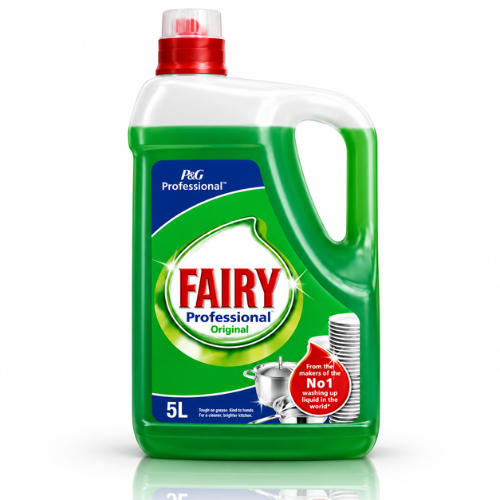
There are several types of cleaning products for different needs. These include powders, tablets, gels and liquids. Each type has its own benefits, so it helps to understand how they work before you shop.
If you need cleaning products for your home, café, restaurant or workplace, explore the dishwasher detergent range at TradeBoxDirect. You can compare products and choose options that suit your cleaning needs and budget.
How Does Dishwasher Detergent Work?
Dishwasher detergent breaks down food residue, oils and other dirt during a wash cycle. It works with water and the cleaning action of the machine to help remove unwanted marks from dishes.
Many formulas contain cleaning agents, water softeners and other ingredients. These help loosen food and reduce the effects of hard water. Some products also contain enzymes that break down food such as starch and protein.
However, the exact formula depends on the product. Therefore, always check the label to understand its purpose and the correct way to use it.
For the best results, follow these simple steps:
- Remove large food scraps from your dishes.
- Load plates, cups and cutlery as the machine guide recommends.
- Add the correct amount of detergent to the dispenser.
- Select a suitable wash cycle.
- Allow the cycle to finish before unloading the clean dishes.
As a result, your dishes can come out clean and ready for use.
What Are the Different Types of Dishwasher Detergent?
Choosing a suitable cleaning product depends on your equipment, washing habits and budget. Here are the main options to consider.
1. Dishwasher Tablets
Tablets offer a simple way to measure detergent. Many products combine several cleaning functions in one tablet. This makes them useful for busy homes and workplaces.
However, check the instructions before use, as some tablets may not suit every machine or wash cycle.
2. Dishwasher Powder
Powder allows you to measure the amount needed for each load. This can be useful when you want greater control over product use.
It is also worth comparing the cost per wash before making a purchase. The best value depends on the pack size, price and amount required for each cycle.
3. Dishwasher Liquid and Gel
Dishwasher liquid and gel products offer another way to clean dishes. They can be easy to measure, depending on the dispenser and product instructions.
However, it is important to choose a formula made for automatic dishwashers. Ordinary washing-up liquid can create too much foam and may cause problems inside a dishwasher.
You can browse the detergent category to explore available cleaning products for different needs.
What Are the Main Benefits of Dishwasher Detergent?
Using the right cleaning product can make washing dishes easier and more effective. Here are some key benefits.
Removes Food and Grease
A suitable formula helps loosen food, oil and grease from dishes. This makes it easier for the machine to clean them during a wash cycle.
Saves Time and Effort
Dishwashers can clean several items at once. Therefore, they reduce the need to wash every plate and cup by hand.
Supports Better Cleaning Results
The right product can help reduce food marks and improve the appearance of dishes. In addition, using the correct amount helps prevent detergent waste.
Helps Manage Cleaning Costs
Buying larger packs can offer better value when you wash dishes often. For example, cafés, offices and catering businesses may benefit from comparing pack sizes and the cost of each wash.
Nevertheless, always follow the recommended dose. Using too much product does not always improve cleaning results.
How Is Dishwasher Detergent Made?
The manufacturing process depends on the product type and brand. However, most formulas follow several basic steps.
First, manufacturers select cleaning agents and other ingredients. These may include surfactants, water-softening agents and substances that help break down food residue. Some formulas also use enzymes.
Next, the ingredients are measured and blended under controlled conditions. Powder products may require drying or granulation, while liquid products use a suitable mixing process.
After blending, manufacturers carry out quality checks. These tests help ensure that the product meets the required standards for its intended use.
Finally, the finished product is packed, labelled and prepared for sale. The label explains how to use it safely and which equipment it suits.
The exact ingredient list varies by brand. Therefore, check the packaging if you have specific cleaning requirements or need to avoid certain substances.
How to Choose the Right Dishwasher Cleaning Product
Before you buy a cleaning product, consider the following points.
- Product type: Choose a tablet, powder or liquid designed for your cleaning method.
- Pack size: Larger packs may suit businesses with high daily demand.
- Cost: Compare the price per wash rather than looking only at the pack price.
- Water conditions: Hard water may affect cleaning results, so check whether a suitable water-softening product is needed.
- Safety: Read the label and keep cleaning products away from children.
- Storage: Keep products in their original packaging and store them in a dry place.
Also, check whether the product is suitable for your machine and the items you plan to wash. The right choice can help you maintain a reliable cleaning routine.
Product Spotlight: Fairy Liquid 5L – Professional Washing Up Liquid
If you need a product for manual dishwashing, consider Fairy Liquid 5L – Professional Washing Up Liquid.
This product is designed for washing dishes by hand. Its large 5-litre pack may be useful for busy kitchens, catering teams and other settings where washing-up liquid is used often.
Why Consider Fairy Liquid 5L?
- Large pack size: A 5-litre container can help reduce the need for frequent repurchasing.
- Everyday cleaning: It is intended for washing dishes, pots and kitchen utensils by hand.
- Practical for busy kitchens: The larger quantity may suit homes and businesses with regular washing needs.
- Convenient shopping: You can review the product details online before placing an order.
To get the best results, follow the label instructions and use the recommended amount. Avoid using more liquid than needed.
Important: Fairy Liquid is a manual washing-up liquid, not an automatic dishwasher detergent. Do not pour it into an automatic dishwasher, as it can produce excessive foam.
If you are shopping for cleaning supplies, compare this product with the dedicated dishwasher detergent range to find the right option for your kitchen.
Can Dishwasher Detergent Help Protect Kitchen Items?
Yes, choosing a suitable product can help you clean dishes without unnecessary wear. However, the result also depends on the water temperature, wash cycle and material of each item.
For example, some glasses need a gentle cycle, while heavily soiled pans may need a stronger programme. Always check the care instructions before washing delicate items.
Hard water can also leave white marks on dishes. In some areas, a suitable rinse aid or water softener may help reduce these marks. Check your machine guide for advice on the correct products.
In addition, clean the dishwasher filter regularly and remove food scraps from it. This simple step can support good water flow and help the machine perform well.
Where Can You Shop for Dishwasher Detergent?
Finding the right cleaning products online can save time and help you compare your options. TradeBoxDirect offers a convenient place to explore products for household and professional cleaning needs.
Before ordering, review the product description, pack size and usage instructions. Consider how often you wash dishes and how much product you need.
You can browse the dishwasher detergent category to find suitable options. If you need a large pack for manual dishwashing, you can also view Fairy Liquid 5L.
Compare your options and choose a product that fits your cleaning routine and budget.
Frequently Asked Questions
1. What is dishwasher detergent used for?
Dishwasher detergent helps remove food, oil and dirt from dishes during an automatic wash cycle. It works with water and the machine’s cleaning action.
2. Can I use ordinary washing-up liquid in a dishwasher?
No. Ordinary washing-up liquid can create too much foam in an automatic dishwasher. Always use a product designed for your machine.
3. Is dishwasher liquid better than tablets?
Neither option is always better. Tablets are easy to measure, while liquid products may offer greater control over the amount used. Check the product instructions and machine requirements before choosing.
4. How much detergent should I use?
The correct amount depends on the product, machine and washing conditions. Follow the instructions on the packaging to avoid waste and poor cleaning results.
5. What are the advantages of buying a 5-litre washing-up liquid pack?
A large pack may offer convenience and reduce how often you need to reorder. It can be useful for busy kitchens, although you should compare the price and storage needs before buying.
6. Is Fairy Liquid 5L suitable for automatic dishwashers?
No. Fairy Liquid 5L is intended for manual washing-up. Choose a dedicated automatic dishwasher product for use in a dishwasher.
7. How should I store cleaning products?
Keep cleaning products in their original containers, follow the storage instructions and keep them away from children. Store them safely and avoid mixing different products.
Conclusion
Choosing the right cleaning product helps make dishwashing easier and more effective. The best option depends on your machine, cleaning routine, pack size and budget.
A suitable dishwasher detergent can help remove food residue and support clean dishes when used correctly. Meanwhile, manual washing-up products serve a different purpose and should not be confused with automatic dishwasher formulas.
For homes and businesses, comparing products before shopping can help you find good value. Explore the TradeBoxDirect range to choose cleaning supplies that meet your needs, and consider Fairy Liquid 5L when you need a practical option for washing dishes by hand.
Solar Equipment: Essential Components for Safe and Reliable Solar Panel Installation
Solar panels need strong support and the right accessories to work well. From mounting rails to bird-proofing clips, each part plays an important role in a solar installation. Therefore, choosing the right solar equipment helps installers build a secure, neat and reliable system.
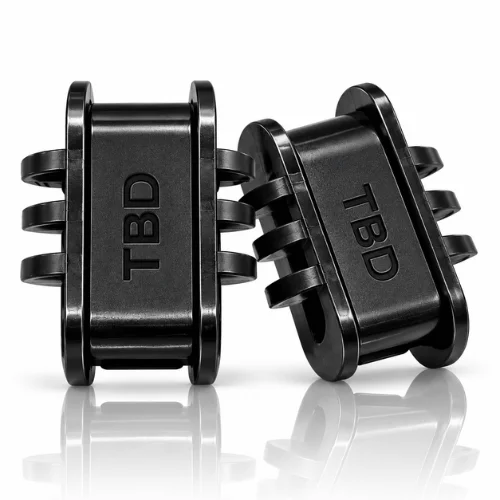
TradeBoxDirect offers a range of solar supplies for installers, tradespeople and homeowners. Whether you are planning a new installation or maintaining an existing system, you can explore useful parts for mounting, fixing and protecting solar panels.
What Is Solar Equipment and Why Is It Important?
Solar equipment includes the parts used to support, secure and protect a solar panel system. While panels produce electricity, their accessories help keep them in place and protect the installation from common problems.
For example, solar panel components can include mounting rails, roof hooks, brackets and bird-proofing accessories. Each item has a specific purpose, so selecting the correct parts is important.
Good-quality components can help installers:
- Secure solar panels to suitable roof structures.
- Create a stable mounting arrangement.
- Reduce the risk of birds nesting beneath panels.
- Support a tidy and professional finish.
- Make installation and maintenance easier.
However, every roof and panel system has different needs. Always check the manufacturer’s instructions before choosing parts.
Solar Panel Bird Proofing Mesh Clips and Accessories
Birds may nest beneath solar panels because the sheltered space offers protection from the weather. Unfortunately, nesting materials and droppings can create a mess and may make maintenance more difficult.
That is why bird proofing for solar panels is a useful option for many installations. A suitable mesh barrier helps restrict access to the space beneath the panels while allowing the system to remain in place.
How Does Bird Mesh for Solar Panels Work?
Bird mesh for solar panels creates a barrier around suitable open sections beneath a solar array. Installers secure the mesh using suitable clips or other approved fixing methods.
The mesh must not block ventilation or damage the panels, cables or roof covering. In addition, installers should check the system regularly to make sure the barrier remains secure.
Solar Panel Bird Proofing Mesh Speed Clips – 30mm Black
The Solar Panel Bird Proofing Mesh Speed Clips – 30mm Black are designed for use with suitable solar bird-proofing mesh.
These clips help secure mesh around an appropriate solar installation. Their black finish can also blend in with many dark panel frames and mounting parts.
Key benefits:
- Helps secure bird-proofing mesh.
- Provides a practical fixing option for suitable installations.
- Offers a black finish for a neat appearance.
- Supports the installation of a barrier against nesting birds.
Before ordering, check the clip dimensions and the requirements of your chosen mesh system. Correct fitting is essential for a secure result.
Solar Mounting Systems, Rails and Brackets
Mounting parts provide the support needed to hold solar panels in position. Therefore, installers must choose products that suit the roof design, panel layout and system requirements.
Solar mounting systems use a combination of rails, hooks and brackets to create a secure structure. The exact arrangement depends on the roof type and the manufacturer’s specifications.
What Are Solar Mounting Rails Used For?
Solar mounting rails form part of the support structure for solar panels. They provide a fixing point for suitable panel clamps and help installers position panels in an organised layout.
A solar mounting rail must have the correct dimensions and fixing arrangement for the chosen system. Meanwhile, a solar panel rail should meet the required load and installation specifications.
When selecting rails, consider:
- Rail length and dimensions.
- Panel clamp requirements.
- Roof type and mounting method.
- Material and finish.
- Manufacturer guidance and structural loads.
These checks help installers select the right parts before work begins.
Solar Brackets and Panel Mounting Brackets
Solar brackets help connect mounting components and provide support at the required fixing points. Likewise, solar panel mounting brackets form part of the structure that holds the panels securely.
The correct bracket depends on the mounting design. Using an unsuitable part may affect alignment, strength and long-term performance. For this reason, always check the technical details before purchasing.
Roof Hooks for Different Roof Types
Roof hooks connect the solar mounting structure to suitable roof supports. However, the correct design depends on the roof covering and the installation method.
Pantile Roof Hook
A pantile roof hook is designed for use with suitable pantile roof arrangements. It helps provide a fixing point for the mounting structure while taking the roof profile into account.
The installer must check the roof construction and follow the specified fitting method. Incorrect installation can damage roof tiles or weaken the mounting arrangement.
Fastensol Pantile Roof Hook-Portrait
The Fastensol Pantile Roof Hook-Portrait is a product to consider when sourcing mounting parts for a suitable pantile roof installation.
Its intended application should be checked against the roof profile, mounting layout and manufacturer’s instructions before ordering. This helps ensure that the selected hook suits the planned installation.
Solar Roof Hook Selection
A solar roof hook must suit the roof type and mounting system. Before buying, installers should review the fixing points, dimensions, load requirements and installation guidance.
This careful approach helps create a secure arrangement without placing unnecessary strain on the roof covering.
Fastensol Black Mounting Rail 3.55m
The Fastensol Black Mounting Rail 3.55m offers a 3.55-metre rail for suitable solar mounting applications.
A mounting rail provides a support line for the panel fixing arrangement. Its length can help installers plan panel rows, although the final layout depends on the panel dimensions, spacing and system design.
Before purchasing, check the rail dimensions, fixing accessories and mounting requirements. You should also confirm that the selected rail suits the intended installation and expected loads.
How Are Solar Panel Mounting Components Made?
Manufacturers make mounting components using materials and production methods suited to their intended use. For example, metal rails and hooks may be formed or cut to specific dimensions, while clips may use moulded materials.
Manufacturers then apply suitable finishes or quality checks where required. However, the exact material and production process vary by product. Always review the product specification instead of assuming that every component uses the same material.
How to Choose the Right Solar Equipment
Choosing the correct solar equipment starts with understanding the installation. First, identify the roof type and the solar panel system. Next, check the dimensions and fixing requirements of each part.
You should also consider whether the surface of the roof covering needs special care during installation and whether the edge of the panel array needs bird-proofing protection.
Finally, confirm that every part is compatible with the intended mounting arrangement.
For a convenient shopping experience, browse the TradeBoxDirect solar equipment range. Compare the available products, check their specifications and select the parts required for your project.
Frequently Asked Questions
1. What does solar equipment include?
It includes mounting rails, roof hooks, brackets, mesh clips and other accessories used to support or protect solar panel installations.
2. Why are solar panel mesh clips important?
Mesh clips help secure suitable bird-proofing mesh around a solar array. Correct fixing helps keep the barrier in place.
3. What are solar mounting rails used for?
They provide structural support and fixing points for suitable solar panels. Their dimensions and fixing arrangements must suit the installation.
4. Can I use any pantile roof hook?
No. You should select a hook designed for the roof profile and mounting system. Always check the manufacturer’s installation guidance.
5. How do I choose the right mounting rail?
Check the rail length, dimensions, panel clamp requirements, roof structure and mounting system specifications before purchasing.
6. Where can I shop for solar panel components?
You can browse the TradeBoxDirect solar equipment category to explore mounting accessories, bird-proofing products and other installation components.
Conclusion
Choosing suitable solar equipment is an important step towards a secure and well-planned solar installation. Mounting rails, roof hooks, brackets and bird-proofing clips each serve a different purpose. Therefore, checking dimensions, roof requirements and manufacturer guidance helps you choose the right products.
TradeBoxDirect offers a range of solar installation accessories for different project needs. Explore the available products, compare specifications and order the components that suit your installation plan.