






How Does INSULATION Help Improve Loft and Roof Efficiency?
Introduction
A warm home needs good protection against heat loss. In many properties, heat escapes through the roof when the loft has little or old insulation. Therefore, choosing the right product can improve comfort and help reduce wasted energy.
What Is INSULATION and Why Does It Matter?
INSULATION is a material that slows heat movement. In a home, it can reduce heat loss through the loft, roof, walls, and other areas. As a result, your heating system may not need to work as hard.
For many properties, loft insulation offers a simple way to improve energy use. It can sit between or over loft floor joists and create a thermal barrier. Also, the right thickness can improve comfort while helping the home retain heat.
What Is Loft Insulation?
Loft insulation is made for roof spaces and loft floors. It is one of the most common ways to improve home energy efficiency. Because warm air rises, a poorly insulated loft can allow heat to leave the living area quickly.
A loft insulation roll can cover large areas with less cutting. This makes it useful for new projects and upgrades. In addition, roll products can fit neatly between timber joists when installed correctly.
What Is Roof Insulation?
Roof insulation helps slow heat movement through a roof structure. It can suit rooms built into the roof space, loft conversions, and other areas where the roof forms part of the thermal envelope.
However, the right product depends on the roof design. Therefore, check the required depth, installation method, ventilation needs, and building guidance before you buy.
What Is Thermal INSULATION?
Thermal insulation slows the transfer of heat. In simple terms, it helps keep heat where you want it. During winter, this can help keep warmth inside. In warmer weather, it can also help reduce unwanted heat entering the home.
Good thermal insulation can support a more stable indoor environment. In addition, it may reduce demand on heating and cooling systems.
How Does Attic Insulation Work?
The term attic insulation often refers to insulation fitted in a roof space. Although homes have different designs, the goal remains similar: reduce heat movement and improve comfort.
For example, a traditional loft may need insulation across the floor. A converted loft may need insulation within the roof structure. Therefore, always match the product and fitting method to the space.
How Does a Loft Insulation Roll Work?
A loft insulation roll is designed to cover long areas with less effort. The material comes in a rolled form, which makes storage and handling easier.
The roll can be measured and cut to suit the space. It can then be placed between joists or used as part of a layered system, depending on the product instructions.
Why Choose Knauf Loft Insulation?
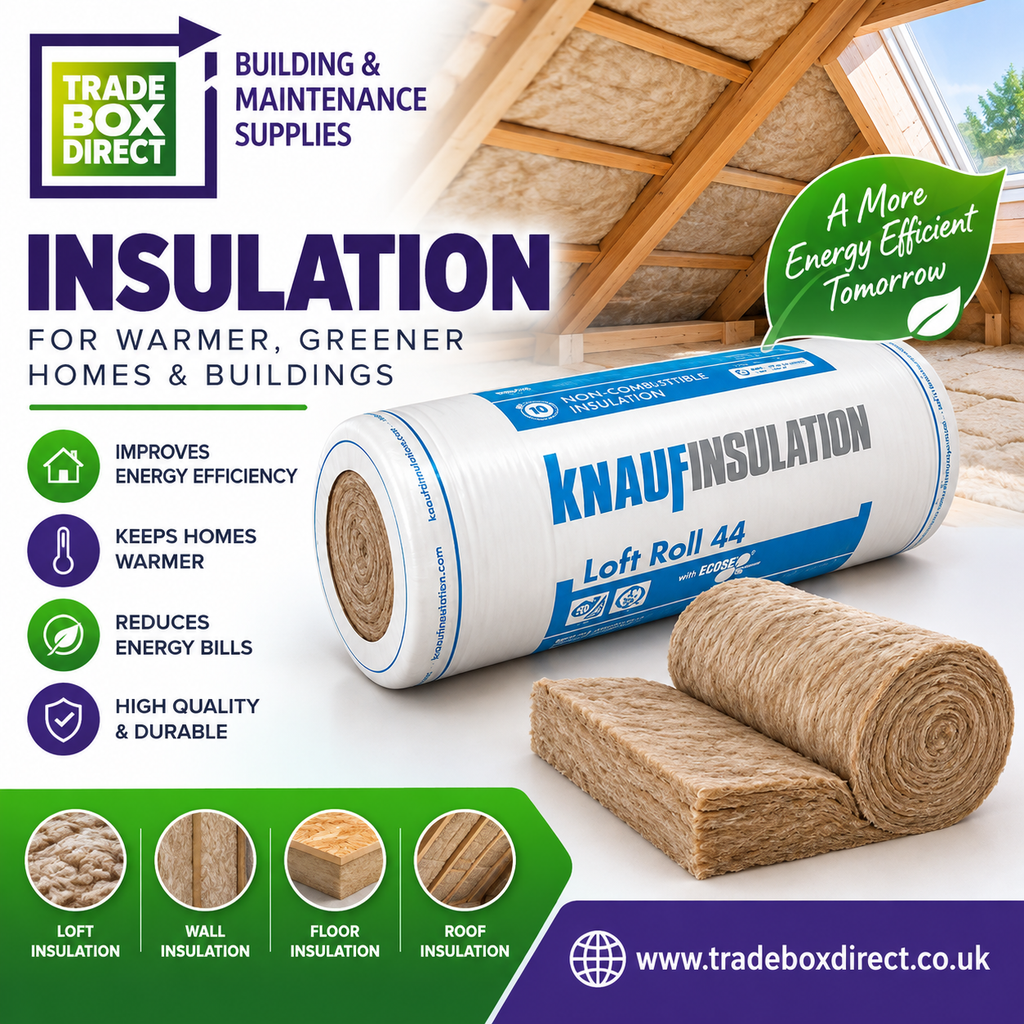
Knauf loft insulation is a practical choice for many loft projects. Knauf products are made for different building uses, so buyers can select a product that suits the job.
One useful option is Knauf Loft Roll 44 – Combi Cut. Its roll format can make fitting easier, especially where common loft joist spacing applies.
Product Spotlight: Knauf Loft Roll 44 – Combi Cut
Knauf Loft Roll 44 – Combi Cut is designed for suitable loft applications where easy handling and accurate fitting matter. The combi-cut format can help installers work with common joist spacing.
How Is Knauf Loft Roll 44 – Combi Cut Made?
The product uses mineral wool technology. Mineral wool is made from mineral-based raw materials that are formed into fine fibres. These fibres create a structure that helps slow heat transfer.
The roll format also makes the product easier to transport, measure, and place. However, always follow the manufacturer’s instructions for cutting, fitting, and protective equipment.
What Are the Main Advantages?
First, the roll format can make large loft areas easier to cover. Second, it can support thermal performance when installed to the required depth. Third, the combi-cut design can make fitting simpler between suitable joist spacings.
Furthermore, mineral wool can provide useful sound insulation properties. This may help reduce some airborne noise between spaces. The product can also form part of a wider energy saving insulation plan.
Where Can You Use It?
Knauf Loft Roll 44 – Combi Cut is intended for suitable loft insulation applications. It can suit homeowners, landlords, builders, and installers working on appropriate loft spaces.
Before shopping, check the required thickness and coverage. You should also check whether the roof construction needs ventilation channels or other measures.
Why Is Insulation for Loft Spaces Important?
Insulation for loft areas can reduce heat loss through the ceiling. As a result, rooms below the loft may stay warmer for longer.
However, insulation should not block designed ventilation routes. Good airflow helps protect the roof structure and can reduce the risk of damp-related problems.
Moisture, Airflow and Condensation
Moisture can affect building materials when it remains in a roof space for long periods. For a simple definition, see moisture.
Airflow also matters because roof spaces often need ventilation. You can learn more about the term airflow.
In addition, condensation can form when warm, moist air meets a colder surface. For a definition, see condensation.
For this reason, do not simply fill every gap without checking the roof design. Correct installation should allow required ventilation to remain clear.
How Can Energy Saving Insulation Help?
Energy saving insulation can reduce unwanted heat loss. Therefore, your home may retain heat more effectively, which can support lower energy demand.
Still, insulation works best as part of a wider approach. Draught control, efficient heating, good windows, and sensible heating habits can all improve home performance.
Why Choose Knauf Insulation?
Knauf insulation products offer options for different building applications. When choosing knauf insulation, check the intended use, thickness, coverage, and installation guidance.
A suitable INSULATION product can make a project easier to plan. In addition, buying the correct size and quantity can help reduce waste.
Loft Roll Insulation and Installation Planning
Loft roll insulation can be a practical choice when you need to cover a large floor area. First, measure the loft carefully. Then calculate the coverage needed and allow for suitable cuts.
Next, inspect the loft for wiring, pipes, water tanks, and ventilation routes. Keep required access and ventilation areas clear. If the work involves electrical systems or major roof changes, use a qualified professional where needed.
How to Choose the Right INSULATION Product
Start by checking where the material will go. A loft floor, pitched roof, and converted roof space can need different solutions.
Next, check product thickness and coverage. Then look at the fitting method and any special requirements. Finally, compare the product with your project needs and budget.
If you are ready to shop, explore the TradeboxDirect insulation range. You can compare suitable products and buy materials for your project from one category.
Why Shop for INSULATION at TradeboxDirect?
TradeboxDirect provides building and ventilation products for home improvement and trade projects. The INSULATION category includes options for loft and roof applications.
Shopping online can make product comparison easier. You can check product details before you buy and select an option that matches your project.
Frequently Asked Questions
Is loft insulation worth it?
For many homes, loft insulation can help reduce heat loss through the ceiling. The exact benefit depends on the building, existing material, thickness, and fitting quality.
How thick should loft insulation be?
The suitable thickness depends on the insulation type and target performance. Always check current guidance and the manufacturer’s instructions before installation.
Can I install loft insulation myself?
Some simple loft-floor projects may suit careful DIY work. However, complex roofs, electrical systems, damp issues, and structural changes may need professional help.
Does insulation stop condensation?
It does not automatically stop condensation. Good fitting, suitable ventilation, and moisture control all matter. A roof should be assessed as a complete system.
Is Knauf Loft Roll 44 – Combi Cut suitable for every loft?
Not necessarily. Check the product specification, loft construction, required depth, and installation guidance before buying.
Where can I buy loft insulation?
You can shop for suitable products through the TradeboxDirect insulation category. Check the product details and coverage before you buy.
Conclusion
The right INSULATION can make a useful difference to a home’s thermal performance. Loft insulation, roof insulation, and other thermal insulation products can help reduce heat loss and improve comfort.
For loft projects, Knauf Loft Roll 44 – Combi Cut offers a practical INSULATION roll format for suitable applications. However, correct fitting remains important. Check the roof space, keep required ventilation clear, and choose the right thickness for the project.
If you are planning an upgrade, compare products before shopping. Then buy the material that matches your loft, roof design, and installation needs.
How Do THERMOSTATS Work and Which Type Is Right for Your Heating System?
Introduction
Heating should be simple and easy to manage. A thermostats helps you set your heating and keep your home comfortable. Today, you can choose from many types. These include programmable, wireless, RF, smart, and OpenTherm models.
Each type has a different job. So, it helps to know how they work before you shop. The right choice can make daily heating much easier.
What Are THERMOSTATS?
THERMOSTATS help manage a heating system. They sense the room and send a signal to the heating system. The system can then heat the home when needed.
Some models use wires. Others use wireless signals. Some also let you set heating times in advance.
Before you buy, check your heating system. Then, choose a model that works with it.
How Does a Programmable Thermostat Work?
A programmable thermostat lets you set heating times. You can choose when the heating starts and stops.
For example, you can set the heating to run in the morning. You can also set a lower setting when you are out. Then, you can set it to run again before you return.
This can make heating easier to manage. It can also help you avoid running the heating when you do not need it.
A programmable thermostat can be a good choice for homes with a set daily routine.
What Is a Wireless Thermostat?
A wireless thermostat does not need a long cable between the room unit and the receiver. Instead, it sends signals to a matching receiver.
This can make installation more flexible. You can place the room unit in a suitable location.
A wireless room thermostat can help when new cables are hard to fit. It can also suit homes where the boiler sits far from the main living area.
However, always check the signal range and product details first.
How Does an RF Thermostat Work?
An RF thermostat uses radio signals to send instructions to a receiver. RF means radio frequency.
The room unit sends a signal. The receiver gets the signal and passes the instruction to the heating system.
This setup can reduce the need for long cables. Therefore, it can give you more choice when deciding where to place the room unit.
Still, the transmitter and receiver must work together. So, check the product details before you buy.
What Is a Smart Thermostat?
A smart thermostat can offer more features than a basic model. Depending on the product, you may be able to set heating times, change settings, or use an app.
Some smart models can connect with other smart home devices. This can make heating easier to manage.
However, smart features vary from one product to another. Also, not every heating system supports every smart model.
For this reason, check compatibility before you shop.
What Are Heating Controls?
Heating controls help you manage your heating system. A thermostat is one part of the system.
Other parts may include a boiler, receiver, programmer, and room unit. These parts need to work together.
Good heating controls can help you set a clear daily routine. They can also make the system easier to use.
Before choosing a product, think about how you use your heating each day.
What Is an OpenTherm Thermostat?
An OpenTherm thermostat works with heating systems that support OpenTherm.
It can send more detailed information between the thermostat and the heating appliance. This can allow the heating system to adjust its operation in a more controlled way.
However, both products must support the required OpenTherm features.
So, check your boiler and thermostat details before you buy.
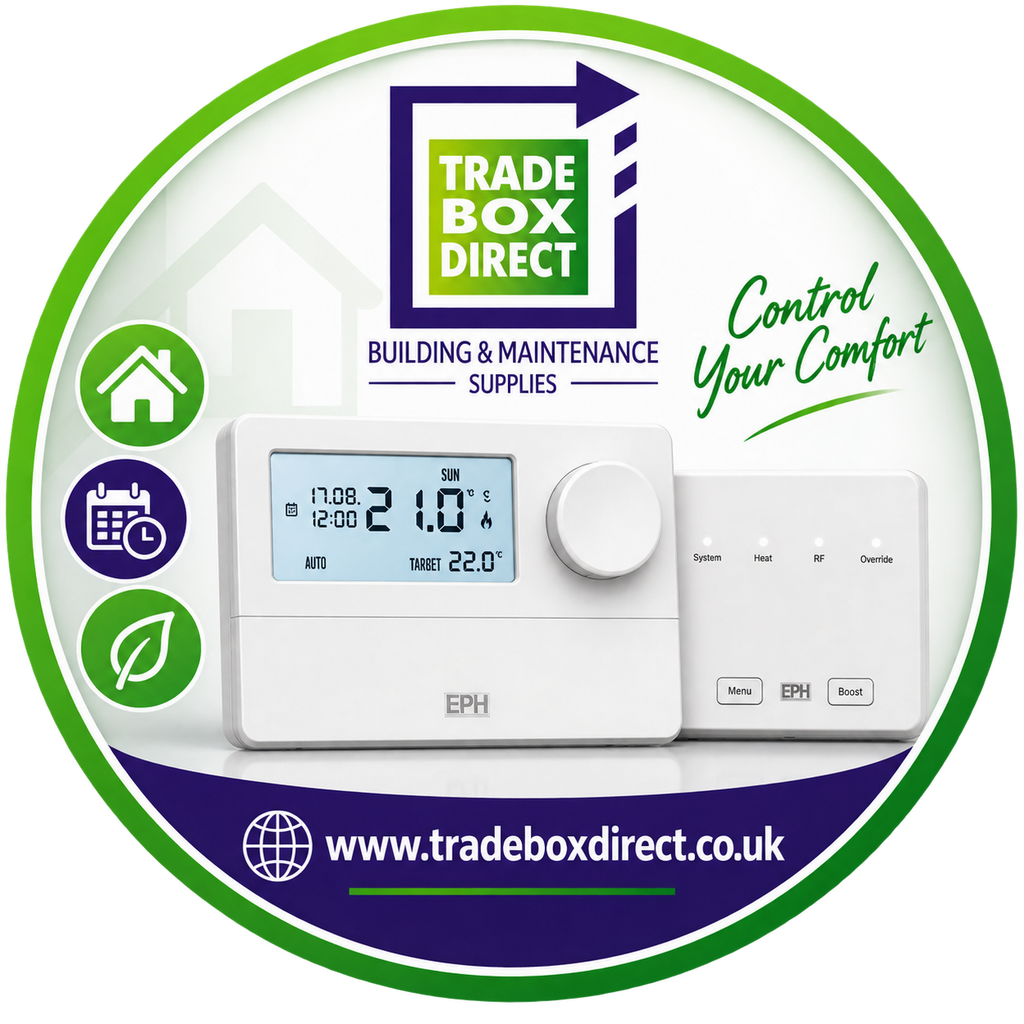
Product Spotlight: EPH – CP4D OpenTherm Programmable RF Thermostat
The EPH – CP4D OpenTherm Programmable RF Thermostat combines several useful features.
It offers programmable settings, RF communication, and OpenTherm support for compatible systems.
The programmable feature lets you set heating times. This can help you follow your normal daily routine.
The RF feature allows communication with a matching receiver. This can reduce the need for a long cable between the room unit and receiver.
The OpenTherm feature allows communication with compatible heating equipment.
However, you should always check compatibility before ordering.
You can view the EPH – CP4D OpenTherm Programmable RF Thermostat on TradeboxDirect before you shop.
How Are THERMOSTATS Made?
The design depends on the type of product.
Most modern units contain a case, electronic parts, a sensor, buttons, and a screen. Wireless models also contain parts that send and receive signals.
Programmable models need electronic parts that can store your heating schedule.
Manufacturers put these parts inside a compact case. They then test the unit to make sure it works as expected.
The materials and parts can vary between models. Therefore, always check the product information for the exact model you want.
What Are the Main Benefits?
One key benefit is ease of use. You can set your heating without changing it all the time.
A programmable thermostat can follow a set schedule. A wireless model can give you more freedom when choosing its position.
An RF thermostat can send signals to a matching receiver. A smart thermostat can offer extra features through an app or smart home system.
OpenTherm models can also offer more detailed communication with compatible heating equipment.
The best choice depends on your home and heating system.
How Do You Choose the Right Model?
Start with your heating system. Check the boiler type and existing controls.
Next, think about your daily routine. Do you want fixed heating times? If yes, a programmable model may suit you.
Do you want fewer cables? A wireless model may be more suitable.
Do you want app features? Then, you may want to look at smart options.
You should also check the communication type. Make sure the thermostat and receiver can work together.
For a simple definition of temperature, you can visit the Cambridge Dictionary.
What Should You Check Before You Buy?
First, check compatibility. This is one of the most important steps.
Next, check the installation method. Look at the receiver, power needs, communication type, and available settings.
You should also check the display and controls. Make sure the settings are easy for you to understand.
When shopping online, read the full product details. Also, check the manufacturer’s information where available.
If you are not sure which model you need, ask a qualified heating professional before ordering.
Can Wireless Heating Thermostats Improve Flexibility?
Yes, wireless heating thermostat models can give you more choice when placing the room unit.
The unit can communicate with a matching receiver. Therefore, you may not need a long cable between the two.
However, walls and other building materials can affect signal strength. Distance can also make a difference.
For this reason, follow the product instructions during installation.
Why Does Frequency Matter?
Wireless products use a suitable frequency to send signals. The transmitter and receiver must use a compatible system.
The word frequency has a wider meaning too. You can see its full definition in the Merriam-Webster Dictionary.
For heating products, always check the technical details before installation.
Why Is Control Important?
Good heating management gives you simple ways to set your heating.
You may want to set a daily schedule. You may also want to change the settings when your routine changes.
The word control means the ability to manage or direct something.
In a heating system, easy settings can make daily use more convenient.
Why Shop at TradeboxDirect?
TradeboxDirect has a dedicated category for heating products. You can browse the available range and compare different options.
You can find programmable, wireless, RF, smart, and OpenTherm products in the category.
Before you buy, check the product details. Look at the features, compatibility, and installation requirements.
The EPH – CP4D OpenTherm Programmable RF Thermostat is one product worth reviewing if your heating system supports its features.
Frequently Asked Questions
What are THERMOSTATS used for?
THERMOSTATS help manage a heating system. They sense room conditions and send instructions to the heating equipment.
What is a programmable thermostat?
It lets you set heating times in advance. This can make daily heating easier to manage.
What is a wireless thermostat?
It uses a wireless signal to communicate with a matching receiver. This can reduce the need for a long cable.
What does RF mean?
RF means radio frequency. An RF thermostat uses radio signals to communicate with a suitable receiver.
What is an OpenTherm thermostat?
It is a thermostat that can communicate with compatible heating equipment through the OpenTherm system.
Can I use a smart thermostat with any boiler?
No. Compatibility depends on the boiler and thermostat. Always check the product details before you buy.
What is a programmable RF thermostat?
It combines programmable heating times with RF communication. It can suit a compatible heating system that uses an RF receiver.
Are wireless heating thermostats easy to install?
Installation depends on the product and heating system. Some setups may be simple, while others may need a qualified installer.
Conclusion
Modern THERMOSTATS give you many ways to manage home heating. Programmable models let you set heating times. Wireless models can give you more freedom when placing the room unit.
RF models use wireless signals. Smart models can offer extra features. OpenTherm models can provide more detailed communication with compatible heating equipment.
However, compatibility should always come first.
Before you shop, check your heating system and product requirements. Then, compare suitable options and choose a model that fits your needs.
Plastic Fittings and 15MM Pipe Stiffener Inserts: A Simple Guide
Introduction
When you work with plastic pipe systems, small parts can make a big difference. A good connection needs the right support, especially when you connect a pipe to a compression fitting. This is where plastic fittings and pipe inserts can help.
A 15MM Pipe Stiffener Insert supports the inside of a 15mm plastic pipe. It helps the pipe keep its shape when you tighten a fitting around it. As a result, the connection can stay firm and stable.
Whether you work as a plumber, carry out DIY jobs, or handle home repairs, knowing how these parts work can help you choose the right products.
What Are Plastic Fittings?
Plastic fittings connect, extend, redirect or control plastic pipework. They come in many shapes and sizes, so you can choose the right option for each job.
For example, you can find straight connectors, elbows, tees and reducers. Each type serves a different purpose.
However, the fitting alone does not always provide enough support. The pipe also needs the right support at the connection point.
That is why many installers use pipe inserts with compatible plastic pipe systems.
What Is a 15MM Pipe Stiffener Insert?
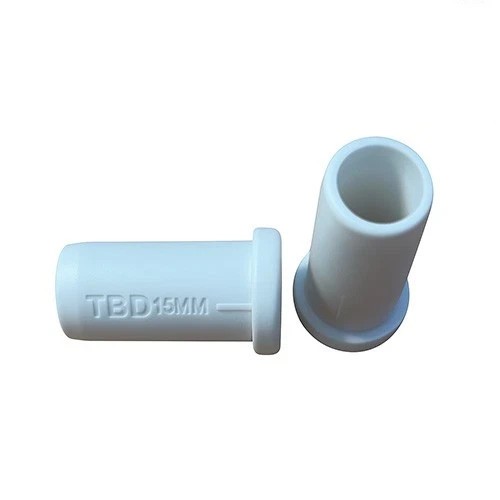
A 15MM Pipe Stiffener Insert fits inside a compatible 15mm plastic pipe.
Its main job is to support the pipe wall at the point where you connect a fitting. Plastic pipe can flex, so the insert adds internal support.
When you tighten the fitting, the insert helps the pipe keep its shape. Therefore, it can help create a more secure connection.
You can view the 15MM Pipe Stiffener Insert and check the available pack options.
Why Do You Need a Pipe Stiffener Insert?
Plastic pipe offers many benefits. It feels light, bends easily and works well in many plumbing systems. However, that flexibility can create problems at some compression connections.
The pipe may change shape when you tighten the fitting. This change can affect the way the fitting grips the pipe.
Use up and down arrow keys to resize the meta box pane.
A 15MM Pipe Stiffener Insert gives the pipe extra support from the inside.
This support helps the pipe maintain its shape. It can also make the connection process easier and more consistent.
Always check the product instructions before you install an insert. Make sure the insert matches the pipe and fitting system.
How Does a 15MM Pipe Stiffener Insert Work?
The process remains simple.
Use up and down arrow keys to resize the meta box pane.
First, cut the pipe to the required length. Make a clean, straight cut and remove any rough edges. Next, place the 15MM Pipe Stiffener Insert inside the open end of the pipe.
Push the insert into the pipe until it reaches the correct position. Then connect the pipe to the compatible
fitting.
Use up and down arrow keys to resize the meta box pane.
The insert supports the pipe from inside while the fitting grips the outside. This combination helps create a stable connection.
Follow the fitting manufacturer’s instructions during installation. Different systems may require different installation steps.
Use up and down arrow keys to resize the meta box pane.
Use up and down arrow keys to resize the meta box pane.
Plastic Fittings and Pipe Support
A good pipe system needs several components to work together. Plastic fittings create the connection, while the pipe carries water or another suitable fluid.
The stiffener insert supports the pipe inside the connection area.
Therefore, choose plastic fittings that match the pipe size and the requirements of your system.
For example, a 15mm pipe needs a suitable 15mm insert. A wrong-size insert may not fit correctly and can affect the connection.
Always check the product specifications before you start work.
Where Can You Use a 15MM Pipe Stiffener Insert?
A 15MM Pipe Stiffener Insert can work well in many domestic plumbing applications when you use compatible 15mm plastic pipe and fittings.
You may find suitable applications in:
- Domestic water pipework
- Heating systems
- Plumbing repairs
- Pipe extensions
- Replacement pipe sections
- DIY plumbing projects
- General maintenance work
The correct application depends on the pipe material, fitting type and manufacturer’s instructions.
So, check compatibility before you begin installation.
Benefits of Using a Pipe Stiffener Insert
A pipe insert offers several practical benefits when you use it with a compatible system.
Extra Internal Support
The insert supports the inside of the pipe. This support helps reduce unwanted movement or deformation around the connection.
Better Connection Stability
The pipe can keep its shape more effectively when you use the correct insert. This can help create a more stable connection.
Simple Installation
The insert has a simple design. You can place it inside the pipe before you connect the fitting.
Useful for Plastic Pipework
Plastic pipe can flex during installation. An internal stiffener gives the connection point extra support.
Handy for Repair Work
A small insert can prove useful during plumbing repairs and upgrades. It can help you work with compatible existing pipe systems.
Choosing the Right Plastic Fittings
When choosing plastic fittings, start by checking the pipe size. The fitting must match the pipe and the system you plan to use.
Next, consider the fitting shape. An elbow can change the direction of a pipe, while a straight connector can join two pipe sections.
Material compatibility also matters. Different plastic pipes can have different requirements, so do not assume that every fitting works with every pipe.
You should also consider pressure, temperature and the intended use of the system.
When you match the components correctly, installation becomes easier and the connection can work reliably.
How to Install a 15MM Pipe Stiffener Insert
Before you install a 15MM Pipe Stiffener Insert, prepare the pipe carefully.
First, cut the pipe with a suitable pipe cutter. Keep the cut straight and clean. Then check the pipe for cracks, damage or crushing.
Next, clean the pipe and insert the stiffener into the open end. Push it into the correct position.
After that, connect the pipe to the fitting. Follow the fitting manufacturer’s instructions and tighten the connection correctly.
Do not use excessive force. Over-tightening can damage the fitting or affect the connection.
Finally, check the finished connection. If the system carries water, inspect it for leaks before you use it normally.
Common Mistakes to Avoid
People often make simple mistakes when they install pipe connections.
One common mistake involves using the wrong insert size. Always match the insert to the compatible pipe and fitting system.
Another mistake involves using a damaged pipe. A cracked, crushed or badly cut pipe can create connection problems.
Some people also tighten fittings too much. More force does not always create a better connection. Instead, follow the manufacturer’s instructions.
Finally, do not assume that every insert works with every type of plastic pipe. Check the product information first.
Plastic Fittings for Everyday Plumbing
For many plumbing and maintenance jobs, plastic fittings offer a practical way to connect compatible pipe systems. You can find them in many shapes and sizes.
However, the fitting forms only one part of the connection. You also need the correct pipe, insert and installation method.
A 15MM Pipe Stiffener Insert can support the inside of a compatible pipe and help the pipe maintain its shape during connection.
Frequently Asked Questions
What does a 15MM Pipe Stiffener Insert do?
A 15MM Pipe Stiffener Insert supports the inside of compatible 15mm plastic pipe. It helps the pipe maintain its shape where you connect a fitting.
Do all plastic pipes need a stiffener insert?
No. The need depends on the pipe, fitting and manufacturer’s instructions. Always check the requirements for your particular system.
Can I use a 15MM insert with any 15mm pipe?
Not necessarily. The insert must match the pipe material and fitting system, not just the pipe diameter.
Where do people use plastic fittings?
People use plastic fittings in compatible plumbing, heating, water and maintenance systems. The right fitting depends on the pipe and application.
How should I prepare the pipe?
Make a clean, straight cut and remove any rough edges. Check the pipe for dirt, cracks, crushing or other damage before you insert the stiffener.
Can a pipe stiffener support a compression connection?
Yes, a suitable insert can provide internal support for a compatible compression connection. Always follow the manufacturer’s installation guidance.
Conclusion
Small plumbing components can make a big difference to a pipe system. Plastic fittings provide useful connection options, while the right pipe insert gives the connection extra internal support.
The 15MM Pipe Stiffener Insert offers a simple way to support compatible 15mm plastic pipe at the connection point. It can help the pipe maintain its shape and support a stable connection.
Before you start, check the pipe size, material and fitting compatibility. Then follow the manufacturer’s instructions carefully.
With the right components and good preparation, you can create a neat and reliable pipe connection for your plumbing project.
Vent Covers: A Simple Guide to Better Home Airflow
Introduction
Good air movement matters in every home and building. Rooms need fresh air to stay comfortable, while stale air, damp areas and unwanted moisture need a way out. This is where VENTILATION products can make a real difference.
One of the simplest parts of an air system is often the vent cover. Although it may look like a small fitting, a good vent cover can help protect an opening while allowing air to move through it. It can also improve the appearance of a wall, door, ceiling or external surface.
What Are Vent Covers?
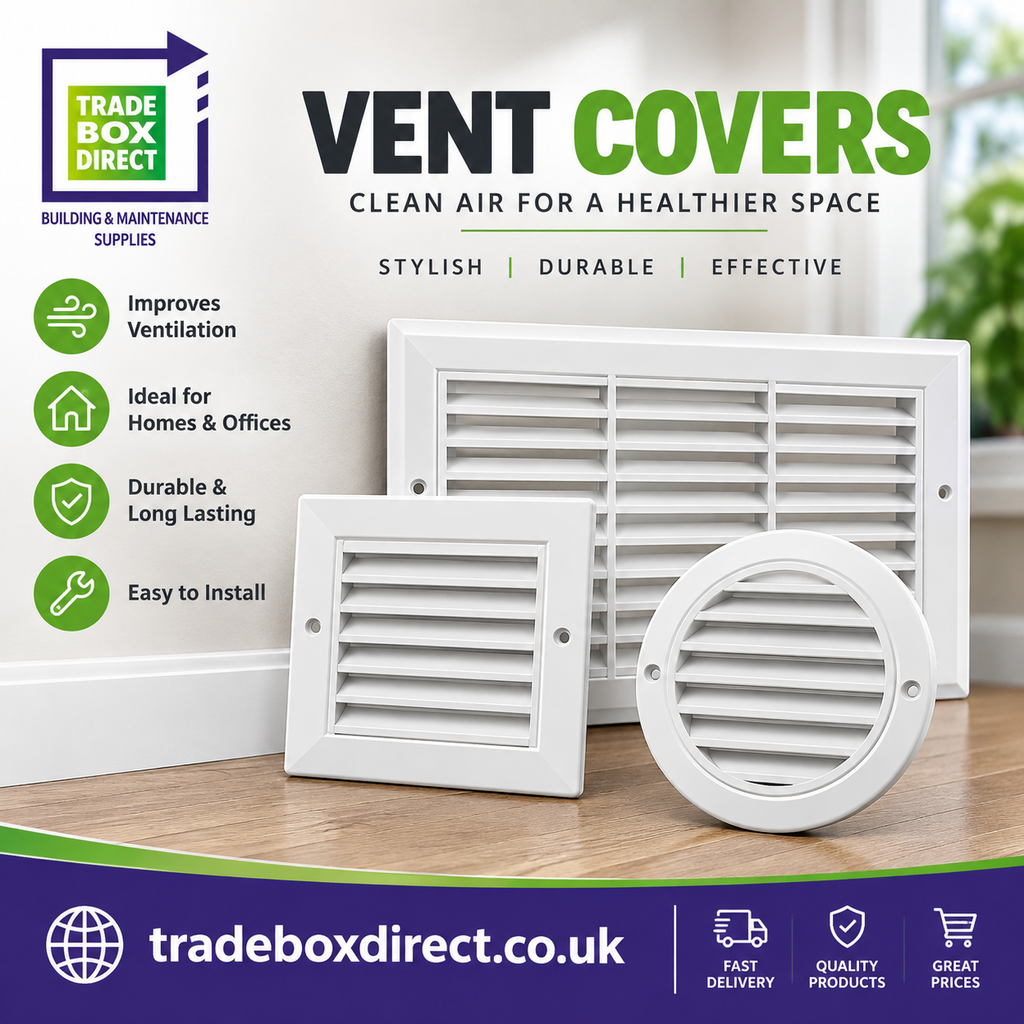
Vent covers are protective covers fitted over air openings. They are commonly used on walls, doors, ceilings and external areas where air needs to pass through.
Their main job is simple. They allow air to move while helping stop unwanted items from entering the opening. Depending on the design, a cover may help keep out insects, dirt, leaves and other small debris.
For this reason, vent covers are useful in homes, offices, garages, workshops and other buildings.
A suitable cover should match the size and purpose of the opening. It should also provide enough space for air to pass without creating unnecessary resistance.
Why Do Vent Covers Matter?
A vent opening without a suitable cover can leave the inside of a building exposed. Dust and insects may enter, while the opening may also look unfinished.
A well-designed vent cover offers a practical solution. It provides protection without blocking the movement of air.
Good VENTILATION can also support a more comfortable indoor environment. Fresh air can enter, while stale air can leave. At the same time, moisture from everyday activities such as cooking, washing and drying clothes needs to escape.
This is especially important in kitchens, bathrooms, utility rooms and other areas where damp air can build up.
How Vent Covers Support Airflow
Air needs a clear route to move through a building. If an opening becomes blocked, airflow can become weaker. Therefore, choosing a vent cover with a suitable design is important.
The size and shape of the cover can affect how freely air moves. Slatted designs, grilles and other open patterns are often made to provide a useful balance between protection and air movement.
You can learn more about airflow and why air movement matters when choosing products for a building.
A good vent cover should not simply look attractive. It should also suit the opening and the intended use.
Vent Covers and Moisture
Moisture is common inside every home. Steam from showers, cooking and even normal breathing can add water vapour to the indoor air.
If damp air cannot escape, it may settle on colder surfaces. Over time, this can create an uncomfortable environment and may contribute to damp-related problems.
This is why suitable VENTILATION is important in rooms where moisture levels can rise.
Using the correct vent cover can help maintain an open route for air. It does not remove moisture by itself, but it forms an important part of a wider air movement system.
You can also read the definition of moisture to understand how water vapour and dampness relate to indoor environments.
Vent Covers and Condensation
Condensation happens when warm, moist air meets a colder surface. You may notice it as water droplets on windows, mirrors or other cool areas.
Poor air movement can make this problem worse because damp air remains inside the room for longer.
For that reason, VENTILATION should be considered when planning bathrooms, kitchens and utility areas.
A suitable vent cover helps keep an air opening protected while still allowing air to move through the system. However, the complete setup matters. The vent, ducting, fan or opening must all work together correctly.
For more information about the term, see condensation.
Choosing the Right Vent Covers
There are many types of vent covers available, so the right choice depends on where and how the product will be used.
For example, an internal wall may need a different style from an external wall. A bathroom may also need a different solution from a garage or storage area.
Before buying, consider:
- The size of the opening
- Where the cover will be installed
- How much air needs to pass through
- Whether the area is exposed to weather
- Whether insect protection is needed
- The material and finish
- How easy the cover is to clean
- Whether the design suits the building
These points can help you choose a product that works well and looks neat.
Different Uses for Vent Covers
Vent covers have many everyday uses. They can be fitted to air bricks, wall openings, ventilation systems, grilles and other air passages.
In homes, they are often useful in kitchens, bathrooms, utility rooms and garages. Commercial buildings can also use them in offices, storage areas, workshops and service spaces.
A well-positioned cover can provide a clean finish around an opening. In addition, it can help protect the opening from unwanted debris.
For anyone planning a new VENTILATION system, it is worth considering the vent cover at the same time as the main equipment.
Keeping Vent Covers Clean
Like many building products, vent covers need occasional cleaning. Dust can collect around the openings over time.
A dirty cover may restrict air movement, especially if dust and debris build up across a large part of the surface.
Cleaning is usually simple. Remove loose dust first, then use a suitable cloth or cleaning method for the material. Always follow the manufacturer’s instructions when available.
Regular checks can also help you spot cracks, damage or blockages early.
Vent Covers for Homes and Buildings
The right vent cover can make a small but useful difference to a building. It provides protection, creates a cleaner finish and supports the movement of air.
More importantly, it should be viewed as part of the complete VENTILATION setup rather than as a decorative item alone.
When choosing a product, think about the room, the opening, the expected airflow and the surrounding conditions. A simple decision at the start can help avoid problems later.
Whether you are improving a home, updating a bathroom or working on a larger building project, choosing the right vent cover can help create a practical and tidy result.
Frequently Asked Questions
What is the main purpose of a vent cover?
A vent cover protects an air opening while allowing air to pass through. It can also help keep out insects, dirt and other unwanted debris.
Can vent covers help with condensation?
They can support better air movement, which may help moisture leave a room. However, condensation can have several causes, so the complete air system and room conditions should also be considered.
Where are vent covers commonly used?
They are commonly used on walls, doors, ceilings, air bricks, ventilation openings, bathrooms, kitchens, garages and utility areas.
Do vent covers need cleaning?
Yes. Dust and debris can build up over time. Regular cleaning can help keep the openings clear and support effective air movement.
How do I choose the right vent cover?
Consider the opening size, location, material, required airflow, weather exposure and the level of insect or debris protection needed.
Conclusion
Vent covers may be small, but they play an important role in many buildings. They help protect openings while allowing air to move through the space.
Good VENTILATION starts with the right combination of products and a suitable layout. Therefore, choosing a vent cover should involve more than simply picking a design that looks good.
Think about airflow, moisture, condensation, location and maintenance. With the right product, you can create a cleaner, more practical and better-protected air opening for your home or building.
What Is Mounting and How Do Solar Panel Systems Work?
Introduction
Choosing the right MOUNTING parts is an important step in a safe panel installation. A good system keeps panels secure and helps create a neat layout. It also supports long-term use in changing weather.
This guide explains MOUNTING in simple terms. It covers rails, roof supports, panel fixing parts, and useful buying tips. It also explains how these products work and what to check before you shop.
What Are Solar Mounting Systems?
Solar mounting systems are support structures used to hold panels in place. They can include rails, roof supports, clamps, fasteners, and other fixing parts.
Each part has a clear job. Together, they create a strong support frame. The correct system depends on the roof type, panel design, layout, and site conditions.
For example, a tiled roof may need different support parts from a flat roof. Therefore, installers should check the roof before choosing products.
Good MOUNTING also helps keep panels straight and well spaced. As a result, installation can become more organised and easier to manage.
How Are Solar Mounting Rails Made?
Solar mounting rails are often made from aluminium. This material is light, strong, and suitable for outdoor use.
During production, aluminium is shaped into a long rail profile. It is then cut to the required length. A protective finish may also be added for outdoor use.
The rail design can include channels for fixing parts. These channels help installers position panels in the correct place.
When you shop for rails, check the length, finish, fixing method, and system requirements. The rail should work with the other parts in the planned installation.
What Is a Pantile Roof Hook?
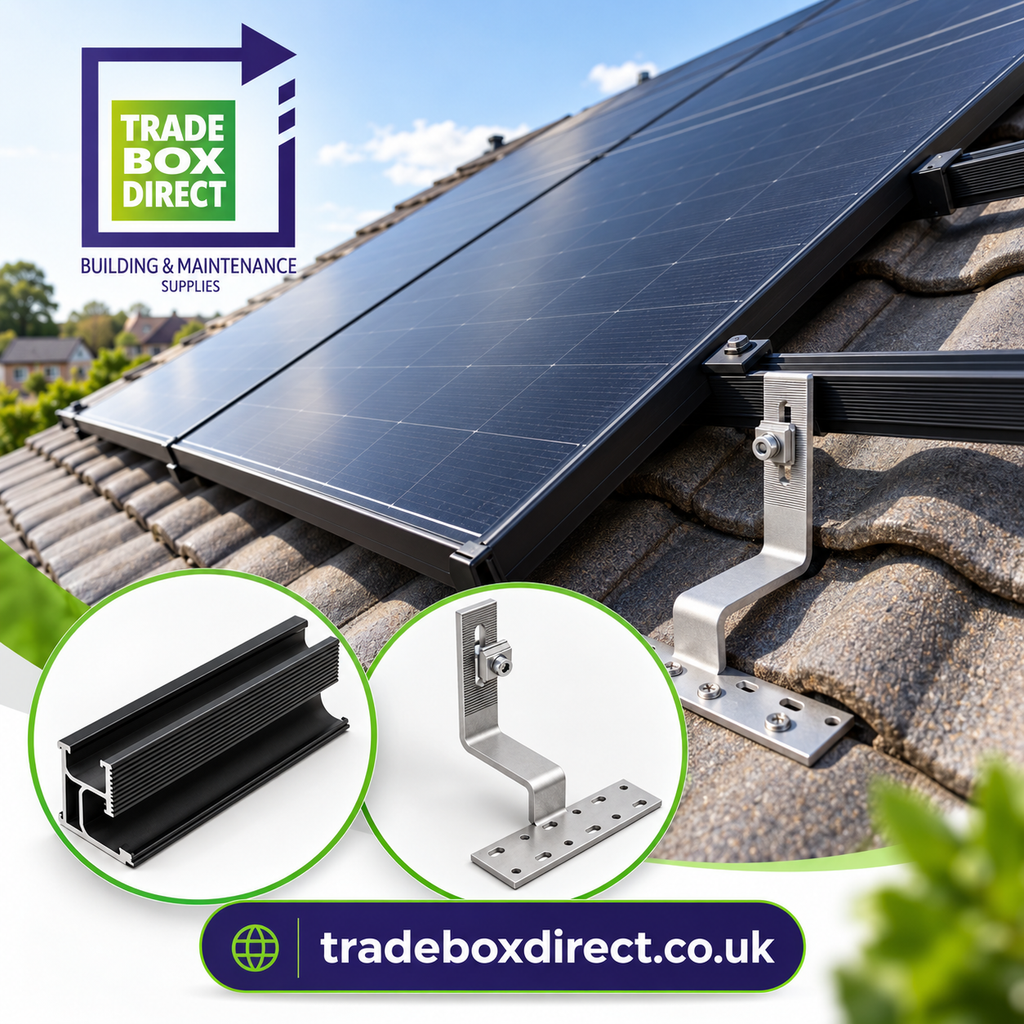
A pantile roof hook is a support part made for suitable tiled roofs. It connects the roof structure to the rail system.
Its shape is designed to work with the roof tile and fixing position. Therefore, the correct product should always be selected for the roof type.
One useful option is the Fastensol Pantile Roof Hook-Portrait.
PRODUCT: Fastensol Pantile Roof Hook-Portrait
This product can be considered for suitable portrait panel layouts. Before buying, check the product details and installation requirements.
For more information about the term, see the definition of hook.
What Is a Solar Roof Hook Used For?
A solar roof hook provides a connection between a tiled roof and the rail system. It creates a fixing point for the support structure.
The exact fitting method depends on the roof and product design. So, the roof condition must be checked first.
A suitable roof support can help spread loads through the fixing system. It can also provide a clear connection between the roof and rails.
When planning a project, check the tile shape, fixing position, rail type, and panel layout. These simple checks can help reduce fitting problems.
Why Are Solar Panel Mounting Brackets Important?
Solar panel mounting brackets connect panels to rails or another approved support system. They help keep panels in the planned position.
Different designs are available for different panel layouts. Some are used at the end of a row, while others are used between panels.
The panel frame and rail design should be checked before buying. This helps ensure the selected parts work together.
You can also compare solar brackets by size, material, finish, and fixing method.
For a simple meaning of the term, read the definition of brackets.
How Does a Solar Panel Rail Work?
A solar panel rail creates a straight support line for the panels. Roof supports connect to the rail. Then, approved fixing parts connect the panels to the rail.
This design makes the layout easier to plan. It can also help installers keep rows neat and evenly spaced.
The rail should match the other system parts. This includes the roof supports, fixing parts, and panel frame.
For this reason, checking the complete system before installation is important. A matching set can reduce fitting issues and make the work more organised.
PRODUCT
The Fastensol Black Mounting Rail 3.55m is an option for projects that need a black rail finish.
Fastensol Black Mounting Rail 3.55m
Its 3.55m length can be useful for planned rail runs, depending on the layout. Always check measurements and installation guidance before use.
What Are the Advantages of Good MOUNTING?
Good MOUNTING offers several practical benefits.
First, it helps keep panels secure. Second, it supports a neat layout. Third, the right parts can make installation more efficient.
A well-planned system may also make future checks easier. Clear rail runs and suitable fixing points help installers understand how the panels are supported.
Another advantage is product choice. Buyers can compare rail lengths, finishes, roof supports, and panel fixing options.
The right combination can make a project easier to plan. However, each part should suit the roof and panel design.
How Should You Shop for MOUNTING Products?
Before you shop, start with the roof type. Next, check the panel design and layout. Then, confirm the rail size and fixing method.
You should also review product measurements and fitting instructions. For trade projects, pack sizes and total quantities may also matter.
TradeboxDirect offers a range of products for different installation needs. You can explore the category to compare solar mounting rail options and other related products.
You can also explore solar panel rail products when planning a suitable panel layout.
If you want to understand the wider term, read the definition of solar.
What Should You Check Before You Buy?
Before you buy, check the roof material, tile profile, panel frame, rail size, and fixing method.
You should also check load information and product guidance. Wind and weather conditions can affect the design.
Small details matter. A rail that is too short may create extra joins. A roof support that does not suit the roof can cause fitting problems.
Therefore, take time to compare the products before placing an order.
Why Is MOUNTING Planning Important?
Good MOUNTING planning brings all parts together before work starts.
It helps identify the rails, roof supports, fixing parts, and other items needed. As a result, you can create a clearer shopping list.
Planning can also reduce waste. Instead of buying random parts, you can order based on the panel layout and roof design.
The simple process is to measure, check, match, and then order. If you are unsure, a qualified installer should confirm the complete design.
FAQs
1. What is MOUNTING for solar panels?
MOUNTING is the support system used to hold panels in place. It can include rails, roof supports, fixing parts, and other components.
2. How are solar mounting rails made?
Many rails are made from aluminium. The metal is shaped into a rail profile and cut to size. A protective finish may then be added.
3. What is a pantile roof hook?
It is a roof support designed for suitable pantile roofs. It connects the roof structure with the rail system.
4. What are solar panel mounting brackets?
They are fixing parts that connect panels to rails or another approved support system. The correct type depends on the panel frame and rail design.
5. Can I buy MOUNTING products online?
Yes. You can shop online and compare sizes, materials, finishes, and product details. Always check that the parts suit your planned installation.
6. How do I choose the right rail?
Check the roof design, panel layout, rail length, support spacing, and fixing method. Product instructions should also be reviewed before ordering.
7. What are the main advantages of a good MOUNTING system?
A good system can provide secure support, a neat layout, easier installation, and a clear structure for future checks.
Conclusion
A strong MOUNTING plan is an important part of a well-organised panel installation. Rails, roof supports, and fixing parts must work together.
Therefore, check the roof type, panel frame, product size, and fixing method before you buy.
With the right information, shopping becomes easier. You can compare products, plan quantities, and choose suitable parts for your project. Most importantly, installation should follow product instructions and site requirements.
Meta Title
MOUNTING Guide: Solar Rails, Roof Hooks & Panel Supports
Meta Description
Learn how MOUNTING works with solar mounting systems, rails, roof supports and panel fixing parts. Discover product benefits, buying tips and FAQs.
How Does Solar Panel Bird Proofing Work? A Guide to Solar Equipment and Mesh Clips
Introduction
Solar panels can help homes and businesses produce clean energy. However, the space below solar panels can sometimes attract birds and other pests. Birds may build nests, leave waste, or gather debris under the panels.
A simple way to deal with this problem is to use suitable bird-proofing products. These products form part of modern SOLAR EQUIPMENT and can help protect the area around a solar installation.
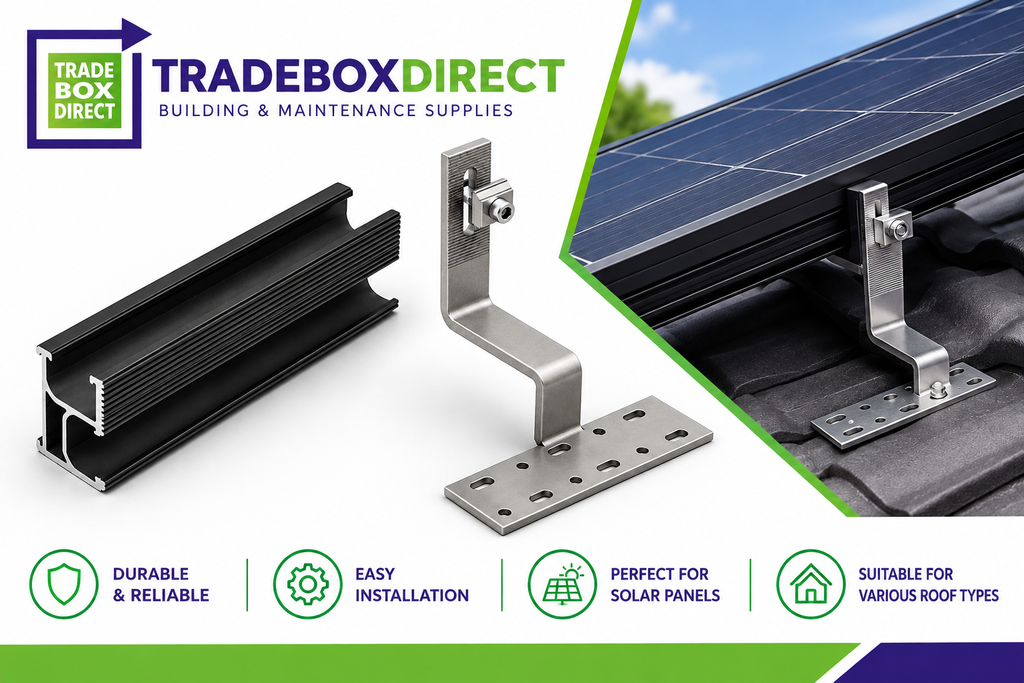
One useful product is the Solar Panel Bird Proofing Mesh Speed Clips – 30mm Black. These clips are designed to help secure bird-proofing mesh around solar panels.
In this guide, we will explain how the clips work, how they are used, what benefits they offer, and what you should check before you shop or buy.
What Is Solar Equipment?
SOLAR EQUIPMENT covers the different products used to install, support, maintain and protect a solar panel system.
Solar panels are only one part of a complete installation. Other products may include mounting rails, roof hooks, cables, connectors, brackets, clips, bird-proofing mesh and other solar panel components.
Good quality solar supplies can help installers complete jobs more efficiently. They can also make maintenance and repairs easier.
For this reason, it is useful to choose products based on the needs of the installation rather than price alone.
What Are Solar Panel Bird Proofing Mesh Clips?
Solar panel mesh clips are small fixing products used to secure bird-proofing mesh around a solar panel system.
The mesh creates a barrier around the open space below the panels. This can make it harder for birds to enter the area.
The clips help hold the mesh in place. They are therefore an important part of a bird-proofing system.
The Solar Panel Bird Proofing Mesh Speed Clips – 30mm Black are designed for this type of application.
PRODUCT: Solar Panel Bird Proofing Mesh Speed Clips – 30mm Black
If you are looking to shop for this product, you can view the product page here:
Solar Panel Bird Proofing Mesh Speed Clips – 30mm Black
Before you buy, check the product information and installation requirements to make sure it suits your solar panel system.
How Does Bird Proofing for Solar Panels Work?
Bird proofing works by creating a physical barrier around the open area below the panels.
Birds may see the space under a panel as a safe place to build a nest. However, this area can contain cables and other important parts of the installation.
When bird-proofing mesh is fitted around the panels, access to the space is restricted. The mesh can still allow normal air movement while helping keep birds out.
This makes bird proofing for solar panels a useful part of solar system maintenance.
The mesh is normally secured around the panel frame using suitable clips. These clips need to hold the mesh firmly without causing damage to the panels.
Why Use Bird Mesh for Solar Panels?
There are several reasons why homeowners and installers may choose bird mesh for solar panels.
Helps Keep Birds Away
The main purpose is to create a barrier. This can reduce the chance of birds entering the space beneath the panels.
Helps Reduce Nest Building
Birds can carry twigs, leaves and other materials when building nests. A suitable mesh barrier can make nesting under panels more difficult.
Helps Keep the Area Cleaner
Bird waste and nesting material can collect below solar panels. Bird-proofing can help reduce this type of build-up.
Supports Long-Term Maintenance
Keeping birds away can make the area around the panels easier to maintain. It can also help reduce the need for repeated cleaning in some situations.
Helps Protect Important Components
Solar installations can include cables and other electrical parts below the panels. Keeping birds away from this area can help reduce the risk of unwanted interference.
What Are Solar Panel Mesh Clips Made From?
The material used for solar panel mesh clips depends on the product design.
A good clip needs to provide secure fixing while being suitable for outdoor use. It should also work well with the mesh and solar panel frame.
The Solar Panel Bird Proofing Mesh Speed Clips – 30mm Black are designed for use with bird-proofing mesh around solar panels.
When choosing clips, check the product size and intended application. This helps ensure the fixing system is suitable for the installation.
How Are Solar Panel Mesh Clips Installed?
Installation should start with a check of the solar panel system.
The installer should inspect the panel frame and decide where the mesh needs to be placed. The mesh can then be positioned around the required area.
Next, suitable clips are attached to secure the mesh. The clips should hold the mesh firmly while avoiding damage to the panel frame.
The installer should also check the full run of the mesh. Any loose sections should be secured correctly.
A neat installation helps create a continuous barrier around the panels.
What Are the Benefits of Solar Panel Mesh Clips?
Using the correct clips can make bird-proofing easier.
First, they provide a fixing point for the mesh. As a result, the mesh can stay in place around the solar panel system.
Second, suitable clips can speed up installation. This is useful for installers who need to complete several solar projects.
Third, a secure fixing can help maintain the bird barrier over time.
Finally, black clips can provide a neat appearance around many panel systems.
The exact result depends on the panel design, mesh and installation method.
What Other Solar Supplies May You Need?
A solar installation may require several types of solar supplies.
These can include:
- Solar mounting rails
- Roof hooks
- Solar cables
- Cable clips
- Connectors
- Solar panel mesh
- Bird-proofing clips
- Solar panel components
- Mounting brackets
- Fixing accessories
Each product has a different role. Therefore, installers should check the full requirements before starting a project.
You can browse a range of solar supplies and related products when planning an installation.
How Should You Choose Solar Panel Components?
Choosing the right solar panel components starts with understanding the installation.
Check the panel type, mounting system and frame design. Then choose accessories that suit those requirements.
For bird proofing, check the mesh size and fixing method. The clips should be suitable for the mesh and panel frame.
It is also important to check the product details before you buy. A product that looks similar may not always be suitable for your installation.
You can also browse solar panel components to compare related products.
What Should You Check Before Shopping?
Before shopping for SOLAR EQUIPMENT, make a list of the products you need.
Check the size first. Then review the material, application and installation method.
For bird-proofing work, check the mesh and clip dimensions. Also, look at the panel frame before choosing the fixing method.
The term surface can refer to the outside or top area of an object. When fitting products around panels, installers should avoid damaging the panel or its frame.
The edge of the panel frame is also important because this is often where bird-proofing mesh is secured.
Always check whether the product is compatible with the intended system before placing an order.
Where Can You Buy Solar Equipment?
Online shopping gives installers and homeowners a simple way to compare products.
You can browse SOLAR EQUIPMENT by category and find products for installation, maintenance and protection.
TradeboxDirect provides a range of solar-related products, including bird-proofing accessories and other solar supplies.
If you need bird-proofing products, compare the mesh, clips and fixing method before you buy. This can help you select the correct products for the job.
Shop Solar Equipment and Solar Supplies
FAQs About Solar Panel Bird Proofing
What is bird proofing for solar panels?
Bird proofing for solar panels uses mesh and fixing clips to create a barrier around the open space below solar panels. This can help prevent birds from entering the area.
Why do birds go under solar panels?
The space below solar panels can provide shelter from weather. Birds may also see it as a suitable place for nesting.
What are solar panel mesh clips used for?
Solar panel mesh clips are used to secure bird-proofing mesh around solar panels. They help keep the mesh in the required position.
Are solar panel mesh clips easy to install?
They can be simple to fit when the correct mesh and fixing method are used. However, the installation should be carried out carefully to avoid damage to the solar system.
Can bird mesh damage solar panels?
A correctly installed system should avoid damaging the panels. The installer should use suitable products and follow the correct fitting method.
What are the advantages of bird proofing?
Bird proofing can help reduce nesting, bird waste and debris below solar panels. It may also make maintenance easier.
What should I check before buying solar equipment?
Check the size, material, intended use and installation method. Make sure each product suits the solar system and other components.
Where can I buy solar panel mesh clips?
You can shop online for solar panel mesh clips and other solar products. Always check the product details before placing an order.
Conclusion
Solar panel systems need more than panels alone. Mounting products, cables, clips and protection accessories can all have an important role.
SOLAR EQUIPMENT such as bird-proofing mesh and clips can help protect the space below solar panels from unwanted bird activity.
The Solar Panel Bird Proofing Mesh Speed Clips – 30mm Black provide a practical way to secure bird-proofing mesh around a solar installation.
Before you shop or buy, check the product size, application and installation requirements. Choosing the right solar panel components can make installation and future maintenance easier.
With suitable SOLAR EQUIPMENT and careful installation, bird-proofing can be a useful addition to many solar panel systems.
What Are Plastic Fittings and How Does a 22MM Pipe Stiffener Insert Work?
Introduction
Pipe systems need strong and reliable connections. A small part can make a big difference to the quality of an installation. This is where plastic fittings can be useful.
They are used in many plumbing and pipework jobs. They can help create secure connections and support pipes during installation. One useful product in this category is the 22MM Pipe Stiffener Insert.
This guide explains what the product does, how it works, how it is made and why it can be useful. It also explains what to check before you shop or buy one.
The information is written in simple language. So, whether you are a DIY user, plumber, installer or someone learning about pipe systems, you can follow the guide with ease.
What Are Plastic Fittings?
Plastic fittings are components used to connect, support or control pipe systems. They can be made from different types of plastic, depending on the job.
You may find them in plumbing, heating, water supply and other pipework systems. Their light weight makes them easy to handle. They can also be shaped into many useful designs.
Some products are made to join pipes. Others help support pipes or create a stronger connection. The right product depends on the type and size of pipe being used.
For this reason, it is important to check product measurements before you buy.
What Is a 22MM Pipe Stiffener Insert?
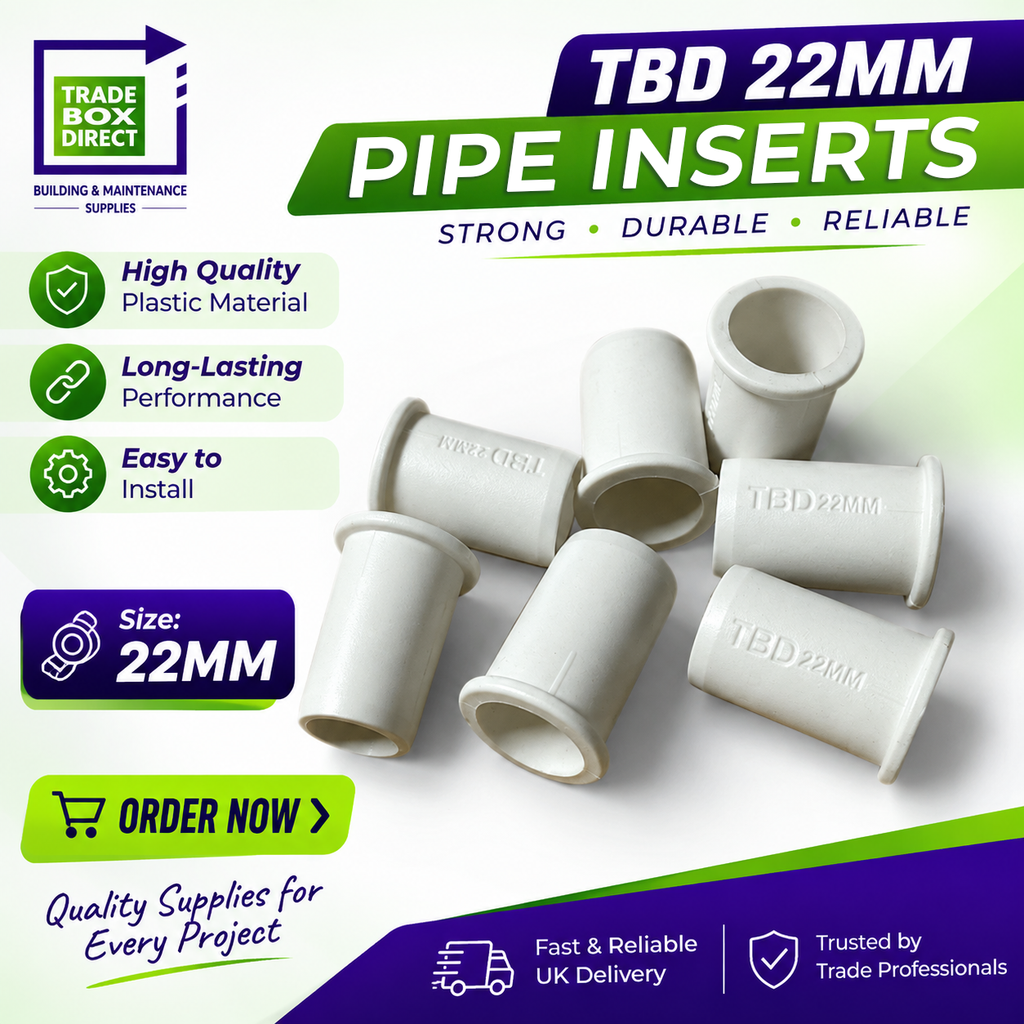
A 22MM Pipe Stiffener Insert is a small component designed to sit inside a 22mm pipe.
Its main job is to provide extra support to the pipe wall when a suitable connection is made. The insert helps the pipe keep its shape during fitting.
This can be useful when working with flexible or semi-flexible pipe. Without suitable internal support, the pipe may not hold its shape as well at the connection point.
The insert therefore works as a simple support component within the pipe system.
PRODUCT: 22MM PIPE STIFFENER INSERT
If you are looking to shop for this specific product, you can view the 22MM Pipe Stiffener Insert here:
22MM Pipe Stiffener Insert – TradeboxDirect
Different pack sizes may be available, so check the product details before placing an order.
How Is a Pipe Stiffener Insert Made?
A pipe stiffener insert is normally produced from a strong material that can sit inside the pipe without losing its shape.
The manufacturing process starts with the selected material. It is formed into the required size and shape. The dimensions are then checked to make sure the insert fits the intended pipe.
Good production is important because even a small size difference can affect installation.
The finished item should have a smooth design. This allows it to enter the pipe with suitable pressure while providing internal support.
Manufacturers may also carry out quality checks during production. These checks help make sure the products meet the required size and design.
How Does a 22MM Pipe Stiffener Insert Work?
The insert is placed inside the end of a 22mm pipe. It supports the pipe from the inside.
When the pipe is connected to a fitting, the insert helps the pipe retain its shape. This can make the connection process easier and more secure.
For example, flexible pipe can sometimes change shape when pressure is applied. An internal stiffener helps reduce this issue.
The insert does not replace the main pipe fitting. Instead, it works alongside the fitting to provide extra internal support.
That makes it a small but useful part of a complete pipe installation.
What Are the Benefits of Plastic Fittings?
There are several reasons why plastic fittings are popular in pipework.
Lightweight Design
Plastic products are often lighter than metal alternatives. This makes them easier to carry, handle and install.
Easy Handling
A lightweight component can save time during installation. It can also make larger jobs easier to manage.
Useful for Many Applications
Plastic fittings can be used across different plumbing and pipework applications. However, the product must always suit the pipe and system.
Support for Secure Connections
A suitable stiffener can support the pipe at the connection point. This helps the pipe maintain its shape during fitting.
Simple Storage
Small pipe components do not take up much space. Therefore, installers can keep useful sizes in a toolbox or storage box for future work.
Where Can a 22MM Pipe Stiffener Insert Be Used?
A 22mm pipe stiffener insert can be useful in several pipework situations.
Common applications may include:
- Plumbing work
- Heating systems
- Water pipe installations
- Domestic pipework
- Maintenance jobs
- DIY plumbing projects
- New pipe installations
- Pipe repair work
The exact application depends on the pipe material and fitting system.
Before installation, always check the manufacturer’s product information. The insert should be suitable for the pipe being used.
Why Is Pipe Support Important?
A pipe needs to keep its shape when it is connected. If the pipe becomes distorted, the fitting may not sit correctly.
This is one reason plastic fittings and pipe support components are useful in modern installations.
A stiffener provides internal support at the connection point. As a result, it can help make the fitting process smoother.
It can also reduce the risk of the pipe becoming damaged during installation when the correct product and method are used.
What Should You Check Before You Buy?
Before you buy plastic fittings, check the pipe size first.
For this product, the pipe size is 22mm. Make sure your pipe and connection system require this size.
Next, check the product information. Look at the pack quantity, measurements and intended use.
You should also check whether the insert is suitable for your pipe material and fitting system. The correct component should fit properly without excessive force.
The pipe opening should also be clean. Dirt, dust or grease can affect the fitting process. For a simple definition of grease, see the linked dictionary resource.
Shopping for Pipe Inserts Online
Online shopping makes it easier to compare pipe components. However, price should not be the only thing you consider.
Check the product details before you place an order. Look at the size, pack quantity and intended application.
You can also compare different plastic fittings based on their material, design and purpose.
If you work on several installations, buying a suitable pack size may be more practical. It can help you keep spare inserts available when needed.
Always use the product according to its instructions. If you are unsure about an installation, ask a qualified professional for advice.
What Materials Are Used in Pipe Systems?
Different pipe systems use different materials. Plastic, copper and other materials can all be found in plumbing and heating applications.
Some materials also contain a mineral or use mineral-based compounds during production. The exact material depends on the product and its manufacturing process.
An ingredient is another useful term that can describe a component used in a mixture or product.
For pipe inserts, however, the most important point is to check the actual product specification rather than assume that all inserts use the same material.
How Should You Install a Pipe Stiffener Insert?
First, check that the pipe is the correct size. Cut the pipe cleanly and make sure there are no rough pieces around the cut.
Next, place the stiffener inside the pipe. Push it in carefully until it sits in the correct position.
After that, make the connection using the correct fitting method for your pipe system.
Do not force a product that does not fit. If the insert does not enter correctly, stop and check the size and product information.
A clean cut and correct fitting method can make the installation much easier.
FAQs
What is a 22MM Pipe Stiffener Insert?
It is a support component designed to fit inside a 22mm pipe. It helps the pipe retain its shape at a connection point.
Why use a pipe stiffener insert?
It can provide internal support and help the pipe maintain its shape when a connection is made.
Are plastic fittings suitable for plumbing?
Plastic fittings are used in many plumbing and pipework systems. However, the product must match the pipe, size and intended application.
Can I buy a 22MM Pipe Stiffener Insert online?
Yes. You can shop online and check the product size, pack quantity and application before you buy.
How do I know if the insert will fit?
Check that your pipe is 22mm and review the manufacturer’s product information before installation.
Can I use the insert with any 22mm pipe?
Not always. The pipe material and fitting system also matter. Always check the product specifications before use.
What should I do if the insert does not fit?
Do not force it. Check the pipe size, product details and installation method. If needed, ask a qualified installer for advice.
Conclusion
A 22MM Pipe Stiffener Insert is a small component with a useful role in pipe installations. It provides internal support and helps the pipe retain its shape when a connection is made.
Plastic fittings are available in many forms, so choosing the right product is important. Always check the pipe size, material, application and fitting method before you shop.
If you need a 22mm pipe stiffener, review the product details carefully before you buy. The right component can make pipe installation simpler and help create a more secure connection.
Ventilation Grilles: How They Work, Benefits, Types and Buying Guide
Introduction
Good air movement is important in every building. It helps rooms feel fresh and comfortable. It can also help control damp air, smells and heat.
One simple product that helps with this is ventilation grilles. They are used to cover air openings while still letting air pass through. You can find them in homes, offices, shops, garages and many other buildings.
There are many types of grilles available today. They can be made from plastic, aluminium or steel. They also come in many sizes and styles.
So, how do ventilation grilles work? What are they made from? Where can they be used? Most importantly, how do you choose the right one?
This guide answers these questions in simple terms.
What Are Ventilation Grilles?
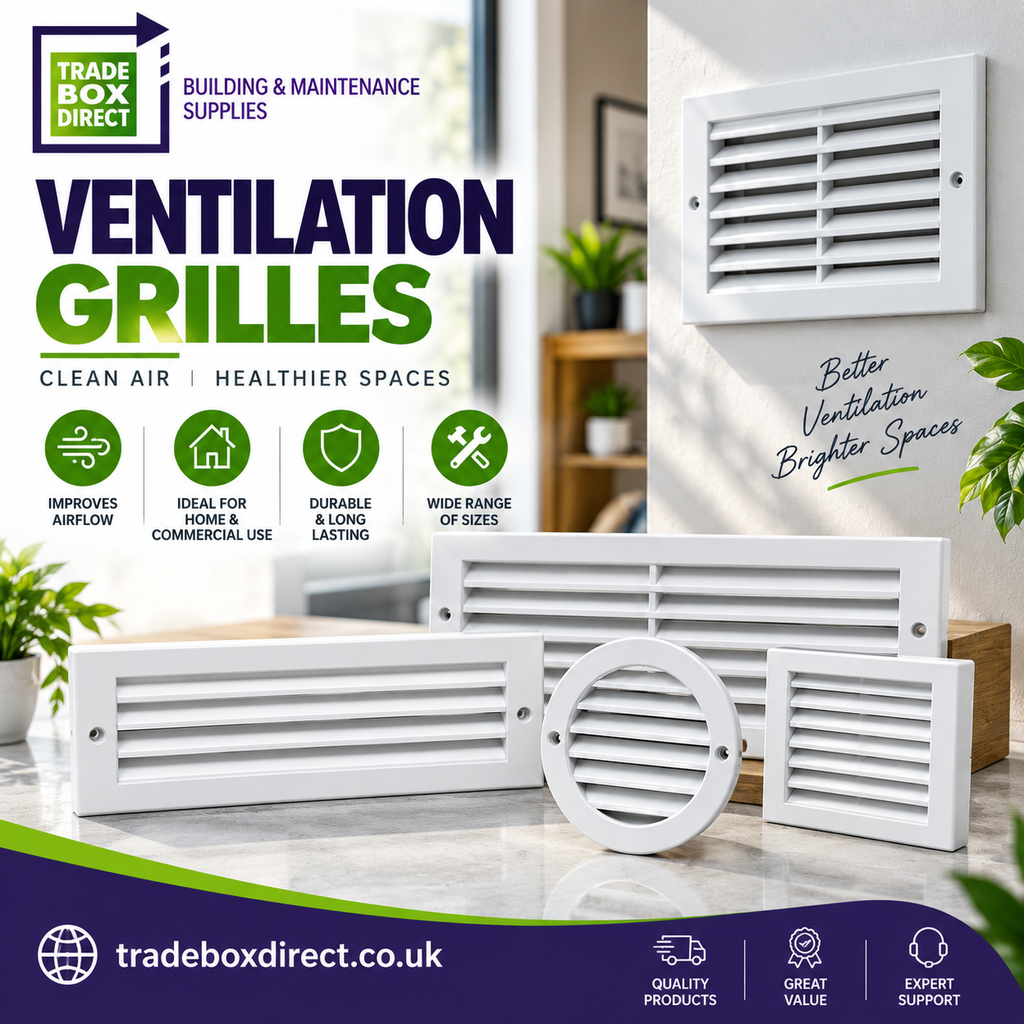
Ventilation grilles are covers placed over an air opening. They let air move through the opening while giving it a clean finish.
A grille may have slots, bars, blades or small holes. The design depends on its purpose. Some grilles have fixed blades. Others have adjustable blades that can help guide the air.
These products are often used with a wider VENTILATION system. They may allow fresh air into a room or help move stale air out.
For example, a bathroom can become warm and damp after a shower. A suitable grille can form part of the air system that helps move damp air away.
How Are Ventilation Grilles Made?
The way ventilation grilles are made depends on the material.
Plastic grilles are usually light and easy to handle. They are often used in homes and smaller spaces. They can also be easy to clean.
Aluminium grilles are light but strong. They also offer good resistance to rust. For this reason, aluminium can be useful in many indoor and outdoor areas.
Steel grilles are stronger and may suit areas that need extra protection. They are often used in commercial or industrial spaces.
During production, the material is shaped into the required size. Openings are then added to allow air to pass through. The edges are finished to give the product a neat look.
Some products also have a coating. This can improve the finish and help protect the surface.
How Do Ventilation Grilles Improve Airflow?
The main job of ventilation grilles is to let air pass through an opening.
The size and design of the grille can affect how much air can move through it. Therefore, the correct product should be chosen for the size of the opening and the needs of the room.
You can learn more about airflow to understand how air moves from one place to another.
A grille does not create air movement on its own. Instead, it works as part of a wider system. Fans, ducts and vents may all work together to move air around a building.
As a result, choosing the correct grille can help the whole system work in a more suitable way.
What Are the Benefits of Ventilation Grilles?
There are several benefits to using ventilation grilles.
1. They Allow Air to Move
The first benefit is simple. A grille allows air to pass through an opening.
This can help fresh air enter a room. It can also help stale air leave.
2. They Help Manage Damp Air
Bathrooms, kitchens and laundry rooms can produce a lot of water vapour.
If damp air stays inside a room for too long, it can create an uncomfortable space. Good VENTILATION can help move this air away.
For a simple definition, see moisture.
3. They Can Help With Condensation
Condensation can form when warm air meets a cold surface. This often happens on windows, walls and other cold areas.
You can read more about condensation.
A grille cannot fix every condensation problem. However, better air movement can help reduce excess damp air in some rooms.
4. They Give a Clean Finish
An open hole in a wall, door or duct can look untidy.
Ventilation grilles cover the opening and give it a neat finish. This is useful in both homes and commercial buildings.
5. They Come in Many Designs
You do not have to choose only one type of grille.
There are plastic grilles, metal grilles, adjustable grilles, fixed grilles and many other designs. Therefore, you can choose a product based on the space and the job.
Where Can Ventilation Grilles Be Used?
Ventilation grilles have many uses. They can be found in both small and large buildings.
Common areas include:
- Bathrooms
- Kitchens
- Utility rooms
- Bedrooms
- Offices
- Shops
- Garages
- Workshops
- Storage rooms
- Commercial buildings
- Internal doors
- Walls
- Duct systems
Bathrooms often need good air movement because showers create steam. Kitchens can also need air control because cooking creates heat, smells and moisture.
Garages and workshops may need grilles to support air movement too.
The correct grille depends on the room, opening and system.
What Types of Ventilation Grilles Are Available?
There are many types of ventilation grilles on the market.
Plastic Ventilation Grilles
Plastic grilles are light and easy to install. They are often used in homes and other light-duty areas.
They can also offer a clean and simple appearance.
Aluminium Ventilation Grilles
Aluminium grilles are strong and light. They can also resist corrosion well.
For this reason, they can be suitable for many indoor and outdoor uses.
Steel Ventilation Grilles
Steel products offer extra strength. They may be useful in areas where the grille needs to handle more wear.
Adjustable Ventilation Grilles
Adjustable designs allow the air direction to be changed. This can be useful when air needs to move in a particular direction.
Fixed Ventilation Grilles
Fixed grilles have a set design. They are simple and can work well where no air direction change is needed.
How Do You Choose the Right Ventilation Grille?
Before you buy ventilation grilles, measure the opening carefully.
Check the width and height. Then look at the depth and fitting method.
Next, think about the material. Plastic may work well for a simple indoor job. Aluminium may be better where you need a light and durable product.
The location also matters. An outside grille may need better weather resistance than an indoor grille.
You should also check the opening area. A grille with very small openings may not suit every system.
Finally, think about the look. Choose a style that fits the wall, door or ceiling around it.
What Should You Check When Shopping Online?
Online shopping makes it easy to compare different ventilation grilles.
However, do not choose a product based only on price.
Check the product size first. Then review the material, design and fitting method.
Look at the product information before you buy. If you need several grilles, check that all products have the same size and finish.
It is also useful to compare the product with your existing air system.
The right grille should fit well and suit the job. Therefore, careful shopping can save time and avoid the need for returns.
Are Ventilation Grilles Easy to Install?
Many small ventilation grilles are simple to fit. However, the installation method depends on the product and location.
Some grilles can be fixed with screws. Others may use clips or another fitting method.
Before fitting the grille, make sure the opening is clean and the correct size.
For larger systems, professional help may be useful. This is especially true when the grille connects to ductwork or a commercial VENTILATION system.
A secure fit is important. A loose grille may move, rattle or allow unwanted gaps around the opening.
How Do You Maintain Ventilation Grilles?
Regular cleaning can help keep ventilation grilles clear.
Dust can collect around the slots and openings. Dirt may also build up over time.
Use a soft cloth or suitable brush to clean the surface. Always use a cleaning method that suits the material.
Also, check the grille from time to time. If it becomes damaged or badly blocked, it may need attention or replacement.
Keeping the grille clean helps air move through the opening more easily.
Why Are Ventilation Grilles Important?
Modern buildings need good air management. Homes are also becoming more airtight, which makes controlled air movement important.
Ventilation grilles provide a simple way to cover air openings while allowing air to move through them.
They can support better comfort in bathrooms, kitchens, offices and other areas. They also provide a clean finish.
Therefore, even though a grille may look like a small building product, it can have an important role in an effective air system.
FAQs About Ventilation Grilles
What is the main purpose of ventilation grilles?
The main purpose is to cover an air opening while allowing air to pass through. They can work with supply or extraction systems.
What are ventilation grilles made from?
Common materials include plastic, aluminium and steel. The best material depends on the location and intended use.
Can ventilation grilles help with condensation?
They can support better air movement and may help reduce excess damp air in some areas. However, condensation can have several causes.
Where can I use ventilation grilles?
They can be used in bathrooms, kitchens, utility rooms, offices, garages, shops, walls, doors and duct systems.
How do I choose the right size?
Measure the opening before you buy. Check the product dimensions and make sure they match the required opening.
Can I buy ventilation grilles online?
Yes. Online shopping gives you access to many sizes, materials and designs. Always check the product details before buying.
Do ventilation grilles need cleaning?
Yes. Dust and dirt can collect on the grille. Regular cleaning helps keep the openings clear.
Are ventilation grilles suitable for commercial buildings?
Yes. Stronger products, such as aluminium or steel grilles, can be used in many commercial applications. The correct product depends on the system and location.
Conclusion
Ventilation grilles are useful products for homes, offices, shops and commercial buildings. They cover air openings while still allowing air to pass through.
They are available in different materials, sizes and designs. Therefore, you can choose a product that suits your space and air system.
Before you shop or buy, check the size, material, fitting method and intended use. Also, make sure the grille suits the wider VENTILATION system.
With the right product, you can create a neat finish and support better air movement in your building.
How Is Solar Equipment Made and What Solar Panel Components Do You Need?
Solar energy is now a popular way to produce clean electricity for homes and businesses. However, a solar system is not made from panels alone. Several small and large parts work together to help a system produce, control, and use electricity safely. These parts are often grouped under solar equipment.
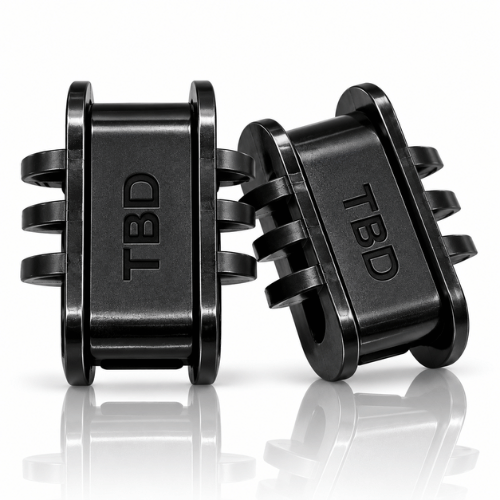
Understanding these products makes it easier to choose the right parts for a new installation or replacement project. Whether you are planning a home solar system, working on a commercial project, or looking to shop for individual parts, knowing how each component works can help you buy with confidence.
What Is Solar Equipment?
Solar equipment includes the products used to install, connect, support, protect, and operate a solar power system. Solar panels are one important part, but many other items are needed around them.
For example, an installation may need mounting parts, roof hooks, solar rails, clamps, cable management products, connectors, and other accessories. Each item has a specific job. Therefore, choosing suitable parts can help create a safer and more reliable installation.
Good-quality solar equipment can also make installation work easier. When parts are designed to work together, installers can save time while creating a neat and secure system.
What Are Solar Panel Components?
Solar panel components are the supporting products and accessories used with solar panels during installation. They can include mounting rails, roof hooks, clamps, brackets, connectors, clips, and other fixing products.
The main purpose is to hold solar panels securely and provide the connections needed for the electrical system. However, the exact components required depend on the roof type, panel design, installation method, and system layout.
For this reason, solar panel components should be selected carefully instead of choosing parts only because they look similar.
If you are looking for installation-related products, you can shop solar equipment from a dedicated category and compare the available options before placing an order.
How Are Solar Panel Components Made?
Most solar panel components are made from materials chosen for strength, durability, and resistance to outdoor conditions.
Metal parts, such as rails, brackets, and hooks, may be manufactured from aluminium or other suitable metals. These materials offer a useful combination of strength and low weight. Plastic parts can also be used where insulation, protection, or flexible fixing is required.
During production, components are shaped, cut, drilled, moulded, or finished to meet their intended purpose. Manufacturers may also apply protective finishes to help products cope with rain, sunlight, temperature changes, and normal outdoor use.
Quality control is important too. Components need suitable dimensions so installers can fit them correctly during a solar installation.
What Solar Panel Components Are Commonly Used?
There are many types of solar panel components, and each one has a different role.
Solar Rails
Solar rails provide a strong mounting path for panels. They are fixed to suitable roof mounting points and help create an organised installation layout.
Roof Hooks
Roof hooks connect the mounting system to the roof structure. Different roof coverings can require different hook designs, so the correct product should be selected for the installation.
Solar Clamps
Clamps help secure solar panels to mounting rails. They are designed to hold panels firmly while keeping the installation neat.
Connectors and Cable Accessories
Electrical connections need suitable connectors and cable management products. These parts help keep cables organised and protected during installation.
Fixings and Brackets
Various fixings and brackets may be needed depending on the roof structure and mounting design. They help keep the system stable and correctly positioned.
Together, these solar panel components form an important part of the installation process.
What Are the Advantages of Quality Solar Equipment?
Choosing suitable solar equipment can provide several practical benefits.
First, good components can make installation more straightforward. Installers can work faster when the correct products are available and fit the planned system.
Second, quality parts can support long-term durability. Solar systems remain outdoors for many years, so their supporting components need to cope with changing weather conditions.
Third, suitable solar equipment can help create a cleaner installation. Properly selected rails, clamps, hooks, and cable accessories can reduce unnecessary movement and help keep the system organised.
Finally, buying the correct parts can reduce the chance of needing replacements caused by unsuitable products.
What Should You Check Before You Buy?
Before you buy solar equipment, check the requirements of your solar installation. Start by identifying the panel type, roof type, mounting method, and required fixing system.
Next, check the measurements and specifications of every component. The product should be suitable for the intended installation and compatible with the other parts being used.
It is also useful to check the material, load requirements, fixing method, and manufacturer information. If you are unsure, ask a qualified solar installer for advice before ordering.
The surface where a component will be installed can also affect the choice of fixing method. In addition, the roof edge may require careful planning when panels and mounting rails are positioned.
Why Is Correct Installation Important?
Even high-quality solar equipment needs to be installed correctly. A mounting system must be securely fixed, while electrical components need to be installed according to the relevant requirements.
Poor installation can cause movement, damage, or other problems. Therefore, solar installation should be planned carefully and carried out by a suitably qualified professional where required.
Correct installation also helps ensure that the different solar panel components work together as intended.
Where Can You Shop for Solar Equipment?
Buying online can make it easier to compare different products and specifications. A dedicated category can also help installers find related parts in one place.
If you need products for a solar installation, you can shop solar panel components and review the available options before deciding what to buy.
However, do not select a product based only on price. Check the specifications, measurements, material, intended use, and installation requirements first. This approach can help you choose solar equipment that suits your project.
How Can Solar Equipment Help a Solar Installation?
A solar system works as a complete setup rather than as a collection of separate products. Panels generate electricity, while mounting products keep them securely positioned. Electrical accessories help connect the system, and other components help organise and protect the installation.
As a result, each item has a role to play. The right solar equipment can support a well-planned installation and help installers create a secure and organised system.
Frequently Asked Questions
1. What is solar equipment?
Solar equipment includes the products used to install, mount, connect, support, and protect a solar power system. It includes mounting accessories and various installation parts.
2. What are solar panel components?
Solar panel components are supporting parts used with solar panels. Examples include rails, roof hooks, clamps, brackets, connectors, and cable accessories.
3. Can I buy solar panel components separately?
Yes. Many solar panel components can be purchased separately. This can be useful when completing a new installation, replacing a damaged part, or expanding an existing system.
4. How do I choose the right solar equipment?
Check your panel type, roof design, mounting method, measurements, fixing requirements, and product specifications. If you are unsure, consult a qualified installer.
5. Why does the quality of solar equipment matter?
Quality components can support secure mounting, easier installation, durability, and a more organised solar system. Correct product selection is therefore important for long-term use.
Conclusion
Understanding solar equipment makes solar installation easier to plan. While solar panels receive most of the attention, the supporting products are equally important for creating a secure and organised system.
From rails and roof hooks to clamps, brackets, connectors, and fixing accessories, solar panel components each have a specific purpose. Therefore, take time to check measurements, materials, specifications, and installation requirements before you shop or buy.
With the right products and proper installation, solar equipment can become an important part of a reliable solar power system for homes and businesses.
How to Choose the Right Solar Equipment for a Solar Installation?
Choosing the right solar equipment is an important part of planning a home or commercial solar system. Solar panels may get most of the attention, but a complete installation needs many supporting parts. These include mounting rails, roof hooks, cables, connectors, clips, fasteners, and protective accessories. Each item has a practical job. Therefore, understanding the products before you shop can help you plan the work with fewer delays.
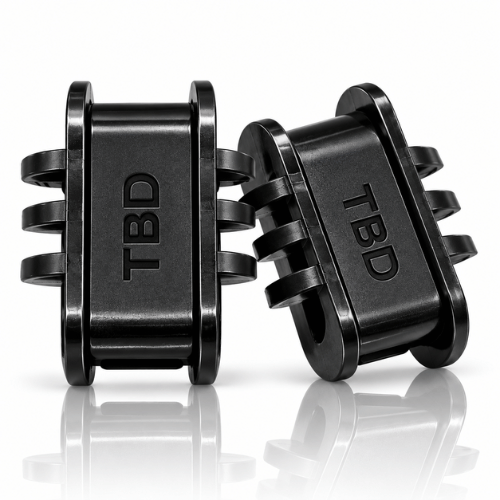
What Is Solar Equipment?
Solar equipment covers the products used to build, support, connect, and protect a solar installation. It can include mounting hardware, cable management products, connectors, roof fixing parts, and other accessories used around solar panels.
The correct products depend on the type of roof, panel size, system layout, cable route, and installation method. For example, a roof-mounted system may need different fixing parts from another roof design. So, product measurements and technical details should always be checked before you buy.
How Is Solar Equipment Made?
Solar equipment is made from materials chosen for strength, durability, and outdoor use. Metal mounting products are often made from aluminium or treated steel. These materials can provide useful strength while handling normal outdoor conditions. Cables use conductors with protective insulation, while connectors are designed to create secure electrical links.
Small fixing products are also made for practical installation. Clips can help keep cables neat, and mounting accessories can help hold panels securely. Manufacturers may test products for strength, fit, safety, and performance. However, specifications vary between products, so the product information should be checked before purchase.
What Solar Supplies Are Needed for an Installation?
A solar project can require a range of solar supplies. Mounting rails provide support for panels, while roof hooks and brackets connect the mounting system to the roof. Cable clips can help keep wires organised and away from areas where they may suffer damage.
Connectors are another key part. They join electrical components and help create a reliable connection. Protective accessories can also help reduce the effects of movement, heat, moisture, and poor cable management.
Before starting work, make a complete list of solar supplies. Then check the quantity of each item. This simple step can prevent delays caused by missing small parts.
What Are the Advantages of Good Solar Equipment?
Good solar equipment can provide several practical benefits. First, suitable components can support a secure installation. Second, correctly selected parts can make the installation process more organised. Third, durable accessories can help protect cables and connections during normal use.
For homeowners, careful product selection can provide confidence in the installation. For installers, having the right parts ready can support a smoother workflow. As a result, every component deserves attention, not just the main panels.
How Do You Choose the Right Solar Equipment?
Start with the system design. Check the number and size of panels, roof type, mounting method, cable requirements, and planned layout. Next, compare these details with the manufacturer’s product specifications.
The mounting system should suit both the roof and the panels. Cables should have suitable ratings for their intended use. Connectors should match the required connection type. Fixings should also suit the installation location and material.
Dimensions matter too. A small size difference can affect how a component fits. For example, the surface of a mounting part may affect how it sits against another component. The edge of a part can also matter when checking clearance.
Why Are Solar Supplies Important?
Solar supplies may look like small items, but they support the wider installation. A missing clip, fixing, connector, or mounting accessory can slow down a project. On the other hand, having the correct items ready can make the work more organised.
For that reason, solar supplies should be planned as part of the complete installation. Keep similar products together, check quantities, and review the installation instructions. This approach can save time and reduce unnecessary waste.
Where Can You Buy Solar Equipment?
If you are planning an installation, you can shop for solar equipment by comparing sizes, materials, specifications, and intended uses. Online shopping makes it easier to review several products before placing an order.
Before you buy, read the product description and technical information carefully. Check dimensions, materials, intended use, and any stated installation requirements. If you are unsure about a product, a qualified installer can help confirm what the system needs.
You can view the TradeboxDirect solar equipment category to explore products used for solar installations and related mounting work.
What Should You Check Before Buying?
Before purchasing solar equipment, check these key points:
- Product size: Make sure the component fits the planned installation.
- Material: Choose a material suited to the installation environment.
- System requirements: Confirm that the product meets the design needs.
- Quantity: Work out how many pieces are needed before ordering.
- Manufacturer information: Read specifications and installation guidance.
You should also check whether a component is suitable for the panel and mounting system. The word Compatible can help when reviewing product descriptions, but always confirm the manufacturer’s technical details.
How Does Solar Equipment Support Long-Term Performance?
A solar system works as a group of connected parts. Panels generate electricity, cables carry it, and mounting products keep the panels secure. Connectors maintain electrical links, while protective accessories can help reduce avoidable damage.
Therefore, each item has a role. Poorly selected accessories can create installation problems even when the main panels are good quality. The right solar equipment can help create a more complete and organised system.
How Can These Products Improve Installation Planning?
Planning solar equipment in advance can make a project easier to manage. A simple checklist helps installers confirm the right parts before work begins. It also helps buyers compare sizes, materials, quantities, and technical requirements. When each product has a clear purpose, the installation can be planned with fewer last-minute changes. This is especially useful for larger projects where many components must work together.
Conclusion
Solar equipment is an important part of a safe and practical solar installation. It includes much more than panels. Mounting rails, roof hooks, cables, connectors, clips, fixings, and protection accessories all help create a complete system.
By checking sizes, materials, specifications, and installation requirements, you can make more informed purchasing decisions. Whether you are planning a home project or supporting a larger installation, the right solar supplies can make the work more organised and reliable. Take time to compare products, read technical information, and select components that suit the system.
FAQs
1. What does solar equipment include?
Solar equipment can include mounting rails, roof hooks, cables, connectors, clips, fixings, and protection accessories used in a solar installation.
2. Why is solar equipment important?
It helps support, connect, protect, and organise a solar system. Each part has a role in the installation.
3. What are solar supplies?
Solar supplies are the supporting products and accessories used during solar installation, including mounting, fixing, and cable-management parts.
4. Can I buy solar equipment online?
Yes. You can review product details and order suitable items online. Always check measurements and system requirements before purchasing.
5. How do I choose solar equipment?
Start with the system design. Then check the roof type, panel dimensions, mounting method, cable requirements, materials, and manufacturer’s specifications.
6. Does every solar system need the same supplies?
No. Requirements vary according to panel type, roof design, mounting method, system size, and installation layout.