








Do Trickle Vents for UPVC Windows Improve Indoor Air Quality?
Introduction
Good indoor air starts with good VENTILATION. Modern homes often have sealed windows, insulated walls, and energy-efficient doors. These features can help keep heat inside. However, they can also reduce the natural movement of fresh air. As a result, stale air, damp air, and excess moisture can build up inside a room.
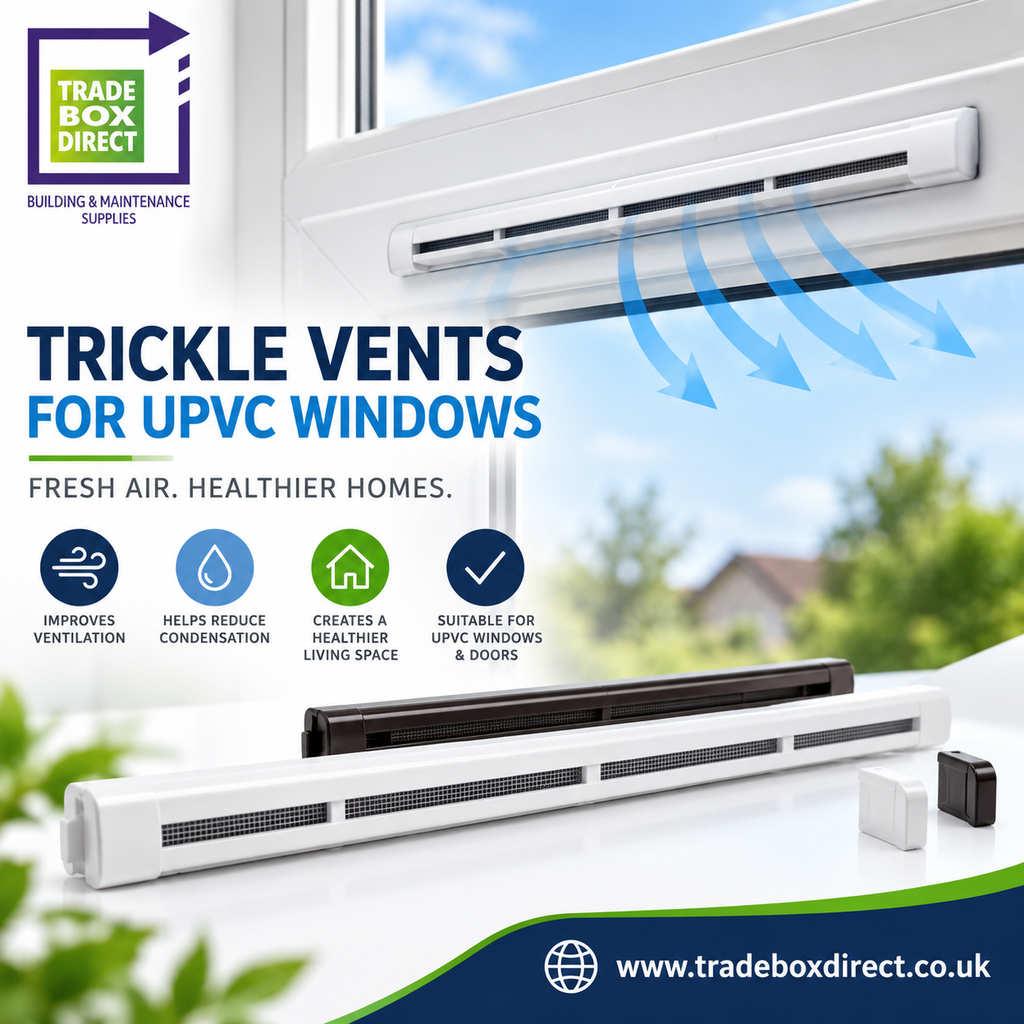
One simple solution is to use trickle vents for UPVC windows. These small vents allow fresh air to enter a room without the need to keep the main window open. Therefore, they can support a steady flow of fresh air while helping maintain a comfortable indoor environment.
What Are Trickle Vents for UPVC Windows?
Trickle vents are small ventilation openings fitted into or around a window frame. They allow a controlled amount of outdoor air to enter the room. At the same time, they help stale indoor air move out through the wider ventilation system.
You can find trickle vents for UPVC windows in many homes, flats, offices, and other buildings. They work quietly and do not need regular switching on and off. Instead, they provide a simple way to support everyday VENTILATION.
Modern UPVC windows can create a strong seal around the frame. This is useful for reducing draughts and improving energy efficiency. However, a well-sealed room still needs fresh air. A trickle vent provides a small opening that helps balance this need.
Why Is Fresh Air Important?
People produce moisture through everyday activities. Cooking, showering, washing clothes, drying laundry, and even breathing can add moisture to indoor air.
You can learn more about moisture and how it affects indoor conditions. When moist air has nowhere to go, it can settle on cold surfaces.
That can lead to condensation. You can read more about condensation to understand how water vapour changes into liquid on cooler surfaces.
Over time, poor VENTILATION can contribute to damp smells, mould growth, and an uncomfortable indoor environment. Therefore, regular fresh-air movement is important in living spaces.
How Do Trickle Vents for UPVC Windows Work?
The design is simple. A trickle vent creates a small pathway between the inside and outside of a building. Outdoor air can enter through the vent while stale indoor air can move towards an extraction point.
The vent does not normally create the same large opening as an open window. Instead, it provides controlled background VENTILATION.
This makes trickle vents for UPVC windows useful in bedrooms, living rooms, kitchens, offices, and other occupied spaces.
Good airflow also matters. You can explore the meaning of airflow to understand how air moves through a space.
When fresh air enters and stale air leaves, the room can feel fresher. As a result, occupants may notice fewer stale smells and better overall air movement.
Benefits of Trickle Vents for UPVC Windows
1. They Provide Background Ventilation
The main benefit of trickle vents for UPVC windows is their ability to provide background VENTILATION. They allow air to move even when the main window remains closed.
This can be useful during colder months. Instead of leaving a large window open, a small vent can provide a steady source of fresh air.
2. They Can Help Reduce Stale Air
A closed room can quickly feel stuffy, especially when several people spend time inside it. Fresh outdoor air can help replace stale indoor air.
For this reason, trickle vents for UPVC windows can support better everyday air quality when used as part of a suitable ventilation system.
3. They Can Help Manage Excess Moisture
Moisture from showers, cooking, and drying clothes can increase indoor humidity. If the air cannot escape, water vapour may settle on colder surfaces.
Using trickle vents for UPVC windows alongside extractor fans can help improve air movement. Therefore, they can form part of a wider approach to managing moisture.
4. They Work With Other Ventilation Systems
Trickle vents do not need to work alone. They can support extractor fans, air bricks, mechanical ventilation systems, and other products.
For example, an extractor fan can remove humid air from a bathroom, while a trickle vent can help bring fresh air into another part of the property.
Together, these systems can create more balanced VENTILATION.
Why Are Trickle Vents Useful in Modern Homes?
Modern buildings often focus on insulation and airtight construction. These features can help reduce unwanted heat loss. However, airtight spaces still need planned fresh-air movement.
That is why trickle vents for UPVC windows have become a useful part of many window and VENTILATION systems.
They offer a practical balance between keeping the main window closed and allowing some fresh air into the room.
Furthermore, they can operate quietly without taking up much space. Their compact design also means they can blend into many modern window styles.
Where Can Trickle Vents Be Used?
Trickle vents for UPVC windows can suit many areas of a property. Common locations include:
- Bedrooms
- Living rooms
- Home offices
- Kitchens
- Flats
- Rental properties
- Commercial buildings
- New-build homes
The right solution depends on the building, window type, room use, and existing VENTILATION system.
Before fitting a vent, check the window design and choose a suitable product. A professional installer can also help confirm the correct position and size.
Choosing Trickle Vents for UPVC Windows
When choosing trickle vents for UPVC windows, consider the size and design of the window. The vent should suit the frame and provide suitable background air movement.
You should also consider the room where the vent will be installed. A bedroom may have different needs from a kitchen or bathroom.
Noise can also matter. If the property sits near a busy road, look for a suitable vent design that considers outdoor noise while still supporting fresh-air movement.
For a range of ventilation products and related solutions, explore trickle vents for UPVC windows.
Do Trickle Vents Make Rooms Cold?
A common concern is that trickle vents will make a room too cold. In reality, they provide a much smaller opening than an open window.
Some air movement is expected because that is the purpose of the vent. However, the amount of air entering depends on the product, room conditions, wind, pressure, and the wider building design.
Good insulation and heating should still play their normal role. The goal is not to remove all air movement. Instead, the aim is to support healthy indoor VENTILATION while keeping the room comfortable.
Should You Leave Trickle Vents Open?
In most cases, trickle vents are designed for background use. Keeping them open can allow continuous fresh-air movement.
However, the correct approach depends on the building and its ventilation design. If your property has a specific ventilation system, follow the manufacturer’s instructions.
Never block a vent simply because it feels draughty. If you notice excessive airflow, noise, or discomfort, check the vent and seek professional advice.
Can Trickle Vents Help With Condensation?
They can form part of a wider strategy for controlling condensation. However, they are not a complete solution for every damp or condensation problem.
Good VENTILATION should work alongside extractor fans, heating, insulation, and sensible moisture control.
For example, use an extractor fan while cooking or showering. Keep internal doors closed during very humid activities where suitable. Also, allow fresh air to circulate through the property.
These simple steps can work together with trickle vents for UPVC windows to create a healthier indoor environment.
Final Thoughts
Fresh air plays an important role in a comfortable home. As modern properties become more airtight, planned VENTILATION becomes even more important.
Trickle vents for UPVC windows offer a simple way to introduce background fresh air without leaving the main window open. They can support airflow, help manage indoor moisture, and work alongside other ventilation products.
However, every property is different. The best solution depends on the room, window type, building design, and existing ventilation system.
When used correctly, trickle vents for UPVC windows can be a practical part of a well-designed fresh-air system.
Frequently Asked Questions
Are trickle vents for UPVC windows necessary?
They can be useful where a building needs background fresh-air movement. The exact requirement depends on the property’s design, window specification, and ventilation system.
Do trickle vents stop condensation?
They can help improve air movement and may reduce conditions that contribute to condensation. However, they cannot solve every condensation or damp problem on their own.
Can trickle vents be fitted to existing UPVC windows?
Some existing windows can accept suitable trickle vents, but compatibility depends on the frame and window design. Always check the product requirements before installation.
Should trickle vents stay open?
They are generally designed to provide background airflow. However, always follow the manufacturer’s guidance and consider the property’s complete ventilation system.
Are trickle vents noisy?
Some outdoor sound can pass through any ventilation opening. Products vary in design, so consider acoustic performance if the property is close to a busy road or noisy area.
Do trickle vents let rain inside?
Suitable vents are designed for use in window systems and should provide protection against normal weather conditions when correctly installed. Always choose a product designed for the intended window and installation method.
Where can I buy trickle vents for UPVC windows?
You can find suitable window and ventilation products in the ventilation category at TradeboxDirect