

How Is Solar Equipment Made and What Solar Panel Components Do You Need?
Solar energy is now a popular way to produce clean electricity for homes and businesses. However, a solar system is not made from panels alone. Several small and large parts work together to help a system produce, control, and use electricity safely. These parts are often grouped under solar equipment.
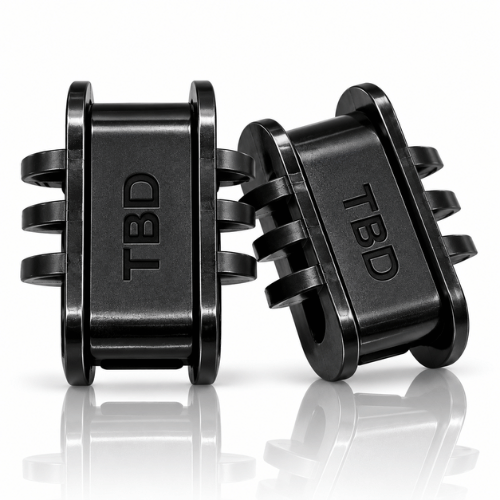
Understanding these products makes it easier to choose the right parts for a new installation or replacement project. Whether you are planning a home solar system, working on a commercial project, or looking to shop for individual parts, knowing how each component works can help you buy with confidence.
What Is Solar Equipment?
Solar equipment includes the products used to install, connect, support, protect, and operate a solar power system. Solar panels are one important part, but many other items are needed around them.
For example, an installation may need mounting parts, roof hooks, solar rails, clamps, cable management products, connectors, and other accessories. Each item has a specific job. Therefore, choosing suitable parts can help create a safer and more reliable installation.
Good-quality solar equipment can also make installation work easier. When parts are designed to work together, installers can save time while creating a neat and secure system.
What Are Solar Panel Components?
Solar panel components are the supporting products and accessories used with solar panels during installation. They can include mounting rails, roof hooks, clamps, brackets, connectors, clips, and other fixing products.
The main purpose is to hold solar panels securely and provide the connections needed for the electrical system. However, the exact components required depend on the roof type, panel design, installation method, and system layout.
For this reason, solar panel components should be selected carefully instead of choosing parts only because they look similar.
If you are looking for installation-related products, you can shop solar equipment from a dedicated category and compare the available options before placing an order.
How Are Solar Panel Components Made?
Most solar panel components are made from materials chosen for strength, durability, and resistance to outdoor conditions.
Metal parts, such as rails, brackets, and hooks, may be manufactured from aluminium or other suitable metals. These materials offer a useful combination of strength and low weight. Plastic parts can also be used where insulation, protection, or flexible fixing is required.
During production, components are shaped, cut, drilled, moulded, or finished to meet their intended purpose. Manufacturers may also apply protective finishes to help products cope with rain, sunlight, temperature changes, and normal outdoor use.
Quality control is important too. Components need suitable dimensions so installers can fit them correctly during a solar installation.
What Solar Panel Components Are Commonly Used?
There are many types of solar panel components, and each one has a different role.
Solar Rails
Solar rails provide a strong mounting path for panels. They are fixed to suitable roof mounting points and help create an organised installation layout.
Roof Hooks
Roof hooks connect the mounting system to the roof structure. Different roof coverings can require different hook designs, so the correct product should be selected for the installation.
Solar Clamps
Clamps help secure solar panels to mounting rails. They are designed to hold panels firmly while keeping the installation neat.
Connectors and Cable Accessories
Electrical connections need suitable connectors and cable management products. These parts help keep cables organised and protected during installation.
Fixings and Brackets
Various fixings and brackets may be needed depending on the roof structure and mounting design. They help keep the system stable and correctly positioned.
Together, these solar panel components form an important part of the installation process.
What Are the Advantages of Quality Solar Equipment?
Choosing suitable solar equipment can provide several practical benefits.
First, good components can make installation more straightforward. Installers can work faster when the correct products are available and fit the planned system.
Second, quality parts can support long-term durability. Solar systems remain outdoors for many years, so their supporting components need to cope with changing weather conditions.
Third, suitable solar equipment can help create a cleaner installation. Properly selected rails, clamps, hooks, and cable accessories can reduce unnecessary movement and help keep the system organised.
Finally, buying the correct parts can reduce the chance of needing replacements caused by unsuitable products.
What Should You Check Before You Buy?
Before you buy solar equipment, check the requirements of your solar installation. Start by identifying the panel type, roof type, mounting method, and required fixing system.
Next, check the measurements and specifications of every component. The product should be suitable for the intended installation and compatible with the other parts being used.
It is also useful to check the material, load requirements, fixing method, and manufacturer information. If you are unsure, ask a qualified solar installer for advice before ordering.
The surface where a component will be installed can also affect the choice of fixing method. In addition, the roof edge may require careful planning when panels and mounting rails are positioned.
Why Is Correct Installation Important?
Even high-quality solar equipment needs to be installed correctly. A mounting system must be securely fixed, while electrical components need to be installed according to the relevant requirements.
Poor installation can cause movement, damage, or other problems. Therefore, solar installation should be planned carefully and carried out by a suitably qualified professional where required.
Correct installation also helps ensure that the different solar panel components work together as intended.
Where Can You Shop for Solar Equipment?
Buying online can make it easier to compare different products and specifications. A dedicated category can also help installers find related parts in one place.
If you need products for a solar installation, you can shop solar panel components and review the available options before deciding what to buy.
However, do not select a product based only on price. Check the specifications, measurements, material, intended use, and installation requirements first. This approach can help you choose solar equipment that suits your project.
How Can Solar Equipment Help a Solar Installation?
A solar system works as a complete setup rather than as a collection of separate products. Panels generate electricity, while mounting products keep them securely positioned. Electrical accessories help connect the system, and other components help organise and protect the installation.
As a result, each item has a role to play. The right solar equipment can support a well-planned installation and help installers create a secure and organised system.
Frequently Asked Questions
1. What is solar equipment?
Solar equipment includes the products used to install, mount, connect, support, and protect a solar power system. It includes mounting accessories and various installation parts.
2. What are solar panel components?
Solar panel components are supporting parts used with solar panels. Examples include rails, roof hooks, clamps, brackets, connectors, and cable accessories.
3. Can I buy solar panel components separately?
Yes. Many solar panel components can be purchased separately. This can be useful when completing a new installation, replacing a damaged part, or expanding an existing system.
4. How do I choose the right solar equipment?
Check your panel type, roof design, mounting method, measurements, fixing requirements, and product specifications. If you are unsure, consult a qualified installer.
5. Why does the quality of solar equipment matter?
Quality components can support secure mounting, easier installation, durability, and a more organised solar system. Correct product selection is therefore important for long-term use.
Conclusion
Understanding solar equipment makes solar installation easier to plan. While solar panels receive most of the attention, the supporting products are equally important for creating a secure and organised system.
From rails and roof hooks to clamps, brackets, connectors, and fixing accessories, solar panel components each have a specific purpose. Therefore, take time to check measurements, materials, specifications, and installation requirements before you shop or buy.
With the right products and proper installation, solar equipment can become an important part of a reliable solar power system for homes and businesses.
