

What Are the Different Types of Solar Mounting Systems?
Introduction
Solar panels need a strong support structure. This structure keeps the panels steady and helps them handle wind, rain, and other weather. A good MOUNTING system also helps installers create a neat and secure panel layout.
There are several solar mounting systems on the market. Each one suits a different roof or installation area. For UK homes, roof systems remain a popular choice. However, the correct parts depend on the roof style.
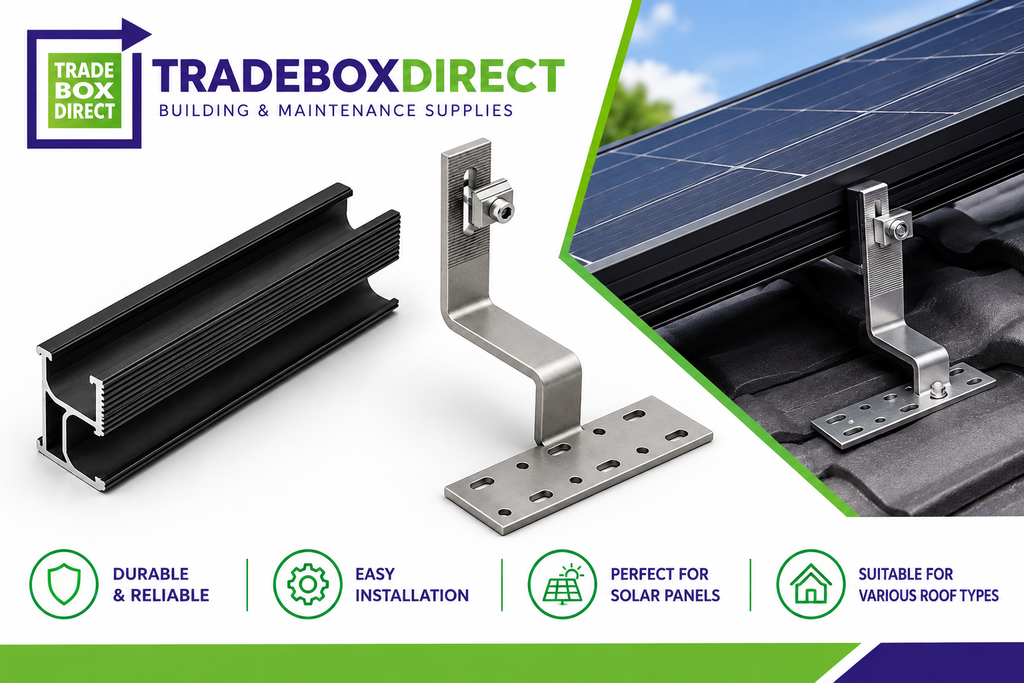
Two useful products for tiled roof installations are the Fastensol Pantile Roof Hook-Portrait and Fastensol Black Mounting Rail 3.55m. These products can work together to create a strong base for solar panels.
What Is a Solar Mounting System?
A solar MOUNTING system connects solar panels to a roof or another support area. It can include roof hooks, rails, brackets, clamps, and fixings.
The roof hook connects to the roof structure. The rail then connects to the hook. Finally, installers attach the solar panels to the rail.
This simple setup creates a strong support path. It also helps keep the panels in the correct position.
Before choosing any component, check the roof type. You should also check the panel size and planned layout. These details help you choose the right parts for the job.
What Are the Main Types of Solar Mounting Systems?
Solar installations use several types of support systems. The main options include roof systems, pantile roof systems, flat roof systems, and ground systems.
Each option has a different purpose. Therefore, you should match the system to the installation area.
1. Pitched Roof Systems
Pitched roofs offer a useful space for solar panels. Installers can use roof hooks, rails, and clamps to create the support structure.
A pitched roof system usually needs strong fixing points. These points connect the solar rail to the roof structure.
The roof covering also matters. For example, a pantile roof needs a suitable solar roof hook. A slate roof may need a different fixing method.
As a result, installers should never choose roof hardware based only on appearance. They need to check compatibility first.
2. Pantile Roof Mounting Systems
Pantile roofs have a curved tile shape. Because of this, installers need suitable roof hooks that fit the tile profile.
The Fastensol Pantile Roof Hook-Portrait provides an important connection point for this type of installation. It connects the roof structure with the solar rail.
This product can form part of a simple installation path:
Roof structure → Pantile roof hook → Solar mounting rail → Solar panel
The hook helps transfer the load from the rail to the roof structure. Therefore, it plays an important role in the overall solar panel support system.
Installers should check the tile type before fitting the hook. They should also follow the manufacturer’s fitting instructions.
Fastensol Pantile Roof Hook-Portrait Explained
The Fastensol Pantile Roof Hook-Portrait focuses on one key job: creating a secure fixing point for a solar panel rail on a suitable pantile roof.
Its portrait design makes it useful for compatible portrait panel layouts. The hook connects with the roof structure and gives the rail a solid fixing point.
This type of solar roof hook can make the installation process more organised. It also helps create a clear connection between the roof and the solar panels.
However, every roof has different conditions. The installer should inspect the roof before choosing the fixing position.
Check these points before installation:
- Roof tile type
- Roof structure
- Hook position
- Rail compatibility
- Panel layout
- Manufacturer instructions
A careful check can prevent fitting problems later.
3. Solar Mounting Rail Systems
Rails form another important part of a solar panel installation. They provide a long, stable surface for fixing the panels.
The Fastensol Black Mounting Rail 3.55m is a key product in this area. Its 3.55m length gives installers a useful rail section for compatible solar panel layouts.
The rail connects to suitable roof hooks or brackets. Installers can then use compatible clamps to secure the solar panels.
This design creates a simple and practical installation. It also allows installers to position panels along the rail.
When selecting a solar mounting rail, always check its length and compatibility. The rail must work with the chosen roof hooks, clamps, and panels.
Fastensol Black Mounting Rail 3.55m
The Fastensol Black Mounting Rail 3.55m provides a strong rail section for a compatible solar panel system.
Its 3.55m length can support a useful section of a panel row. Installers can connect the rail to suitable roof hooks and then attach panels with compatible clamps.
The black finish can also give the installation a clean appearance. More importantly, the rail provides the fixing surface that holds the panels in position.
A good rail should offer a secure connection. It should also match the other parts of the system.
For that reason, check the complete setup before buying. Look at the roof hooks, brackets, clamps, and panel specifications together.
How the Two Fastensol Products Work Together
The Fastensol Pantile Roof Hook-Portrait and Fastensol Black Mounting Rail 3.55m serve different jobs.
The roof hook creates the connection with the roof. The rail creates the fixing surface for the solar panels.
Together, they can form a practical roof support system for compatible pantile roof installations.
For example, an installer can follow this basic structure:
- Check the roof and tile type.
- Select the correct pantile roof hooks.
- Fix the hooks to suitable roof points.
- Connect the 3.55m rails to the hooks.
- Check the rail position.
- Attach compatible solar panels and clamps.
The exact installation method will depend on the products, roof, and solar panel system. Always follow the relevant installation instructions.
4. Flat Roof Solar Systems
Flat roofs need a different approach. Solar panels need a suitable frame that can hold them at the required angle.
Installers may use frames, rails, brackets, and ballast systems. The right choice depends on the roof and project design.
A flat roof can provide plenty of open space. However, installers must consider wind loads, roof condition, drainage, and access.
5. Ground-Mounted Solar Systems
Ground systems place solar panels on a frame fixed to the ground. This option works well when a property has enough open space.
Ground-mounted systems can offer easy panel access. They may also allow greater freedom when choosing the panel direction.
On the other hand, they need more space than a roof installation. The ground conditions also affect the choice of support system.
Important Solar Mounting Components
A complete solar installation can include several components. Each part has a specific role.
Installers also use clamps to hold the panels securely. Other fixings connect the system to the roof or supporting frame.
The right combination creates a strong and organised solar panel system.
How to Choose the Right System
Start with the roof type. Next, check the roof covering and structure.
For a pantile roof, look for a compatible pantile roof hook. Then select a suitable solar mounting rail, such as the Fastensol Black Mounting Rail 3.55m when the specifications match the project.
Panel size also matters. So does panel direction and layout.
Most importantly, check compatibility between every component. A hook, rail, clamp, and panel should work together as one system.
Professional installation can also help. A qualified installer can assess the roof and choose the correct fixing method.
Why the Right MOUNTING System Matters
Solar panels can remain on a roof for many years. Therefore, the support structure needs careful planning.
A suitable MOUNTING system helps keep the panels stable. It also gives installers a clear way to connect the panels to the roof.
Poor component choices can cause fitting issues. In contrast, compatible products can make the installation easier and more reliable.
The Fastensol Pantile Roof Hook-Portrait and Fastensol Black Mounting Rail 3.55m can provide useful solutions for compatible pantile roof applications.
Final Thoughts
Different roofs need different solar support solutions. A pantile roof needs suitable hooks, while the solar rail provides the main fixing surface.
The Fastensol Pantile Roof Hook-Portrait focuses on the roof connection. Meanwhile, the Fastensol Black Mounting Rail 3.55m provides the rail section for attaching compatible solar panels.
Together, these products can form an important part of a suitable solar MOUNTING system.
Always check product specifications before purchase. Also, follow the manufacturer’s instructions during installation. When in doubt, ask a qualified solar installer to assess the roof and system.
Frequently Asked Questions
What are the different types of solar mounting systems?
The main types include pitched roof, pantile roof, flat roof, and ground-mounted systems. Each option suits different installation conditions.
What is a pantile roof hook?
A pantile roof hook connects a solar rail to the roof structure. It works with compatible pantile roof designs.
What does the Fastensol Pantile Roof Hook-Portrait do?
The Fastensol Pantile Roof Hook-Portrait provides a fixing point between a suitable pantile roof structure and a solar mounting rail.
What is the Fastensol Black Mounting Rail 3.55m?
It is a 3.55m solar rail designed to form part of a compatible solar panel support system.
Can the Fastensol roof hook and rail work together?
They can form part of the same solar support system when their specifications and the installation requirements are compatible.
