

What Solar Equipment Is Best for a Home?
Introduction
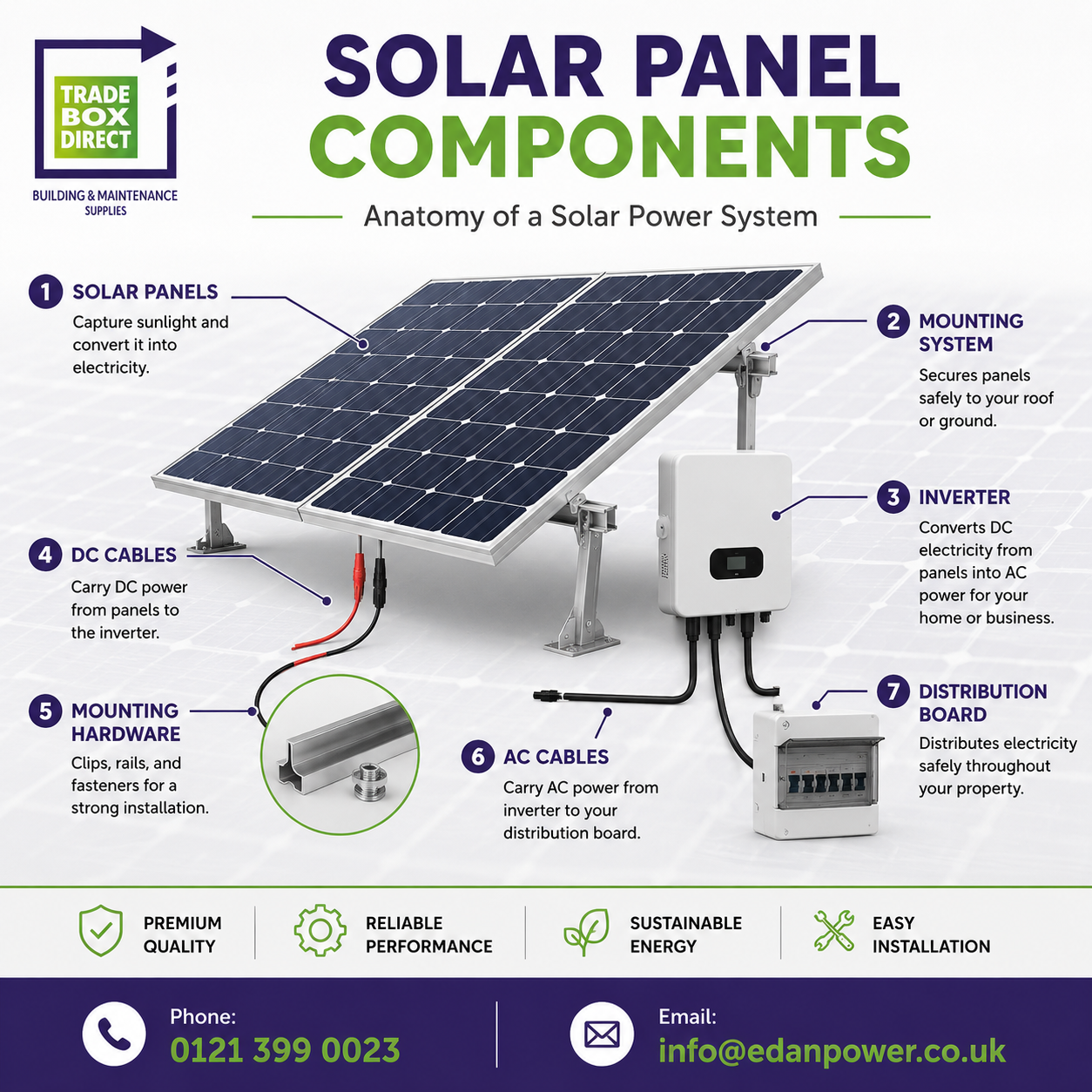
Choosing the right Solar Equipment can make a big difference to the performance of a home solar system. However, many homeowners are unsure about what they actually need. Solar panels are important, but they are only one part of a complete setup. A good system also needs the right mounting parts, cables, inverter, protection devices, and other components.
At the same time, homeowners should think about protecting their solar panels after installation. Birds can build nests beneath panels and leave feathers, droppings, and other waste. Therefore, bird proofing for solar panels can also be an important part of a long-term solar setup.
What Does Solar Equipment Include?
The term Solar Equipment covers the main parts used to produce, control, store, and safely use solar energy. The exact equipment you need depends on your home, roof, energy use, and budget.
A typical home solar system may include:
- Solar panels
- Solar inverter
- Solar mounting rails
- Solar brackets
- Roof hooks
- Solar cables
- Cable clips
- DC isolators
- AC protection
- Solar battery
- Monitoring equipment
Each part has a different job. For example, solar panels capture sunlight and produce electricity. The inverter then changes this electricity into a form that your home can use.
Likewise, mounting products hold the panels securely on the roof. Therefore, buying compatible Solar Equipment is important for both safety and performance.
Which Solar Panels Are Best for a Home?
Solar panels are the main part of most home solar systems. They capture sunlight and turn it into electrical energy.
There are different types of panels available. Monocrystalline panels are popular because they can offer high efficiency while using less roof space. Meanwhile, other panel types may suit homes with different budgets or space requirements.
When choosing panels, consider:
- Panel efficiency
- Physical size
- Available roof space
- Warranty
- Product quality
- Expected energy output
- Roof direction and angle
A larger panel is not always the best choice. Instead, homeowners should choose panels that match their roof and energy needs.
Why Is the Solar Inverter Important?
The inverter is another key part of Solar Equipment. Solar panels produce direct current electricity, while most homes use alternating current. The inverter converts the electricity so household appliances can use it.
A good inverter should match the size of your solar array. It should also suit the type of system you plan to install.
There are several common inverter types. String inverters are widely used in home systems. Microinverters can work well when panels receive different levels of sunlight. Hybrid inverters are useful when a battery may be added.
As a result, the right inverter can help your solar system work more effectively.
What Solar Mounting Equipment Do You Need?
Solar panels need a strong and secure fixing system. This is where mounting Solar Equipment becomes important.
Depending on your roof, you may need:
- Solar mounting rails
- Solar brackets
- Roof hooks
- Clamps
- Rail connectors
- End clamps
- Mid clamps
- Fixings
For example, tiled roofs may require suitable roof hooks. Pantile roofs can need specific pantile roof hooks. The mounting system must fit both the roof type and the solar panels.
Furthermore, the mounting system should handle wind and weather conditions. Poorly selected parts can affect the safety of the whole installation.
Should You Add a Solar Battery?
A solar battery can store extra electricity produced during the day. You can then use this stored energy when your panels produce less electricity.
For example, solar panels often produce more power during daylight hours. However, household energy use may increase in the evening. A battery can help bridge this gap.
Still, a battery is not essential for every home. Your energy habits, solar system size, budget, and electricity tariff should all be considered.
Therefore, speak with a qualified installer before adding battery storage to your Solar Equipment setup.
Why Are Solar Cables and Protection Parts Important?
Cables connect the different parts of a solar system. They need to be suitable for outdoor use and able to handle the electrical load of the system.
Protection devices are also important. Isolators and other protective components help installers safely control and maintain the system.
Although these parts may seem small, they play an important role. Using unsuitable cables or fittings can create safety risks.
For this reason, every part of your Solar Equipment should be selected for the specific system.
Why Is Bird Proofing for Solar Panels Important?
Once solar panels are installed, birds may see the space underneath them as a safe place to nest. The area can be warm, sheltered, and protected from rain.
Unfortunately, this can cause several problems.
Bird nests may block airflow around the panels. Droppings can also build up on the roof and surrounding areas. In addition, nesting materials can create maintenance problems.
That is why bird proofing for solar panels can be a useful addition to a home solar installation.
How Does Bird Proofing for Solar Panels Work?
A common method uses solar panel mesh and specially designed clips. The mesh creates a physical barrier around the edges of the panels.
The barrier prevents birds from entering the gap below the panels while still allowing normal airflow.
A good bird proofing for solar panels system should be designed for the panel and roof setup. The mesh should sit securely without damaging the panels or roof.
Solar panel mesh clips can help hold the mesh in place. Therefore, choosing suitable clips is just as important as choosing the correct mesh.
What Are the Benefits of Bird Proofing?
There are several benefits to adding bird proofing for solar panels.
First, it can reduce the chance of birds nesting under the panels. This can help keep the area cleaner.
Second, it may reduce the need for frequent cleaning. Bird droppings and nesting materials can create extra maintenance work.
Third, bird proofing can help protect cables and other components from damage caused by nesting activity.
Finally, it can give homeowners greater peace of mind after installation.
However, bird proofing should be installed carefully. It should not restrict necessary ventilation or interfere with the solar panel system.
How Should You Choose Solar Equipment for Your Home?
The best Solar Equipment is not always the most expensive option. Instead, it should match your home’s needs.
Start by checking your roof size and condition. Next, consider how much electricity your household uses. After that, look at the type and number of panels required.
You should also consider the mounting system, inverter, cables, protection equipment, and possible battery storage.
At the same time, think about long-term maintenance. Adding bird proofing for solar panels during or soon after installation can help protect the area beneath the panels.
Most importantly, use compatible components and follow the manufacturer’s installation instructions.
Final Thoughts
The best Solar Equipment for a home depends on several factors. Roof type, energy use, available space, budget, and future plans all matter.
A complete setup can include solar panels, an inverter, mounting rails, brackets, roof hooks, cables, protection devices, and battery storage. Each component has a specific role.
However, installation is only the beginning. Bird proofing for solar panels can also help protect the space underneath your panels from birds and nesting materials.
By choosing quality components and planning the system carefully, homeowners can create a safer and more reliable solar setup. When in doubt, always get advice from a qualified solar professional.
FAQs About Solar Equipment and Bird Proofing
1. What Solar Equipment do I need for a home?
Most home systems need solar panels, an inverter, mounting equipment, cables, electrical protection, and suitable fixings. A battery can also be added if required.
2. Which solar panel type is best for a home?
Monocrystalline panels are a popular choice because they offer good efficiency and can work well where roof space is limited.
3. Do solar panels need mounting equipment?
Yes. Panels need suitable rails, brackets, clamps, and roof hooks or other fixings. The correct parts depend on the roof type.
4. Is a solar battery necessary?
No. A battery is optional. However, it can store extra solar power for later use.
5. Why do I need bird proofing for solar panels?
Bird proofing for solar panels can help stop birds from entering the space below the panels and building nests.
