

How to Choose the Right Solar Equipment for Your Home?
Introduction
Choosing the right Solar Equipment is an important step when planning a home solar system. The right products can help your system produce reliable power, stay safe, and work well for many years. However, there are many options on the market. Therefore, it can be hard to know what you really need.
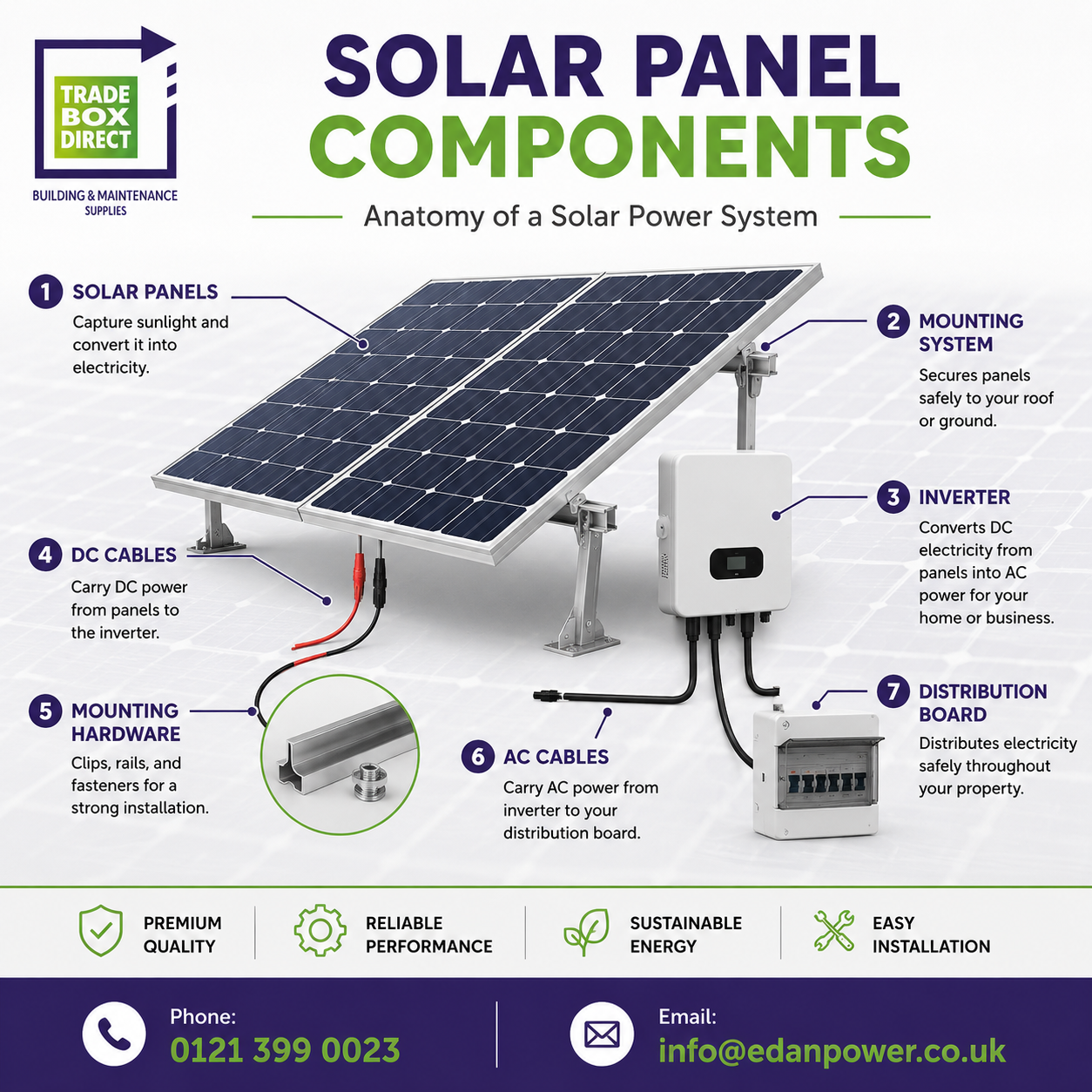
A good solar setup includes more than just panels. You may also need an inverter, mounting products, cables, protection devices, and other solar panel components. In addition, roof protection can help keep birds and pests away from the space under your panels.
This guide explains how to choose the right Solar Equipment in simple terms. It also covers useful solar supplies, solar panel mesh clips, bird mesh for solar panels, and bird proofing for solar panels.
Start With Your Home’s Energy Needs
Before buying Solar Equipment, think about how much electricity your home uses. Your energy bills are a useful starting point. Check your recent electricity bills and look at your average monthly use.
A larger home may need a larger solar system. On the other hand, a smaller home may work well with fewer panels. Your daily habits also matter.
For example, a home that uses an electric vehicle, electric heating, or several large appliances may need more solar power. Therefore, understanding your energy needs helps you avoid buying too little or too much equipment.
Check Your Roof Before Choosing Equipment
Your roof plays a major role in solar installation. Its size, shape, material, and condition can affect which Solar Equipment you need.
A roof with good sunlight exposure is usually a strong choice. However, trees, chimneys, nearby buildings, and other objects can create shade. Too much shade may reduce solar output.
The roof material also matters. Different roofs can need different mounting products. For example, tiled roofs may need suitable roof hooks and rails.
Before buying anything, check whether the roof is strong and in good condition. If repairs are needed, complete them before installing the solar system.
Choose the Right Solar Panels
Solar panels are one of the main parts of your Solar Equipment. They convert sunlight into electricity for your home.
When comparing panels, look at their power rating, efficiency, size, warranty, and expected lifespan. A higher wattage panel can produce more power, but physical size also matters.
Panel efficiency is another useful factor. Efficient panels can produce more electricity from the same roof area. This can be helpful when your available roof space is limited.
However, do not choose a panel only because it has a high rating. Quality, warranty support, and compatibility with the rest of your system are also important.
Pick a Suitable Inverter
An inverter is another key part of Solar Equipment. Solar panels produce DC electricity, while most home appliances use AC electricity. The inverter changes the electricity into a form your home can use.
There are several inverter types. String inverters are common in many home systems. Microinverters are installed with individual panels and can be useful when panels receive different levels of sunlight.
Hybrid inverters can also work with battery storage. Therefore, if you plan to add a battery later, checking inverter compatibility can save time and money.
Always make sure the inverter matches the size and design of your solar system.
Understand the Important Solar Panel Components
Good solar panel components help your system work safely and securely. These can include mounting rails, roof hooks, clamps, connectors, cables, isolators, and other electrical protection products.
Each component has a specific purpose. For example, mounting rails help hold panels in place, while suitable clamps secure the panels to the mounting structure.
Quality matters because these products are exposed to outdoor conditions. Rain, wind, sunlight, and temperature changes can affect materials over time.
For this reason, choose compatible products from reliable suppliers rather than buying parts based only on the lowest price.
Choose Useful Solar Supplies
Along with the main system, you may need extra solar supplies for installation and maintenance. These products can make the installation more secure and easier to manage.
Your requirements can vary based on the roof and system design. Cables, connectors, mounting accessories, clips, and protective products are common examples.
It is wise to make a complete list before ordering. This reduces the risk of missing a small but important item during installation.
Do Not Forget Solar Panel Bird Protection
Birds can sometimes build nests beneath solar panels. The open space under panels can provide shelter from rain and wind. However, nesting materials, feathers, and debris can create problems.
This is where bird mesh for solar panels can help. Mesh creates a physical barrier around the panel edges. As a result, birds have less access to the space underneath.
Proper bird proofing for solar panels can also help protect cables and other equipment from damage caused by nesting activity.
For a secure installation, the mesh should fit correctly around the panels without blocking drainage or damaging the roof.
Consider Solar Panel Mesh Clips
Solar panel mesh clips are small but useful installation accessories. They can help attach protective mesh around solar panels without the need for complex fixing methods.
When choosing clips, check their size and compatibility with your panel frame and mesh. A secure connection is important because outdoor wind can place stress on the mesh.
Good-quality clips can help keep the protective barrier in place. Therefore, they should be treated as an important part of your wider solar protection setup.
Think About Battery Storage
Battery storage is worth considering when choosing Solar Equipment. A battery can store surplus solar electricity for later use.
For example, your panels may produce more electricity during the day when nobody is home. A battery can store some of that energy. You may then use it during the evening.
However, batteries add cost to a solar installation. Therefore, think about your energy use, budget, and future plans before buying one.
If you want a battery later, make sure your inverter and other equipment can support battery storage.
Check Quality, Warranty, and Compatibility
Price should not be the only factor when choosing Solar Equipment. A cheaper product may not always provide the best long-term value.
Instead, compare product quality, warranty terms, specifications, and compatibility. Look for clear product information and reliable support.
Also, make sure all parts work together. Solar panels, inverters, mounting systems, cables, and protection products should be selected as a complete system.
Professional installation is also important. Electrical work and roof work can involve safety risks, so use a suitably qualified installer where required.
Create a Simple Solar Buying Checklist
Before purchasing, make a basic checklist:
- Solar panels
- Suitable inverter
- Mounting rails
- Roof hooks or suitable mounting hardware
- Cables and connectors
- Electrical protection equipment
- Battery, if required
This checklist can make the buying process much easier. More importantly, it helps you identify missing products before installation begins.
Final Thoughts
Choosing the right Solar Equipment does not have to be difficult. Start by understanding your energy needs and checking your roof. Then, choose suitable panels, an inverter, mounting products, and compatible solar panel components.
Also, think about long-term protection. Solar panel mesh clips, bird mesh for solar panels, and suitable bird proofing for solar panels can help protect the area beneath your panels.
Finally, compare quality, compatibility, warranties, and total costs before making your decision. With careful planning, the right Solar Equipment can help you create a reliable and efficient home solar system.
FAQs
1. What Solar Equipment do I need for a home?
Most home systems need solar panels, an inverter, mounting equipment, cables, connectors, and electrical protection products. Battery storage and bird protection may also be useful.
2. Are solar panel components important?
Yes. Suitable panel components help connect, mount, and protect the main solar system. Always choose components that match your equipment.
3. Why do I need bird mesh for solar panels?
Bird mesh for solar panels helps stop birds from entering the space beneath panels. It can reduce nesting and help protect cables and other areas from debris.
4. What are solar panel mesh clips used for?
Solar panel mesh clips help secure protective mesh around solar panel edges. They provide a simple way to keep the mesh firmly attached.
5. Is bird proofing for solar panels worth it?
For homes that experience bird nesting under panels, bird proofing for solar panels can be a useful protective measure. It can help prevent nesting and reduce possible damage.
