

How Do I Clean an Air Brick?
A clean air brick helps fresh air move through your home. It also helps keep moisture, dust, and stale air under control. Over time, an air brick can collect dirt, leaves, cobwebs, and other debris. As a result, airflow can become weaker.
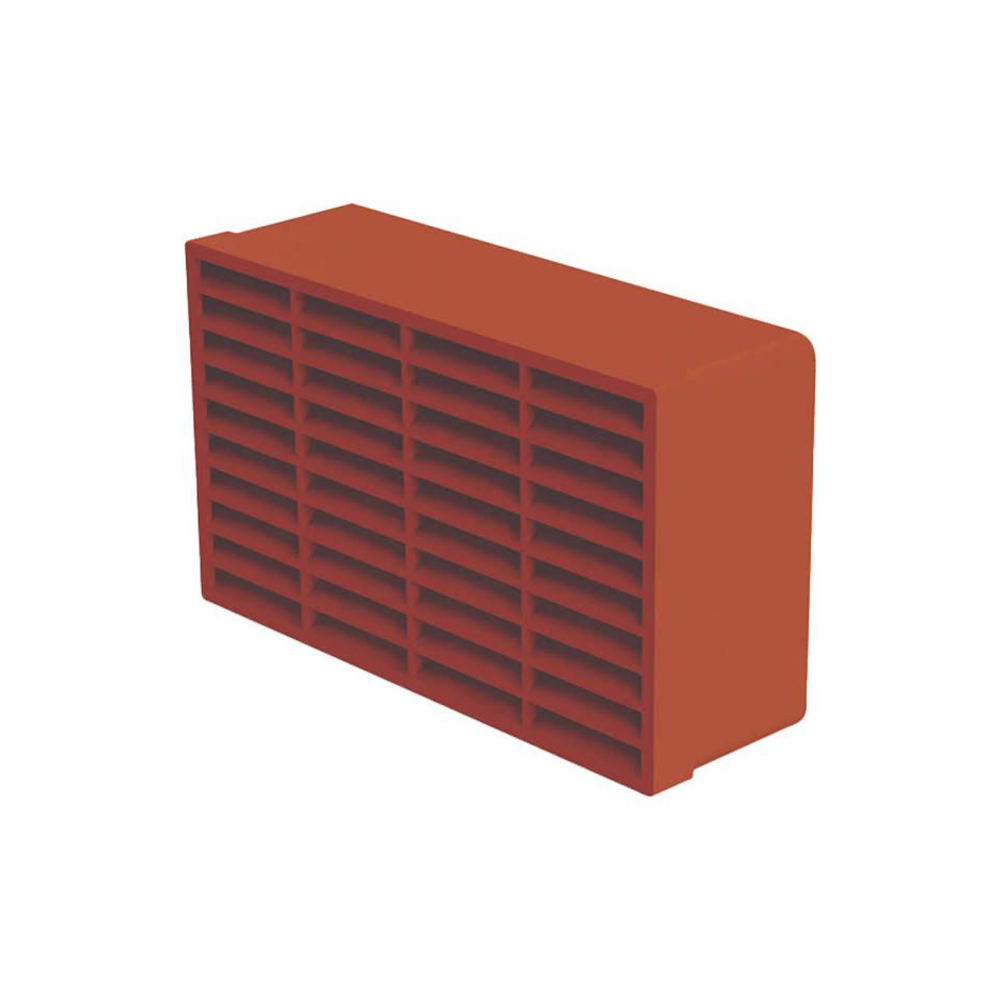
Regular cleaning is a simple way to support good Ventilation. The job does not need special tools or expert skills. In most cases, you can clean an air brick with a soft brush, warm water, and a little care.
This guide explains how to clean an air brick safely. It also covers when to replace an air vent cover, how UPVC trickle vents can help, and how to keep your home well aired.
What Is an Air Brick?
An air brick is a small vent fitted into an outside wall. It has holes or slots that allow air to pass through. Therefore, it can help fresh air enter and stale air leave.
Air bricks are often found near floors, under suspended floors, and on outside walls. They may also help protect a building from damp by allowing air to move through certain areas.
Good Ventilation is important because trapped air can create a damp and stuffy space. However, an air brick must stay clear to work properly.
Why Should You Clean an Air Brick?
Air bricks sit outside, so they can get dirty quite easily. Leaves may collect around the openings. Dust and soil can also build up inside the holes.
Furthermore, insects and spiders may leave webs or debris behind. If the openings become blocked, less air can pass through.
Cleaning an air brick helps maintain steady Ventilation. It can also reduce the chance of moisture becoming trapped in poorly aired areas.
A clean vent may also help protect the air brick from long-term dirt buildup. Therefore, checking it from time to time is a useful part of home maintenance.
What Do You Need to Clean an Air Brick?
You do not need many tools. Before you start, gather:
- A soft brush
- An old toothbrush
- Warm water
- Mild washing-up liquid
- A clean cloth
- A small vacuum cleaner, if available
- Protective gloves
Avoid using strong chemicals unless the manufacturer recommends them. Harsh cleaners may damage plastic or painted surfaces.
Also, never use sharp tools to force dirt from the holes. They can crack the vent or damage the wall around it.
How to Clean an Air Brick Step by Step
1. Check the Air Brick
First, look closely at the air brick. Check for leaves, dirt, spider webs, mud, or other debris.
You should also look for cracks or broken sections. A damaged air brick may not provide proper airflow.
If the brick has a fitted air vent cover, check that too. Make sure it sits firmly and does not block the openings.
2. Remove Loose Dirt
Use a soft brush to remove loose dirt from the surface. Work gently across the holes and edges.
A toothbrush can help reach smaller spaces. However, avoid pushing dirt deeper into the vent.
For loose debris, a vacuum cleaner can also be useful. Keep the nozzle close to the opening and remove the dirt carefully.
This simple step can quickly improve Ventilation when the blockage is only caused by surface debris.
3. Wash the Surface
Next, mix warm water with a small amount of mild washing-up liquid.
Dip a cloth or soft brush into the solution. Then gently clean the outside of the air brick.
Do not pour large amounts of water into the vent. Excess water can enter areas where it is not wanted.
Once the surface looks clean, wipe away any remaining soap with a damp cloth.
4. Clean the Vent Holes
Now focus on the individual holes or slots. Use a soft toothbrush to remove dirt around the edges.
Take your time, especially if the air brick has many small openings. Gentle cleaning is better than forcing the brush through.
If dirt is stuck, use a slightly damp brush and loosen it slowly. Never use a screwdriver, knife, or other sharp object.
Keeping these openings clear supports steady Ventilation throughout the area.
5. Check the Air Vent Cover
An air vent cover can protect an opening from insects, leaves, and weather. However, the cover itself can become blocked.
Remove loose dirt from the cover with a soft brush. If it can be safely removed, wash it with warm soapy water.
Check for cracks, loose fittings, or damaged sections. A broken air vent cover may need replacement.
The replacement should match the size and purpose of the existing vent. Most importantly, it should allow enough air to pass through.
Can You Improve Ventilation With Other Vents?
Yes. An air brick is only one part of a home’s airflow system.
For example, UPVC trickle vents can provide controlled airflow through windows. They are designed to allow a small amount of fresh air into a room without leaving the whole window open.
This can be useful in bedrooms, living rooms, kitchens, and other areas where stale air may build up.
UPVC trickle vents should also be kept clean. Dust can collect around the openings, so a quick brush or wipe can help keep them working well.
Together, clean air bricks and suitable window vents can support better Ventilation.
How Often Should You Clean an Air Brick?
There is no single cleaning schedule for every home. However, checking your air bricks every few months is a good habit.
Homes near busy roads, gardens, trees, or building work may collect dirt faster. Therefore, these areas may need more frequent checks.
After storms or windy weather, inspect the vents for leaves and other debris.
You should also check them when you notice a change in airflow or damp smells. Early cleaning can help prevent a small blockage from becoming a larger problem.
When Should You Replace an Air Brick?
Cleaning is not always enough. An air brick should be replaced if it is cracked, badly damaged, or blocked internally.
You may also need a new air vent cover if the existing one has broken or become loose.
Choose a suitable replacement that provides the correct airflow for the application. If you are unsure, ask a qualified installer or building professional.
A damaged vent can affect Ventilation and may allow unwanted water or pests to enter.
Final Thoughts
A clean air brick can play an important role in keeping air moving through your home. Luckily, regular maintenance is quick and inexpensive.
Start by removing loose dirt. Next, clean the surface and openings with a soft brush. Then check the air vent cover for damage or blockages.
For window airflow, products such as UPVC trickle vents can also be useful. When the right vents are clean and unobstructed, they can support healthier airflow.
Good Ventilation does not always require complicated equipment. Simple maintenance, regular checks, and suitable vents can make a useful difference.
FAQs
1. Can I clean an air brick myself?
Yes. Most basic cleaning can be done yourself with a soft brush, cloth, warm water, and mild soap. However, damaged or difficult-to-access vents may need professional attention.
2. How do I unblock an air brick?
Start by removing leaves, cobwebs, dust, and loose dirt with a soft brush. A vacuum can help remove loose debris. Do not use sharp tools because they may damage the vent.
3. Should I cover an air brick?
You should not cover an air brick if it is needed for airflow. Blocking it may reduce Ventilation and can cause moisture or stale air to build up.
4. How do I clean an air vent cover?
Remove loose dirt with a soft brush. If the cover can be removed safely, wash it with warm soapy water and dry it before putting it back.
5. Do UPVC trickle vents need cleaning?
Yes. Dust and dirt can collect around UPVC trickle vents. A soft brush or cloth can help keep the openings clear and maintain airflow.
6. What happens if an air brick is blocked?
A blocked air brick can reduce airflow. Depending on its purpose, this may contribute to damp, stale air, or moisture problems.
7. Can an air brick improve home airflow?
Yes. When correctly positioned and kept clear, an air brick can allow air to move through the areas it serves. It can therefore form part of a wider Ventilation system.
