






What Is the Most Effective Mounting System for Rooftop Solar Panels?
Introduction
Choosing the right Mounting system is one of the most important steps when installing rooftop solar panels. A good system keeps panels secure, stable, and well aligned. It also helps protect the roof and supports long-term solar performance. However, the best option depends on the roof type, panel layout, weather, and installation needs.
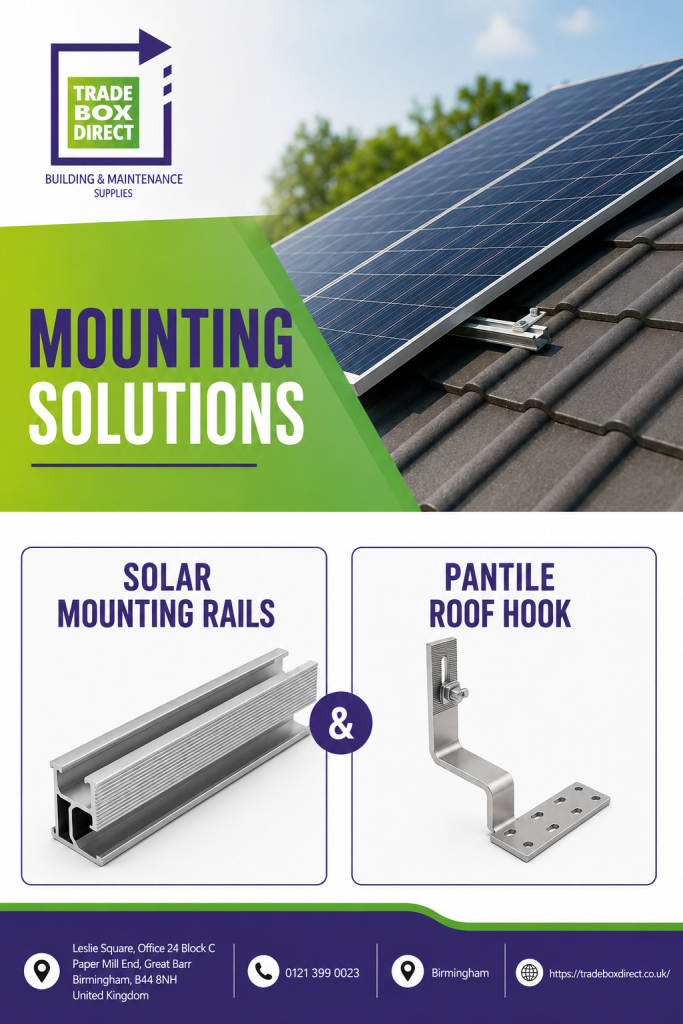
For most homes, a strong and well-designed Mounting setup includes roof hooks, rails, clamps, and suitable brackets. In addition, the system should match the roof material. For example, tiled roofs need different parts from flat roofs or metal roofs. Therefore, installers should always check the roof before choosing the parts.
What Makes a Rooftop Mounting System Effective?
An effective Mounting system should do more than hold solar panels in place. It should provide strength while allowing the panels to sit at the right angle. At the same time, it should help installers create a neat and secure array.
A good system should offer:
- Strong support for solar panels
- Good resistance to wind and rain
- Easy panel alignment
- Simple installation
- Suitable roof compatibility
- Durable materials
- Safe load distribution
- Space for cable management
Moreover, quality components can make installation faster. They can also reduce the risk of movement or damage during bad weather.
The roof itself also matters. A tiled roof, for instance, needs hooks that can sit safely beneath the tiles. Meanwhile, a metal roof may need different fixings. As a result, there is no single system that works perfectly for every building.
Solar Mounting Systems for Different Roof Types
Today, several solar mounting systems are available for residential and commercial projects. Each design serves a different roof and installation style.
For pitched tiled roofs, roof hooks and rails are common choices. The hooks connect to the roof structure, while rails provide a secure base for the panels. Furthermore, this design allows panels to be positioned in straight rows.
A flat roof usually needs a different approach. Ballasted frames or fixed brackets can support the panels without using the same type of roof hooks. However, the roof structure must still handle the added load.
Metal roofs may use special clamps or brackets. These parts connect to suitable roof sections and can provide strong panel support. Therefore, installers should choose parts based on the roof design rather than simply selecting the cheapest option.
Why Solar Mounting Rails Matter
Solar mounting rails form an important part of many rooftop systems. They create a strong track where solar panels can be fixed. Also, they help installers keep several panels level and evenly spaced.
The rails should have enough strength for the expected panel load. They must also suit the roof hooks and clamps used in the project. Otherwise, the parts may not connect correctly.
A solar mounting rail can be cut to the required length when the system design allows it. This makes rail-based systems flexible for different panel layouts. In addition, good rails can simplify installation and future maintenance.
Another useful option is a solar panel rail. It provides a practical connection point between the roof structure and solar panels. When the correct clamps are used, panels can remain firmly secured while still allowing installers to make small alignment adjustments.
Fastensol Pantile Roof Hook-Portrait
For tiled roofs, the Fastensol Pantile Roof Hook-Portrait can be a useful component within a suitable solar installation. A pantile roof hook is designed to work with pantile-style roofing while providing a fixing point for the rail system.
Before installation, the roof structure should be checked carefully. The hook must sit correctly without putting unnecessary pressure on the tile. Furthermore, the installer should make sure that the fixing point connects securely to the supporting roof structure.
Using the right pantile roof hook can help create a clean and stable panel layout. It also makes the rail connection easier when the complete system has been planned correctly.
Fastensol Black Mounting Rail 3.55m
The Fastensol Black Mounting Rail 3.55m is another useful product for rooftop solar projects. A rail of this type provides a mounting track for solar panels and can help create a neat panel arrangement.
Its black finish may also give the installation a clean appearance, especially when used with dark panels and matching components. However, installers should always confirm that the rail length, strength, and fixing system match the project requirements.
Using suitable solar mounting rails with compatible hooks and clamps can make the installation process more organised. As a result, installers can spend less time adjusting individual panels.
How Solar Roof Hooks Support Panels
A solar roof hook connects the rail system to the roof structure. For tiled roofs, it normally sits beneath or around the roofing material while connecting to a suitable structural point.
The hook must be positioned correctly. If it sits too high, it may affect the tile. If it sits too low, the rail may not align correctly. Therefore, careful installation is essential.
Different roof tiles have different shapes. Consequently, the hook style should match the roof. A pantile roof, for example, may need a hook designed for its specific profile.
Good installation also reduces unnecessary pressure on roof tiles. This can help protect the roof while providing a strong base for the panels.
The Role of Solar Brackets
Solar brackets help connect the different parts of a rooftop system. Depending on the design, brackets may support rails, connect panels, or provide additional fixing points.
For example, solar panel mounting brackets can help hold panels securely against the rail system. They are usually used with clamps or other compatible fixing parts.
Brackets should be made from suitable materials that can handle outdoor conditions. They should also match the rest of the system. Mixing incompatible components can create installation problems. Therefore, checking product specifications before installation is always important.
What Is the Most Effective Mounting Design?
In many pitched-roof installations, a hook-and-rail design offers a practical balance between strength, flexibility, and ease of installation. The roof hooks connect to the roof structure. Then, rails connect to the hooks. Finally, clamps secure the panels to the rails.
This design works well because each part has a clear purpose. Also, installers can adjust the rail layout to suit different panel sizes and roof shapes.
However, the most effective Mounting system is always the one that suits the building. A system that works well on one roof may not be suitable for another. Roof pitch, tile type, wind exposure, panel size, and structural strength all matter.
For this reason, professional assessment should come before installation.
Key Benefits of a Good Mounting System
A properly selected Mounting system can offer several benefits.
First, it provides a secure base for the panels. This is especially important in areas that experience strong winds.
Second, it helps keep panels correctly aligned. Good alignment can support a neat installation and make the solar array easier to maintain.
Third, a suitable system can protect the roof. Correct hooks and fixings reduce unnecessary pressure on tiles and other roof materials.
Finally, quality components can support long-term reliability. Since solar panels can remain on a roof for many years, the supporting system should also be built for long-term outdoor use.
How to Choose the Right System
Before buying any solar fixing parts, consider the following points:
Roof type: Identify whether the roof uses pantiles, flat tiles, slate, metal, or another material.
Roof structure: Check where the hooks or brackets can be fixed safely.
Panel size: Larger panels may require different rail spacing and fixing arrangements.
Weather conditions: Wind and snow loads should be considered where relevant.
Component compatibility: Make sure hooks, rails, clamps, and brackets work together.
Installation layout: Plan the number of panels and the position of each rail.
In addition, always follow the manufacturer’s installation instructions. Local building requirements should also be considered.
Can DIY Installation Be a Good Idea?
Some people may consider installing solar panel supports themselves. However, rooftop work can be dangerous. In addition, incorrect fixing can damage tiles or create an unsafe panel structure.
Therefore, trained installers should normally handle rooftop solar work. They can assess the roof, select suitable components, and install the system correctly.
A professional can also check whether the chosen brackets and rails suit the panel manufacturer’s requirements. This step can prevent costly mistakes later.
Final Thoughts
The most effective rooftop solar system combines strong roof fixings, reliable rails, suitable brackets, and secure panel clamps. Most importantly, every component should match the roof and the solar panel design.
For tiled roofs, products such as the Fastensol Pantile Roof Hook-Portrait can form part of a suitable hook-and-rail setup. Likewise, the Fastensol Black Mounting Rail 3.55m can provide a useful rail option when its specifications match the installation.
Ultimately, good planning is the key. By choosing compatible parts and using correct installation methods, homeowners can create a secure and tidy solar panel array that is built to last.
Frequently Asked Questions
1. What is the best mounting system for rooftop solar panels?
A hook-and-rail system is often a practical choice for pitched tiled roofs. However, the best option depends on the roof type, structure, panel size, and local conditions.
2. Are mounting rails necessary for solar panels?
Many rooftop systems use rails because they provide a strong and adjustable connection between roof fixings and panels. However, some systems use alternative fixing designs.
3. What is a pantile roof hook?
A pantile roof hook is a fixing component designed to connect a solar rail to a pantile-style roof structure. It should be selected to match the roof profile.
4. Can solar brackets damage roof tiles?
Incorrectly selected or poorly installed brackets can put pressure on roof tiles. Therefore, installers should use compatible products and follow the correct installation method.
5. Are black solar mounting rails suitable for rooftop systems?
Yes. Black rails can be used when their specifications match the solar installation. They can also provide a neat appearance with many modern solar panels.
6. How long can a solar mounting system last?
The lifespan depends on the materials, installation quality, roof conditions, and weather exposure. High-quality components and correct installation can support long-term use.
7. Should I install solar panel mounting brackets myself?
Rooftop solar work involves height and structural risks. Therefore, it is usually better to use a qualified installer who can check the roof and install the components safely.
8. Why is correct Mounting important for solar panels?
Correct Mounting keeps panels secure, supports proper alignment, and helps reduce stress on the roof. As a result, the complete solar installation can remain safer and more reliable over time.