






How Can I Add a Battery to My Existing Solar Equipment? A Simple Guide for Every Homeowner
Introduction
More people are using solar power than ever before. Energy bills keep rising. At the same time, many homeowners want to use more clean energy. Because of this, many people ask one common question: Can I add a battery to my existing solar equipment?
The good news is yes. In many cases, you can add a battery without replacing your whole solar equipment system. As a result, you can store extra power during the day and use it later. This means you buy less electricity from the grid. It also helps you get more value from your solar panels.
However, adding a battery is not just about buying one. Your current system must be suitable. You also need the right installer and quality parts. In addition, it is a smart idea to protect your panels with products like bird mesh for solar panels. This keeps your system working well for many years.
In this guide, you will learn how battery storage works, how to know if your system is ready, what it may cost, and why good solar supplies and strong solar panel components matter. You will also learn how products like TradeBoxDirect Solar Panels Bird Proofing Mesh Speed Clips – 30mm Black help protect your investment.
Why Should You Add a Battery to Your Solar Equipment?
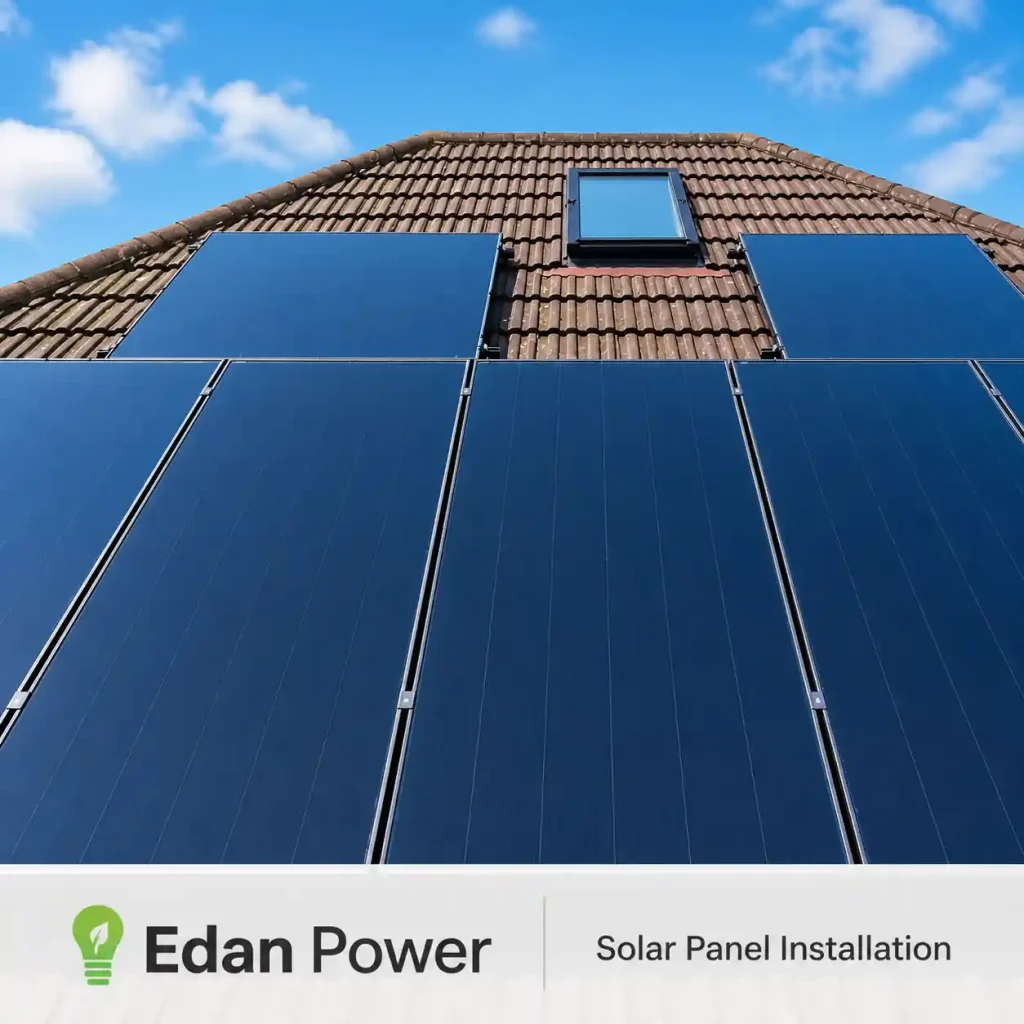
Solar panels work best during the day. However, many families use more electricity in the evening. As a result, a lot of solar power goes unused.
Without a battery, extra electricity usually goes back to the grid. Later, when the sun goes down, you buy electricity again. Although some energy companies pay you for exported power, the payment is often lower than the price you pay to buy electricity later.
A battery changes this.
Instead of sending extra electricity away, the battery stores it. Later, you can use that stored energy when you need it most. Therefore, you use more of the electricity your panels produce.
Because of this, many homeowners save more money over time.
How Does a Solar Battery Work?
A solar battery is easy to understand.
Think of it as a large rechargeable power bank for your home.
Here is how it works:
- Your solar panels collect sunlight.
- The panels make electricity.
- Your home uses the electricity first.
- Extra electricity charges the battery.
- Later, the battery powers your home.
For example, your panels may produce plenty of electricity at midday. However, you may be at work during that time. Instead of wasting that power, the battery stores it. Then, when you arrive home in the evening, you use the stored energy.
As a result, you depend less on your electricity supplier.
Can You Add a Battery to Any Solar System?
In many cases, yes.
However, every solar system is different.
Before installing a battery, an installer will inspect your current solar equipment.
If everything is in good condition, adding a battery is usually simple.
Sometimes, older systems need a new inverter. Even so, you often do not need to replace your solar panels.
Therefore, many existing systems can be upgraded without major work.
What Types of Solar Batteries Are Available?
There are different battery types. However, two are much more common than the others.
Lithium-Ion Batteries
Most homeowners choose lithium-ion batteries.
They offer many advantages.
These batteries are:
- Small
- Efficient
- Long lasting
- Fast charging
- Easy to maintain
Although they cost more at first, they usually last much longer. Therefore, many people see them as a better investment.
Lead-Acid Batteries
Lead-acid batteries have been around for many years.
They usually cost less.
However, they also have some disadvantages.
For example, they:
- Need more maintenance.
- Take up more space.
- Store less energy.
- Have a shorter lifespan.
Because of this, they are becoming less popular for homes.
What Size Battery Do You Need?
The right battery depends on your lifestyle.
Ask yourself these simple questions.
- How much electricity do you use?
- When do you use most of your power?
- Do you want backup power?
- Will you buy an electric vehicle later?
- Will your family grow?
A larger battery stores more electricity. However, it also costs more.
Therefore, choosing the correct size is important.
A professional installer can help you find the best option for your needs.
Do You Need a New Inverter?
Not always.
Some homes already have a battery-ready inverter.
Others need a hybrid inverter or a battery inverter.
Your installer will inspect your current system before making a recommendation.
Thankfully, many homeowners only need a small upgrade.
As a result, adding battery storage is often easier than people expect.
What Solar Panel Components May Need Upgrading?
A battery is only one part of the system.
Sometimes, other solar panel components also need updating.
These may include:
- Hybrid inverter
- Battery inverter
- Battery management system
- Safety switches
- Monitoring equipment
Fortunately, many modern systems already support these upgrades.
Even better, these improvements often help the whole solar equipment system perform more efficiently.
Why Good Solar Supplies Matter
Not all products offer the same quality.
Cheap parts may save money today. However, they can cause problems later.
That is why choosing reliable solar supplies is important.
High-quality products often:
- Last longer
- Work better
- Need fewer repairs
- Improve safety
- Increase efficiency
As a result, your complete solar system becomes more reliable.
Good equipment also gives you greater peace of mind.
What Are the Biggest Benefits of Adding a Battery?
Adding a battery offers many advantages.
Lower Energy Bills
First, you use more of your own electricity.
Therefore, you buy less power from the grid.
Over time, this can reduce your electricity costs.
Better Energy Independence
A battery helps you rely less on your electricity supplier.
Instead, you store your own clean energy.
This gives you greater control over your energy use.
More Renewable Energy
Without a battery, extra solar energy often goes unused.
With battery storage, you use much more of the clean electricity your panels create.
Therefore, your home becomes more energy efficient.
Protection Against Rising Energy Prices
Electricity prices often change.
Unfortunately, they usually increase over time.
However, using stored solar energy means you buy less electricity.
As a result, rising prices have less impact on your household budget.
Backup Power
Some battery systems continue working during a power cut.
This feature depends on the battery and inverter you choose.
If backup power is important, ask your installer before buying.
How Is a Battery Added to Existing Solar Equipment?
Adding a battery is usually easier than many people think. In fact, most homeowners do not need to replace their entire solar system. Instead, a qualified installer checks your current setup and connects the battery to work with your existing solar equipment.
Although every home is different, the process usually follows the same steps.
1. Check Your Solar System
First, the installer inspects your solar system.
They will check:
- The condition of your solar panels
- The type of inverter
- The electrical wiring
- Available space for the battery
- The age of the system
This inspection helps them decide whether your system is ready for battery storage.
2. Choose the Right Battery
Next, you choose a battery that matches your energy needs.
Some people only want to reduce electricity bills. Others also want backup power during outages.
Because every household is different, there is no single battery that suits everyone.
3. Install the Battery
After that, the installer fits the battery in a safe place.
The battery is usually installed:
- In a garage
- On an outside wall
- In a utility room
- In a secure storage area
Once everything is connected, the installer tests the system to make sure it works safely.
Finally, they explain how to monitor your battery using an app or display screen.
How Much Does It Cost to Add a Battery?
The total cost depends on several factors.
For example, the price may change because of:
- Battery size
- Battery brand
- Installation costs
- Inverter upgrades
- Labour charges
Although battery storage requires an upfront investment, many homeowners recover part of the cost through lower electricity bills over time.
In addition, battery prices have fallen in recent years. As technology improves, better value continues to become available.
Therefore, adding a battery is now more affordable than it was only a few years ago.
Is Adding a Battery Worth It?
For many homes, the answer is yes.
However, the value depends on how you use electricity.
If you are away from home all day, your solar panels may produce more electricity than you use. Without a battery, much of that energy goes back to the grid.
A battery stores that extra electricity.
Later, you can use it during the evening when your family is home.
As a result, you use more of your own solar power instead of buying electricity.
Over time, this can lead to noticeable savings.
What Can You Power With a Solar Battery?
The answer depends on the battery size.
A small battery may power:
- LED lights
- Internet router
- Television
- Laptop
- Phone chargers
A larger battery can also support:
- Refrigerator
- Washing machine
- Home office
- Kitchen appliances
- Heating controls
Some premium systems can even power most of the house during a short power cut.
However, this depends on the battery capacity and the way the system is installed.
How Long Does a Solar Battery Last?
Modern batteries are built to last.
Most lithium-ion batteries last between 10 and 15 years.
Many manufacturers also provide warranties of around 10 years.
Several factors affect battery life.
These include:
- Daily use
- Charging habits
- Temperature
- Installation quality
- Battery quality
Therefore, buying trusted solar supplies is always a smart choice.
Quality products often last longer and perform better throughout their lifetime.
Does the Weather Affect Battery Performance?
Yes, but not as much as many people think.
Solar batteries work well in most weather conditions.
However, very high or very low temperatures can reduce performance.
For this reason, installers often place batteries in protected locations.
A garage or utility room is usually a good option.
This helps the battery stay at a stable temperature throughout the year.
Common Mistakes to Avoid
Many homeowners make simple mistakes when adding battery storage.
Fortunately, these problems are easy to avoid.
Buying the Cheapest Battery
A low price may look attractive.
However, cheaper batteries often have lower performance and shorter warranties.
Instead, focus on quality and long-term value.
Choosing the Wrong Size
A battery that is too small may not store enough electricity.
On the other hand, a battery that is too large may cost more than you need.
Therefore, choose a battery based on your daily energy use.
Ignoring Future Plans
Think about the future before buying.
For example, you may later buy:
- An electric car
- A heat pump
- More solar panels
If so, you may need extra battery capacity later.
Planning ahead can save money in the long run.
Using Poor Quality Solar Equipment
Your battery is only one part of the system.
If the rest of your solar equipment is poor quality, your battery cannot perform at its best.
Therefore, choose reliable products throughout your solar system.
Skipping Professional Installation
Never install a battery yourself.
Solar equipment batteries work with high-voltage electricity.
Professional installers follow safety rules and make sure everything works correctly.
This also protects your warranty.
How Can You Get the Best Performance?
Small improvements can make a big difference.
Here are some simple tips.
- Keep your solar panels clean.
- Monitor your battery regularly.
- Use electricity during daylight when possible.
- Check system performance every few months.
- Arrange professional servicing if recommended.
These simple habits help your system perform well for many years.
Can You Add More Batteries Later?
Yes.
Many modern systems allow you to expand battery storage later.
For example, you may start with one battery today.
Then, if your energy needs increase, you can add another battery in the future.
This flexibility makes battery storage a good long-term investment.
However, not every battery supports expansion.
Therefore, ask your installer before making a purchase.
Does a Battery Increase Home Value?
Many experts believe battery storage can make a property more attractive.
Buyers often like homes with lower running costs.
They also appreciate modern energy systems.
While a battery does not guarantee a higher selling price, it may help your home stand out in a competitive market.
As energy costs continue to rise, this benefit could become even more valuable.
Conclusion
Adding a battery to your existing solar equipment is a smart way to get more from your solar system. It lets you store extra energy during the day and use it when you need it most. As a result, you can lower your electricity bills, rely less on the grid, and make better use of clean energy.
However, a battery is only one part of a reliable solar system. It is just as important to choose high-quality solar supplies and durable solar panel components. These products help your system work safely and efficiently for many years. In addition, protecting your panels with bird mesh for solar panels can prevent birds from nesting underneath. This simple step helps protect cables, improves airflow, and reduces future maintenance.
For the best results, many homeowners also choose TradeBoxDirect Solar Panels Bird Proofing Mesh Speed Clips – 30mm Black. These strong solar panel mesh clips hold the protective mesh securely in place without damaging the panels. As part of an effective bird proofing for solar panels solution, they help keep your solar system clean, safe, and performing at its best.