No products in the cart.









What Are Plastic Pipe Fittings and How Do They Work?
Introduction
A good Plumbing Supplies needs strong pipes and reliable connections. Every home, office and building needs a system that can carry water safely. However, pipes alone cannot do this job. They also need the right fittings to connect, turn and control the flow of water.
This is where plastic pipe fittings play an important role. They help join pipes and create secure connections in different plumbing systems. Moreover, they are light, easy to handle and simple to install. As a result, many plumbers and homeowners choose them for new projects and repairs.
Today, you can find different types of plastic fittings in many sizes and shapes. Therefore, choosing the right product can make your plumbing work easier. In this guide, we will explain how these fittings are made, how they work and why they are useful.
What Are Plastic Pipe Fittings?
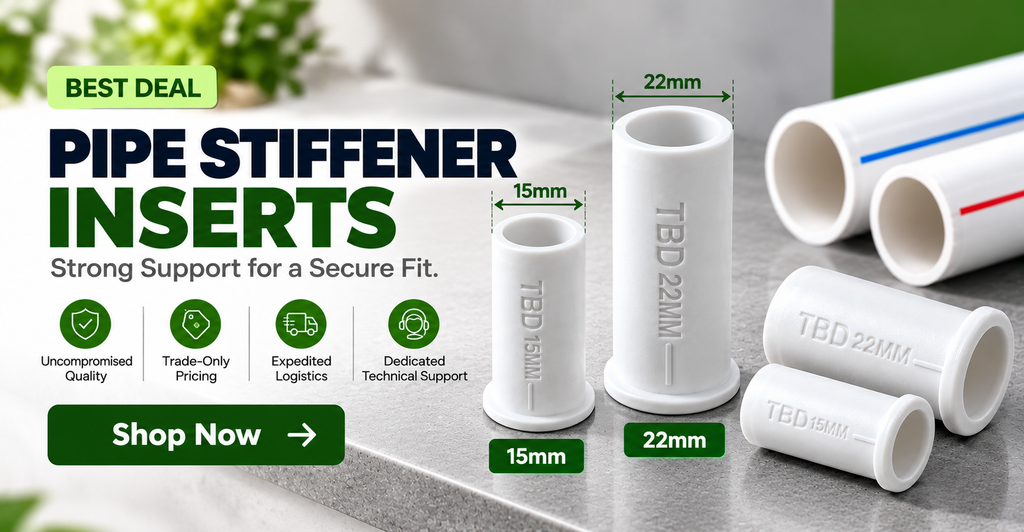
Plastic pipe fittings are small Plumbing Supplies that connect two or more pipes. They also help change the direction of a pipe or control the flow of water.
These products come in different shapes, sizes and designs. For example, elbows help pipes turn corners, while tees allow one pipe to connect with another branch. In addition, couplings join two pipes together.
Most fittings use strong materials such as PVC, CPVC, ABS or polypropylene. Each material has its own features and uses. Therefore, you should always check the product details before choosing one.
If you are planning a plumbing project, explore our range of Plumbing Supplies to find useful products for your installation and repair needs.
How Are Plastic Pipe Fittings Made?
The manufacturing process plays an important role in the strength and quality of plumbing components. Most plastic fittings are made through a process called injection moulding.
Here is how the process works:
1. Choosing the raw material
First, manufacturers select a suitable plastic material. PVC, CPVC and polypropylene are common choices. The material depends on the intended use, water temperature and pressure requirements.
2. Heating the plastic
Next, manufacturers heat the plastic until it becomes soft and can flow. This makes it easier to shape into different designs.
3. Using a mould
The melted plastic enters a specially designed mould. The mould gives the product its final shape, size and connection points.
4. Cooling and hardening
After that, the plastic cools inside the mould. It then becomes hard and keeps its required shape.
5. Quality testing
Finally, manufacturers check the fittings for size, strength and visible defects. They may also carry out pressure and leak tests, depending on the product and its intended use.
As a result, the finished products are ready for use in suitable Plumbing Supplies.
How Do Plastic Pipe Fittings Work?
Plastic fittings work by creating a connection between different sections of a pipe system. They help water move from one point to another without unnecessary changes to the pipe layout.
For example, a straight coupling joins two pipes of the same suitable size. An elbow changes the direction of water flow, while a tee creates an additional connection.
Some fittings use threaded connections. Others use solvent welding, push-fit connections or compression methods. However, the correct joining method depends on the fitting and pipe material.
Before installation, check that the Pipe and fitting sizes match. Also, make sure the connection is compatible with the plumbing system.
What Are the Different Types of Plastic Pipe Fittings?
There are several types of fittings available for domestic and commercial plumbing work. Each type has a different purpose.
1. Elbow fittings
Elbows help change the direction of a pipe. They are often available in 45-degree and 90-degree designs. Therefore, they are useful when pipes need to move around walls or other objects.
2. Tee fittings
Tee fittings connect three sections of pipe. They allow water to flow into a separate branch of the system.
3. Coupling fittings
Couplings join two pipes together. They are useful when extending an existing pipe or replacing a damaged section.
4. Reducer fittings
Reducers connect pipes with different diameters. They help create a suitable connection between larger and smaller pipes.
5. Adaptor fittings
Adaptors connect different types of pipe ends or connection systems. They can help link threaded and non-threaded components when the products are designed for that purpose.
What Are the Advantages of Plastic Pipe Fittings?
Plastic fittings offer several benefits for plumbing installations. Here are some of the main advantages.
Lightweight and easy to handle
Plastic products weigh less than many metal alternatives. Therefore, they are easier to carry, store and move around during installation.
Resistance to corrosion
Unlike many metal fittings, suitable plastic materials do not rust. This makes them a useful choice for plumbing systems where corrosion resistance matters.
Simple installation
Many plastic fittings are easy to cut, handle and connect. As a result, they can help save time during suitable plumbing projects.
Cost-effective choice
Plastic fittings are often an affordable option. Moreover, their low weight can make transport and handling easier.
Different sizes and designs
You can find fittings for many pipe sizes and connection types. This makes it easier to select products for different plumbing layouts.
Low maintenance
When correctly selected and installed, quality plastic fittings can provide reliable service with limited maintenance.
How to Choose the Right Plastic Pipe Fittings
Choosing the correct fitting is important for a safe and reliable Plumbing Supplies. However, you should not select a product based on size alone.
Keep these points in mind before placing an order:
- Check the pipe size: Match the fitting size to the pipe dimensions.
- Choose the right material: Consider the water temperature, pressure and intended application.
- Check the connection type: Make sure the fitting supports the joining method you plan to use.
- Review product quality: Look for clear product details and suitable performance ratings.
- Consider the application: Select products designed for the plumbing system in which they will be used.
Also, check whether the fitting meets the relevant standards for your project.
Where Can You Buy Plastic Pipe Fittings?
Finding the right Plumbing Supplies is easier when you shop from a supplier with a suitable product range. Whether you are a plumber, builder or homeowner, choosing the correct components can help your project run smoothly.
At TradeBoxDirect, you can explore a range of plumbing products for different installation and repair tasks. You can also browse related items in one place, making your shopping experience easier.
If you plan to buy plastic pipe fittings, compare the available sizes, materials and product details before making your choice. In addition, check your measurements to avoid ordering the wrong components.
A suitable range of Plumbing Supplies can help you find the products you need for your next plumbing project.
Why Choose Quality Plastic Pipe Fittings?
Good-quality fittings help create secure and reliable pipe connections. On the other hand, poorly matched or unsuitable products may cause leaks, weak joints and extra repair work.
Therefore, always select fittings that suit your pipes and the system’s working conditions. Also, follow the manufacturer’s installation instructions.
For larger projects, professional advice can help you choose the right products. This is especially important for systems that carry hot water or operate under higher pressure.
Frequently Asked Questions (FAQs)
1. What are plastic pipe fittings used for?
They connect pipes, change water flow direction and create branches in Plumbing Supplies. They are used in many domestic and commercial applications.
2. Which materials are used to make plastic fittings?
Common materials include PVC, CPVC, ABS and polypropylene. Each material offers different features for specific plumbing needs.
3. Are plastic fittings better than metal fittings?
Both have useful features. Plastic fittings are lightweight and resist corrosion, while metal fittings may suit certain high-temperature or high-pressure applications. The right choice depends on the system.
4. How long do plastic pipe fittings last?
Their lifespan depends on material quality, installation, water conditions, pressure and temperature. Correct selection and maintenance can help them last longer.
5. Can plastic fittings be used for hot water?
Some types, such as suitable CPVC fittings, are designed for hot water. However, not every plastic material is suitable. Always check the manufacturer’s temperature and pressure ratings.
6. How do I prevent leaks in plastic pipe connections?
Choose the correct size, use the recommended joining method and follow installation instructions. Also, inspect connections and test the system before regular use.
7. Where can I shop for plumbing fittings?
You can explore the plumbing category at TradeBoxDirect to find products for different plumbing installation and repair requirements.
Conclusion
Plastic fittings are an important part of modern plumbing systems. They help connect pipes, control water direction and create useful branches. Furthermore, their light weight, corrosion resistance and simple installation make them a popular choice for many projects.
However, choosing the right product is essential for good results. Always check the material, size, connection type and working conditions before ordering.
Whether you are completing a home repair or working on a larger installation, the right components can make a real difference. Explore TradeBoxDirect to find suitable plumbing products and make your next project easier.