No products in the cart.






What Is a Solar Panel Rail, How Is It Made, and What Are Its Benefits?
Solar equipment is becoming a popular choice for homes and businesses. More people now want clean energy, lower electricity bills and better energy savings. However, a solar panel system needs more than just panels and an inverter. It also needs strong mounting parts to keep everything safe and secure. One of the most important parts is the solar panel rail.
A good mounting system helps solar panels stay in place. It also supports the panels during strong winds, rain and other weather conditions. Therefore, choosing the right solar equipment is an important step when planning a solar installation.
In this guide, we explain how solar panel rails are made, how they work, their main advantages and what to consider when shopping for the right products.
What Is a Solar Panel Rail?
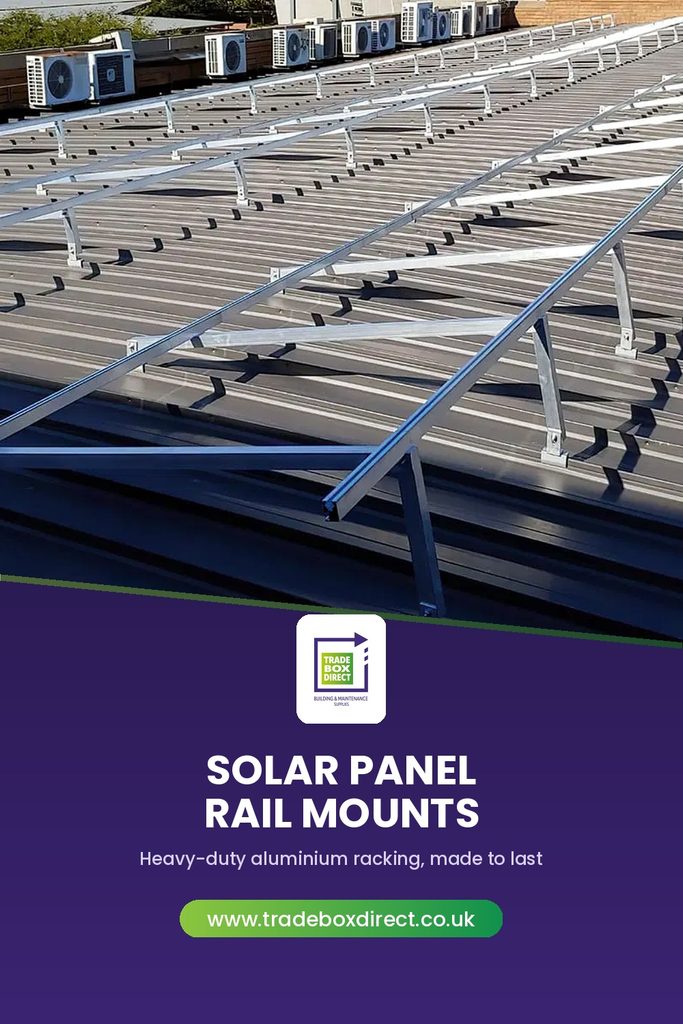
A solar panel rail is a long, strong metal section that supports solar panels on a roof or ground-mounted frame. It forms part of the solar mounting system. Installers attach the rails to roof hooks or mounting brackets. Then, they secure the panels to the rails with special clamps.
Most rails use aluminium because it is strong, light and easy to handle. In addition, aluminium offers good resistance to rust and corrosion.
A quality solar panel rail helps create a stable base for solar panels. It also allows installers to position panels correctly and maintain even spacing.
How Is a Solar Panel Rail Made?
Manufacturers use a careful process to produce strong and reliable mounting rails. Each stage helps create a product that can support solar panels for many years.
1. Choosing the Right Material
The first step involves selecting the correct metal. Aluminium is a popular choice because it offers a good balance of strength and weight.
Moreover, it does not rust like ordinary steel. This makes it suitable for outdoor use.
2. Aluminium Extrusion Process
Manufacturers often use aluminium extrusion to make mounting rails.
During this process, they heat aluminium until it becomes soft enough to shape. Next, they push it through a specially designed mould called a die. The die gives the metal its required shape and profile.
As a result, manufacturers can create rails with channels and grooves. These features allow installers to fit clamps and other mounting parts.
3. Cutting and Finishing
After extrusion, manufacturers cut the rails to the required length. They then smooth the edges and check the finish.
Some rails also receive a surface treatment. This helps improve their appearance and resistance to outdoor conditions.
4. Quality Checks
Finally, manufacturers inspect the finished rails. They check the dimensions, surface quality and overall strength.
These checks help ensure that each rail meets the required product specifications.
What Are the Main Advantages of Solar Panel Rails?
Solar panel rails offer several benefits. They help improve the safety, performance and appearance of a solar installation.
1. Strong Panel Support
Solar Equipment need a stable mounting base. Rails provide support across the panel frame and help keep the panels in position.
Furthermore, a suitable rail system helps distribute loads across the mounting structure.
2. Lightweight Construction
Aluminium rails offer strength without adding too much weight to a roof.
Therefore, installers can handle and position them more easily. This can also make the installation process quicker.
3. Weather Resistance
Solar Equipment remain outdoors throughout the year. As a result, their mounting parts must cope with rain, sunlight and changing temperatures.
Aluminium rails offer good corrosion resistance. However, the full mounting system must also use suitable brackets, fixings and connectors.
4. Easy Installation
Most modern mounting rails feature grooves or channels. These allow installers to position clamps and connect compatible accessories.
Consequently, installers can build a neat and secure mounting system.
5. Long-Term Value
A reliable mounting system can support a solar installation for many years. It also helps reduce the need for avoidable repairs.
However, regular inspections remain important to check fixings and identify any damage.
How Does a Solar Panel Rail Work?
A solar mounting rail works as part of a complete support system. Each component has a specific job.
Here is how the system usually works:
- Roof hooks or brackets: These connect the mounting system to suitable roof structures.
- Mounting rails: These provide the main support for the solar panels.
- Mid clamps: These hold neighbouring panels in position.
- End clamps: These secure the outside edges of the panel arrangement.
- Fixings and connectors: These join the different parts and help create a secure structure.
Together, these components form a stable mounting system.
However, installers must select products that work together. The rail profile, clamp design and panel frame must be compatible. They must also follow the manufacturer’s installation instructions.
What Should You Consider Before You Buy Solar Panel Rail?
Choosing the right rail is important for a safe and reliable installation. Therefore, consider these points before placing an order.
1. Rail Length
First, check the available rail lengths. The correct length depends on the number of panels, their layout and the mounting design.
Also, consider whether rail connectors are needed to join separate sections.
2. Material Quality
Look for aluminium rails designed for solar mounting systems. Check the product specifications to understand the material, finish and intended use.
3. Roof Type
Different roofs need different mounting accessories. For example, a tiled roof may need roof hooks, while other roof types may require different brackets.
Therefore, make sure the rail system suits the roof structure.
4. Compatibility
Check whether the rails work with your chosen clamps, brackets and solar panels. Compatible components help create a secure installation.
5. Wind and Snow Loads
Weather conditions can place pressure on solar mounting systems. For this reason, installers must check wind and snow load requirements.
The rail spacing and fixing points should follow the system design and manufacturer guidance.
If you are planning to buy solar panel rail, compare the specifications carefully before choosing a product.
Why Is the Surface Finish Important?
The surface finish plays an important role in the quality of a mounting rail.
A smooth, suitable finish can help protect the aluminium from outdoor exposure. It can also improve the appearance of the finished installation.
In addition, check the edge finish. Smooth edges make handling easier and help prevent damage during installation.
Always follow safe handling instructions when cutting or working with metal rails.
How to Choose Compatible Solar Mounting Accessories
A solar mounting system needs several parts to work together. Therefore, check that every component is compatible before buying.
For example:
- Choose clamps that fit the rail channel.
- Check that brackets suit the roof type.
- Use connectors designed for the rail profile.
- Confirm that the system supports the selected solar panels.
- Follow the manufacturer’s spacing and fixing instructions.
This approach helps prevent fitting problems and supports a safer installation.
Where Can You Shop for Solar Mounting Products?
Finding reliable products is important for installers, contractors and homeowners. A good supplier should offer clear product information and useful specifications.
At TradeBoxDirect, you can explore a range of solar equipment for solar installation projects.
You can compare available products, check their details and select suitable mounting components for your requirements.
Whether you are working on a domestic roof or a larger solar project, choosing the right mounting parts can make a big difference.
Frequently Asked Questions
1. What material is used to make solar panel rails?
Most solar panel rails use aluminium. It offers good strength, low weight and resistance to corrosion. These features make it suitable for outdoor solar mounting systems.
2. How long does a solar panel rail last?
A quality aluminium rail can last for many years. However, its lifespan depends on the material, installation quality, weather exposure and maintenance.
3. Are solar panel rails suitable for all roof types?
No. Different roofs need different mounting brackets and fixing methods. Always check the mounting system requirements before installation.
4. Can I cut solar panel rails to size?
Some mounting rails can be cut to the required length. However, installers must follow the manufacturer’s cutting instructions and use suitable tools. They should also protect cut edges where required.
5. Why are aluminium rails better than ordinary steel rails?
Aluminium rails are lighter and naturally resist corrosion. Therefore, they are easier to handle and well suited to many outdoor mounting applications.
6. What accessories do I need with solar panel rails?
You may need roof hooks, mounting brackets, mid clamps, end clamps, rail connectors and suitable fixings. The exact parts depend on the mounting system.
7. Where can I buy solar mounting rails?
You can explore the TradeBoxDirect solar category to find mounting products and other solar installation components.
Conclusion
Solar panel rails play an important role in every suitable solar mounting system. They provide support, help secure panels and allow installers to create a neat arrangement.
Aluminium construction, simple fitting features and weather resistance make these rails a popular choice. However, the correct size, material and compatible accessories are essential.
Before starting a project, compare the available products and check their specifications. Choosing suitable solar equipment can help create a strong, reliable and long-lasting solar installation.