No products in the cart.









Solar Roof Hooks: How They Are Made, How They Work and Why They Matter for Solar Panel Installation
Introduction
solar equipment need a strong and safe mounting system. This system keeps the panels in place and helps them work well in different weather conditions. One important part of this system is a roof hook. It connects the solar mounting rails to the roof structure and provides a firm base for the panels.
A good solar roof hook helps create a secure solar installation. It also supports the weight of the panels and helps keep the mounting system stable. Therefore, choosing the right hook is important for both homes and commercial buildings.
Today, many installers and homeowners look for reliable solar equipment that offers strength, safety and long-term value. In this guide, we will explain how roof hooks are made, how they work, their main advantages and what to consider before buying them.
What Is a Solar Roof Hook?
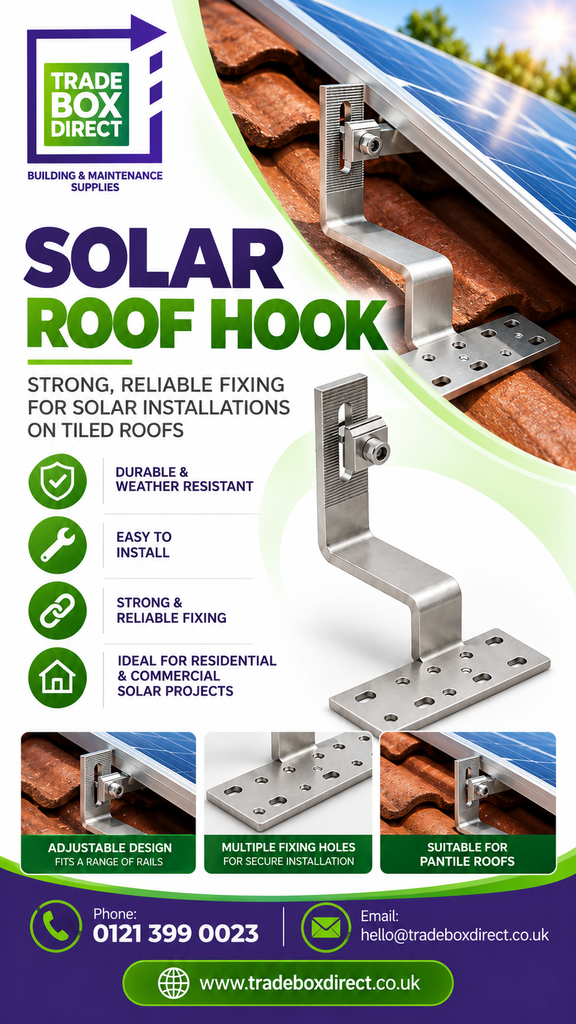
A roof hook is a metal fixing used to attach solar mounting rails to a suitable roof structure. It creates a strong connection between the roof and the solar panel mounting system.
Most roof hooks are designed for tiled roofs. They fit beneath or around a roof tile and connect to a suitable roof rafter. The mounting rail then attaches to the hook.
As a result, the solar panels stay in position without relying on the roof tiles alone for support.
A quality solar roof hook is designed to handle different loads, including:
- The weight of solar panels.
- Wind pressure and uplift.
- Snow loads in suitable climates.
- Movement caused by changing weather.
- The long-term demands of outdoor use.
However, the correct hook depends on the roof type, tile shape and installation design.
How Are Solar Roof Hooks Made?
The manufacturing process plays an important role in the strength and quality of a roof hook. Manufacturers use strong metals and careful production methods to create products that can withstand outdoor conditions.
Here are the main steps.
1. Choosing the Right Material
Most roof hooks use stainless steel or suitable coated steel. These materials offer good strength and resistance to corrosion.
Stainless steel is popular because it can handle moisture and changing temperatures. Furthermore, it offers a long service life when the correct grade is selected.
2. Cutting the Metal
Next, manufacturers cut the metal into the required shape and size. They use suitable cutting machines to create accurate parts.
Correct measurements help the hook fit the roof and mounting rail.
3. Bending and Shaping
The metal then goes through a bending process. This creates the hook shape, fixing section and mounting connection.
The design must provide enough space for the roof tile while allowing a secure fixing to the roof structure.
4. Drilling and Finishing
Manufacturers add fixing holes and connection points. They also smooth rough edges to improve handling and fitting.
Depending on the material, the product may receive a protective surface treatment to improve corrosion resistance.
5. Quality Testing
Finally, manufacturers check the product for size, finish and strength. Suitable testing helps confirm that the hook meets the required design and performance standards.
How Does a Solar Roof Hook Work?
A roof hook forms an important link between the roof and the solar mounting rails.
First, the installer checks the roof structure and identifies suitable fixing points. Next, they position the hook and secure it to the roof rafter with approved fixings.
The installer then places the roof tile back in position. After that, the mounting rail connects to the hook.
Finally, the solar panels attach to the rails using suitable clamps.
This creates a complete mounting structure.
The hook transfers the loads from the mounting rail into the roof structure. Therefore, correct positioning and fixing are essential.
A suitable solar roof hook must also match the tile profile and allow enough clearance. Otherwise, the tile may sit unevenly or experience unwanted pressure.
What Are the Main Advantages of Solar Roof Hooks?
Roof hooks offer several benefits for solar panel installations. Here are some of the most important ones.
1. Strong and Secure Support
A properly selected hook creates a firm connection between the roof and mounting rails. This helps keep the panels stable.
2. Long-Term Durability
Quality metal hooks can withstand outdoor conditions. Moreover, suitable stainless steel products offer good resistance to rust and corrosion.
3. Better Installation Flexibility
Different roof hook designs suit different tile shapes and roof structures. As a result, installers can select products that match the needs of each project.
4. Improved Load Transfer
Roof hooks transfer the weight and other forces from the mounting system to suitable structural points. This helps protect the overall installation.
5. Suitable for Different Solar Projects
Roof hooks are used in many domestic and commercial solar projects. However, the correct design and spacing must always follow the installation requirements.
How to Choose the Right Solar Roof Hook
Choosing the right product can improve the safety and quality of a solar installation. Before you shop for solar equipment, consider the following points.
Roof Tile Type
Check whether your roof uses plain tiles, pantiles or another tile profile. Different roof types may need different hook designs.
Material Quality
Look for strong materials with suitable corrosion resistance. Stainless steel is a common choice for outdoor mounting applications.
Dimensions and Design
Check the hook height, thickness, fixing holes and rail connection. These details help ensure a suitable fit.
Load Requirements
Consider wind loads, snow loads and the total weight of the solar panel system. A qualified installer should assess these requirements.
Product Compatibility
Make sure the hook works with your chosen mounting rail and other fittings. A Compatible mounting system helps create a secure connection between all parts.
You can also explore the solar equipment category at TradeBoxDirect to find products for solar mounting projects.
Why Should You Buy Solar Roof Hooks from a Reliable Supplier?
When planning a solar installation, product quality should always come first. Low-quality fittings may affect the safety and lifespan of the mounting system.
Therefore, it is worth choosing a supplier that offers clear product information and reliable mounting accessories.
If you plan to buy solar roof hook products, check the following details before placing your order:
- Product material and finish.
- Hook dimensions and design.
- Suitable roof tile type.
- Rail connection requirements.
- Fixing and installation guidance.
- Product quality and supplier information.
Shopping online also makes it easier to compare different mounting products. You can review specifications, check product details and select suitable solar equipment for your project.
TradeBoxDirect offers a range of solar-related products for installers, trade customers and homeowners. Explore the solar equipment collection to find useful products for your installation needs.
Where Are Solar Roof Hooks Used?
Roof hooks are mainly used in solar panel mounting systems on pitched roofs.
They are commonly found in:
- Domestic solar panel installations.
- Commercial rooftop solar projects.
- Tiled roof mounting systems.
- New solar panel installations.
- Suitable solar system upgrades.
However, not every roof needs the same type of fixing. Flat roofs, metal roofs and other roofing systems may require different mounting solutions.
The roof’s Surface and tile profile should be checked before selecting a hook. Installers must also check the roof edge and nearby obstacles when planning the panel layout.
Common Mistakes to Avoid When Choosing Roof Hooks
Even a good mounting product can cause problems if it is not selected or fitted correctly.
Avoid these common mistakes:
- Choosing a hook without checking the roof tile type.
- Using unsuitable screws or fixings.
- Ignoring the roof rafter position.
- Selecting a hook that does not match the mounting rail.
- Applying pressure to roof tiles during installation.
- Ignoring wind and other structural loads.
Always follow the manufacturer’s instructions and use a qualified solar installer. Proper planning helps protect the roof and the solar panel system.
Frequently Asked Questions (FAQs)
1. What is the main purpose of a solar roof hook?
Its main purpose is to connect solar mounting rails to the roof structure. It provides support for the solar panels and helps keep the mounting system secure.
2. What materials are used to make roof hooks?
Manufacturers commonly use stainless steel or suitable coated steel. These materials offer strength and resistance to outdoor conditions.
3. Are solar roof hooks suitable for all roof types?
No. Different roofs need different mounting products. Many roof hooks suit tiled roofs, while metal and flat roofs often need other fixing systems.
4. How long do solar roof hooks last?
Their lifespan depends on the material, product quality, weather conditions and installation. Good-quality stainless steel hooks can provide long-term service when correctly selected and installed.
5. Can I install solar roof hooks myself?
Solar mounting requires knowledge of roof structures, fixing methods and load requirements. It is best to use a qualified installer to ensure a safe installation.
6. What should I check before I buy solar roof hook products?
Check the material, dimensions, tile compatibility, fixing points and rail connection. Also, make sure the product suits your solar mounting design.
7. Do roof hooks prevent roof leaks?
A correctly designed and installed mounting system helps protect the roof. However, the hook alone does not guarantee waterproofing. Installers must follow the correct roofing and sealing methods.
8. Why are roof hooks important in solar equipment?
They provide a structural connection between the roof and mounting rails. Without suitable fixings, the solar mounting system may not provide the required support.
Conclusion
Roof hooks are an important part of a solar panel mounting system. They connect the mounting rails to the roof structure and help support the panels in different weather conditions.
From material selection to manufacturing and installation, every stage matters. Therefore, choosing the right product can improve mounting stability, durability and overall system safety.
Whether you are a solar installer, trade customer or homeowner, always check the product specifications before purchasing. Explore the solar equipment range at TradeBoxDirect to find suitable products for your next solar installation project.