






How Does a Tile Levelling System Help You Achieve a Smooth and Even Tiled Floor?
Laying tiles takes care, patience and the right tools. Even a small height difference between two tiles can affect the final look of a floor or wall. Therefore, choosing the correct equipment can make your tiling project easier and help you achieve a neat finish.
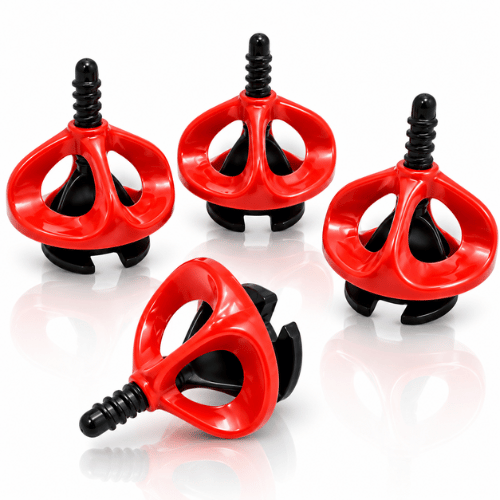
A tile leveling system helps keep nearby tiles at a similar height while the tile adhesive sets. It can reduce uneven edges and support a more even tiled surface. As a result, it is useful for DIY users, builders, tilers and renovation professionals.
TradeBoxDirect offers practical products for flooring and tiling projects, including the Tile Spacer Levelling System 2mm Floor Twister Spacer Screws + Red Twister Nuts. Before you buy, it helps to understand how these tools work and how to choose the right set.
What Is a Tile Levelling System and How Does It Work?
A tile leveling system uses special spacers and tightening parts to help keep nearby tiles level during installation. Depending on the design, the system may use clips, wedges, screws or twisting caps.
First, the installer spreads a suitable adhesive over the prepared base. Next, they place the tiles and add the levelling parts along the joints. The installer then tightens the system as directed by the manufacturer.
This process helps bring the tiles into line while the adhesive sets. However, the system does not replace careful preparation. The base must be firm, clean and suitable for the tiles being fitted.
1. What Are Tile Levelling Spacers?
Tile levelling spacers help keep neighbouring tiles aligned and maintain a consistent joint. They are especially useful when fitting large floor tiles, where small height differences can be easy to notice.
A traditional spacer helps maintain the gap between tiles. Levelling spacers go further by helping reduce differences in height between adjoining tiles.
What Are the Advantages of Tile Levelling Spacers?
These spacers offer several useful benefits:
- More even tiles: They help reduce height differences between neighbouring tiles.
- Consistent joints: They support an even gap when used correctly.
- Neater results: They can improve the overall look of a tiled floor.
- Easier installation: They help installers keep tiles aligned as they work.
- Useful for larger projects: They can support a consistent finish across wider areas.
However, you must choose spacers that suit the tile thickness, joint width and system design. Correct use also matters, as excessive tightening may move tiles or affect the adhesive bed.
2. What Is the Difference Between Tile Spacers and Floor Tile Spacers?
Standard tile spacers help maintain the gap between tiles. Floor tile spacers serve the same basic purpose but may be selected for the size, layout and requirements of floor tiles.
For example, small spacers can help maintain narrow joints, while a 2mm spacer suits projects that call for a 2mm joint. However, the correct joint width depends on the tile type, manufacturer guidance and installation plan.
When shopping, check whether you need basic spacers or a complete levelling kit. A complete kit may include extra parts that help manage tile height as well as joint spacing.
3. How Is a Tile Levelling System Made?
The design depends on the type of system. Many systems use moulded plastic parts, while screw-based versions may combine plastic components with threaded sections.
During production, the manufacturer forms the components to the required shape and size. The parts must work together so that the installer can tighten and remove them as intended.
The quality and design of each component affect how easy the system is to use. Therefore, always review the product details before placing an order.
4. PRODUCT: Tile Spacer Levelling System 2mm Floor Twister Spacer Screws + Red Twister Nuts
The Tile Spacer Levelling System 2mm Floor Twister Spacer Screws + Red Twister Nuts is an option to consider for suitable floor tiling projects.
This product is designed around a 2mm spacing setup and uses spacer screws with red twisting nuts. The components help hold adjoining tiles in position while the adhesive sets, when used according to the product instructions.
What Are the Benefits of This Product?
Consistent spacing: The 2mm design can help create uniform joints when it suits your chosen tiles.
Support for alignment: The tightening parts help reduce height differences between neighbouring tiles.
Practical assembly: A twisting mechanism can make it easier to adjust the parts during installation.
Useful for floor projects: The kit is worth considering for suitable tiled floors where a consistent finish matters.
Before you buy, check the pack contents, recommended tile thickness and fitting instructions. Also, confirm that the system is compatible with your tile size and installation method.
5. How Do You Use a Tile Levelling System Correctly?
Good preparation is the first step towards a smooth finish. Follow these basic steps, while always checking the instructions supplied with your chosen system.
Step 1: Prepare the base. Make sure the floor is clean, firm and suitable for tiling. Check that it meets the required flatness standard.
Step 2: Apply the adhesive. Spread the correct tile adhesive using the recommended method and a suitable notched trowel.
Step 3: Place the tiles. Set each tile into position and check the joint width.
Step 4: Add the levelling parts. Fit the spacers and tightening components as instructed by the manufacturer.
Step 5: Adjust the tiles. Tighten the parts carefully. Avoid applying too much force, as this can affect the tile position.
Step 6: Allow the adhesive to set. Follow the recommended curing time. Changes in temperature can affect setting times, so check the adhesive instructions.
Step 7: Remove the system. Once the adhesive has set sufficiently, remove the reusable or breakaway components according to the product design.
A tile levelling system can help with alignment, but it cannot correct a poorly prepared base or replace the correct adhesive and fitting method.
6. Which Tiling Tools Should You Buy?
The right tiling tools can make your work more accurate and efficient. In addition to a levelling kit, you may need a tile cutter, measuring tape, spirit level, notched trowel, grout float and cleaning sponge.
Each tool has a different purpose. A measuring tape helps you plan the layout, while a spirit level helps you check alignment. Meanwhile, the right trowel helps spread the adhesive evenly.
You should also check the tile surface and the edge of each tile before fitting. Damaged edges or uneven tiles may affect the final result.
7. How Do You Choose the Right Tile Levelling System?
Before you shop, consider the following points.
- Joint width: Choose a system that matches the required grout gap.
- Tile thickness: Check the supported thickness range.
- Tile size: Large tiles may need a suitable levelling method and careful adhesive coverage.
- Pack quantity: Work out how many components you need for your project.
- Ease of use: Choose a design you can fit and remove correctly.
- Product instructions: Check the recommended installation method and any limitations.
Also, plan your tile layout before applying adhesive. This can help reduce cutting waste and keep the rows straight.
If you need equipment for a new installation or renovation, browse the TradeBoxDirect Flooring and Tiles category to compare available products.
Frequently Asked Questions
1. What is a tile levelling system used for?
It helps keep neighbouring tiles at a similar height and supports consistent joints while the adhesive sets. It can reduce uneven edges when used correctly.
2. Are tile levelling spacers better than standard tile spacers?
They serve related but different purposes. Standard spacers maintain the joint gap, while levelling spacers also help reduce height differences between adjacent tiles.
3. Is a 2mm tile levelling system suitable for every tile?
No. A 2mm system suits projects that require a 2mm joint and meet the product’s fitting requirements. Check the tile maker’s advice before choosing the joint width.
4. Can beginners use a tile levelling system?
Yes. Many systems are suitable for DIY users. However, beginners should follow the instructions, prepare the base correctly and practise the fitting method where appropriate.
5. Does a tile levelling system stop all uneven tiles?
No. It helps reduce differences in height, but the final result also depends on the base, tile quality, adhesive coverage and installation technique.
6. When should I remove tile levelling spacers?
Follow the product instructions and wait until the adhesive has set enough for safe removal. Removing components too early may shift the tiles.
7. How many tile levelling spacers do I need?
The number depends on tile size, layout, joint design and the spacing of the components. Check the kit instructions and plan the quantity before starting.
8. Where can I buy a tile levelling system online?
You can shop for suitable tiling products through the TradeBoxDirect Flooring and Tiles category, including the 2mm Floor Twister Spacer Screws + Red Twister Nuts kit.
Conclusion
A good levelling kit can make tile installation easier and help you achieve a smooth, neat finish. Tile levelling spacers support alignment, while standard floor tile spacers help maintain the required joint width.
Before you buy, check the tile size, joint width, pack contents and fitting instructions. In addition, prepare the base carefully and use the correct adhesive and tools.
Explore the TradeBoxDirect range to find a suitable tile leveling system for your next flooring project and make your shopping choice with confidence.