








How Can Knauf Loft Roll 44 – Combi Cut Improve Loft Insulation?
Good INSULATION can help a home stay warmer in winter and more comfortable throughout the year. Heat naturally rises, so a poorly insulated loft can allow warmth to escape through the ceiling. As a result, a heating system may need to work harder.
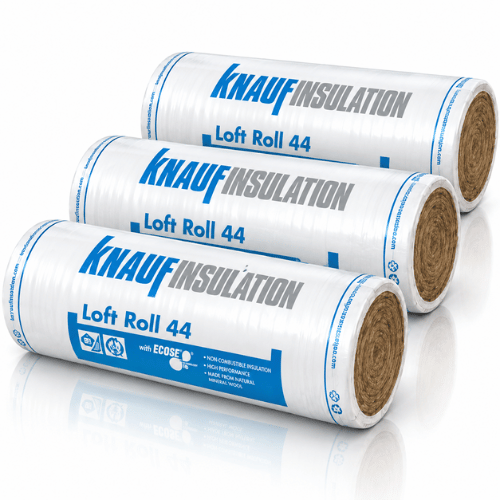
For homeowners, landlords, builders and trade buyers, choosing the right product is important. Knauf Loft Roll 44 – Combi Cut is designed for suitable loft applications and can support an effective energy saving insulation plan. This guide explains how it is made, how it works, its main benefits and what to check before you buy.
What Is Loft Insulation?
Loft insulation is fitted at ceiling level to slow heat loss. It can create a thermal barrier between the living space and the colder loft. Therefore, rooms below may stay warmer for longer.
When you shop for insulation for loft areas, look at product thickness, width, coverage and thermal conductivity. Also, check the condition of the roof and the space around pipes, cables and ventilation paths.
How Does Roof Insulation Work?
Roof insulation helps reduce heat movement through a roof structure. However, insulating a loft floor is different from insulating a pitched roof. The correct INSULATION system depends on whether the loft remains a cold storage area or becomes a living space.
Before you buy, identify the type of project. That simple step can help you choose a product that suits the building rather than buying only on price.
What Makes Knauf Loft Roll 44 – Combi Cut Useful?
Knauf Loft Roll 44 – Combi Cut is a mineral wool product made for suitable loft applications. Its roll format allows broad areas to be covered efficiently. The Combi Cut design can also make cutting and fitting more convenient around common loft layouts.
Knauf loft insulation is useful for projects where thermal performance and practical installation both matter. The product has a stated thermal conductivity of 0.044 W/mK. This value describes how well the material resists heat flow. Actual INSULATION performance also depends on thickness, coverage and correct fitting.
How Is Knauf Insulation Made?
Knauf insulation is based on mineral wool technology. Mineral wool is formed from mineral-based raw materials that are melted and made into fine fibres. These fibres create a structure that traps air.
Trapped air helps slow the movement of heat. The material is then formed into useful roll products for transport, cutting and installation.
During handling, follow the manufacturer’s instructions. Suitable protective clothing and safe working methods are important when fitting mineral wool products.
What Are the Benefits of Thermal Insulation?
Thermal insulation can reduce unwanted heat transfer. In a loft, this can help keep warmth inside the rooms below.
There are several practical INSULATION benefits:
- It can reduce heat loss through the ceiling.
- It can support a more comfortable indoor temperature.
- It may reduce heating demand and support lower energy use.
- Roll products can cover large areas with fewer joints.
- Suitable insulation can support a wider energy efficiency plan.
However, insulation works best as part of a complete approach. Windows, doors, walls, heating controls and ventilation can also affect energy use.
Is Attic Insulation the Same as Loft Insulation?
Attic insulation is a common term for insulating the upper part of a home. In the UK, the word loft is used more often. The basic aim is similar: reduce heat transfer and improve energy efficiency.
Still, the INSULATION method matters. A loft floor may need insulation between and above joists. A converted loft may instead need insulation within the roof slope and walls.
For this reason, check the building design before shopping. A product that suits a loft floor may not be the right choice for a roof conversion.
What Should You Check Before Buying Insulation for Loft Areas?
Insulation for loft projects should be planned before materials arrive. First, measure the floor area. Then, check joist spacing and note any pipes, cables, hatches or storage areas.
Next, inspect the roof space for leaks or moisture. Do not cover an active damp problem with insulation. Find and fix the source first.
You should also protect suitable airflow. Ventilation paths must remain clear where the building design requires them.
Likewise, condensation needs attention. Warm, moist air can meet a cold surface and create water droplets. Correct ventilation, moisture control and good installation practice can help reduce this risk.
Can a Loft Insulation Roll Save Energy?
A loft insulation roll can form an important thermal layer. When fitted correctly, it slows heat movement through the ceiling. Consequently, less heat may escape from rooms below.
However, energy savings vary. The property size, existing insulation, heating system, weather and installation quality all matter. Therefore, buyers should view insulation as one part of a wider energy efficiency plan.
Why Choose Energy Saving Insulation?
Energy saving insulation can be a sensible home improvement for properties with poor loft coverage. By reducing heat loss, it may help a heating system maintain a comfortable temperature more efficiently.
If you are planning a larger project, compare product coverage and required thickness before you shop. Buying the correct amount can reduce waste and prevent delays during installation.
Product Focus: Knauf Loft Roll 44 – Combi Cut
Knauf Loft Roll 44 – Combi Cut is the key product in this guide. It is a mineral wool roll designed for suitable loft applications. The material helps provide thermal insulation, while the roll format makes it practical for covering larger areas.
The INSULATION format is useful when installers need to cut material to fit the layout. Even so, careful measurement is essential. Gaps can reduce the value of the finished system, so the material should be fitted carefully according to the product instructions.
Trade buyers can compare the required coverage with the available roll size before ordering. Homeowners can use INSULATION planning to do the same when preparing a smaller project. If you need several rolls, calculate the total area first, then allow for the product’s stated coverage.
Can You Shop and Buy Knauf Loft Roll 44 Online?
Yes, online shopping can make product comparison easier. Before you buy, check the product specification, coverage, dimensions and delivery details.
For trade projects, ordering the right INSULATION from a specialist supplier can also help you plan quantities. Check stock before starting work, especially when a job has a fixed schedule.
The product page for Knauf Loft Roll 44 – Combi Cut provides a useful starting point for buyers who want to review the product before placing an order.
Frequently Asked Questions
How Is Knauf Loft Roll 44 – Combi Cut Made?
It is a mineral wool product made by forming mineral-based materials into fine fibres. The fibre structure traps air, helping reduce heat transfer.
What Are the Advantages of Using This Product?
It can help reduce heat loss, support indoor comfort and improve the thermal performance of a suitable loft area. Its roll format can also make larger areas easier to cover.
How Much Material Should I Buy?
Measure the area first, then compare it with the product’s stated coverage. Allow for the layout, cutting and installation method. Avoid guessing, as too little material can delay the project.
Can I Use This Product for Every Roof?
No. Loft-floor insulation and pitched-roof insulation are different applications. Always check the product guidance and choose a system that matches the building design.
Does Insulation Stop Condensation?
Not by itself. Good insulation can help keep some surfaces warmer, but suitable ventilation and moisture control remain important. Keep required airflow routes clear.
Conclusion
Choosing the right INSULATION can improve comfort and help reduce heat loss. Knauf Loft Roll 44 – Combi Cut offers a practical mineral wool option for suitable loft projects, especially when buyers want a roll product that is easy to measure, cut and install.
Before you shop or buy, measure the space, inspect the roof and check the product specification. Also, consider moisture, airflow and condensation. With careful planning and correct installation, this type of product can support a warmer, more energy-efficient home.