







How Do You Choose the Right Attic Insulation for Your Home?
Choosing the right insulation for your attic can make your home warmer in winter and cooler in summer. It can also help reduce heat loss and improve energy efficiency. However, with many products available, it can be hard to know what to buy.
Fortunately, choosing attic insulation becomes easier when you understand the main product types, materials and installation needs. Whether you are upgrading an old loft or working on a new project, the right solution can provide long-term benefits.
If you are ready to shop for suitable products, explore the insulation range at TradeBoxDirect.
What Is Attic Insulation?
Attic insulation is a material fitted within a loft or attic area to slow the movement of heat. In winter, it helps keep heat inside your living space. During warmer months, it can also reduce the amount of heat entering your home from above.
Good insulation can therefore support a more comfortable indoor temperature throughout the year. Moreover, it may reduce the need to use heating for long periods.
Common products include mineral wool rolls, glass mineral wool, loft rolls, rigid boards and foil-based products. Each option has different features, so it is important to select one that suits your property.
Why Is Attic Insulation Important?
A large amount of household heat can escape through the roof if the loft has poor thermal protection. As a result, your heating system may need to work harder.
Installing suitable attic insulation creates a thermal barrier between your living space and the colder roof area. Therefore, your home can retain warmth more effectively.
It can also support:
- Better indoor comfort
- Lower heat loss
- Improved energy efficiency
- More consistent room temperatures
- Reduced demand on heating systems
- Better use of household energy
However, insulation should not block essential ventilation. A balanced loft needs both thermal protection and suitable airflow.
Understanding Moisture, Airflow and Condensation
Moisture control is an important part of any attic project. Warm air from inside a home can move into a colder loft space. If that warm air meets a cold surface, water vapour may turn into droplets.
This process is known as condensation.
You should also understand moisture, because excess moisture can affect building materials over time.
At the same time, suitable airflow helps fresh air move through the roof space. Good ventilation can reduce the risk of damp conditions.
For this reason, do not simply cover every part of the loft without considering ventilation routes. Instead, check the roof design and follow the product manufacturer’s installation guidance.
Which Type of Attic Insulation Should You Buy?
When you shop for insulation, start by looking at the area you need to cover. Then consider the thickness, thermal performance, material and installation method.
Mineral Wool Rolls
Mineral wool rolls are a popular choice for loft floors. They are easy to handle and can fit between timber joists.
They are often suitable for homeowners and tradespeople who want a practical solution for improving thermal performance.
Glass Mineral Wool
Glass mineral wool provides another useful option. It is lightweight and can be supplied in rolls or batts.
Before you buy, check the dimensions carefully. The product should suit the spacing between the joists and the required installation depth.
Loft Roll Products
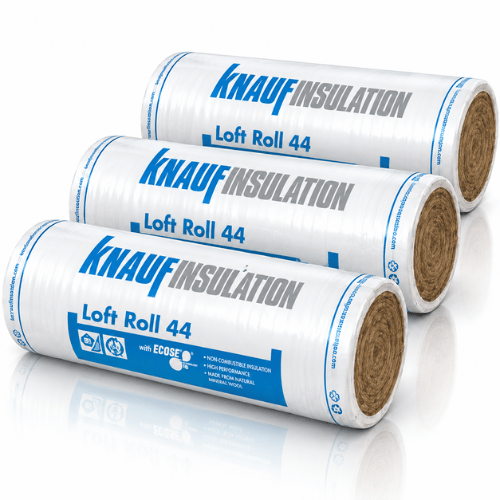
Loft rolls are designed specifically for use in roof and attic spaces. For example, products such as Knauf Loft Roll can provide a practical option where a roll-based system is preferred.
When shopping online, always check the product specifications, thickness, width and coverage area before ordering.
Foil Insulation
Foil-based insulation products can provide a different approach to thermal protection. They are often used where space, construction type or installation requirements make a thinner reflective material useful.
However, foil products should always be installed according to the manufacturer’s instructions. The correct air gaps and fixing method may be important for the system to perform properly.
Rigid Insulation Boards
Rigid boards can offer high thermal performance in a relatively compact thickness. They may suit specific roof, wall or loft applications.
However, cutting boards accurately is important. Gaps around the edges can reduce the effectiveness of the finished installation.
What Should You Check Before You Shop?
Before you buy attic insulation, measure the area carefully. This helps you calculate how much material you need.
Next, check:
- The loft floor or roof area.
- The distance between joists.
- The required insulation thickness.
- The product’s thermal performance.
- The coverage provided by each pack.
- The manufacturer’s installation guidance.
- Whether additional ventilation is required.
Also, check whether the product is intended for the exact application you have in mind.
Buying the cheapest product is not always the best approach. Instead, compare the specification, coverage and intended use. A suitable product can provide better value over the long term.
How Much Insulation Do You Need?
The required amount depends on the size of the attic and the design of the installation.
For example, a small loft may need only a few rolls, while a larger property may require several packs. Measure the length and width of the area first, then calculate the total coverage.
It is also sensible to allow for cutting waste. However, avoid buying large amounts without checking the product coverage.
If you are unsure, a qualified installer can assess the space and recommend a suitable thickness and installation method.
Shop Attic Insulation Online
Online shopping makes it easier to compare different insulation products in one place. You can review product sizes, materials, coverage and specifications before placing an order.
For homeowners, landlords, builders and tradespeople, choosing the correct product can save time during installation.
You can shop for insulation at TradeBoxDirect and compare products for different applications.
Before you buy, always read the product information carefully. In addition, check delivery details, pack quantities and dimensions.
Common Mistakes to Avoid
Even good-quality attic insulation may not work as expected if it is installed incorrectly.
Avoid these common mistakes:
- Blocking roof ventilation paths
- Leaving large gaps between sections
- Compressing products unnecessarily
- Installing the wrong thickness
- Ignoring moisture problems
- Covering electrical equipment without suitable guidance
- Buying too little material
- Failing to follow installation instructions
Furthermore, do not use insulation to hide an existing damp or roof problem. Any leaks or moisture issues should be addressed first.
Is Attic Insulation Worth Buying?
For many homes, attic insulation can be a useful improvement because the roof area plays an important role in heat loss.
A well-planned installation can help your home retain heat more effectively. It can also support better comfort and energy efficiency.
However, the result depends on the product, installation quality, building condition and ventilation.
Therefore, focus on the complete system rather than choosing a product based only on price.
FAQs About Attic Insulation
1. What is the best attic insulation?
The best option depends on the building, available space and installation method. Mineral wool, glass mineral wool, loft rolls, foil products and rigid boards can all have useful applications.
2. Can I install attic insulation myself?
Some loft floor products are suitable for careful DIY installation. However, you should follow the manufacturer’s instructions and take care around electrical equipment and ventilation areas.
3. Does attic insulation stop condensation?
It can help control heat movement, but insulation alone does not solve every condensation problem. Proper ventilation and moisture control are also important.
4. How do I choose insulation for a loft?
Measure the space first. Then compare thickness, thermal performance, coverage, material and installation requirements. Choose a product designed for your specific application.
5. Where can I buy attic insulation?
You can shop online for different insulation products, compare specifications and select the right option for your project. TradeBoxDirect provides a range of insulation products for building and improvement work.
6. Does insulation need ventilation?
Insulation should not block required roof ventilation. Good airflow can help manage moisture and reduce the risk of condensation in suitable roof constructions.
Conclusion
Choosing the right attic insulation starts with understanding your property and the area you want to improve. From mineral wool rolls and glass mineral wool to foil products and rigid boards, there are several options to consider.
Most importantly, look beyond price. Check the product specification, thickness, coverage and intended application before you shop or buy.
Good planning can help you create a warmer, more comfortable and energy-efficient home. Therefore, take accurate measurements, consider moisture and airflow, and follow the manufacturer’s guidance during installation.
If you are ready to compare products, visit the insulation category at TradeBoxDirect and choose a solution suited to your project.