








How Does Loft Insulation Improve Energy Efficiency in UK Homes?
A warm home feels better in winter. It can also help you control your energy use. However, heat can escape through the roof when a loft insulation has little or no protection.
This is where INSULATION can help. It slows heat loss and helps your home hold warmth for longer. As a result, your heating system may not need to work as hard.
There are many products to choose from. These include loft insulation, roof insulation, thermal insulation and insulation rolls. Each product has a different use. So, you should check the product details before you buy.
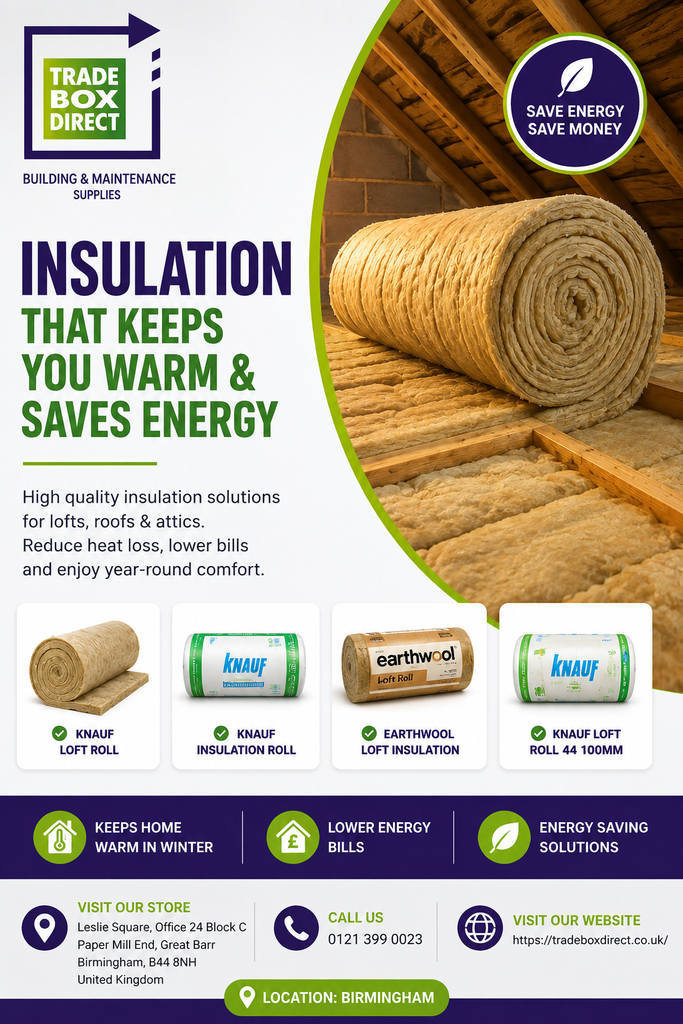
This guide explains how loft insulation works. It also covers its benefits, how to choose the right product and why Knauf Loft Roll 44 – Combi Cut can suit some loft projects.
What Is Loft Insulation?
Loft insulation helps reduce heat loss through a loft. Installers often place it between the roof joists or across the loft floor.
The material slows the movement of heat. Therefore, warm air stays in the rooms below for longer.
For example, imagine your home loses heat soon after you turn the heating off. A good layer of insulation can slow that heat loss.
Loft insulation can therefore help improve comfort in many homes.
Before you buy INSULATION, measure the loft and check the product size. This simple step can help you choose the right amount.
How Does Roof Insulation Work?
Warm air rises. In a home, some of that heat can move towards the roof. Without enough protection, heat can then escape outside.
Roof insulation slows this heat movement. As a result, your home can keep more warmth inside.
Good installation also matters. You should avoid gaps where possible. You should also keep required ventilation paths clear.
When you shop for roof insulation, check the product thickness, size and intended use.
What Is Thermal Insulation?
Thermal insulation helps slow the transfer of heat. You can use it in many parts of a building.
For example, you can use it in lofts, roofs and walls. Each area needs the right type of product.
In a loft, thermal insulation helps slow heat loss from the rooms below.
You can explore thermal insulation when planning a home improvement project.
Good INSULATION can form part of a wider plan to improve energy efficiency.
What Is Attic Insulation?
Attic insulation means insulation for an attic or roof space. In the UK, people usually use the word “loft” instead of “attic”.
The purpose stays the same. The material helps slow heat transfer between the home and the roof space.
If you search for attic insulation, check that the product suits your loft and installation method.
You should also measure the space before you buy.
What Is a Loft Insulation Roll?
A loft insulation roll comes in a long roll. You can unroll it across the area you need to cover.
This format makes the product easy to move and handle. It can also cover a large area with fewer separate pieces.
A loft insulation roll can work well for suitable loft floors and other applications.
Before shopping, check the roll length and width. Also, check the thickness and thermal rating.
These details help you decide how much material you need.
How Do Manufacturers Make Loft Roll Insulation?
Manufacturers use insulation materials that slow heat transfer. They process these materials into a consistent form and then create rolls that suit building applications.
The exact process depends on the product. Different manufacturers use different materials and production methods.
The finished roll should provide even coverage when you install it correctly.
For this reason, read the product information before you buy. Check the size, material and recommended use.
What Is Knauf Loft Insulation?
Knauf makes a range of building and insulation products. Its range includes products for suitable loft and roof applications.
Knauf loft insulation can help homeowners and trade customers improve the thermal performance of suitable loft spaces.
Knauf also offers products in roll form. These products can make loft work easier because you can handle and spread the material across a larger area.
If you plan to buy Knauf insulation, always check the product specification first.
Knauf Loft Roll 44 – Combi Cut
The Knauf Loft Roll 44 – Combi Cut offers a practical option for suitable loft projects.
The product has a thermal conductivity of 0.044 W/mK. It comes in a roll format, which makes it easier to handle across suitable areas.
The Combi Cut design can also help with common loft layouts. However, you should always follow the product instructions for your project.
If you want to shop for this product, you can buy Knauf Loft Roll 44 – Combi Cut from TradeboxDirect.
This product can suit customers who need INSULATION for loft improvement work.
What Are the Benefits of Insulation for Loft Areas?
Loft insulation offers several useful benefits.
Helps Reduce Heat Loss
First, it slows the movement of heat. Therefore, your home can hold warmth for longer.
Helps Improve Comfort
Next, it can help rooms feel warmer during cold weather. A warmer home can also feel more comfortable.
Supports Energy Saving
Good energy saving insulation can form part of an energy-saving plan.
When your home loses less heat, you may need less heating to maintain your preferred temperature.
Works Well in Home Improvement Projects
Finally, loft insulation can suit both new work and upgrades to older homes.
These benefits make INSULATION a useful option for many homeowners.
How Does Insulation Help Save Energy?
Your heating system uses energy to warm your home. When heat escapes quickly, the system may need to run for longer.
A good insulation layer slows heat loss. Therefore, your home can keep warmth for longer after you turn the heating down.
It does not replace your heating system. Instead, it helps your heating work more effectively.
This makes insulation for loft areas worth considering when you want to improve home energy use.
Why Do Moisture and Airflow Matter?
A loft needs more than insulation. It also needs suitable ventilation.
Good airflow helps air move through the roof space. This can help control damp conditions.
You should also understand moisture and how it can affect your loft.
Too much damp air can cause problems. In some cases, condensation can also form.
So, never cover or block important ventilation routes when you install loft products.
Always follow the manufacturer’s guidance. If you have concerns about your roof or loft, speak with a suitable building professional.
How Do You Choose the Right Loft Insulation?
Start with your loft measurements. Then, look at the product specifications.
You should check:
- Loft size
- Product thickness
- Roll length
- Roll width
- Thermal performance
- Material
- Intended use
- Installation method
- Quantity needed
For example, if you want to buy loft roll insulation, compare the available products before you place an order.
Good planning can help you buy the right amount. It can also help reduce waste.
Why Shop for Insulation Online?
Online shopping gives you a simple way to compare products. You can check sizes, specifications and prices before you buy.
This can help homeowners and trade customers save time.
You can also order products for larger projects without visiting several shops.
TradeboxDirect offers an insulation range for suitable building and loft projects.
Before you place an order, read the product details. Make sure the product suits your project and installation method.
Is Loft Insulation Good for Older Homes?
Yes, loft insulation can suit many older homes. Older properties often have less insulation than newer buildings.
Adding a suitable layer can help slow heat loss. It can also improve comfort in rooms below the loft.
However, every building has different needs. Check the loft structure and ventilation before starting work.
If you find damp, damage or other problems, deal with those issues first.
How Much Loft Insulation Do You Need?
The amount depends on the size of your loft and the product you choose.
Start by measuring the length and width of the area. Multiply these measurements to work out the approximate floor area.
Then, check the coverage stated on the product.
If you need several rolls, allow for the shape of the loft and any areas that you cannot cover.
Buying the correct amount can help keep the project simple and reduce leftover material.
Frequently Asked Questions
What does loft insulation do?
Loft insulation slows heat loss through the loft. It helps your home keep warmth for longer.
Does loft insulation help reduce energy use?
It can help reduce heat loss. Therefore, your heating system may need less energy to maintain a comfortable temperature.
What is a loft insulation roll?
A loft insulation roll comes in a long roll. You can unroll it across a suitable area during installation.
What is Knauf Loft Roll 44 – Combi Cut?
Knauf Loft Roll 44 – Combi Cut is a roll insulation product for suitable loft applications. It has a thermal conductivity of 0.044 W/mK.
Can I buy Knauf loft insulation online?
Yes. You can shop for Knauf loft insulation online and compare the available products.
What should I check before buying loft insulation?
Check the loft size, roll size, thickness, thermal performance and intended use. Also, read the product instructions.
Why does a loft need ventilation?
A loft needs suitable airflow to help manage air and moisture. Good ventilation can help reduce the risk of damp problems.
Can I install loft insulation myself?
Some loft insulation products suit DIY projects. However, you need to follow the product instructions and take suitable safety steps. If you have any doubts, use a qualified professional.
Conclusion
A good loft can help your home stay warm for longer. It can also help reduce unwanted heat loss.
Loft rolls offer a simple option for many suitable projects. Products such as Knauf Loft Roll 44 – Combi Cut can help homeowners and trade customers improve the thermal performance of suitable loft spaces.
Before you shop, measure your loft. Then, compare the product size, thickness and specifications.
Also, remember to protect important ventilation routes. Good installation needs both thermal protection and suitable ventilation.
With the right INSULATION, you can make a practical improvement to your home and create a more comfortable living space.