








Solar Mounting Rail: Complete Guide, Benefits, Uses and Buying Tips
A solar mounting rail is an important part of a panel installation system. It helps provide a strong and stable base for securing panels to a roof or other suitable surface. Because the rail supports the panel fixing points, the right choice can improve installation quality and long-term stability.
For homeowners, installers, and trade buyers, understanding the solar mounting rail system can make shopping easier. It also helps buyers choose suitable components for their project instead of selecting products based only on price.
What Is a Solar Mounting Rail?
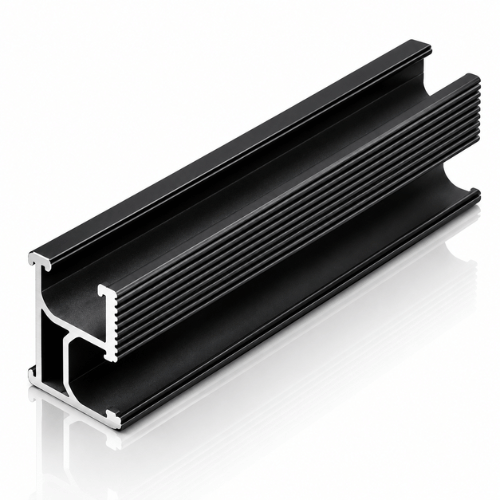
A solar mounting rail is a long structural section designed to support and secure panels during installation. It normally works with roof fixing components and other parts that connect the rail to the installation surface.
The rail creates a clear fixing path. Therefore, installers can position panels in a neat and organised layout. It can also help spread the load across several fixing points.
The MOUNTING system must suit the roof type, panel design, layout, and installation requirements. As a result, choosing compatible components is important before placing an order.
How Is a Solar Mounting Rail Made?
A solar mounting rail is commonly produced from strong, lightweight metal. Aluminium is often used because it offers a useful balance between strength and weight.
During production, the material is formed into a rail profile. The profile is designed to provide a suitable fixing channel for compatible installation components. After that, the surface may receive a protective finish to improve durability.
The manufacturing process can include cutting, shaping, forming, and finishing. Quality control is also important because the rail must maintain a consistent shape and size.
For this reason, buyers should check product specifications before they shop. Length, profile design, material, compatibility, and fixing requirements can all affect the final installation.
How Does a Solar Mounting Rail Work?
A solar mounting rail provides a fixing route for securing panels in the required position. First, the supporting points are installed on the roof or suitable surface. Next, the rail is fixed to those points.
After the rail is secure, compatible panel fixing components can be positioned along the channel. The panels can then be aligned before the final fixing process.
This approach gives installers flexibility. For example, panels can often be arranged in rows while keeping the layout neat and consistent.
A well-planned MOUNTING arrangement can also make installation work more organised. However, the complete system should always be selected and installed according to the relevant product instructions and project requirements.
What Are the Main Benefits?
There are several reasons why a solar mounting rail is widely used in panel installation systems.
1. Strong Support
The rail provides a stable support path for the panels. When suitable components are used together, the system can create a secure installation structure.
2. Easy Panel Alignment
A rail system can help installers keep panels in a straight and organised layout. This is useful when several panels need to be installed in rows.
3. Flexible Installation
Different roof layouts may require different panel positions. A suitable rail system can offer useful flexibility when planning the arrangement.
4. Lightweight Design
Many aluminium rail systems are relatively lightweight. Therefore, they can be easier to handle during installation compared with heavier structural materials.
5. Long-Term Durability
Quality materials and suitable finishes can help installation rails withstand normal outdoor conditions. Even so, buyers should always check the product specification and intended application.
What Components Work With a Solar Mounting Rail?
A complete MOUNTING system normally includes more than one component. Depending on the installation, buyers may need roof fixing parts, end clamps, mid clamps, connectors, and other compatible accessories.
For example, a suitable hook may be used as part of a roof fixing arrangement. Likewise, brackets can form part of a supporting or fixing setup.
The exact components depend on the roof and installation design. Therefore, compatibility should always be checked before you buy.
Why Choose Solar Panel Mounting Brackets?
Solar panel mounting brackets can help connect the rail system to the supporting surface. They are available in different designs to suit different installation requirements.
When shopping for these products, check the material, dimensions, fixing method, roof compatibility, and manufacturer information.
The MOUNTING category can help trade customers explore relevant installation products in one place.
What Should You Check Before You Buy?
Before you buy a solar mounting rail, consider the following points:
- Check the required rail length.
- Confirm compatibility with your panel system.
- Check the material and finish.
- Review the fixing method.
- Confirm that accessories are compatible.
- Consider the roof type and installation surface.
- Read the product specifications carefully.
- Check whether connectors or additional fixing parts are needed.
These simple checks can reduce the risk of ordering unsuitable products.
Is a Solar Mounting Rail Suitable for Every Roof?
Not necessarily. Roof construction, surface material, panel layout, load requirements, and fixing methods can vary.
For example, a tiled roof may need a different fixing arrangement from another roof surface. Therefore, the MOUNTING products selected should match the specific installation.
If you are unsure, speak with a qualified installer before buying components. Professional advice can help confirm which products are appropriate for the project.
Why Is Quality Important?
The MOUNTING system supports an important part of the installation. Therefore, product quality should not be ignored.
A low-cost item may not always provide the right specification for a particular project. Instead, compare material, dimensions, compatibility, product information, and intended use.
Good-quality components can also make the installation process more predictable. As a result, installers can work with greater confidence when the correct products are selected.
Where Can You Shop for Mounting Products?
Trade customers can shop for installation components according to their project requirements. A clear product category makes it easier to compare suitable options without searching through unrelated products.
The Tradebox Direct MOUNTING category includes products intended for panel installation projects. Buyers can review product information before deciding which items they need.
When shopping online, always check measurements and compatibility. If several components are required, make sure they are designed to work together.
Frequently Asked Questions
What is a solar mounting rail used for?
A solar mounting rail provides a secure fixing route for supporting and positioning panels during installation. It works with compatible fixing components to create an organised installation structure.
How is a solar mounting rail made?
A rail is commonly made from aluminium or another suitable structural material. The material is formed into a specific profile and may receive a protective finish for outdoor use.
What are the advantages of using a rail system?
The main benefits include stable support, easier panel alignment, flexible positioning, lower handling weight in many designs, and a more organised installation process.
Can I buy a rail system online?
Yes. You can shop online for rail systems and related installation products. However, always check measurements, compatibility, material, and fixing requirements before you buy.
Do I need solar panel mounting brackets?
In many installation designs, compatible solar panel mounting brackets form part of the fixing structure. The exact components depend on the roof, panel arrangement, and selected system.
How do I choose the correct mounting products?
Start by checking your roof type, panel dimensions, required layout, fixing method, and product specifications. Then choose compatible components that are suitable for the planned installation.
Conclusion
A solar mounting rail is a practical part of a well-planned panel installation system. It provides a structured fixing route and can help installers achieve a neat, stable, and organised layout.
Before shopping, check the rail size, material, compatibility, and required accessories. Also, consider the roof type and installation method.
For trade buyers, choosing the right MOUNTING products can make purchasing simpler and help avoid compatibility problems. Take time to compare specifications, shop carefully, and buy components that match the requirements of the complete installation system.