





How to Choose the Right Screws for Wood and Construction Projects
Choosing the right fixing can make every project easier. Whether you build furniture, repair timber, or complete general construction work, the correct fastener gives you a secure joint. It can also improve the final look.
Different jobs need different types of fixings. For example, countersunk screws work well when you want a neat finish. Wood screws suit many timber projects, while construction screws offer strong support for building work.
Before you start, think about the material, screw size, head shape, drive type, and finish. These simple checks can help you avoid mistakes and save time.
You can explore the SCREWS to find suitable products for different projects.
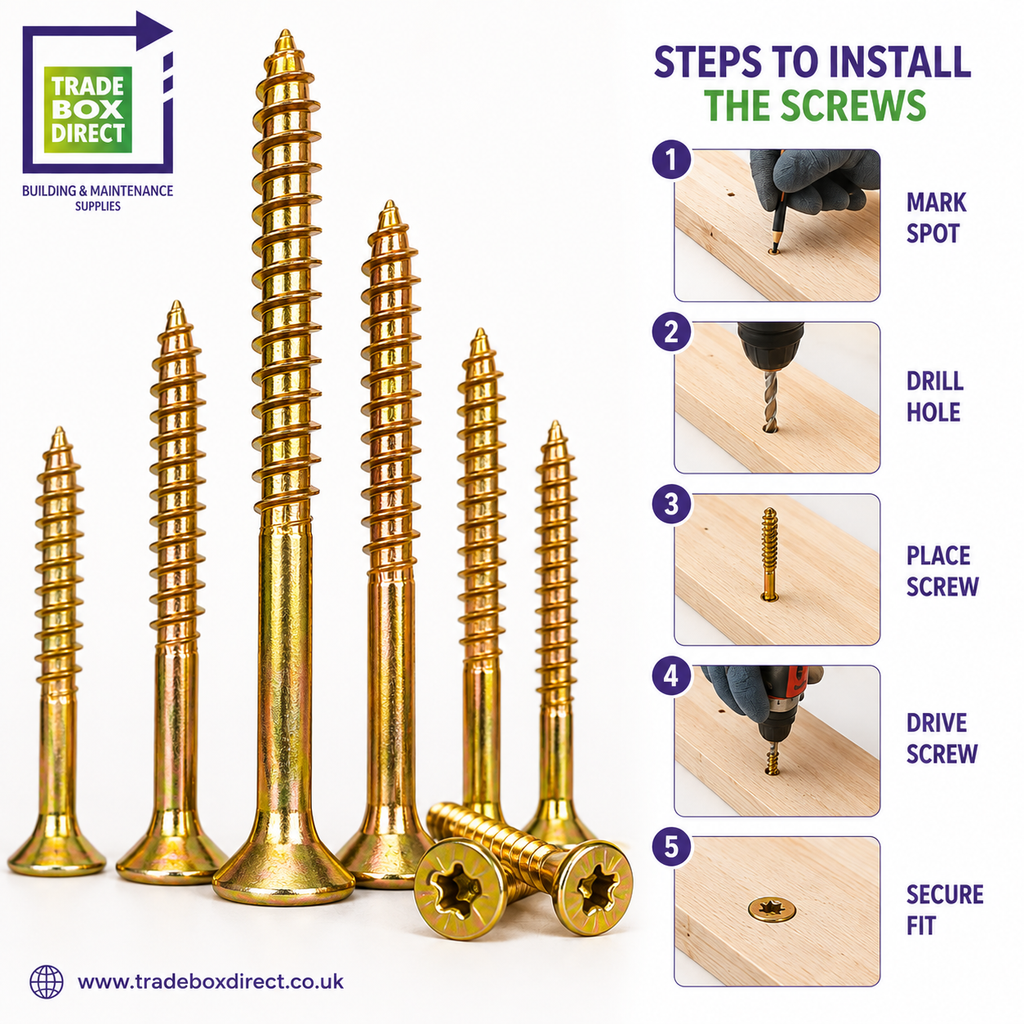
What Are Screws Used For?
SCREWS join or secure two or more materials. People use them for furniture, timber frames, shelves, cabinets, boards, repairs, and many construction jobs.
The threaded body grips the material as you turn the fastener. This action creates a strong connection when you choose the correct size and type.
For example, wood screws work well with timber. You can use them for furniture, shelving, wooden frames, and home improvement projects.
On the other hand, construction screws suit many heavier building tasks. They can provide strong fixing support when you choose the right product for the material.
Understanding Countersunk Screws
Countersunk screws have a shaped head that allows them to sit level with the material. This design creates a smooth and tidy finish.
You can use them for wooden boards, cabinets, furniture, doors, frames, and other timber projects. They work especially well when you do not want the screw head to stand above the material.
A countersunk design can also make finishing easier. After installation, you can leave the head level or prepare the area for further finishing.
Always select the correct size for your project. A screw that goes too deep can damage the material, while one that sits too high can spoil the final finish.
Why Choose Countersunk Wood Screws?
Countersunk wood screws combine a timber-friendly thread with a shaped head. This combination makes them useful for many woodworking jobs.
The correct length gives the screw enough grip without passing too far through the timber. Therefore, measure your material before choosing a size.
You should also use the correct driver bit. A poor fit can cause the bit to slip. It can also damage the screw head.
For best results, place the screw straight into the material. Apply steady pressure as you drive it. Avoid using excessive force.
What Are Pozi Screws?
Pozi screws use a Pozidriv-style drive. The matching driver bit fits into the head and helps you turn the screw smoothly.
Many furniture, woodworking, repair, and construction projects use this type of fixing. The design makes installation simple when you use the correct driver.
Before starting a large job, check your driver size. A correct fit gives you better control and can reduce head damage.
Pozi fixings also work well for repeated installation tasks. For this reason, they remain a popular choice for both DIY users and tradespeople.
How Do Construction Screws Work?
Construction screws support many building and repair tasks. They can join timber and other suitable materials while providing a firm fixing.
Your project may require a particular length, diameter, coating, or head design. Therefore, check the product details before you buy.
For timber work, choose a fastener that matches the material and expected load. You may also need to pre-drill the material, especially when you work near an edge or use harder timber.
Good preparation makes installation easier. It also helps you create a stronger and cleaner joint.
Product Spotlight: Multi-Purpose Golden Pozi Countersunk Wood Screws
The MULTI-PURPOSE GOLDEN POZI COUNTERSUNK WOOD SCREWS offer a useful option for woodworking, furniture assembly, repairs, and other timber tasks.
You can view the Multi-Purpose Golden Pozi Countersunk Wood Screws to review the product and its available options.
The countersunk head helps create a clean finish. Meanwhile, the Pozi drive works with a matching driver bit for straightforward installation.
Before you buy, check the available sizes and pack quantities. Think about how many fixings your project needs. Buying the correct quantity can help you avoid delays during the job.
How Are Wood Screws Made?
Manufacturers start with metal wire or rod. They shape this material into the required form and create the threaded body.
Next, they form the head and drive section. The manufacturer may then add a protective coating, depending on the product.
Each part needs to work together. The thread must grip the material, while the head must accept the correct driver.
Good manufacturing also helps create consistent sizes. As a result, users can expect easier installation and a more reliable fit.
What Are the Benefits of Choosing the Right Fixing?
The correct fixing can improve the strength of a joint. It can also make your work faster and give the project a cleaner finish.
For example, countersunk designs work well when you want a level finish. Wood screws provide useful grip in timber. Pozi drives can make installation easier when you use the right driver.
A suitable fastener can also reduce common problems. These include damaged heads, loose joints, poor alignment, and uneven finishes.
Therefore, do not choose a product based only on price. Consider the material and job first.
How Do You Choose the Correct Size?
Size plays an important role in every fixing project. A short screw may not grip the material properly. However, an overly long screw can pass through the material or cause damage.
Start by measuring the material thickness. Then consider how much fixing depth you need.
The diameter also matters. A thicker screw may provide greater holding strength, but it may not suit every material.
You should also check the drive type. Match the driver bit to the screw head before you start.
Can You Use Screws Outdoors?
You can use some fixings outdoors, but you should choose a product that suits the environment.
Outdoor projects can expose metal to rain, humidity, and changing weather. Over time, moisture can affect unsuitable materials. You can learn more about moisture before choosing products for demanding areas.
Storage conditions also matter. Good airflow can help reduce problems in some enclosed areas. In addition, condensation can affect certain environments.
Always check the product information before using a fixing outdoors.
Tips for Better Installation
Good preparation can make the whole job easier.
First, mark each fixing point clearly. Next, choose the correct driver bit. Then check the fixing length before installation.
Pre-drilling can help when you work with harder timber. It may also reduce splitting near the ends of boards.
Keep the drill or driver straight as you work. Apply steady pressure instead of forcing the tool.
Avoid over-tightening. Too much force can damage the head or material. Instead, stop when the fixing reaches the required depth and holds the joint securely.
Why Does Screw Head Design Matter?
The head shape affects both appearance and performance. A countersunk head can create a flatter finish, while other head shapes may suit different applications.
Think about the final look before you choose. Furniture and visible timber often benefit from a neat head design.
For construction work, strength and fitting requirements may matter more than appearance. Therefore, always match the head style to the task.
Should You Shop Online for Fixings?
Online shopping makes it easy to compare products before you buy. You can check sizes, pack quantities, product types, and intended applications from one place.
If you need fixings for your next project, visit the SCREWS and review the available options.
Before you order, check the product name, size, quantity, drive type, and intended use. This quick step can help you choose the right product and avoid unnecessary returns.
Frequently Asked Questions
What are countersunk screws used for?
Countersunk screws work well when you want the head to sit level with the material. They suit furniture, timber boards, cabinets, doors, and other woodworking projects.
Are wood screws good for furniture?
Yes. Suitable wood screws can provide strong and reliable joints for many furniture projects. Always choose the correct size for the material.
What makes Pozi screws useful?
Pozi screws work with matching Pozidriv bits. The design gives the driver good engagement and can make installation easier.
What are construction screws used for?
Construction screws support many building and repair tasks. Choose the correct product based on the material, fixing depth, and project requirements.
How do I choose the right size?
Measure the material thickness first. Then consider the required fixing depth and screw diameter. Always check the product information before installation.
Can one type of screw suit every project?
No. Different materials and tasks need different fixings. Size, head shape, drive type, coating, and length can all affect your choice.
Where can I buy suitable fixings?
You can shop the SCREWS range at TradeboxDirect for options suited to woodworking, furniture, construction, and repair work.
Conclusion
The right fixing can improve both the strength and appearance of your project. Countersunk wood screws, Pozi options, and construction products each serve different purposes.
Before you buy, check the material, size, head style, drive type, and working conditions. Then choose a product that matches the job.
With good preparation and careful installation, you can create strong, neat, and reliable joints for home improvement, woodworking, furniture assembly, and construction projects.