

What Are the Downsides of Using Air Bricks?
Introduction
Air bricks can play a useful role in a home’s airflow. They allow air to pass through walls and can support good VENTILATION. However, they are not perfect for every building or every room. Poor placement, blocked openings, dirt, and insects can all cause problems.
So, what are the downsides of using air bricks? The answer depends on the type of property, the location of the opening, and how the vent is maintained.
In this guide, we explain the main disadvantages of air bricks. We also look at modern options such as window vents, trickle vents, and ventilation grilles.
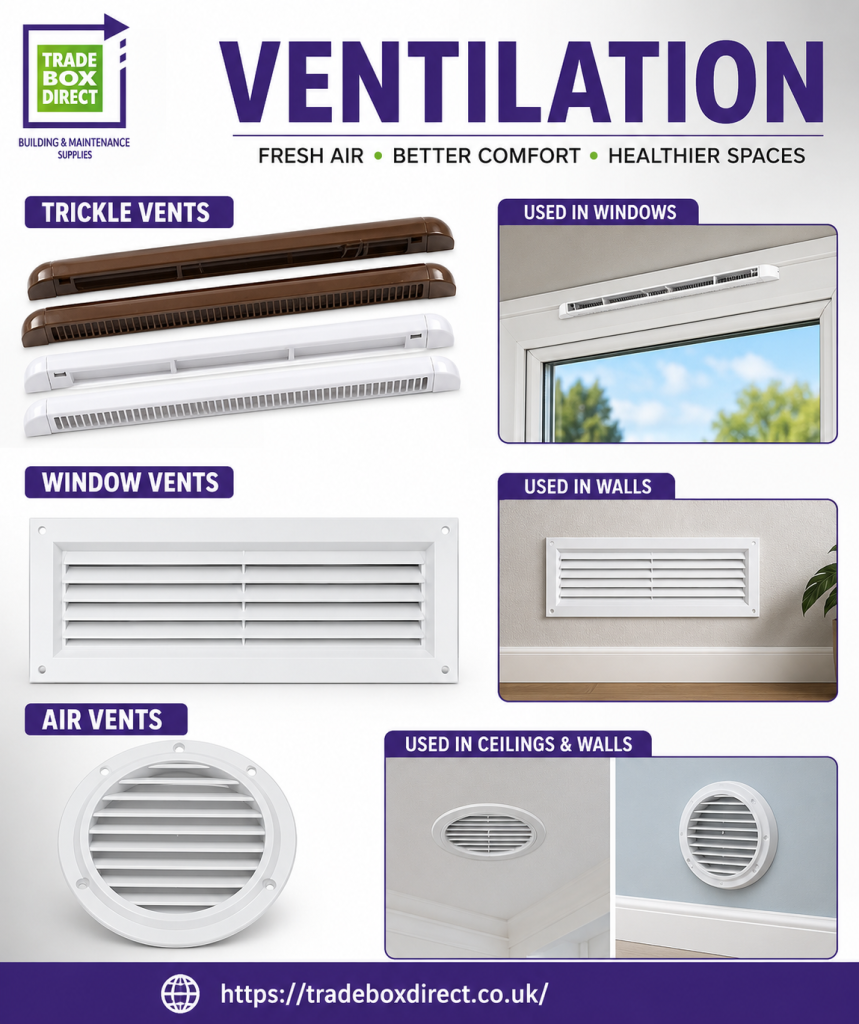
What Is an Air Brick?
An air brick is a vent with openings that allow air to move through a wall. You may also see them called air bricks, air brick vents, or a ventilation air brick.
Some traditional air bricks use clay or terracotta. A terracotta airbrick can suit older buildings and traditional homes. Modern versions can also use plastic or other durable materials.
The main purpose is to support airflow. However, an air brick can only work well when its openings remain clear.
What Are the Main Downsides of Air Bricks?
Air bricks offer useful airflow, but they also have some drawbacks. Understanding these points can help you decide whether they suit your home.
1. They Can Become Blocked
One of the biggest problems is blockage. Dirt, leaves, dust, paint, and other debris can collect inside the openings.
A blocked air brick cannot provide the same airflow as a clear one. Therefore, regular checks are important.
In addition, outdoor areas can expose the vent to mud and other debris. This can reduce the effectiveness of your home’s VENTILATION over time.
2. They Can Let In Insects
Open vents can sometimes provide a route for insects to enter a property. Small insects may pass through larger openings, especially when there is no suitable mesh or cover.
For this reason, some homeowners look for vent covers or an air vent cover with fly screen.
A fixed mesh can help reduce insect entry while still allowing air to pass through.
3. They May Allow Cold Air Inside
An air brick creates a direct path between outside and inside areas. As a result, cold outdoor air can enter a building.
This may feel uncomfortable during colder months. However, the level of impact depends on the vent location, building design, weather, and overall airflow.
A good VENTILATION plan should balance fresh air with comfort.
Can Air Bricks Cause Damp Problems?
An air brick does not automatically cause damp. In fact, suitable airflow can help manage moisture in some areas.
Problems can occur when an air brick is badly installed, damaged, blocked, or positioned incorrectly. Water can also enter through damaged openings in some situations.
Therefore, homeowners should inspect air bricks from time to time. If you notice cracks, damage, water marks, or unusual moisture, the cause should be checked.
Do not simply block an air brick because you notice a damp patch. Blocking it may reduce airflow and create another problem.
Air Brick Vent vs Window Vents
Air bricks are normally fitted into walls. In contrast, window vents, window air vents, and window trickle vents fit into suitable window frames.
This makes them useful for rooms where wall openings are not the preferred option.
For example, trickle vents for UPVC windows can provide a small and steady airflow route. Similarly, trickle vents for doors can support airflow through suitable door systems.
These products can form part of a wider window ventilation approach.
How Do Trickle Vents Work?
A trickle vent uses a small opening in a window or door frame. When open, it allows outdoor air to enter gradually.
Unlike opening a window fully, the opening remains small. This provides a more controlled airflow route.
The 5000 AirFlow UPVC Trickle Vent for Windows & Doors | White is designed for suitable windows and doors. Its compact design can provide a practical option for homes that need additional airflow.
This type of product can be useful when homeowners want regular VENTILATION without keeping a window wide open.
How Are UPVC Trickle Vents Made?
UPVC trickle vents are generally made from plastic components designed to suit suitable window and door frames. UPVC is commonly used in building products because it is lightweight and practical.
The vent has an opening that allows air to pass through. Depending on the design, an adjustable part can help control the amount of airflow.
For example, the Vent Axia – trickle vents for windows Ventilation Real PVC Plastic 300mm 400mm offers a plastic trickle-vent option for suitable installations.
Before you buy, always check the size and fitting requirements.
Can Ventilation Grilles Be a Better Option?
Sometimes, a grille may suit a particular installation better than an open air brick. Ventilation grilles can cover openings while still allowing air to pass.
A ventilation grille can also provide a neat finish around an opening. Some designs include mesh to help reduce insect entry.
For example, the LOUVRED AIR VENT COVER WITH FIXED FLYSCREEN FLY MESH, PLASTIC VENTILATION GRILLE combines a louvred design with fixed fly mesh.
This can be useful where airflow and insect protection are both important.
What About Terracotta Air Bricks?
A terracotta airbrick can be a good match for traditional properties. Its appearance may suit older brickwork better than a modern plastic vent.
However, terracotta can crack or become damaged if it receives impact. Therefore, damaged units should be inspected and replaced when needed.
The Vent Axia – Double Louvred Airbrick Terracotta – 220x90mm is an example of a terracotta-style air brick.
When shopping for an air brick, consider the building style as well as airflow needs.
Can Air Bricks Be Used in Every Room?
No. The correct ventilation product depends on the room and building design.
For example, kitchens and bathrooms often produce more moisture. Bedrooms may need fresh airflow for comfort. Some wall areas may require specific ventilation for structural or building-system reasons.
A complete home ventilation system may use several products together.
This could include house window vents, plastic window vents, air bricks, grilles, and suitable trickle vents.
Therefore, avoid adding or blocking vents without understanding their purpose.
What Should You Consider Before You Buy?
If you plan to shop for an air brick or window vent, first think about where the product will go.
Check the following:
- Product size
- Material
- Airflow requirements
- Installation method
- Mesh or insect protection
- Window or wall compatibility
- Indoor and outdoor conditions
- Existing ventilation points
You can then compare suitable products before you buy.
For example, someone looking for trickle vents for windows may need a different product from someone replacing a damaged wall air brick.
How Can You Improve Home Ventilation?
Good VENTILATION starts with clear airflow paths. Keep vents clean and check them regularly.
Also, avoid covering vents with furniture, paint, boxes, or other items. In bathrooms and kitchens, use suitable extraction where required.
You can also consider products such as upvc windows with air vents, air box trickle vents, plastic window vents, and other suitable ventilation products.
The goal is not simply to add more vents. Instead, the goal is to create useful and controlled airflow throughout the home.
Are Air Bricks Still Useful?
Yes. Air bricks can still provide an important airflow route in suitable buildings. Their disadvantages do not make them unsuitable for every property.
The key is correct installation, regular cleaning, and suitable placement.
At the same time, modern products can offer different solutions. Window trickle vents can support controlled airflow, while a grille with mesh can provide airflow with added insect protection.
Therefore, choose the option that matches your property’s needs.
Save More, Shop Smart — Enjoy Exclusive Discounts On Our Different Products Today! TradeBoxDirect
FAQs
What is the biggest downside of an air brick?
The main downside is that it can become blocked by dirt, leaves, paint, or debris. A blocked air brick cannot provide effective airflow.
Can air bricks let insects into a house?
Yes, some open designs can allow insects to enter. A suitable air vent cover with fly screen can help reduce this issue.
Can an air brick cause damp?
An air brick does not normally cause damp by itself. However, poor installation, damage, or water entry can create problems. Damp should always be investigated before blocking a vent.
Are window trickle vents better than air bricks?
They serve different purposes. Air bricks usually fit into walls, while window trickle vents fit into suitable windows. The right choice depends on the building and airflow needs.
Can I block an unused air brick?
You should not block an air brick without first checking why it exists. Some vents may support important airflow. If you are unsure, get suitable professional advice.
What are trickle vents used for?
Trickle vents provide a small, controlled opening for fresh air. They can support window ventilation while the window remains mostly closed.
Should I buy a terracotta airbrick or a plastic vent?
Consider the location, appearance, size, airflow needs, and material. A terracotta airbrick may suit traditional brickwork, while plastic vents can suit modern installations.
How can I improve ventilation at home?
Keep existing vents clear, use suitable extraction in moisture-heavy rooms, and consider appropriate air vents, window vents, or trickle vents where needed.
Final Thoughts
Air bricks can provide useful airflow, but they also have limitations. They may become blocked, allow insects inside, or bring cold outdoor air into a room. However, these issues do not mean that air bricks are always a poor choice.
Good VENTILATION needs the right product in the right place. Depending on your home, an air brick, ventilation grille, window vent, or trickle vent may provide a better solution.
Before shopping, check the product size, installation requirements, airflow needs, and location. That simple approach can help you choose a suitable product and create a more comfortable home.
