

Which Plastic Pipe Fittings Are Best for Home Plumbing Projects?
Choosing the right parts can make a home plumbing project much easier. The correct fittings help pipes connect well and stay secure. They can also reduce leaks and make future repairs simpler. However, many homeowners find it hard to choose the right type.
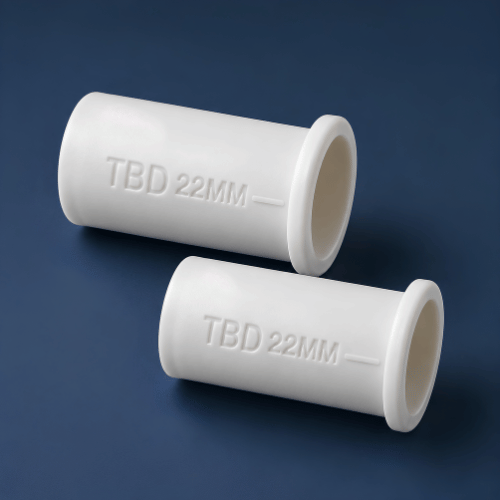
So, which plastic fittings are best for home plumbing projects? The answer depends on the pipe size, plumbing system, water pressure, and type of connection. For many household jobs, strong plastic pipe fittings and pipe inserts offer a simple and reliable option.
This guide explains the main types, their uses, and how to choose the right ones.
What Are Plastic Pipe Fittings?
Plastic pipe fittings are parts used to join, change, extend, or control plastic pipes. They come in different shapes and sizes. For example, you can find elbows, tees, couplers, reducers, and adaptors.
These parts are useful in many home plumbing jobs. They can connect pipes in straight lines or help change the direction of a pipe. Also, they are often light and easy to handle.
In addition, many plastic fittings work well with modern plastic plumbing pipes. Their simple design makes them useful for DIY work and professional plumbing jobs.
Why Are Plastic Fittings Useful for Home Plumbing?
There are several reasons why homeowners choose plastic plumbing parts.
First, they are lightweight. Therefore, they are easier to carry and install than many metal alternatives.
Second, plastic fittings can work well in many domestic plumbing systems. They are suitable for different pipe sizes and connection types.
Third, they are often easy to replace. If a fitting becomes damaged, you can remove it and install a suitable replacement.
Furthermore, plastic does not rust like some metal materials. This can make plastic pipe fittings a practical choice for many indoor plumbing projects.
What Are Pipe Inserts?
A pipe insert is a small component placed inside a plastic pipe. It helps support the pipe wall when a compression fitting is tightened.
Plastic pipes can be softer than metal pipes. As a result, the pipe wall may need extra support. A pipe insert helps prevent the pipe from being crushed or distorted during installation.
This is especially important when compression connections are used.
For example, a 15mm pipe insert is designed for suitable 15mm plastic pipe. Likewise, a 22mm insert is made for compatible 22mm plastic pipe.
Using the correct size matters. A poor fit can affect the connection and may increase the risk of leaks.
22MM PIPE STIFFENER INSERT for Home Plumbing
The 22MM PIPE STIFFENER INSERT is useful when working with compatible 22mm plastic plumbing pipe.
Its main purpose is to support the inside of the pipe. When the fitting is tightened, the insert helps the pipe keep its shape.
Therefore, it can provide extra support at the connection point.
This type of insert can be useful for home repairs, bathroom plumbing, kitchen projects, and other domestic jobs. However, you should always check that the insert matches the pipe material and fitting system before installation.
For larger domestic pipe connections, the 22MM PIPE STIFFENER INSERT can be a useful part of a well-planned plumbing setup.
15MM Pipe Stiffener Insert for Smaller Pipes
The 15MM Pipe Stiffener Insert is designed for compatible 15mm plastic pipe.
The 15mm size is common in many UK home plumbing systems. It can be found in applications such as water supply lines and heating systems.
When a compression fitting is used, the insert sits inside the pipe. The fitting then grips the pipe around the supported section.
As a result, the connection can remain more stable.
A suitable plastic pipe insert should fit correctly inside the pipe. It should not be forced into an unsuitable pipe size.
Best Types of Plastic Pipe Fittings
Different plumbing tasks need different fitting types. Here are some common options.
1. Straight Couplers
A straight coupler joins two pipes of the same size. It is useful when a pipe needs to be extended or repaired.
For example, a coupler can connect two compatible 15mm pipes. It can also be used with other common sizes.
2. Elbow Fittings
Elbow fittings change the direction of a pipe. Common versions create a 90-degree turn.
They are useful when a pipe needs to move around a corner. Therefore, they can help create a neat plumbing layout.
3. Tee Fittings
A tee fitting allows one pipe to branch into another line. It has three connection points.
This makes it useful when water needs to flow in two directions from one main pipe.
4. Reducer Fittings
A reducer connects pipes with different sizes. For example, it may connect a larger pipe to a smaller one.
However, the fitting must match the plumbing system and connection method.
5. Compression Fittings
Compression fittings are popular for many home plumbing projects. They can create secure connections without complex tools.
When used with plastic pipe, the correct pipe inserts should be selected. The insert supports the pipe inside the fitting.
Plastic Fittings vs Metal Fittings
Both plastic and metal plumbing fittings have useful features. The best option depends on the project.
Plastic parts are usually lightweight and easy to handle. They can also be convenient for DIY plumbing work.
Metal fittings, on the other hand, can provide strong connections for applications that require them.
Therefore, homeowners should not choose a fitting based only on price. Pipe material, pressure, temperature, fitting type, and manufacturer guidance should also be considered.
For suitable domestic applications, plastic fittings can provide a practical solution without adding unnecessary weight.
How to Choose the Right Plumbing Fittings
Choosing the correct plumbing fittings starts with the pipe.
First, check the pipe size. Common domestic sizes include 15mm and 22mm.
Next, check the pipe material. Not every fitting works with every type of plastic pipe.
Then, check the connection method. Compression, push-fit, and other systems may require different components.
Also, check whether a pipe insert is needed. If a compression fitting is being used with compatible plastic pipe, the correct insert can help support the pipe.
Finally, follow the fitting manufacturer’s instructions. This step is important because installation methods can vary.
Why Pipe Size Matters
Pipe size has a direct effect on fitting choice.
A 15mm pipe needs a suitable 15mm fitting and, where required, a suitable 15mm pipe insert. Similarly, a 22mm pipe needs the correct 22mm components.
Using the wrong size can lead to a poor connection. In turn, this may cause leaks or other plumbing problems.
Therefore, measure or check the pipe size before buying your plastic fittings.
Common Home Plumbing Mistakes to Avoid
Even a simple plumbing project can go wrong if small details are ignored.
One common mistake is choosing the wrong fitting size. Another is using an insert that does not match the pipe.
Some people also forget to cut the pipe cleanly. A rough or uneven pipe end can affect the connection.
Moreover, overtightening a compression fitting can damage the pipe or fitting. It is better to follow the manufacturer’s recommended method.
Always check the connection before putting the plumbing system back into normal use.
Are Plastic Pipe Fittings Good for DIY Projects?
Yes, suitable plastic pipe fittings can be useful for many home plumbing projects.
They are often lightweight and easy to work with. Also, many systems need only basic tools.
However, DIY work should stay within your skill level. If a job involves complex plumbing, major alterations, gas systems, or a risk of serious water damage, professional help may be needed.
For smaller tasks, correctly selected plastic fittings and inserts can make the work more manageable.
How Do Pipe Inserts Improve a Connection?
A pipe insert supports the inside wall of a plastic pipe.
When a compression fitting is tightened, the pipe is held firmly by the fitting. The insert gives the pipe extra internal support.
As a result, the pipe is less likely to deform at the connection point.
This is why the correct plastic pipe insert can be an important part of a compression connection.
Choosing Between 15mm and 22mm Inserts
The choice is simple when the pipe size is known.
Use a suitable 15MM Pipe Stiffener Insert for compatible 15mm plastic pipe.
Use a suitable 22MM PIPE STIFFENER INSERT for compatible 22mm plastic pipe.
Do not select an insert based only on appearance. Check the actual pipe size and material first.
This small step can help prevent connection problems later.
Final Thoughts
The best plastic fittings for a home plumbing project depend on the pipe, fitting system, size, and purpose.
Straight couplers work well for joining pipes. Elbows help change direction. Tee fittings create branches, while reducers connect different pipe sizes.
For compression connections, suitable pipe inserts can provide important support. Both the 15MM Pipe Stiffener Insert and 22MM PIPE STIFFENER INSERT can be useful when matched with the correct plastic pipe.
Most importantly, check the pipe size, material, and fitting requirements before starting work. With the right parts and careful installation, home plumbing projects can become simpler, cleaner, and more reliable.
FAQs About Plastic Pipe Fittings
What are the most common plastic pipe fittings?
Common types include couplers, elbows, tees, reducers, adaptors, and compression fittings. The correct option depends on the plumbing task.
What is a pipe insert used for?
A pipe insert supports the inside of compatible plastic pipe. It is commonly used with compression fittings to help the pipe keep its shape.
Do 15mm plastic pipes need inserts?
Some compression fitting systems require an insert when used with compatible 15mm plastic pipe. Always check the fitting manufacturer’s instructions.
What is a 15mm pipe insert?
A 15mm pipe insert is a stiffening component designed for compatible 15mm plastic pipe. It provides internal support at a fitting connection.
What is a 22mm pipe stiffener insert?
A 22mm pipe stiffener insert supports compatible 22mm plastic pipe inside a connection. It is commonly used with suitable compression fittings.
Can plastic fittings be used for home plumbing?
Yes. Suitable plastic fittings can be used in many domestic plumbing applications. However, the fitting must match the pipe type, size, pressure, and system requirements.
How do I choose plastic pipe fittings?
Start by checking the pipe size and material. Then choose a fitting designed for that pipe and connection method. Finally, check the manufacturer’s installation guidance.
Are plastic plumbing fittings better than metal fittings?
Neither is always better. Plastic fittings can be lightweight and practical for many domestic jobs, while metal fittings may suit applications that need different properties. The project should determine the choice.
